15 Ornament Drawing Ideas for Creative Minds
Discover 15 stunning ornament drawing ideas that spark creativity and transform your artwork into beautiful masterpieces worth displaying.
Have you ever stared at a blank page, pencil in hand, wondering what magical design might emerge from your imagination? Ornament drawing offers a fascinating gateway into artistic expression that combines tradition with personal creativity. Whether you're decorating holiday cards, designing tattoo concepts, or simply exploring new artistic territories, ornament drawings provide endless possibilities for creative exploration. These decorative elements have adorned human creations for centuries, from ancient architecture to modern digital designs. The beauty of ornament drawing lies in its accessibility because anyone can start with basic shapes and gradually develop intricate patterns. Throughout this article, you'll discover fifteen inspiring ornament drawing ideas that will ignite your creative spark and help you develop your unique artistic voice.
1. Classic Christmas Ball Ornaments
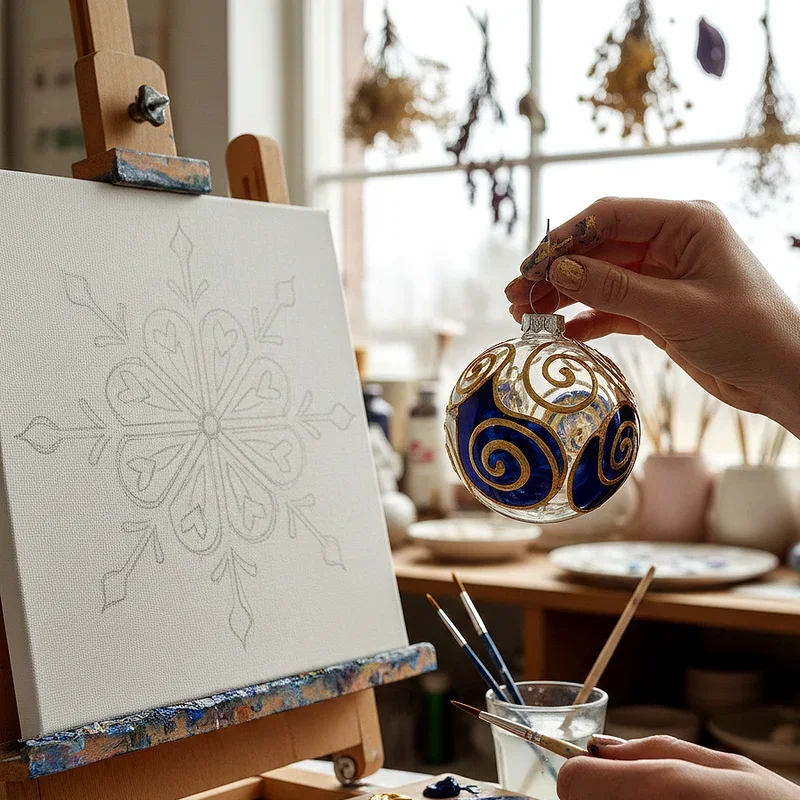
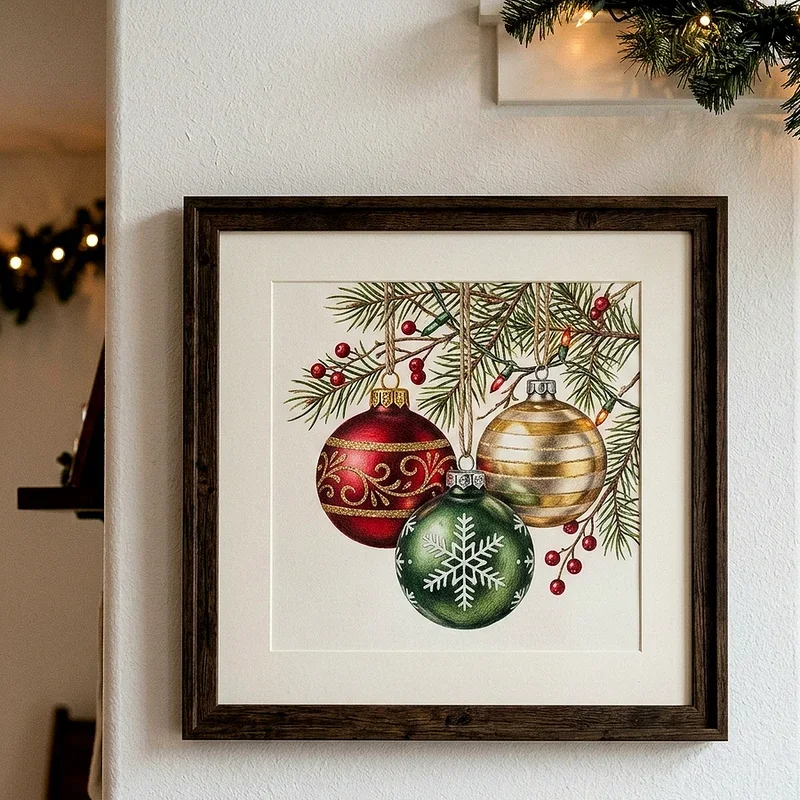
Nothing captures the spirit of celebration quite like drawing classic Christmas ball ornaments with their timeless spherical shapes and decorative details. These beloved decorations serve as perfect subjects for artists at any skill level because they combine simple geometry with unlimited creative potential. Start by sketching a basic circle, then add the ornament cap and hanging hook at the top. The real magic happens when you begin embellishing the surface with swirls, stripes, polka dots, or intricate paisley patterns. You can experiment with reflective highlights to give your ornament that glossy, glass-like appearance that makes holiday decorations so enchanting. Try drawing multiple ornaments clustered together, perhaps with pine branches weaving between them, creating a festive composition that celebrates the warmth of seasonal traditions.
2. Vintage Victorian Scroll Patterns
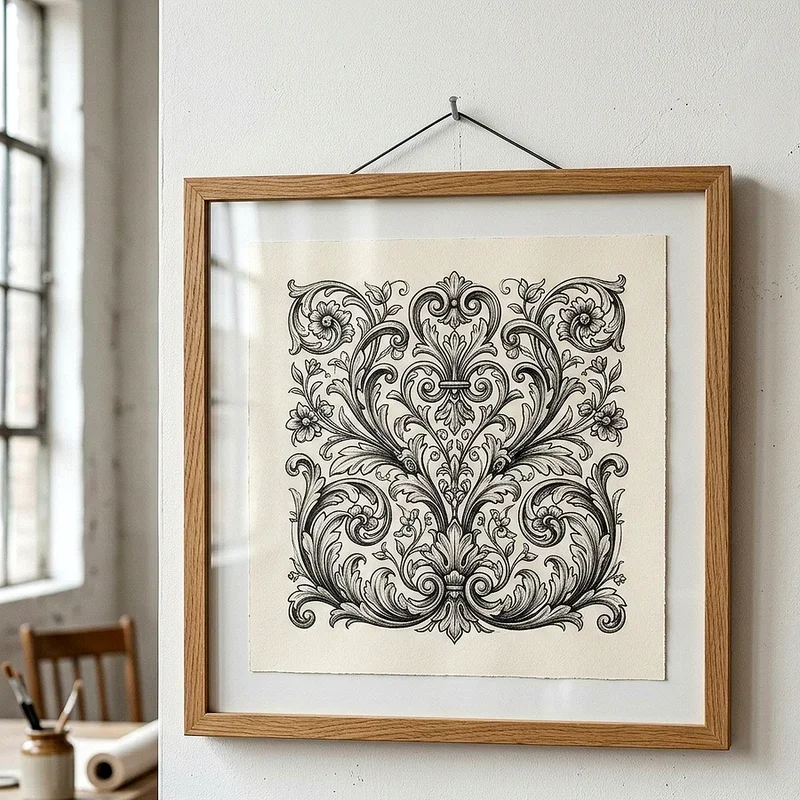
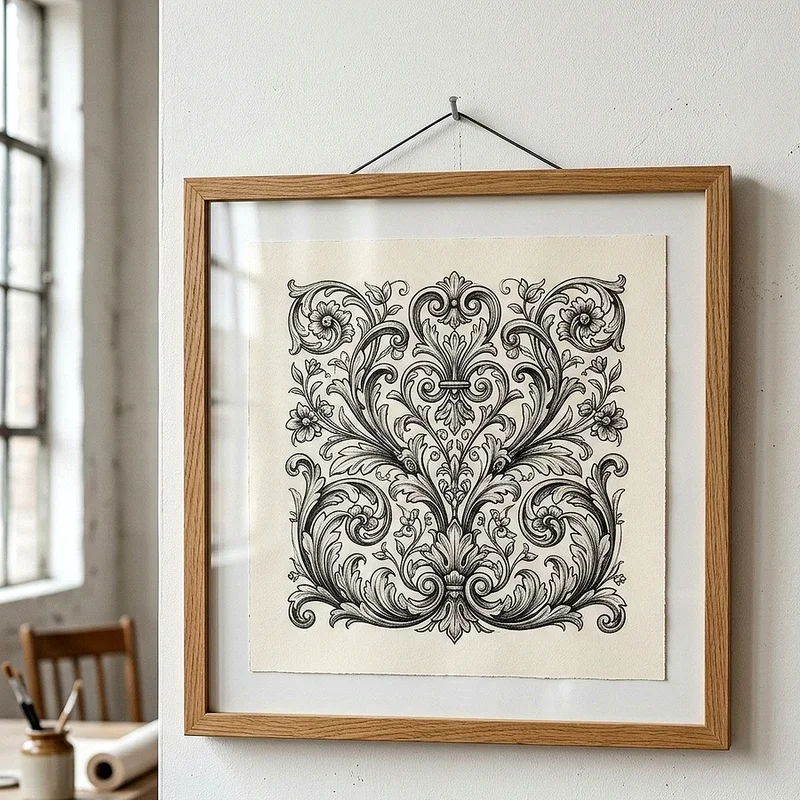
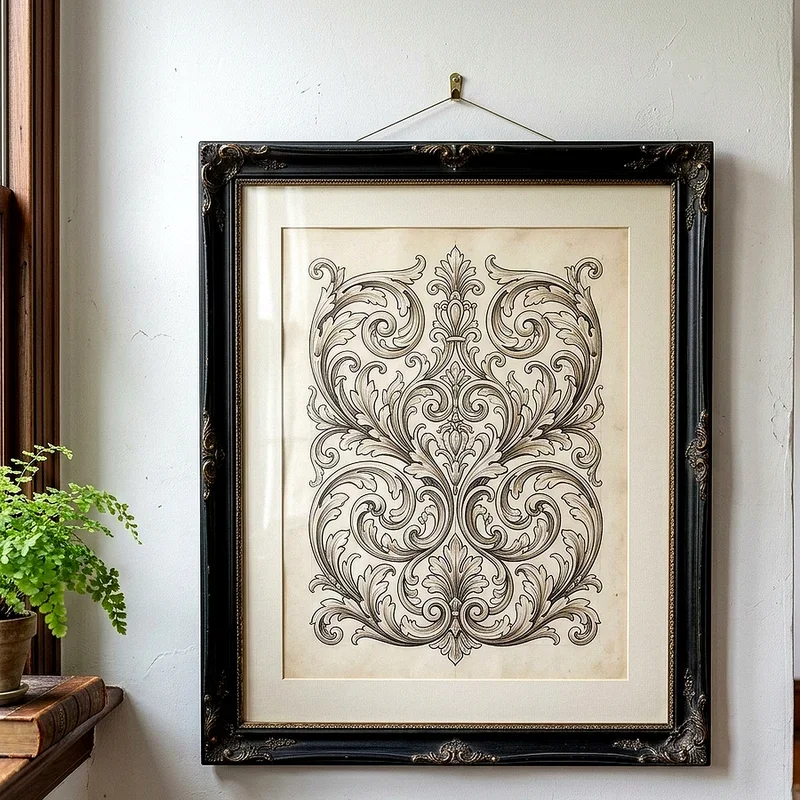
Victorian scroll patterns transport your artwork to an era of elegance and refined sophistication that continues inspiring artists today. These ornate designs feature flowing curves, elaborate flourishes, and symmetrical arrangements that dance across the page with graceful movement. Think of these scrolls as frozen music because they possess rhythm, flow, and harmony in visual form. Begin practicing by drawing simple S-curves and C-curves, then gradually connect them into more complex arrangements. Victorian scrollwork often incorporates acanthus leaves, which are those distinctive scalloped foliage shapes you see adorning classical architecture and antique furniture. The key to mastering these patterns lies in maintaining consistent line weight while allowing natural variations that give your work an organic, hand-crafted quality rather than mechanical precision.
3. Nature-Inspired Leaf and Vine Designs
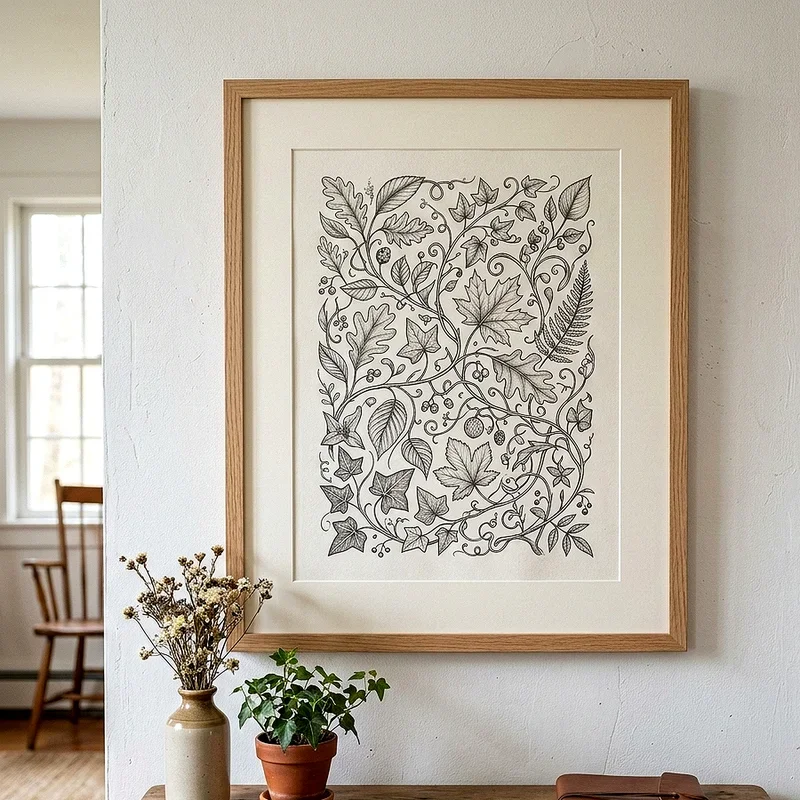
Mother Nature provides an inexhaustible library of ornamental inspiration through her leaves, vines, and botanical wonders. Drawing nature-inspired ornaments connects you to the organic patterns that humans have admired and replicated since the earliest cave paintings. Start observing the leaves in your garden or local park, noticing how veins branch outward like tiny rivers flowing through green landscapes. Vine ornaments work beautifully as borders, frames, or standalone decorative elements because their winding paths naturally guide the viewer's eye across your composition. Try combining different leaf shapes such as oak, maple, ivy, and fern to create varied and interesting arrangements. Adding small berries, flowers, or seed pods along your vines introduces delightful focal points that break up repetitive patterns and add visual interest to your botanical ornamental designs.
4. Geometric Mandala Ornaments
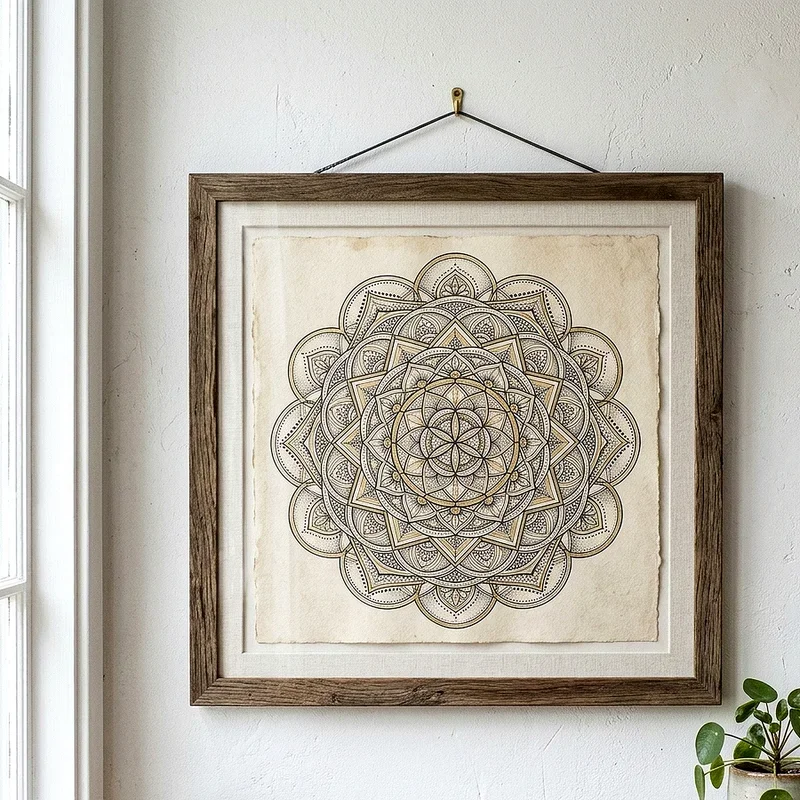
Mandalas represent the universe in miniature, and drawing these circular geometric ornaments becomes a meditative journey toward inner peace and artistic growth. These sacred geometric patterns originate from Hindu and Buddhist traditions, though similar circular designs appear across virtually every culture worldwide. The hypnotic beauty of mandalas emerges from their radial symmetry, where patterns repeat around a central point like petals blooming from a flower's heart. Begin your mandala by drawing a small circle at the center, then gradually add concentric rings of increasingly complex patterns. Each ring can feature different elements including dots, triangles, curves, lotus petals, or abstract shapes. The repetitive nature of mandala drawing quiets the chattering mind while training your hand to create precise, balanced designs.
5. Whimsical Snowflake Creations
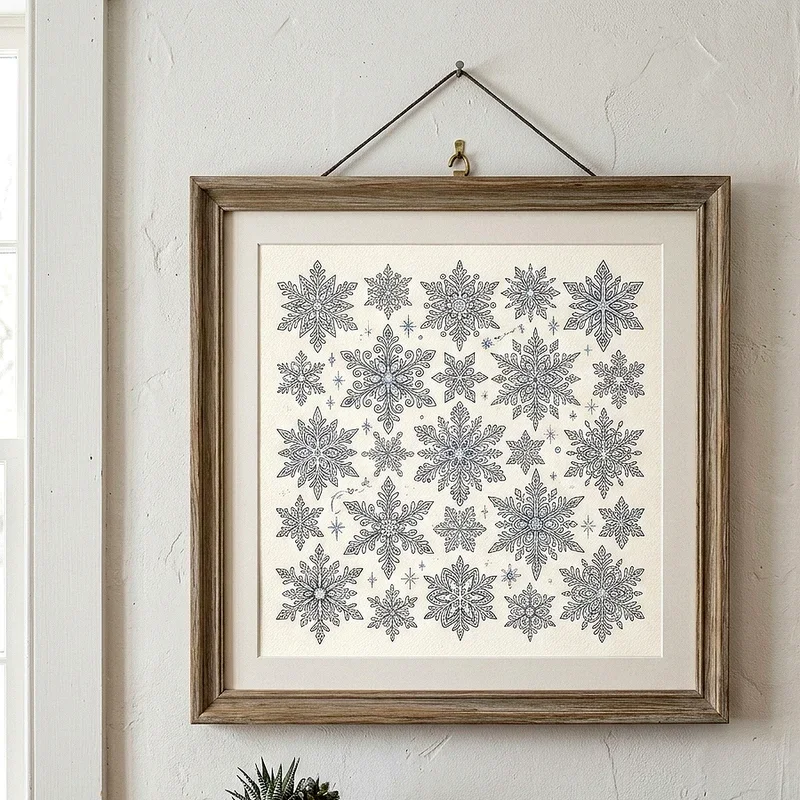
Snowflakes remind us that nature creates ornaments far more intricate than anything human hands could imagine, yet we can capture their essence through careful observation and creative interpretation. Every snowflake follows hexagonal symmetry, meaning they always have six arms radiating from a central point, though no two are ever identical. This scientific fact gives you permission to invent entirely original snowflake designs while maintaining that characteristic six-fold structure. Start by drawing three intersecting lines through a center point, creating six equal sections like slicing a pie. Then embellish each arm with matching patterns such as branches, arrows, circles, or crystalline shapes. The trick to beautiful snowflake ornaments lies in maintaining perfect symmetry while adding enough detail to make each creation feel special and unique.
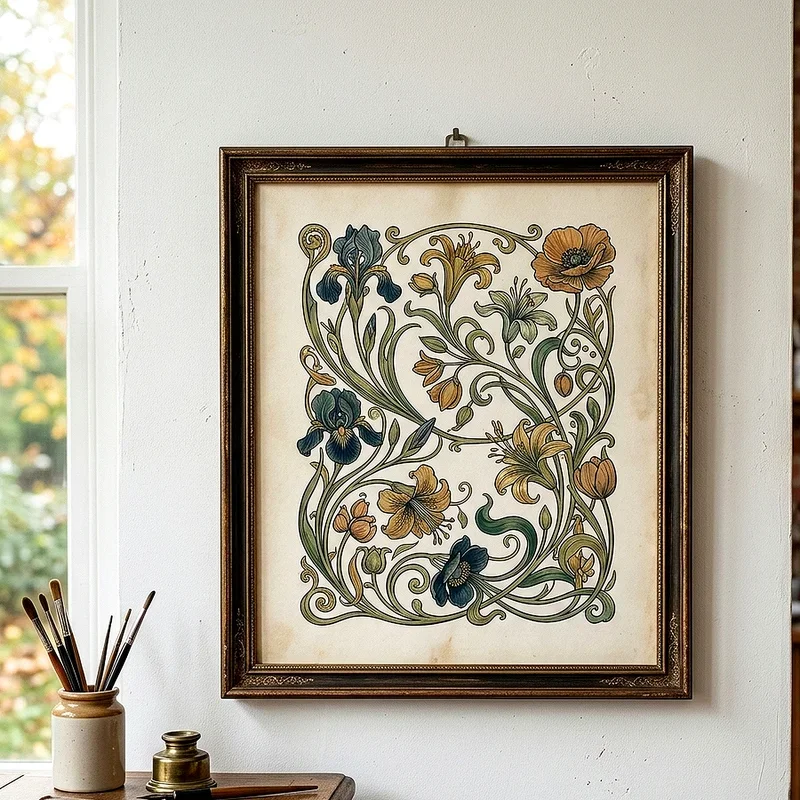
6. Art Nouveau Floral Arrangements
Art Nouveau emerged in the late nineteenth century as a rebellion against industrial rigidity, celebrating organic forms and natural beauty through sinuous, flowing lines. Drawing Art Nouveau ornaments means embracing curves that seem almost alive, like plants growing in fast motion across your paper. The iconic artists of this movement, including Alphonse Mucha and Aubrey Beardsley, transformed flowers, women, and natural elements into decorative masterpieces that still inspire designers today. Characteristic elements include elongated stems, stylized flower heads, and whiplash curves that create dynamic movement throughout the composition. Irises, lilies, poppies, and wisteria frequently appear in Art Nouveau designs because their natural shapes already possess that flowing quality the movement celebrated. Practice drawing these flowers with exaggerated curves and decorative borders that frame them like precious jewels.
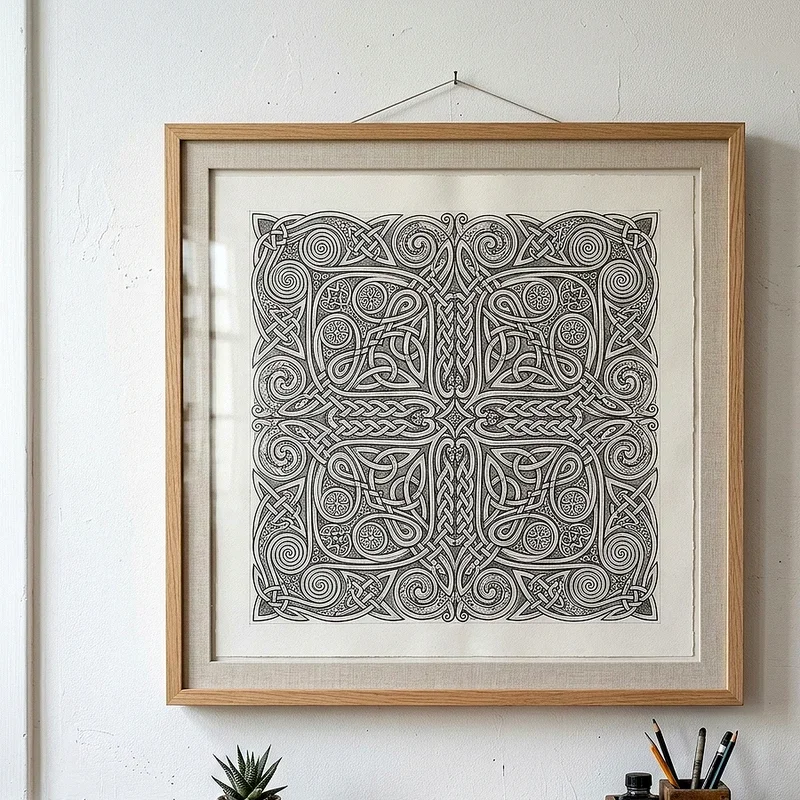
7. Celtic Knot Ornamental Patterns
Celtic knots weave an endless path with no beginning and no end, symbolizing eternity and the interconnectedness of all things in ancient Irish and Scottish traditions. These mesmerizing patterns challenge your brain in delightful ways because you must track the over-under weaving of each strand throughout the entire design. Start with simple three-strand braids before attempting more complex knots like the triquetra or the intricate Book of Kells patterns. The secret to successful Celtic knotwork lies in planning your design on a grid before committing to final lines. Draw your knot lightly first, carefully noting where each strand passes over or under its neighbors. Once you've solved the puzzle of the weave, you can add thickness to your lines and shade the strands to create that characteristic three-dimensional appearance that makes Celtic art so captivating.
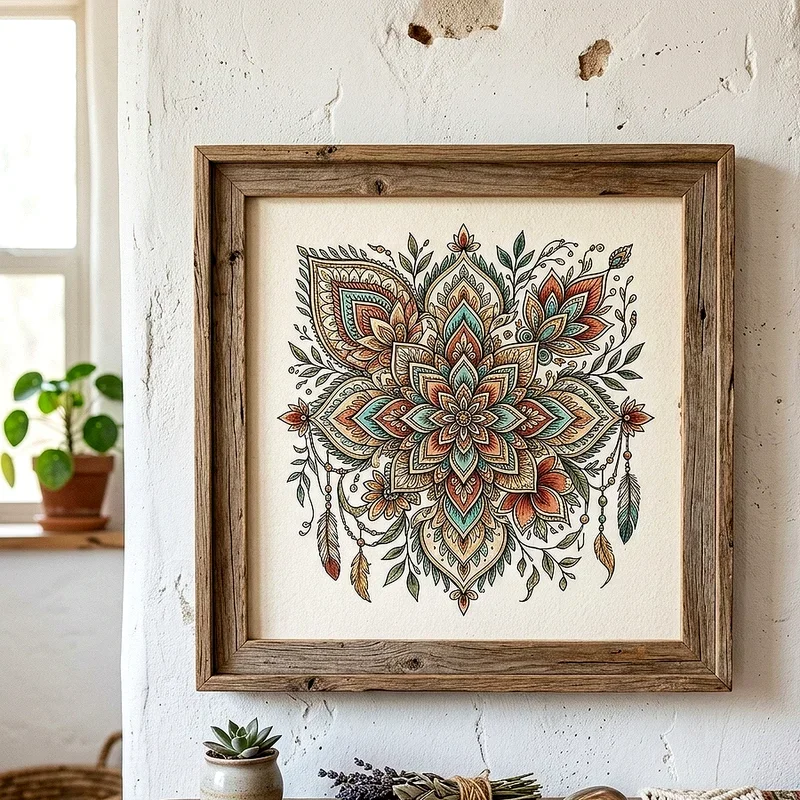
8. Bohemian Dreamcatcher Elements
Dreamcatchers blend Native American tradition with bohemian aesthetics, creating ornamental designs that capture imagination and cultural mystique in their web-like structures. These circular talismans originally served to filter dreams, allowing good visions to pass through while trapping nightmares in their intricate webs. Drawing dreamcatcher ornaments lets you combine multiple decorative elements including the circular frame, the geometric web pattern, and the dangling feathers and beads below. Begin with a perfect circle representing the hoop, then create the web by drawing lines that connect points around the circle's interior. Add personality through the hanging elements where feathers, arrows, crescent moons, and gemstones create movement and visual interest. Bohemian style encourages mixing patterns and textures freely, so don't hesitate to incorporate additional ornamental elements around your dreamcatcher.
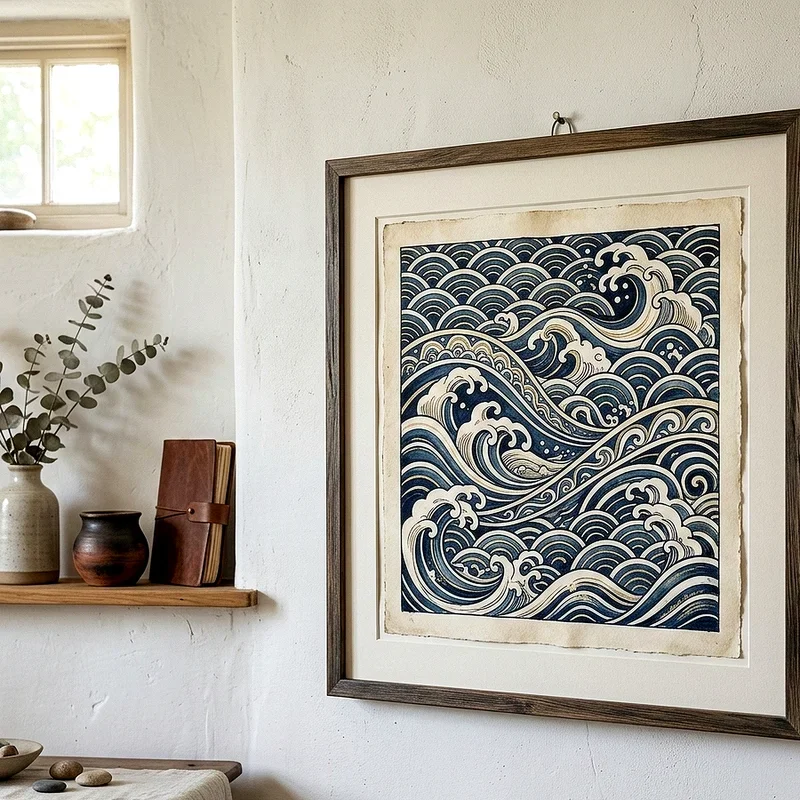
9. Japanese-Inspired Wave Ornaments
The great wave has crashed through art history for centuries, and Japanese-inspired wave ornaments bring that dynamic energy to your drawings with their distinctive curling crests and foaming peaks. Japanese artists developed a stylized approach to depicting water that transforms chaotic ocean movements into elegant, repeatable patterns. The famous great wave by Hokusai demonstrates how waves can become decorative elements while maintaining their powerful, almost threatening presence. Practice drawing the characteristic claw-like wave crests that curl inward like grasping fingers reaching toward the sky. Japanese wave patterns work beautifully as borders, backgrounds, or standalone ornamental pieces because their flowing nature guides the eye smoothly across compositions. Combine wave elements with other Japanese motifs like cherry blossoms, koi fish, or clouds to create rich ornamental arrangements that honor this beautiful artistic tradition.
10. Steampunk Mechanical Decorations
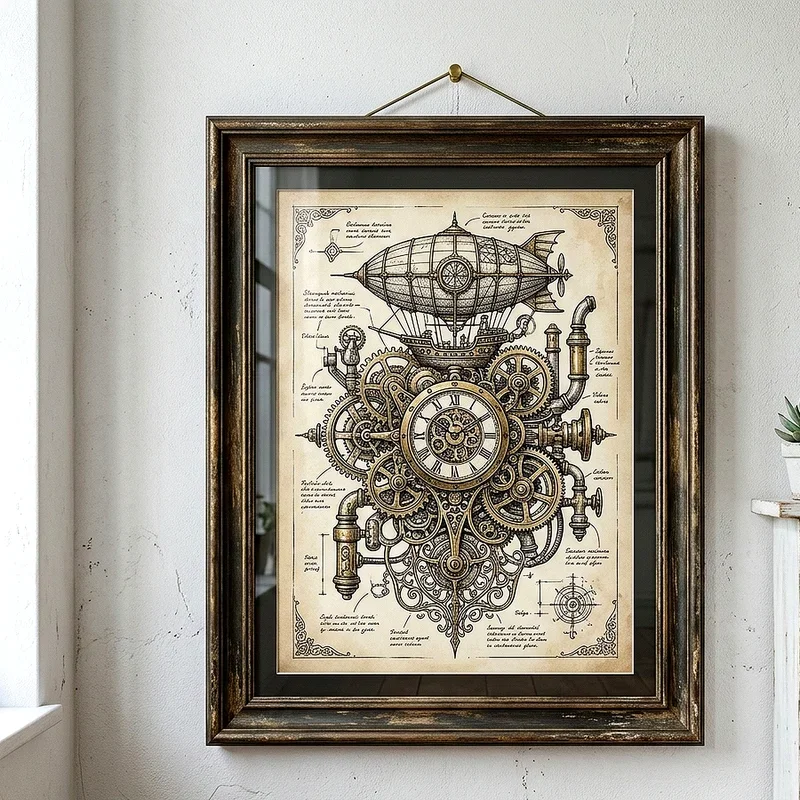
Steampunk ornaments merge Victorian elegance with industrial machinery, creating fascinating decorative elements that look like they belong in a time-traveling inventor's workshop. This retrofuturistic aesthetic imagines a world where steam power advanced beyond our reality, producing elaborate brass mechanisms, spinning gears, and intricate clockwork devices. Drawing steampunk ornaments requires balancing organic flowing elements with hard mechanical precision. Include gears of various sizes, some interlocking as if they might actually function, along with pipes, rivets, gauges, and decorative filigree. Clock faces appear frequently in steampunk designs, their Roman numerals and ornate hands adding a sense of passing time to your compositions. Wings made from metal plates and leather straps, mechanical hearts with visible chambers, and goggles with multiple lenses all serve as excellent steampunk ornamental subjects.
11. Minimalist Line Art Ornaments
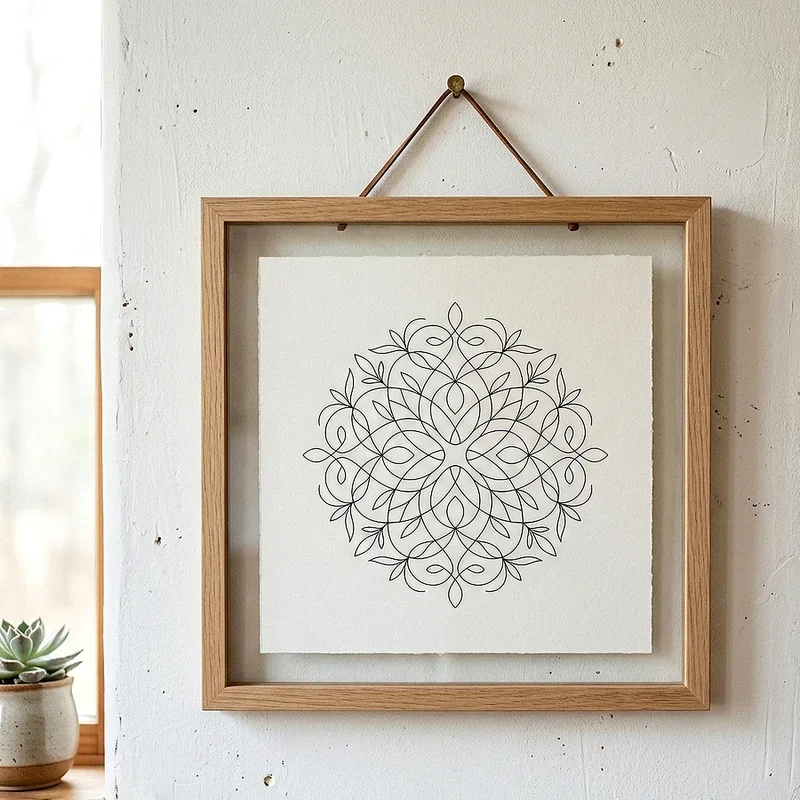
Sometimes the most powerful artistic statements emerge from restraint, and minimalist line art ornaments prove that simplicity can carry tremendous visual impact. These designs strip away all unnecessary elements, leaving only essential lines that suggest forms rather than fully rendering them. A single continuous line might trace the outline of a face, a flower, or an abstract shape, challenging you to communicate maximum meaning with minimum strokes. The elegance of minimalist ornaments lies in what you leave out rather than what you include. Practice drawing familiar objects using only one unbroken line, lifting your pencil as rarely as possible. This constraint forces creative problem-solving and develops your ability to see objects as connected flowing forms. Minimalist ornaments work exceptionally well for modern design applications including logos, tattoos, and contemporary home décor.
12. Baroque Frame and Border Designs
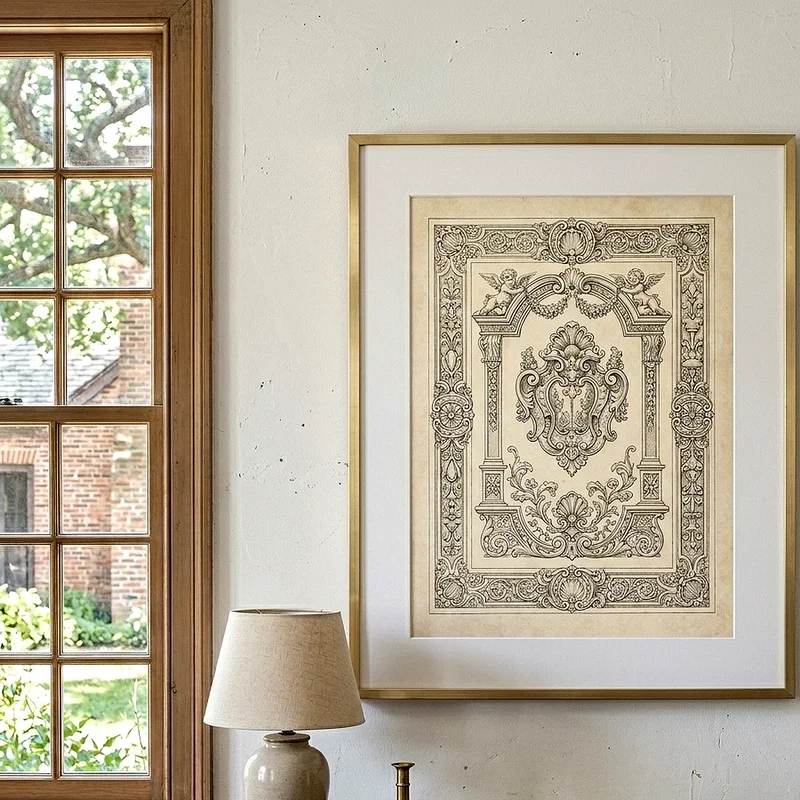
Baroque ornaments explode with drama, movement, and unrestrained decorative excess that makes modern minimalism look positively timid by comparison. This seventeenth-century style embraced curves, counter-curves, and elaborate embellishments that transformed picture frames and architectural elements into works of art themselves. Drawing Baroque frames means layering multiple ornamental elements including shells, scrolls, flowers, ribbons, and cherubic figures into cohesive compositions. The asymmetrical quality of Baroque design, called cartouche style, creates dynamic tension by balancing unequal elements on either side of a central axis. Start with a basic frame shape, then begin adding decorative elements at the corners and midpoints. Let your ornaments overflow the frame boundaries, creeping outward as if they cannot contain their own exuberance. Gold and rich colors characterize Baroque aesthetics, so imagine your drawings gilded and gleaming.
13. Tribal Pattern Ornaments
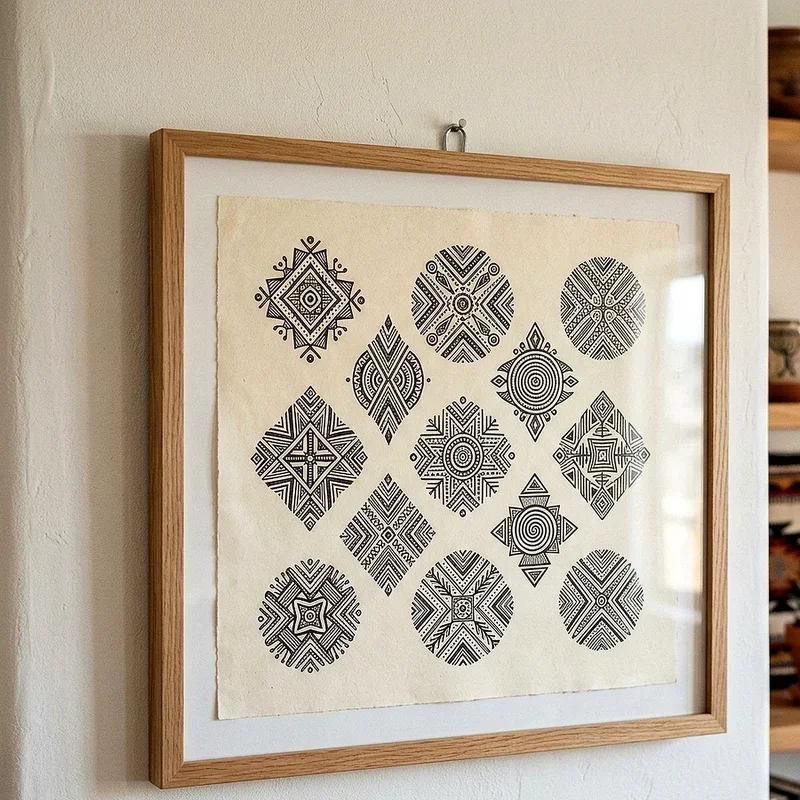
Tribal patterns carry the weight of ancestral wisdom, communicating cultural identity and spiritual beliefs through bold geometric shapes and symbolic imagery. These ornamental styles developed independently across cultures worldwide, from Polynesian tattoo traditions to African textile patterns to Native American pottery designs. Drawing tribal ornaments connects you to this vast heritage while allowing contemporary reinterpretation of ancient motifs. Common elements include triangles, zigzags, spirals, and stylized animal forms rendered in high-contrast black and white or earth tones. Symmetry and repetition create rhythm in tribal designs, though intentional breaks in pattern often carry special significance. Research specific cultural traditions before borrowing their motifs, approaching tribal art with respect and understanding rather than superficial appropriation. Your tribal-inspired ornaments can honor these traditions while developing your own visual vocabulary.
14. Fantasy-Themed Ornamental Creatures
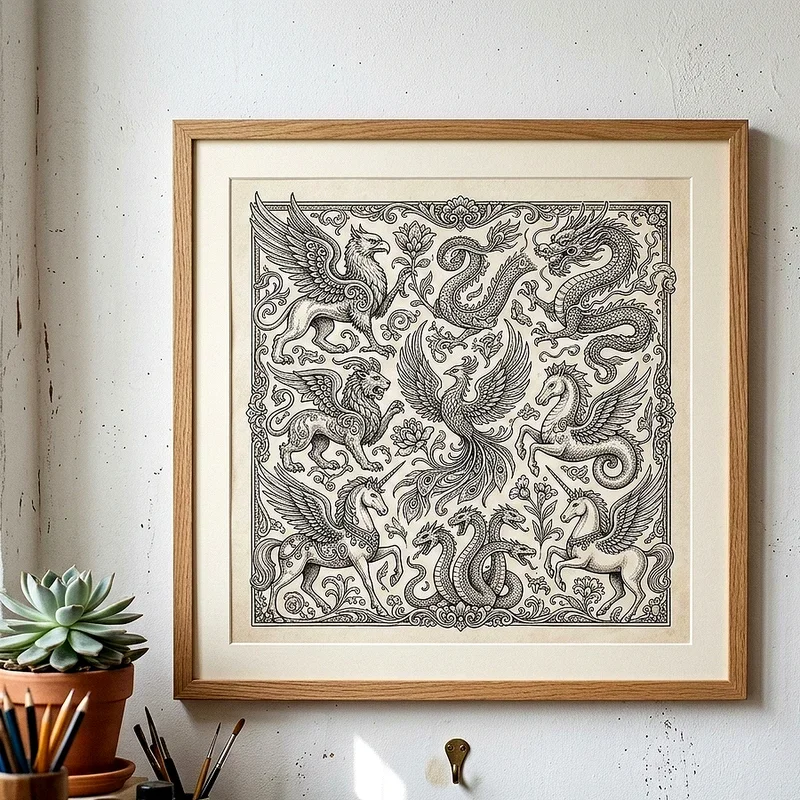
Dragons curling around treasure hoards, phoenixes rising from decorative flames, and unicorns prancing through ornamental gardens bring fantasy realms to life through mythological ornament drawing. These legendary creatures have adorned human creations since ancient times, appearing on medieval manuscripts, Renaissance tapestries, and contemporary fantasy art. Drawing fantasy ornamental creatures means combining animal anatomy with decorative flourishes that transform realistic beings into magical entities. Give your dragon scales that transition into ornamental patterns, or let your phoenix tail feathers become flowing Art Nouveau curves. Mermaids, griffins, faeries, and serpents all work wonderfully as ornamental subjects because their fantastical nature invites creative liberties with form and decoration. Frame your creatures with complementary ornamental elements like clouds, waves, flames, or vines that enhance the mythological atmosphere of your magical creations.
15. Abstract Zentangle Ornaments
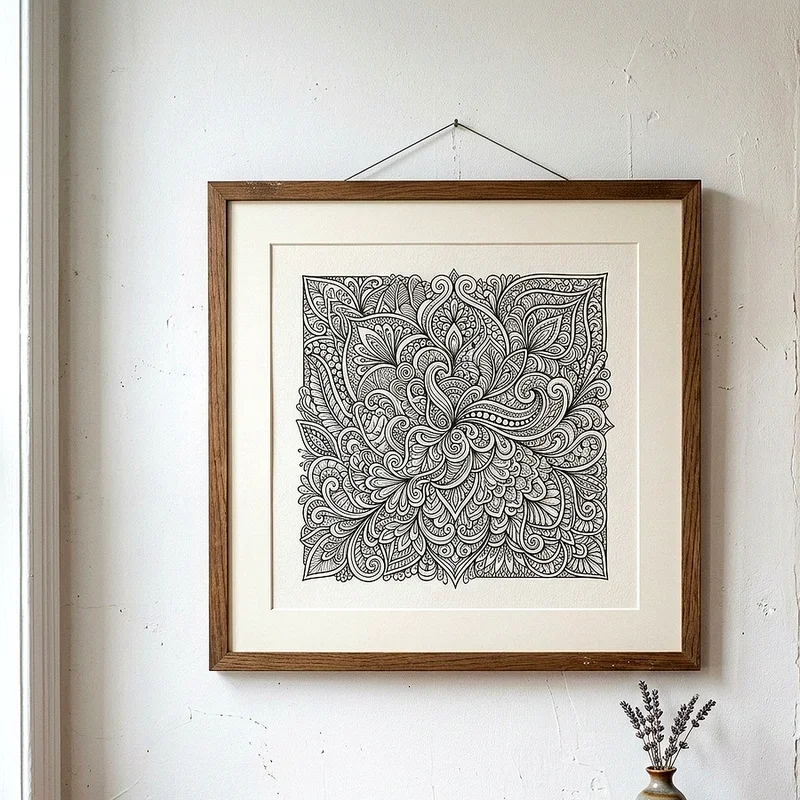
Zentangle transforms simple pattern repetition into meditative art practice, creating abstract ornaments that emerge organically through the drawing process itself. This contemporary art form, developed by Rick Roberts and Maria Thomas, breaks complex-looking designs into simple, repeatable strokes called tangles. The beauty of Zentangle lies in its accessibility because anyone can create stunning abstract ornaments by following basic patterns and allowing intuition to guide placement and combination. Start with a small section, fill it with one pattern, then move to an adjacent area and introduce a different tangle. Gradually your page fills with interconnected abstract ornaments that seem far more complicated than the simple steps used to create them. Zentangle practice reduces anxiety, improves focus, and builds confidence in your artistic abilities while producing genuinely beautiful abstract ornamental artwork.
Conclusion
Your artistic journey through these fifteen ornament drawing ideas opens doors to endless creative possibilities waiting to be explored. From the timeless elegance of Victorian scrolls to the meditative calm of Zentangle patterns, each style offers unique challenges and rewards for developing artists. Remember that mastery comes through consistent practice, so choose the styles that resonate most deeply with your creative spirit and draw them repeatedly until they become second nature. Mix elements from different traditions to develop your own signature ornamental style that reflects your personality and artistic vision. The blank page no longer needs to intimidate you because now you possess a treasure chest of ideas ready to transform into beautiful decorative artwork.
Read next: 15 Ornament Painting Ideas to Decorate for the Holidays
Frequently Asked Questions
Q1. What supplies do I need to start drawing ornaments?
A: You need basic pencils, fine-tip pens, quality paper, an eraser, and a ruler.
Q2. How long does it take to master ornament drawing?
A: Most artists see significant improvement after practicing consistently for three to six months.
Q3. Can beginners successfully draw complex ornamental patterns?
A: Yes, beginners can create beautiful ornaments by starting simple and gradually adding complexity.
Q4. Which ornament style is easiest for complete beginners?
A: Minimalist line art and basic Christmas ball ornaments are most beginner-friendly to start.
Q5. How can I make my ornament drawings look more professional?
A: Practice consistent line weight, maintain symmetry, and add shading for dimensional depth.
Stay up to date with our latest ideas!