15 Simple Art Ideas Perfect For Beginners
Discover 15 simple art ideas perfect for beginners! Start your creative journey with easy projects that build confidence and artistic skills.
Have you been longing to create art but feeling intimidated by the blank canvas, worried that your lack of experience will result in disappointing failures? Every artist who ever lived started exactly where you are now, staring at empty surfaces wondering how to transform nothing into something beautiful. The secret that experienced artists know but rarely share is that beginning projects don't need to be masterpieces; they need to be stepping stones that build skills, develop confidence, and most importantly, bring joy through the creative process itself. Think of learning art like learning to cook: nobody starts with five-course French cuisine, but simple recipes build techniques that eventually enable culinary adventures. These beginner-friendly projects provide structured approaches that guarantee satisfying results while teaching fundamental concepts that serve your artistic development for years to come. The forgiving nature of these ideas means that imperfection becomes character rather than failure, and unexpected results often prove more interesting than planned outcomes. Whether you consider yourself completely artistically challenged or simply haven't created since childhood art classes, these accessible projects welcome you into creative expression without the intimidation that complex techniques might create. Ready to discover art ideas that prove anyone can create beautiful things with the right approach? Let's explore these confidence-building projects!
1. Abstract Watercolor Backgrounds
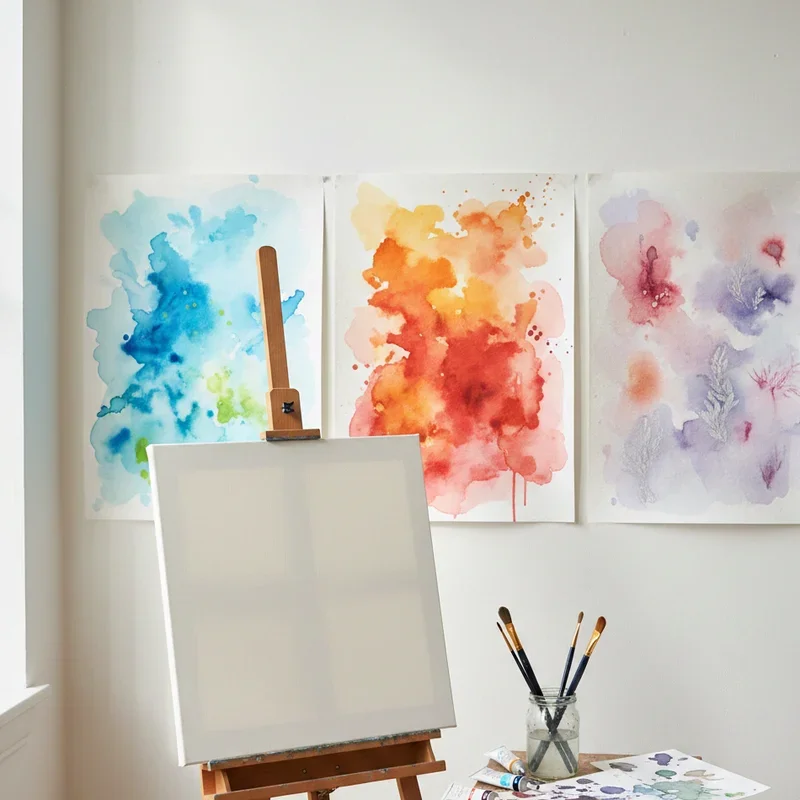
Embrace the beautiful unpredictability of watercolors through abstract background creation that produces stunning results regardless of artistic experience! This forgiving technique simply involves applying wet watercolors to paper and allowing colors to blend, spread, and interact naturally without attempting to control specific outcomes. Consider the freedom abstract approaches provide where there's literally no wrong way to let colors flow while the natural spreading creates effects that look intentionally artistic even when completely unplanned. The wet-on-wet technique enables beginners to produce gallery-worthy backgrounds that can stand alone as abstract art or serve as foundations for later additions including text, drawings, or collage elements. These satisfying projects require only basic watercolor supplies while the immediate results provide the confidence boost that motivates continued artistic exploration. Start with two or three colors that naturally harmonize while the blending creates additional hues automatically.
2. Zentangle Doodle Patterns
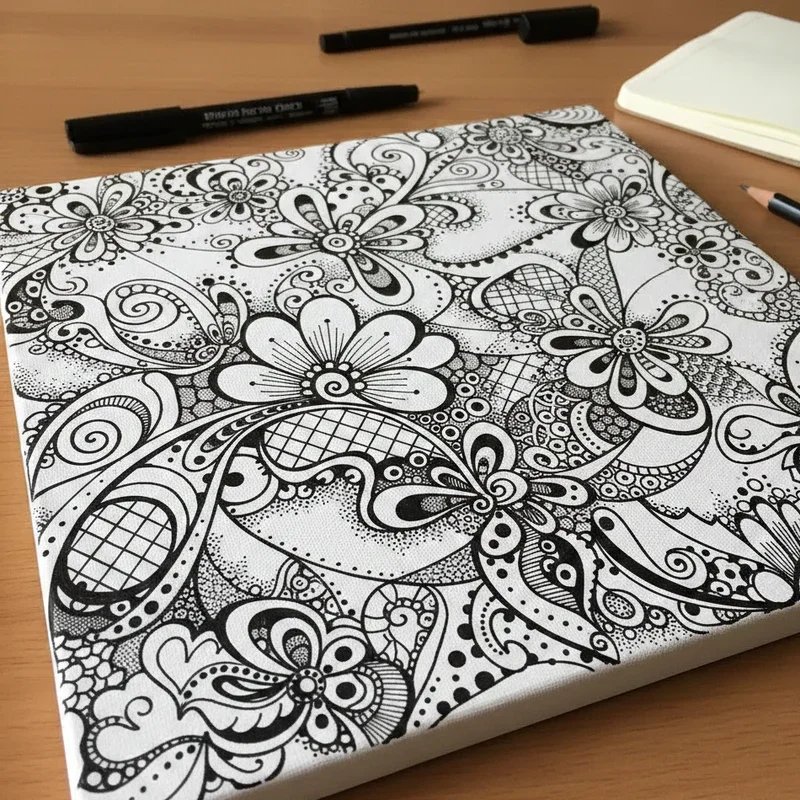
Discover meditative creativity through Zentangle-style pattern drawing that transforms simple repeated shapes into complex, impressive artwork anyone can create! This structured approach breaks intimidating blank pages into small sections filled with repetitive patterns that require no drawing skill beyond making basic lines, curves, and dots. Consider the accessible nature of pattern work where the repetition provides rhythm that builds confidence while the accumulated patterns create impressive results that seem far more difficult than they actually are. The meditative quality of repetitive drawing provides stress relief while the small-scale focus prevents the overwhelm that large blank canvases create. Zentangle projects suit any available time from five-minute coffee breaks to extended creative sessions while the portable nature enables creating anywhere inspiration strikes. These deceptively simple drawings develop hand control and pattern recognition skills while producing artwork you'll genuinely want to display.
3. Silhouette Art Simple Shapes
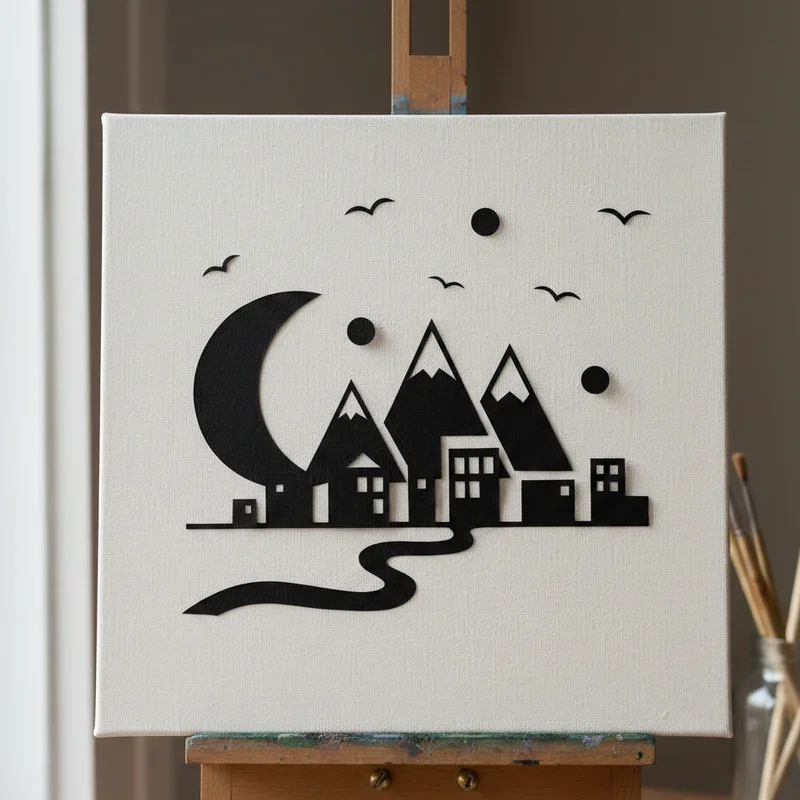
Create dramatic impact through silhouette art that relies on strong shapes rather than detailed rendering, perfect for beginners who feel intimidated by realistic representation! This accessible technique involves creating solid black shapes against contrasting backgrounds, eliminating the shading, proportion, and detail concerns that more complex art requires. Consider the powerful visual impact silhouettes achieve through shape alone while the solid fill approach requires no sophisticated techniques beyond cutting or painting within outlines. The contrast-based design creates striking artwork while the simple execution enables complete beginners to produce professional-looking results on first attempts. Silhouette projects suit various subjects from nature scenes to portraits while the graphic quality translates well to cards, decorations, and gifts. These bold projects teach essential lessons about shape recognition and compositional impact while building confidence through guaranteed successful outcomes.
4. Leaf Print Nature Art
Connect with nature through leaf printing that uses found materials to create beautiful botanical artwork without requiring drawing skills! This accessible technique involves applying paint to real leaves and pressing them onto paper, transferring the natural textures and shapes that nature already perfected. Consider the collaborative aspect of letting nature do the complex work while your role involves selecting, arranging, and pressing leaves into compositions. The variety of leaf shapes available enables endless design possibilities while the natural imperfections in prints add organic character that precise drawings cannot replicate. Leaf printing suits all ages and ability levels while the outdoor collection process adds enjoyable nature connection to the creative experience. These nature-based projects introduce printing concepts while creating artwork that celebrates the botanical beauty surrounding us in every season.
5. Geometric Tape Paintings
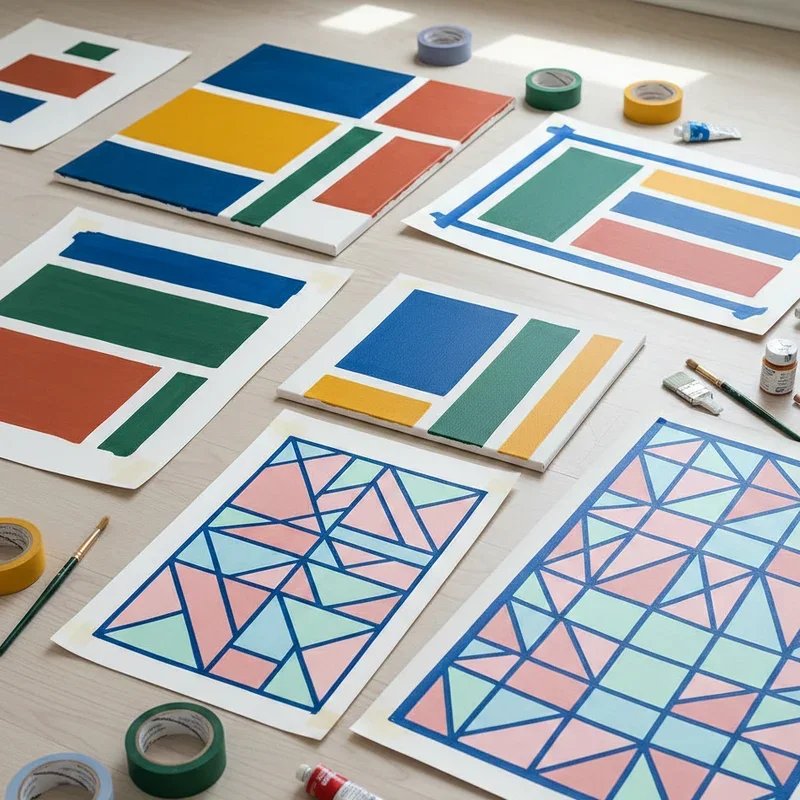
Create crisp, modern artwork through tape painting techniques that use painter's tape to mask geometric shapes, ensuring perfect edges that freehand painting cannot achieve! This forgiving approach enables beginners to create professional-looking abstract or geometric artwork by simply applying tape, painting exposed areas, and removing tape to reveal clean lines. Consider the control tape painting provides where mistakes hide under subsequent tape applications while the geometric results look intentionally sophisticated regardless of painting skill. The process teaches color relationships through adjacent shape interactions while the immediate gratification of tape removal reveals satisfying results that motivate continued creation. Tape paintings suit various skill levels while the technique scales from simple stripe designs to complex geometric compositions as confidence grows. These structured projects prove that strategic approaches enable impressive results without traditional artistic skills.
6. Bubble Painting Fun Textures
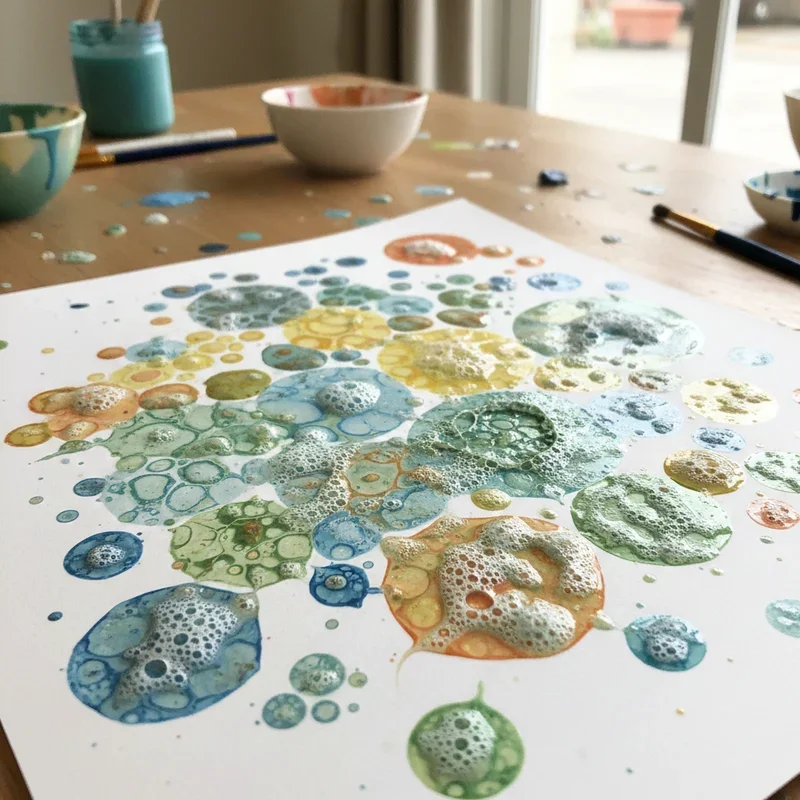
Embrace playful experimentation through bubble painting that creates organic cellular textures impossible to replicate through any other technique! This child-friendly approach involves adding paint to bubble solution, blowing bubbles onto paper, and allowing the popped bubbles to deposit color in fascinating patterns. Consider the joyful nature of this technique where the process feels like play while the results appear surprisingly sophisticated and artistic. The unpredictable patterns create abstract textures suitable for backgrounds, cards, or standalone artwork while the technique variation enables different effects through bubble size, paint consistency, and layering approaches. Bubble painting suits all ages while the experimental nature encourages the creative risk-taking that artistic development requires. These fun projects demonstrate that art doesn't require serious concentration, and sometimes the most playful approaches produce the most interesting results.
7. One-Line Drawing Exercises
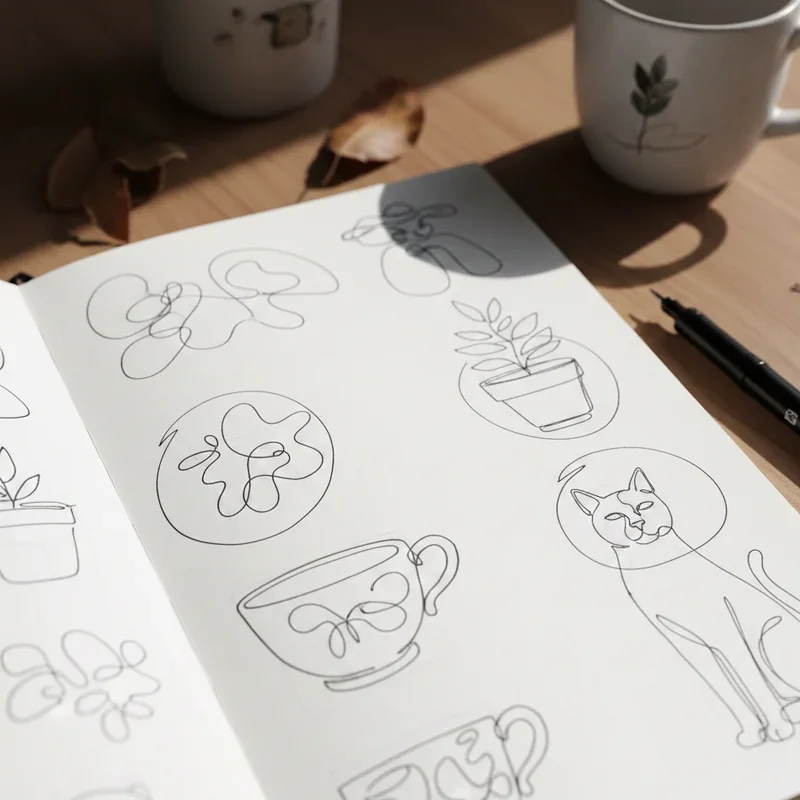
Develop observational skills through one-line drawing exercises that create artwork without lifting your pen from paper, producing surprisingly expressive results! This constraint-based approach forces continuous looking rather than the start-stop-judge cycle that inhibits beginner drawing progress while the single unbroken line creates inherently stylized results that feel intentionally artistic. Consider how the constraint removes perfectionism pressure since the technique itself produces the characteristic line quality rather than requiring you to create it deliberately. The continuous motion develops hand-eye coordination while the forced simplification teaches essential lessons about capturing subjects through their most important features. One-line drawings suit any subject from portraits to landscapes while the quick execution enables numerous practice attempts without significant time investment. These liberating exercises prove that drawing skill develops through practice approaches rather than innate talent alone.
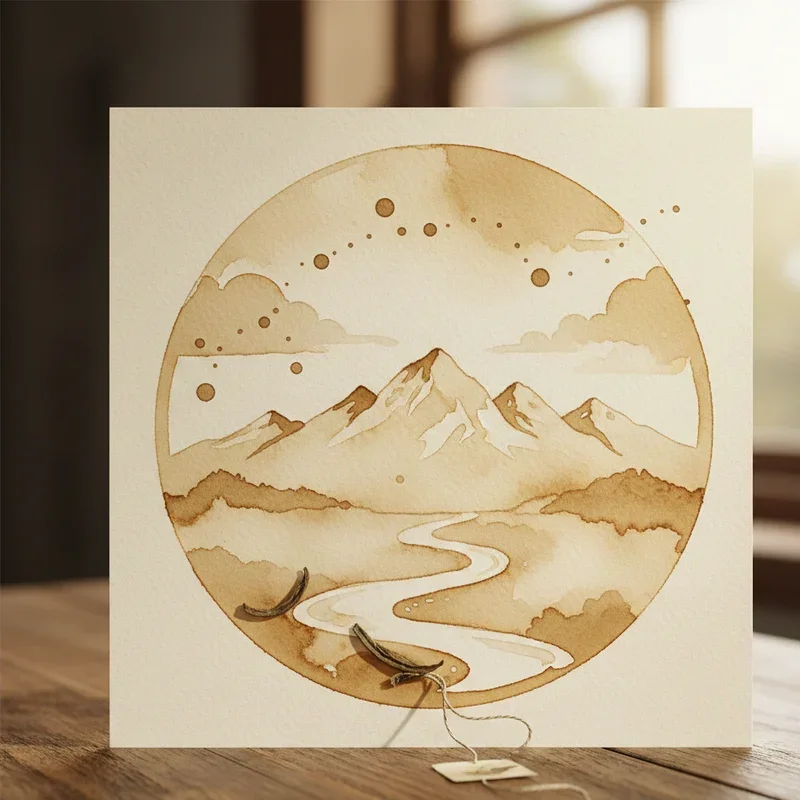
8. Coffee or Tea Stain Art
Create vintage-looking artwork through coffee or tea staining that produces beautiful sepia tones using materials you already have in your kitchen! This accessible technique involves strategically applying or splashing brewed coffee or tea onto paper, creating antique effects that look far more complicated than their simple execution requires. Consider the forgiving nature of staining where mistakes become character while the organic spread creates textures impossible to replicate through traditional painting. The vintage aesthetic suits various applications from background papers to standalone abstract pieces while the familiar materials eliminate supply cost barriers that might otherwise prevent creative experimentation. Coffee art introduces wash techniques and value control while the everyday materials make practice convenient and affordable. These nostalgic-looking projects prove that artistic materials extend far beyond art supply stores into everyday household items.
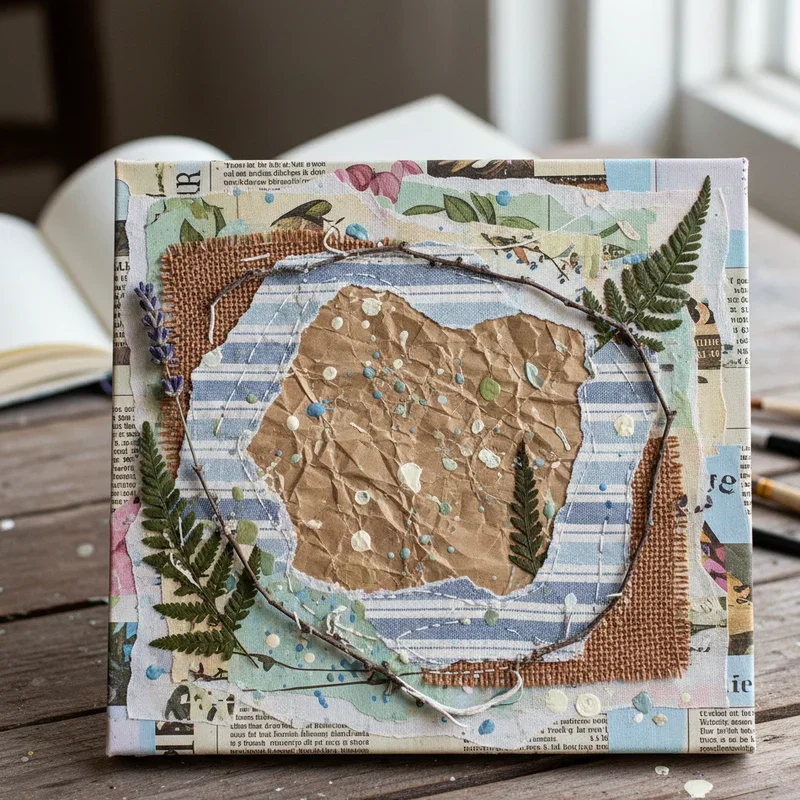
9. Collage Mixed Media Projects
Bypass drawing entirely through collage creation that assembles found images and materials into new compositions requiring arrangement skills rather than rendering abilities! This accessible approach enables artistic expression through selecting, cutting, and arranging existing images rather than creating them from scratch, perfect for beginners who feel their drawing skills limit creative expression. Consider the democratic nature of collage where everyone has access to magazines, newspapers, and printable images that become raw materials for unique creations. The layered nature of collage enables building compositions gradually while mistakes hide under subsequent layers rather than requiring erasure or starting over. Collage projects suit various styles from surreal combinations to themed collections while the technique teaches composition without requiring traditional art skills. These liberating projects demonstrate that artistic vision matters more than technical rendering ability.
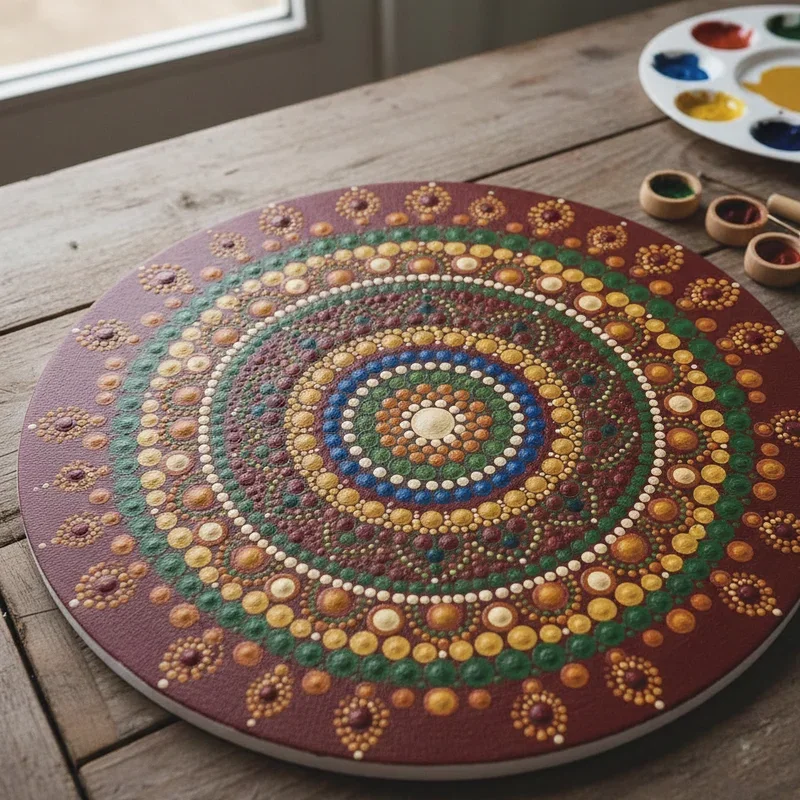
10. Dot Painting Mandala Designs
Create mesmerizing mandala patterns through dot painting techniques that transform simple dots into complex, symmetrical designs anyone can achieve! This meditative approach involves creating circular patterns using only dots, eliminating the line control concerns that other techniques require while the repetitive nature provides calming creative experiences. Consider the surprising complexity that simple dots create through strategic placement while the symmetrical structure provides built-in guidelines that prevent the blank-page paralysis beginners often experience. The dot-by-dot construction enables correcting course throughout the process while the accumulated pattern reveals impressive results that seem far more skillful than the technique actually requires. Mandala projects suit various time commitments while the portable nature enables creating during otherwise idle moments. These contemplative projects prove that patience and repetition create complexity without requiring sophisticated techniques.
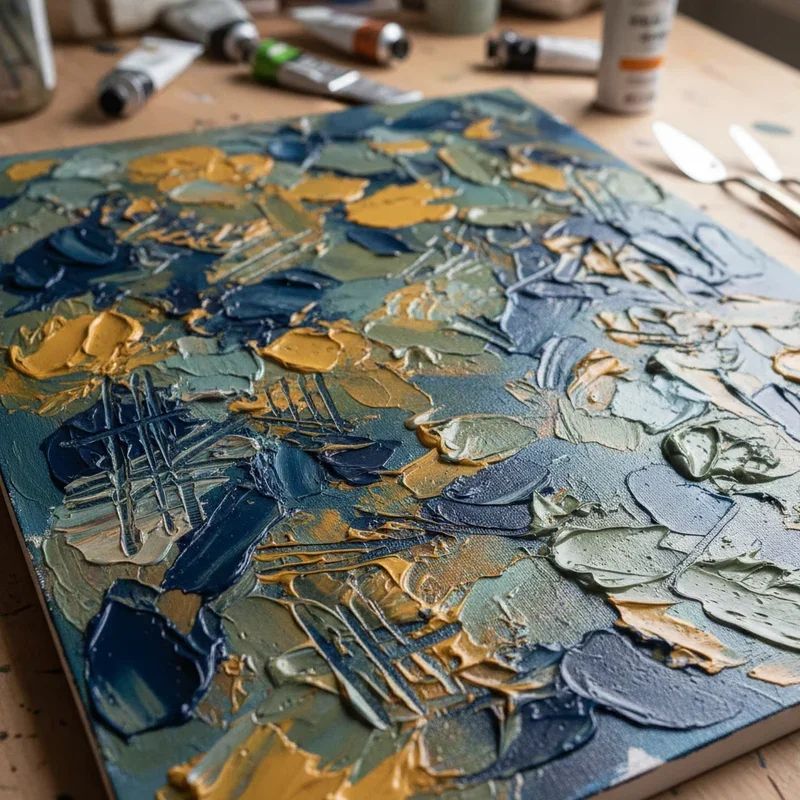
11. Palette Knife Texture Experiments
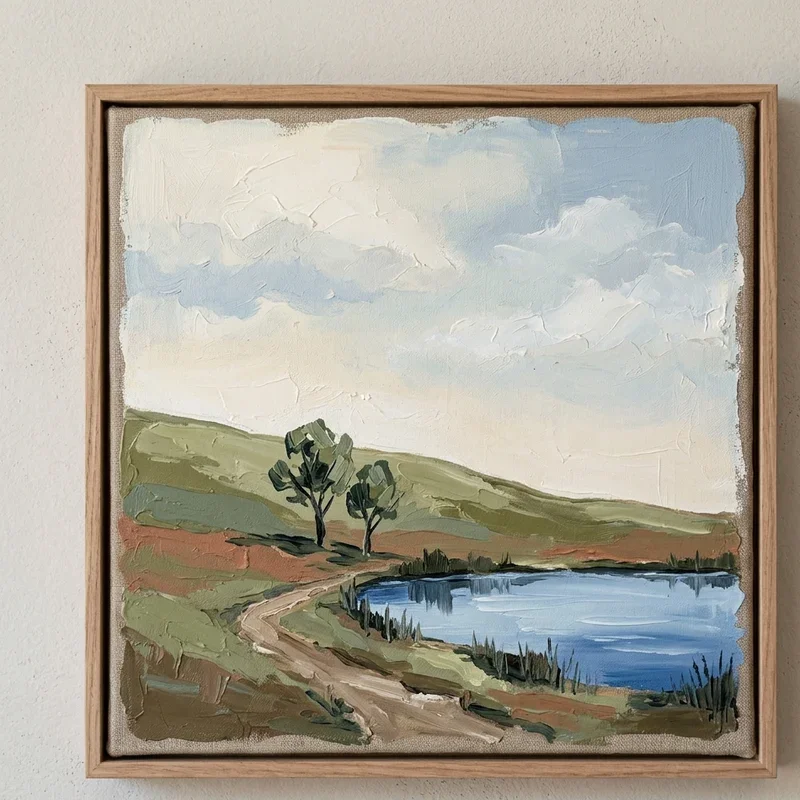
Explore paint's physical qualities through palette knife techniques that create bold textures without requiring brush control skills! This tactile approach involves applying thick paint with palette knives rather than brushes, creating dimensional effects while the imprecise application becomes textural interest rather than technical failure. Consider the freedom palette knife painting provides where the tool itself creates interesting marks regardless of user skill while the thick paint application produces satisfying physical results that thin brush applications cannot match. The gestural nature encourages bold experimentation while mistakes simply get scraped off or painted over rather than ruining projects. Palette knife work suits abstract subjects particularly well while the technique teaches paint handling and color mixing through direct physical engagement with materials. These bold projects prove that art doesn't require delicate precision and sometimes aggressive approaches produce the most interesting results.
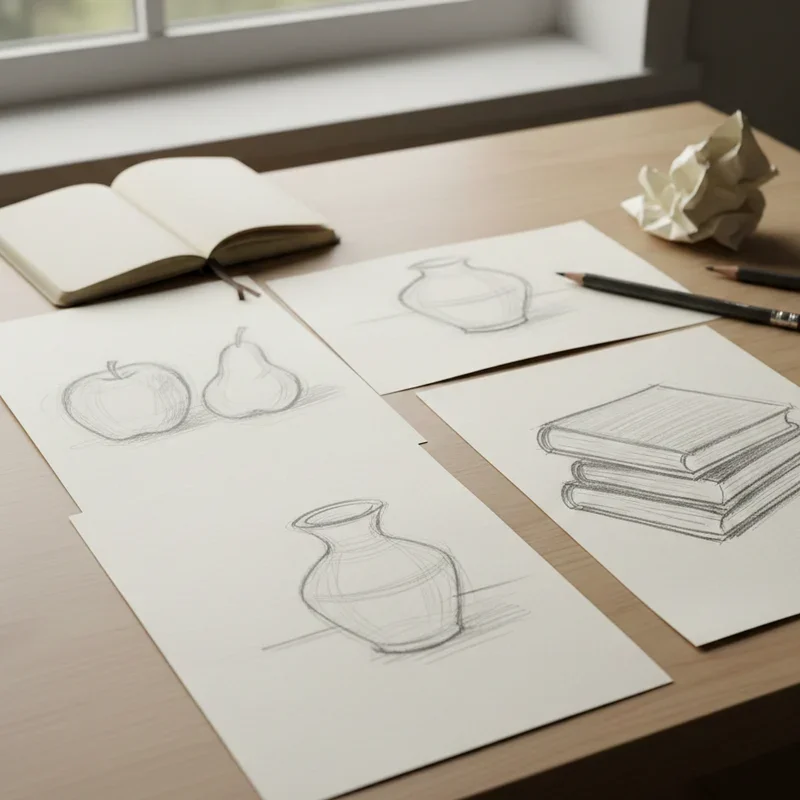
12. Simple Still Life Sketches
Build foundational observational skills through simple still life sketching that teaches seeing accurately while working with static subjects that remain patiently still! This traditional approach provides unlimited practice time since household objects don't move, breathe, or lose patience like living subjects would. Consider starting with single objects before building to groups while the controlled environment enables focusing on observation skills without time pressure. The everyday nature of still life subjects makes practice convenient while the familiar objects reveal surprising complexity under artistic scrutiny. Still life sketching develops essential skills including proportion, value, and spatial relationships while the private nature of home practice eliminates the self-consciousness that public drawing might create. These fundamental exercises build the observational foundation that supports all future artistic development regardless of eventual medium or subject preferences.
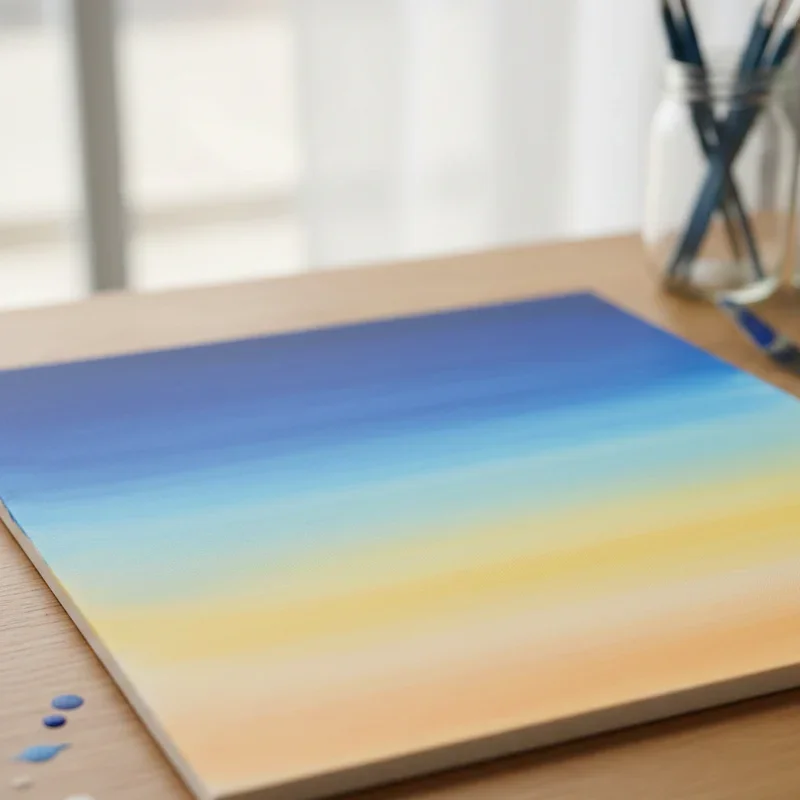
13. Gradient Color Blending Practice
Master smooth color transitions through gradient blending exercises that develop essential skills while producing satisfying visual results! This focused practice involves creating smooth progressions from one color to another, teaching brush control, paint consistency, and color mixing through repetitive exercises that build muscle memory alongside intellectual understanding. Consider the satisfying visual quality of successful gradients while the exercise format provides clear success criteria that open-ended projects might lack. The skill transfers to countless artistic applications where smooth transitions enhance realism, create atmosphere, or add visual sophistication to any artwork. Gradient exercises suit various media including colored pencils, pastels, and paints while each medium teaches different blending approaches. These foundational exercises prove that focused skill practice creates capabilities that random experimentation alone cannot develop efficiently.
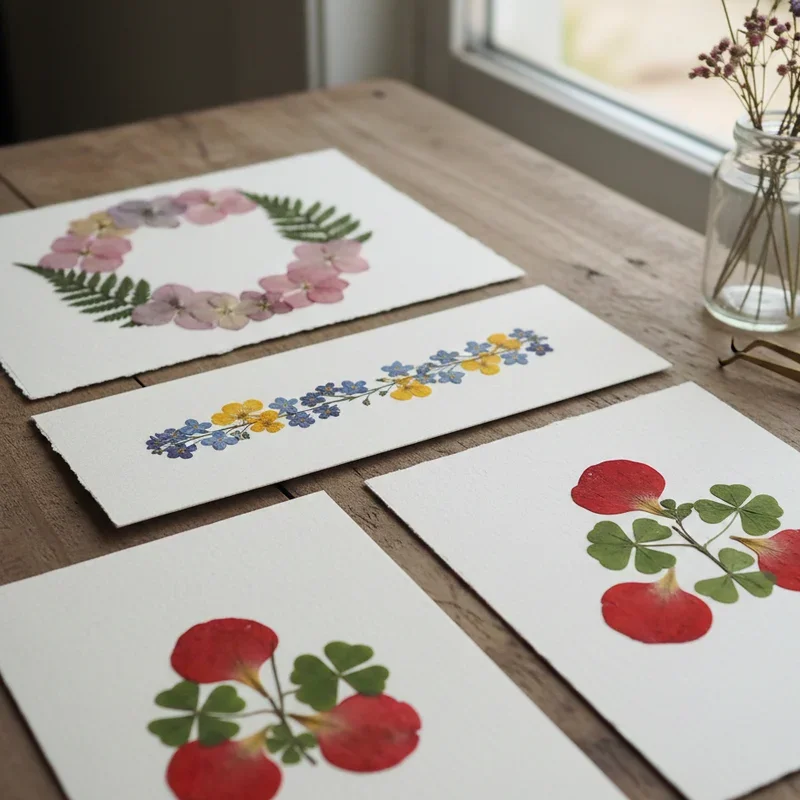
14. Pressed Flower Art Compositions
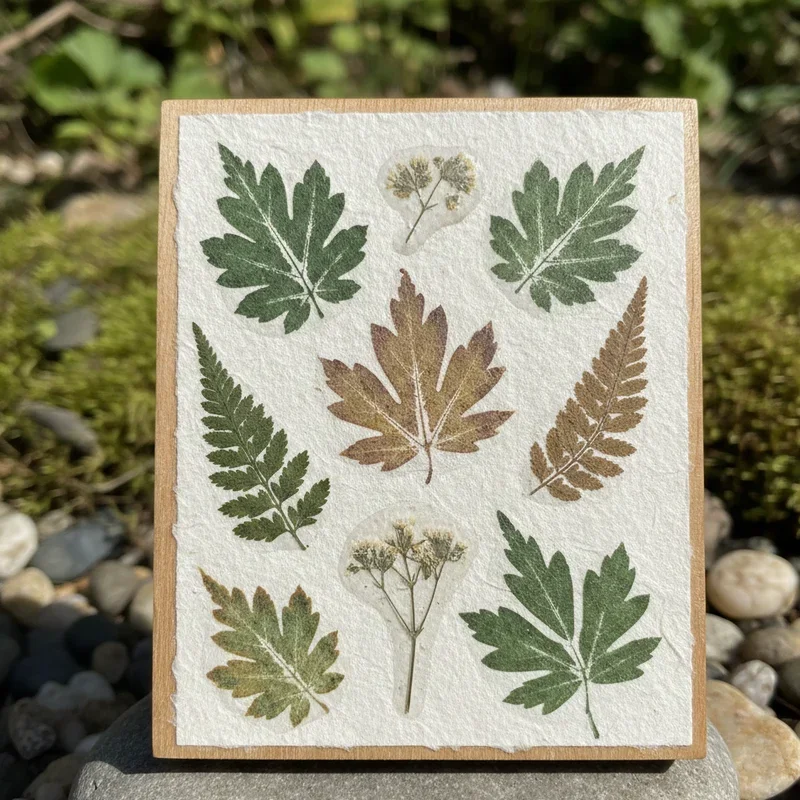
Preserve natural beauty through pressed flower art that creates delicate botanical compositions using real preserved flowers arranged into artistic designs! This accessible craft involves pressing and drying flowers before arranging them into compositions that require arrangement skills rather than rendering abilities. Consider the natural beauty flowers already possess while your role involves thoughtful arrangement rather than attempting to replicate nature's complexity through drawing or painting. The preservation process teaches patience while the arrangement stage develops compositional awareness applicable to any artistic medium. Pressed flower art suits various applications from framed artwork to cards and bookmarks while the natural materials create inherently beautiful results. These nature-connected projects demonstrate that art can involve curating and arranging nature's gifts rather than attempting to create beauty from scratch.
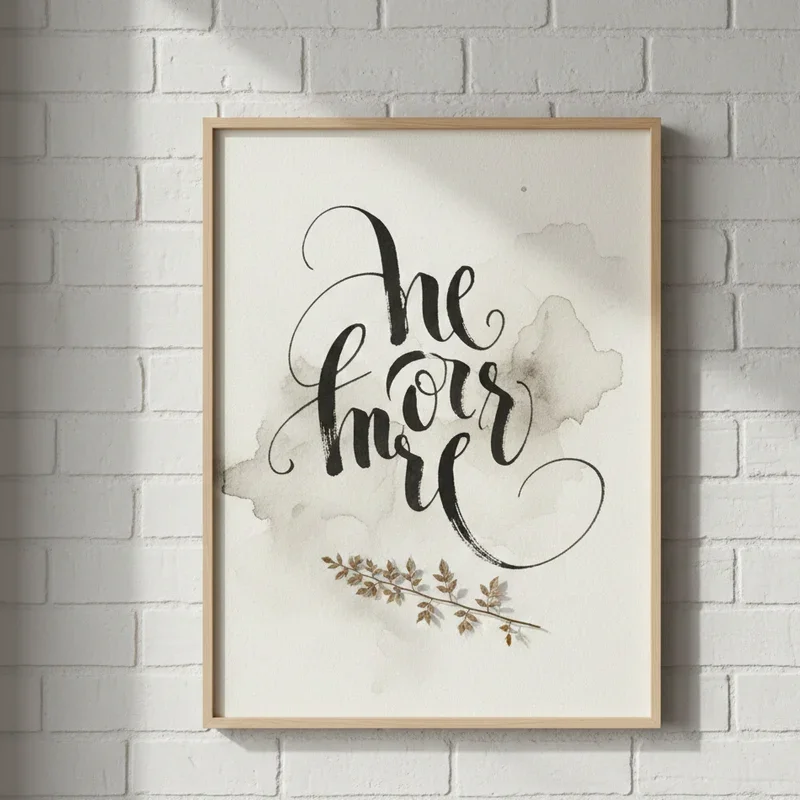
15. Hand Lettering Quote Art
Combine visual art with meaningful words through hand lettering projects that transform favorite quotes into decorative artwork! This accessible approach focuses on letter shapes rather than drawing subjects, providing clear models to reference while the personal quote selection adds emotional significance to practice exercises. Consider the structured nature of lettering where alphabet consistency provides guidelines while stylistic flourishes add personal character within established frameworks. The practical applications of lettering skills extend to cards, gifts, signs, and countless projects while the quote content provides built-in meaning that abstract exercises lack. Hand lettering develops fine motor control and stylistic awareness while creating artwork you'll genuinely want to display or share. These purposeful projects prove that beautiful art can emerge from combining decorative skills with personally meaningful content.
Conclusion
Beginning an artistic journey requires only willingness to start while these accessible projects provide structured paths that guarantee satisfying results regardless of prior experience or perceived natural talent. From abstract watercolors to hand lettering, these ideas demonstrate that art welcomes everyone who approaches with curiosity and openness to experimentation. The skills developed through these beginner projects build foundations supporting lifelong creative expression while the immediate results provide motivation that sustains practice through challenging moments. Every masterpiece artist ever created began with first attempts that looked nothing like their eventual achievements. Now choose a project that appeals to you and take those exciting first steps into the wonderful world of artistic creation!
Read next: 15 Beginner Painting Ideas to Kickstart Your Creativity
Frequently Asked Questions
Q1: What supplies do beginners need to start making art?
A: Start with basic pencils, paper, and one paint type; expand supplies gradually as interests and skills develop.
Q2: How do I know if my beginner art is good?
A: Focus on enjoyment and learning rather than quality judgments; skill develops through practice, not innate talent alone.
Q3: What if I make mistakes while creating art?
A: Mistakes teach more than successes; embrace them as learning opportunities or incorporate them into your artwork creatively.
Q4: How often should beginners practice art?
A: Regular short sessions beat occasional long ones; even fifteen minutes daily builds skills faster than weekly hours.
Q5: Can adults learn art even if they never created before?
A: Absolutely! Adult beginners often progress quickly because they follow instructions carefully and practice with intention.
Stay up to date with our latest ideas!