15 Easy Galaxy Painting Ideas for Beginners to Try
Discover 15 easy galaxy painting ideas for beginners. Learn simple techniques to create stunning cosmic art with minimal supplies and no experience.
Have you ever stared up at the night sky and wished you could capture all that beauty on canvas? You are not alone. Galaxy painting has become one of the most popular art trends for beginners, and for good reason. The swirling colors, twinkling stars, and dreamy nebulas look incredibly impressive, yet they are surprisingly simple to create. You do not need years of art school or expensive supplies to pull off a stunning cosmic masterpiece. All you really need is a willingness to experiment and a few basic techniques. In this article, you will discover 15 easy galaxy painting ideas that will have you creating breathtaking space art in no time.
1. Classic Deep Space Galaxy
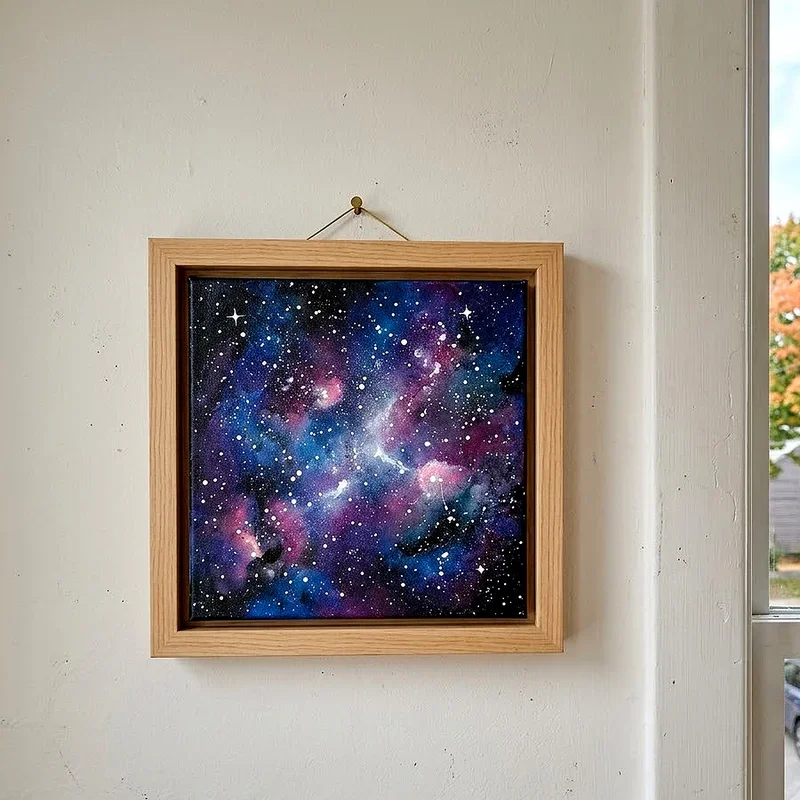
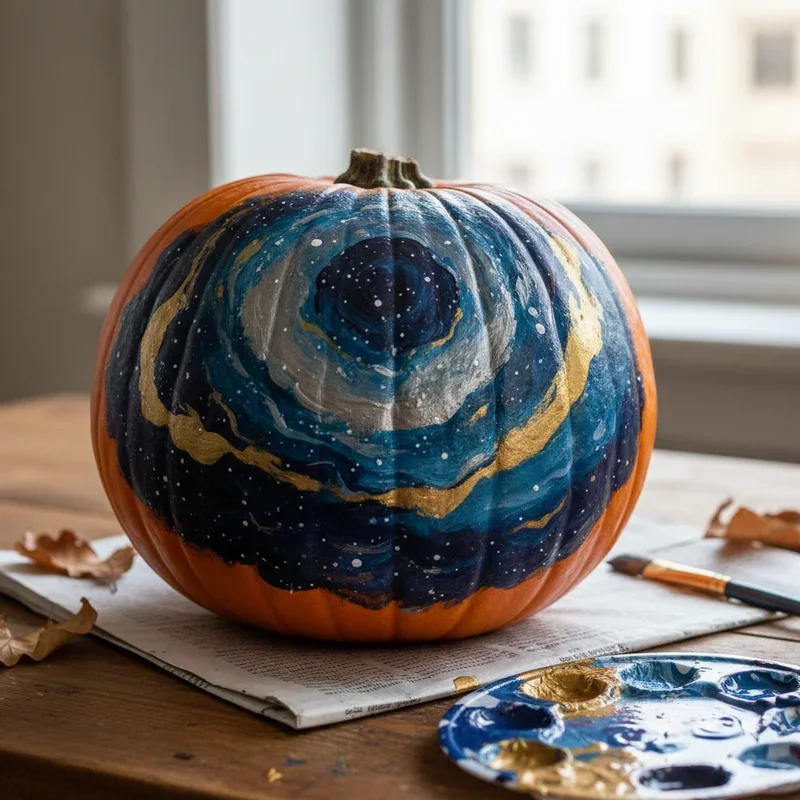
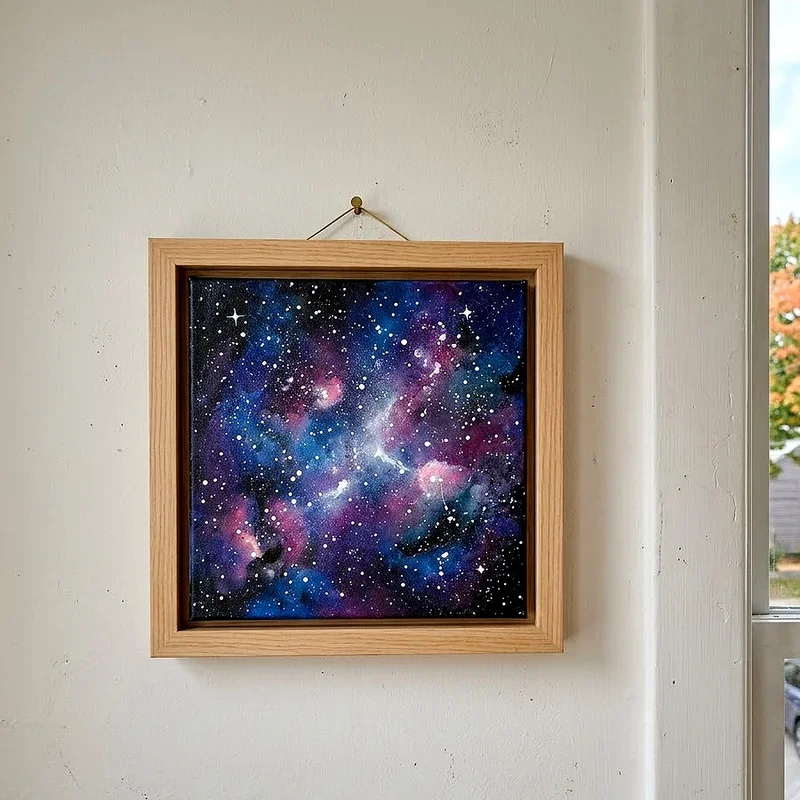
Every beginner should start with a classic deep space galaxy because it teaches you the fundamentals without overwhelming you. Grab a canvas, some black, dark blue, purple, and magenta acrylic paints, and a sponge. Start by covering your entire canvas with black paint. While it is still wet, dab in streaks of dark blue and purple using the sponge, blending as you go. Think of it like smearing frosting on a cake where perfection is not the goal. Add some magenta near the center to create a glowing nebula effect. Once everything dries, flick white paint off an old toothbrush to create stars scattered across your sky. This project gives you a solid foundation for all future galaxy paintings.
2. Watercolor Galaxy Wash
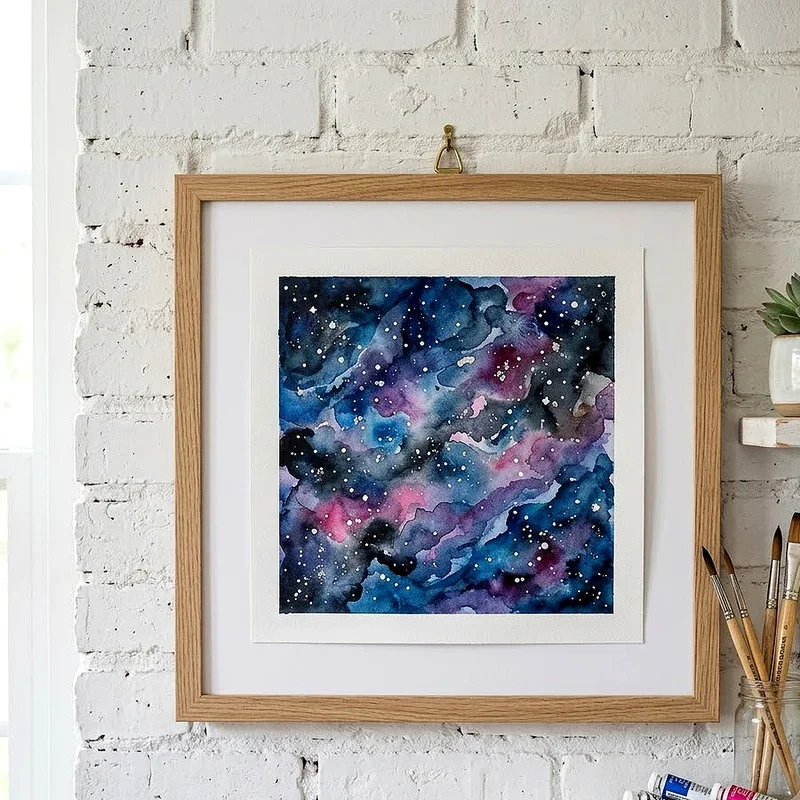
Watercolor galaxy paintings carry a dreamy, ethereal quality that acrylics simply cannot replicate. Wet your watercolor paper thoroughly before applying any pigment so the colors flow naturally into one another. Start with a light wash of blue, then drop in purple and pink while the surface remains damp. Let gravity do the heavy lifting as the pigments bleed together, forming soft gradients that mimic real cosmic clouds. The magic of watercolor lies in its unpredictability, so embrace every happy accident that shows up on your page. Once it dries completely, use a white gel pen or gouache to dot in stars and constellations. This technique proves that sometimes letting go of control produces the most spectacular results you could ever imagine.
3. Galaxy Silhouette Painting
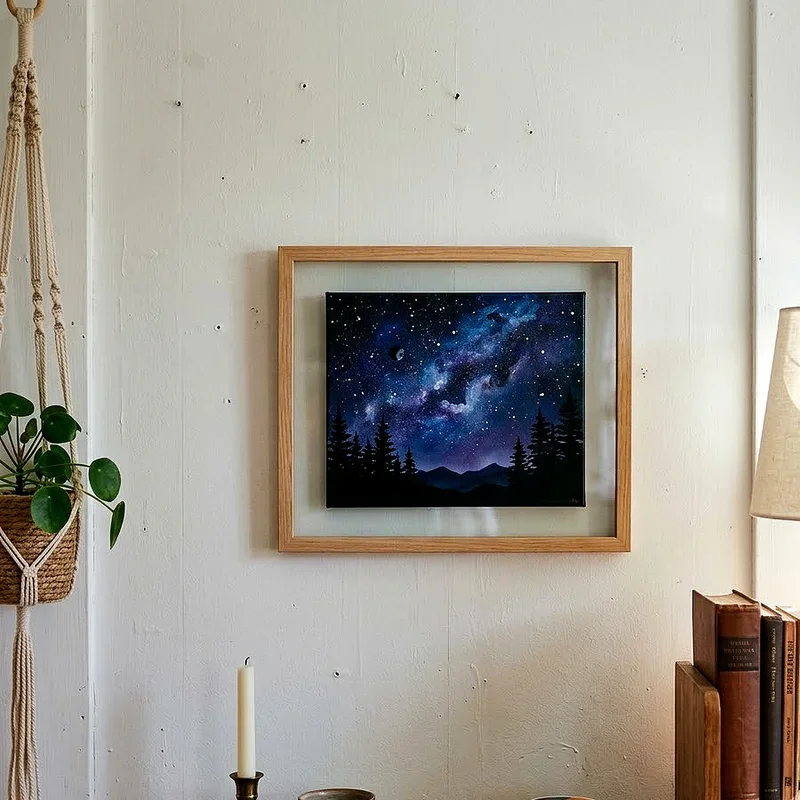
Adding a silhouette to your galaxy background instantly transforms a simple painting into a storytelling masterpiece. Paint your galaxy backdrop using your preferred method, whether that involves sponging, blending, or washing colors together. After the background dries completely, paint a bold black silhouette in the foreground. Popular choices include pine trees, a person gazing upward, a cat sitting on a rooftop, or even a city skyline stretching across the bottom edge. The contrast between the dark silhouette and the vibrant galaxy behind it creates visual drama that looks far more complex than it actually is. You can trace your silhouette shape with a pencil first if freehand painting feels intimidating. This idea works wonderfully on canvas, paper, and even wooden panels for wall displays.
4. Splatter Star Galaxy
If you enjoy getting a little messy during art projects, splatter star galaxies will become your new favorite technique. Paint your dark galaxy background as usual, layering blues, purples, and pinks across the canvas with a sponge or wide brush. Now comes the fun part. Load an old toothbrush or a stiff bristle brush with white acrylic paint, hold it above the canvas, and drag your finger across the bristles. Tiny droplets of paint will fly onto the surface, creating a realistic starfield that looks like you photographed actual outer space. Vary the distance between the brush and canvas to create stars of different sizes. Add a few larger dots with a thin brush for brighter stars that anchor the whole composition together.
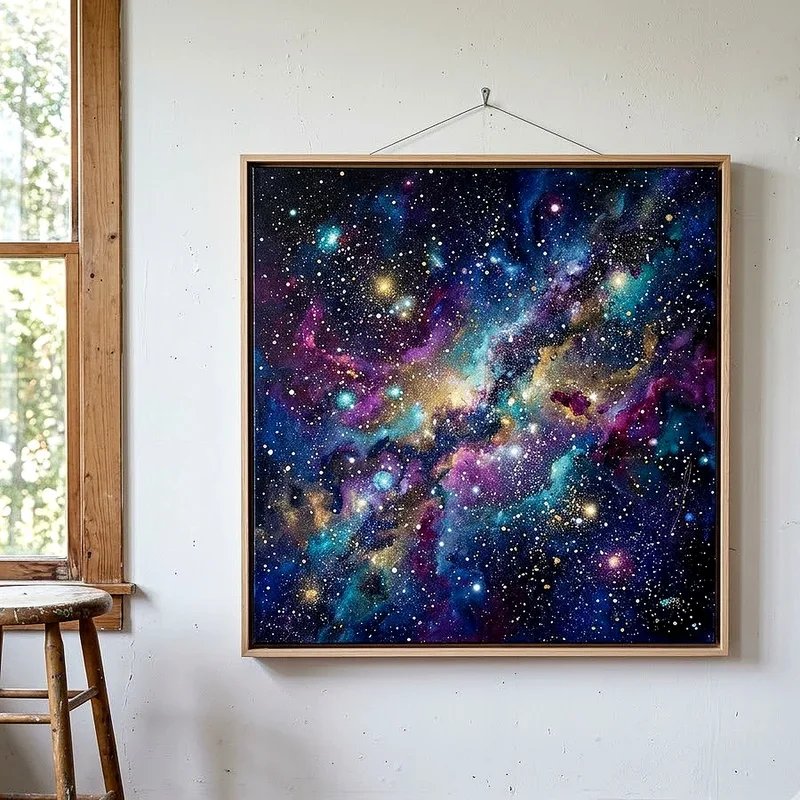
5. Galaxy Mason Jar Painting
Galaxy mason jars make fantastic gifts, home decorations, and nightlight holders that anyone can craft in under an hour. Grab a clean mason jar and apply sponge dabs of dark blue, purple, black, and pink acrylic paint directly onto the outside surface. Blend the edges gently where the colors meet so you avoid harsh lines between each shade. Work in thin layers and let each one dry before adding the next to prevent the paint from sliding off the glass. Once dry, splatter or dot white paint across the jar for your starfield effect. Place a battery operated tea light inside and watch your room transform into a miniature planetarium. You can also seal the paint with a clear spray finish so your creation lasts for years without chipping.
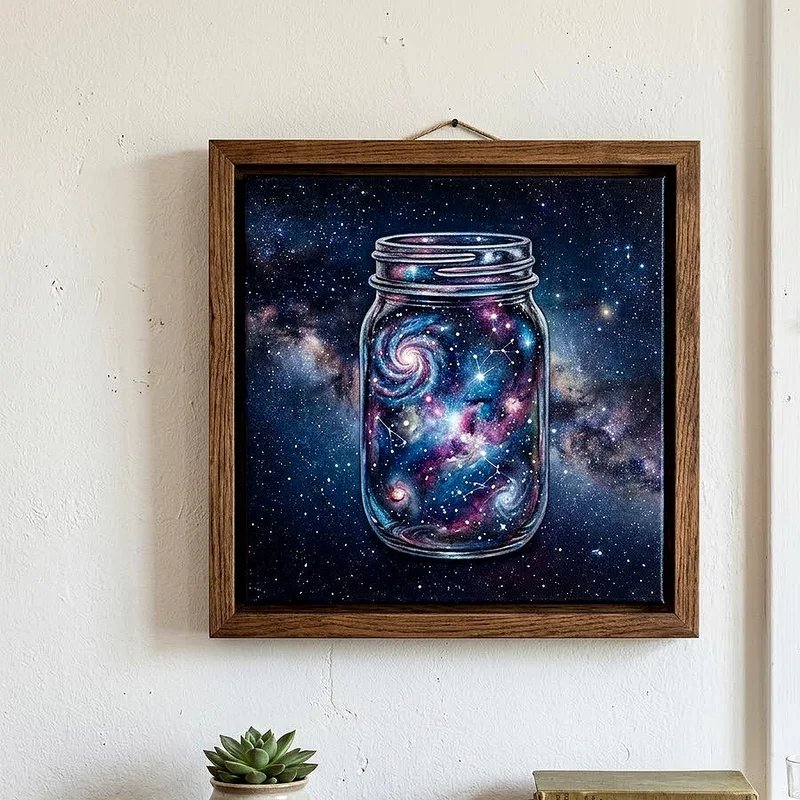
6. Spiral Galaxy Canvas
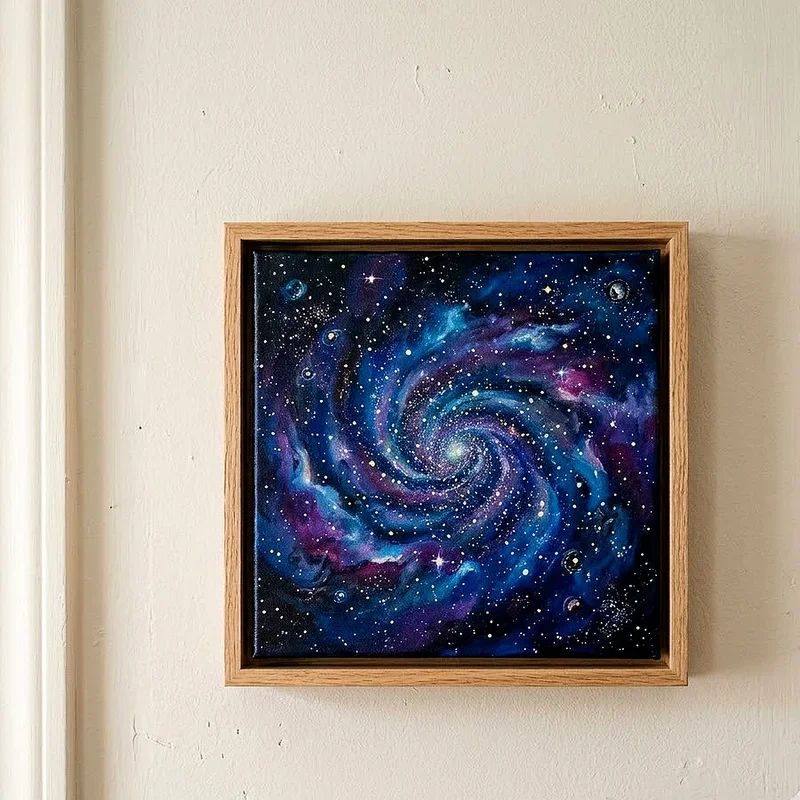
A spiral galaxy painting adds a dynamic sense of movement and depth that standard nebula backgrounds sometimes lack. Begin with a dark canvas and pick a central point where your spiral will originate. Using a round sponge or a circular brush stroke, apply lighter colors like lavender, white, and pale blue in a swirling pattern outward from that center point. Think of it like stirring cream into dark coffee where the lighter color fans out in graceful curves. Build up layers gradually so the spiral appears to glow from within while the outer edges fade into deep space. Scatter stars across the surrounding darkness for context, and add a few brighter spots along the spiral arms. This painting always impresses viewers.
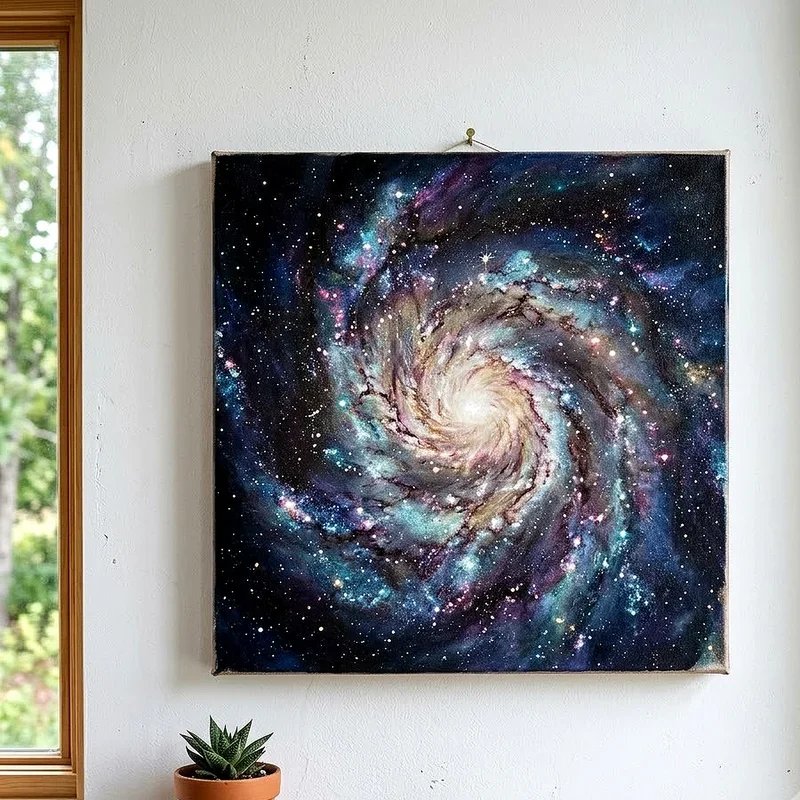
7. Galaxy Mountain Landscape
Combining a galaxy sky with a mountain landscape gives your artwork an adventurous, wanderlust quality that draws people in immediately. Start by painting the upper two thirds of your canvas as a vibrant galaxy, using blues, purples, pinks, and touches of teal for variety. Let that section dry completely before you begin the landscape. Paint dark mountain silhouettes along the lower portion, layering peaks at different heights to create a sense of depth and distance. You can also add a reflective lake at the very bottom by mirroring a softer version of the galaxy colors beneath the mountains. This technique creates a scene that feels both magical and grounded at the same time, like discovering a hidden valley beneath an alien sky.
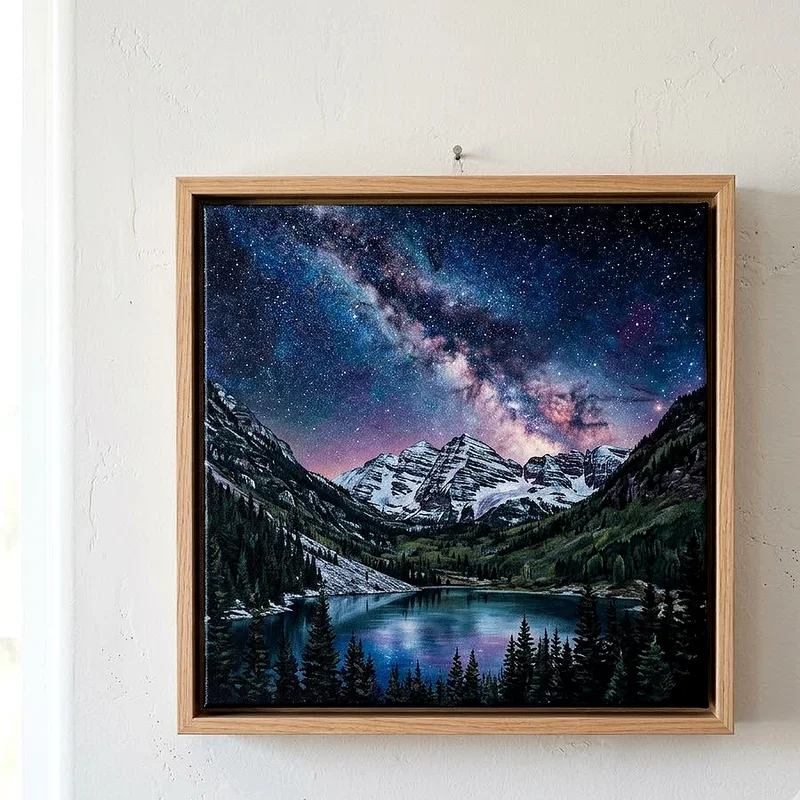
8. Glow in the Dark Galaxy
Imagine turning off the lights and watching your galaxy painting come alive on your bedroom wall. Glow in the dark galaxy paintings use phosphorescent paint mixed with your regular acrylic paints to create this stunning effect. Paint your galaxy as usual during the daytime, then apply glow in the dark paint over select stars, nebula highlights, and spiral arms. The key is layering the luminescent paint generously over areas you want to pop in the darkness. During the day, your painting looks like a normal galaxy canvas, but at night it transforms into something truly spectacular. This project works beautifully for children's rooms, creative studio spaces, or anywhere you want a little cosmic magic after the sun goes down.
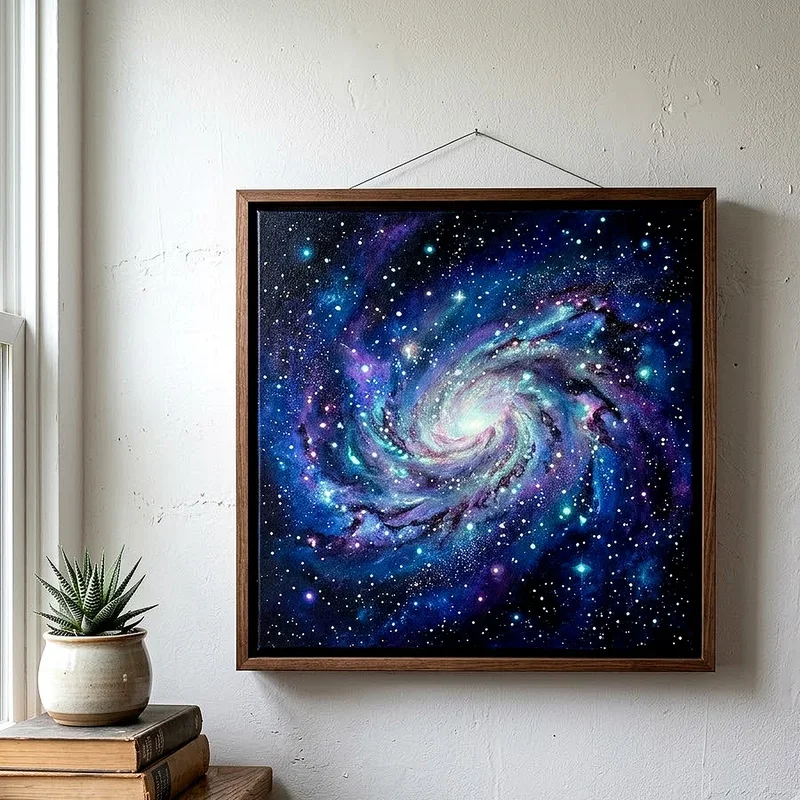
9. Galaxy Eye Painting
A galaxy eye painting merges portrait art with cosmic imagery in a way that feels surreal and captivating. Sketch a large eye shape on your canvas or paper, keeping the proportions simple and exaggerated for visual impact. Fill the iris with your galaxy colors, swirling blues, purples, pinks, and white together inside that circular space. Keep the rest of the eye in more realistic tones like skin color for the eyelids and white for the sclera. The contrast between the ordinary eye structure and the universe contained within the iris creates a philosophical visual statement about perception and wonder. You do not need to be a portrait expert for this project because the galaxy detail inside the iris distracts from any imperfections in the surrounding anatomy.
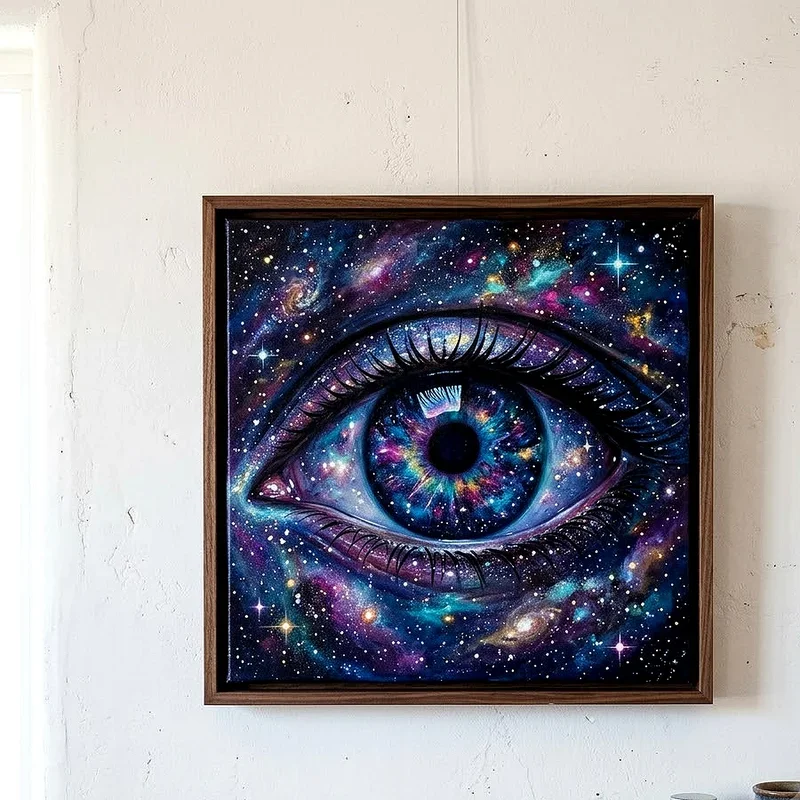
10. Galaxy Ocean Reflection
A galaxy reflected on ocean waves combines two of nature's most mesmerizing elements into one painting. Divide your canvas horizontally, painting the top half as a rich galaxy sky filled with nebula clouds and scattered stars. For the bottom half, mirror the galaxy colors in wavy, horizontal brushstrokes that suggest a calm ocean surface reflecting the sky above. Add thin white lines to represent moonlight catching the crests of gentle waves. This mirroring technique creates a satisfying symmetry that makes the painting feel complete and balanced. You can push the concept further by adding a small sailboat silhouette on the water or a distant shoreline along the horizon. The result looks meditative and polished, like something from a professional art gallery.
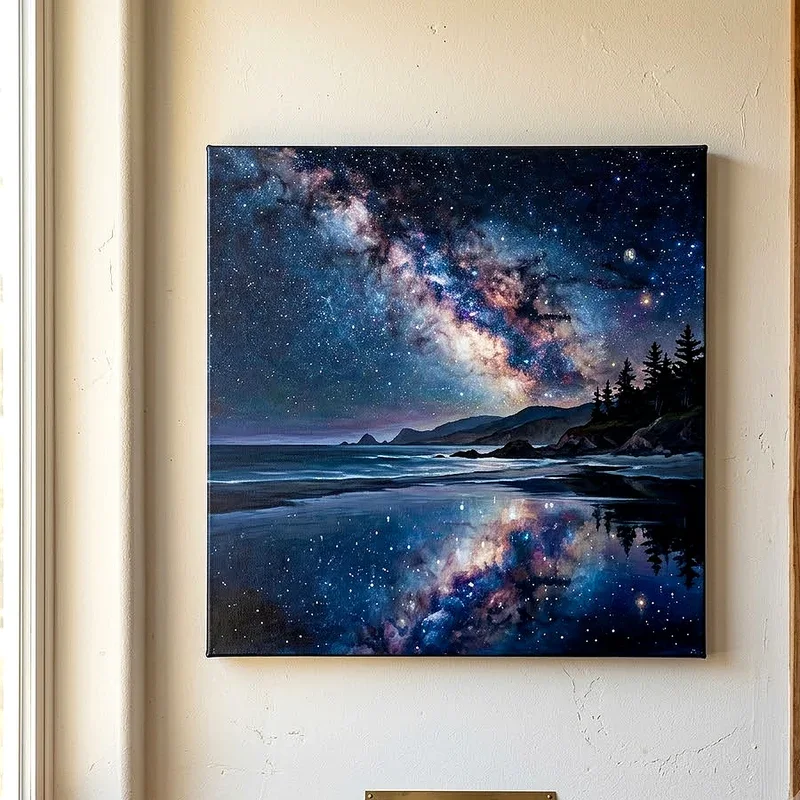
11. Mini Galaxy Rocks
Painting galaxies on smooth rocks is a charming, portable way to practice your cosmic art skills without committing to a full canvas. Find flat, smooth stones from a garden center, riverbed, or craft supply store. Apply a base coat of black acrylic paint and let it dry fully. Then use tiny sponge pieces or your fingertip to dab on blues, purples, and pinks, blending them softly across the small surface. Add white dots for stars using a toothpick or the tip of a fine brush. Seal each finished rock with clear polyurethane spray so the paint withstands handling and weather. These galaxy rocks make wonderful paperweights, garden decorations, or heartfelt handmade gifts that people actually keep and treasure for years.
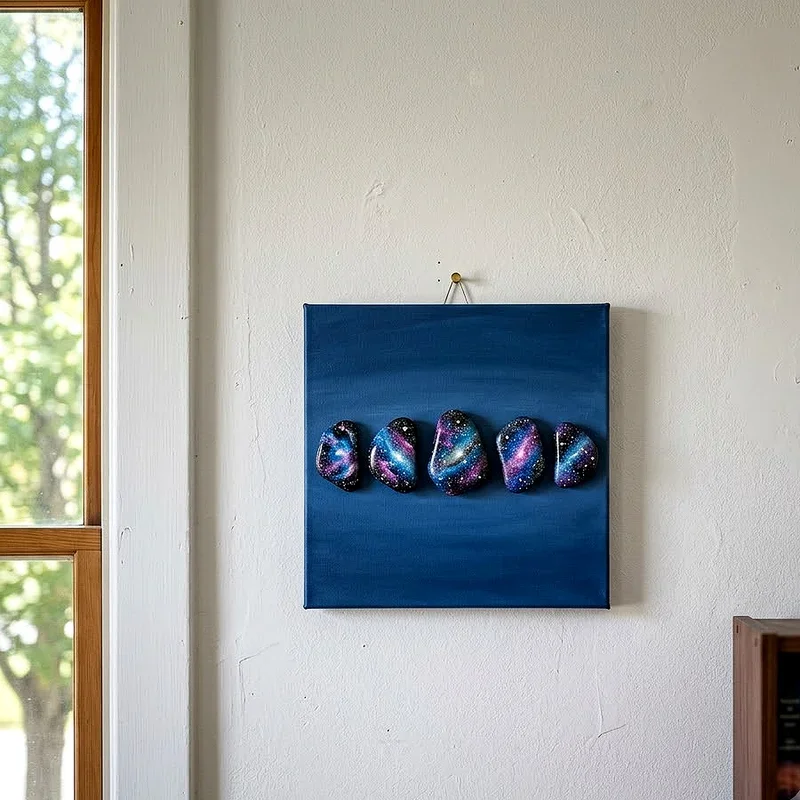
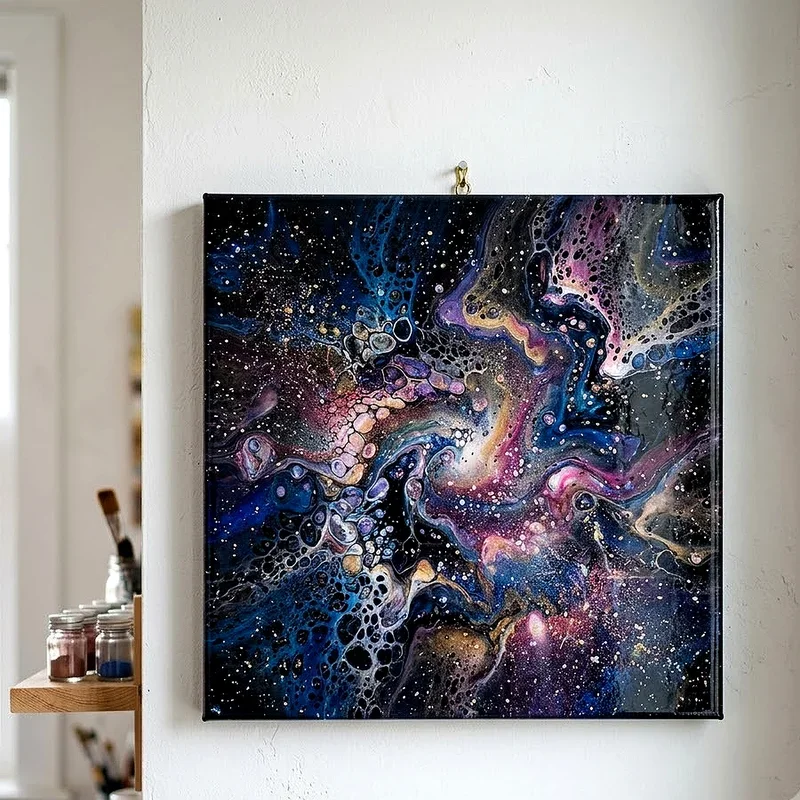
12. Galaxy Pour Painting
Pour painting brings a wonderfully unpredictable element to galaxy art because you never know exactly how the colors will settle. Mix your galaxy colors separately with pouring medium so each shade reaches a thin, flowing consistency. Layer the paints into a single cup, starting with white on the bottom, then adding purple, blue, magenta, and black on top. Flip the cup onto your canvas and lift it slowly, allowing the paint to spread organically across the surface. Tilt the canvas gently in different directions to guide the flow without micromanaging it. The result is a marbled, cosmic pattern that looks incredibly sophisticated despite requiring zero brushwork. Add flicked white stars after everything dries to complete the galaxy illusion with sparkling detail.
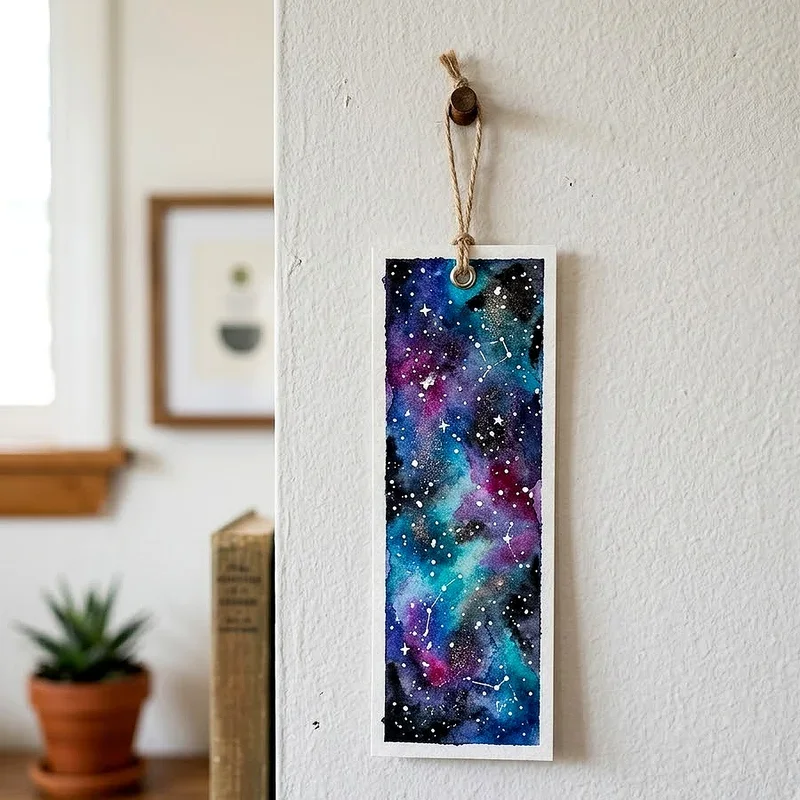
13. Galaxy Bookmark Art
Galaxy bookmarks let you carry a tiny piece of the cosmos with you every time you open your favorite novel. Cut heavy cardstock or watercolor paper into strips roughly two inches wide and six inches long. Apply galaxy colors with a small sponge or even cotton swabs, blending dark blues, purples, and pinks across the narrow strip. Work quickly while the paint remains wet so the colors merge smoothly without visible edges. Once dry, add white star dots with a fine tip pen or a toothpick dipped in acrylic paint. Punch a hole at the top and thread a ribbon or tassel through it for a finished look. These bookmarks make perfect party favors, stocking stuffers, or small tokens of appreciation for fellow readers in your life.
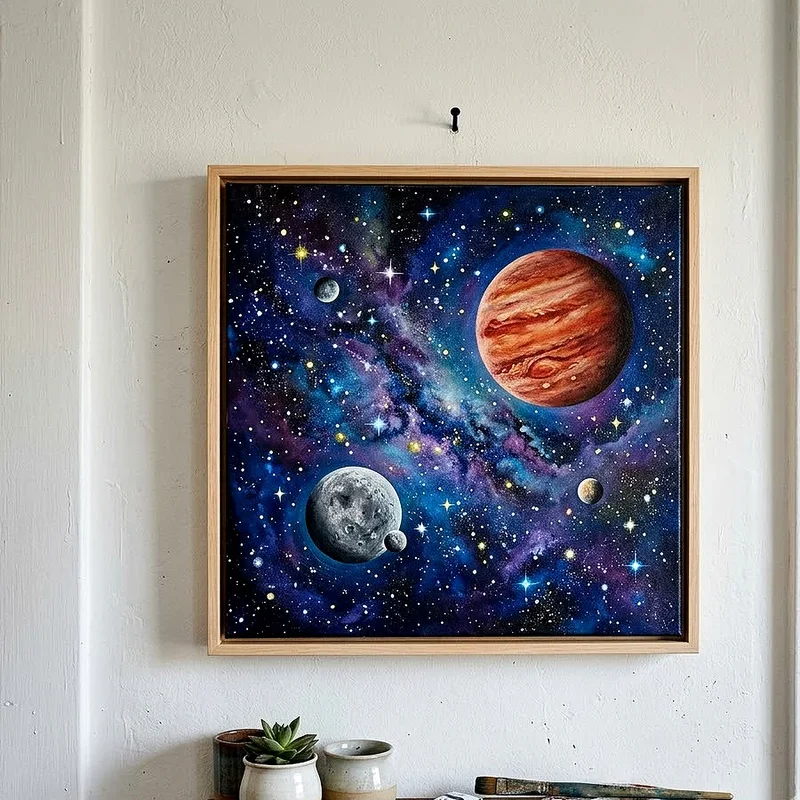
14. Galaxy with Planets and Moons
Adding planets and moons to your galaxy painting introduces scale and narrative that a plain starfield sometimes misses. Paint your galaxy backdrop first and let it dry so you have a clean surface to work on. Use circular objects like bottle caps, coins, or compass tools to trace planet shapes onto the canvas. Fill each planet with unique surface details using different color combinations. Give one planet swirling storms like Jupiter, paint another with icy blue rings like Saturn, and make a small red sphere to represent Mars. Position them at varying sizes and distances to suggest depth within your cosmic scene. A large crescent moon in one corner adds a romantic touch that ties the entire composition together beautifully.
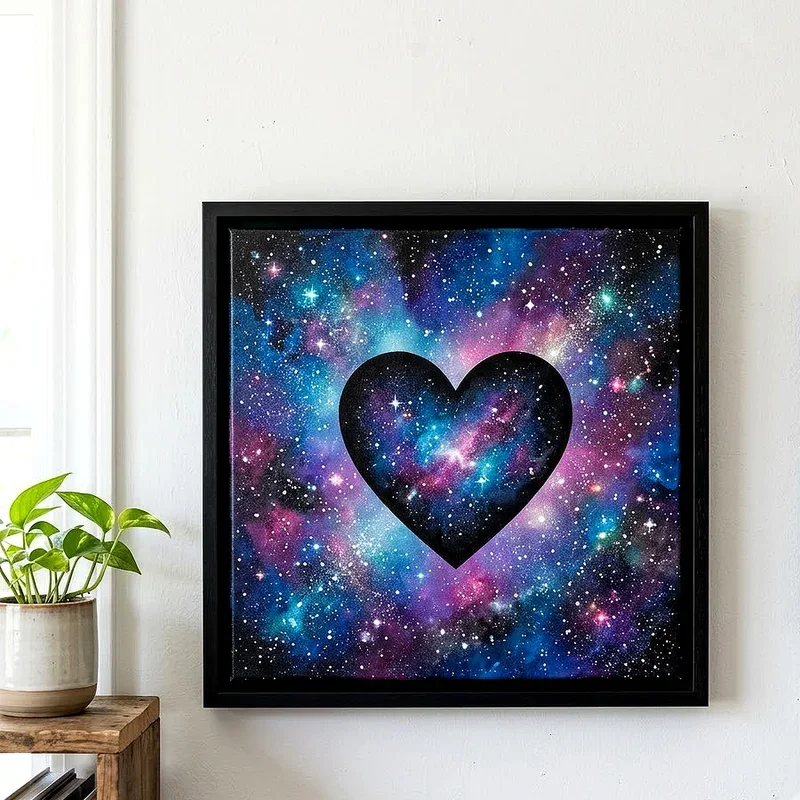
15. Galaxy Heart Silhouette
A galaxy heart silhouette painting makes a meaningful gift for someone you love, and it comes together in under an hour. Cut a heart shape from painter's tape or adhesive vinyl and stick it firmly onto your canvas before you start painting. Apply your galaxy colors around and over the heart shape, sponging and blending as you normally would for any galaxy background. Once the paint dries completely, carefully peel away the tape to reveal a clean, sharp heart silhouette surrounded by swirling cosmic color. The unpainted heart space creates a striking negative space effect that symbolizes love set against the infinity of the universe. You can leave the heart white or fill it with a contrasting color for extra visual impact.
Conclusion
Galaxy painting opens a doorway into creative expression that welcomes every skill level with open arms. You have now explored 15 different approaches, from classic deep space canvases to tiny painted rocks and glowing bedroom murals. Each project proves that cosmic art does not demand perfection or professional training. Grab whatever supplies you have on hand, pick the idea that excites you most, and start experimenting tonight. The universe on your canvas will never look exactly like anyone else's, and that is precisely what makes it yours. Let the stars guide your brush and enjoy every messy, beautiful moment of the process.
Read next: 15 Easy Family Painting Ideas for Relaxing DIY Art Projects
Frequently Asked Questions
Q1. What paint works best for galaxy paintings?
A: Acrylic paint works best because it blends easily, dries quickly, and layers well.
Q2. Can I create galaxy art without any prior painting experience?
A: Yes, galaxy painting uses simple sponging and blending techniques that require no experience.
Q3. How do I make realistic looking stars on my galaxy painting?
A: Flick white paint from a toothbrush bristle to scatter natural looking star patterns.
Q4. What surfaces work for galaxy painting besides canvas?
A: You can paint galaxies on rocks, glass jars, wood panels, paper, and bookmarks.
Q5. How long does a typical beginner galaxy painting take to finish?
A: Most beginner galaxy paintings take between thirty minutes and two hours to complete.
Stay up to date with our latest ideas!