15 Oil Painting Ideas for Beginners and Creative Artists
Discover 15 inspiring oil painting ideas for beginners and creative artists. Explore easy techniques and subjects to start your artistic journey today.
Have you ever stood before a blank canvas, brush in hand, feeling both excited and utterly terrified? You are not alone in this creative adventure. Oil painting remains one of the most rewarding artistic pursuits, offering rich colors, blendable textures, and a timeless quality that other mediums simply cannot match. Whether you are just dipping your toes into the world of art or seeking fresh inspiration to reignite your passion, this guide will serve as your trusted companion. Think of oil painting as a conversation between you and the canvas, where every stroke tells a story. We have gathered fifteen remarkable ideas that will help you explore different subjects, techniques, and styles while building your confidence one painting at a time.
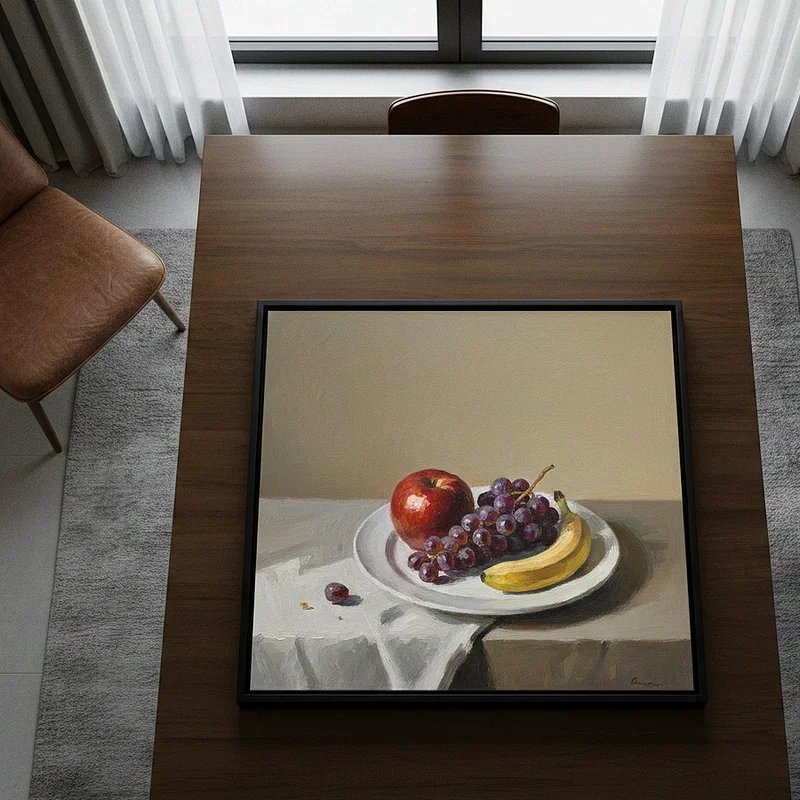
1. Simple Still Life with Fruits
Starting your oil painting journey with a simple still life arrangement feels like learning to walk before you run. Grab some apples, oranges, or lemons from your kitchen and arrange them on a neutral cloth. This subject allows you to practice observing light and shadow without worrying about complex compositions. You control the lighting, the arrangement, and the pace of your work. Fruits offer wonderful opportunities to explore color mixing, as that perfect red apple contains hints of yellow, orange, and even purple in its shadows. Many master painters began exactly where you stand now, studying the humble beauty of everyday objects. The round forms of fruits also teach you about creating three-dimensional shapes on a flat surface through careful value gradation.
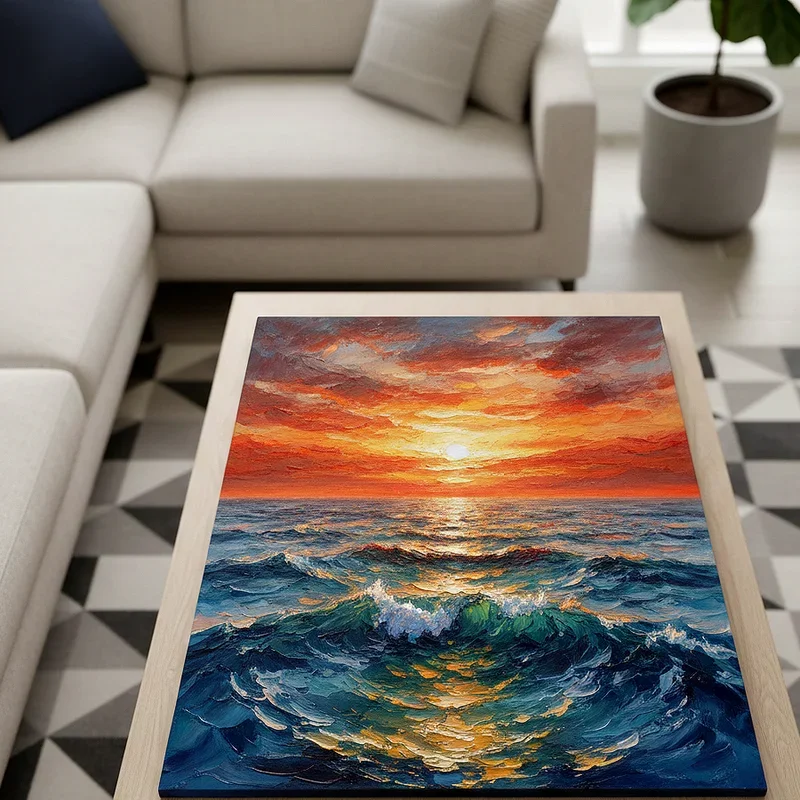
2. Sunset Over the Ocean
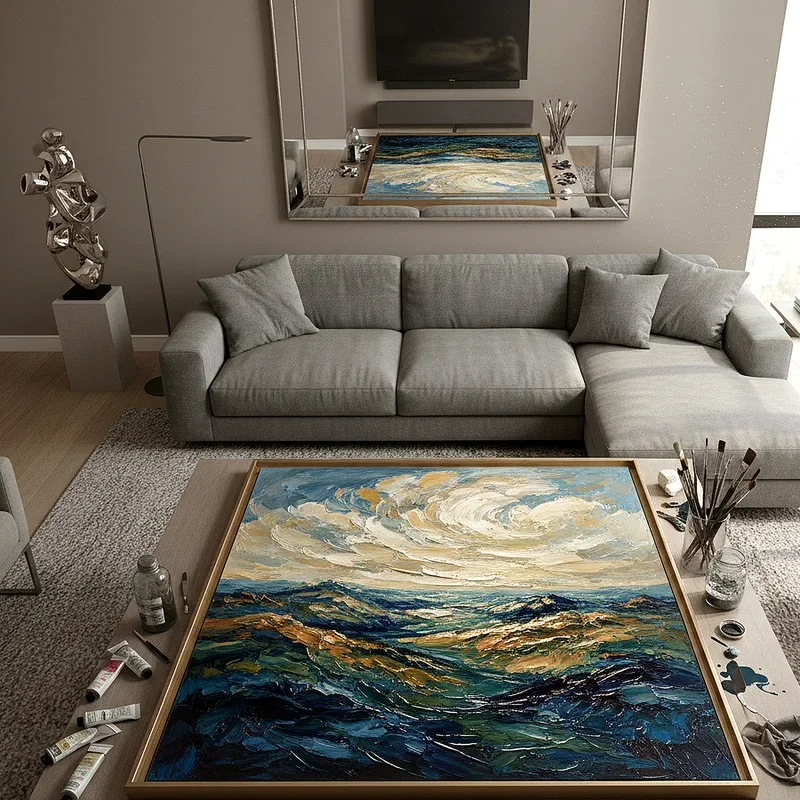
Nothing captures the imagination quite like a sunset melting into the ocean horizon. This subject practically begs to be painted in oils because the medium excels at blending those gorgeous gradients of orange, pink, purple, and blue. You do not need perfect wave techniques to create something stunning here. Focus instead on capturing the mood and the dramatic play of warm colors meeting cool tones. The ocean can be suggested with simple horizontal strokes that hint at gentle movement beneath the colorful sky. Water reflects the sky above, so your color palette stays cohesive and harmonious throughout the painting. This project teaches you about color temperature transitions and atmospheric perspective while producing a piece you will proudly hang on your wall.
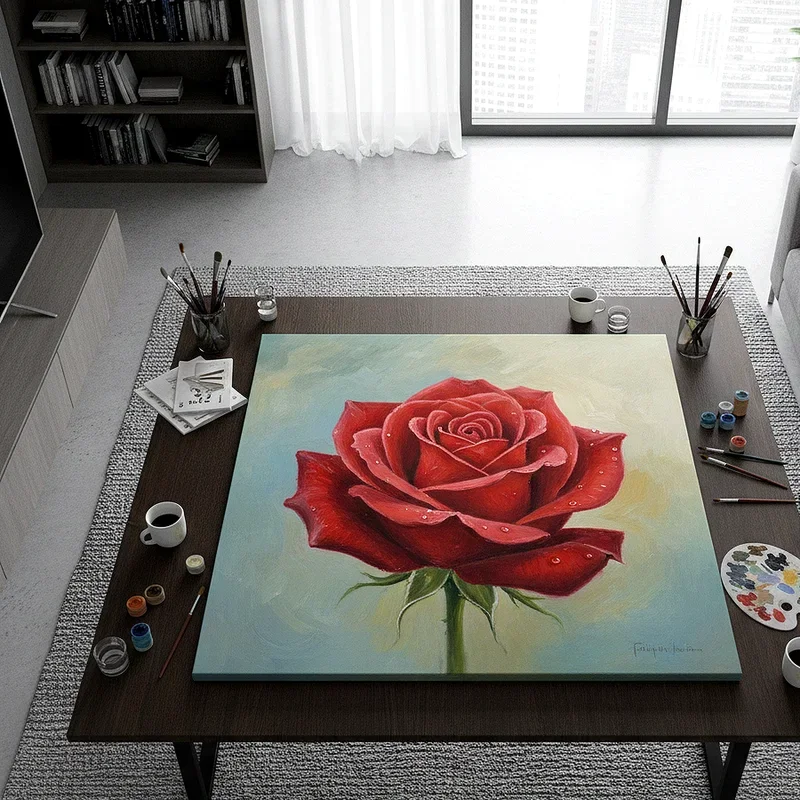
3. Single Flower Study
Why paint an entire garden when one perfect flower can teach you everything? A single rose, sunflower, or tulip becomes your entire universe for this painting exercise. You learn to see the subtle color variations within each petal, the way light passes through delicate edges, and how shadows define form and depth. Position your flower against a simple background so nothing distracts from your subject. Oil paints give you the luxury of time, allowing you to blend and adjust those soft petal transitions until they feel just right. This focused approach builds observation skills that will serve you in every future painting. Think of it as meditation with a brush, where slowing down reveals beauty you might otherwise overlook.
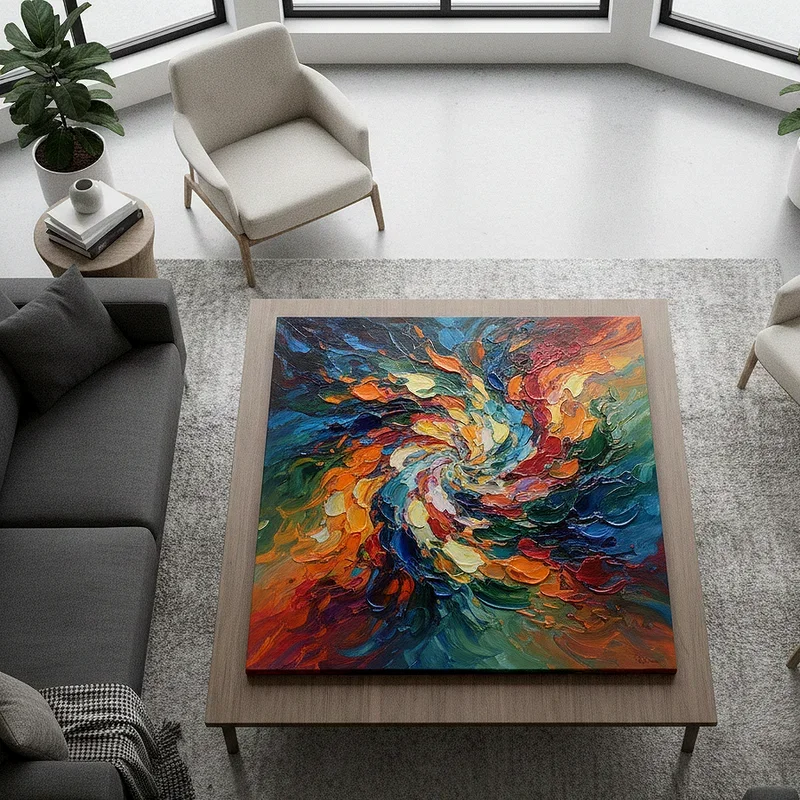
4. Abstract Color Exploration
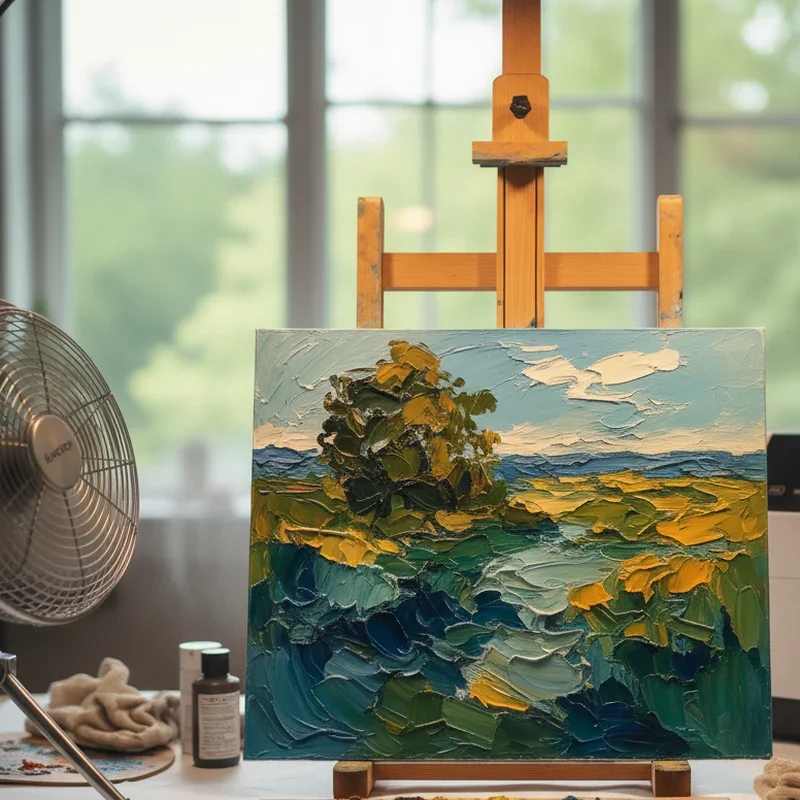
Sometimes the most liberating painting experience comes from throwing rules out the window entirely. Abstract painting invites you to explore color relationships, texture, and emotion without representing anything specific. Squeeze out colors that speak to your current mood and let your brush dance across the canvas without a predetermined destination. You might discover unexpected harmonies between colors you never thought to combine. This exercise removes the fear of making mistakes because there is no wrong answer in abstraction. Your painting becomes a visual diary entry, capturing feelings that words cannot express. The thick, buttery consistency of oil paints makes them perfect for building textured surfaces that catch light in fascinating ways.
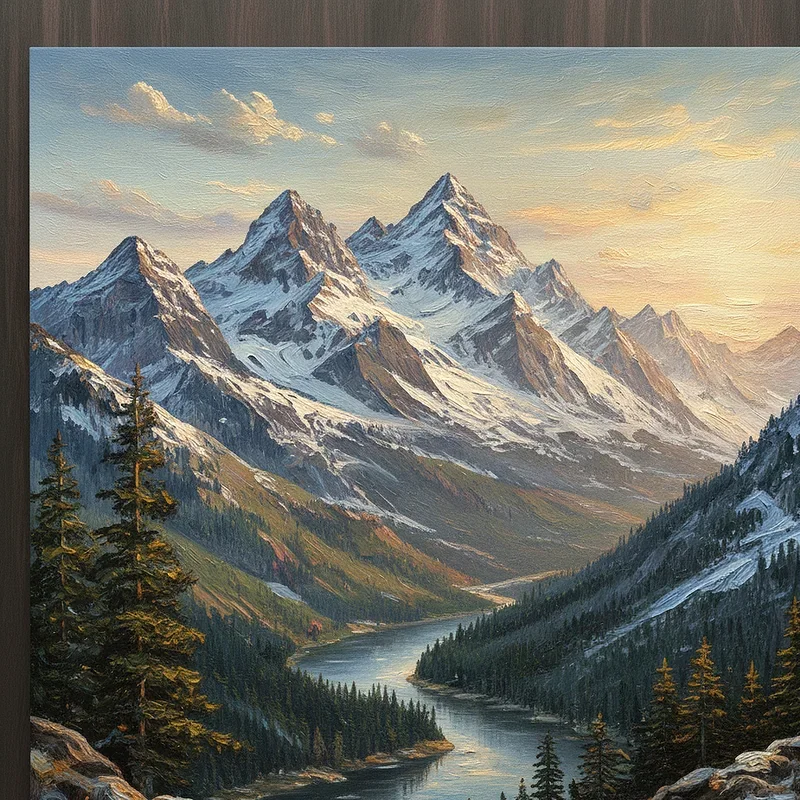
5. Mountain Landscape Scene
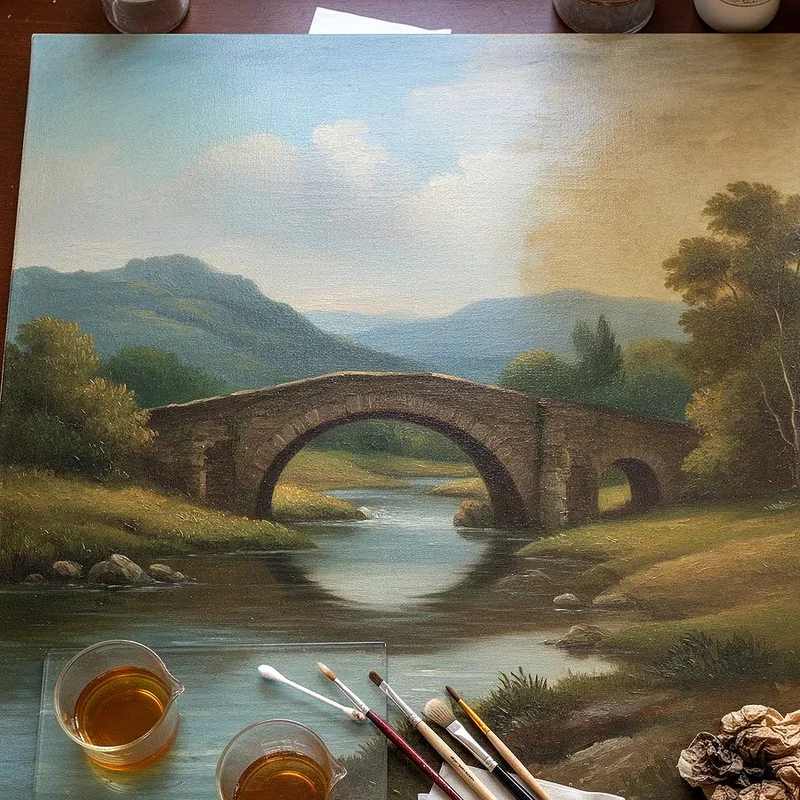
Mountains have inspired artists for centuries with their majestic presence and ever-changing moods. You do not need to hike to a scenic overlook to paint them either. Work from a photograph or let your imagination construct the perfect peak. Start with the distant mountains using cooler, lighter colors that suggest atmospheric haze. As you move forward in the scene, your colors become warmer and more saturated, creating convincing depth. Add a foreground element like rocks, trees, or a meadow to anchor the composition and draw viewers into the scene. Mountains teach you about simplifying complex shapes into manageable forms while maintaining their powerful presence. The key lies in suggesting grandeur rather than painting every visible rock.
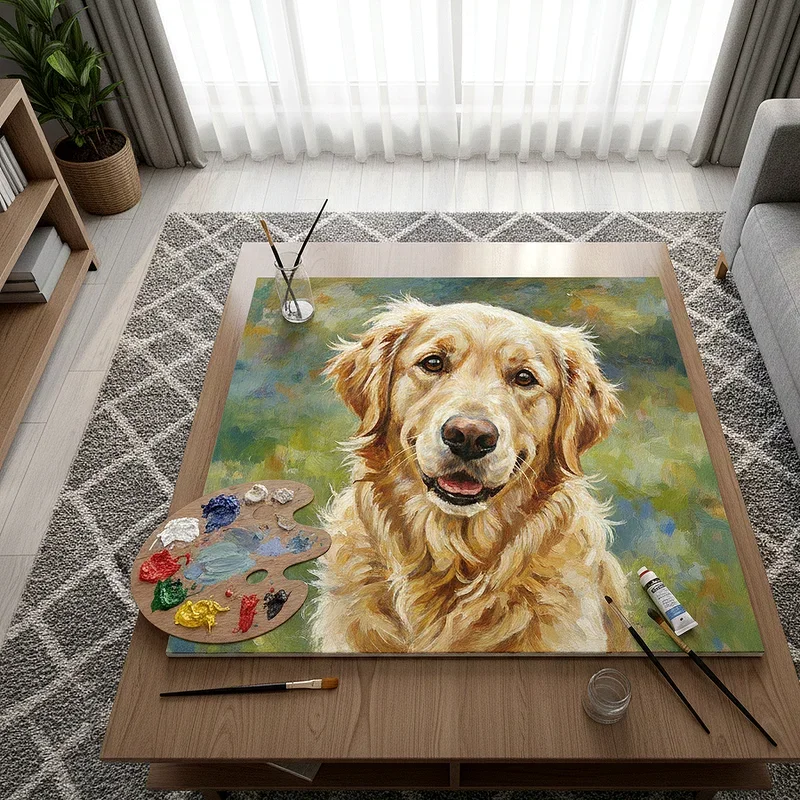
6. Portrait of a Pet
Your furry, feathered, or scaled companion makes an excellent subject for developing your oil painting skills further. Pets sit relatively still compared to human subjects, and you already know their personality intimately. Focus on capturing what makes your pet uniquely themselves, whether that involves their soulful eyes, curious expression, or distinctive markings. Start with a simple composition featuring their face against an uncomplicated background. The texture of fur or feathers gives you wonderful opportunities to experiment with different brush techniques. Some artists use fine brushes for individual hairs while others suggest texture through strategic brushwork. This deeply personal project carries emotional significance that will push you to do your very best work.
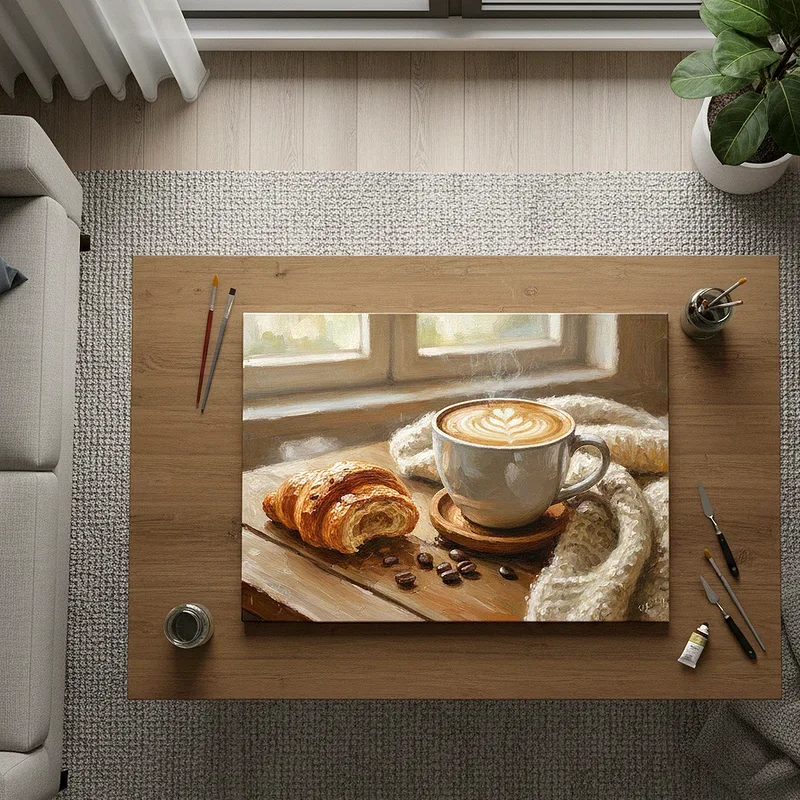
7. Cozy Coffee Cup Moment
There is something universally comforting about a steaming cup of coffee or tea that translates beautifully to canvas. This subject combines the challenge of painting reflective ceramic surfaces with the atmospheric element of rising steam. Choose your favorite mug and place it near a window where natural light creates interesting shadows and highlights. The steam can be suggested with thin, wispy strokes of lighter paint over the darker background. Include elements that tell a story, perhaps an open book, reading glasses, or a partially eaten pastry beside the cup. This intimate scene invites viewers into a quiet moment they can relate to personally. Oil paints excel at capturing the subtle reflections and warm tones of this cozy subject matter.
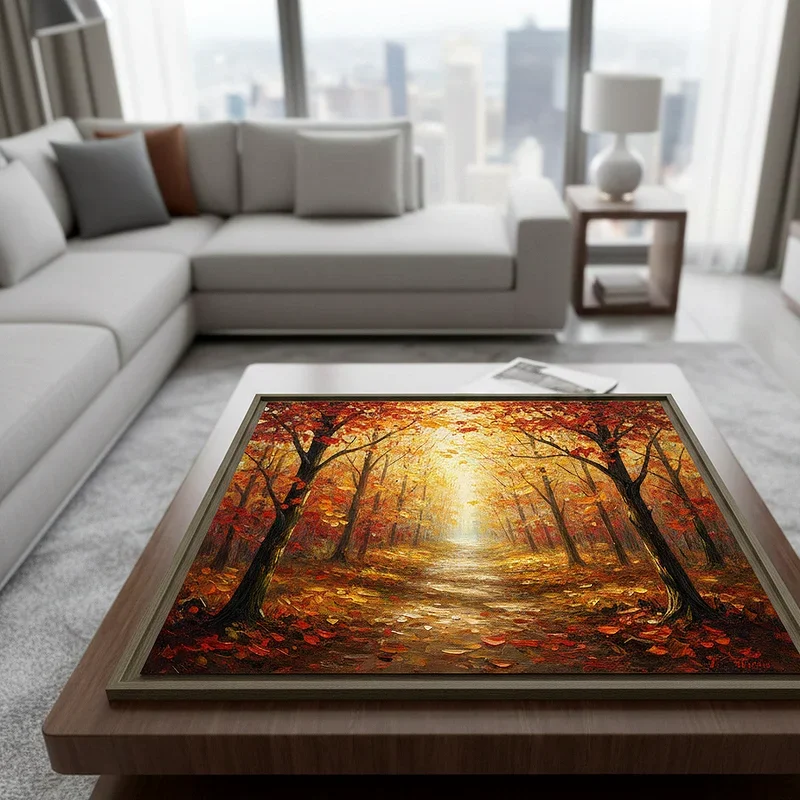
8. Autumn Forest Path
Autumn transforms ordinary forests into symphonies of red, orange, yellow, and gold that practically demand to be painted. A winding path leading through fall foliage creates natural depth and invites viewers to imagine walking into your painting. The variety of warm colors gives you extensive practice with mixing and harmonizing similar hues. Fallen leaves scattered across the path add texture and reinforce the seasonal atmosphere you are creating. Bare branches peeking through the colorful canopy provide interesting linear elements that contrast with organic leaf shapes. This subject forgives imprecision because real forests look wonderfully chaotic anyway. Let your brushwork stay loose and expressive to capture the energetic feeling of leaves rustling in a cool autumn breeze.
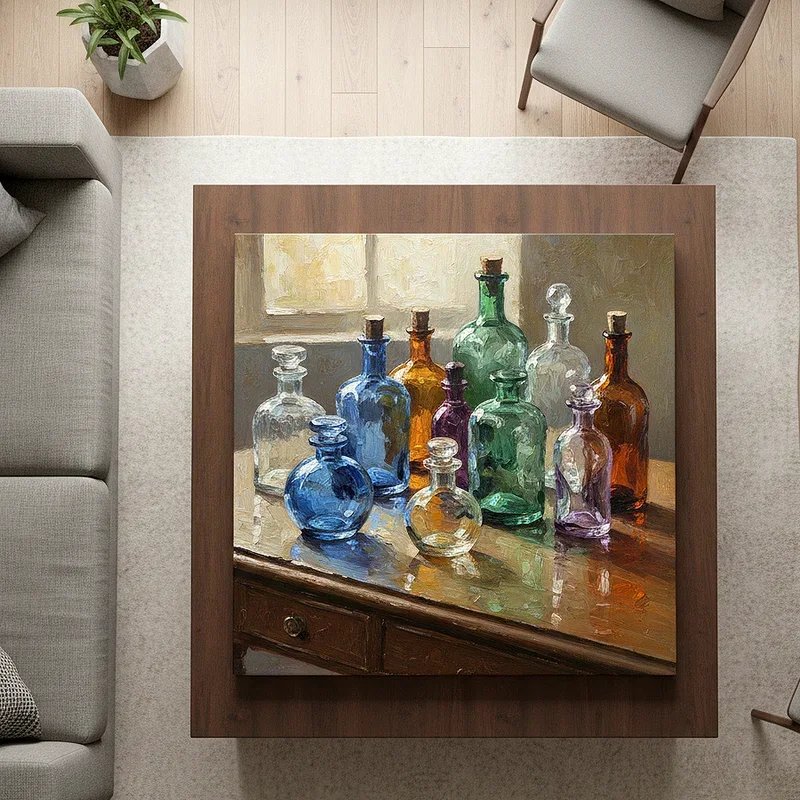
9. Vintage Glass Bottles
Old glass bottles found at antique shops or flea markets offer fascinating studies in transparency, reflection, and color. The glass distorts what sits behind it while also reflecting the environment around it. Arrange several bottles of different colors and shapes against a simple backdrop to create visual interest through variety. Colored glass transforms ordinary light into something magical, casting tinted shadows and creating luminous highlights. This subject challenges you to observe carefully and paint what you actually see rather than what you think you know about bottles. The smooth, reflective surfaces contrast beautifully with any textured elements you include in the composition. Many artists return to glass objects throughout their careers because the challenges and rewards never diminish.
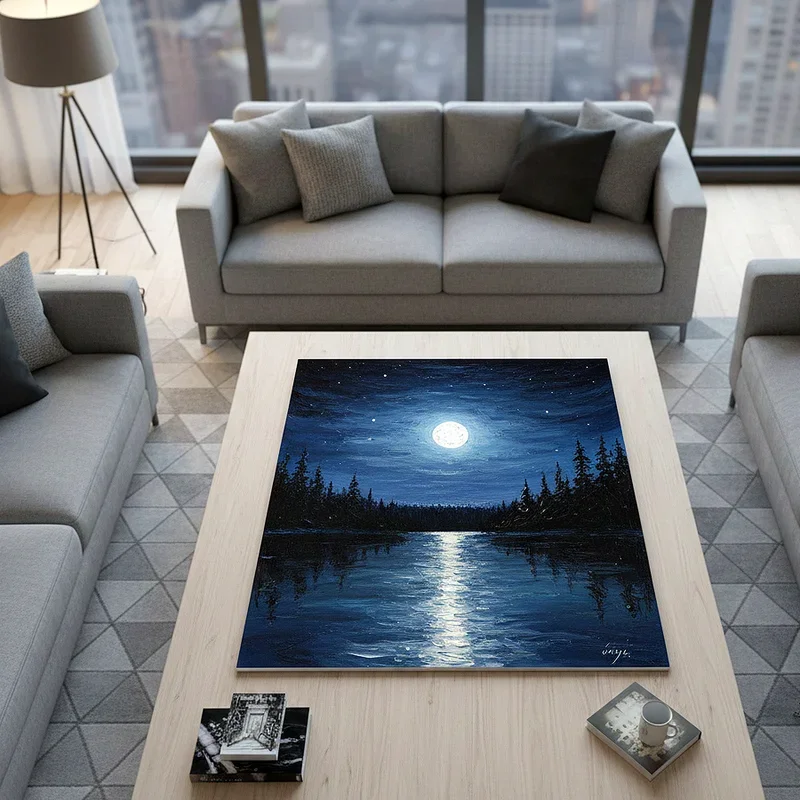
10. Moonlit Night Sky
Painting nocturnal scenes opens up a completely different world of color and mood for your artistic exploration. A moonlit sky teaches you about working with limited light sources and creating atmosphere through value control. The moon itself requires careful attention to subtle value changes that make it glow convincingly against the dark sky. Stars can be suggested with tiny dots of lighter paint or left out entirely for a more moody interpretation. Include silhouetted landscape elements like trees or buildings to ground your celestial scene in something recognizable. Night paintings often succeed with much simpler compositions than daytime scenes because darkness naturally eliminates distracting details. The mysterious quality of moonlight has inspired countless artists throughout history for very good reason.
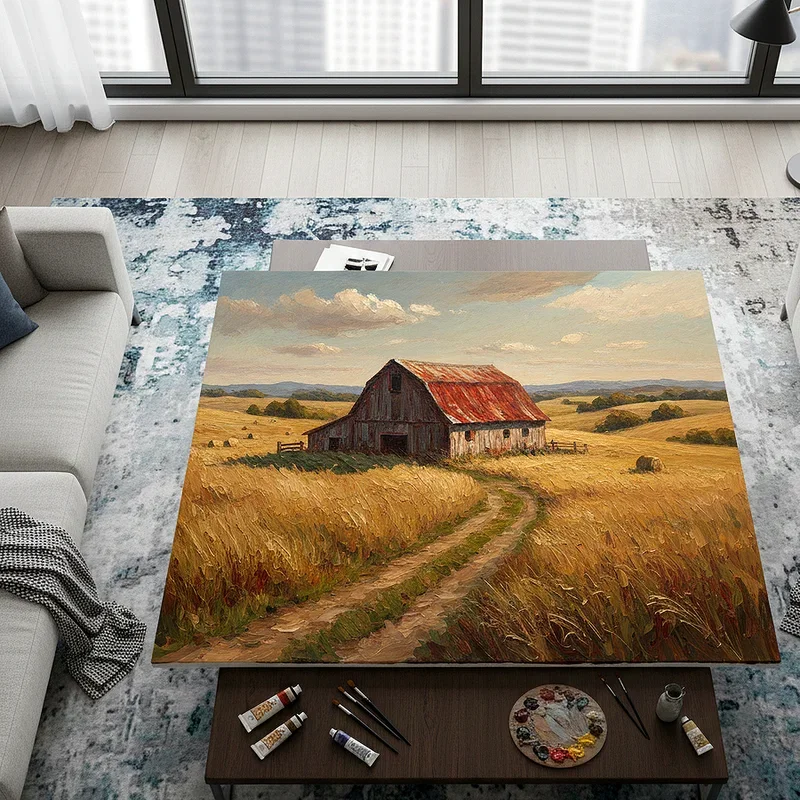
11. Rustic Barn in Countryside
A weathered barn standing in an open field tells stories of seasons passed and hard work done. This subject offers wonderful texture opportunities through old wood, rusted metal, and surrounding vegetation. The barn serves as a strong focal point while the surrounding landscape provides supporting context and atmosphere. You practice architectural elements without the precision required for urban buildings because rustic structures have character in their imperfections. The neutral browns and grays of aged wood allow you to explore subtle color variations within a limited palette. Add a dramatic sky behind your barn to increase visual impact and emotional resonance. This quintessentially peaceful subject connects viewers to simpler times and pastoral beauty.
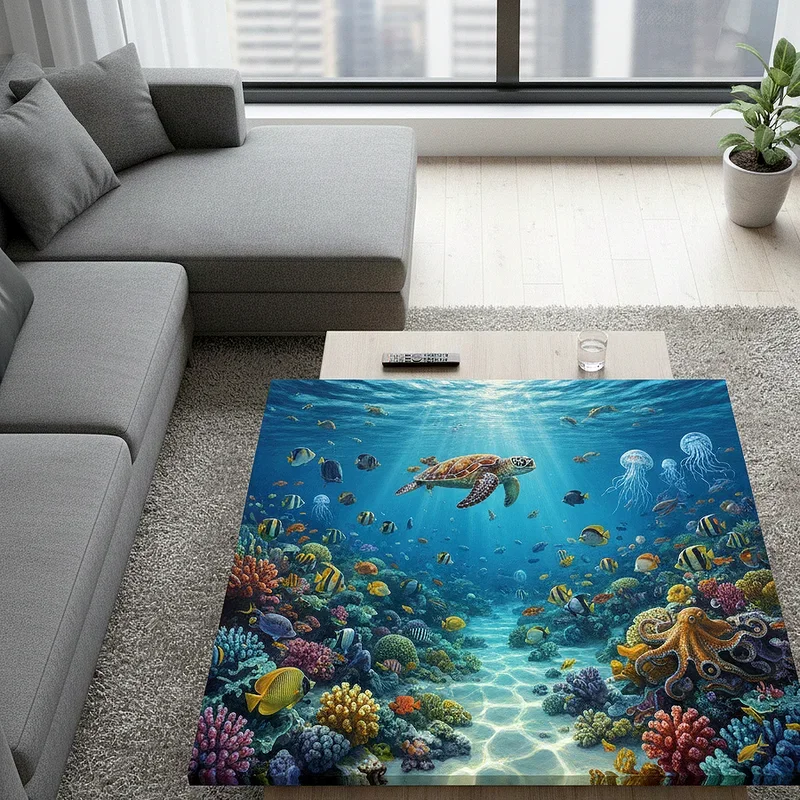
12. Underwater Ocean Life
Diving beneath the surface opens up a vibrant world where different rules of light and color apply entirely. Fish, coral, and aquatic plants provide endless subject matter in colors you rarely see on land. The way light filters through water creates a distinctive atmosphere that challenges you to think differently about illumination. You can paint realistic marine scenes or let your imagination run wild with fantastical underwater kingdoms. The flowing, organic shapes of sea creatures allow for expressive, gestural brushwork that feels freeing. Blues and greens dominate the palette but unexpected pops of brilliant color appear in tropical fish and coral formations. This subject matter appeals to all ages and makes wonderful decorative art for many spaces.
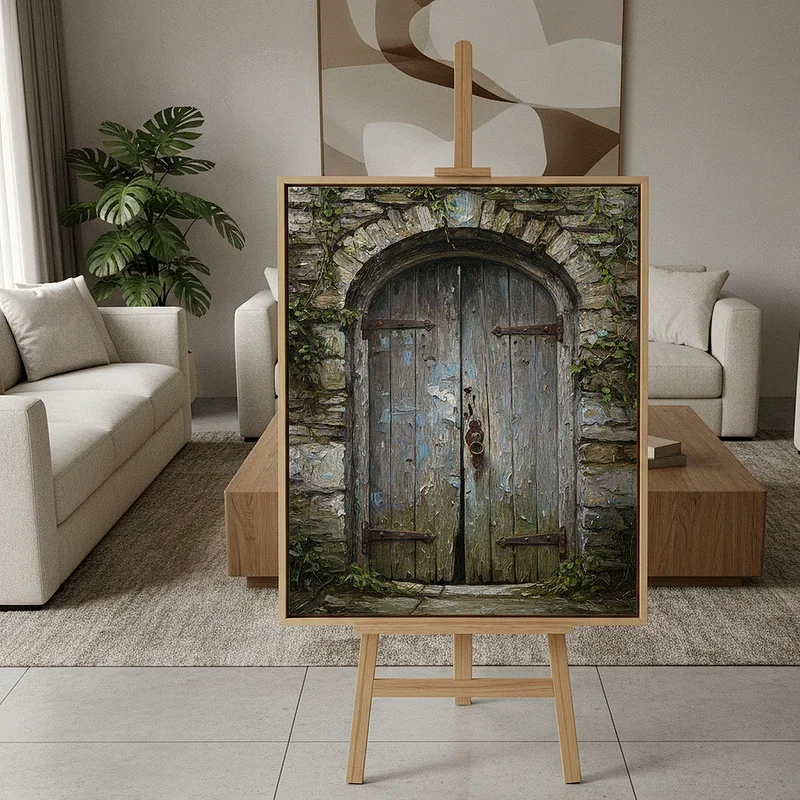
13. Old Wooden Door
Doors symbolize transition, mystery, and possibility, making them compelling subjects beyond their visual appeal alone. An old wooden door with peeling paint, weathered hardware, and surrounding architectural details tells a story without words. The texture variations between smooth stone, rough wood, and metal fixtures give you diverse surfaces to render. Doors can stand alone as complete compositions or hint at the larger structure they belong to just outside the frame. The play of light across a recessed doorway creates interesting shadow patterns that add depth and drama. You learn about painting various materials convincingly while creating something with emotional resonance. Every viewer will imagine what lies beyond that door, making your painting interactive in their minds.
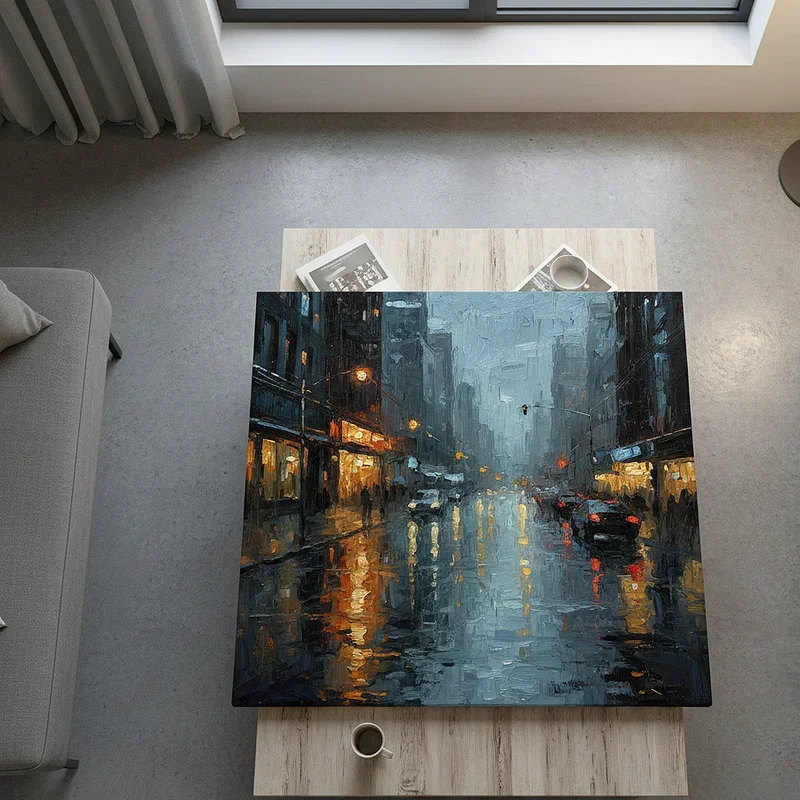
14. Rainy City Street Reflection
Rain transforms ordinary city streets into mirrors reflecting lights, buildings, and passing figures in abstract patterns. This subject captures urban energy while offering forgiveness for loose, impressionistic brushwork that suggests rather than defines. Streetlights become starbursts of color reflected and multiplied across wet pavement. Umbrellas provide colorful accents and human elements without requiring detailed figure painting. The slightly blurred quality of rain-soaked scenes actually helps beginning painters because precision matters less than mood and atmosphere. Work with a limited palette to maintain harmony across all those reflected colors. This subject demonstrates how weather conditions dramatically change ordinary scenes into something magical and worth painting.
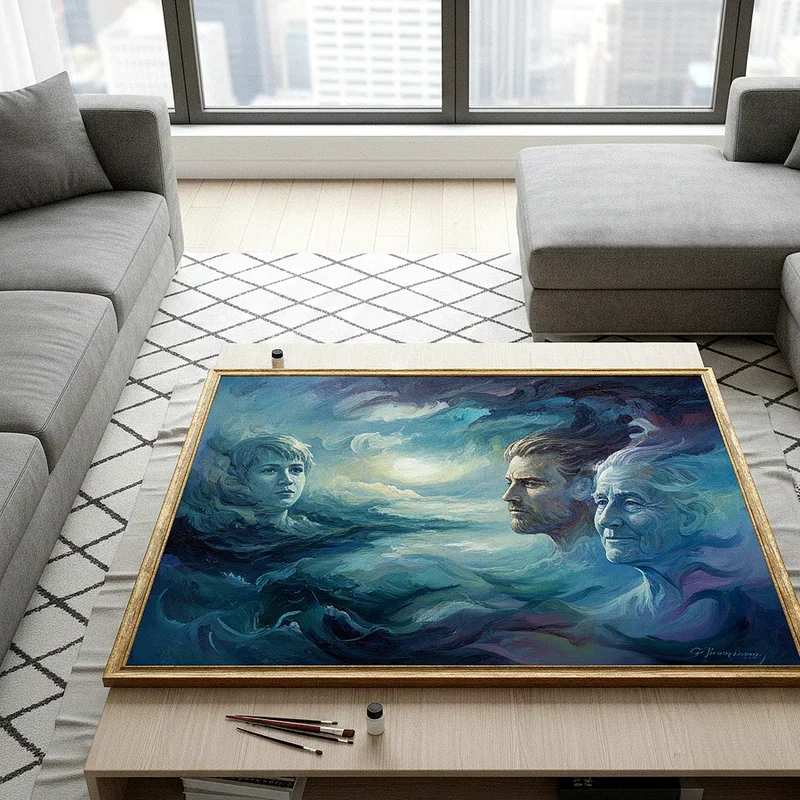
15. Self Portrait Journey
Eventually, every artist should turn the brush toward themselves in a self-portrait exploration. You have the most patient model imaginable always available for practice sessions. Beyond practical convenience, self-portraits force honest self-observation and build skills that transfer to painting anyone. Start simply, perhaps in profile or with dramatic lighting that obscures some features while highlighting others. You learn facial proportions, skin tone mixing, and how expression emerges from subtle changes in features. Many famous artists created self-portraits throughout their careers, documenting their artistic growth and changing appearance over time. This deeply personal project connects you to centuries of artistic tradition while creating something uniquely and unmistakably yours to treasure forever.
Conclusion
Your oil painting journey begins with a single brushstroke and continues wherever your curiosity leads you next. These fifteen ideas offer starting points rather than destinations, and each one can branch into countless variations as your skills develop. Remember that every master painter once stood exactly where you stand now, facing a blank canvas with more questions than answers. The magic happens when you pick up that brush anyway and let the paint guide you forward. Embrace mistakes as learning opportunities and celebrate small victories along the way. Your unique artistic voice will emerge through practice, patience, and persistent passion for this beautiful medium.
Read next: How to Clean an Oil Painting Safely at Home
Frequently Asked Questions
Q1. What supplies do beginners need to start oil painting?
A: Start with basic colors, brushes, canvas, palette, medium, and solvent for cleaning brushes.
Q2. How long does oil paint take to dry completely?
A: Oil paintings typically take several days to weeks depending on paint thickness applied.
Q3. Can I paint over mistakes in oil painting?
A: Yes, simply let the layer dry first then paint directly over any mistakes.
Q4. Do I need expensive materials to create good oil paintings?
A: Student-grade supplies work perfectly fine while learning fundamental oil painting techniques and skills.
Q5. How do I clean my oil painting brushes properly?
A: Wipe excess paint, rinse in solvent, then wash thoroughly with brush soap and water.
Stay up to date with our latest ideas!