15 Clay Art Ideas to Inspire Your Next Creative Project
Explore 15 creative clay art ideas from sculptures to jewelry. Perfect for beginners and pros seeking fresh inspiration for pottery projects!
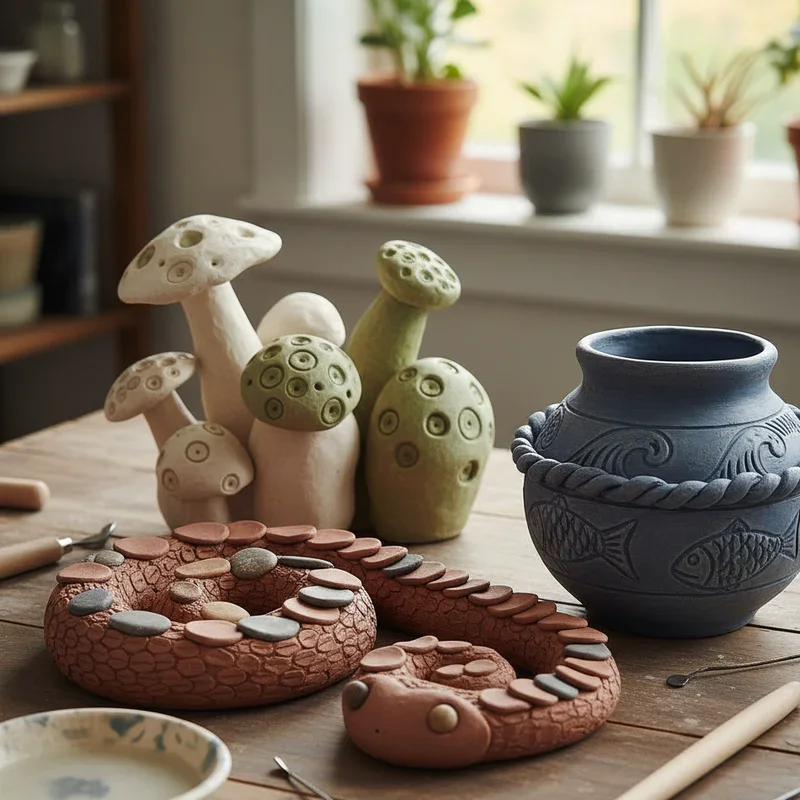
Ever felt that primal urge to squish something between your fingers and watch it transform into art? That's the irresistible call of clay! There's something deeply satisfying about taking a humble lump of earth and breathing life into it with nothing but your hands and imagination. Whether you're a seasoned potter or someone who hasn't touched clay since kindergarten, the possibilities are absolutely endless. Clay art connects us to ancient traditions while offering modern creative freedom that no other medium quite matches. From delicate jewelry pieces to bold sculptures, functional pottery to whimsical decorations, clay adapts to every artistic vision you can dream up. The best part? You don't need a fancy studio or expensive equipment to start creating magic. Ready to get your hands dirty and discover projects that'll reignite your creative spark? Let's dive into the wonderful world of clay art!
1. Create Miniature Succulent Planters
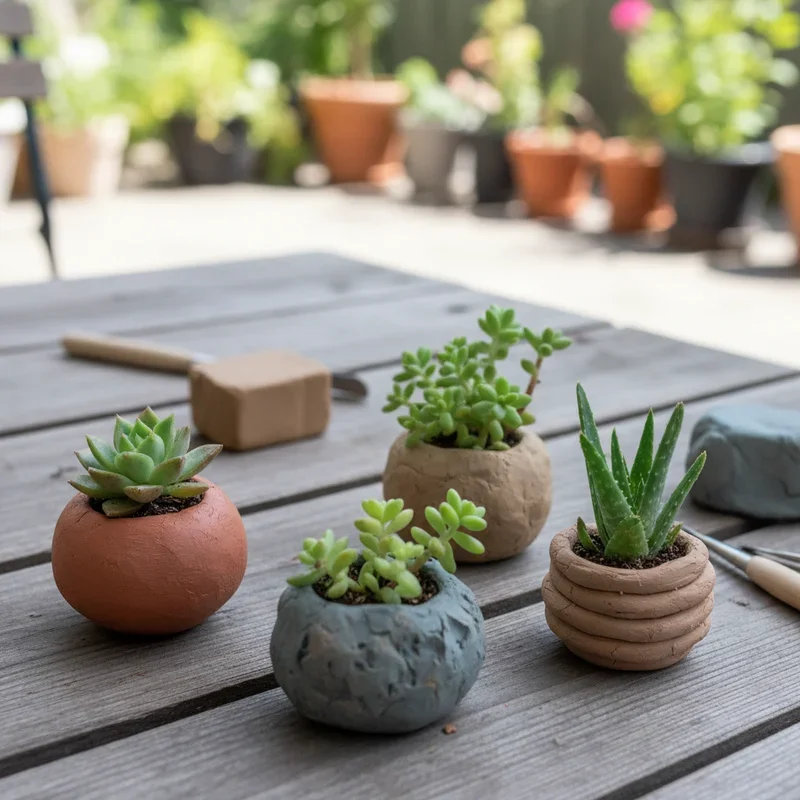
Transform ordinary clay into adorable homes for your tiny green friends by crafting miniature succulent planters that'll make everyone ask where you bought them. Start with a palm-sized ball of clay and hollow it out using the pinch pot method, creating walls about quarter-inch thick for proper drainage and durability. Add personality through textures: press lace for delicate patterns, use tools for geometric designs, or create adorable animal shapes like hedgehogs or elephants where the hollow becomes the planting space. Don't forget drainage holes unless you're planning to use these for air plants or fake succulents. Experiment with different clay bodies: terracotta for that classic earthy look, white stoneware for modern minimalism, or colorful polymer clay for vibrant displays. These planters make perfect gifts, desk decorations, or windowsill gardens. The small scale makes them ideal for beginners while teaching essential techniques like wall thickness control and surface decoration.
2. Design Hand-Built Ceramic Bowls
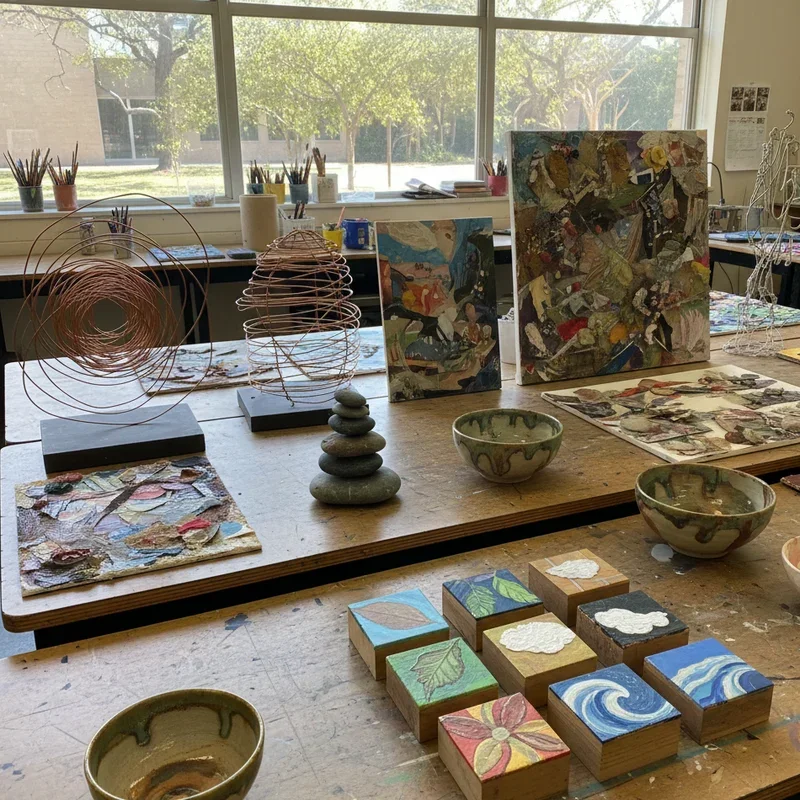
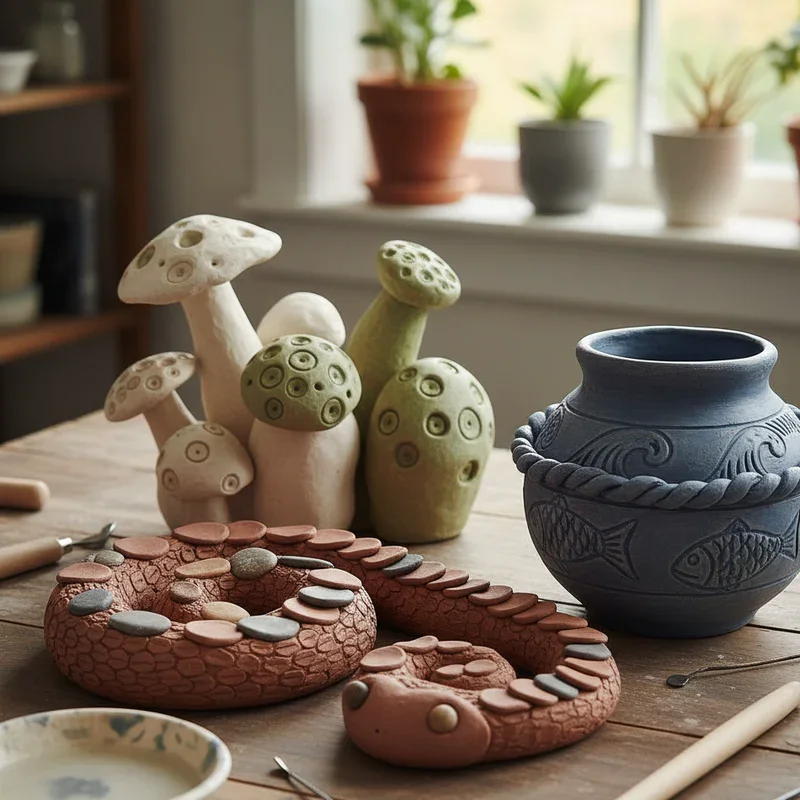
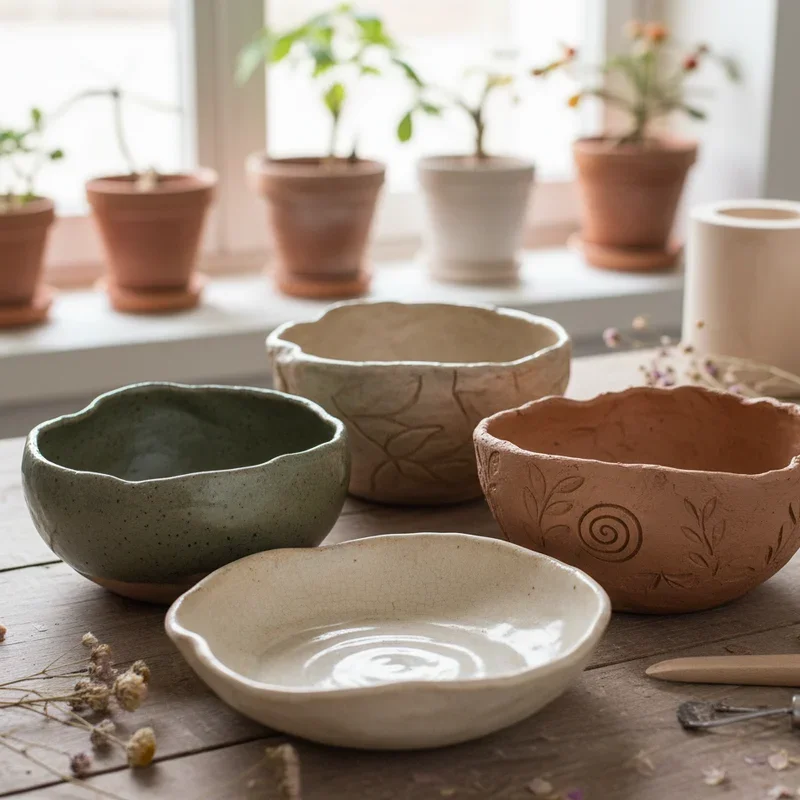
Skip the pottery wheel and discover the ancient art of hand-building bowls that carry the unique mark of your creative touch. Coil building offers meditative rhythm as you roll clay snakes and stack them spirally, smoothing inside and outside for seamless walls or leaving coils visible for rustic texture. Slab construction lets you cut geometric shapes and join them for contemporary angular bowls perfect for modern kitchens. Try the pinch pot method, starting with a tennis-ball-sized sphere and gradually pinching from center outward, rotating constantly for even thickness. Add feet to elevate your bowl, create wavy rims for organic flow, or press patterns using found objects like shells, leaves, or textured fabrics. These bowls become functional art, perfect for serving, decoration, or gifting. Each technique teaches different skills while producing unique pieces that mass production could never replicate. Your handmade bowls tell stories through their imperfections and character.
3. Sculpt Animal Figurines and Pets
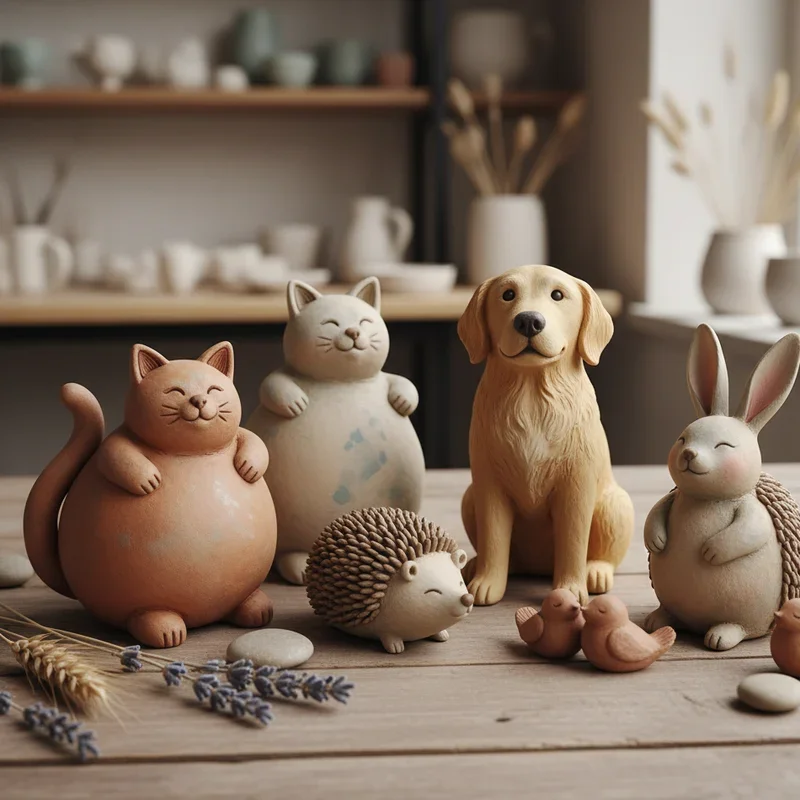
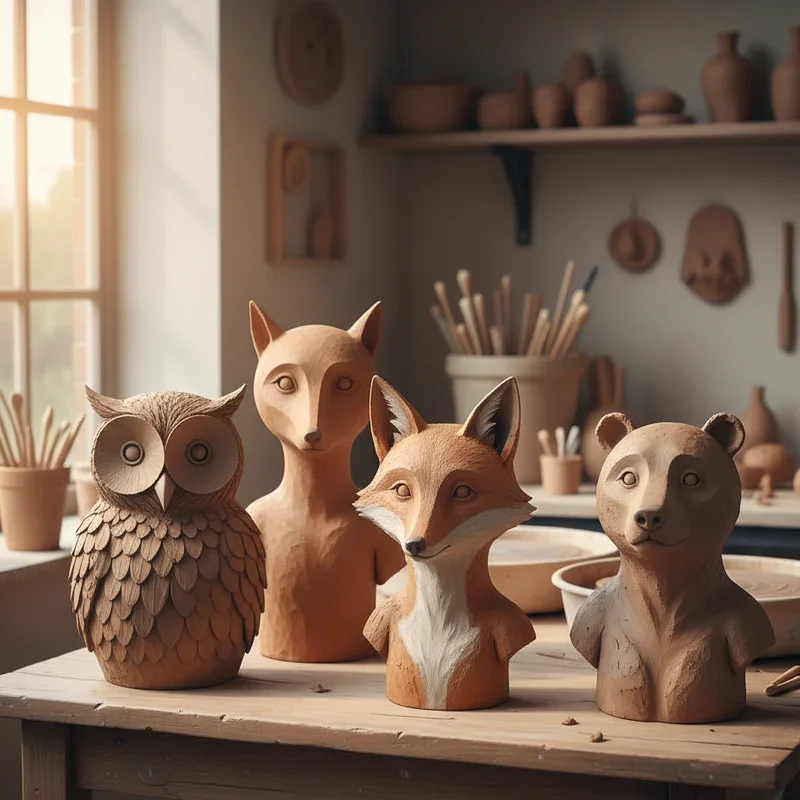
Bring your favorite creatures to life by sculpting animal figurines that capture personality and charm in three-dimensional form. Start with basic shapes: spheres for bodies, cylinders for legs, cones for beaks or snouts, then refine details gradually. Study animal anatomy through photos or real-life observation, noting proportions and characteristic features that make each species recognizable. Use tools like needle tools for fur texture, ball tools for eye sockets, and wire loop tools for smoothing joints. Create custom pet portraits by observing unique markings, expressions, and poses that capture individual personality. Try different styles from realistic to whimsical cartoon characters. Consider making hollow larger pieces to prevent cracking during drying and reduce weight. These sculptures become treasured keepsakes, memorial pieces for beloved pets, or delightful decorations that showcase your artistic growth. Each animal teaches new techniques while building your confidence in working with form and detail.
4. Make Personalized Clay Jewelry
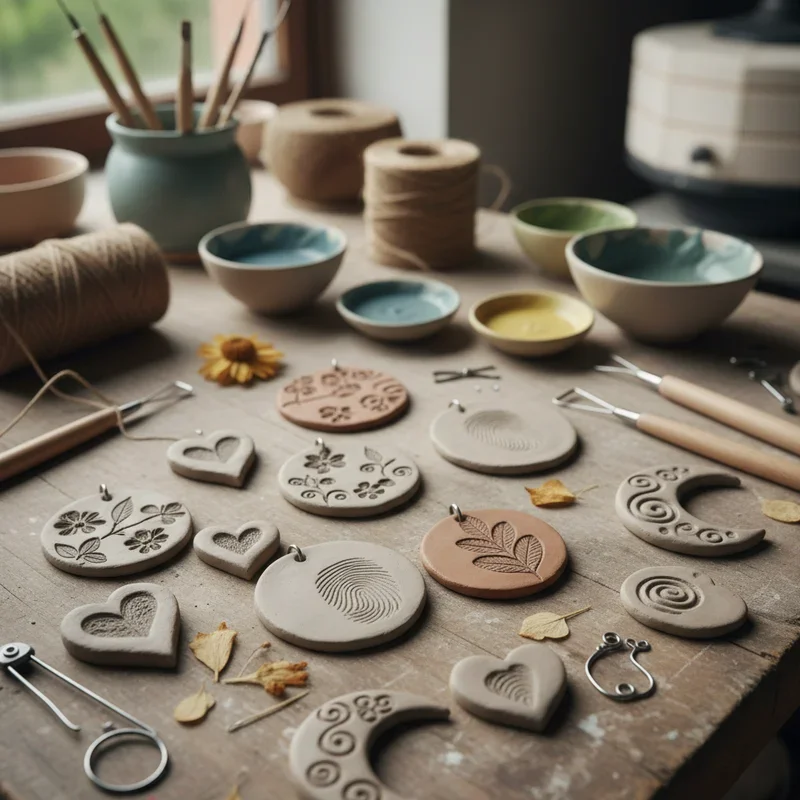
Discover wearable art by creating unique clay jewelry pieces that express personal style better than any store-bought accessory. Polymer clay opens endless possibilities: marble effects by mixing colors, metallic finishes with special powders, or translucent effects for ethereal beauty. Roll thin sheets for geometric earrings, cutting shapes with cookie cutters or craft knives. Create beads by rolling balls, tubes, or custom shapes, remembering to pierce holes before baking. Try texture techniques using stamps, molds, or household items like lace or sandpaper. Ceramic clay offers different aesthetics: delicate porcelain pendants, rustic stoneware brooches, or colorful earthenware rings. Add findings like jump rings, ear wires, or chains after firing. Personalize with initials, birthstones imitations, or miniature sculptures reflecting hobbies and interests. Your handmade jewelry becomes conversation starters, meaningful gifts, or perfect accessories that nobody else will have. Each piece teaches precision while exploring your artistic voice.
5. Build Decorative Wall Tiles
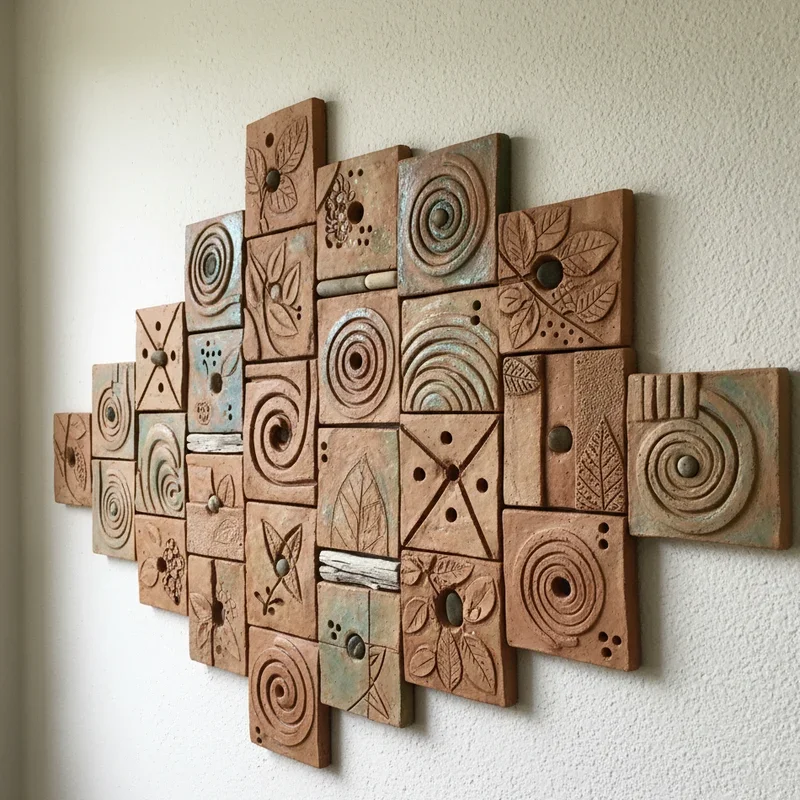
Transform blank walls into artistic statements by creating decorative clay tiles that add texture, color, and personality to any space. Hand-build tiles by rolling clay slabs to consistent thickness using guides, then cutting squares, hexagons, or custom shapes with templates. Create relief designs by adding clay elements, carving patterns, or pressing objects for impressions. Try sgraf
fito technique: layer colored slips then scratch through to reveal contrasting colors beneath. Geometric patterns, botanical motifs, or abstract designs all work beautifully. Make sets that tell stories when arranged together or individual statement pieces. Consider functional aspects: bathroom tiles need waterproof glazing, outdoor tiles require frost-resistant clay bodies. Create hanging systems using wire embedded before drying or drill holes after bisque firing. Your tiles become permanent art installations, backsplash upgrades, or garden decorations that withstand weather. This project combines functional craft with fine art, teaching technical precision while encouraging creative expression.
6. Create Clay Wind Chimes
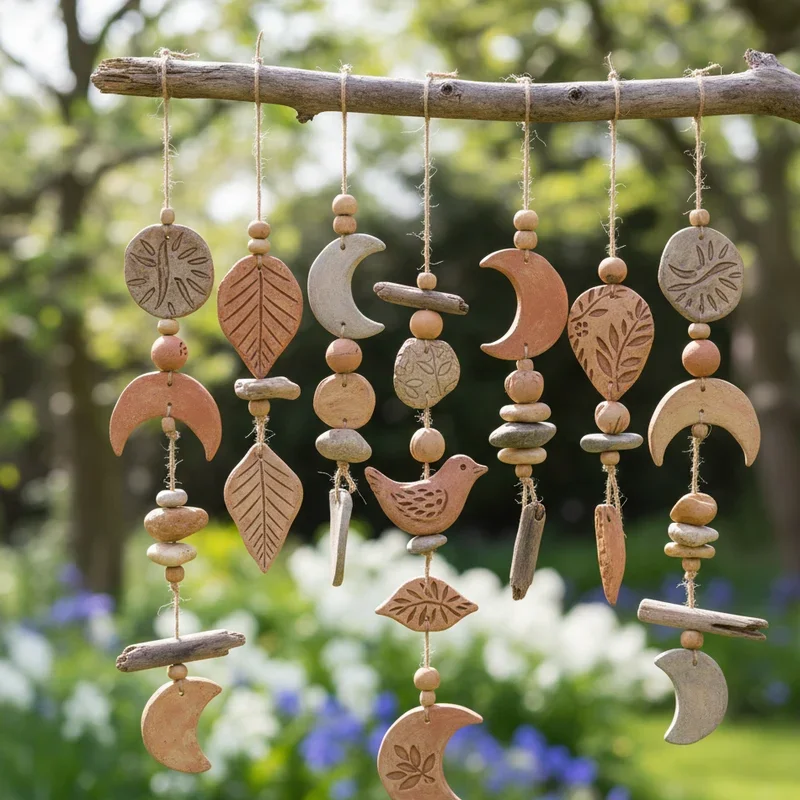
Fill your garden with gentle melodies by crafting clay wind chimes that combine visual beauty with soothing sounds. Roll clay into various shapes: flat discs, hollow tubes, or sculptural forms like fish, leaves, or abstract designs. Vary thicknesses to create different tones when pieces collide. Pierce hanging holes while clay is leather-hard, planning how pieces will suspend and move. Create the striker (center piece that hits the chimes) slightly heavier for better sound production. Experiment with textures and patterns that catch light and create shadows. After firing, string pieces using fishing line, hemp cord, or chain at different lengths for varied movement and sound. Test arrangements for pleasing tones; higher-fired clay produces clearer rings. Add non-clay elements like driftwood tops, bamboo, or metal accents for mixed-media interest. Your wind chimes become functional garden art that engages multiple senses while weathering beautifully outdoors.
7. Design Functional Soap Dishes
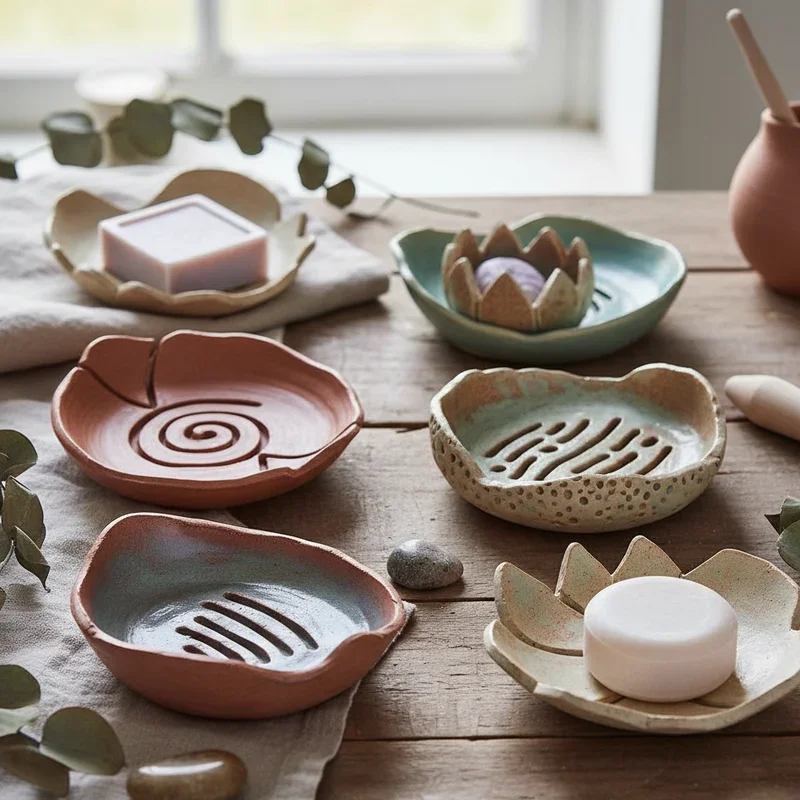
Merge practicality with artistry by creating soap dishes that keep bars dry while adding style to bathrooms and kitchens. Design dishes with drainage in mind: create ridges, holes, or sloped surfaces that prevent soap from sitting in water. Hand-build using slabs cut to size or throw on the wheel for circular forms. Add personality through textures: wave patterns suggesting water, geometric grids for modern appeal, or organic shapes mimicking river rocks. Consider two-part designs with removable drain trays for easy cleaning. Glaze strategically; leave drain areas unglazed for better water absorption or use glazes that won't become slippery when wet. Size dishes for standard bar soaps or create custom sizes for handmade soaps. These functional pieces make thoughtful gifts, especially paired with artisan soaps. Your soap dishes prove that everyday objects deserve beautiful design, teaching problem-solving while creating practical art.
8. Sculpt Portrait Busts
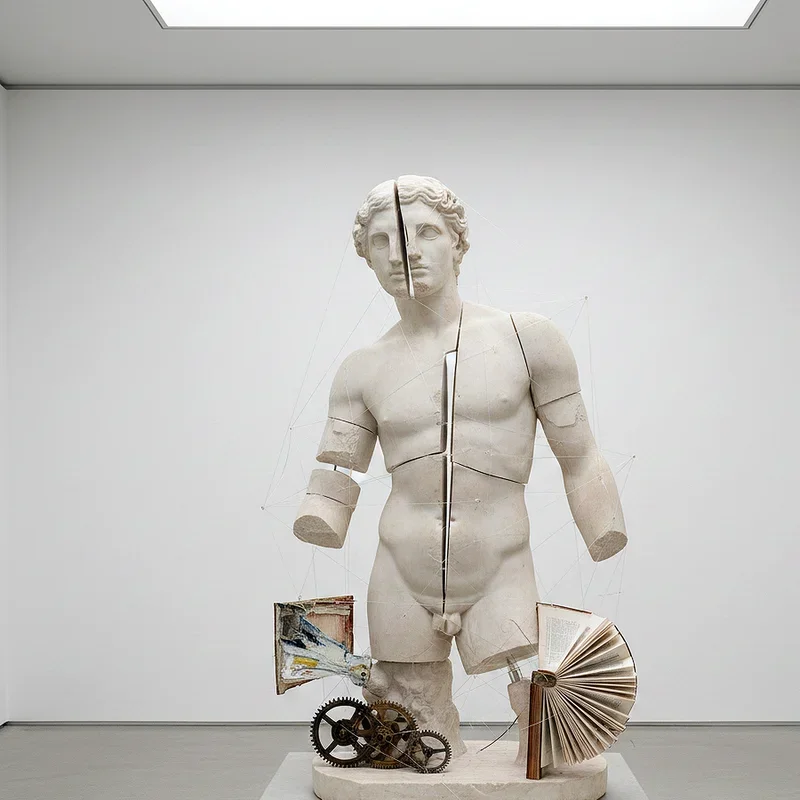
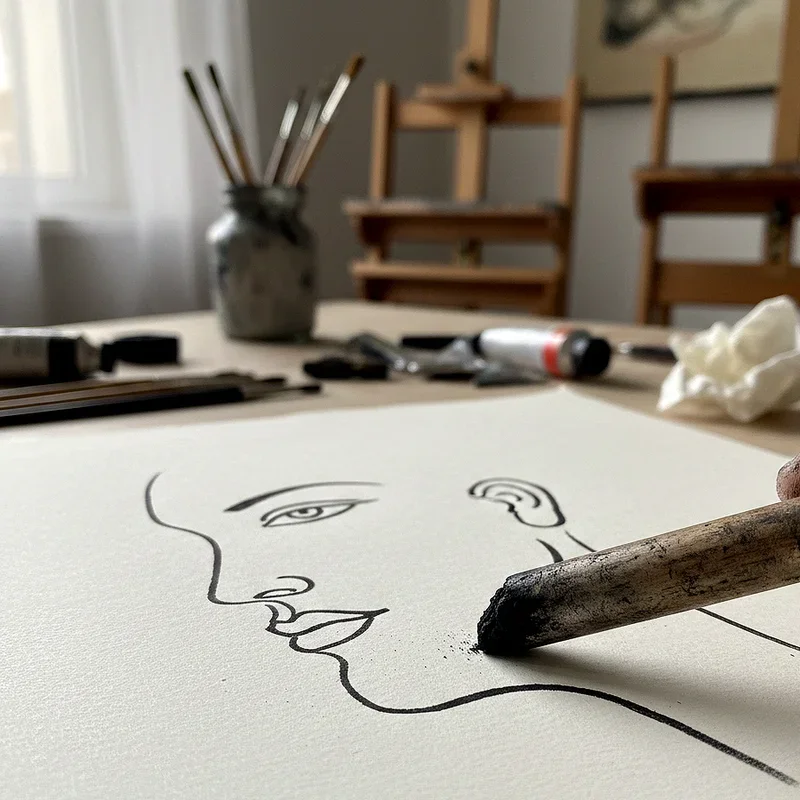
Challenge yourself artistically by sculpting portrait busts that capture human essence in three-dimensional form. Start with an armature using aluminum foil or newspaper core for larger pieces, building clay gradually to prevent cracking. Study facial proportions: eyes halfway down the head, ears aligning with eyebrows to nose bottom, mouth one-third between nose and chin. Begin with basic egg shape, establishing major planes before adding features. Work all areas simultaneously rather than finishing one feature completely; this maintains proportion harmony. Use reference photos from multiple angles or work from life for best results. Tools like loop tools hollow out excess clay, wooden tools define features, and texture tools create hair effects. Try different styles: realistic portraits for memorial pieces, caricatures emphasizing distinctive features, or stylized interpretations focusing on emotion over accuracy. Portrait busts teach advanced observation skills while creating meaningful artwork that preserves memories and celebrates individuals.
9. Make Clay Coaster Sets
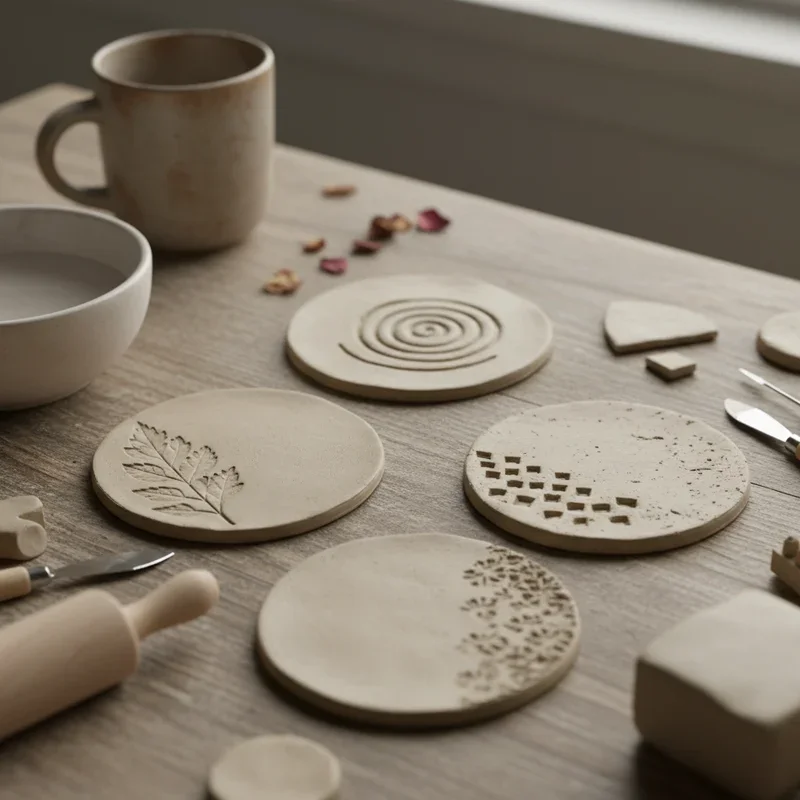
Protect furniture while showcasing creativity by making clay coaster sets that guests will actually want to use. Roll slabs to quarter-inch thickness for durability without excessive weight. Cut circles using glasses as templates or create squares, hexagons, or custom shapes reflecting your style. Add cork or felt backing after firing to prevent surface scratching. Decorate using stamps for consistent patterns across sets, carve designs for depth, or paint with underglazes for color variety. Consider themes: botanical prints for nature lovers, geometric patterns for modern homes, or location-specific designs for tourist markets. Create holders or boxes for complete gift sets. Test absorbency if leaving unglazed; some clay bodies work better for moisture absorption. Glazed coasters offer easy cleaning but may be slippery. Your coaster sets become functional art that protects furniture while sparking conversations. This project teaches consistency across multiple pieces while exploring surface decoration techniques.
10. Create Garden Sculptures
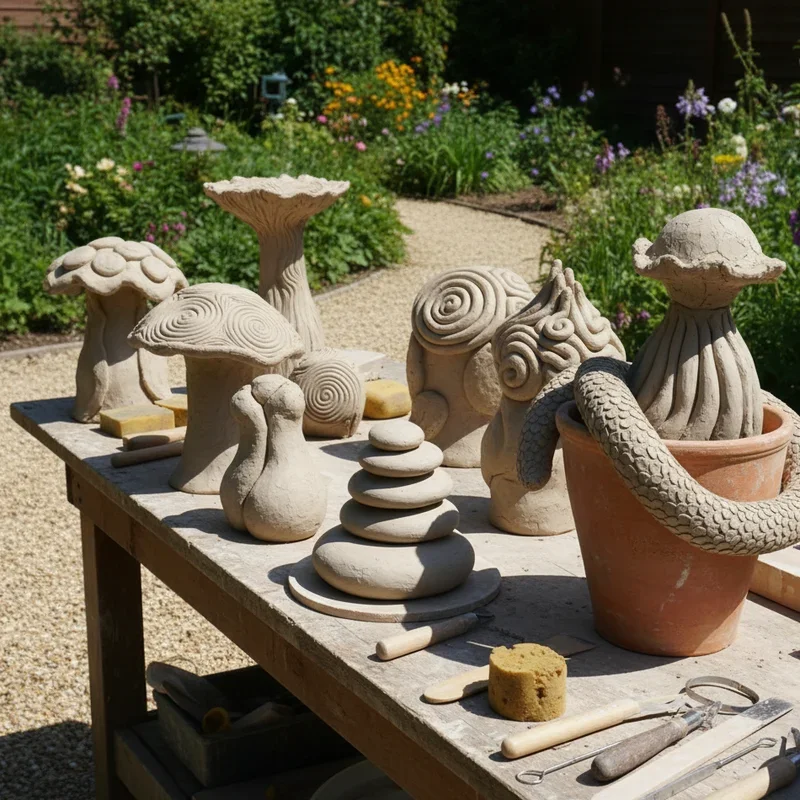
Transform outdoor spaces into art galleries by creating weather-resistant clay sculptures that complement natural settings. Design pieces considering viewing angles, as gardens allow 360-degree appreciation unlike wall-mounted art. Choose frost-resistant stoneware or add grog for thermal shock resistance. Create totems by stacking separate fired pieces, allowing for easier transport and winter storage if needed. Try organic forms that echo nature: seed pods, coral formations, or abstract interpretations of growth and movement. Include interactive elements like bird baths, bee hotels, or toad houses that support wildlife while adding beauty. Consider scale carefully; pieces need presence without overwhelming plantings. Use textured surfaces that accumulate moss or patina beautifully over time. Install securely using rebar through hollow forms or cement bases for stability. Your garden sculptures become focal points that change with seasons, weather, and plant growth. This project pushes technical skills while creating lasting outdoor art.
11. Design Textured Vases
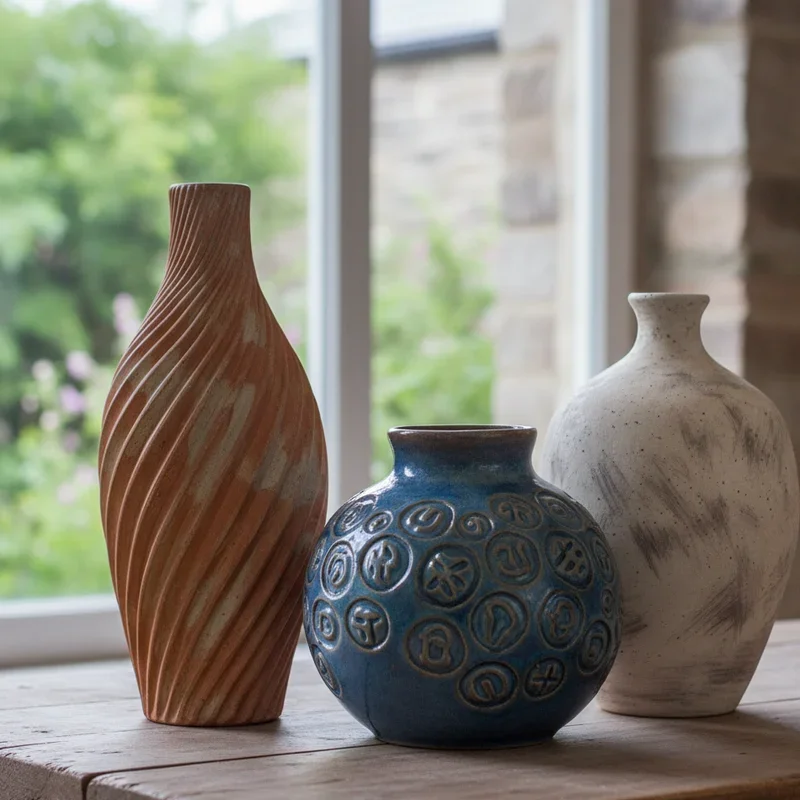
Elevate flower arrangements by designing vases where texture becomes the star, creating visual interest even when empty. Experiment with texture techniques: paddle with textured boards, roll over fabric or lace, press natural materials like leaves or bark, or build up surfaces with slip trailing. Create contrast between smooth and textured areas for sophisticated compositions. Consider function alongside beauty: narrow necks for single stems, wide mouths for bouquets, or multiple openings for creative arrangements. Try altering thrown forms by paddling, cutting, or reshaping while wet. Build vases using slabs assembled at angles for contemporary geometric appeal. Inside glazing ensures water-tightness while outside treatment highlights texture: leave unglazed for matte finish, use transparent glazes to enhance relief, or apply metallic washes for drama. Your textured vases become sculptural objects that enhance flowers rather than competing. This project develops surface treatment skills while creating functional art for everyday enjoyment.
12. Build Clay Lanterns and Candle Holders
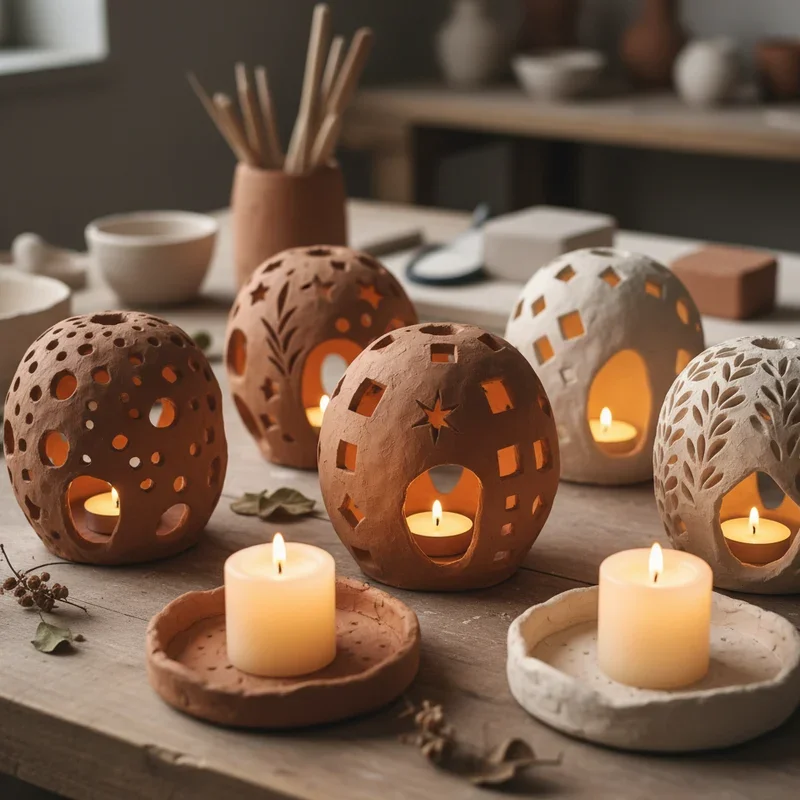
Illuminate spaces with handmade clay lanterns and candle holders that cast magical shadows while showcasing your artistic flair. Design with safety in mind: ensure stability, adequate ventilation, and heat resistance. Create pierced lanterns by cutting patterns that throw decorative shadows: stars, geometric patterns, or nature motifs. Build houses or architectural forms with windows for tea lights. Make hurricane-style holders with tall walls protecting flames from wind. Try luminaries using translucent porcelain that glows when lit from within. Consider hanging lanterns using wire attachments or chains. Add handles for safe carrying when hot. Test pieces with actual candles before gifting or selling, checking for heat distribution and stability. Glaze interiors for easy wax cleanup but keep bases unglazed for grip. Your lighting pieces create ambiance for special occasions or everyday romance. This project combines functional design with decorative artistry while teaching heat consideration in ceramics.
13. Create Food-Safe Serving Platters
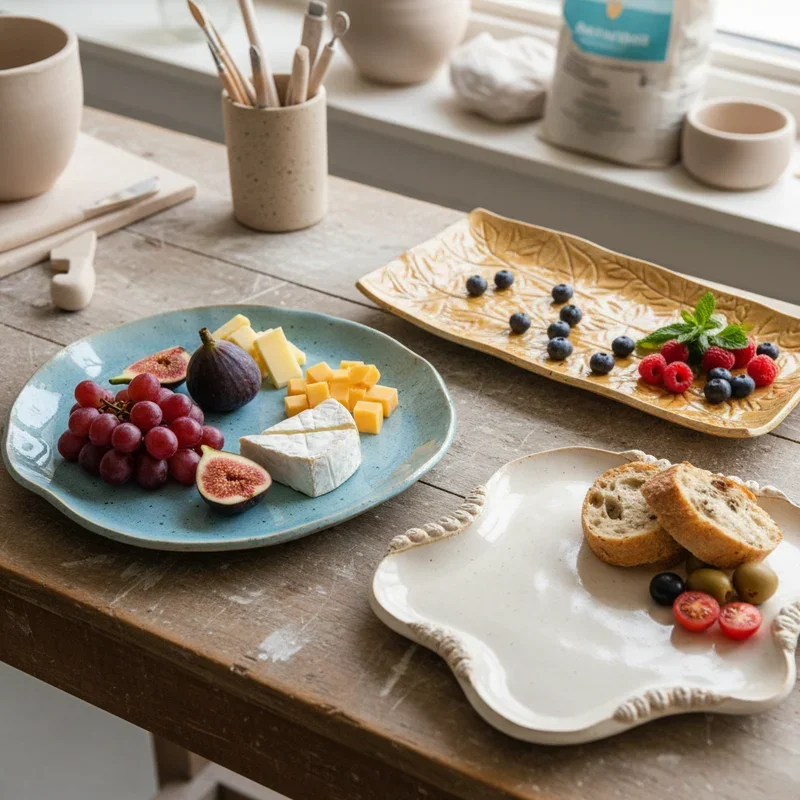
Entertain in style by creating serving platters that make every meal feel like a special occasion. Build large platters using slab construction, rolling clay on fabric to prevent sticking and ensure even thickness. Use templates for consistent shapes or freehand for organic forms. Add feet or raised edges for easier lifting. Create divided sections for appetizers, sushi, or cheese arrangements. Decorate considering food presentation: neutral backgrounds that won't compete with colorful foods or bold patterns for simple dishes. Use food-safe glazes, researching thoroughly as some colorants contain harmful materials. Test glazed surfaces for cutlery marking if pieces will see heavy use. Consider sets with matching smaller plates or bowls for cohesive table settings. Make seasonal platters for holidays or special occasions. Your serving pieces become family heirlooms used for celebrations and gatherings. This project scales your skills while creating functional art that brings joy to shared meals.
14. Make Clay Ornaments and Decorations
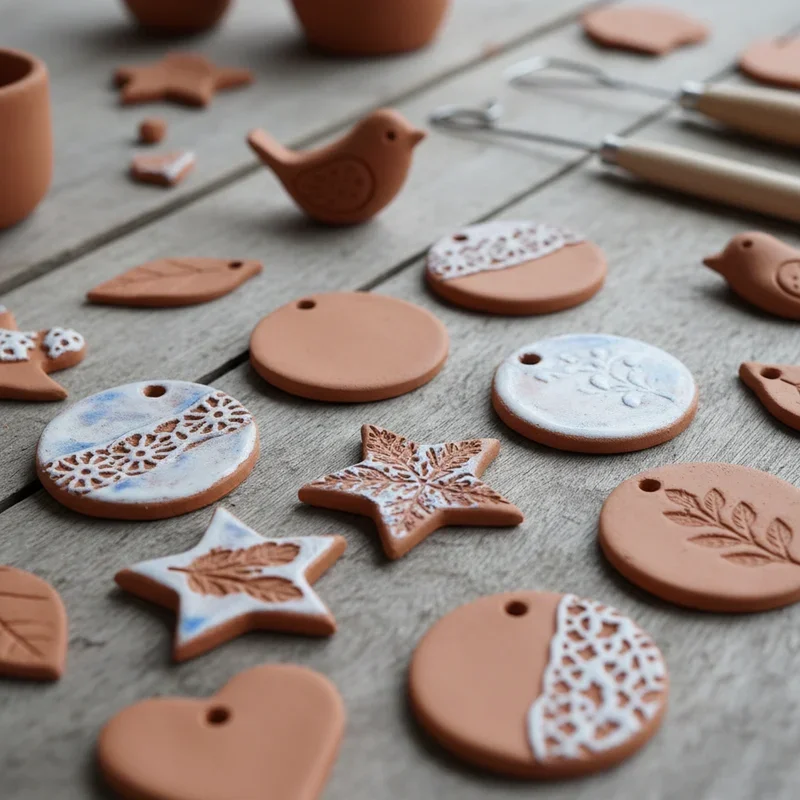
Celebrate seasons and special occasions by creating clay ornaments that become cherished decorations year after year. Roll thin slabs for lightweight ornaments that won't weigh down tree branches. Use cookie cutters for consistent shapes or hand-cut unique designs. Create dimensional ornaments by joining multiple pieces: 3D stars, miniature houses, or sculptural figures. Press textures, stamps, or natural materials for surface interest. Pierce hanging holes while clay is soft, making them large enough for ribbon or wire after firing. Try different finishes: painted with acrylics, glazed for shine, or left natural for rustic appeal. Make seasonal sets: snowflakes for winter, flowers for spring, leaves for fall. Create personalized ornaments with names, dates, or hand/footprints for meaningful gifts. Your ornaments become tradition markers, memory keepers, and perfect handmade gifts. This project offers quick satisfaction while teaching precision and planning for functional details.
15. Design Abstract Clay Art Pieces
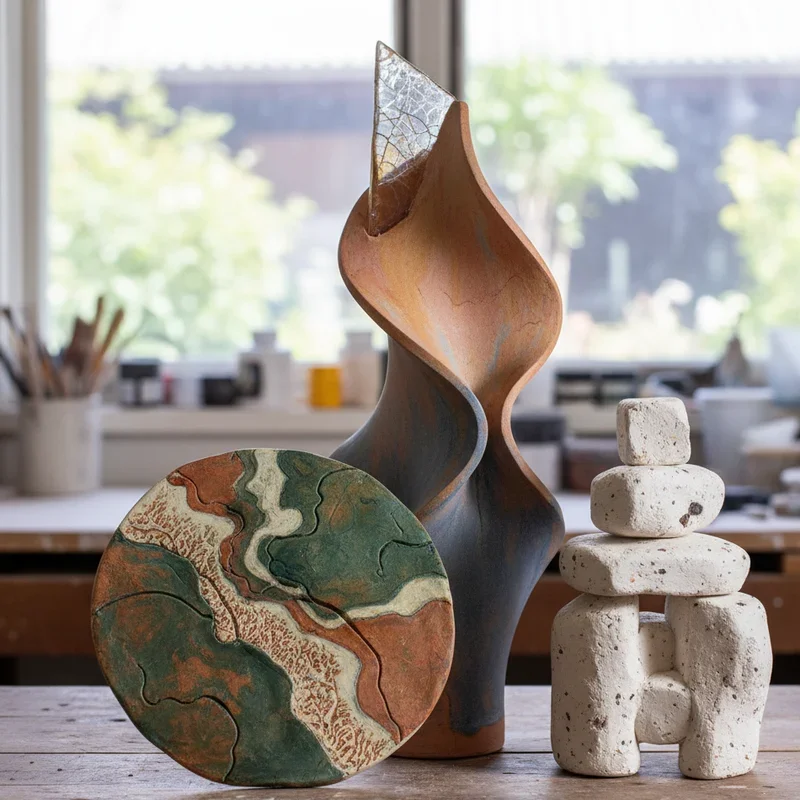
Push creative boundaries by designing abstract clay pieces that express emotions and ideas beyond literal representation. Experiment with forms that suggest movement, growth, or transformation without depicting specific objects. Combine techniques: throw then alter, build then deconstruct, or join disparate elements for unexpected compositions. Play with balance, creating pieces that seem to defy gravity or challenge viewer expectations. Use surface treatments as additional expression layers: rough textures suggesting turmoil, smooth areas indicating calm, or contrasting finishes representing duality. Try installation pieces using multiple components that interact spatially. Consider negative space as important as positive form. Document your process and thoughts, as abstract work often gains meaning through artist intention. Display considerations become part of the artwork: lighting, positioning, and context all affect interpretation. Your abstract pieces become conversation starters that invite viewer participation in meaning-making. This project frees you from representational constraints while developing your unique artistic voice.
Conclusion
Clay art offers infinite possibilities for creative expression, from functional pottery to sculptural masterpieces. These 15 ideas merely scratch the surface of what's possible when you combine imagination with this versatile medium. Whether you prefer practical projects or artistic exploration, clay responds to your vision while teaching patience, problem-solving, and craftsmanship. So embrace the mess, trust the process, and let clay become your pathway to creative fulfillment!
Read next: 15 Pottery Painting Ideas for All Skill Levels
Frequently Asked Questions
Q1: What's the best clay type for beginners to start with?
A: Air-dry or polymer clay requires no kiln, making them perfect for beginners starting out.
Q2: Do I need expensive tools to work with clay?
A: Basic household items like knives, rolling pins, and textured objects work perfectly for starting.
Q3: How long does clay take to dry before firing?
A: Most pieces need 3-7 days to dry completely, depending on thickness and humidity levels.
Q4: Can I make food-safe pottery without a kiln?
A: No, only kiln-fired pieces with food-safe glazes are truly safe for eating and drinking.
Q5: What's the biggest mistake beginners make with clay?
A: Working too fast without proper drying causes cracks; patience is essential for successful clay art.
Stay up to date with our latest ideas!