What Is Outline in Art? Understanding Its Purpose and Use
Discover what outline in art means, its essential role in creating compelling artwork, and how artists use this fundamental technique effectively.
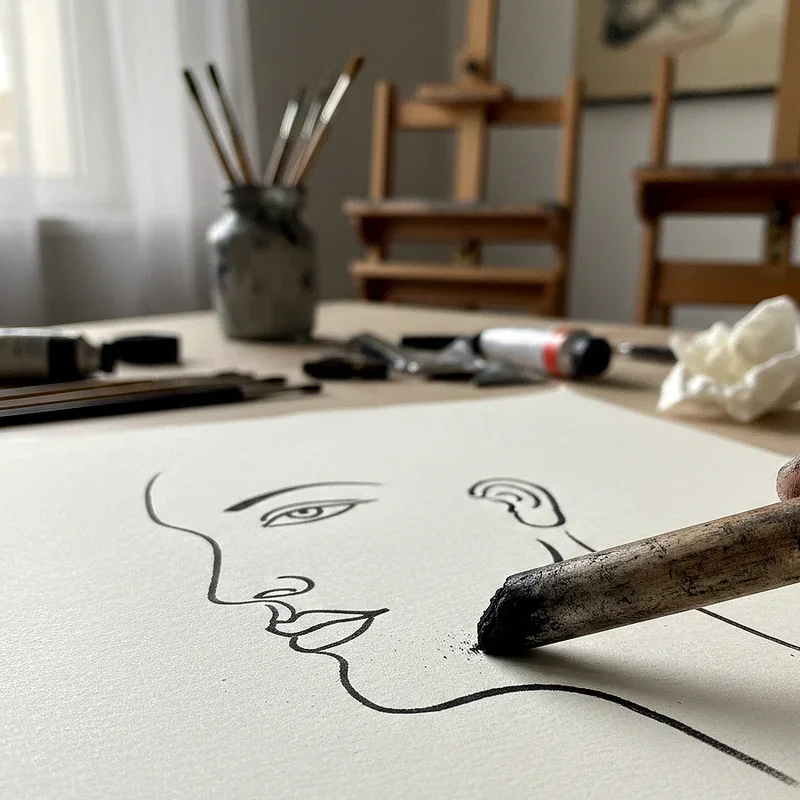
You know what? When you first pick up a pencil to draw something, anything really, the first mark you make is probably going to be an outline. It's like the skeleton of your artwork, the foundation that everything else builds upon. But here's the thing: most folks don't really stop to think about what an outline actually is or why it matters so darn much in the art world. Whether you're sketching a portrait, designing a logo, or creating a masterpiece worthy of a museum wall, understanding outlines can totally transform your artistic game. In this comprehensive guide, we'll dive deep into What Is Outline in Art? Understanding Its Purpose and Use, exploring everything from basic definitions to advanced techniques that professional artists swear by.
What Exactly Is an Outline in Art?
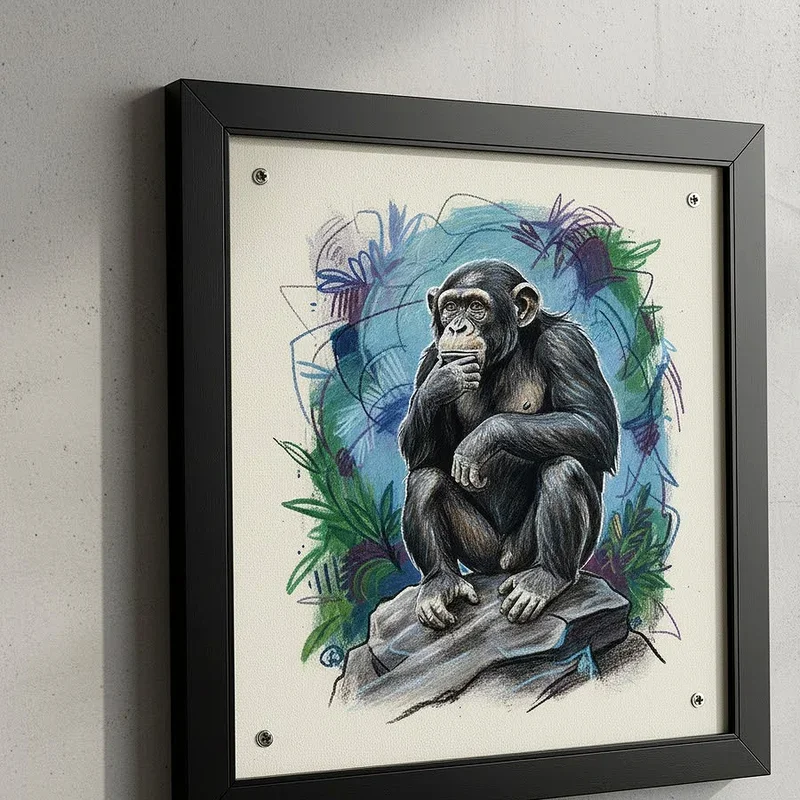
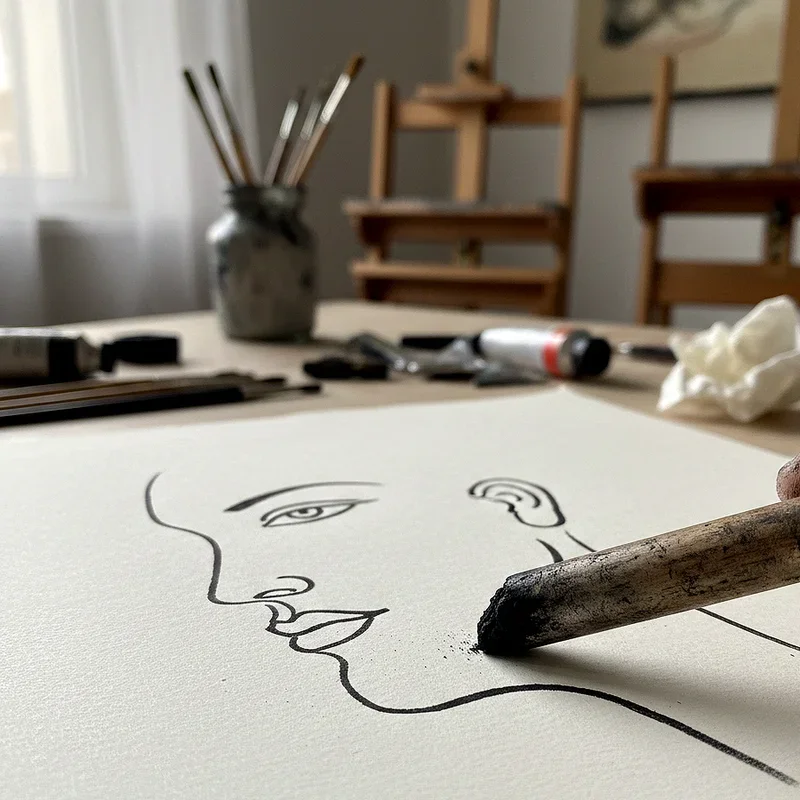
Let's cut straight to the chase. An outline in art is essentially a line that defines the outer edges or boundaries of an object, shape, or form. Think of it as drawing a fence around something to show where it begins and ends. Artists use outlines to separate subjects from their backgrounds, distinguish different elements within a composition, and create clarity in their work.
Now, outlines can be thick or thin, continuous or broken, bold or subtle. Some artists love working with heavy, expressive outlines that practically jump off the page. Others prefer delicate, barely-there lines that whisper rather than shout. The style you choose depends on what you're trying to achieve and, honestly, your personal artistic voice.
The Historical Significance of Outlines in Art
Gosh, if we could travel back in time, we'd see that artists have been using outlines since, well, forever. Cave paintings from thousands of years ago show our ancestors using simple outlines to depict animals and hunting scenes. Fast forward to ancient Egypt, and you'll notice those iconic hieroglyphics and wall paintings all feature prominent outlines.
During the Renaissance, artists began experimenting with ways to move beyond rigid outlines. They discovered techniques like chiaroscuro and sfumato, which softened or eliminated harsh lines in favor of more naturalistic transitions. However, outlines never truly disappeared. They just evolved and adapted to different artistic movements and purposes.
Different Types of Outlines Artists Use
Here's where things get interesting. Not all outlines are created equal, and understanding the various types can really level up your artistic skills.
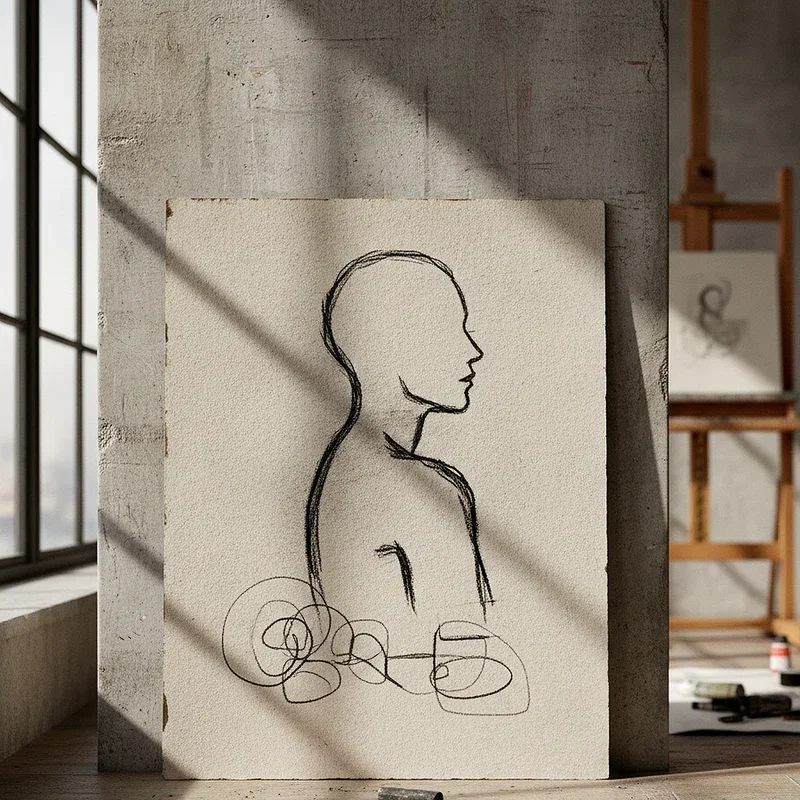
Contour lines are probably what most people think of when they hear "outline." These lines follow the edges of forms, defining their shapes clearly. Blind contour drawing, where you draw without looking at your paper, is a fantastic exercise for improving hand-eye coordination.
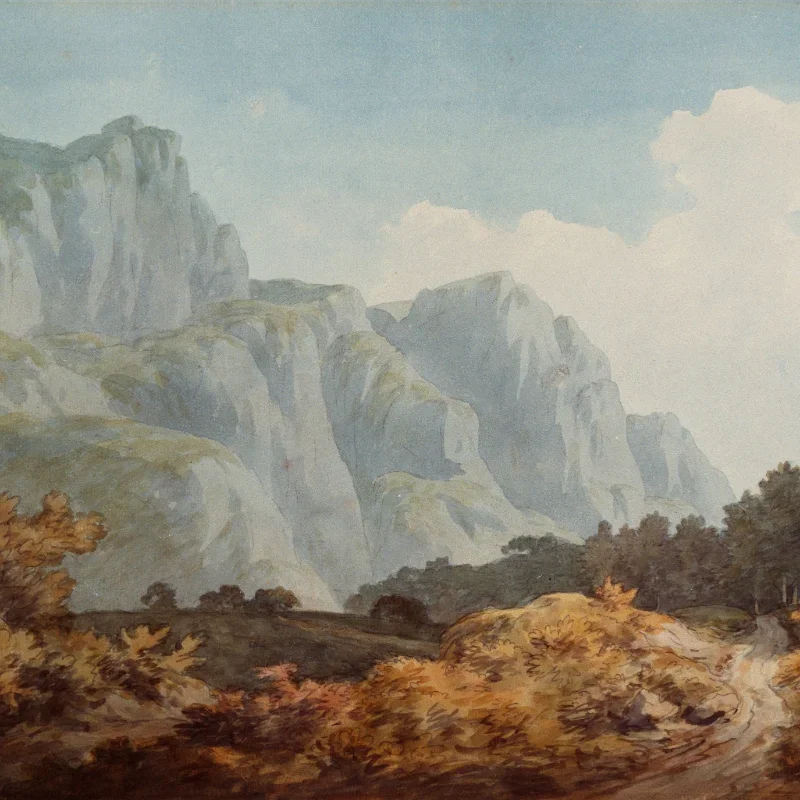
Implied outlines are sneaky little devils. They're not actually there as continuous lines, but your brain fills them in anyway. Artists create these through changes in value, color, or texture.
Gesture lines are loose, energetic marks that capture movement and flow rather than precise edges. Life drawing classes often start with gesture drawings because they help artists grasp the overall feel of a pose before getting bogged down in details.
The Purpose Behind Using Outlines
So why do artists bother with outlines anyway? Well, buckle up because there are several compelling reasons.
First off, outlines provide clarity and definition. They help viewers distinguish one object from another, especially in complex compositions where multiple elements overlap. Without outlines, some artworks would just look like confusing blobs of color and value.
Secondly, outlines serve as organizational tools during the creation process. Many artists start with rough outline sketches to plan their compositions before committing to final details. It's like creating a roadmap before embarking on a long journey.
Outlines also contribute to style and aesthetic appeal. Think about how different comic book artists are recognizable by their distinctive line work. Additionally, outlines can convey emotion and energy. Jagged, irregular lines might suggest chaos or anxiety, while smooth, flowing lines create feelings of calm and harmony.
When to Use Outlines in Your Artwork
Knowing when to employ outlines versus when to avoid them is honestly an art form in itself. In illustration and graphic design, outlines are practically mandatory. They ensure images remain clear and readable, especially when reproduced at different sizes or in various media.
Comic books and manga wouldn't exist without outlines. They're essential for creating panels that readers can follow easily, distinguishing characters from backgrounds, and conveying action sequences clearly.
When teaching art fundamentals, instructors often emphasize outline drawing because it helps students develop observational skills. On the flip side, photorealistic paintings typically minimize or eliminate visible outlines because, well, reality doesn't come with black lines around everything.
How Outlines Differ Across Art Movements
Different artistic movements have totally different relationships with outlines. Classical and Renaissance artists generally avoided harsh outlines, preferring subtle transitions that mimicked natural vision.
Impressionists took this even further, practically abolishing outlines altogether in favor of broken color and light effects. However, Post-Impressionists like Van Gogh and Gauguin brought outlines back with a vengeance. They used bold, expressive lines to enhance emotional impact and create decorative, stylized compositions.
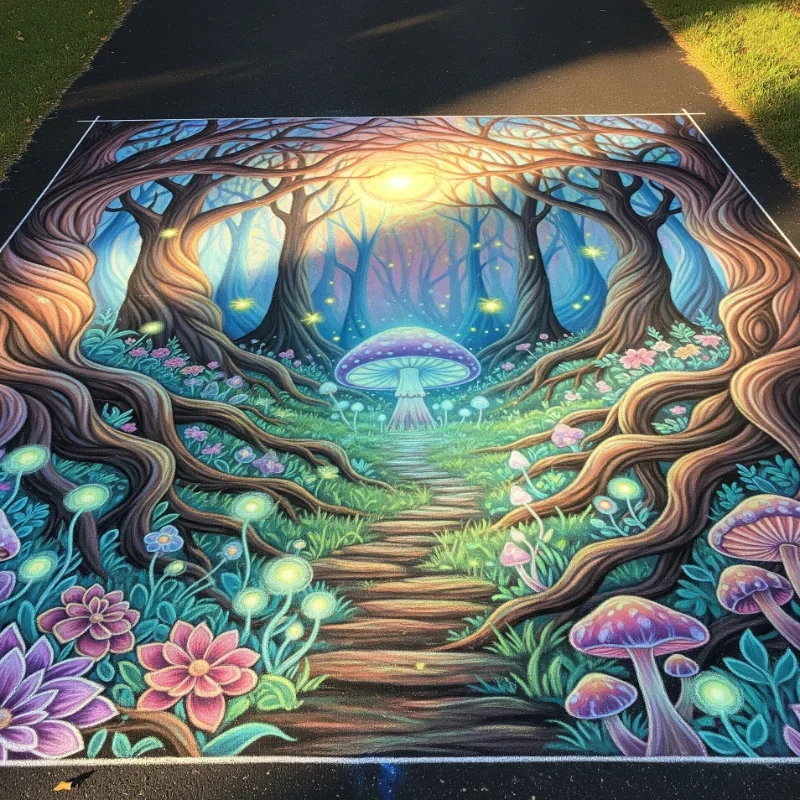
Modern and contemporary movements continue exploring outlines in innovative ways. Pop Art amplified them for bold graphic impact, while street art and graffiti culture celebrate outline work as fundamental to the aesthetic.
Practical Techniques for Drawing Better Outlines
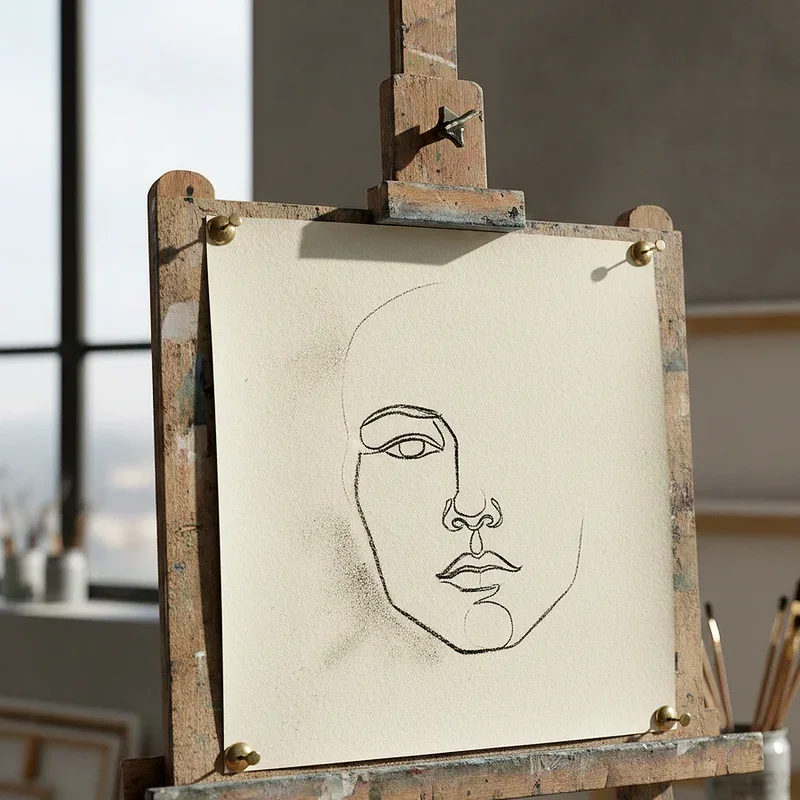
Alright, let's get down to brass tacks. How do you actually improve your outline drawing skills? Start by varying your line weight. Not every outline needs to be the same thickness. Thicker lines can suggest shadows or weight, while thinner lines indicate highlights or delicate features.
Don't be afraid to break your lines. Continuous, unbroken outlines can look stiff and lifeless. Strategic gaps where light hits a form create more dynamic, naturalistic results.
Consider line quality beyond just thickness. Experiment with texture, speed, and pressure. A confident, quick line conveys energy differently than a slow, deliberate mark. Practice contour drawing regularly and study how master artists handle outlines.
What Is Outline in Art? Understanding Its Purpose and Use in Digital Media
The digital revolution has seriously expanded possibilities for working with outlines. Software like Adobe Illustrator, Procreate, and Clip Studio Paint offer tools specifically designed for creating and manipulating outlines.
Vector graphics are all about outlines. Unlike raster images made of pixels, vector graphics use mathematical curves to define shapes. This means you can scale them infinitely without losing quality, making them perfect for logos and illustrations.
Digital artists can easily adjust line weight, add effects, and experiment with different outline styles without starting over. Animation particularly depends on clear outlines for characters to remain recognizable as they move through space.
Common Mistakes When Working with Outlines
Even experienced artists sometimes struggle with outlines. Using uniform line weight throughout an entire drawing creates flatness. Real objects have variations in how light defines their edges, and your outlines should reflect this.
Outlining everything with equal emphasis fights against visual hierarchy. Varying your outline intensity helps guide viewers' eyes to focal points. Creating hairy or scratchy lines by going over the same area repeatedly looks amateurish. Commit to your marks with confidence.
The Psychology Behind Why Outlines Work
There's actual science behind why our brains respond so positively to outlined images. Our visual system is hardwired to detect edges and boundaries. Outlines tap directly into this neurological preference, making information easier to process quickly.
Research shows that people remember outlined images better than photographs in certain contexts. The simplification that outlines provide helps our brains encode and retrieve visual information more effectively. This explains why What Is Outline in Art? Understanding Its Purpose and Use remains relevant across cultures and throughout history.
Combining Outlines with Other Techniques
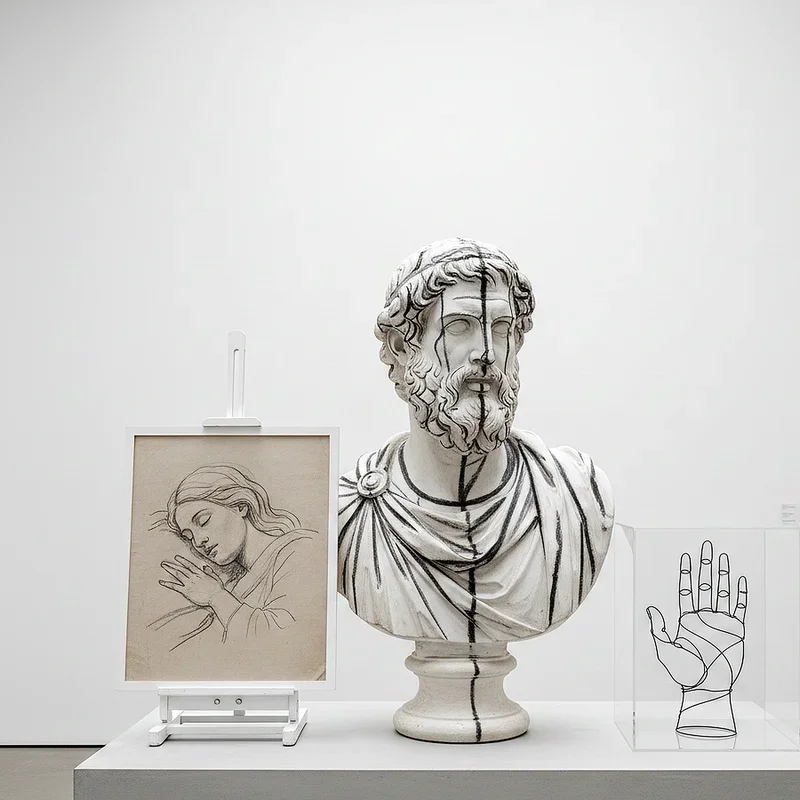
The real magic happens when you combine outlines with complementary techniques. Outlines plus shading create dimension and volume. The outline provides structure while values suggest light and form.
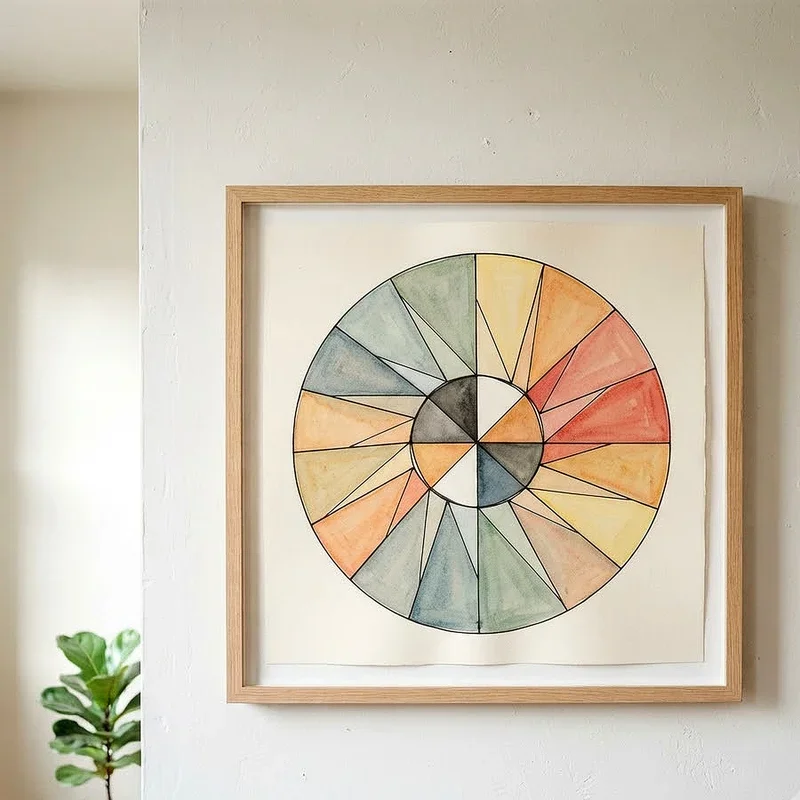
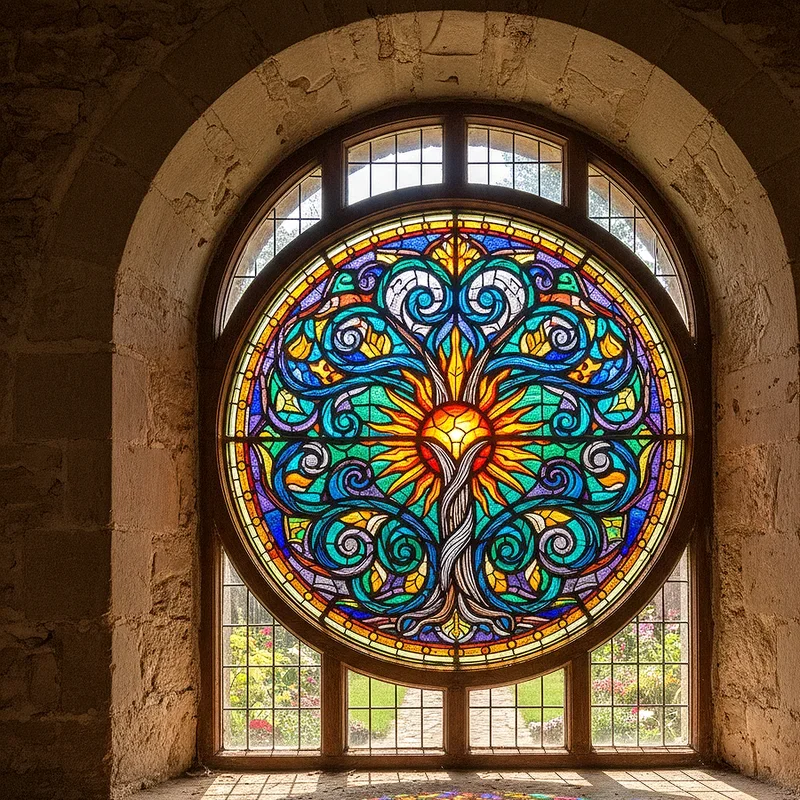
Color within outlined shapes can evoke stained glass effects or comic book aesthetics. Texture inside outlines adds richness and interest. Many contemporary artists deliberately contrast outlined sections with softer, blended areas, creating tension and visual interest.
Conclusion
Understanding outlines transforms how you approach creating and appreciating visual art. From prehistoric cave drawings to cutting-edge digital illustrations, outlines have remained fundamental because they work with how our brains naturally process visual information. Whether you're pursuing realistic rendering or bold graphic design, mastering outline techniques gives you powerful tools for clear communication and expressive creativity. Remember that rules about outlines are guidelines, not commandments. Experiment freely, develop your personal style, and let your artistic voice determine when and how to use this essential element.
Read next: 15 Space Drawing Ideas to Spark Your Imagination
Frequently Asked Questions
Q1: What materials work best for practicing outline drawing?
A: Pencils, pens, markers, or digital tablets all work excellently for outline practice sessions.
Q2: Can professional art exist without any outlines at all?
A: Absolutely, many painting styles like impressionism and photorealism minimize or eliminate visible outlines completely.
Q3: How thick should outlines be in comic book art?
A: Typically between 0.5mm to 2mm, varying based on distance and emphasis needed.
Q4: Do children naturally start drawing with outlines?
A: Yes, developmental psychology shows children instinctively use outlines when beginning to draw representationally.
Q5: Are outlines considered outdated in contemporary fine art?
A: Not at all, contemporary artists use outlines creatively across numerous styles and movements.
Stay up to date with our latest ideas!