What Is Deconstruction in Art? Meaning and Core Ideas
Explore what is deconstruction in art? Meaning and core ideas explained simply. Discover how artists challenge traditions and reshape creativity.
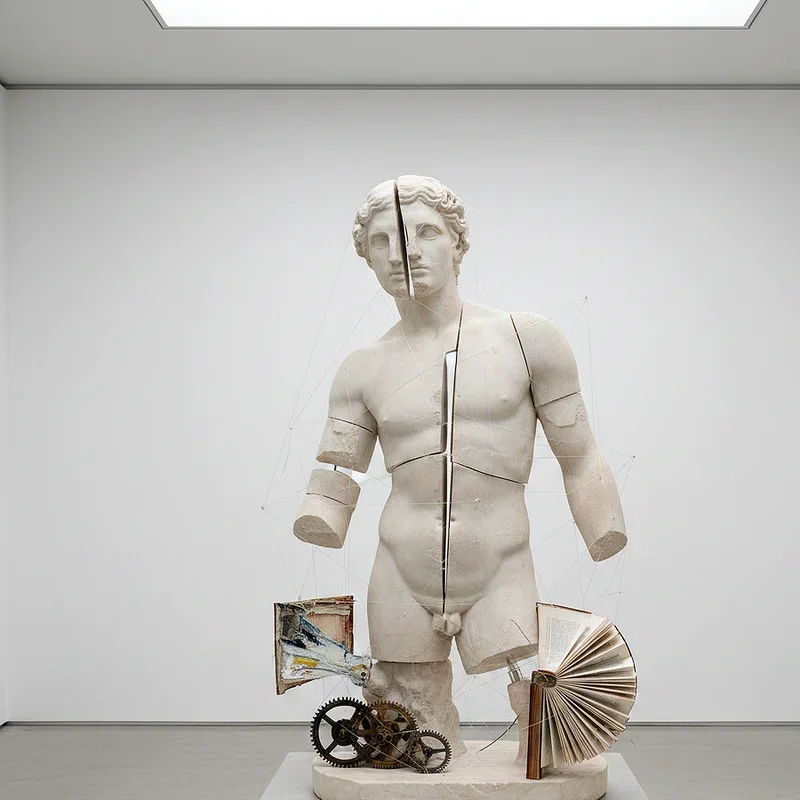
Have you ever stood in front of a painting that seemed to deliberately break every rule you learned about art in school? Well, chances are you were looking at deconstruction in action. This fascinating movement has been turning the art world upside down for decades, and honestly, it shows no signs of slowing down anytime soon. When we talk about what is deconstruction in art? Meaning and core ideas become essential concepts that every art enthusiast should grasp. Born from philosophical roots and blossoming into a full-blown artistic revolution, deconstruction challenges everything we thought we knew about creating and interpreting visual works. It asks us to question the very foundations upon which traditional art stands, and boy, does it shake things up.
The Philosophical Roots Behind Deconstruction
Before deconstruction became a buzzword in art galleries and studios, it started as a philosophical concept developed by French philosopher Jacques Derrida in the late 1960s. Derrida was not exactly a typical philosopher, and his ideas were anything but conventional. He proposed that language and meaning are never stable or fixed. Instead, they are constantly shifting, always dependent on context and interpretation.
Now, you might be wondering what philosophy has to do with painting or sculpture. Well, everything actually. Derrida argued that Western thought has always relied on binary oppositions like good versus evil, presence versus absence, or original versus copy. These oppositions create hierarchies where one term is always considered superior to the other. Deconstruction seeks to expose and dismantle these hierarchies, showing that the boundaries between them are not as clear-cut as we assume.
When artists picked up on these ideas, they ran with them in exciting new directions. They began questioning the distinction between high art and low art, between the finished masterpiece and the preliminary sketch. Suddenly, the margins became just as important as the center, and what was previously dismissed gained newfound significance.
How Deconstruction Manifests in Visual Art
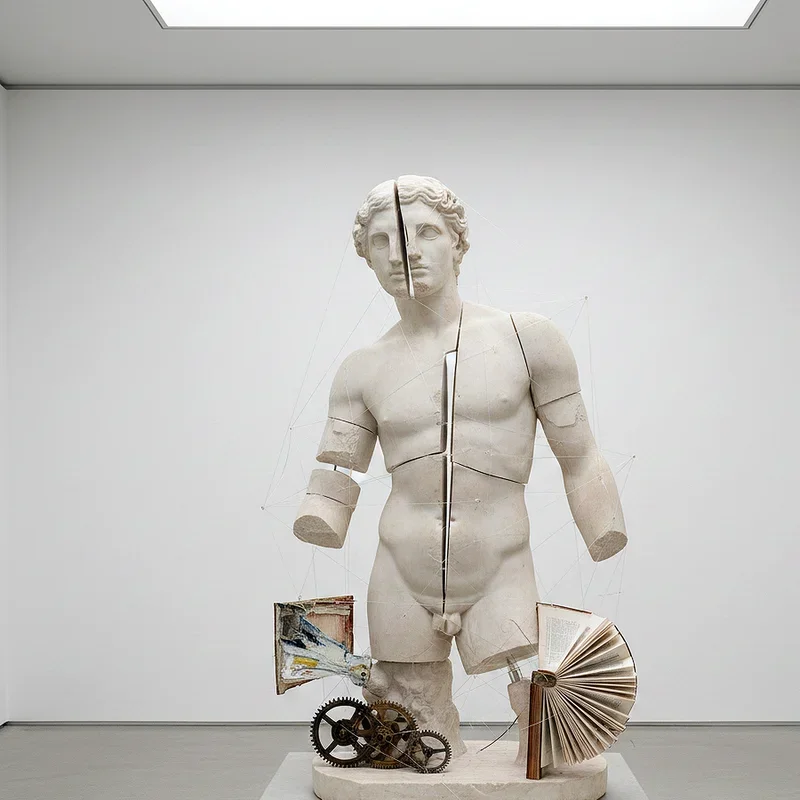
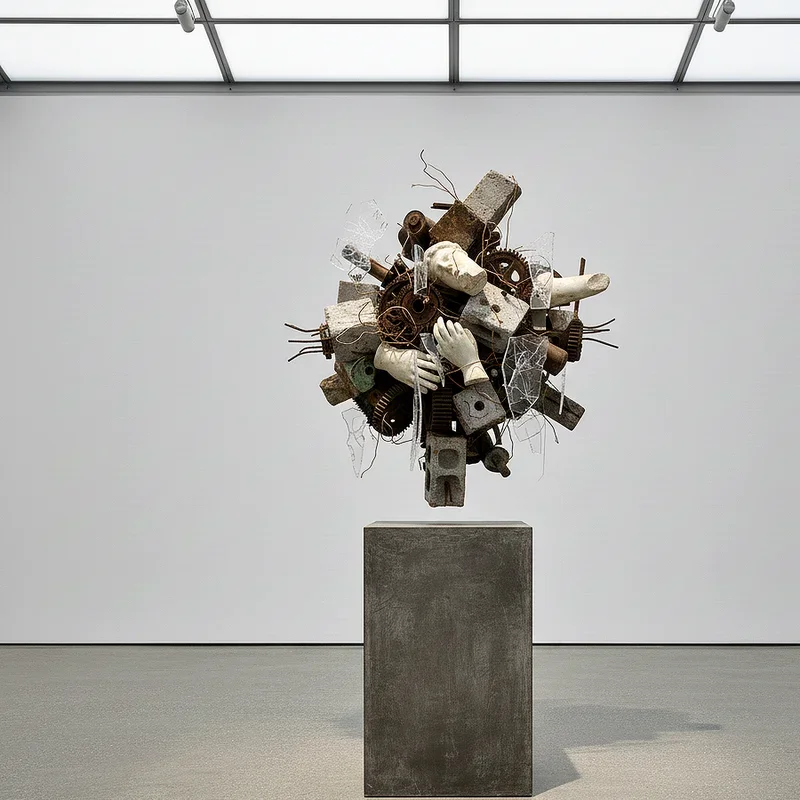
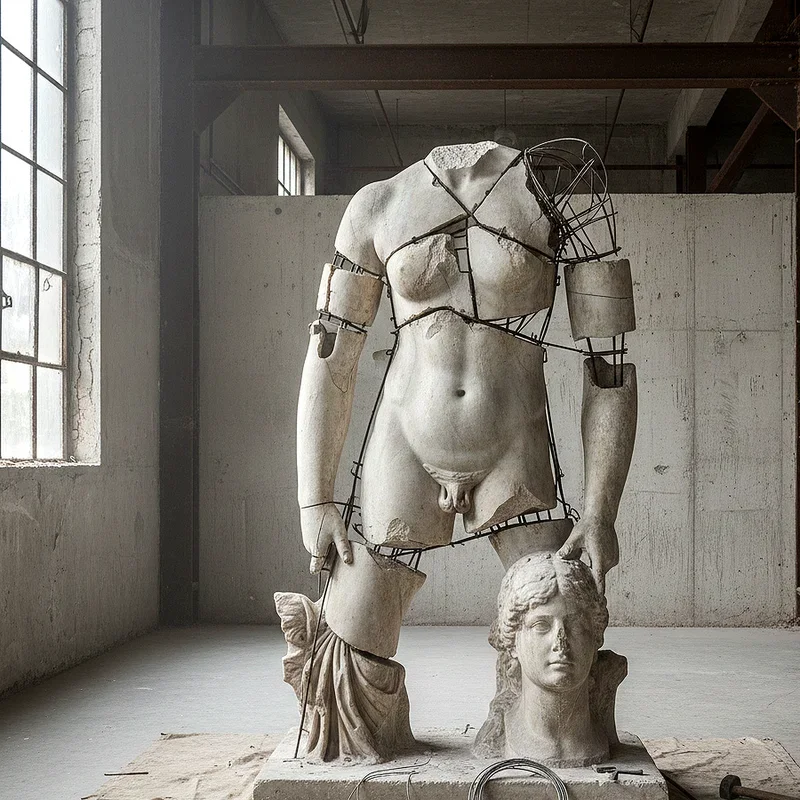
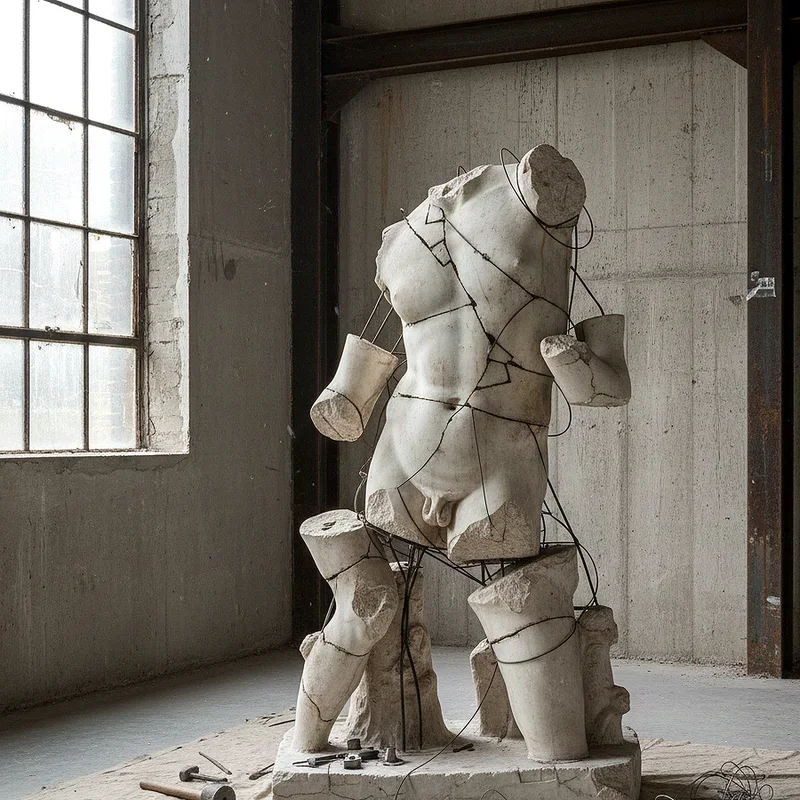
So what does deconstruction actually look like when you encounter it in a museum or gallery? The truth is, it can take countless forms, and that is part of its beauty. Some artists use fragmentation, breaking apart familiar images and reassembling them in unexpected ways. Others play with text and imagery, showing how words and pictures interact to create meaning that neither could produce alone.
Consider the work of artists who deliberately leave their creations unfinished or who incorporate mistakes and accidents into their final pieces. By doing this, they are questioning the very idea of what constitutes a complete work of art. Who decides when something is finished? Why do we value polish and perfection over rawness and spontaneity?
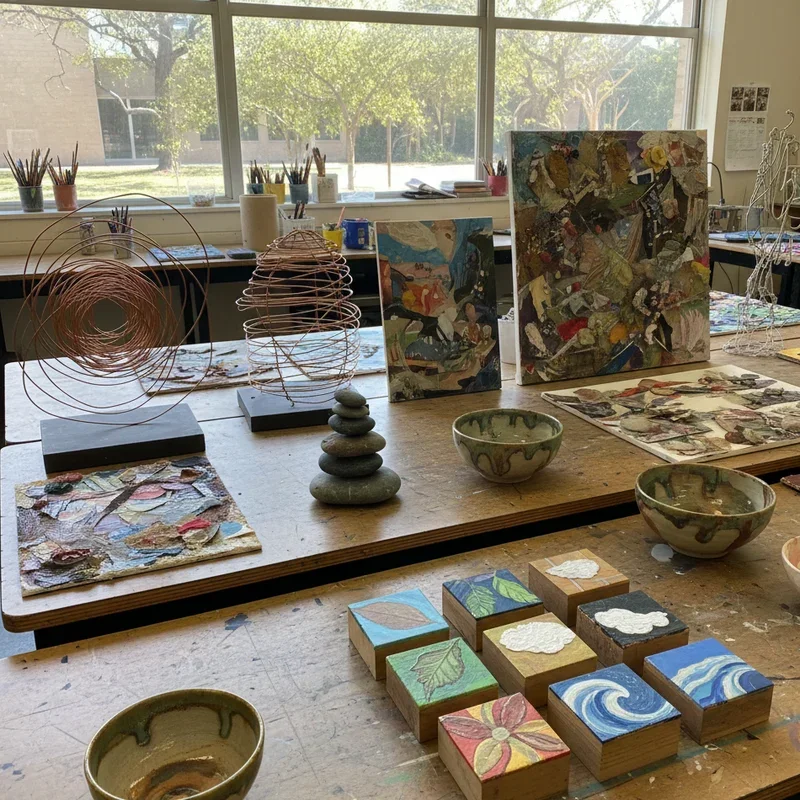
Collage and assemblage are particularly popular techniques within deconstructive art. By combining disparate elements from different sources and contexts, artists highlight the constructed nature of meaning. A newspaper clipping next to a classical portrait creates a dialogue between past and present, between news and timelessness. The juxtaposition forces viewers to reconsider both elements in a new light.
Understanding What Is Deconstruction in Art? Meaning and Core Ideas in Practice
Let us get practical for a moment. When examining what is deconstruction in art? Meaning and core ideas become clearer through specific examples and applications. One of the core ideas is the rejection of singular, authoritative interpretation. Traditional art criticism often sought to uncover the true meaning that the artist intended. Deconstruction throws this approach out the window.
Instead of asking what did the artist mean, deconstructive approaches ask what meanings can this work produce. The viewer becomes an active participant in creating meaning rather than a passive receiver of the artist's message. This shift democratizes art interpretation in a profound way. Your reading of a painting is just as valid as any expert's analysis, assuming you can support it with thoughtful observation.
Another core idea is the examination of what gets excluded or marginalized. Every artistic choice involves not just what is included but what is left out. Deconstructive artists often draw attention to these absences, asking viewers to consider what is missing and why. Sometimes the empty space on a canvas speaks louder than the painted areas.
The concept of trace is also central to understanding this movement. Derrida used this term to describe how meaning always carries echoes of other meanings, references to things that are absent. In art, this might manifest as references to earlier works, styles, or traditions that inform and complicate the piece at hand.
Key Artists Who Embraced Deconstructive Approaches
Throughout art history, numerous creators have embodied deconstructive principles, even before the term existed. Marcel Duchamp, with his readymades like the infamous urinal titled Fountain, questioned the very definition of art itself. By placing everyday objects in gallery contexts, he forced viewers to reconsider their assumptions about artistic value and creativity.
Robert Rauschenberg pushed boundaries by combining painting with sculpture, incorporating found objects, photographs, and everyday materials into his combines. His work blurred the lines between different artistic media and challenged the purity that modernism often valued.
Barbara Kruger uses bold text overlaid on photographs to deconstruct advertising, power structures, and gender roles. Her work demonstrates how images and words together create meanings that reinforce social hierarchies, and by exposing these mechanisms, she invites viewers to resist them.
Cindy Sherman photographs herself in various personas and scenarios, deconstructing ideas of identity, femininity, and representation in media. Her work asks who we are when so much of our self-image comes from external sources and cultural conditioning.
Contemporary artists continue pushing these boundaries in digital spaces, using new technologies to question authenticity, originality, and the relationship between artist and audience. The principles remain consistent even as the tools evolve.
The Relationship Between Deconstruction and Postmodernism
You cannot really talk about deconstruction without mentioning postmodernism, can you? These two movements are deeply intertwined, though they are not exactly the same thing. Postmodernism is a broader cultural movement that emerged in the mid-twentieth century as a reaction against modernist certainties. Deconstruction, meanwhile, is a specific philosophical and analytical method that fits neatly within the postmodern framework.
Both movements share skepticism toward grand narratives and absolute truths. Both celebrate plurality, fragmentation, and the mixing of high and low culture. However, while postmodernism can sometimes feel like playful pastiche, deconstruction maintains a more rigorous analytical edge. It is not just about mixing things up for fun; it is about revealing hidden structures and assumptions.
This analytical quality gives deconstructive art its intellectual heft. When done well, it invites deep thinking and sustained engagement. When done poorly, it can come across as pretentious or inaccessible. The best deconstructive artists manage to balance intellectual rigor with emotional resonance, creating work that both challenges and moves their audiences.
Criticisms and Controversies Surrounding Deconstruction
No artistic movement escapes criticism, and deconstruction has certainly faced its share. Some critics argue that the approach is too intellectual, too focused on theory at the expense of beauty or emotional connection. They suggest that art should touch the heart before it challenges the mind.
Others worry that deconstruction leads to relativism, where all interpretations become equally valid and meaningful critique becomes impossible. If there is no stable meaning, how can we distinguish good art from bad? How can we have productive conversations about quality and value?
Traditionalists sometimes dismiss deconstructive work as lacking skill or craft. After all, if you are deliberately subverting technique, are you not just avoiding the hard work of mastering it? This criticism overlooks the fact that many deconstructive artists are highly skilled. They know the rules intimately, which is precisely what enables them to break them so effectively.
Perhaps the most substantive criticism is that deconstruction can become formulaic. Once you learn the moves, you can apply them mechanically without genuine insight. The best deconstructive art avoids this trap by remaining genuinely curious and open to surprise.
The Lasting Impact on Contemporary Art
Decades after Derrida first articulated his ideas, deconstruction continues shaping how artists create and how audiences interpret. Its influence extends far beyond the gallery walls into architecture, literature, film, fashion, and even advertising. Once you start seeing deconstructive strategies, you notice them everywhere.
Contemporary art education now routinely includes deconstructive approaches, teaching students to question assumptions and examine the conditions that make art possible. This training produces artists who are more thoughtful and self-aware about their creative choices.
Digital art and new media have found deconstruction particularly relevant. In a world where images can be infinitely copied, altered, and recombined, questions about originality and authenticity become ever more pressing. Deconstructive frameworks help artists and audiences navigate this complex landscape.
Perhaps most importantly, deconstruction has permanently expanded what counts as art and who gets to decide. By challenging hierarchies and valuing marginalized perspectives, it has opened doors for countless artists who might otherwise have been excluded from the conversation.
Conclusion
Understanding what is deconstruction in art? Meaning and core ideas represents a journey into the heart of how we create and interpret visual culture. This movement challenges us to question our assumptions, embrace complexity, and recognize that meaning is never fixed but always evolving. By peeling back layers and examining hidden structures, deconstruction enriches our experience of art and invites us to become active participants rather than passive observers.
Read next: 15 Flower Drawing Ideas That Are Easy and Beautiful
Frequently Asked Questions
Q1. What is the main purpose of deconstruction in art?
A: Deconstruction aims to reveal hidden assumptions and challenge traditional interpretations within artistic works.
Q2. Who introduced the concept of deconstruction?
A: French philosopher Jacques Derrida developed deconstruction as a philosophical method during the 1960s.
Q3. Is deconstruction the same as destruction in art?
A: No, deconstruction analyzes and questions structures rather than simply destroying or dismantling artwork.
Q4. Can anyone interpret deconstructive art?
A: Yes, deconstruction values multiple interpretations and encourages viewers to actively create personal meanings.
Q5. How does deconstruction differ from traditional art criticism?
A: Traditional criticism seeks fixed meanings while deconstruction explores multiple shifting interpretations and questions.
Stay up to date with our latest ideas!