Discover 15 easy Japanese drawing ideas perfect for beginners. From cherry blossoms to koi fish, start creating stunning art today.
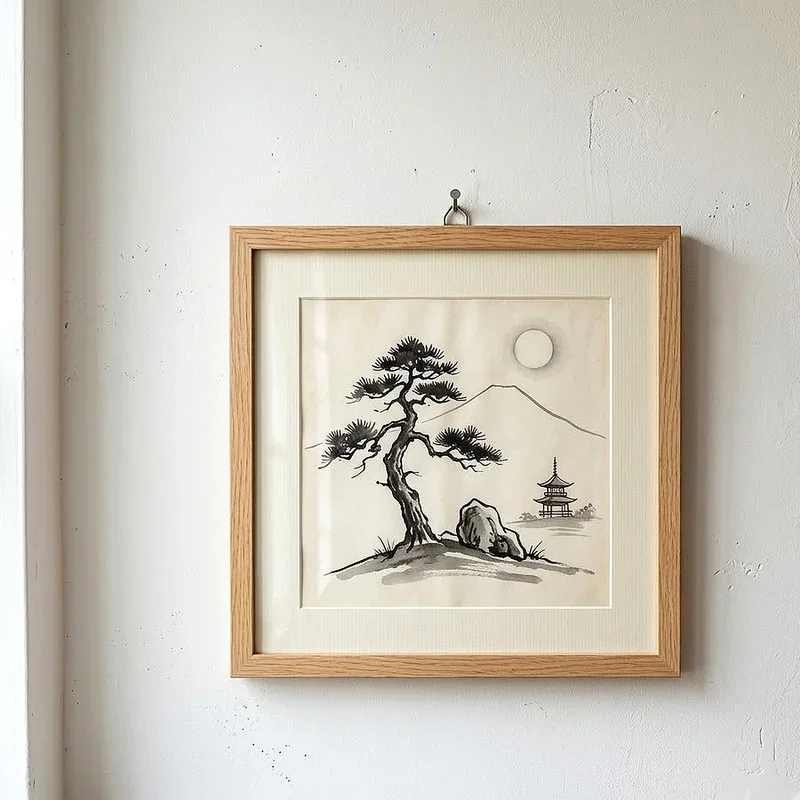
Have you ever scrolled through stunning Japanese artwork and thought, "I could never draw that"? Well, toss that doubt right out the window. Japanese art carries centuries of tradition, but many of its most beloved motifs are surprisingly simple to recreate. You do not need a fancy art degree or expensive supplies to bring these designs to life. A pencil, some paper, and a sprinkle of curiosity are all you really need. Think of Japanese drawing as a doorway rather than a wall. Each stroke tells a story, and every beginner starts with a single line. This guide hands you 15 approachable ideas that transform blank pages into something genuinely beautiful, even if you have never picked up a sketchbook before.
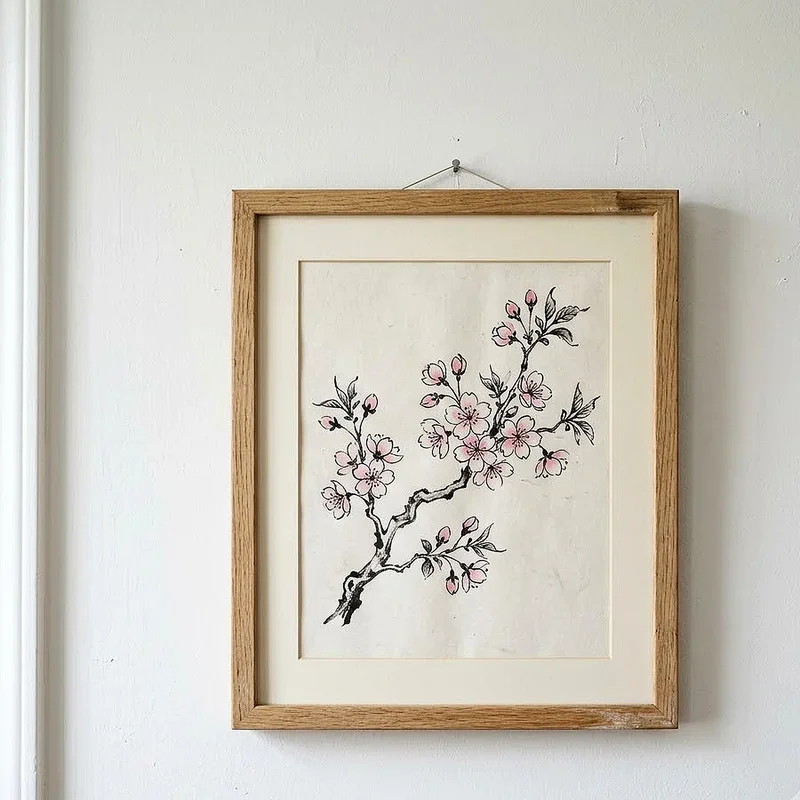
1. Cherry Blossom Branch
Cherry blossoms sit at the very heart of Japanese culture, and drawing them feels like capturing the essence of spring on paper. Start with a gently curving branch using light, flowing lines. Then scatter small five-petal flowers along the branch, clustering some together while leaving others floating solo. The trick here is imperfection. Real cherry blossoms never sit in perfect rows, so let your petals overlap and tumble freely. Add a few falling petals drifting downward for that iconic windy-day feeling. You can keep things monochrome with pencil shading, or grab some pink and brown tones to bring the scene alive. This drawing works beautifully as a standalone piece or as a border accent on journal pages and greeting cards alike.
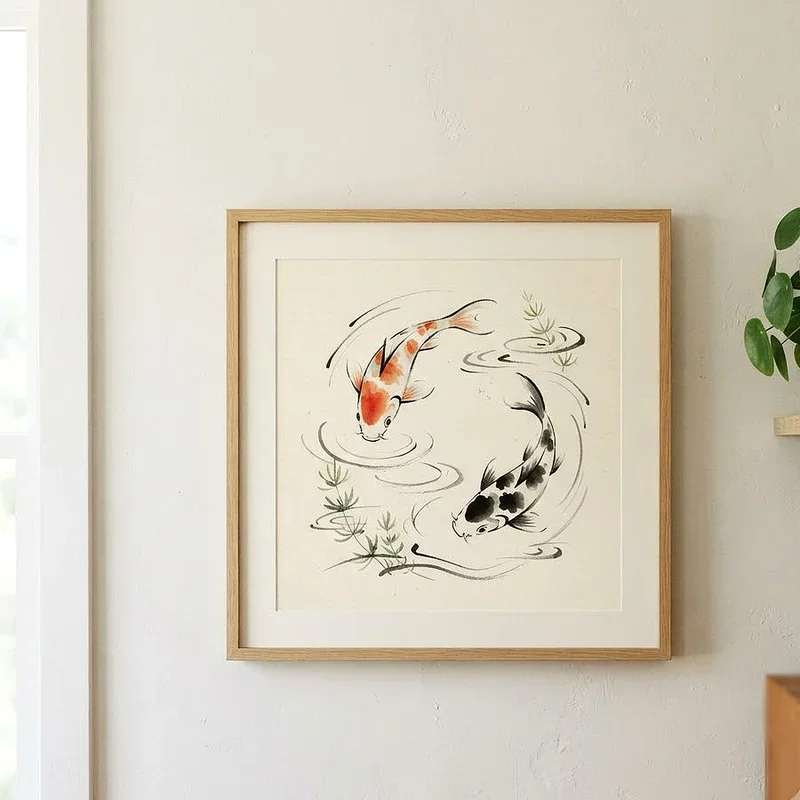
2. Simple Koi Fish
Koi fish represent perseverance and good fortune in Japanese tradition, and their flowing shapes make them a genuine joy to sketch. Begin by drawing an elongated oval for the body, then taper one end into a sweeping, fan-shaped tail. Add a small circle for the eye and a gentle curve for the mouth. The real magic happens with the fins, which ripple outward like ribbons caught in a slow current. Layer a few curved lines across the body to suggest scales without drawing every single one. Think of the koi as a living brushstroke swimming gracefully across your page. Whether you choose a simple black-and-white outline or splash on orange, red, and white patches, this fish practically draws itself once you find the rhythm.
3. Mount Fuji Landscape
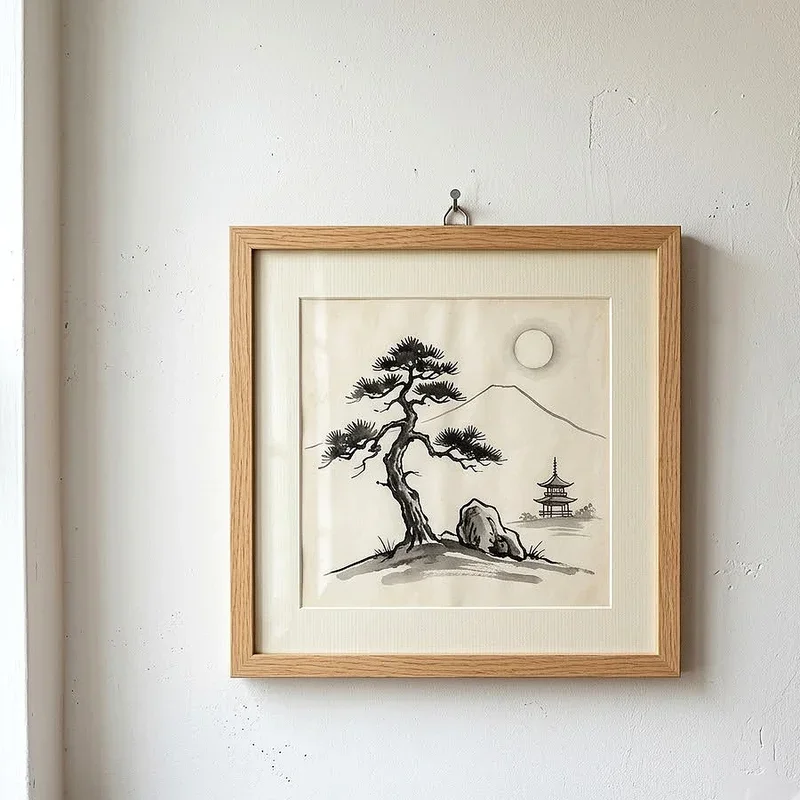
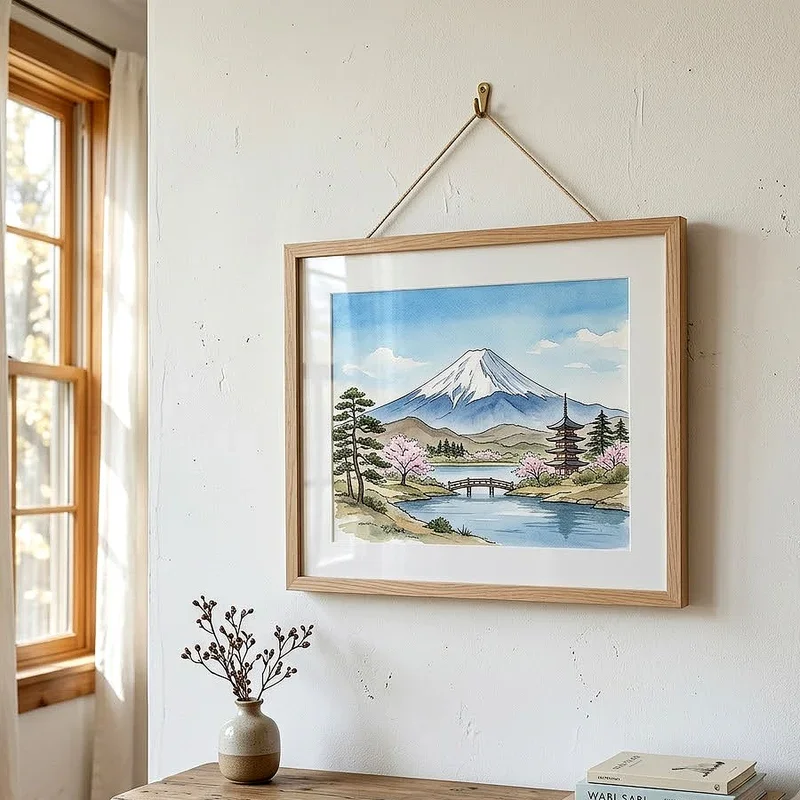
Mount Fuji stands as Japan's most recognizable natural landmark, and its symmetrical shape makes it surprisingly beginner-friendly. Draw a wide triangle with slightly curved sides, then cap the peak with a jagged snow line. That alone gives you an instantly recognizable silhouette. Below the mountain, add a few horizontal lines to suggest a lake or rice paddies stretching toward the base. A handful of small, rounded clouds floating beside the summit brings depth without complexity. Consider placing a row of tiny trees along the lower horizon to ground the composition. Mount Fuji is essentially geometry dressed up in scenery. You are stacking simple shapes and watching a landscape emerge, which makes it the perfect confidence booster for artists still finding their footing.
4. Daruma Doll
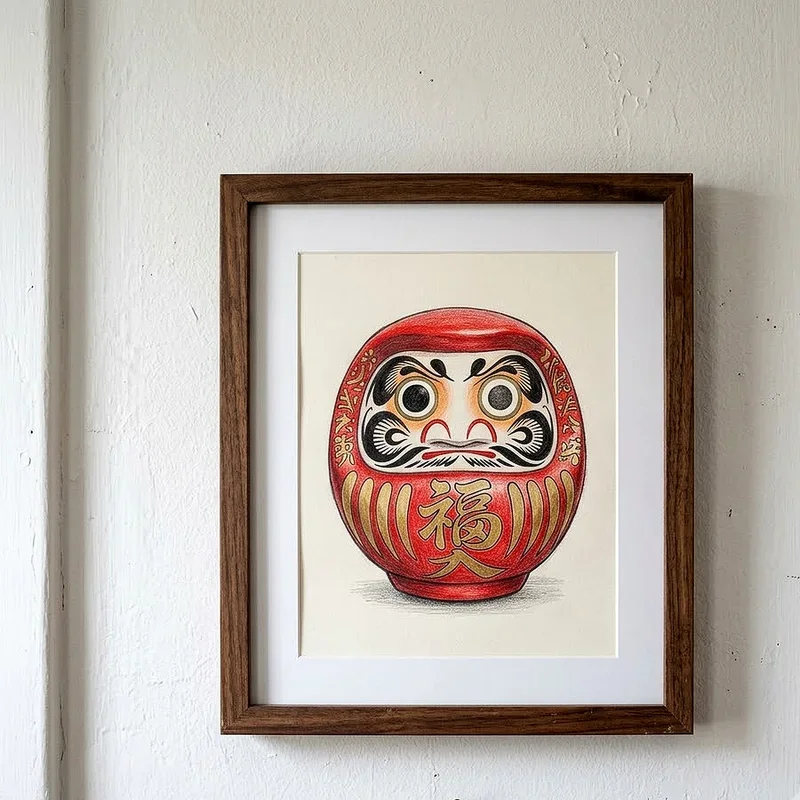
The Daruma doll is a round, armless figure symbolizing determination, and its egg-like shape is almost impossible to mess up. Draw a wide oval, slightly flat at the bottom so it looks like it could sit on a table. Add thick, expressive eyebrows arching high above two large circular eyes. Traditionally, one eye stays blank until the owner achieves a goal, so you can leave one empty for authenticity. Sketch curved lines across the forehead and cheeks to represent the folds of a robe. A small, serious mouth finishes the face. Decorate the body with simple swirl patterns or a central Japanese character. This drawing teaches you that personality in art comes from bold shapes and confident lines rather than microscopic detail.
5. Japanese Lantern
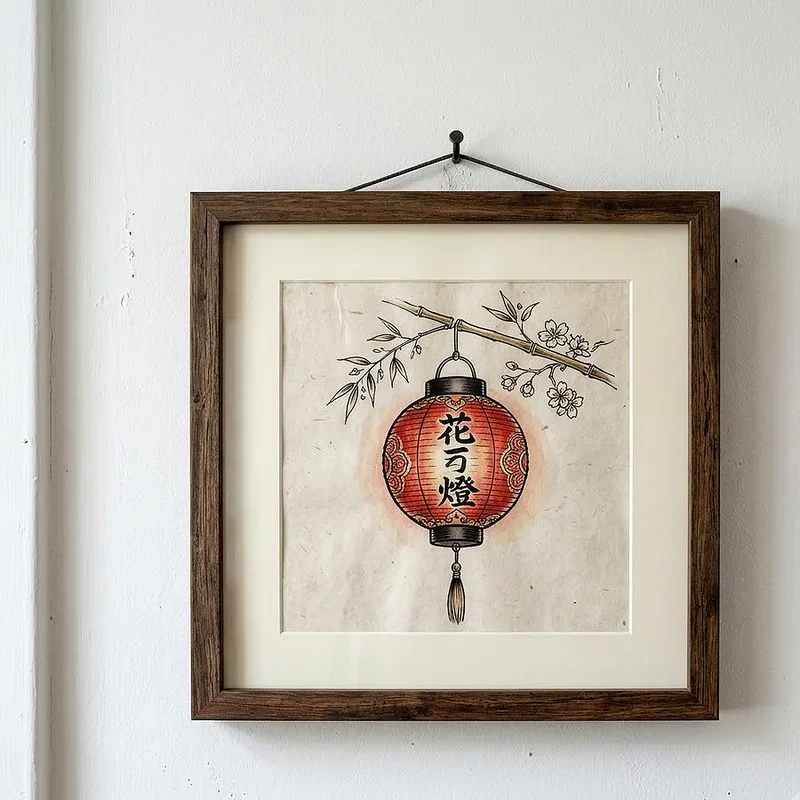
Paper lanterns glow through countless Japanese festivals, and their cylindrical shape translates easily onto paper. Start with an elongated oval, then add a flat rectangle on top for the frame and a small hook curving upward. Draw vertical ribs running from top to bottom around the lantern body, spacing them evenly like the sections of an orange. A subtle horizontal line across the middle suggests the fold where real lanterns expand and contract. Add a tiny flame or bulb shape peeking through the paper from inside. Shade one side slightly darker to create a sense of warm light radiating outward. Lanterns pair wonderfully with nighttime scenes, so consider sketching a dark background dotted with stars to really make your lantern pop off the page.
6. Origami Crane Sketch
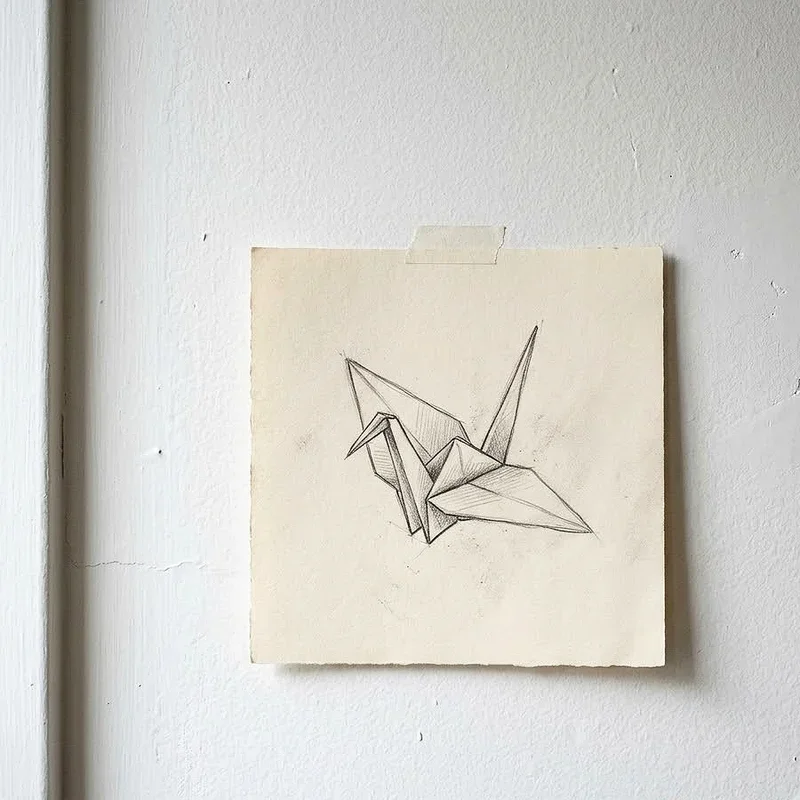
The origami crane carries deep meaning in Japan, representing peace, healing, and hope. Drawing one on paper captures that elegance without needing to fold a single sheet. Start with a diamond shape for the body, then extend two angular wings outward like open arms reaching toward the sky. Add a long, thin triangle for the neck, bending it slightly before tapering into a tiny pointed head. The tail mirrors the neck on the opposite end but fans outward a bit more. Use straight, crisp lines to echo the geometric precision of actual paper folding. Light shading along the creases creates the illusion of folded paper catching light at different angles. This sketch looks elegant framed on a wall or tucked into a handwritten letter.
7. Lucky Cat (Maneki Neko)
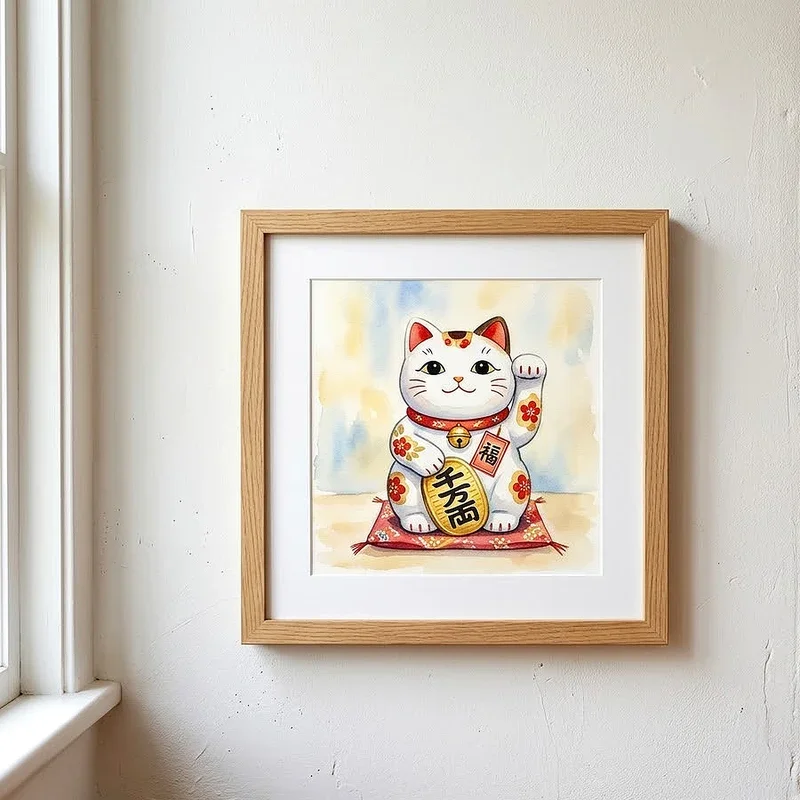
You have probably seen the Lucky Cat waving from restaurant windows and shop counters across the world. Drawing one starts with a rounded body shaped like a plump bell. Place two pointed triangles on top for ears, then fill the face with large oval eyes, a tiny triangular nose, and whisker lines fanning outward. One paw stretches upward in that signature beckoning gesture, while the other rests against the belly. Add a collar around the neck with a small bell dangling from it. Decorate the body with spots or simple floral patterns. The beauty of Maneki Neko drawings lies in their cheerful exaggeration. Everything curves, everything smiles, and the result radiates warmth and good luck from every line you put on the page.
8. Torii Gate
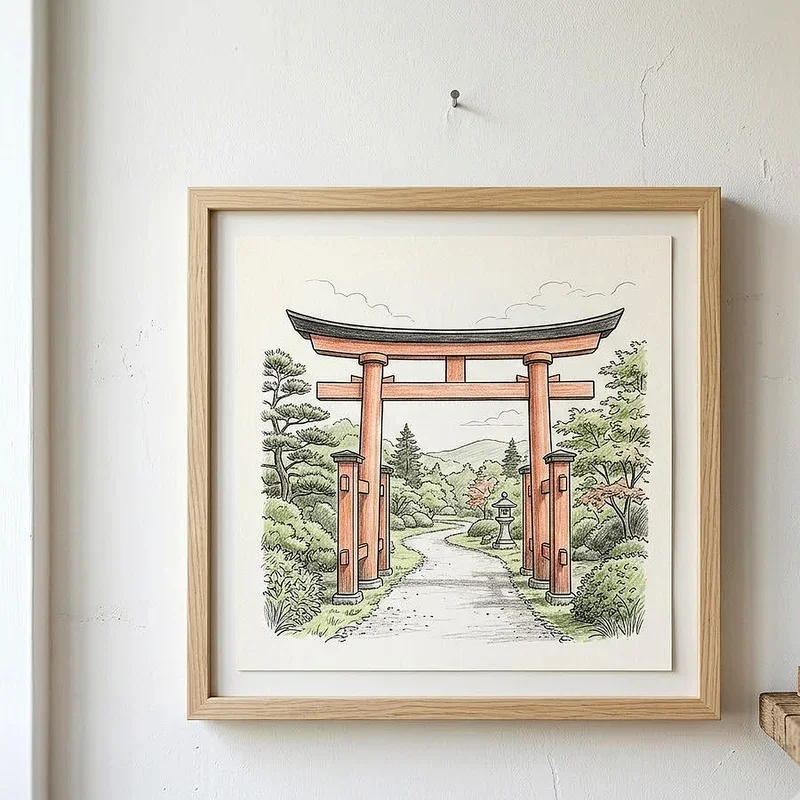
Torii gates mark the entrance to sacred spaces in Japan, and their bold, architectural lines make them satisfying to draw. Begin with two tall vertical pillars, slightly tapered toward the top. Connect them at the top with a long horizontal beam that extends past both pillars on each side, curving gently upward at the ends. Add a second horizontal beam just below, sitting straight across without the upward curve. A short vertical support connects the two beams at the center. Color the gate in that iconic vermillion red, or keep it as a clean line drawing. Place the gate against a backdrop of trees, a winding stone path, or morning fog creeping across the ground. This subject teaches proportion and symmetry while delivering an unmistakably Japanese result.
9. Bamboo Stalks
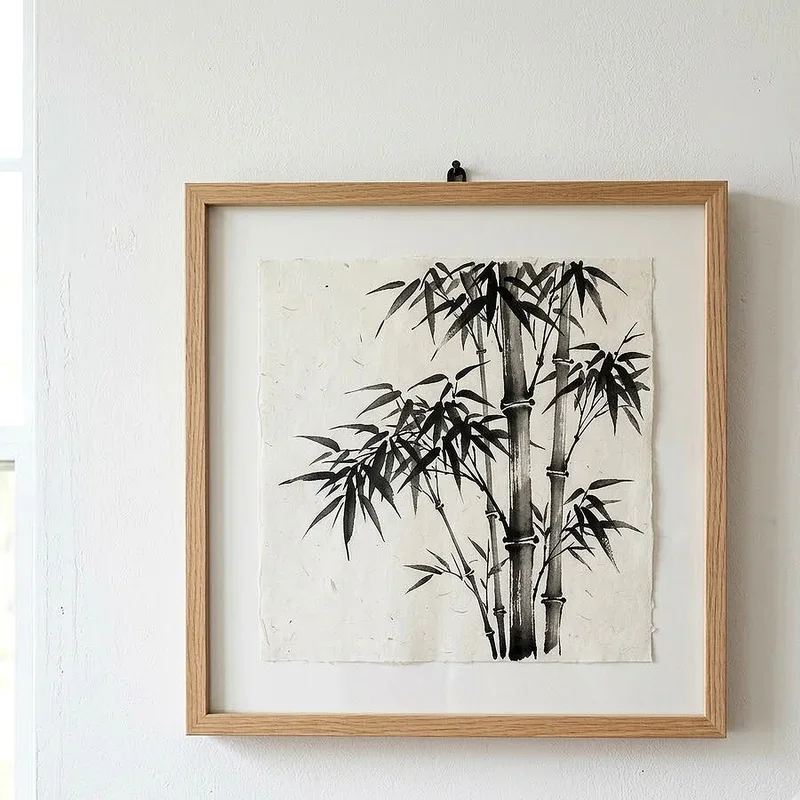
Bamboo represents resilience and flexibility in Japanese culture, bending without breaking through every storm. Drawing bamboo starts with tall, straight vertical lines broken into segments by horizontal nodes. At each node, sketch a slight ring or bump where the stalk thickens naturally. Leaves sprout from the upper segments in narrow, pointed clusters, leaning outward like fingers reaching for sunlight. Group three or four stalks together at varying heights to create visual interest and a sense of natural growth. Shade the stalks with light vertical strokes to suggest the smooth, polished surface of real bamboo. This subject works wonderfully in ink pen or brush pen for a traditional sumi-e feel. Bamboo drawings fill vertical spaces beautifully, making them ideal for bookmarks, wall scrolls, or tall journal margins.
10. Sushi Platter Illustration
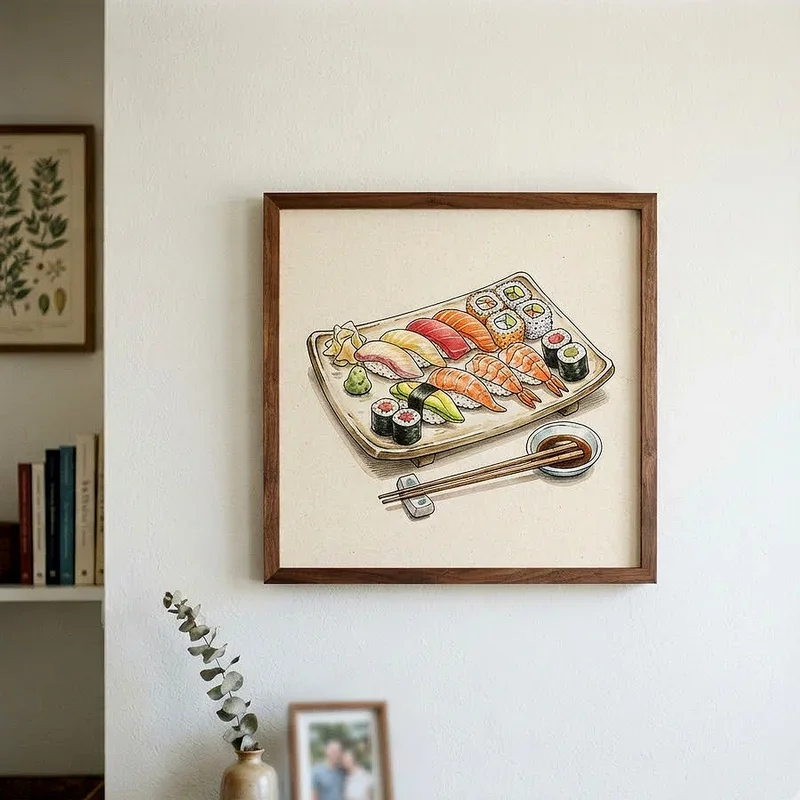
Drawing sushi combines fun food art with Japanese cultural flair, and every piece is basically a small geometric puzzle. Start with simple rectangles topped by curved shapes for nigiri, where a rice block sits beneath a draped slice of fish. Maki rolls are just circles filled with smaller circles and dots representing rice, nori, and fillings. Add a pair of chopsticks resting alongside the platter at a casual angle. A tiny dish of soy sauce, drawn as a small circle with dark shading inside, anchors the composition. Scatter a few ginger slices and a mound of wasabi nearby for extra detail. This drawing invites color, so consider using warm salmon pinks, avocado greens, and crisp seaweed blacks to make each piece look almost good enough to eat.
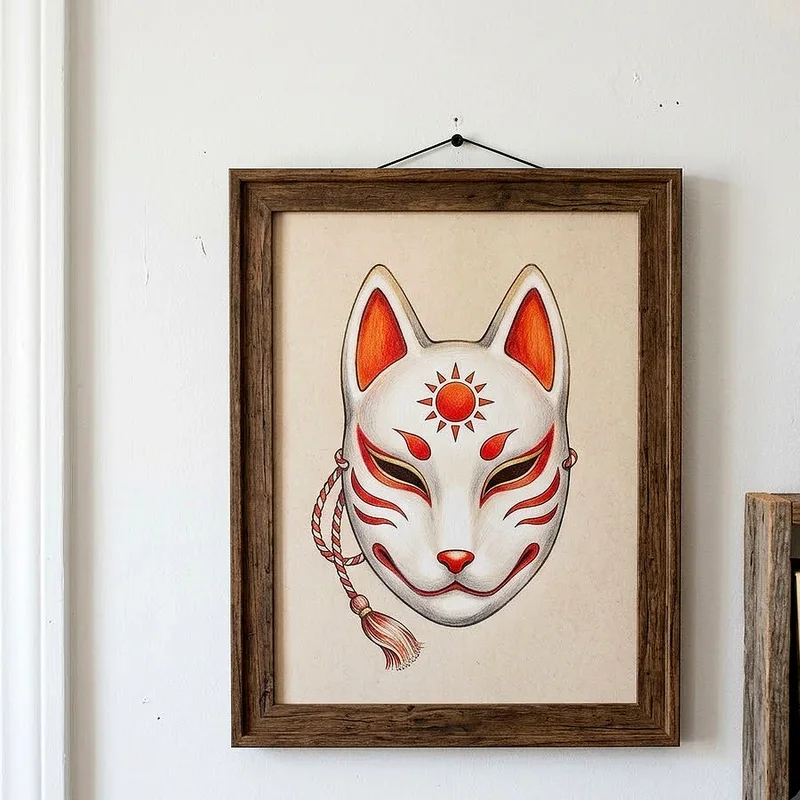
11. Kitsune Fox Mask
The kitsune mask comes from Japanese folklore, where foxes possess magical shape-shifting abilities. Drawing one begins with a wide, shield-like shape that narrows toward the chin. Add two pointed ears rising from the top corners, then carve out narrow, slanted eye holes that give the mask its mysterious expression. A small triangular nose sits at the center, with whisker lines extending from each side. The mouth curves slightly upward in a subtle, knowing smile. Traditional kitsune masks feature red accent markings around the eyes, forehead, and ears, creating patterns that flow like brushstrokes across the surface. Add a few decorative swirls or leaf motifs to fill empty space. This mask drawing carries an air of mystery that makes viewers pause and look twice.
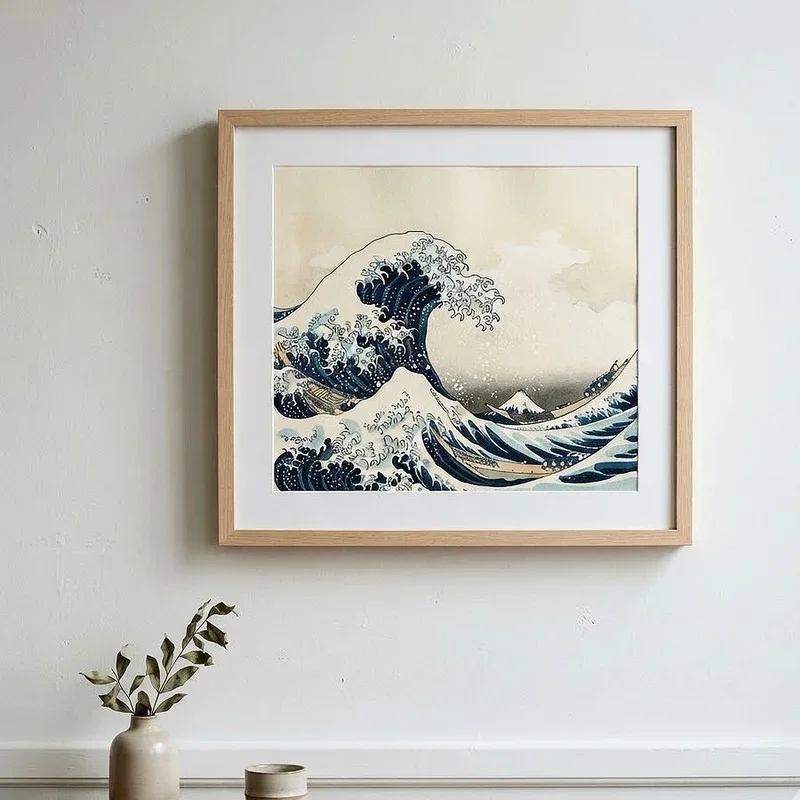
12. Japanese Wave (Inspired by Hokusai)
Hokusai's famous wave has inspired artists for nearly two centuries, and you can create your own simplified version with just a few confident curves. Draw a large, arching curl that rises high and then crashes forward, with the lip of the wave breaking into smaller spirals and finger-like extensions of foam. Below the main wave, add rolling swells with gentler curves to suggest the ocean stretching toward the horizon. Tiny droplets scatter above the crest, frozen mid-flight like a snapshot of pure energy. Keep the lines fluid and energetic rather than rigid. The wave is about capturing motion, and hesitation kills movement on paper. A distant, small Mount Fuji peeking through the wave ties the composition back to classic Japanese imagery and completes the scene beautifully.
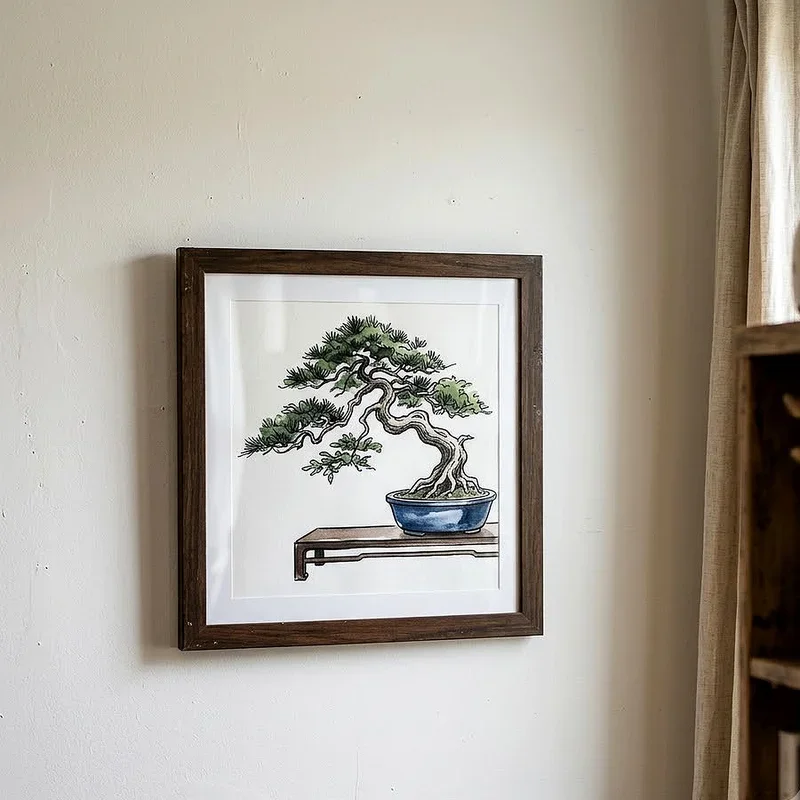
13. Bonsai Tree
Bonsai trees represent patience and the art of nurturing something beautiful within careful boundaries. Start your drawing with a short, twisted trunk that leans slightly to one side, suggesting years of deliberate shaping. Branch out with a few thick limbs that split into thinner ones, ending in clusters of rounded foliage. The pot matters nearly as much as the tree, so draw a low, rectangular or oval container with clean edges and perhaps a subtle decorative band around the rim. Expose a few roots creeping over the pot edge for added character. Shade the foliage with overlapping circular shapes rather than individual leaves to capture that dense, sculpted canopy look. This drawing teaches restraint, reminding you that sometimes less detail actually communicates more.
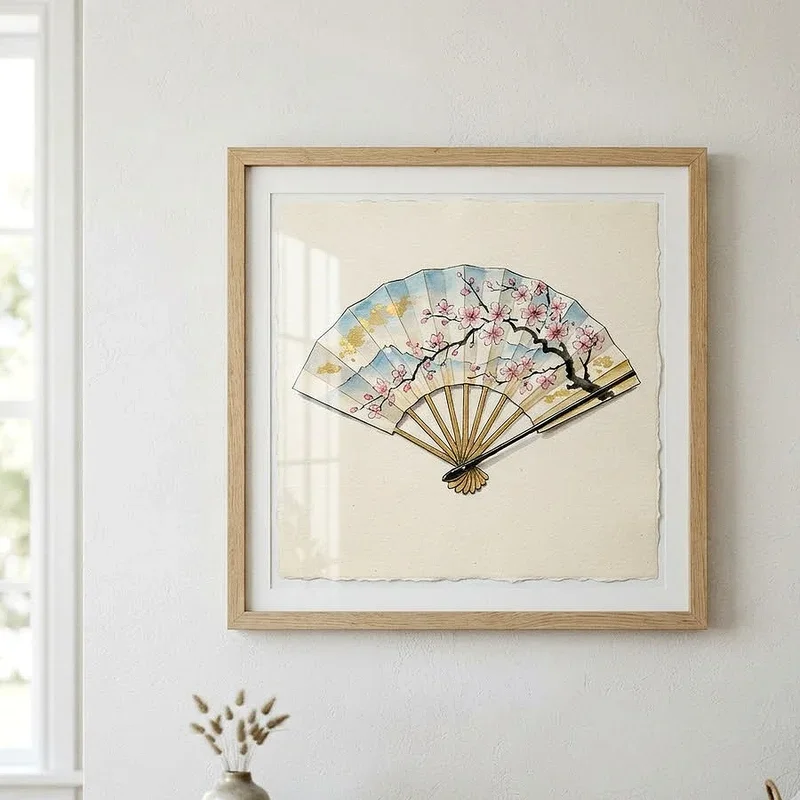
14. Japanese Fan (Sensu)
The sensu, or folding fan, is both a practical object and a canvas for artistic expression in Japanese culture. Draw a wide semicircle, then divide it into narrow, pie-slice sections radiating outward from a single point at the bottom. That point becomes the handle, drawn as two small sticks bound together. Each section represents a fold in the fan, and alternating light and slightly darker shading between sections creates a convincing three-dimensional effect. Decorate the fan surface with cherry blossoms, waves, or geometric patterns that flow across the folds. A small tassel hanging from the handle adds an elegant finishing touch. The sensu combines geometry with artistic freedom, letting you practice clean structural lines on one hand and expressive decoration on the other within a single drawing.
15. Kawaii Characters
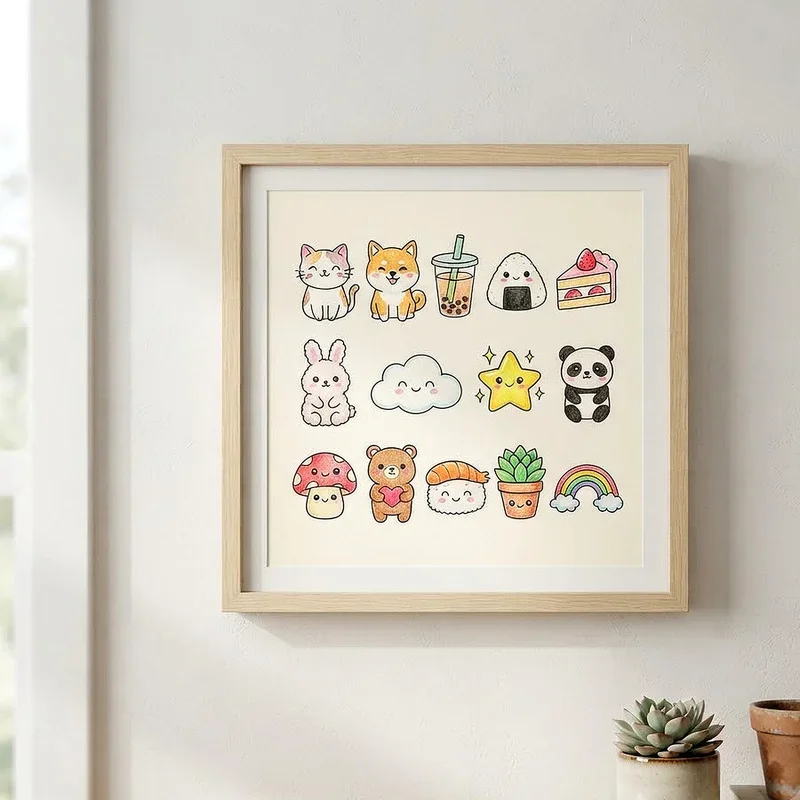
Kawaii culture celebrates all things cute, and drawing kawaii characters strips art down to its most joyful essentials. Start with a large, round head that takes up most of the body proportions, because oversized heads equal instant cuteness. Add two big, shiny oval eyes with tiny light reflections inside, a dot nose, and a small curved mouth. The body stays compact and simple, often just a rounded rectangle beneath the head. Give your character stubby arms and legs, almost like a plush toy come to life. Accessories like bows, hats, or tiny food items add personality without complexity. The golden rule of kawaii drawing is to round every corner and soften every edge. Sharp angles disappear, and what remains is pure, concentrated charm that makes anyone smile.
Conclusion
Japanese drawing opens a world where simplicity and meaning walk hand in hand. Every idea on this list proves that beautiful artwork does not demand years of training or expensive materials. You just need the willingness to put pencil to paper and embrace the process. Whether you gravitate toward the peaceful curves of a cherry blossom branch or the playful roundness of a kawaii character, each drawing carries a piece of Japanese tradition into your own creative story. Start with whichever idea sparks the most excitement and let curiosity guide you forward.
Frequently Asked Questions
Q1. Do I need special supplies to draw Japanese art?
A: No, a regular pencil and paper work perfectly fine for all these drawing ideas.
Q2. Which Japanese drawing idea is easiest for complete beginners?
A: Mount Fuji and bamboo stalks use the simplest shapes and suit total beginners well.
Q3. Can I use digital tools instead of traditional pencil and paper?
A: Absolutely, tablets and drawing apps work great for every Japanese drawing idea listed here.
Q4. How long does it take to complete one of these drawings?
A: Most drawings take between fifteen and forty-five minutes depending on your detail level.
Q5. Are these drawing ideas suitable for children?
A: Yes, children enjoy these ideas because the shapes are simple and the subjects are fun.
Stay up to date with our latest ideas!