Learn how to plan a stress-free move, organize your belongings, prepare your home, and make moving day more efficient.
Moving to a new home involves more than packing boxes and arranging transportation. From organizing belongings to coordinating schedules, every stage requires preparation and attention to detail. Whether relocating across town or moving to another state, working with a reliable moving company westfield can help simplify the process and reduce the physical demands of moving. A well-organized plan also makes it easier to protect valuable possessions, avoid last-minute problems, and settle into a new home comfortably.
Start Planning Your Move Early
One of the most effective ways to reduce moving stress is to begin preparing several weeks before the scheduled date. Leaving everything until the final few days can result in rushed packing, forgotten tasks, and unnecessary expenses.
Start by creating a moving checklist that includes important deadlines, packing tasks, utility arrangements, and address updates. Divide larger responsibilities into smaller steps and assign a target date to each one.
You should also confirm your moving date and consider any restrictions at your current or new property. Apartment buildings may require elevator reservations, loading-area access, or advance notice for moving activities. Checking these details early helps prevent scheduling conflicts.
Declutter Before Packing
Moving provides an opportunity to reconsider which belongings are worth taking to the next home. Transporting items that are no longer useful increases packing time and can make unpacking more difficult.
Go through each room and separate belongings into four categories: keep, donate, sell, and discard. Pay particular attention to closets, storage areas, kitchen cabinets, and garages, where unused possessions often accumulate.
For furniture, consider the layout and available space in your new home. A large table or bulky sofa may not fit comfortably in a smaller room. Measuring doorways, hallways, and designated furniture areas before moving day can help avoid unexpected problems.
Decluttering also makes it easier to estimate how many boxes and packing materials you will need.
Pack Room by Room
Packing becomes more manageable when belongings are organized systematically. Instead of filling boxes randomly, work through one room at a time and group similar items together.
Use Suitable Packing Materials
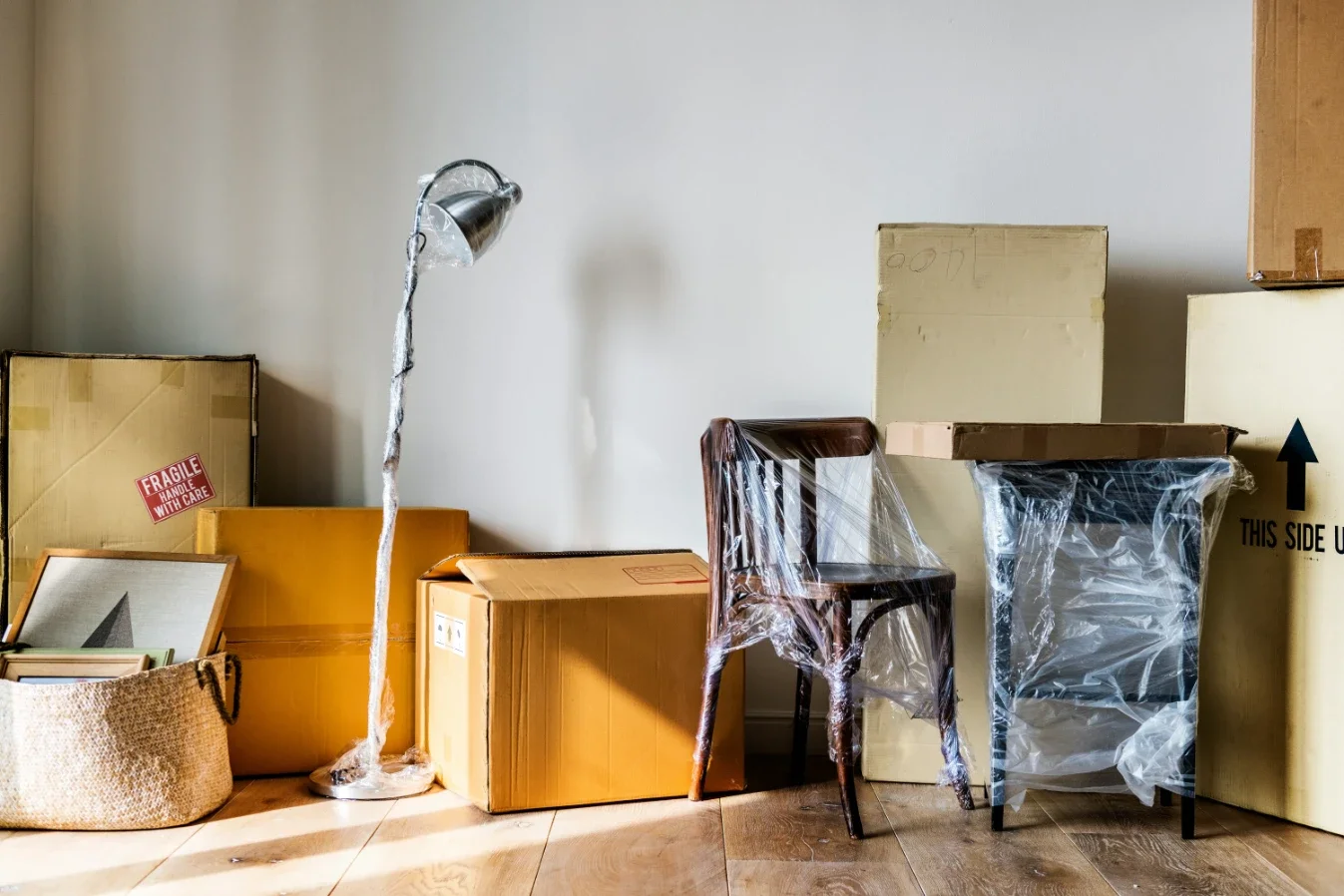
Choose sturdy boxes in different sizes, packing tape, protective wrapping, and labels. Heavy items such as books should go into smaller boxes to make them easier to lift. Lightweight belongings, including bedding and pillows, can be packed in larger containers.
Fragile items need additional protection. Wrap glassware, dishes, and decorative objects individually, then fill empty spaces inside the box to limit movement during transportation.
Avoid overfilling boxes because excessive weight can cause them to break or become difficult to carry.
Label Every Box Clearly
Write the destination room and a brief description of the contents on each box. Labels such as "Kitchen: cookware" or "Bedroom: linens" make unloading and unpacking more efficient.
For especially fragile containers, add clear handling instructions. Keeping a simple inventory of valuable or important items can also help you track belongings throughout the move.
Protect Furniture and Valuable Possessions
Furniture can be damaged by scratches, impact, or improper handling during transportation. Before moving large pieces, remove loose shelves, detachable legs, and other components where practical. Keep screws and hardware in labeled bags attached to the relevant furniture.
Use moving blankets or suitable protective materials for sofas, tables, cabinets, and other large items. Wrap delicate surfaces carefully and avoid placing heavy boxes on top of furniture during loading.
Electronics require additional attention. If possible, use their original packaging. Otherwise, choose appropriately sized boxes and protective padding. Take photographs of cable connections before disconnecting equipment so that setting everything up later becomes easier.
Important documents, jewelry, medications, and essential personal items should remain accessible rather than being packed with general household belongings.
Prepare Your New Home Before Moving Day
If you have access to the new property before the move, take advantage of that time. Cleaning floors, cabinets, bathrooms, and kitchen surfaces is much easier when the rooms are empty.
Check that electricity, water, heating, and internet arrangements are in place. If repairs or painting are needed, completing them before furniture arrives can save considerable effort.
It is also useful to plan where large furniture pieces will go. A basic room layout can help movers place items in the correct locations instead of requiring repeated lifting and rearranging.
If you are moving into an apartment, confirm building access procedures, parking arrangements, and any restrictions on moving hours.
Keep Moving Day Organized
Prepare an essentials box containing items you will need immediately, such as toiletries, chargers, medications, cleaning supplies, snacks, drinking water, and basic tools.
Keep important paperwork and valuables with you. Before leaving the old property, check every room, closet, cabinet, and storage area to make sure nothing has been forgotten.
At the new home, direct boxes to their labeled rooms and inspect furniture and belongings as they are unloaded. Address any visible damage promptly and keep relevant moving documentation accessible.
Settle Into Your New Home Gradually
Unpacking does not need to happen all at once. Begin with essential spaces such as the bedroom, bathroom, and kitchen. Having a comfortable place to sleep and prepare meals makes the first few days much easier.
Next, arrange furniture and unpack frequently used belongings. Decorative items, storage improvements, and less essential possessions can be handled later.
Take time to learn the new neighborhood, locate nearby services, and update any remaining personal or household records.
Make Your Next Move Easier
A successful move depends on preparation, organization, and realistic expectations. Decluttering early, packing carefully, protecting valuable belongings, and coordinating property access can prevent many common moving problems.
By approaching each stage with a clear plan, you can reduce unnecessary stress and make the transition into your new home more comfortable. The time invested in preparation often pays off long after moving day is over.
Stay up to date with our latest ideas!