15 Flowers and Butterflies Drawing Ideas to Inspire Art
Discover 15 flowers and butterflies drawing ideas that spark creativity and help you create stunning nature art with simple techniques.
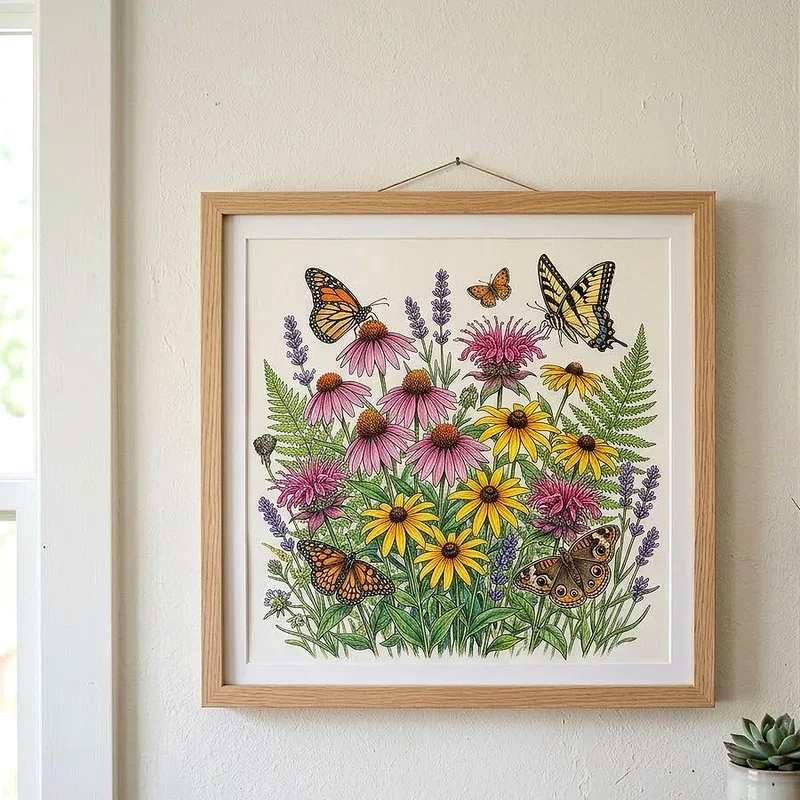
Have you ever stared at a blank page and wished something beautiful would just appear? Flowers and butterflies rank among the most popular subjects in the art world, and for good reason. They offer endless combinations of color, shape, and movement that make every sketch feel alive. Whether you grab a pencil for the first time or you already fill sketchbooks on the regular, these subjects welcome everyone. You do not need fancy supplies or years of training to capture their magic. This collection of 15 drawing ideas gives you a roadmap from simple doodles to detailed masterpieces. So grab your favorite tools and let nature guide your hand across the page.
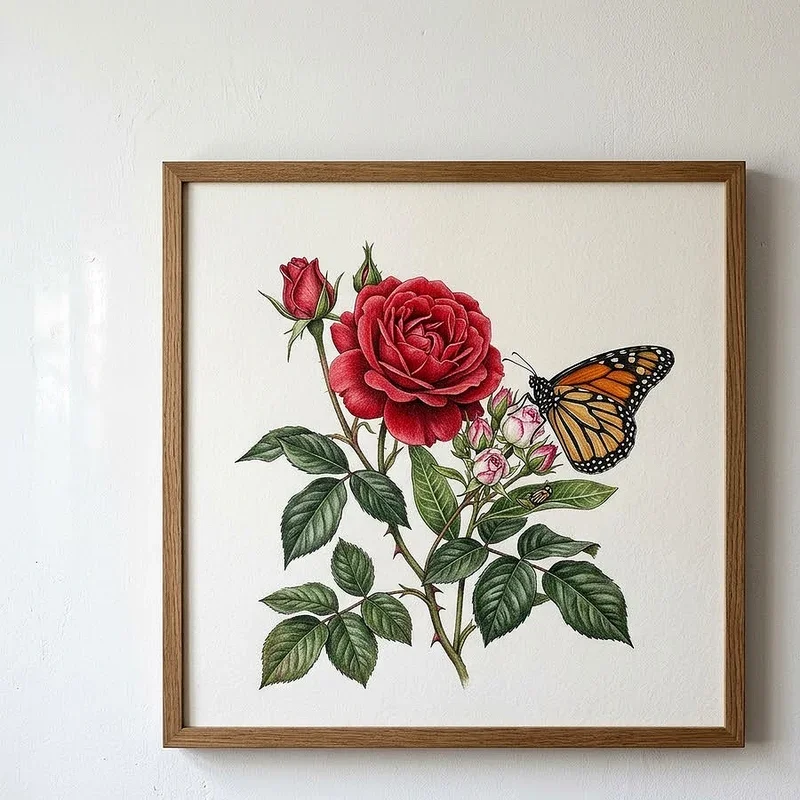
1. Rose and Monarch Butterfly Duo
You can never go wrong starting with a classic pairing that feels like peanut butter and jelly for artists. A rose gives you those gorgeous layered petals that spiral outward like a dancer twirling in slow motion. Place a monarch butterfly right on the edge of an open bloom, and you instantly create a scene that tells a story. Start by sketching the rose from the center and work your way out, adding each petal with soft curves. Then draw the monarch with its signature orange and black wing pattern resting gently on one petal. Keep the lines loose and organic because nature never draws in straight lines. This pairing teaches you patience and rewards you with a drawing that looks impressive from the very first attempt.
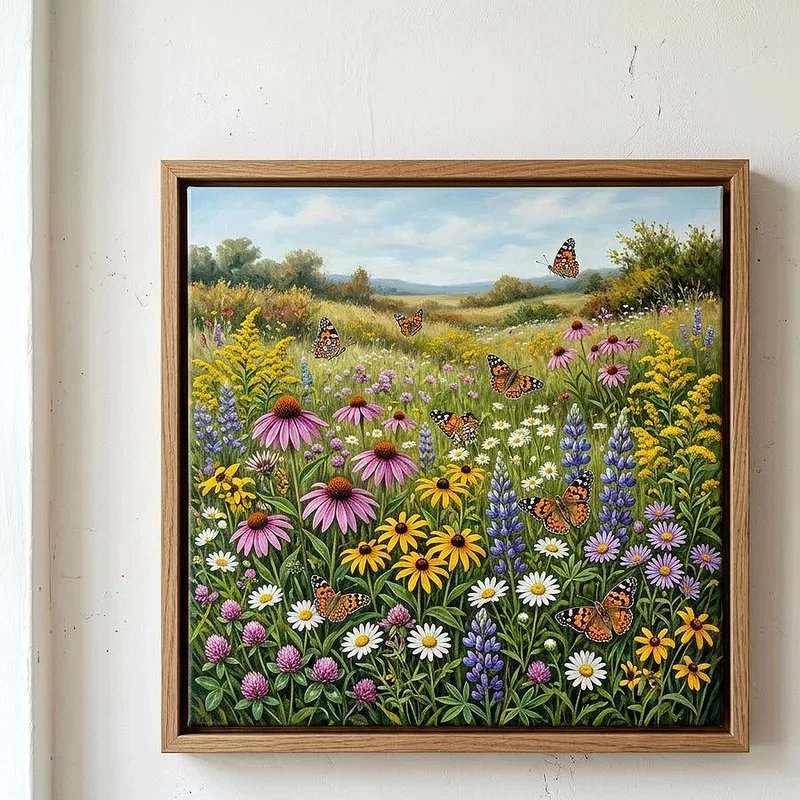
2. Wildflower Meadow with Painted Ladies
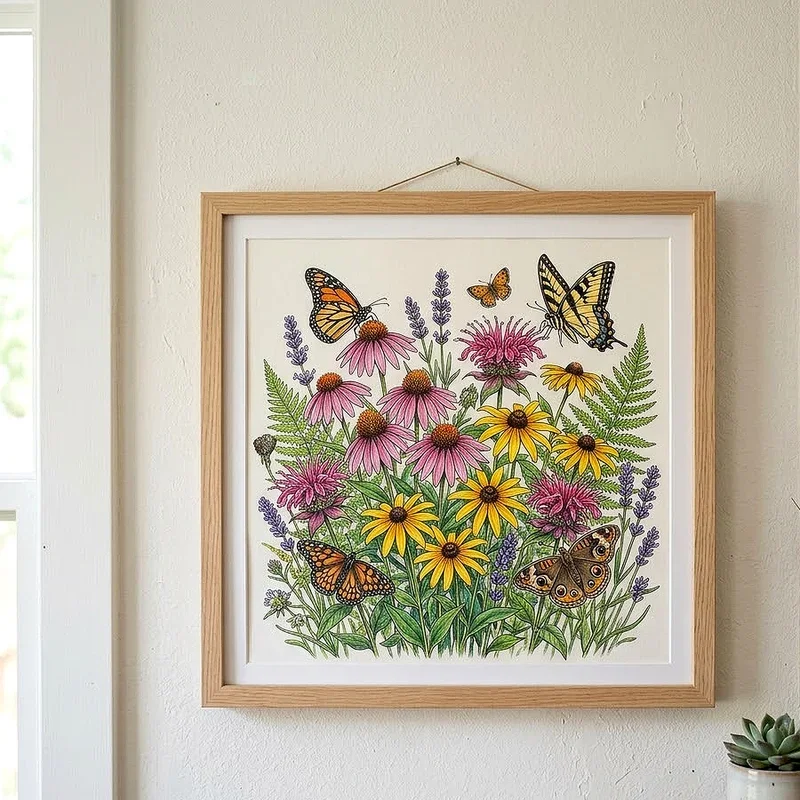
Imagine lying flat in a summer meadow and looking up at the sky through a curtain of wildflowers. That feeling of freedom and color is exactly what this drawing idea captures on paper. Scatter different flower shapes across your page without worrying about perfect symmetry because wildflowers grow wherever they please. Add a few painted lady butterflies drifting between the blooms, their wings slightly tilted as they ride invisible breezes. Use varied heights for your flower stems so the scene feels three dimensional rather than flat. Throw in some simple grass blades and tiny buds to fill empty spaces naturally. This idea works beautifully with colored pencils or watercolors because you can blend soft greens and warm yellows into a dreamy background that pulls everything together.
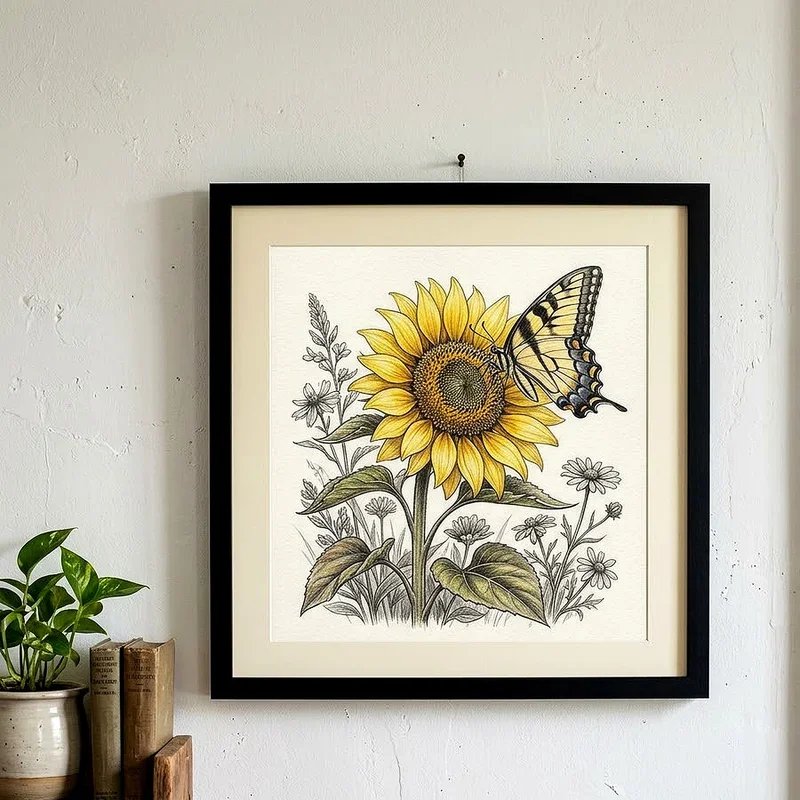
3. Sunflower and Swallowtail Sketch
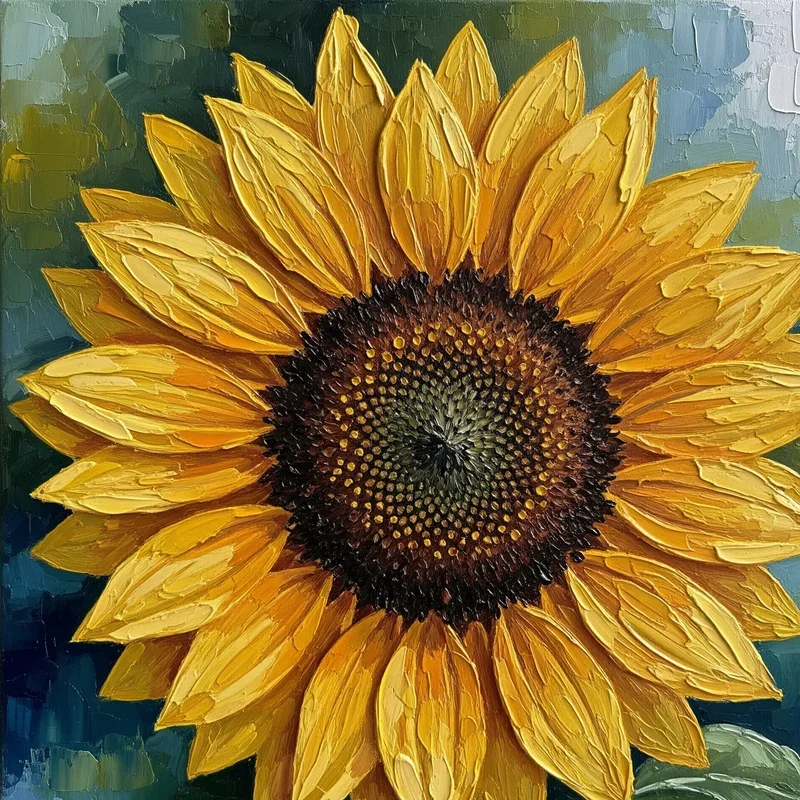
Sunflowers stand tall and proud like they own every garden they grow in, and that confidence translates perfectly onto paper. Draw one large sunflower head dominating the page and give those golden petals real texture by adding fine lines along each one. The dark center disk offers a wonderful chance to practice stippling or cross hatching for a rich, dimensional look. Now introduce a swallowtail butterfly approaching from one side with its distinctive tail like wings spread wide. The contrast between the bold circular flower and the delicate angular butterfly creates visual tension that keeps the eye moving. You can position the butterfly slightly off center so the composition feels dynamic rather than static. This drawing teaches you how two strong subjects can share the spotlight.
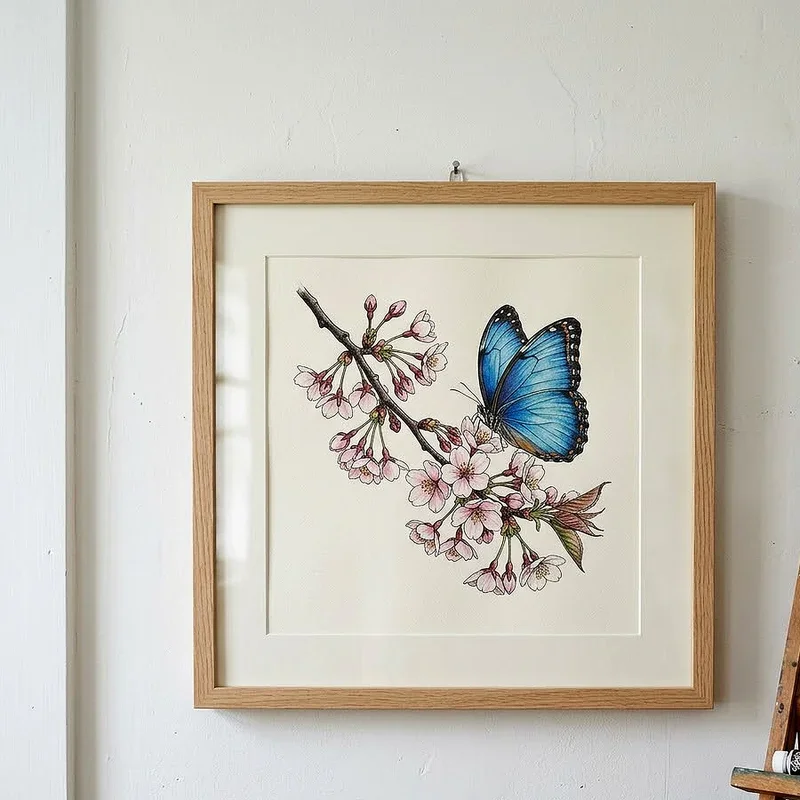
4. Cherry Blossom Branch with Blue Morpho
Cherry blossoms carry a whisper of spring that makes anyone who sees them feel hopeful and refreshed. Draw a curved branch stretching diagonally across your page and cluster small five petal flowers along its length. Some blossoms should sit fully open while others remain as tight little buds waiting for their moment. Now add a blue morpho butterfly perched delicately on the branch, and suddenly you have a tropical visitor crashing a Japanese garden party. The electric blue of the morpho against soft pink petals creates a color combination that practically vibrates off the page. Let a few petals drift downward through the air to suggest movement and the passage of time. This piece feels poetic without requiring a single word written alongside it.
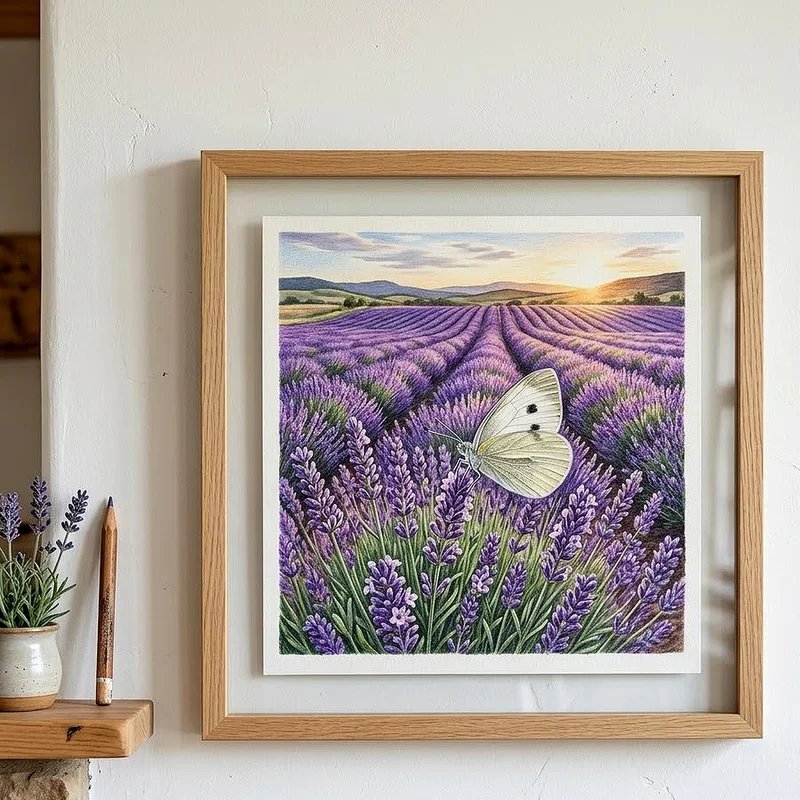
5. Lavender Field and Cabbage White Butterfly
Lavender rows stretch toward the horizon like purple rivers flowing through green countryside, and this drawing idea brings that serenity home. Sketch several tall lavender stalks with their tiny clustered flowers stacking upward in gentle spikes. Keep the background stalks lighter and less detailed to create a sense of depth that draws the viewer into the scene. A small cabbage white butterfly floating between the stalks adds life without competing for attention because sometimes the quiet characters steal the show. Use soft shading on the butterfly wings to keep them looking delicate and almost translucent against the lavender. This subject works particularly well as a vertical composition that you can frame and hang on your wall. The simplicity of both subjects makes this idea perfect for relaxing evening sketch sessions.
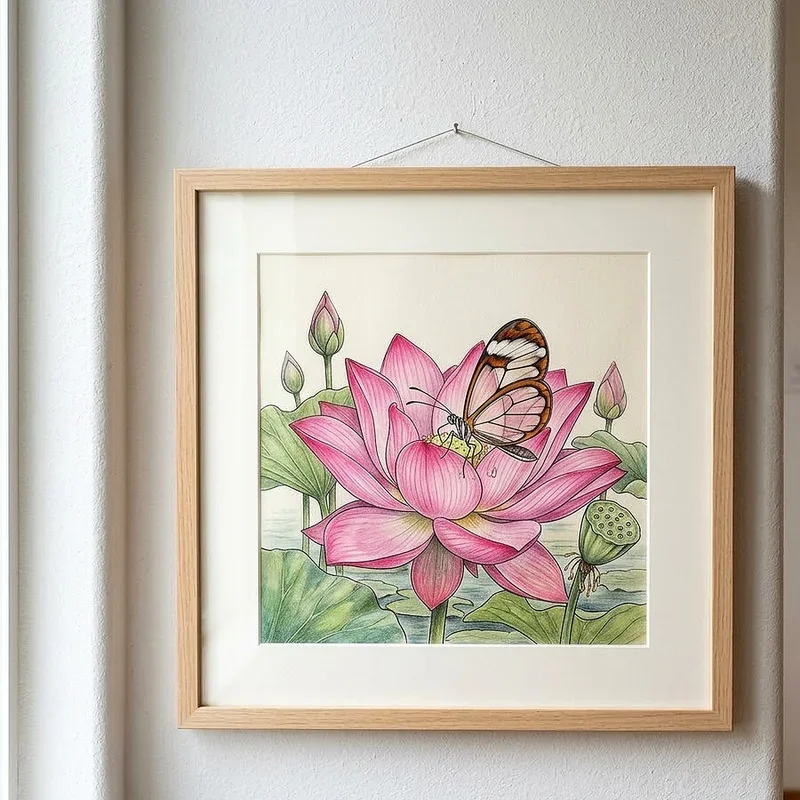
6. Lotus Flower with Glasswing Butterfly
The lotus flower rises from murky water to bloom in pristine beauty, and artists have celebrated that symbolism for centuries across many cultures. Draw the flower sitting on the water surface with wide rounded petals opening toward the sky in layers. Add a few lily pads around the base to establish the water setting and give the composition context. Now place a glasswing butterfly above the bloom with its transparent wings catching light like tiny stained glass windows. You can suggest the transparency by drawing the petal colors showing faintly through the wing outlines. Include gentle ripples on the water surface radiating outward from where the lotus meets the pond. This drawing combines Eastern and tropical aesthetics into something truly unique that challenges your rendering skills.
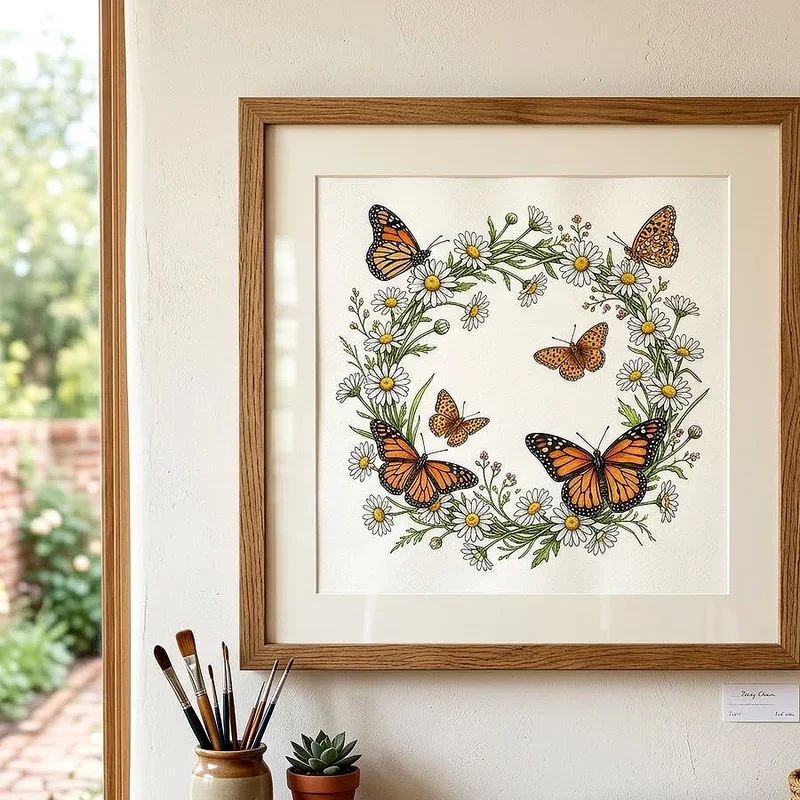
7. Daisy Chain and Fritillary Flutter
Remember making daisy chains as a kid and wearing them like you just won a nature crown? This drawing idea taps into that playful nostalgia with a modern artistic twist. Sketch a curved chain of daisies looping across the page, connecting each flower stem to the next with small ties. The white petals with yellow centers keep things simple and cheerful while giving you plenty of repetition to build confidence. Add a fritillary butterfly with its orange checkered wings landing on one daisy in the chain. The butterfly breaks the pattern just enough to create a focal point that anchors the whole composition. You can extend the chain right off the edges of your paper to suggest it continues forever. This idea proves that sometimes the simplest concepts produce the most charming results.
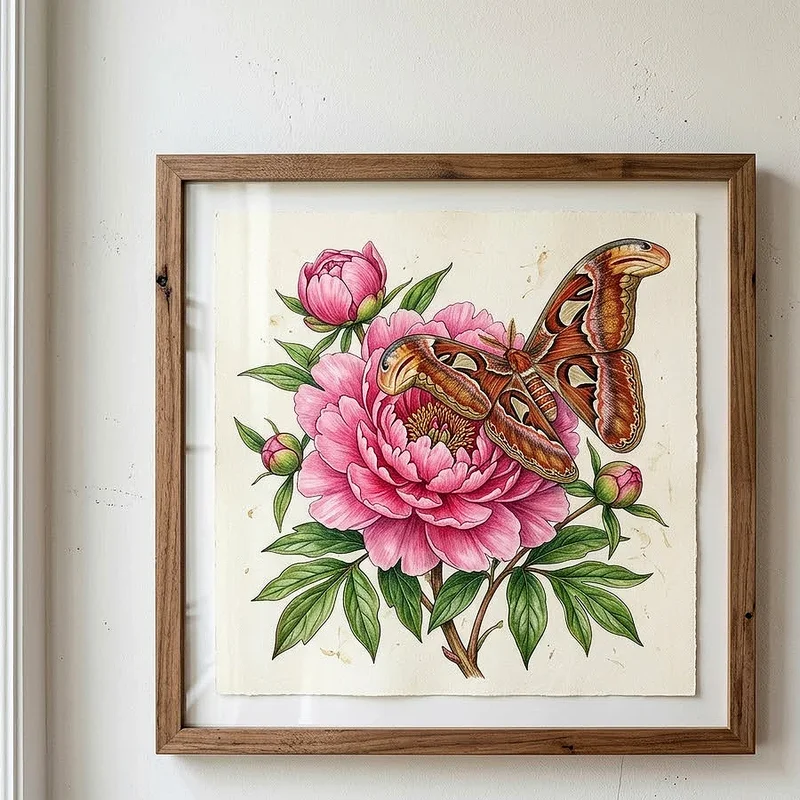
8. Peony Bloom with Atlas Moth Butterfly
Peonies explode with petals like nature decided to stuff an entire garden into a single flower, and drawing one feels like solving a beautiful puzzle. Start from the dense center and gradually add larger petals spreading outward in every direction with soft ruffled edges. Do not worry about making each petal identical because real peonies look gloriously messy and imperfect. Pair this extravagant bloom with an atlas moth, one of the largest winged insects in the world, resting on its petals. The moth wings feature eye like patterns that echo the circular shapes within the peony itself. This creates a visual conversation between the two subjects that feels intentional and harmonious. Challenge yourself with this one because the complexity rewards you with a portfolio piece that showcases serious skill.
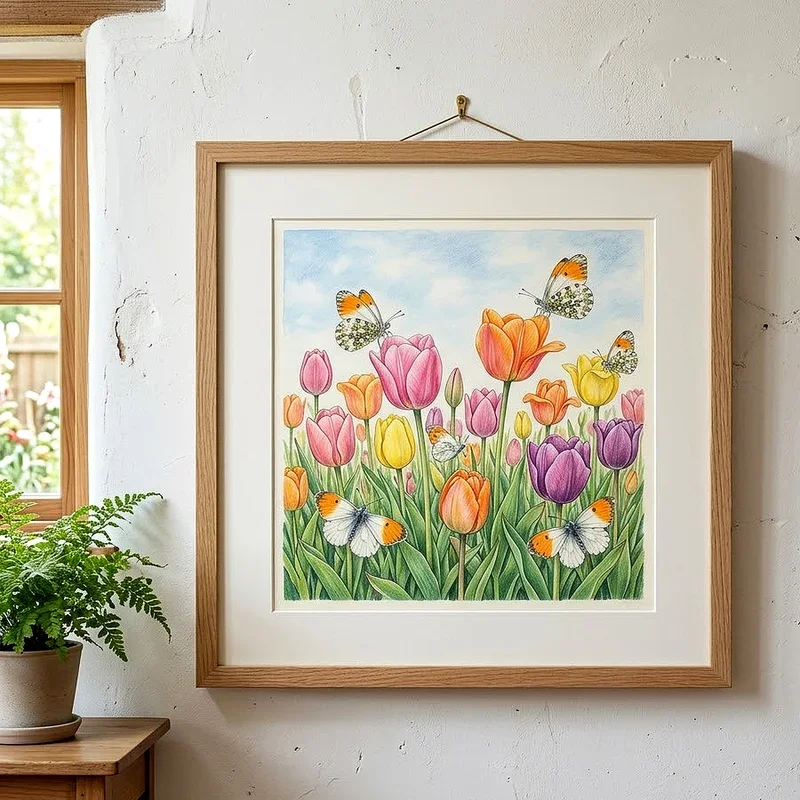
9. Tulip Garden and Orange Tip Butterfly
Tulips march through gardens in neat rows like colorful soldiers standing at attention, and their clean cup shapes make them wonderful drawing subjects. Sketch a small grouping of tulips at various stages from closed buds to fully open blooms to show the flower's life cycle in one image. Use smooth curved lines for the petals because tulips have an elegant simplicity that separates them from frillier flowers. An orange tip butterfly adds a spark of warmth as it hovers near the tallest tulip, its wing tips glowing like tiny embers. The geometric quality of tulips contrasts nicely with the organic wing shapes of the butterfly. Keep your background minimal so the subjects stand out cleanly against white space. This drawing idea suits beginners perfectly while still offering enough detail to satisfy experienced artists.
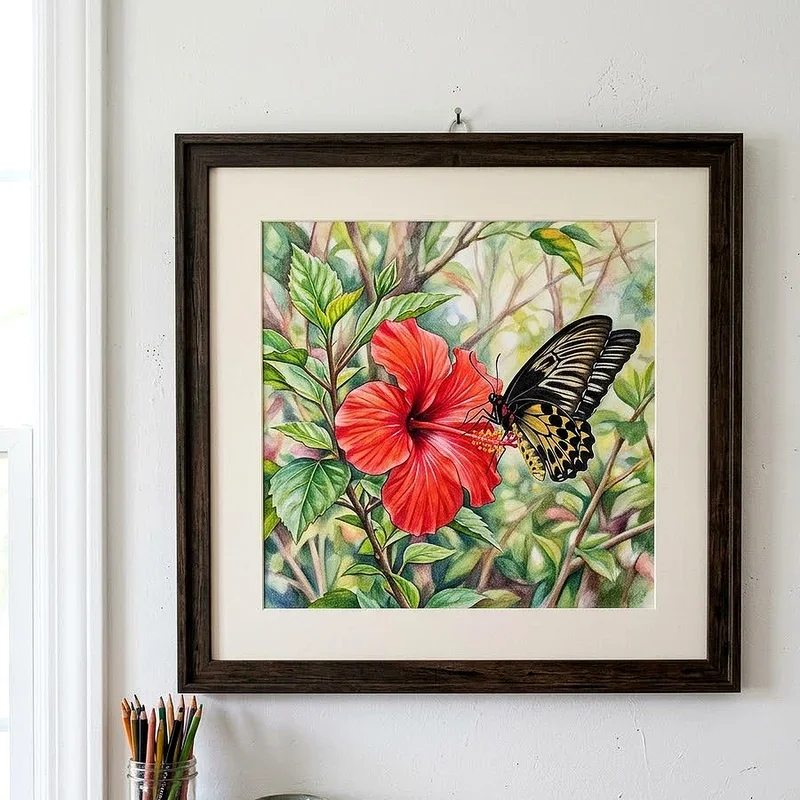
10. Hibiscus and Birdwing Butterfly Scene
Hibiscus flowers practically scream tropical vacation with their wide open faces and dramatic protruding stamens that reach outward like tiny antennas. Draw one large hibiscus bloom with five overlapping petals and add visible vein patterns running through each one for extra realism. The long stamen extending from the center gives this flower a unique silhouette that no other bloom can match. Pair it with a birdwing butterfly, the largest butterfly species on earth, spreading its magnificent green and black wings behind the flower. The scale of both subjects together creates an impactful composition that fills your entire page with tropical energy. Add a few smaller buds and leaves around the main flower to build a complete scene. This drawing transports anyone who sees it straight to a warm island paradise.
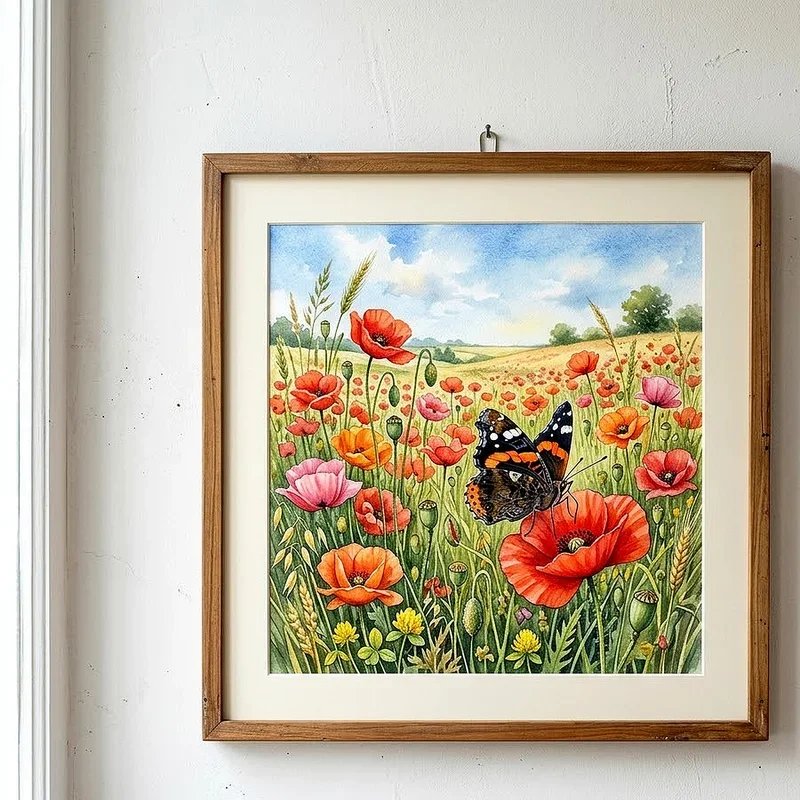
11. Poppy Field with Admiral Butterfly
Poppies wave in the wind like little red lanterns bobbing on invisible strings, and capturing that movement on paper creates instant drama. Draw several poppies at different angles with some facing the viewer and others turning away to show their papery thin petals from multiple perspectives. The dark centers of poppies provide natural focal points that ground each flower in the composition. Scatter a red admiral butterfly among the blooms, its dark wings marked with striking red bands that echo the poppy color palette perfectly. This color coordination between flower and butterfly makes the whole scene feel curated by nature itself. Use loose sketchy lines for distant poppies and tighter details for foreground flowers to push depth. This drawing idea captures the wild beauty of countryside landscapes in a single powerful image.
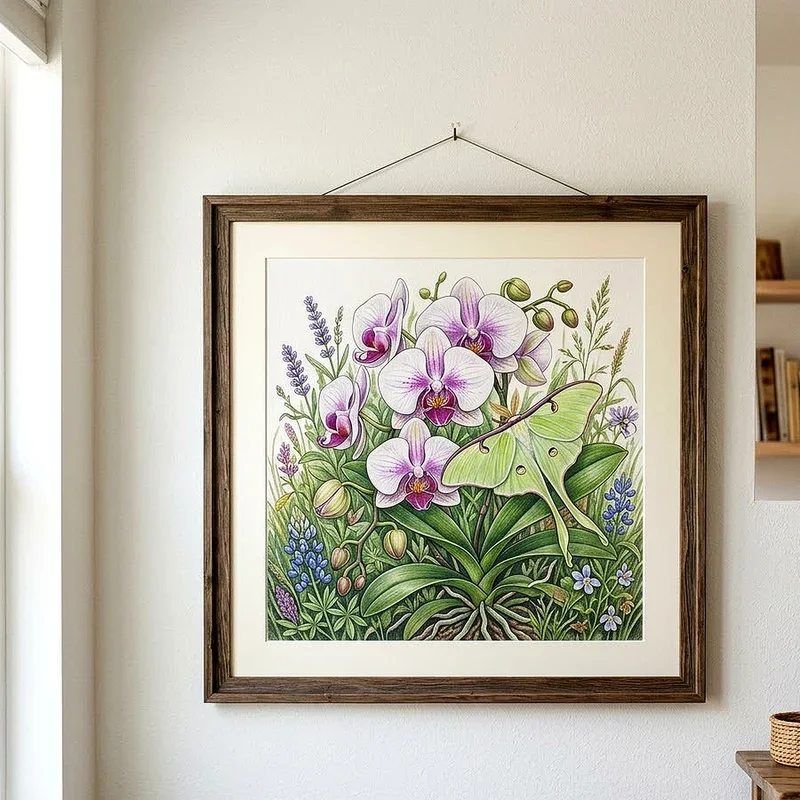
12. Orchid and Luna Moth Composition
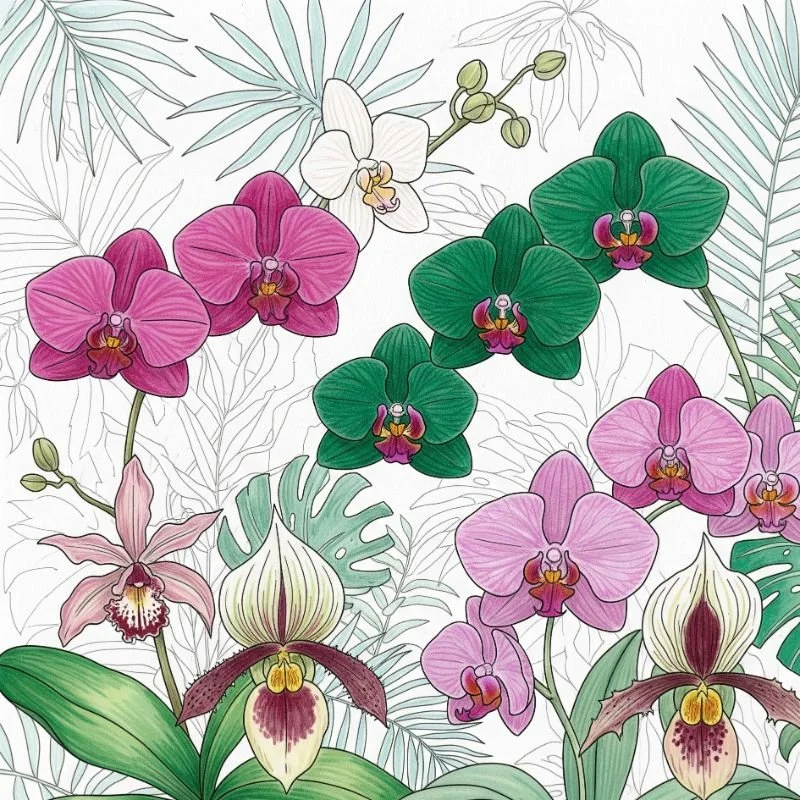
Orchids carry an air of sophistication that makes them the evening gown of the flower world, elegant and slightly mysterious. Draw a spray of orchid blooms cascading down from a curved stem with each flower showing its distinctive lip petal and spotted throat. The symmetrical face of an orchid almost looks like it stares back at you, which adds personality to your drawing. Introduce a luna moth with its pale green wings and long trailing tails floating near the orchid spray. The cool green of the moth against the warm orchid tones creates a complementary color scheme that professional artists rely on constantly. Position the moth slightly above the flowers as if it just arrived and considers where to land. This composition oozes elegance and works beautifully as a gift for someone who appreciates refined artwork.
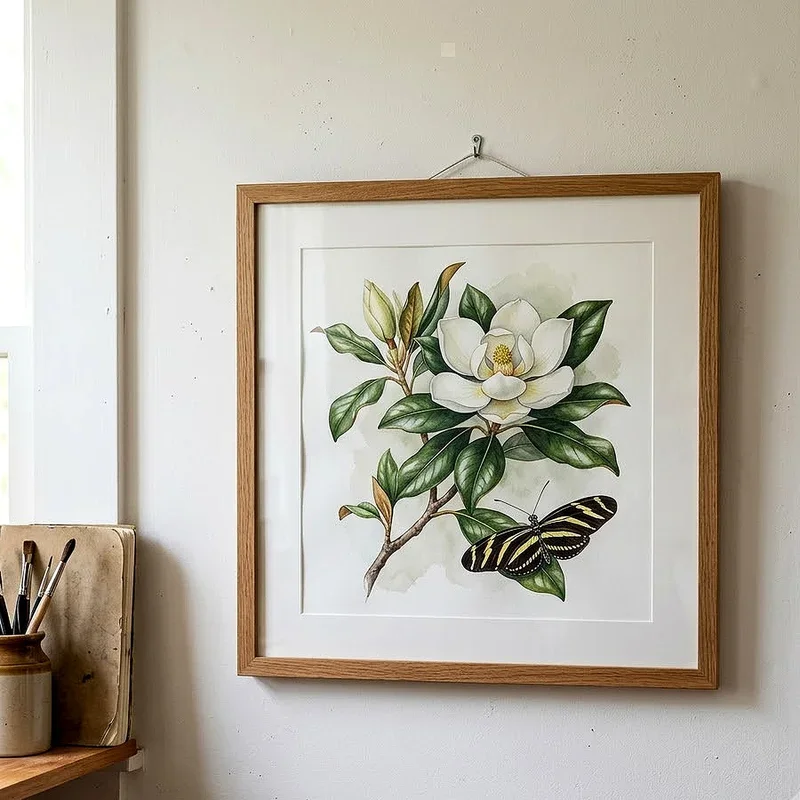
13. Magnolia Branch with Zebra Longwing
Magnolia blossoms open slowly like nature unwrapping a present, revealing creamy white petals that feel almost sculptural in their thickness. Draw a sturdy branch cutting across your page at a diagonal angle with two or three magnolia blooms in various stages of opening. The thick waxy petals demand smooth shading that transitions gradually from shadow to highlight without harsh lines. A zebra longwing butterfly with its striking black and yellow striped pattern adds graphic punch to the soft magnolia palette. Position the butterfly in flight between the blooms so its outstretched wings create a bridge connecting the flowers visually. Add some magnolia leaves with their glossy dark green surfaces to frame the composition and provide contrast. This drawing teaches you how hard and soft elements can coexist beautifully on the same page.
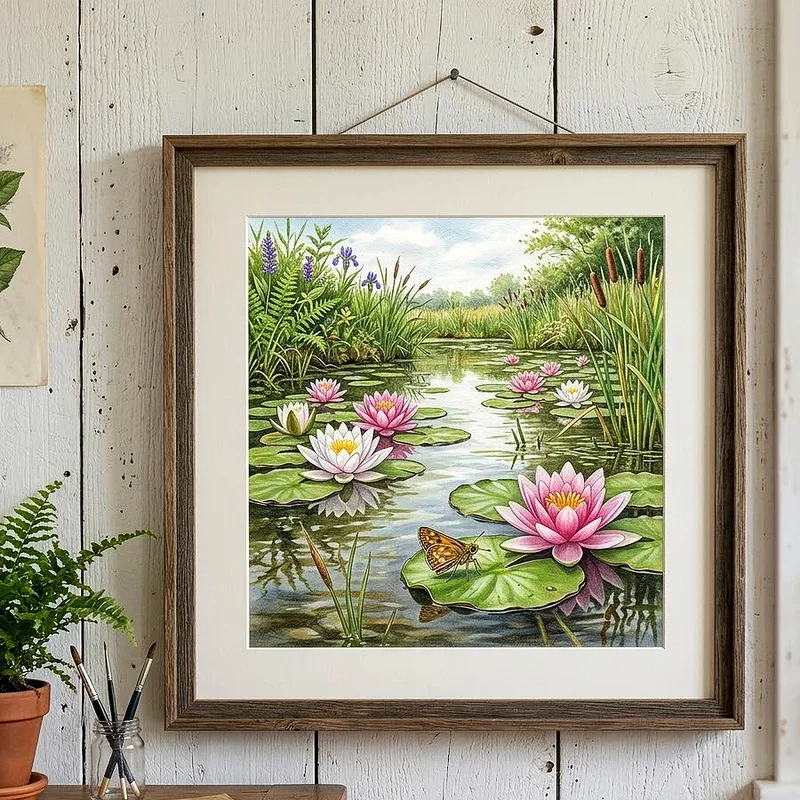
14. Water Lily Pond and Skipper Butterfly
Water lilies float on still ponds like nature placed little boats decorated with flowers just for our enjoyment and wonder. Draw several lily pads scattered across the page at different sizes to suggest depth and distance across the water surface. Place one open water lily bloom on the largest pad with its pointed petals radiating outward in a starburst pattern. A small skipper butterfly perched on the edge of a lily pad adds a sense of scale that helps the viewer understand the scene. Use horizontal lines and subtle reflections beneath the pads to establish the water surface convincingly. The calm stillness of this subject makes it a meditative drawing experience that slows your breathing and quiets your mind. This piece works wonderfully in cool blues and greens with one warm pink lily stealing the spotlight.
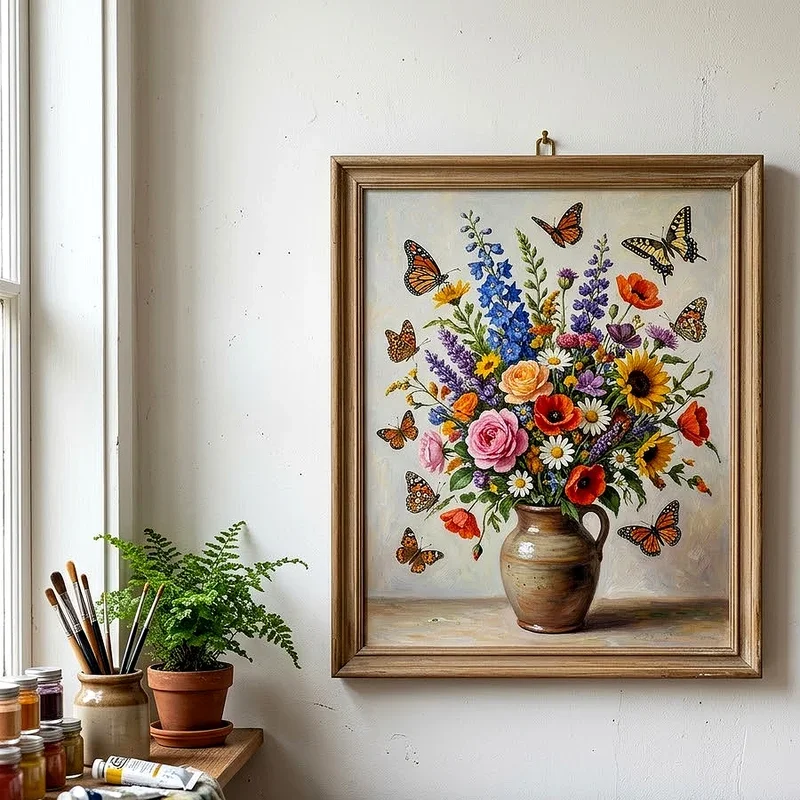
15. Bouquet of Mixed Flowers with Butterfly Swarm
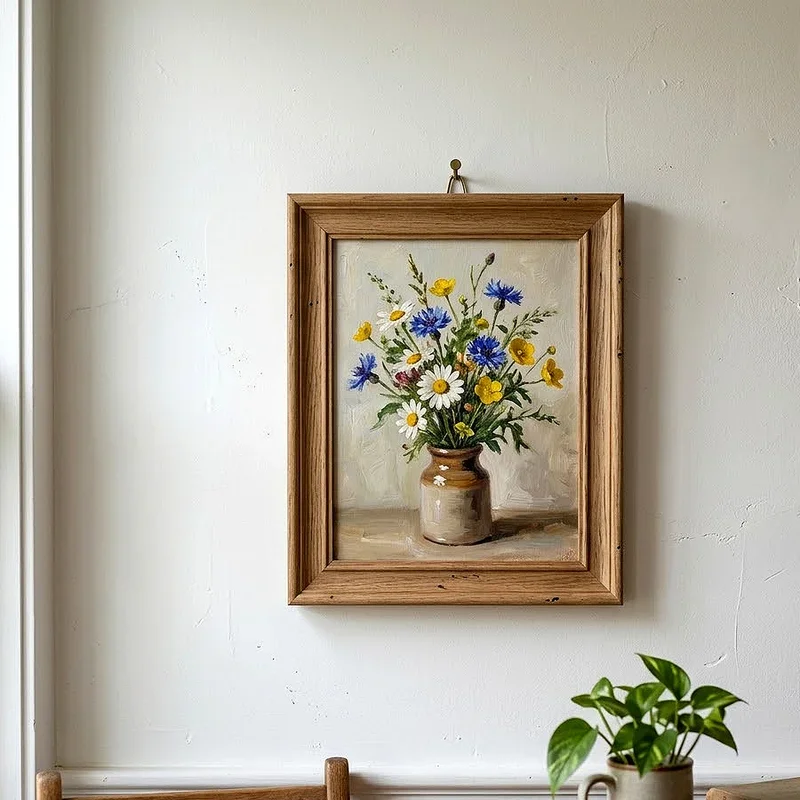
Why pick just one flower when you can throw the entire garden into a single spectacular drawing that celebrates abundance and variety? Create a loose bouquet featuring roses, daisies, tulips, lavender, and any other favorites tumbling together in organized chaos. Wrap the stems together at the bottom with a simple ribbon or twine to hold the composition together visually. Now release a swarm of different butterfly species rising up from the bouquet like colorful confetti escaping from a surprise box. Each butterfly should differ slightly in size, species, and wing position to create natural variety and movement. This drawing serves as the grand finale of your collection, combining everything you practiced in the previous fourteen ideas. Let yourself go wild because this piece thrives on energy and joyful excess.
Conclusion
Drawing flowers and butterflies opens a door to endless creative possibilities that grow with you over time. Each of these fifteen ideas offers something different, from simple daisy chains to dramatic tropical scenes that test your skills. You do not need expensive materials or formal training to begin exploring these subjects today. Just pick the idea that excites you most and let your pencil wander across the page without judgment. Nature already did the hard design work, so you simply translate what you see and feel into lines and shapes. Keep practicing, stay curious, and watch your art bloom alongside these beautiful subjects.
Frequently Asked Questions
Q1. What supplies do I need to draw flowers and butterflies?
A: You only need paper, a pencil, an eraser, and optional colored pencils or markers.
Q2. Can beginners successfully draw these flower and butterfly ideas?
A: Yes, beginners can start with simpler ideas like daisies and gradually tackle complex compositions.
Q3. How long does it take to complete one drawing?
A: Most drawings take between thirty minutes and two hours depending on detail level chosen.
Q4. Should I use reference photos when drawing flowers and butterflies?
A: Reference photos help you capture accurate shapes, colors, and proportions for more realistic results.
Q5. What is the best way to add color to these drawings?
A: Colored pencils offer the most control for beginners while watercolors create beautiful soft effects.
Stay up to date with our latest ideas!