15 Print Art Ideas for Creative DIY Projects at Home
Discover 15 stunning print art ideas for creative DIY projects at home. Transform your walls with easy, budget-friendly techniques today.
Have you ever stared at a blank wall and felt like something was missing? You are not alone. Bare walls can drain the energy from any room, but filling them with store-bought art can drain your wallet just as fast. The good news is that you do not need a fine arts degree or a hefty budget to create something beautiful. Print art gives you the freedom to experiment with colors, textures, and patterns right from your kitchen table. Whether you love bold abstract designs or delicate botanical motifs, there is a technique here that will speak to your creative side. So grab your supplies, roll up your sleeves, and get ready to turn your home into a personal gallery.
1. Botanical Leaf Prints Using Fresh Foliage
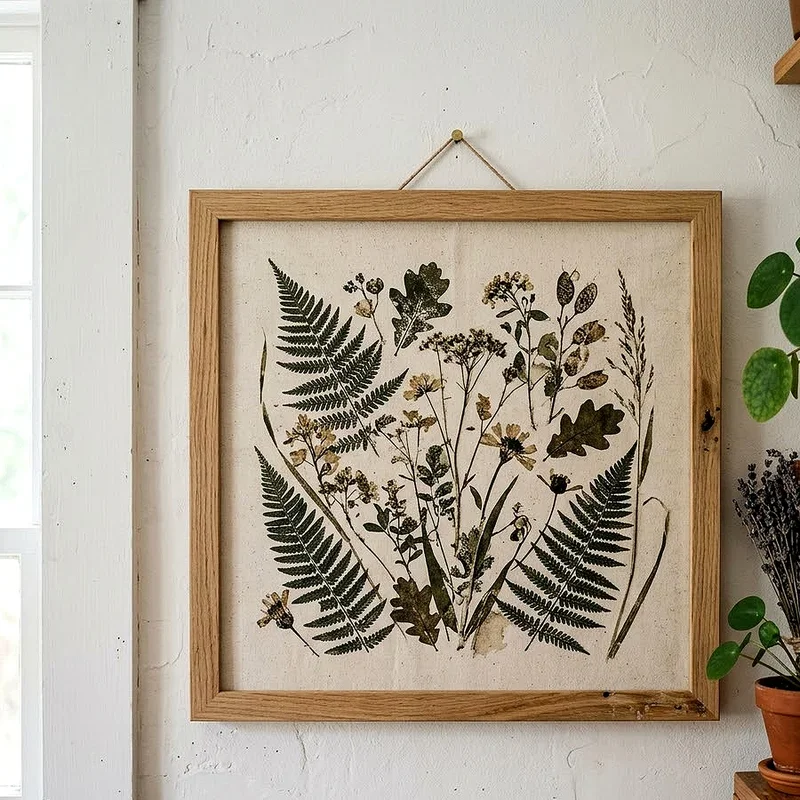
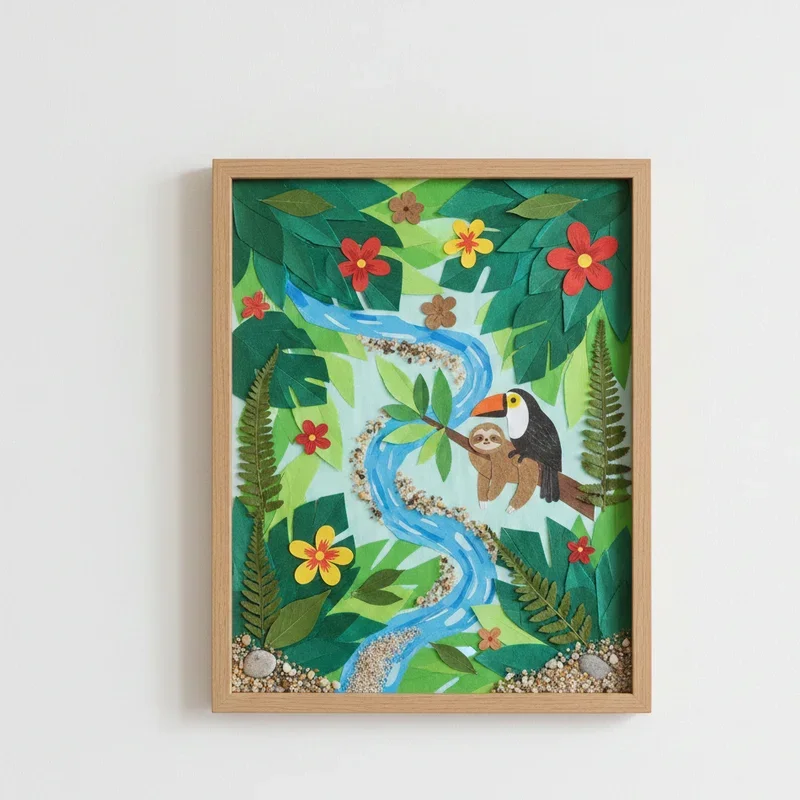
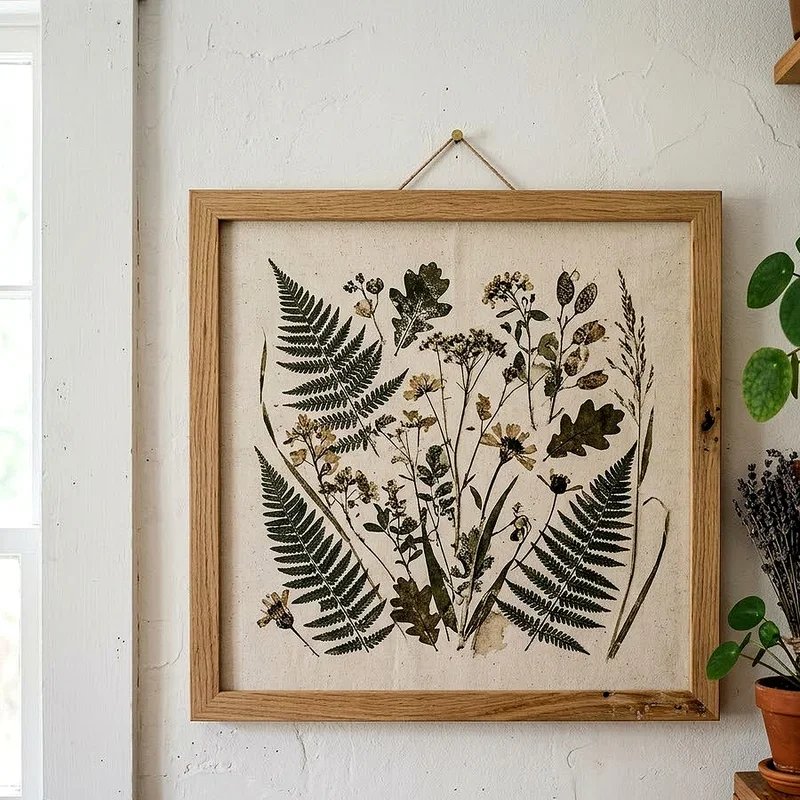
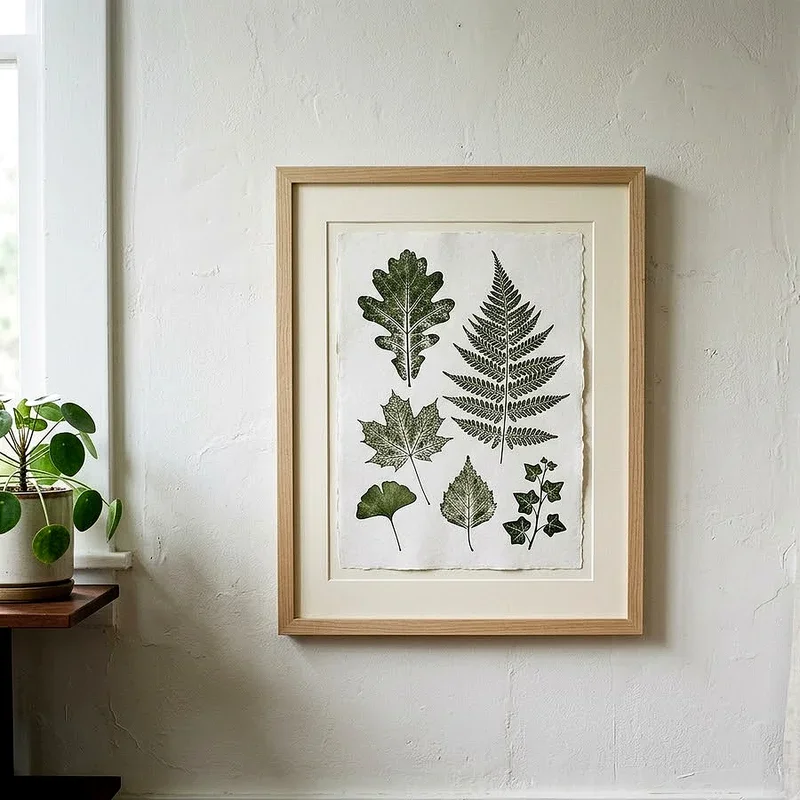
Nature hands you some of the best printing tools for free, and leaves sit right at the top of that list. To create botanical leaf prints, simply collect a variety of fresh leaves from your garden or a nearby park. Apply a thin layer of acrylic paint directly onto one side of the leaf, press it firmly onto watercolor paper, and peel it away to reveal a beautifully detailed impression. You can experiment with ferns for intricate vein patterns or use broad maple leaves for dramatic silhouettes. Try layering different colors on the same leaf for a gradient effect that adds depth. This project works perfectly for seasonal wall art, greeting cards, or even wrapping paper. The organic shapes bring a calming, earthy vibe to any space.
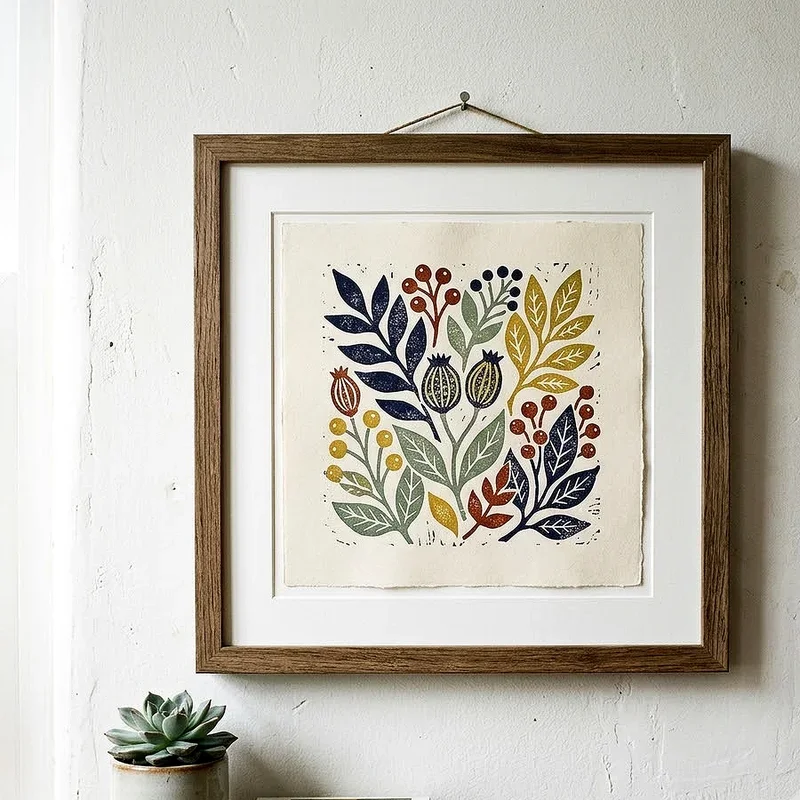
2. Linocut Block Printing for Minimalist Wall Art
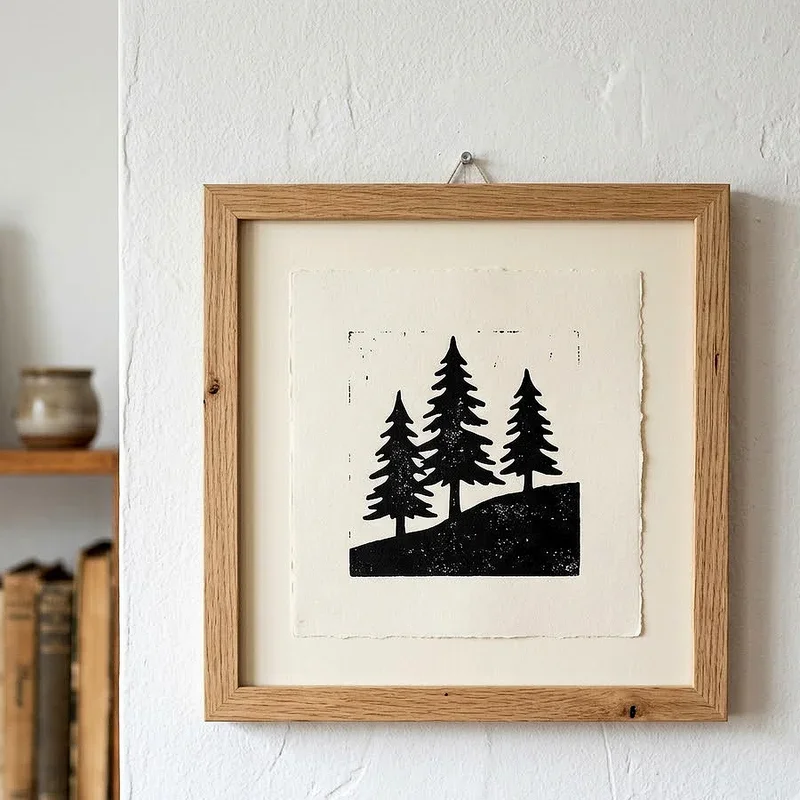
Linocut printing feels like carving your personality into a block and stamping it onto paper. You start by sketching a simple design onto a linoleum block, then use carving tools to remove the areas you want to remain blank. Roll ink over the raised surface, press your paper down, and lift it to discover a crisp, clean image staring back at you. The beauty of linocut lies in its bold lines and high contrast, making it ideal for minimalist interiors. You can carve geometric shapes, animal outlines, or abstract patterns depending on your mood. Each print carries slight variations, which gives your work an authentic handmade charm. Frame a series of three or four prints in matching frames to create a cohesive gallery wall.
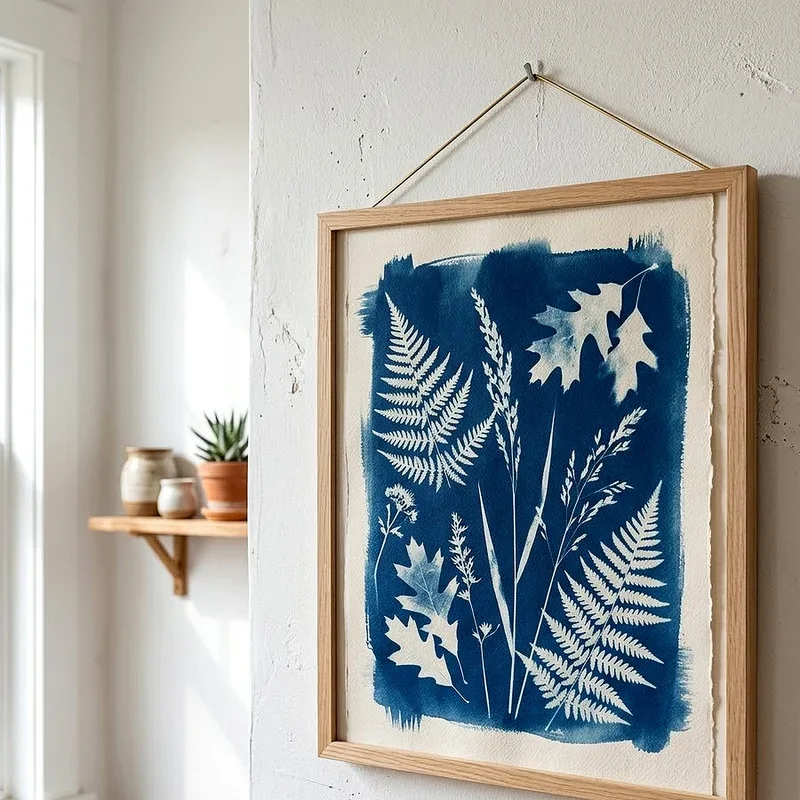
3. Sun Print Cyanotype Art on Watercolor Paper
Imagine using sunlight as your printing press. Cyanotype is a photographic printing process that produces stunning blueprints using UV light and a simple chemical solution. You coat watercolor paper with a light-sensitive mixture, arrange objects like flowers, feathers, or lace on top, and expose everything to direct sunlight for several minutes. After rinsing the paper in water, you reveal white silhouettes against a rich Prussian blue background. The results look almost otherworldly, like blueprints pulled straight from a dream. This technique rewards patience and curiosity, because different exposure times create different intensities of blue. You can frame individual pieces or create a tiled arrangement that covers an entire wall. Cyanotype art adds a sophisticated, vintage quality to bedrooms, bathrooms, or reading corners.
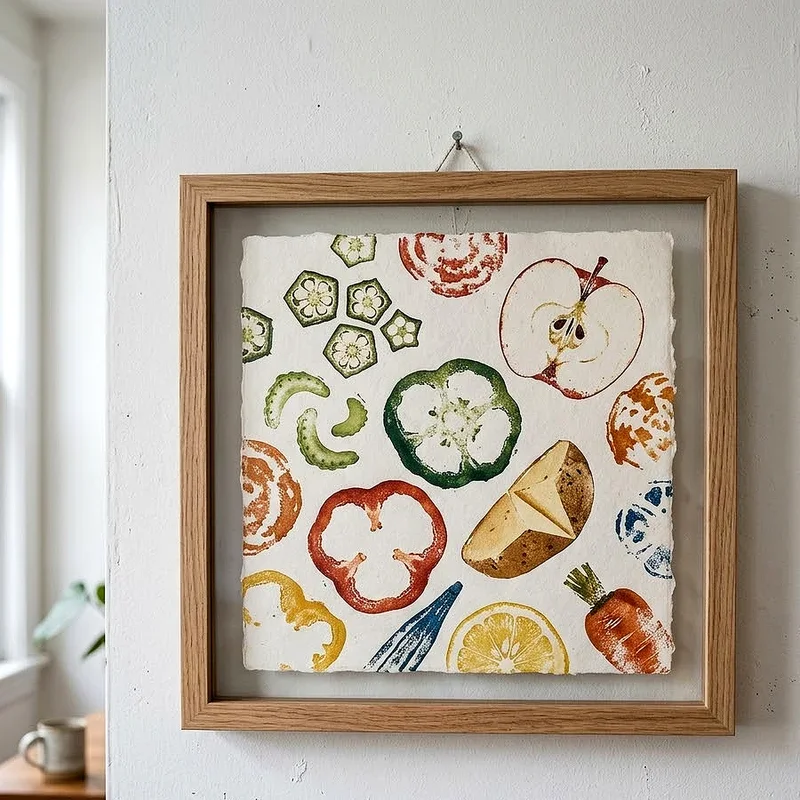
4. Vegetable Stamp Prints with Everyday Produce
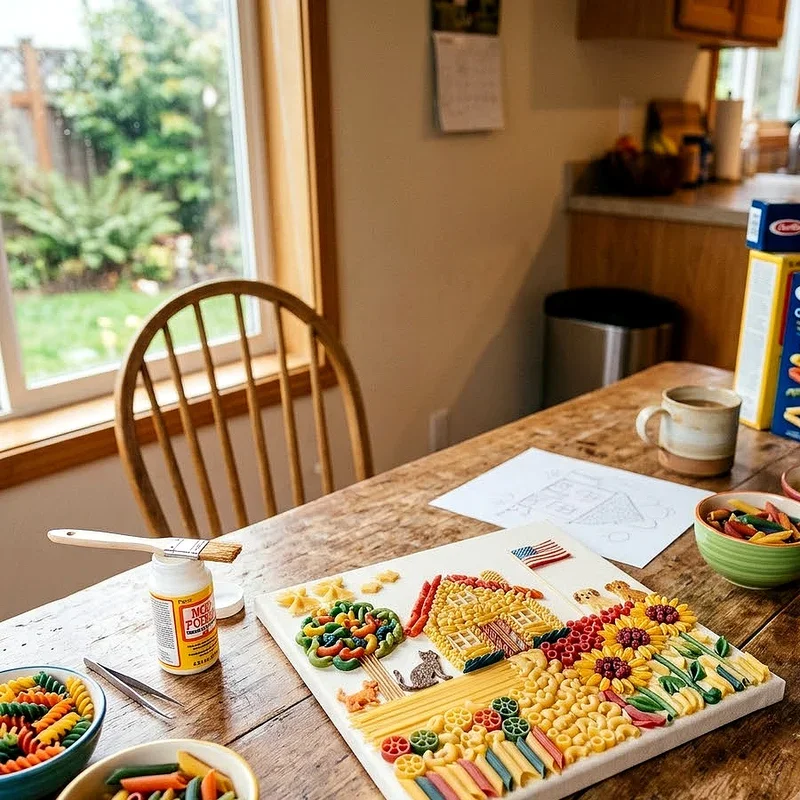
Your kitchen holds more art supplies than you probably realize. Cut a bell pepper in half and you get a flower-shaped stamp. Slice celery at its base and it resembles a delicate rose. Dip these cross-sections into acrylic paint and press them onto cardstock or canvas to build colorful, organic patterns. This technique is wonderfully forgiving because the imperfections add character to every piece. Kids especially love this project, making it a fantastic family activity on a rainy afternoon. You can arrange vegetable stamps in repeating patterns for a polished look or scatter them randomly for playful, abstract compositions. Try using okra, corn cobs, or even mushroom caps for unique textures. The casual, whimsical results work beautifully in kitchen decor or a cheerful dining area.
5. Foam Plate Printing for Beginners
If you have never tried printmaking before, foam plate printing is the perfect gateway. Grab a clean foam plate, the kind you might find at a picnic, and use a ballpoint pen to draw your design by pressing firmly into the surface. The indented lines become the negative space in your print. Roll a thin layer of ink or acrylic paint over the plate, press paper onto it, and rub the back gently with a spoon. Peel the paper away to see your design transferred in reverse. This method costs almost nothing and produces surprisingly detailed results. You can create repeating patterns, simple portraits, or typographic art. The low barrier to entry makes foam plate printing ideal for anyone who wants to explore printmaking without investing in expensive equipment.
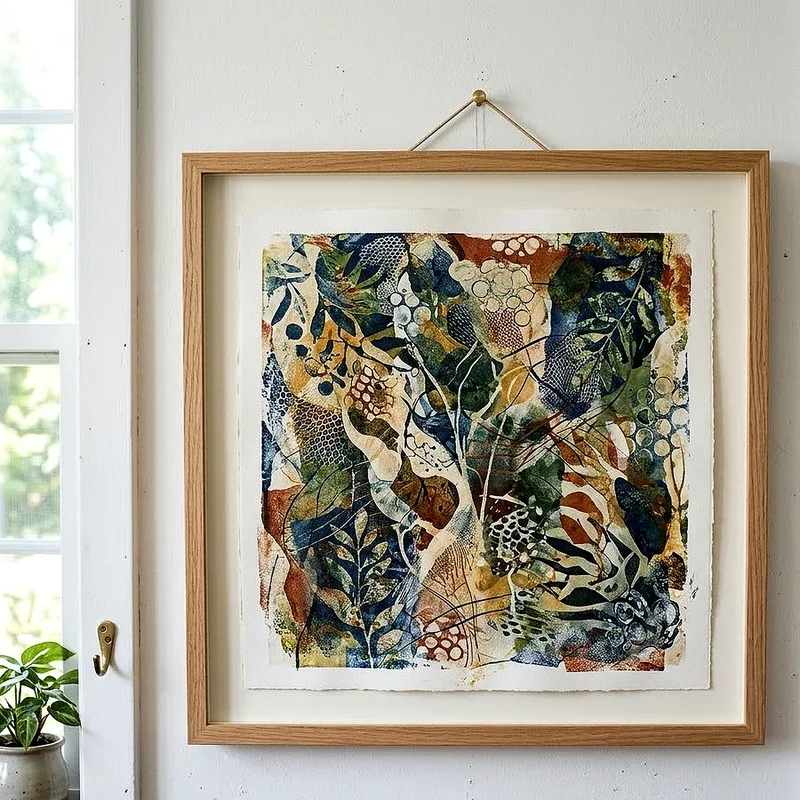
6. Gel Plate Monoprints with Layered Textures
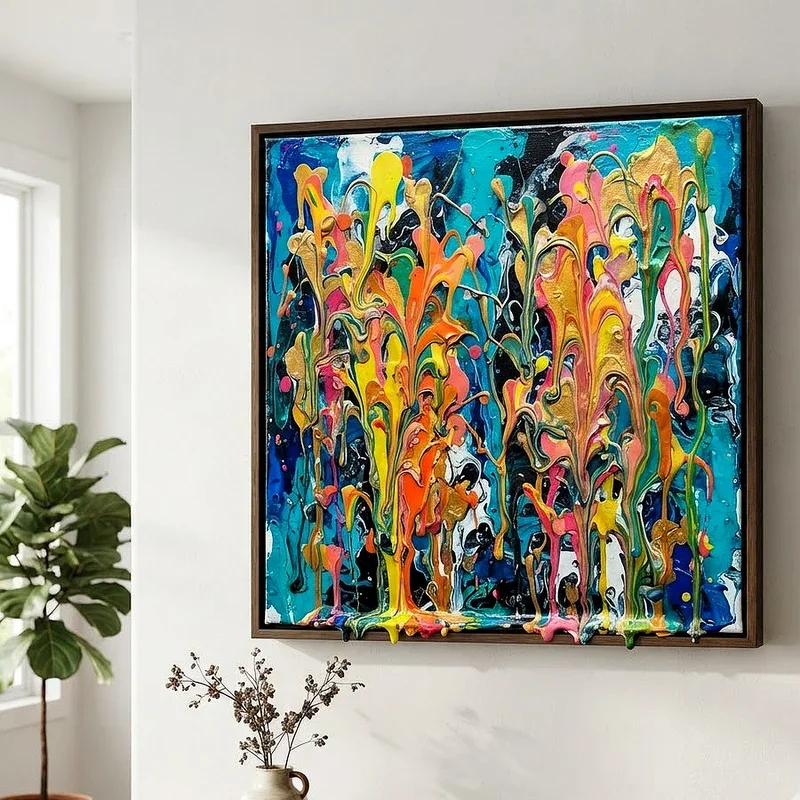
Gel plate printing opens a door to unpredictable, one-of-a-kind artwork that you can never exactly replicate. A gel printing plate is a soft, reusable surface that holds paint beautifully and transfers it to paper with incredible texture. You apply acrylic paint to the plate, lay stencils, leaves, or textured materials on top, and pull a print by pressing paper onto the surface. The magic happens in the layering. You can pull multiple prints from the same plate, each one slightly different from the last. Add a second or third color layer to build complexity and visual depth. The process feels like a conversation between you and the materials, where happy accidents become the highlight. Gel plate monoprints look stunning framed individually or grouped as a vibrant series.
7. Screen Printing Simple Graphic Designs
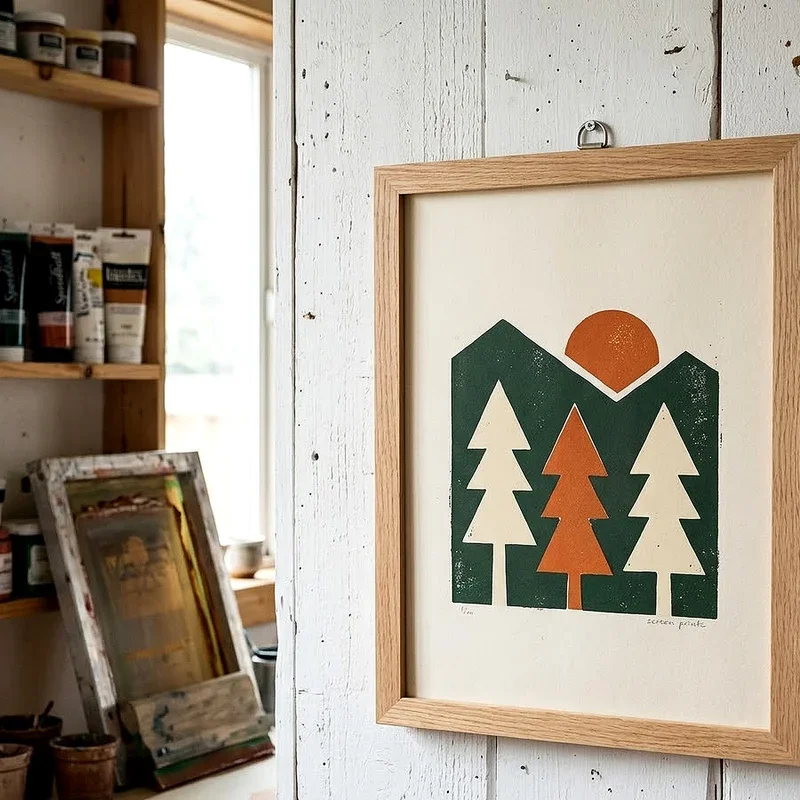
Screen printing might sound like it belongs in a professional studio, but you can absolutely set up a basic version at home. All you need is a screen frame, photo emulsion, a squeegee, and fabric or paper ink. Coat the screen with emulsion, expose your design using a bright light, and wash away the unexposed areas to reveal your stencil. Pull ink across the screen onto your chosen surface, and you get a sharp, vibrant print every time. This method excels at reproducing the same image repeatedly, so it works perfectly for creating matching prints or small batches of handmade posters. You can print motivational quotes, custom illustrations, or pop art designs. Home screen printing gives you a taste of professional quality without needing a commercial setup.
8. Transfer Printing with Gel Medium on Canvas
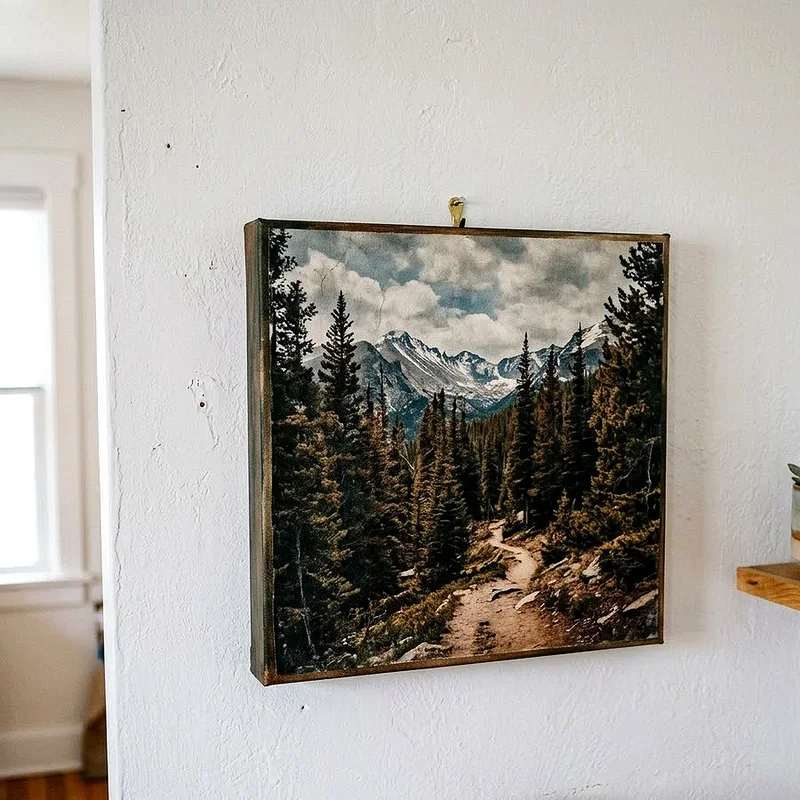
Transfer printing lets you move any printed image from paper onto canvas, giving photographs and digital artwork a painted, textured quality. Print your chosen image on regular paper using a laser printer, apply a generous coat of gel medium to a canvas, and place the printed image face down onto the wet surface. Smooth out any air bubbles and let it dry overnight. The next morning, dampen the paper and gently rub it away with your fingers. The ink stays bonded to the canvas, leaving behind a beautifully distressed, almost vintage-looking piece. This technique works wonderfully for family photos, travel snapshots, or digital illustrations you want to display with an artistic twist. The slightly imperfect finish gives each piece a warm, nostalgic character that glossy photo prints simply cannot match.
9. Bubble Wrap Texture Prints for Abstract Art
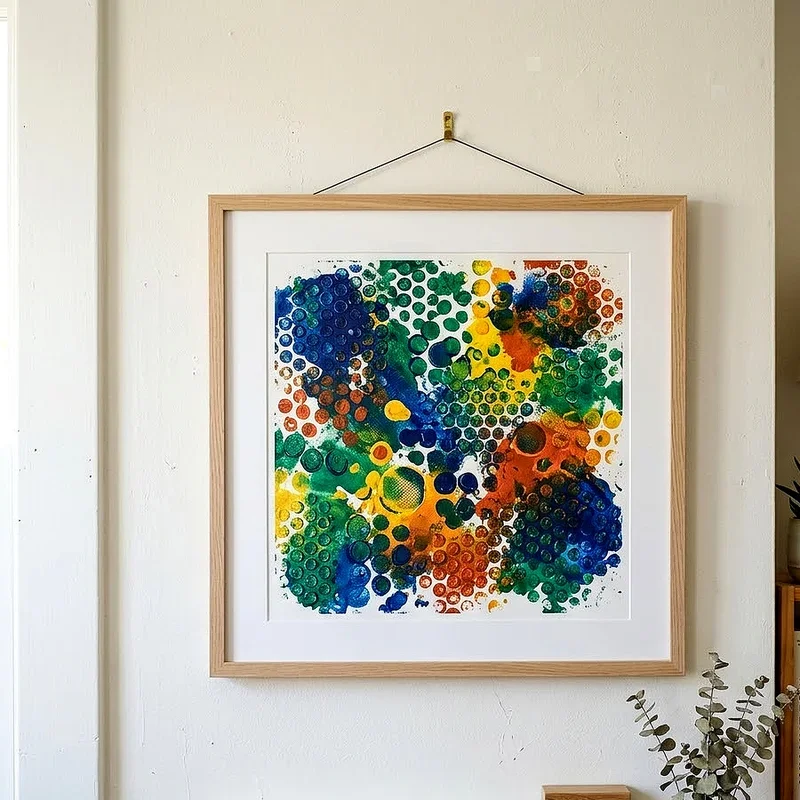
Bubble wrap is not just for popping when you are bored. It doubles as an incredible texture tool for creating abstract print art. Cut a sheet of bubble wrap to your preferred size, apply acrylic paint with a roller or brush, and press it firmly onto canvas or heavyweight paper. The circular pattern creates a honeycomb-like texture that looks surprisingly sophisticated when you choose a thoughtful color palette. Try overlapping multiple prints at different angles to build complex, layered compositions. You can also experiment with different sizes of bubble wrap for varied dot patterns. This project takes minutes to execute but delivers gallery-worthy results, especially when you pair complementary or contrasting colors. Hang a set of three or four bubble wrap prints in a row for an eye-catching modern display above a sofa or bed.
10. Stencil Spray Prints on Recycled Paper
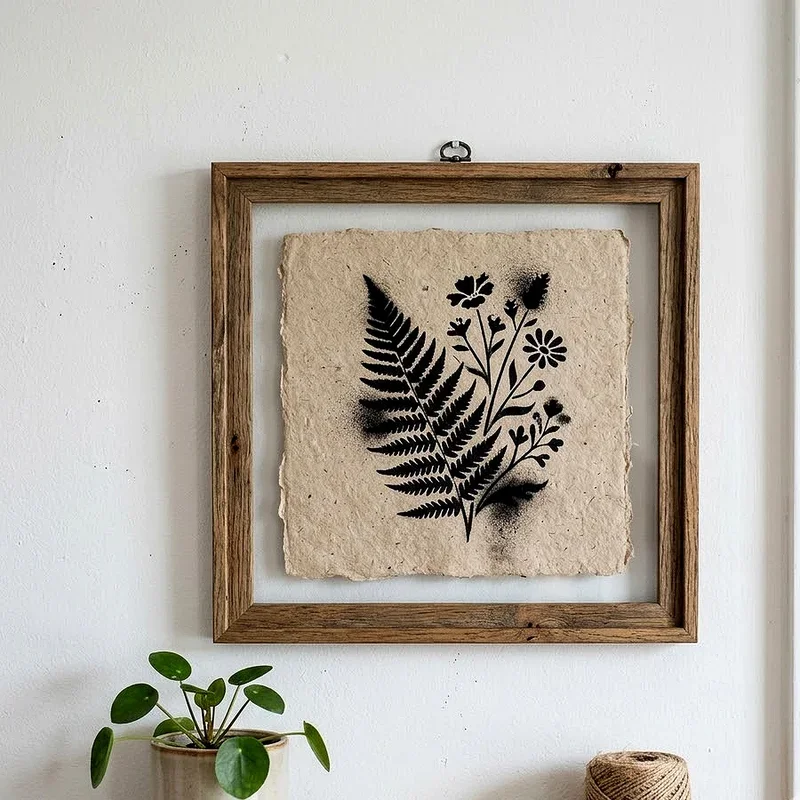
Stencil spray printing combines the precision of a cut design with the loose, organic quality of spray paint. Cut your design from cardstock or a plastic sheet, place it over recycled paper or kraft paper, and spray lightly with spray paint or ink from a distance. Remove the stencil to reveal a crisp shape surrounded by a soft halo of color. The recycled paper adds warmth and texture that smooth white paper cannot provide. You can create layered compositions by using multiple stencils in sequence, building up colors and shapes one pass at a time. Think tropical leaves, city skylines, or simple geometric forms. This method recycles materials you might otherwise throw away and transforms them into art, making the creative process feel both productive and environmentally conscious.
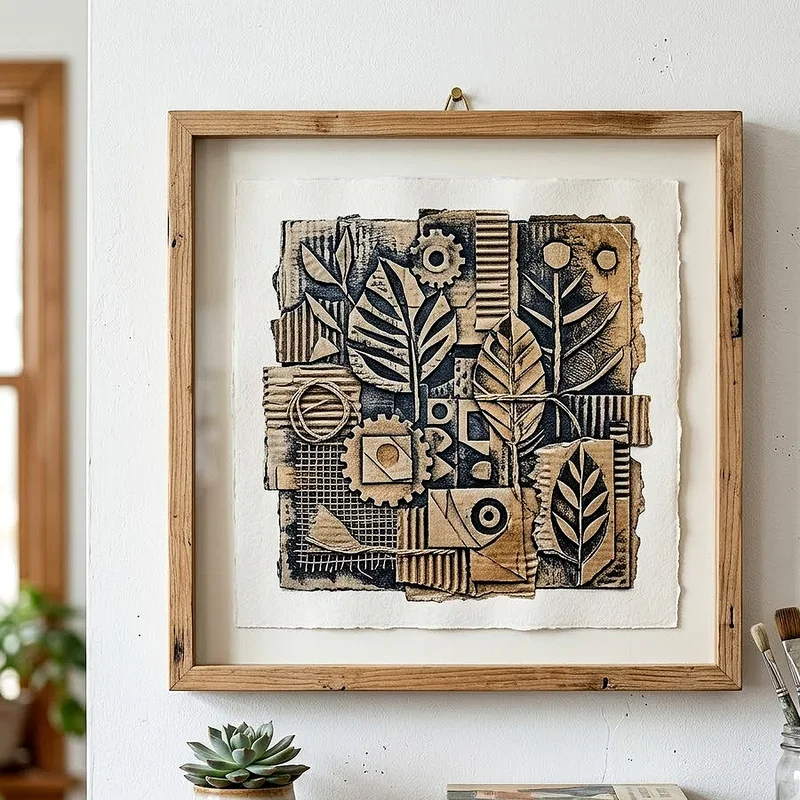
11. Collagraph Prints from Cardboard Cutouts
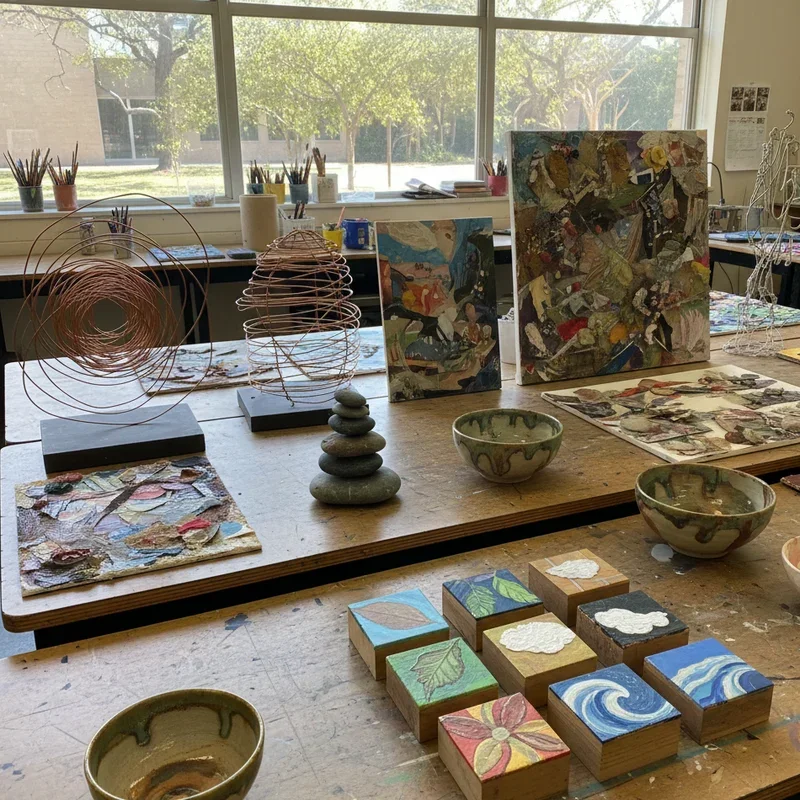
A collagraph plate is essentially a collage that you ink and print, and the beauty is that you build it from materials you already have at home. Glue textured items like corrugated cardboard strips, fabric scraps, string, or lace onto a sturdy cardboard base to create a raised surface. Once the glue dries, apply ink or paint over the entire plate and press paper onto it. The textures transfer in rich, unpredictable detail that makes each print feel like a small discovery. You control the composition by arranging your materials thoughtfully before gluing them down. The dimensional quality of collagraph prints sets them apart from flatter printing techniques, adding a tactile depth that draws viewers in for a closer look. This method encourages resourcefulness and rewards experimentation with unusual materials.
12. Fabric Block Printing for Framed Textile Art
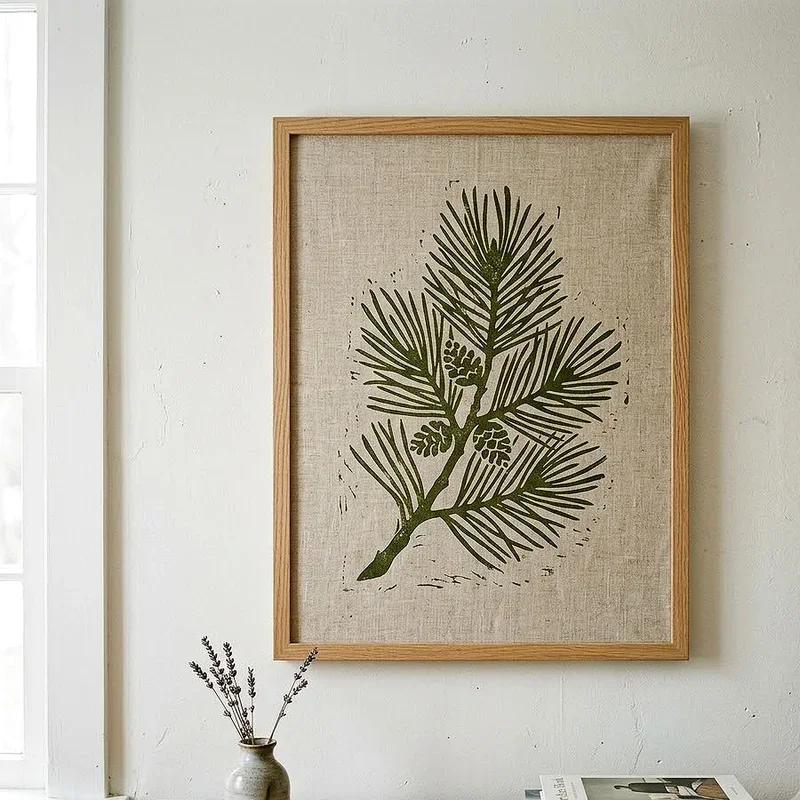
Printing on fabric opens up a world of possibilities that extend far beyond paper. Carve a simple design into a rubber block or wooden stamp, dip it in fabric ink, and press it onto a piece of cotton, linen, or muslin. The fabric absorbs the ink differently than paper, creating a softer, more organic impression that feels warm and inviting. Once the ink dries and you heat-set it with an iron, stretch the fabric over a canvas frame or place it in a wooden embroidery hoop for display. Repeating a single stamp across the fabric creates a custom pattern that looks like designer textile art. You can print florals, abstract marks, or tribal-inspired motifs. Framed textile prints bring a cozy, handcrafted atmosphere to living rooms, nurseries, or hallways.
13. Marbled Paper Prints Using Shaving Cream
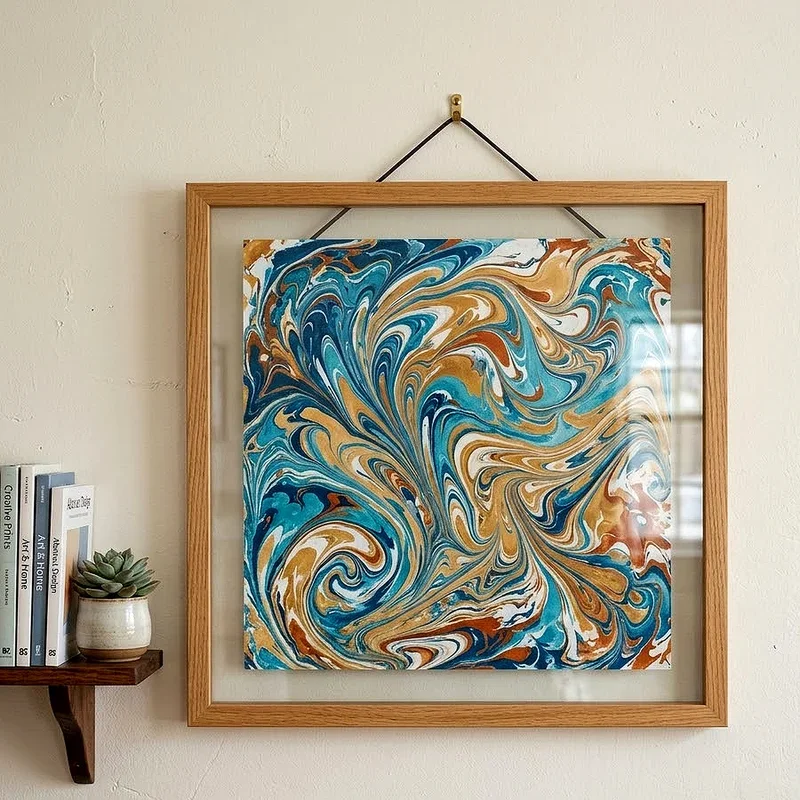
Marbled paper printing turns a can of shaving cream into a swirling, colorful art medium. Spread a thick layer of shaving cream onto a tray, drop several colors of acrylic paint or food coloring across the surface, and use a toothpick or skewer to drag through the colors in sweeping patterns. Lay a sheet of paper on top, press gently, lift it off, and scrape away the excess cream. What remains is a gorgeous marbled pattern with flowing, organic lines that look like polished stone or agate. No two sheets ever come out the same, which makes every piece feel like a collector's item. Frame a few sheets together for an eclectic gallery arrangement, or use them as decorative backgrounds for quotes and typography prints.
14. Resist Print Art with Wax Crayons and Watercolor
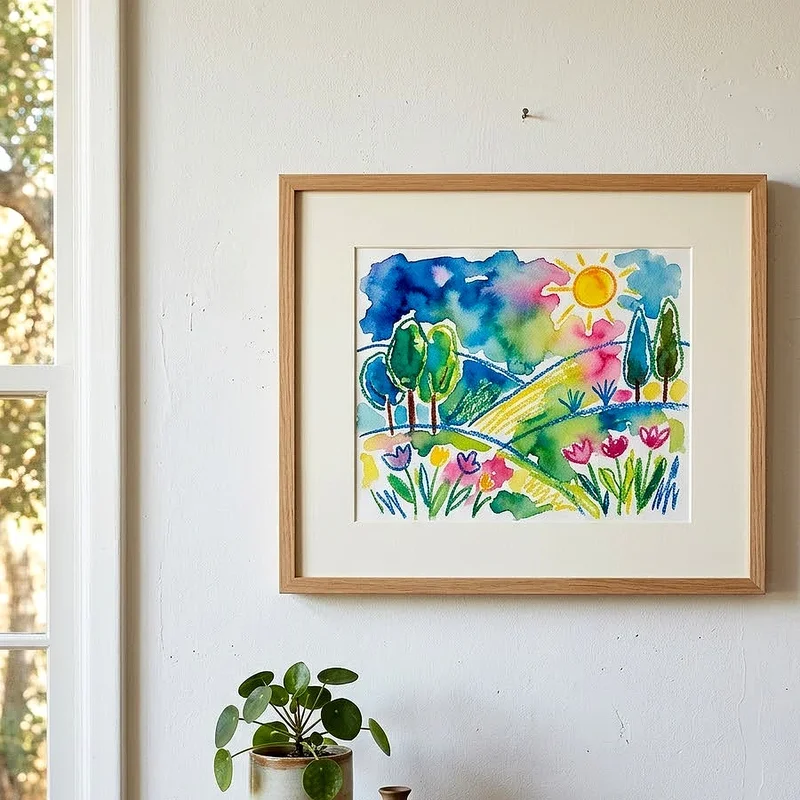
Resist printing taps into a simple but magical principle: wax repels water. Draw a design on watercolor paper using white or light-colored wax crayons, then brush watercolor paint over the entire surface. The crayon lines resist the paint and emerge as bright, defined shapes against the painted background. This technique works like a secret message revealing itself right before your eyes. You can create intricate patterns, write hidden words, or draw detailed illustrations that only appear once the watercolor goes on. The contrast between the waxy texture and the fluid paint creates visual interest that feels dynamic and layered. Resist art prints look especially striking with dark watercolor washes paired with white crayon designs, giving you dramatic results with minimal supplies.
15. Digital Photo Prints Styled as Vintage Posters
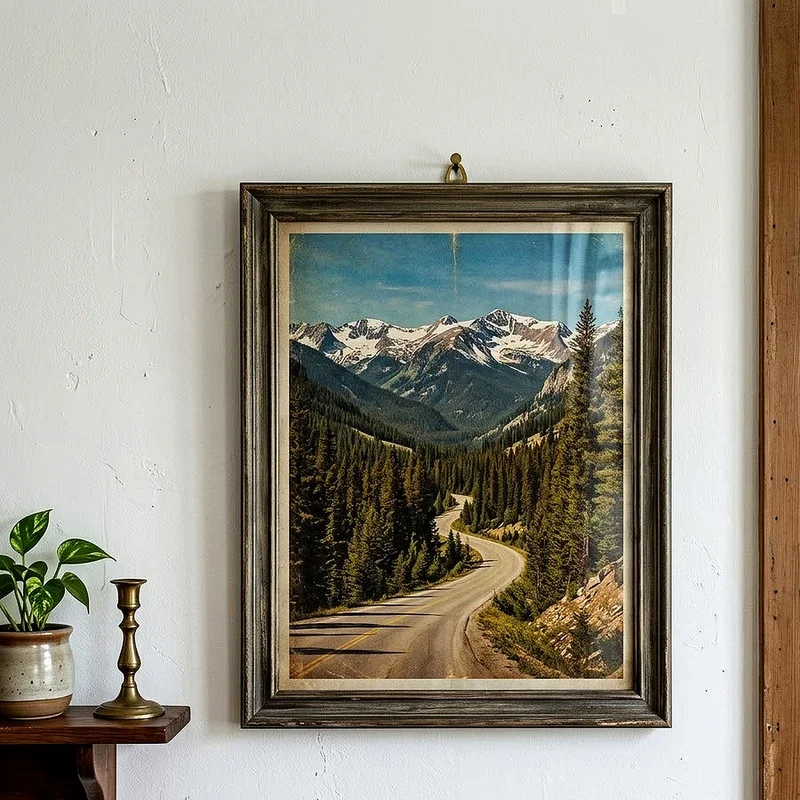
You do not need a darkroom or expensive software to create vintage-style poster prints from your own photographs. Use a free photo editing app to adjust the colors, add grain, and apply a muted, retro filter to any digital photo. Then add bold typography, a border, or a simple frame overlay to give the image a classic poster feel. Print the finished design on matte cardstock for that authentic vintage texture, and slip it into a simple frame. Travel photos, pet portraits, and cityscapes all translate beautifully into this format. This project bridges the gap between digital and physical art, letting you turn everyday snapshots into statement pieces. Creating a themed series of vintage poster prints gives any room instant personality and visual storytelling.
Conclusion
Print art invites you to slow down, get your hands a little messy, and create something that no store can sell. Each technique on this list transforms simple, affordable materials into wall-worthy pieces that carry your personal touch. You do not need professional training or a dedicated studio to start. A kitchen table, some paint, and a willingness to experiment are all it takes. The imperfections in handmade prints are not flaws. They are proof that a real person poured time and creativity into something meaningful. So pick a method that excites you, gather your supplies, and let your walls tell a story only you can tell.
Read next: 15 Pattern Painting Ideas for Creative Art Projects
Frequently Asked Questions
Q1. What type of paint works best for DIY print art projects?
A: Acrylic paint works best because it dries quickly and adheres to most surfaces easily.
Q2. Can beginners try linocut printing without prior experience?
A: Yes, beginners can start with simple designs and basic carving tools available at craft stores.
Q3. How long does cyanotype print art take to complete?
A: Most cyanotype prints take about fifteen to thirty minutes of sun exposure plus drying time.
Q4. Do I need special paper for gel plate monoprinting at home?
A: Lightweight cardstock or mixed media paper captures gel plate textures and colors most effectively.
Q5. How can I preserve my finished print art from fading over time?
A: Spray a thin coat of UV-protective fixative and display prints away from direct sunlight.
Stay up to date with our latest ideas!