15 Scary Drawing Ideas for Creepy and Spine Chilling Art
Discover 15 scary drawing ideas to create creepy, spine chilling art. Perfect for horror fans wanting to unleash their dark creativity.
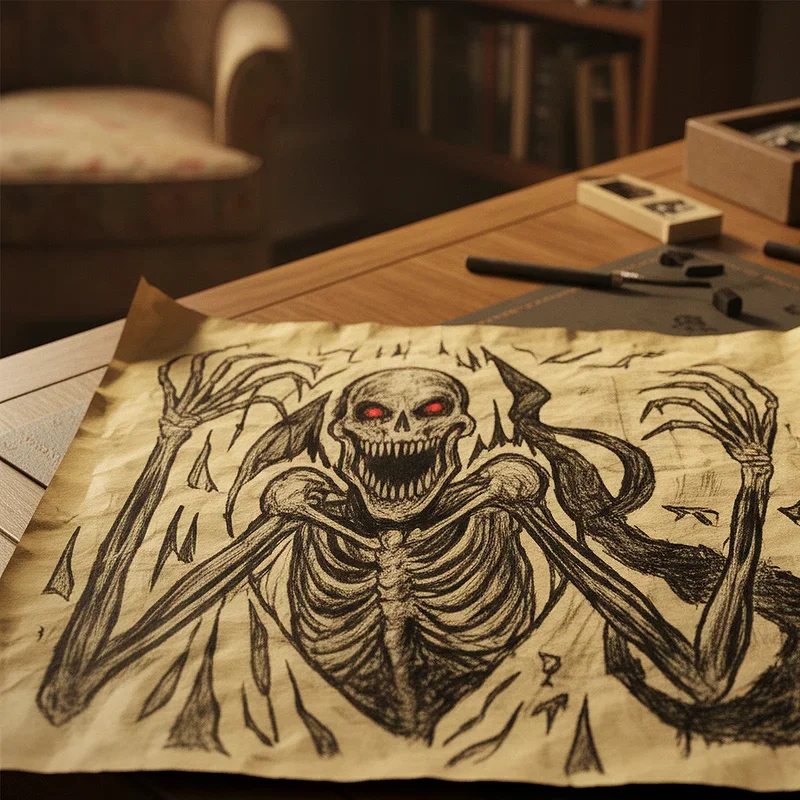
Have you ever felt that delicious shiver down your spine when looking at truly unsettling artwork? There is something magnetic about scary drawings that pulls us in, even when every instinct tells us to look away. Horror art taps into our primal fears and transforms them into something hauntingly beautiful. Whether you are a seasoned artist looking to explore darker themes or a beginner wanting to challenge yourself, creating creepy artwork offers an incredible creative outlet. The world of scary drawings is vast and wonderfully terrifying, filled with shadowy figures, distorted faces, and nightmarish landscapes waiting to emerge from your imagination. In this guide, you will discover fifteen spine chilling drawing ideas that will help you master the art of horror. Each concept pushes boundaries and invites you to explore the darker corners of your creativity, transforming blank paper into windows of pure terror.
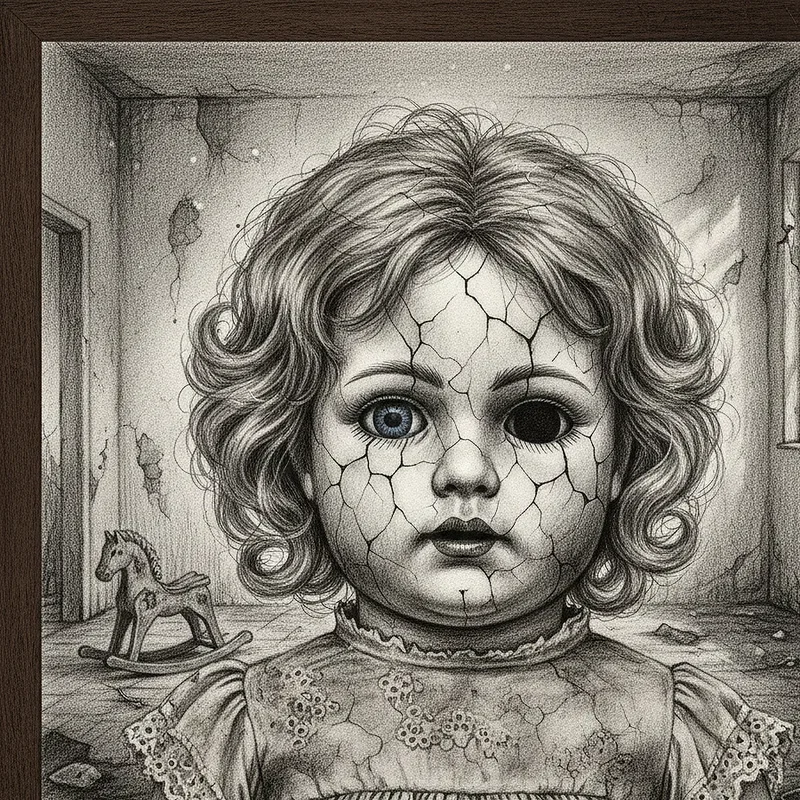
1. The Abandoned Doll with Cracked Porcelain Face
Nothing quite captures horror like an abandoned doll staring back at you with empty, soulless eyes. Start by sketching a classic porcelain doll, but add deep cracks running across her pale face like shattered glass frozen in time. Let those cracks reveal something darker underneath, perhaps blackness or even a second face lurking beneath the surface. Position the doll in dim lighting where shadows pool in her eye sockets, creating an unsettling depth that seems to follow viewers. Add matted hair falling in uneven clumps and a faded dress covered in mysterious stains. The key here is capturing that uncanny valley effect where something almost human becomes deeply disturbing precisely because it nearly looks real but something feels terribly wrong.
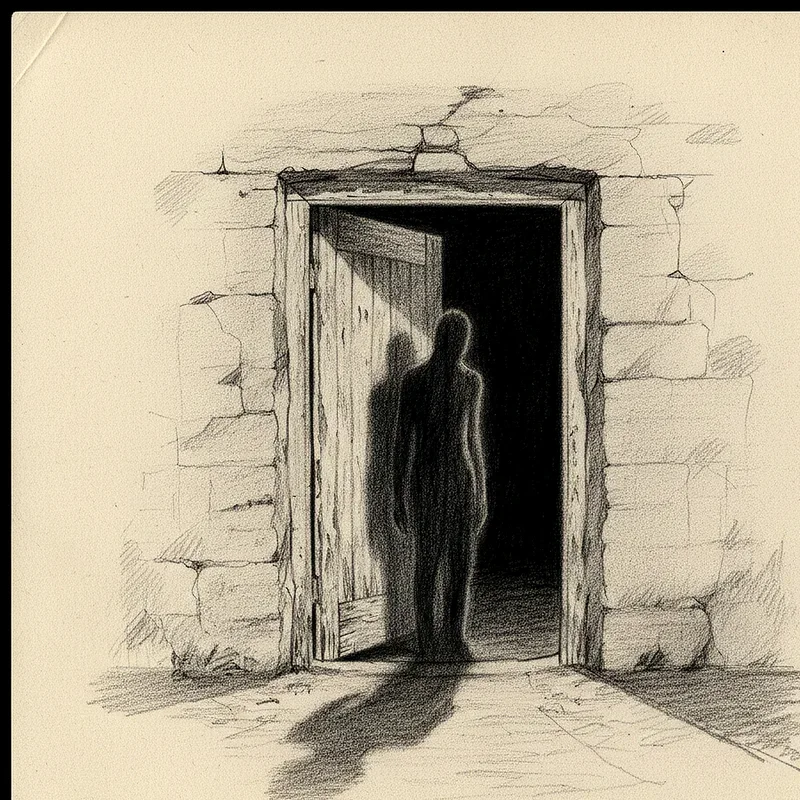
2. A Shadowy Figure Standing in a Doorway
The fear of the unknown makes shadowy figures absolutely perfect for horror drawings. Imagine a dark silhouette standing perfectly still in a doorway, backlit just enough to reveal a human shape but nothing more. You cannot see features, expressions, or intentions, and that ambiguity is what makes your skin crawl. Draw the figure slightly too tall or with proportions that feel subtly wrong to amplify the unease. Add a faint glow around the edges to suggest supernatural origins, or leave it completely black like a void in human form. The surrounding room should feel ordinary, perhaps a hallway or bedroom, because horror hits hardest when it invades familiar spaces. Let viewers wonder whether this figure brings harm or simply watches eternally.
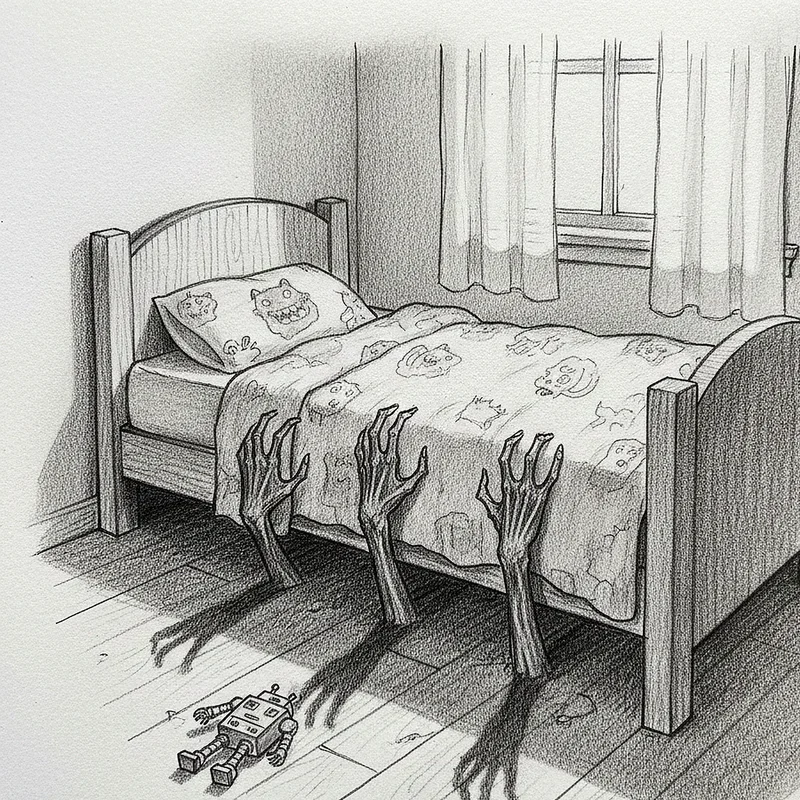
3. Hands Reaching Out from Under the Bed
Remember checking under your bed as a child, heart pounding with irrational fear? This drawing idea transforms that universal childhood terror into tangible art. Sketch multiple pale hands with elongated fingers clawing out from beneath a rumpled bedsheet, reaching desperately toward whoever sleeps above. Make some hands skeletal while others appear almost normal, suggesting different entities sharing that dark space. Add scratches on the wooden floor where fingers have dragged repeatedly over countless nights. The bed itself should look ordinary, maybe even cozy with soft pillows, creating stark contrast against the horror emerging below. Include a sleeping figure oblivious to the danger, amplifying that helpless vulnerability we all felt when darkness swallowed our bedrooms completely.
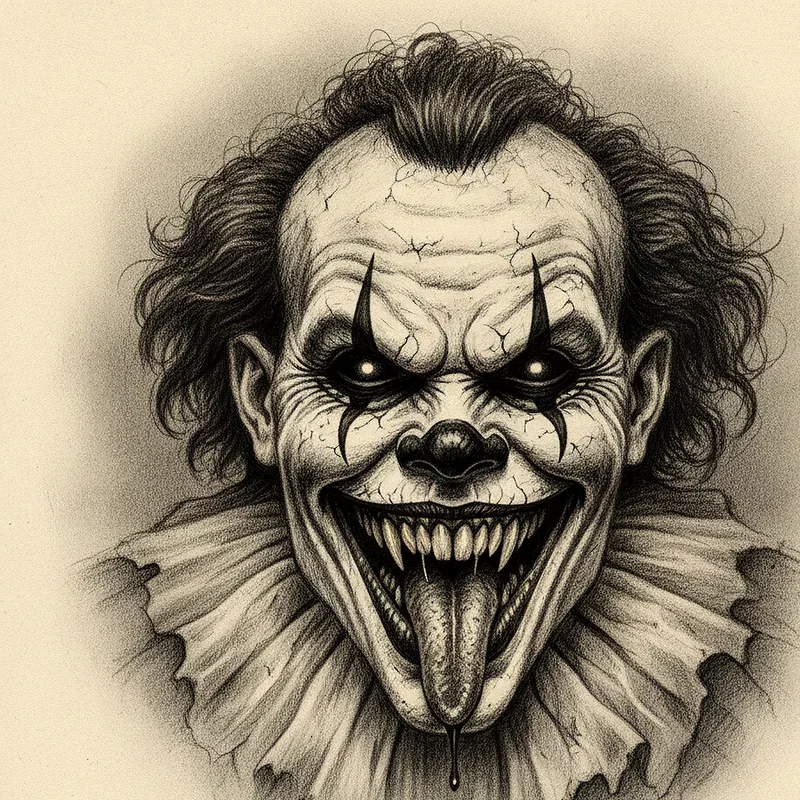
4. The Creepy Clown with a Sinister Smile
Clowns walk a razor thin line between entertainment and nightmare fuel, making them ideal subjects for scary artwork. Create a clown whose smile stretches impossibly wide, revealing too many teeth arranged in rows like a shark hiding behind face paint. Let the colorful makeup crack and peel, exposing gray, dead looking skin underneath the cheerful facade. Position the eyes looking directly at viewers but make them utterly dead inside, windows to something malevolent wearing a costume of joy. Add wilting flowers in one hand and something more sinister hidden behind the back. The costume should be faded and stained, suggesting this performer has been lurking for far too long in abandoned carnivals and children's nightmares waiting endlessly.
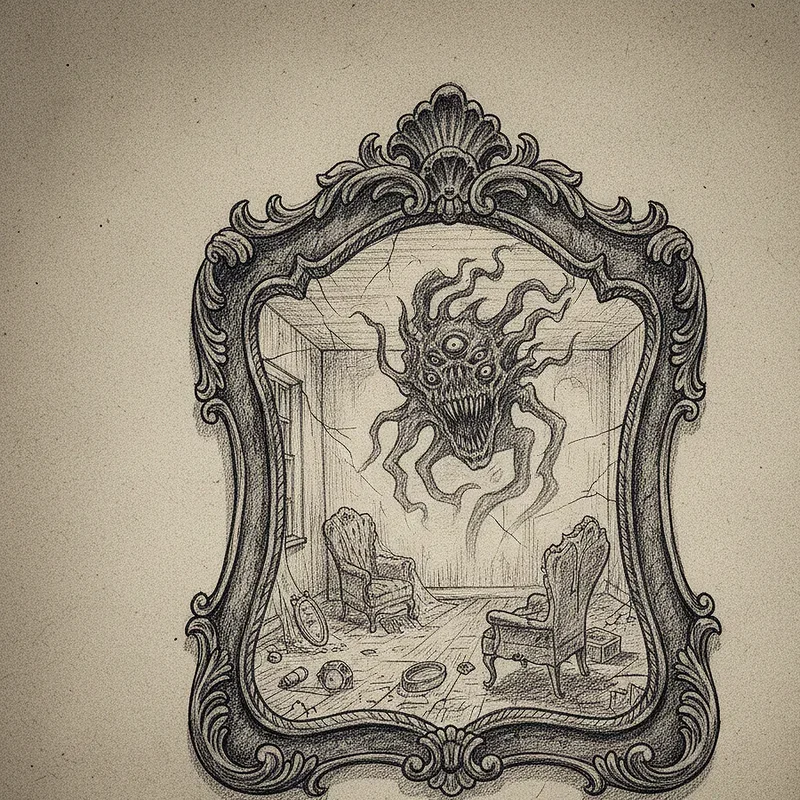
5. A Haunted Mirror Reflecting Something Different
Mirrors hold special terror because they show us ourselves, but what if they showed something else entirely? Draw a person standing before an ornate mirror, but their reflection displays something horrifying instead. Perhaps the reflection shows their skeleton, a monstrous version of themselves, or a completely different entity staring back hungrily. The frame should be elaborate and ancient, covered in mysterious symbols that seem to writhe when examined closely. Add cracks spreading from the center like the mirror itself is trying to contain whatever lurks inside. The person's expression can show dawning horror as they realize the reflection moves independently, reaching toward the glass barrier separating both worlds growing thinner.
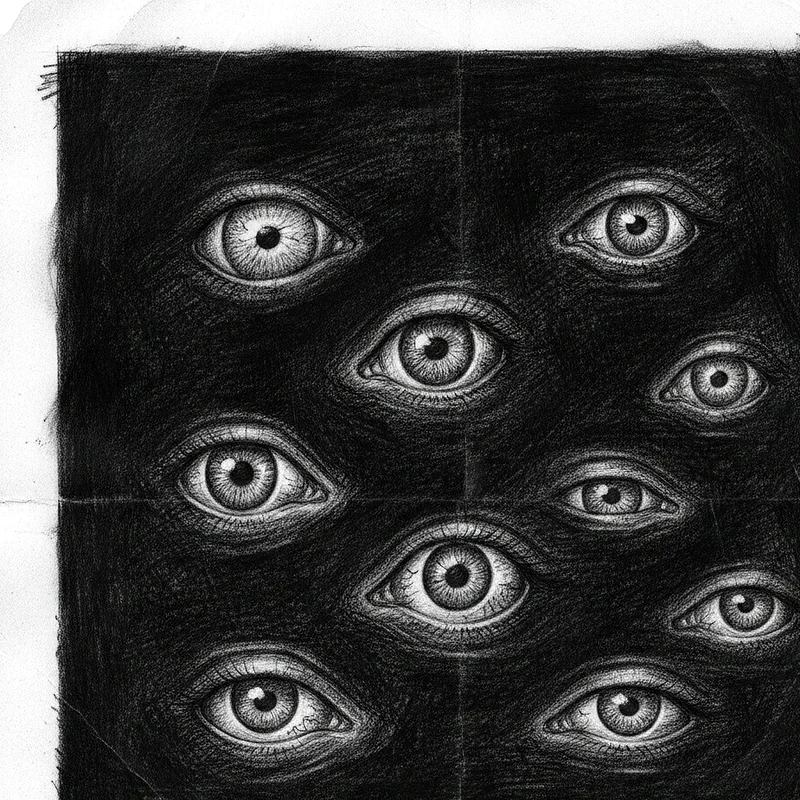
6. Eyes Watching from the Darkness
Sometimes the simplest concepts deliver the most powerful scares, and dozens of eyes gleaming from absolute darkness never fails. Fill your composition with impenetrable blackness broken only by pairs of eyes at various distances and heights, each watching with unknown intent. Make some eyes human, others animal, and several belonging to creatures that defy identification entirely. Vary the sizes from tiny pinpricks to massive orbs that suggest something enormous lurking just beyond sight. Add subtle variations in color, some reflecting light normally while others glow with unnatural luminescence from within. The effect should make viewers feel surrounded, observed, and helplessly outnumbered by unseen presences waiting in darkness that never quite reveals what it conceals so patiently.
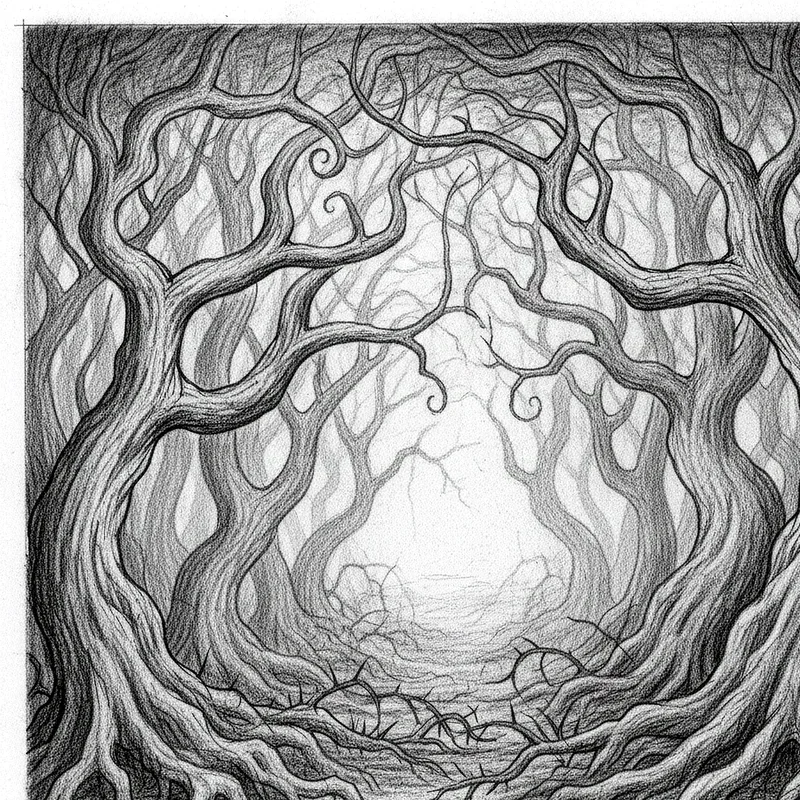
7. The Twisted Forest with Gnarled Trees
Forests have always been places where monsters hide and travelers disappear into legend and cautionary tales. Create a forest where every tree seems alive with malevolent intelligence, branches reaching like skeletal fingers toward an ink black sky. Let the trunks twist into shapes suggesting agonized faces frozen mid scream, as if people transformed into wood long ago. Add a narrow path winding deeper into the darkness, inviting viewers to follow while every instinct screams to turn back. Scatter bones among the roots and dead leaves, hints of previous wanderers who ventured too far. A pale moon should barely penetrate the canopy, casting just enough light to reveal how truly lost anyone entering would inevitably become.
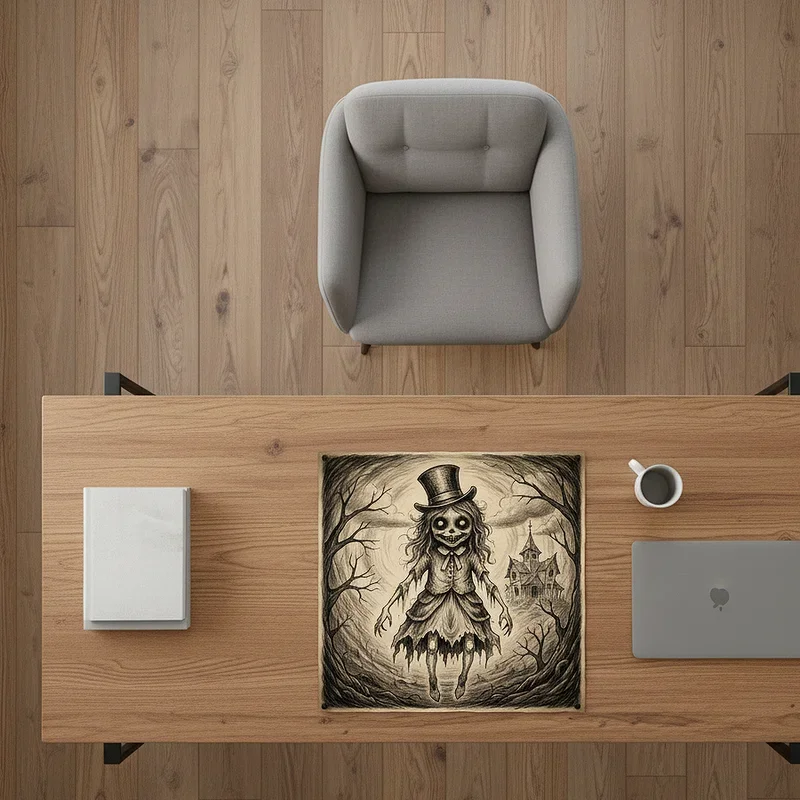
8. A Ghostly Child in Victorian Clothing
Victorian era ghosts carry particular weight because that period already feels distant and slightly unsettling to modern eyes. Draw a pale child in elaborate period clothing, complete with lace collars and buttoned boots, but render them translucent as if fading from existence. Their expression should be emotionless yet somehow accusatory, suggesting they died with unfinished business that keeps them eternally bound. Position them at the end of a long hallway or standing beside an empty nursery, remnants of a life cut tragically short. Add period appropriate toys scattered nearby, a rocking horse moving slightly, a ball rolling across the floor. Let their eyes follow viewers with that knowing look children sometimes have when they understand far more than adults believe.
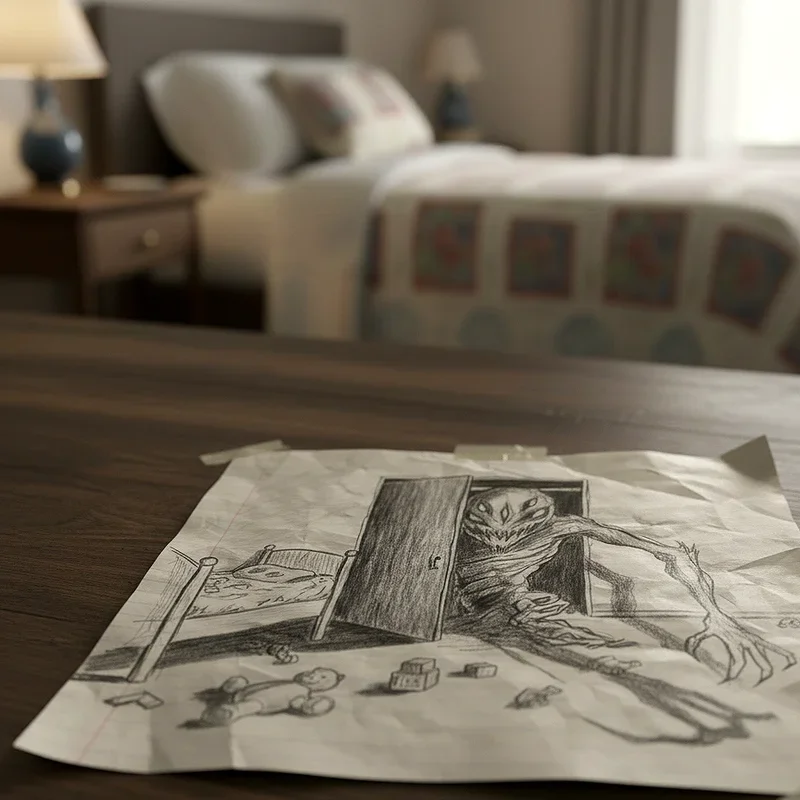
9. The Monster Hiding in the Closet
Every child knows monsters live in closets, and this drawing brings that fear vividly to life through careful composition. Show a closet door slightly ajar with something massive pressed against the opening, one eye visible through the crack watching hungrily. Let clawed fingers curl around the door's edge, too many joints bending in directions that make stomachs turn. Inside the darkness, suggest hulking mass and shapes that refuse to resolve into anything recognizable or sane. Add a child's bedroom around the scene, toys and drawings creating heartbreaking contrast against the nightmare preparing to emerge. The creature should seem to be waiting, patient as stone, because monsters understand that night always comes and parents eventually leave, closing bedroom doors behind them.
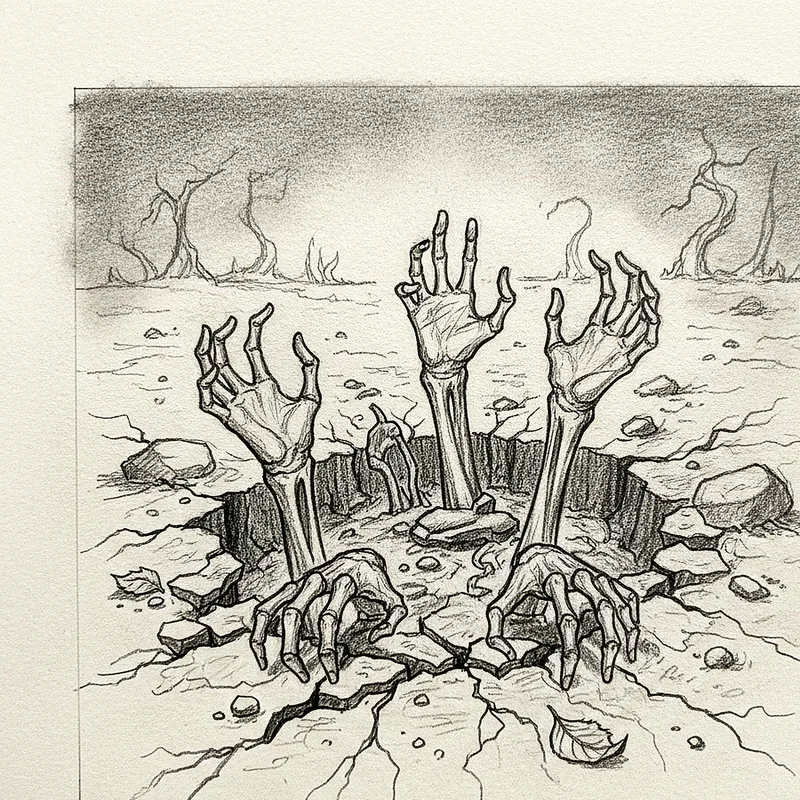
10. Skeletal Hands Breaking Through Soil
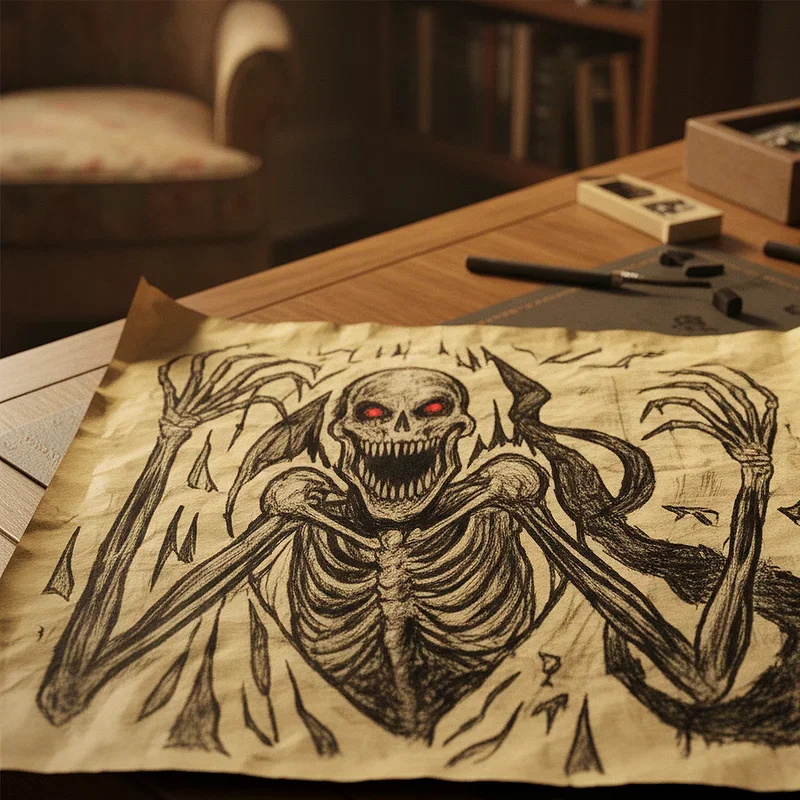
There is primal terror in things rising from graves, refusing to stay buried despite our desperate wishes for permanent endings. Draw skeletal hands punching through cracked earth, fingers clawing toward moonlight after centuries of silent imprisonment below. Make the soil around them disturbed and scattered, evidence of tremendous effort and unstoppable determination driving this resurrection. Add a decrepit gravestone nearby with dates too old to read clearly and names worn away by time's relentless erosion. The surrounding cemetery should feel abandoned, overgrown with dead weeds and broken fences that no longer keep anything contained inside. Position a raven watching from a crooked cross, the only witness to whatever emerges next from the cold ground below.
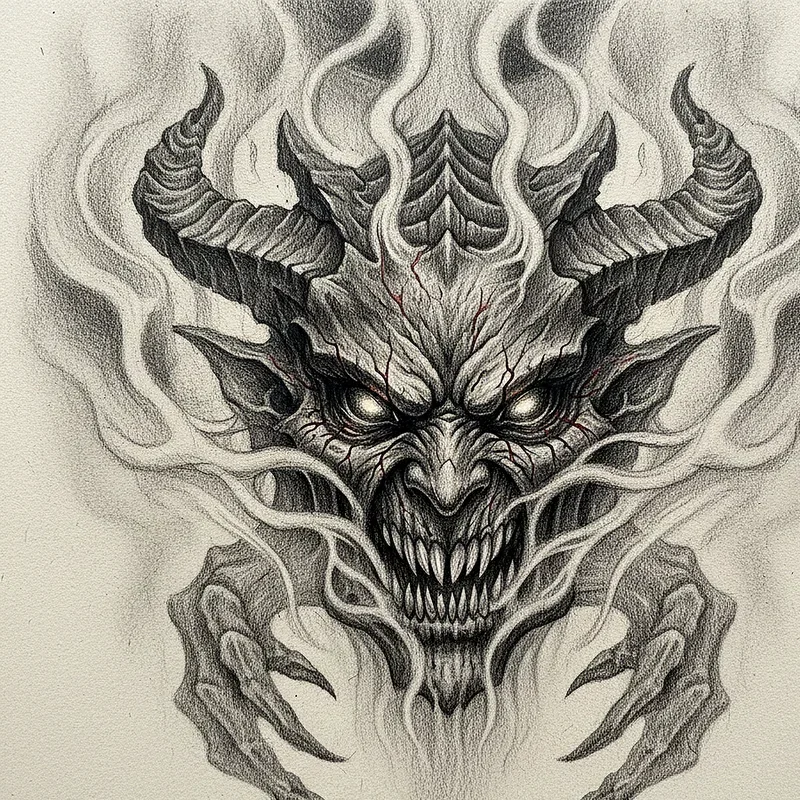
11. A Demonic Face Emerging from Smoke
Smoke and shadows make perfect mediums for demonic manifestations in horror artwork that lingers in memory. Create billowing smoke from candles or a fireplace, but within those gray swirls, a face takes terrible shape with horns and burning eyes. Let the features remain somewhat indistinct, forming and dissolving as viewers try to focus, never quite solid enough to dismiss as imagination. Add a summoning circle on the floor below, candles arranged in patterns suggesting rituals better left unperformed by the curious. The room around this manifestation should show signs of disturbance, objects fallen and scattered by supernatural presence forcing its way through. Make viewers question whether this entity is arriving or departing, and which possibility frightens them more.
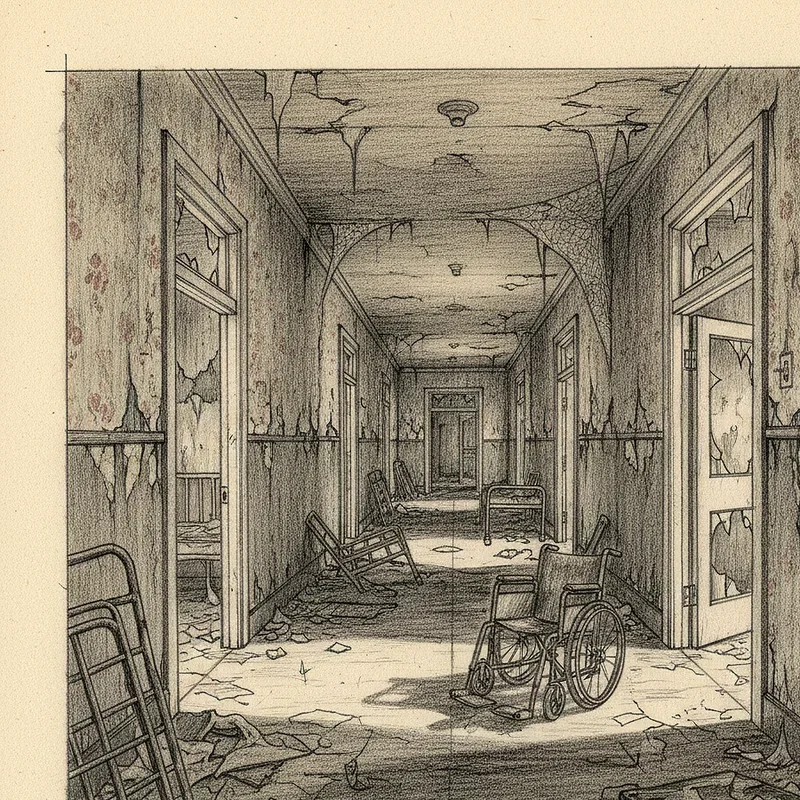
12. The Abandoned Asylum Hallway
Few locations carry more horror potential than abandoned asylums where suffering soaked into walls and never fully dried. Draw a long institutional hallway with peeling paint, broken lights flickering erratically, and wheelchair shadows casting shapes that seem wrong. Let doors hang open on rusted hinges, each room suggesting stories of patients and treatments better left forgotten in merciful silence. Add ghostly figures at the corridor's end, whether actual spirits or simply tricks of failing light remains deliberately unclear. Stained mattresses visible through doorways and scattered medical equipment tell tales without words needed. The floor should be covered in debris and years of dust disturbed only by footprints that lead inward but never quite seem to emerge again.
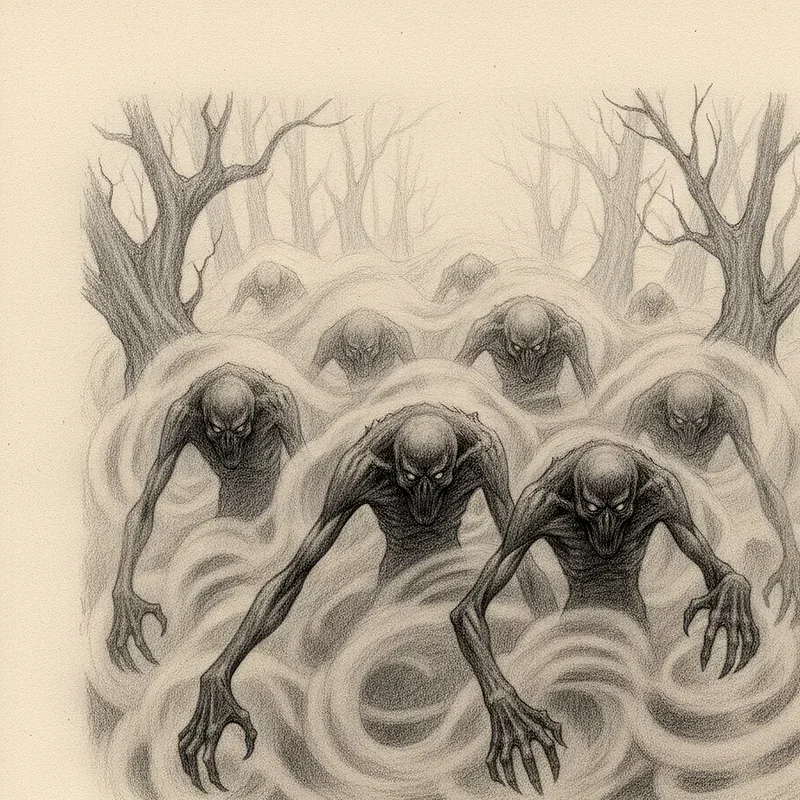
13. Creatures Lurking in Fog
Fog transforms familiar landscapes into alien terrain where anything might wait just beyond visibility's cruel limitations. Fill your drawing with thick fog rolling across a desolate landscape, but add silhouettes of creatures moving within that pale shroud. Make the shapes barely visible, suggestions of limbs and forms that defy comfortable classification or scientific naming. Some might be enormous, others small and skittering in groups that suggest predatory pack behavior. Add a single figure in the foreground, perhaps a lost traveler realizing too late that this fog brought more than reduced visibility tonight. The ground should be indistinct, preventing any sense of location or possible escape routes from whatever hunts methodically through the mist.
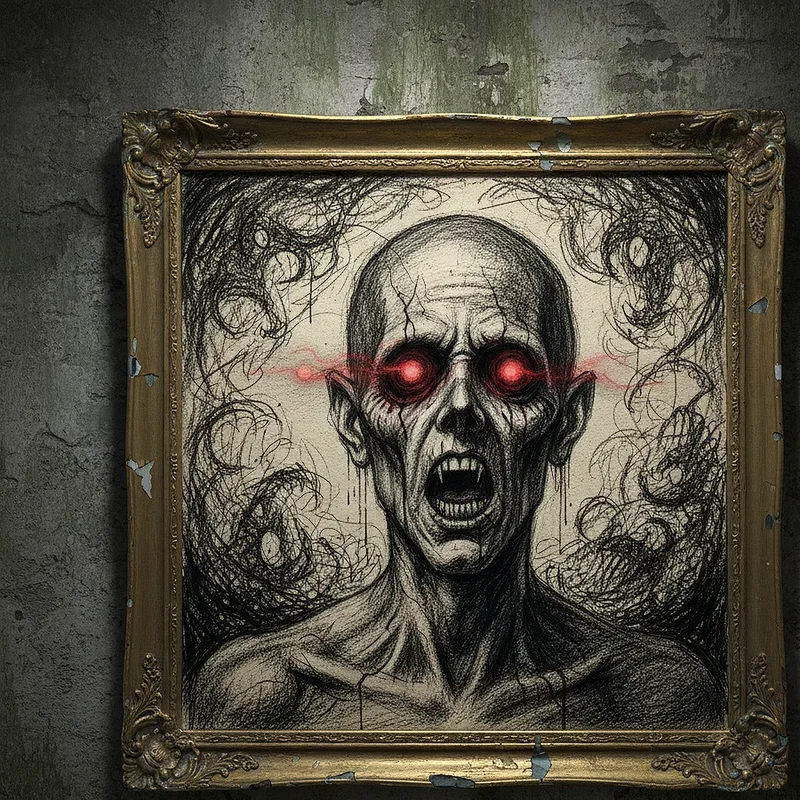
14. A Possessed Portrait with Moving Eyes
Old portraits already feel unsettling with their solemn subjects forever watching from gilded frames and dusty walls. Create a formal portrait from centuries past, but render the subject mid transformation into something demonic while painted pigments crack. Let the eyes follow viewers with malevolent intelligence, no longer belonging to whoever originally posed for this artwork long ago. Add subtle wrongness throughout, perhaps a hand with too many fingers or a smile revealing impossible teeth behind closed lips. The frame should be ornate but damaged, as if the evil within has been testing boundaries for generations. Surrounding wallpaper can peel back to reveal strange writing, warnings from previous owners who understood too late what they purchased and hung.
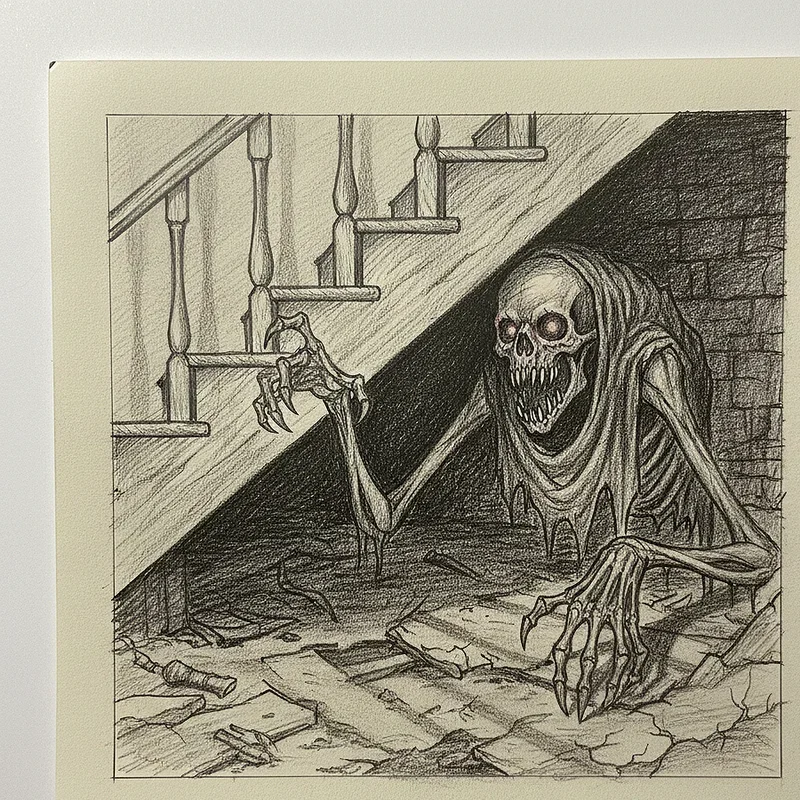
15. The Nightmare Creature Under the Stairs
That dark space beneath stairs holds particular childhood terror, a void where imagination conjures endless horrible possibilities. Draw stairs from above, but focus on the blackness pooled underneath where something massive waits with infinite patience. Let one arm reach out from that darkness, elongated and wrong, fingers spread across dusty floorboards marking territory claimed. Add toys scattered nearby, evidence of a child who plays too close to danger without understanding what watches hungrily from below. The creature itself should remain mostly hidden, just enough visible to confirm fears while imagination fills remaining horrors. Include scratch marks on the stair underside where something has been trapped and waiting, counting footsteps overhead and learning schedules.
Conclusion
Creating scary artwork opens doorways to exploring our deepest fears through creative expression. These fifteen drawing ideas offer starting points for your journey into horror art, but remember that the most terrifying images come from your own nightmares and anxieties given visual form. Let shadows become your allies and darkness your canvas as you develop skills in this uniquely powerful art form. Each piece you create adds to your understanding of what truly frightens the human mind. Whether you prefer subtle psychological horror or explicit nightmare imagery, embrace the darkness and let your creativity flow freely into realms where monsters dwell and shadows have teeth waiting.
Read next: 15 Halloween Drawing Ideas for Kids and Adults
Frequently Asked Questions
Q1. What supplies work best for creating scary drawings?
A: Charcoal, graphite pencils, and ink create dramatic shadows perfect for horror artwork.
Q2. How can beginners start drawing horror art effectively?
A: Start with simple silhouettes and shadows before attempting detailed monster designs.
Q3. What makes horror artwork feel genuinely scary to viewers?
A: Suggestion, darkness, and familiar things made wrong create the deepest unease.
Q4. Should horror drawings always include monsters and creatures?
A: No, psychological horror using ordinary settings often proves more disturbing effectively.
Q5. How do artists avoid making scary drawings look silly instead?
A: Study anatomy, practice expressions, and focus on subtlety over exaggerated features.
Stay up to date with our latest ideas!