15 Funny Drawing Ideas for Creative and Humorous Sketches
Discover 15 hilarious drawing ideas that spark creativity and laughter. Perfect for artists seeking fun, humorous sketches to brighten any day.
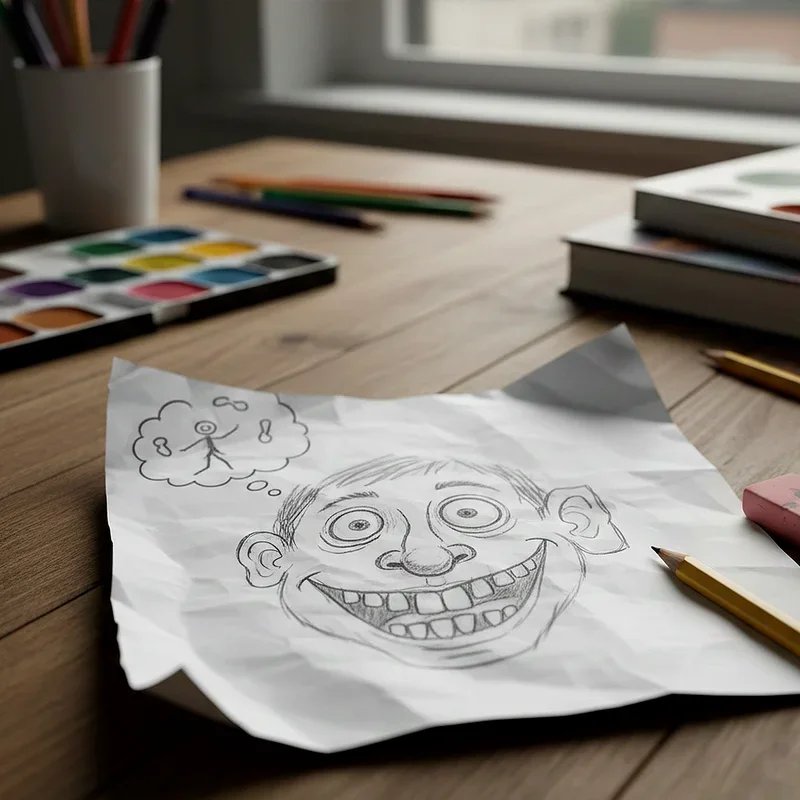
Have you ever found yourself doodling in the margins of your notebook, only to realize you've created something unexpectedly hilarious? Drawing doesn't always have to be serious or technically perfect. Sometimes, the best sketches are the ones that make us laugh out loud and remind us not to take art too seriously. Funny drawings have this magical ability to lighten the mood, spark conversations, and showcase your personality in ways that traditional art might not. Whether you're an experienced artist looking to loosen up or a beginner wanting to explore your creative side without pressure, humorous sketches offer the perfect playground for imagination. These quirky creations can range from absurd animal combinations to exaggerated everyday situations that capture life's ridiculous moments.
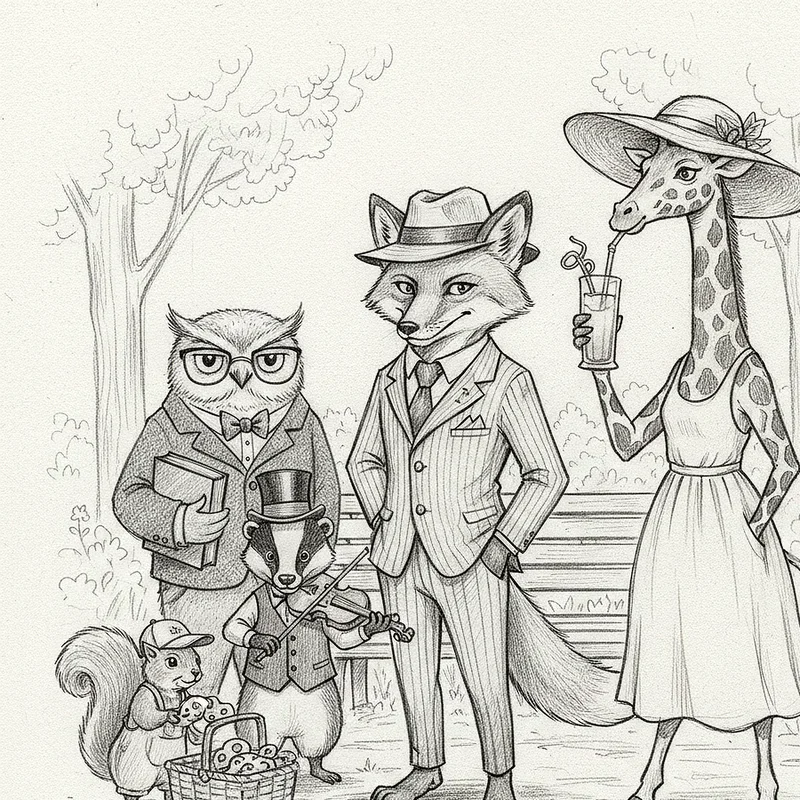
1. Animals Wearing Human Clothes
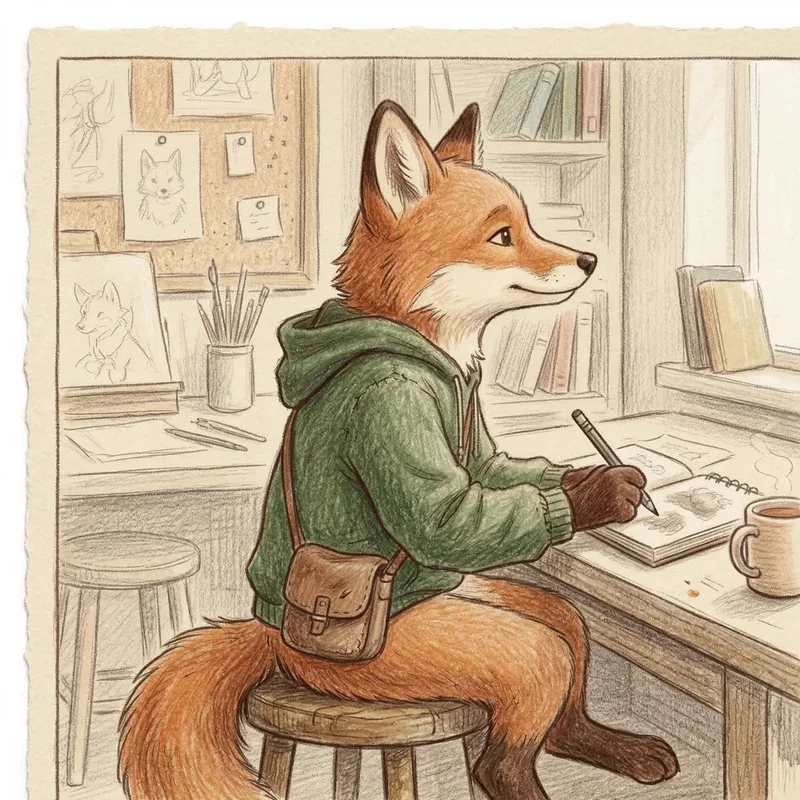
Imagine a sophisticated penguin in a tuxedo attending a formal dinner or a bear squeezed into skinny jeans and a hipster flannel shirt. Animals dressed in human attire never fail to generate smiles because they highlight the absurdity of our fashion choices while giving creatures unexpected personalities. You can experiment with different combinations like a giraffe struggling with a turtleneck or a cat wearing oversized sunglasses looking unimpressed. The humor comes from the contrast between the animal's natural state and the ridiculousness of formal wear or trendy outfits. Try drawing a dog in business attire heading to an important meeting with a briefcase, or perhaps a sloth in athletic gear pretending to exercise. These sketches work beautifully because they're relatable yet completely absurd, allowing you to play with proportions and expressions that emphasize the comedy.
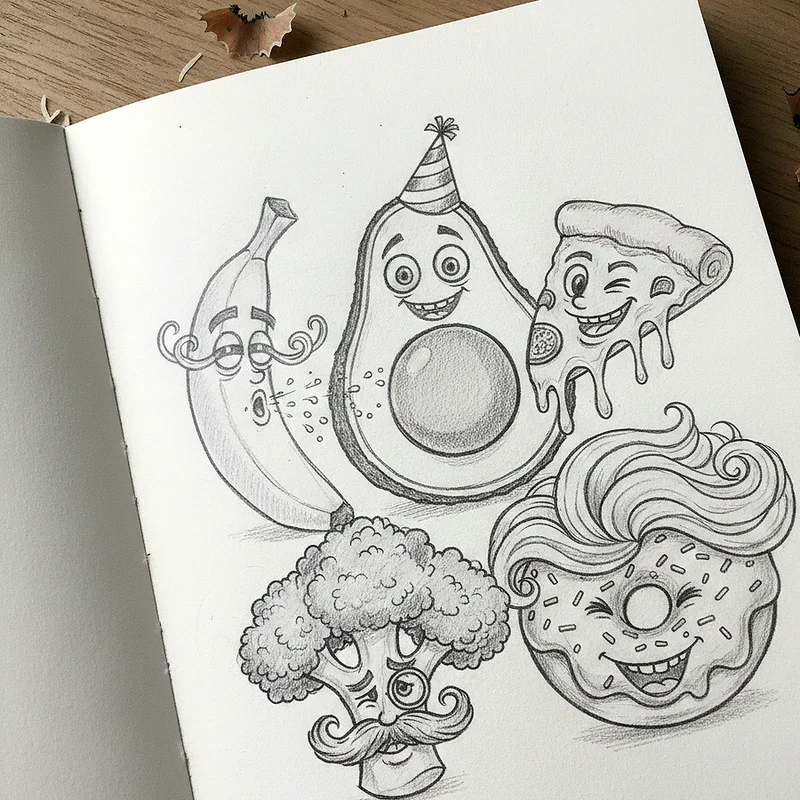
2. Food with Funny Faces
Picture a grumpy piece of broccoli refusing to be eaten or a cheerful donut celebrating its own deliciousness with wide eyes and a toothy grin. Adding facial expressions and personalities to food items transforms ordinary meals into entertaining characters with attitude. You might sketch a nervous banana worried about being peeled, a confident pizza slice bragging about its toppings, or a disappointed ice cream cone melting in the summer heat. The beauty of this concept lies in how it personifies something we encounter daily, making viewers see their meals differently. Consider drawing a cup of coffee looking tired and ironic, french fries gossiping about ketchup, or a sushi roll trying to escape from chopsticks. These drawings remind us that humor often exists in the mundane when we look at familiar things from fresh perspectives.
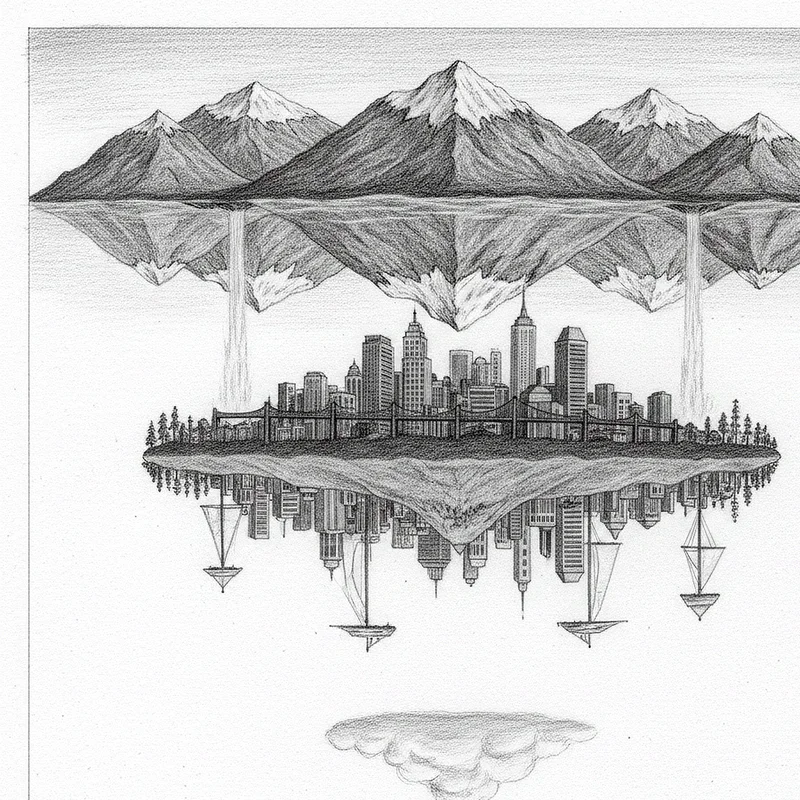
3. Upside Down World Scenarios
What if gravity worked in reverse and everything we know turned topsy-turvy? Drawing scenes where people walk on ceilings while furniture floats, or where rain falls upward into the clouds creates delightfully confusing visual comedy. You can sketch someone trying to drink juice that defies physics, a dog chasing a ball through an inverted park, or students sitting upside down at their desks while the teacher writes on a floor-mounted chalkboard. This concept challenges your spatial reasoning while producing genuinely amusing results that make viewers pause and study the details. Try illustrating an upside-down birthday party where cake floats above everyone's heads or a construction site where workers build downward into the sky. These topsy-turvy drawings play with our expectations and remind us that sometimes the funniest ideas are the ones that completely flip reality.
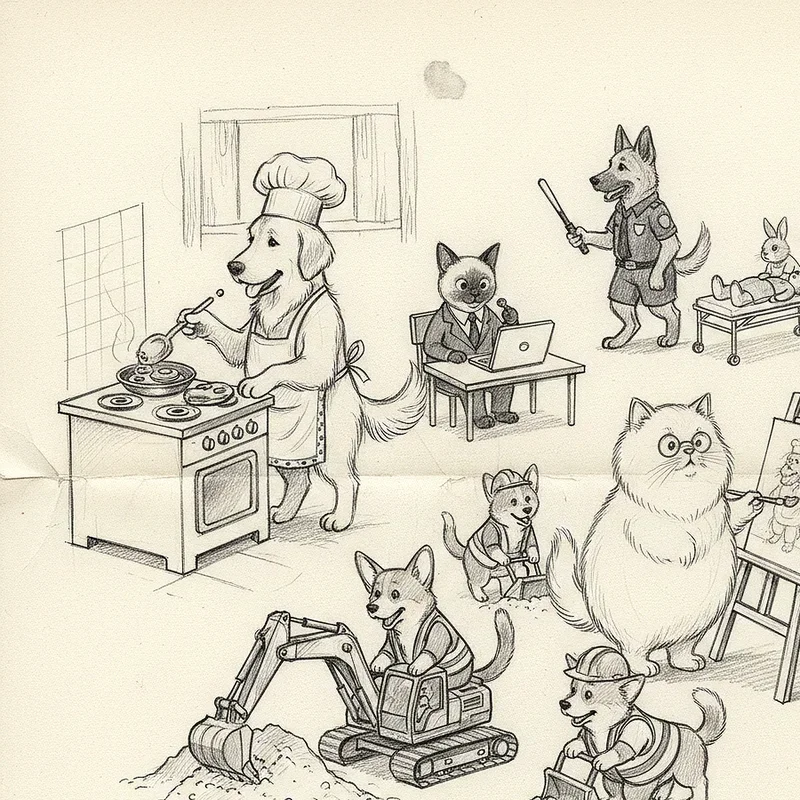
4. Pets Doing Human Jobs
Have you ever wondered what your cat would look like as a CEO or your hamster as a construction foreman? Sketching pets performing professional human roles creates adorable yet hilarious scenarios that showcase animal personalities in unexpected contexts. Draw a rabbit working as a librarian, a goldfish conducting an orchestra, or a parrot serving as a news anchor delivering breaking stories. The comedy emerges from imagining how these creatures would adapt their natural behaviors to workplace environments. Consider illustrating a ferret as a detective investigating crimes, a turtle working the express checkout lane at a grocery store, or a guinea pig conducting scientific experiments in a laboratory. These drawings combine cuteness with absurdity, and they let you explore how different animal characteristics might translate into various professions while keeping things lighthearted and entertaining.
5. Exaggerated Everyday Situations
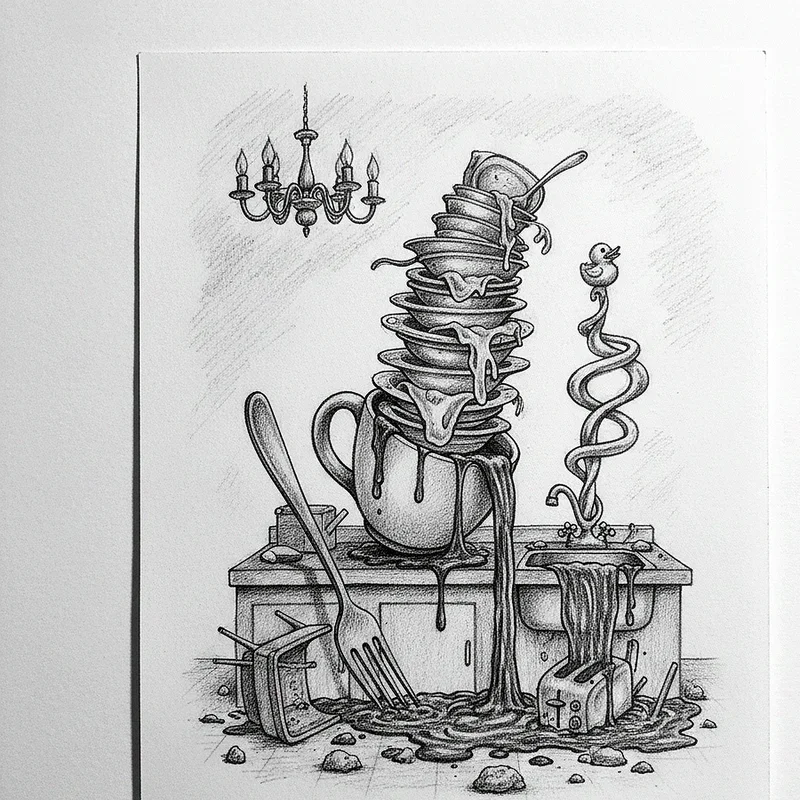
Life's mundane moments become comedy gold when you amplify them to ridiculous extremes through your sketches. Imagine drawing someone's alarm clock rage multiplied by ten, with the person literally battling their alarm like a video game boss. You might illustrate the struggle of finding matching socks as an epic quest through a dangerous laundry mountain, or depict waiting in line at the coffee shop as a survival challenge. Exaggeration transforms relatable frustrations into shared jokes that resonate with viewers who've experienced similar situations. Try sketching the dramatic tragedy of dropping your phone in slow motion with theatrical lighting, or the overwhelming joy of finding money in old jacket pockets depicted as winning the lottery. These drawings work because they validate our feelings about everyday annoyances while making them so over-the-top that we can't help but laugh.
6. Silly Monster Mashups
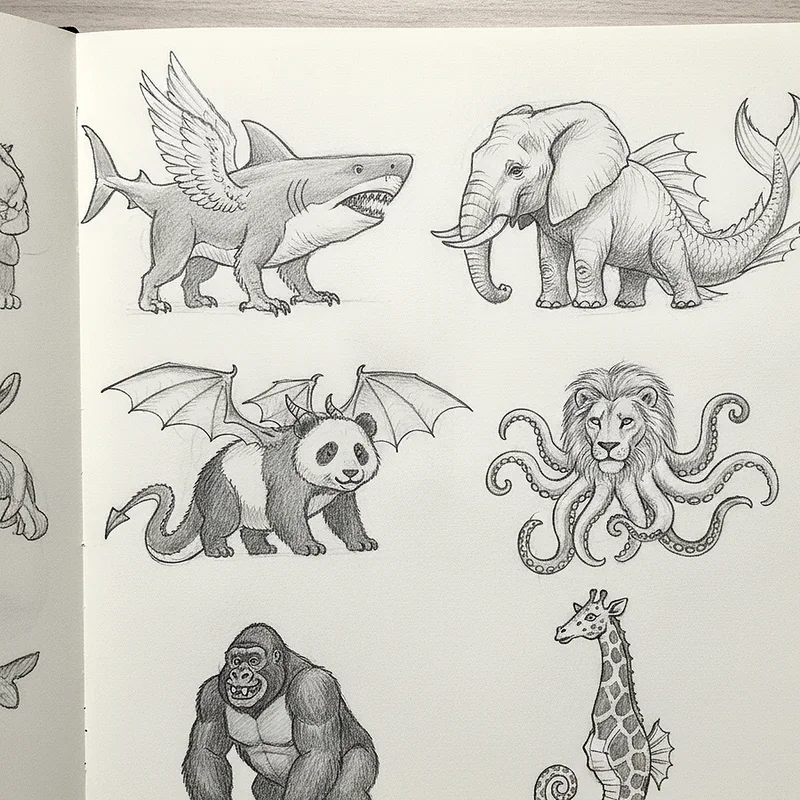
Combining different creatures into one bizarre hybrid produces wonderfully weird results that spark imagination and laughter. What would happen if you merged a butterfly with an elephant, creating a massive creature with delicate wings and a trunk? You could sketch a spider-giraffe with eight long legs and an impossibly tall neck, or a shark-bunny that's simultaneously adorable and terrifying. These mashups work brilliantly because they defy biological logic while creating creatures that exist nowhere except in your imagination. Consider drawing a penguin-dragon breathing ice instead of fire, a snail-cheetah that's frustratingly slow despite spots suggesting speed, or a hippo-hummingbird attempting to hover around flowers. The joy comes from figuring out which characteristics from each animal to emphasize and how these incompatible features might function together, resulting in delightfully ridiculous creations.
7. Objects with Personalities
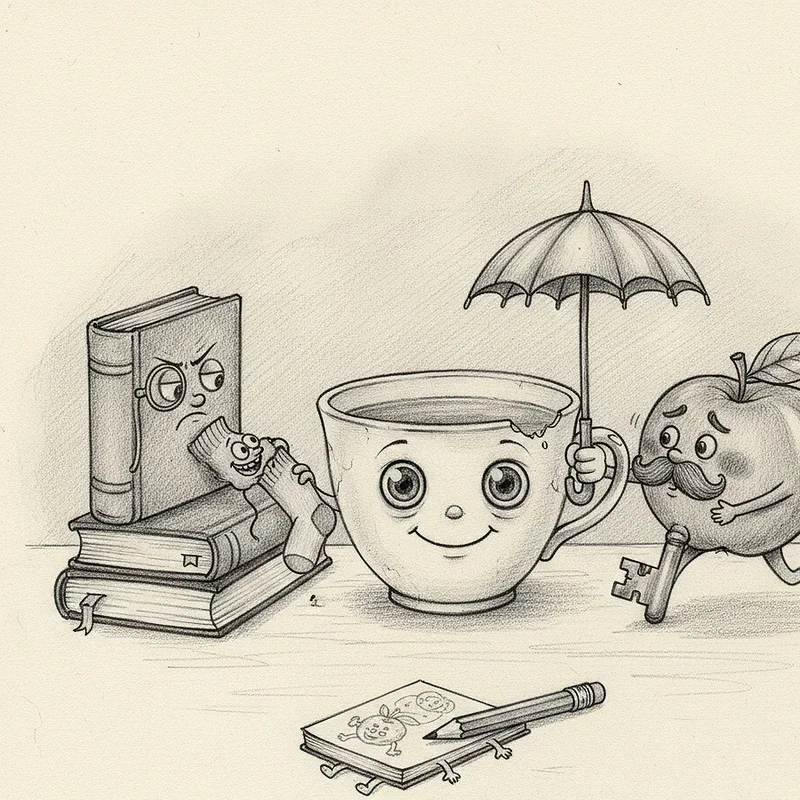
Everyday items come alive when you give them faces, emotions, and attitudes that reflect their purpose or our relationship with them. Sketch an angry vacuum cleaner fed up with cleaning everyone's messes, a lonely refrigerator wondering why nobody visits except during midnight snacks, or an enthusiastic lamp excited to brighten everyone's day. These anthropomorphic drawings create connections between viewers and objects they normally ignore, making the ordinary suddenly entertaining. You might illustrate scissors feeling guilty about cutting things apart, a nervous eraser worried about making mistakes disappear, or a proud mirror constantly admiring its own reflection. The humor stems from assigning human emotions to inanimate objects and imagining their perspective on the roles they play in our lives, transforming your environment into a cast of quirky characters.
8. Cartoon Self Portraits with Superpowers
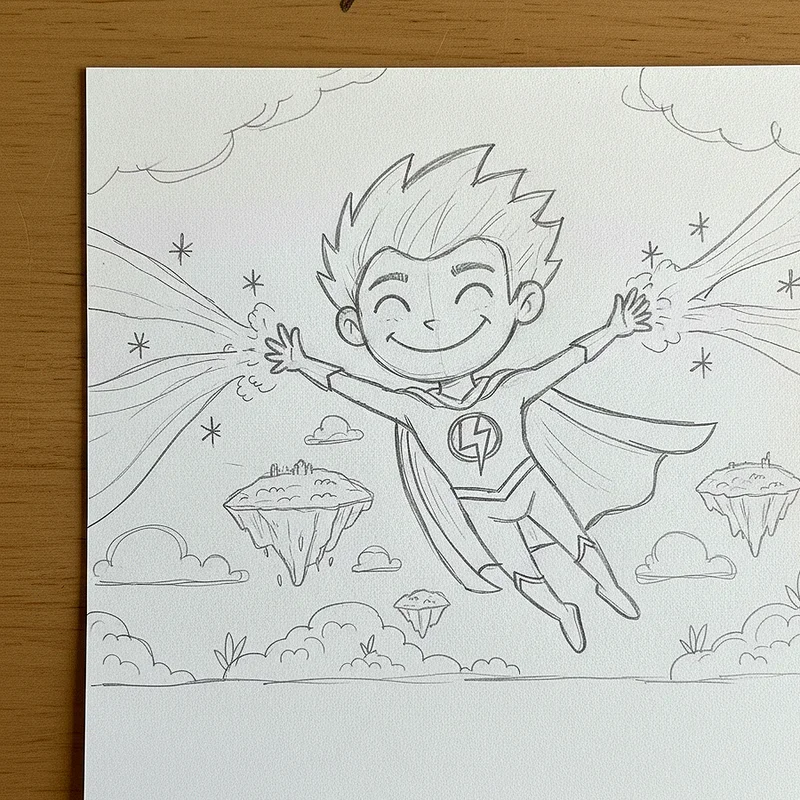
Creating exaggerated versions of yourself wielding absurd superpowers offers both self-expression and comedy in one entertaining package. Instead of traditional heroic abilities, give yourself ridiculous powers like the ability to perfectly fold fitted sheets, never losing the TV remote, or instantly making perfect pancakes. Draw yourself with the power to find parking spots anywhere, the ability to remember everyone's birthday without Facebook reminders, or the talent to untangle any knot of headphones instantly. These humorous self-portraits work because they highlight the small frustrations of daily life while imagining fantastical solutions. You could illustrate yourself with the superpower of never hitting red lights, always having exact change, or making plants thrive without effort. The key is choosing powers that are simultaneously useless on a cosmic scale yet incredibly valuable for everyday convenience.
9. Animals in Unlikely Vehicles
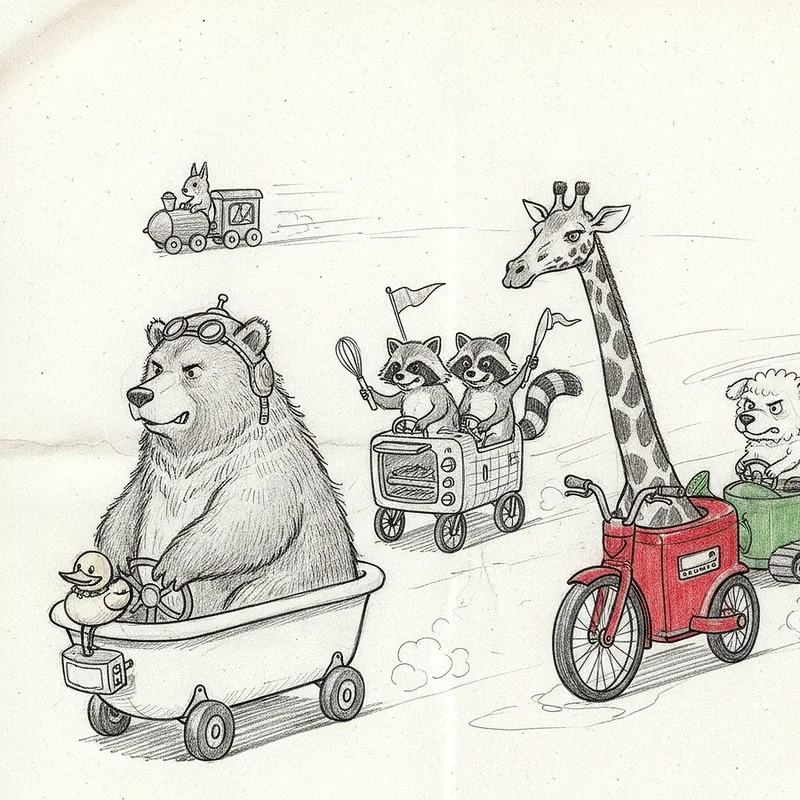
The absurdity multiplies when you place creatures in transportation completely unsuited to their size, shape, or natural abilities. Sketch a whale attempting to ride a tiny bicycle, a hamster driving an eighteen-wheeler truck, or an elephant balanced precariously on a skateboard. These drawings create visual comedy through impossible physics and the mismatch between animal and vehicle. Consider illustrating a snail piloting a race car, a bird trying to operate a submarine underwater, or a hippopotamus squeezed into a compact smart car. The humor intensifies when you show the animal's expression reflecting their awareness of the situation's ridiculousness, perhaps frustrated, determined, or completely oblivious. These sketches let you play with scale, perspective, and the inherent comedy of creatures attempting to navigate human inventions never designed for them.
10. Backwards Day Activities
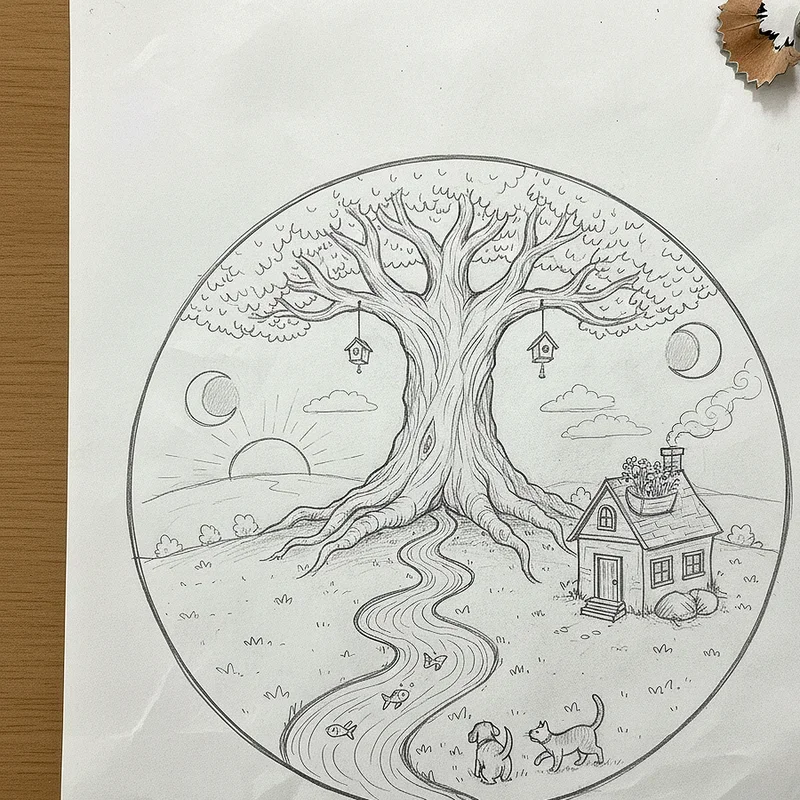
Flipping common activities in reverse order creates confusing yet hilarious scenarios that challenge logical sequences we take for granted. Draw someone putting on pajamas before showering, eating dessert before dinner with satisfied expressions, or reading a book from back to front looking completely lost. You might illustrate a student receiving grades before taking tests, someone saying goodbye upon arrival instead of departure, or a person getting younger throughout their day. These backwards scenarios work because they highlight how much we rely on specific sequences in daily routines. Consider sketching someone unbuilding a sandcastle piece by piece, unwrapping presents to wrap them again, or walking backwards through their entire morning routine. The comedy comes from the familiar rendered unfamiliar, making viewers question assumptions about how things should progress.
11. Inanimate Objects Having Conversations
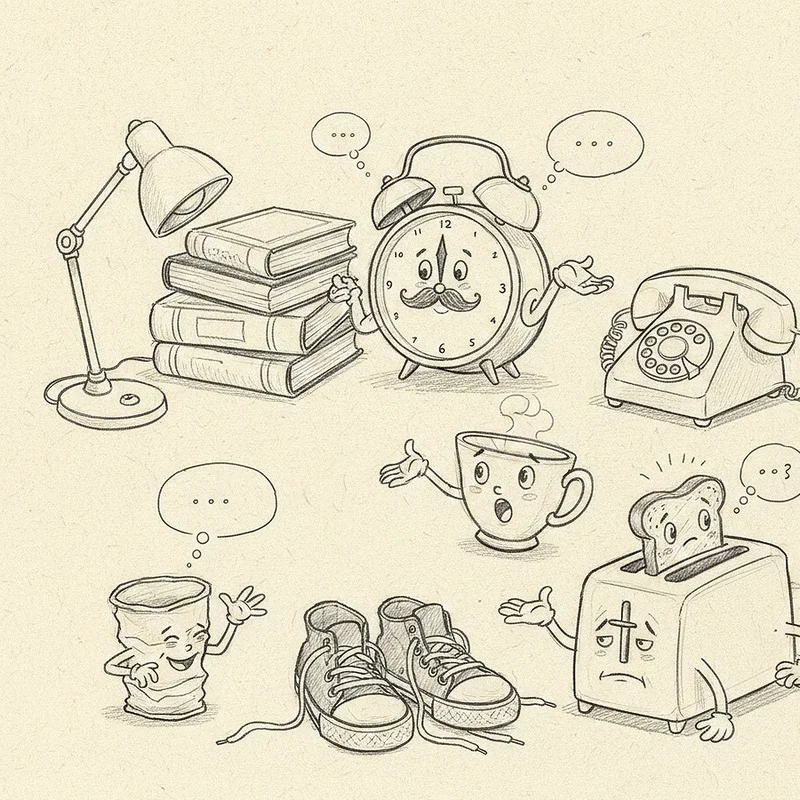
Imagine eavesdropping on what your belongings discuss when you're not around, and you'll discover endless comedic possibilities. Sketch two shoes debating which one smells worse, a group of pencils gossiping about the eraser's weight problem, or silverware arguing about who's most useful at dinner. These drawings give voice to silent objects and imagine the relationships between items that spend time together. You could illustrate books on a shelf judging each other's content, socks in a drawer searching for their missing partners, or kitchen appliances competing for counter space. The humor emerges from assigning petty human concerns and emotions to things that obviously can't think or speak, creating scenarios that reflect our own social dynamics through inanimate proxies that can't actually care about the ridiculous conflicts you've invented.
12. Oversized and Miniature Comparisons
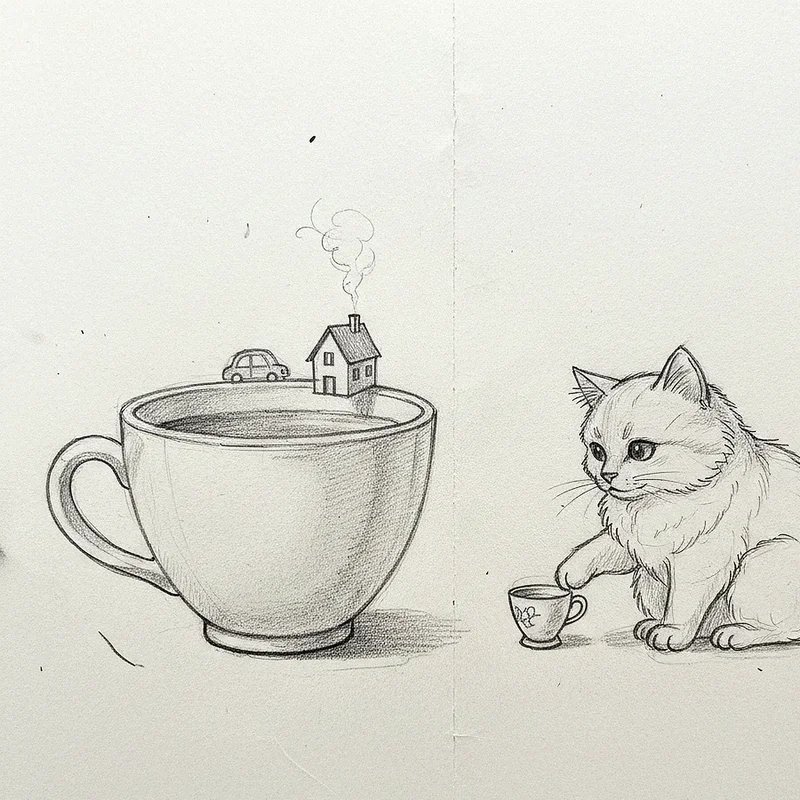
Playing with scale creates instant visual comedy when you juxtapose dramatically different sizes in unexpected ways that defy natural proportions. Draw a person struggling to eat a normal-sized grape that appears enormous in their tiny hands, or someone using a regular ant as a massive horse. You might sketch a giant holding a skyscraper like a small toy block, or a miniature person using a pencil as a massive log. These size-swap scenarios force viewers to reconsider perspective and proportion in entertaining ways. Consider illustrating someone treating a regular housefly as a terrifying monster requiring heroic bravery to confront, or depicting a mouse-sized human living in a dollhouse designed for actual dolls. The comedy intensifies when expressions and body language reflect appropriate reactions to impossible size differences, creating relatable emotions in completely unrelatable situations.
13. Historical Figures in Modern Settings
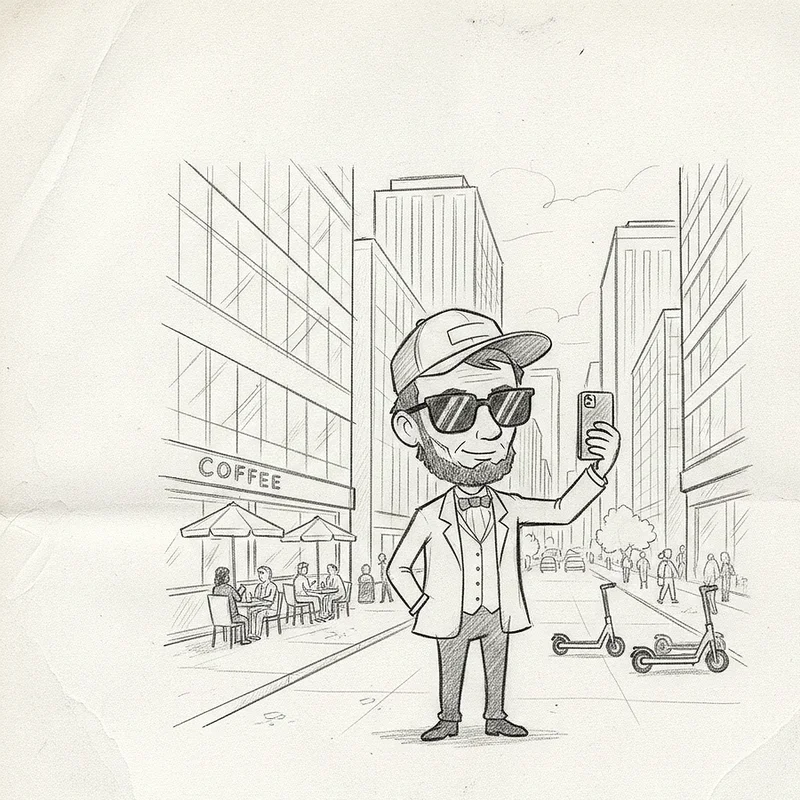
Transporting famous people from history into contemporary situations produces entertaining anachronisms that highlight how different our world has become. Sketch Abraham Lincoln confused by a smartphone, Cleopatra struggling with self-checkout at a grocery store, or Leonardo da Vinci overwhelmed by modern art supplies at a craft store. These drawings create humor through cultural and technological displacement while making history feel more accessible and human. You could illustrate Shakespeare trying to understand text message abbreviations, Julius Caesar stuck in traffic during rush hour, or ancient philosophers debating on social media. The comedy comes from imagining how historical figures might react to modern conveniences, frustrations, and social norms they couldn't have anticipated, while their period clothing and recognizable features create obvious temporal mismatches that viewers immediately recognize.
14. Puns Brought to Life Visually
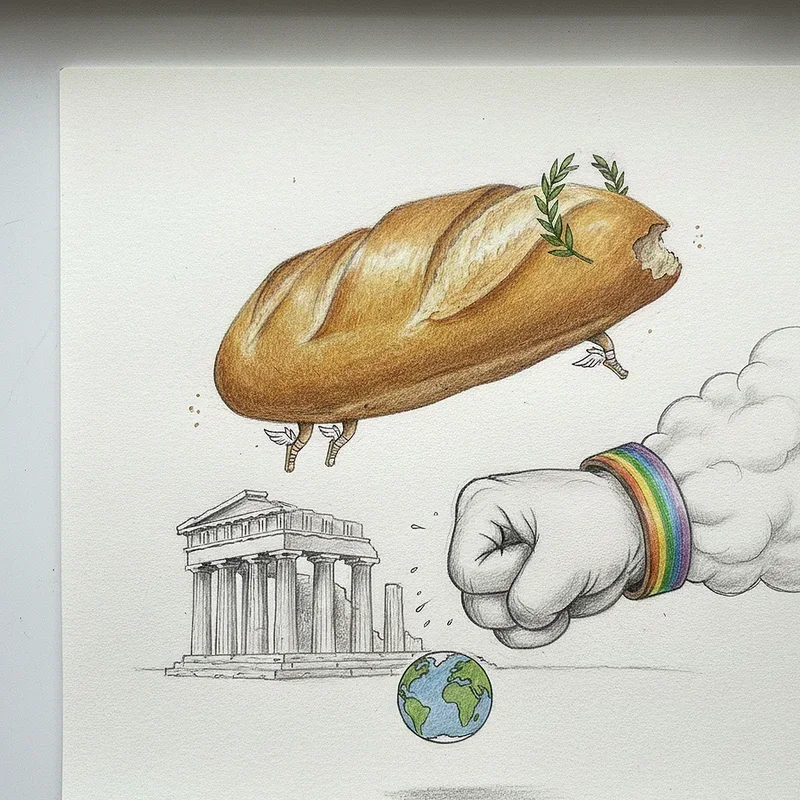
Visual puns transform wordplay into illustrated jokes that work on multiple levels simultaneously, combining language and imagery for double impact. Draw a literal "piece of cake" showing an easy task, a "bookworm" depicted as an actual worm wearing glasses and reading, or "couch potato" illustrated as a potato relaxing on a sofa. These sketches make abstract expressions concrete through literal interpretation. Consider illustrating "raining cats and dogs" with actual animals falling from clouds, someone with a "green thumb" whose thumb is colored bright green, or a "hot dog" showing a sweating canine. The humor stems from the gap between figurative language and literal visualization, creating that delightful moment when viewers connect the phrase to the image. These drawings work especially well because they're instantly recognizable yet fresh, making familiar expressions new.
15. Dream vs Reality Comparisons
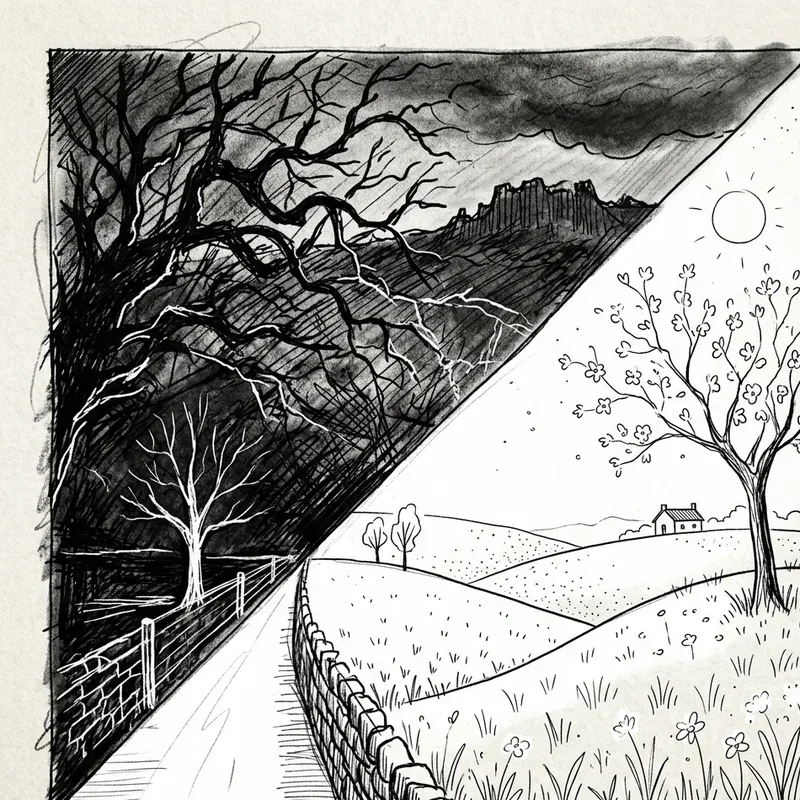
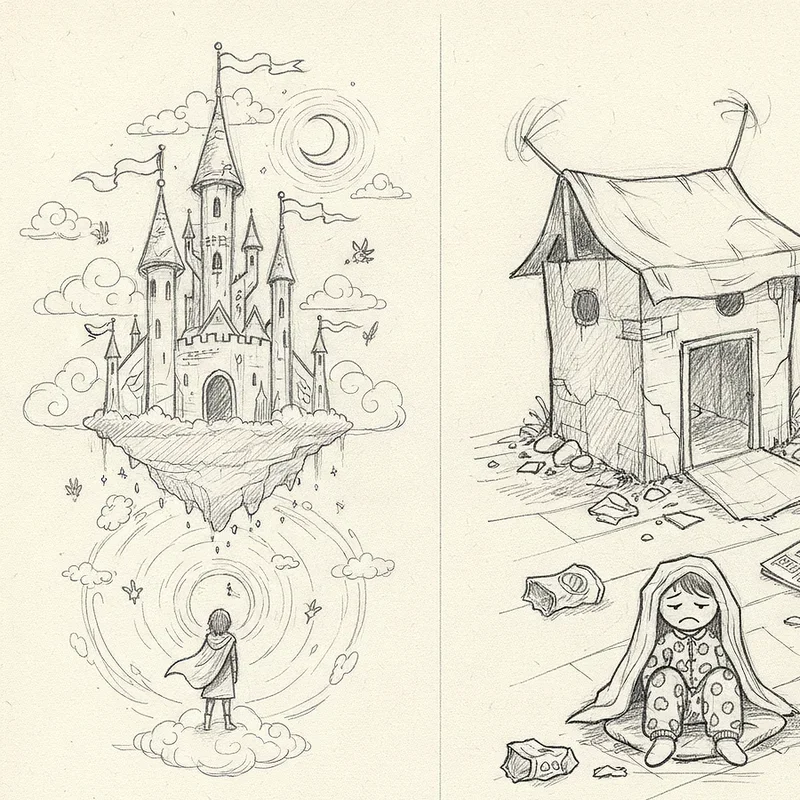
Contrasting our idealistic expectations with actual outcomes creates relatable humor that validates universal experiences of disappointment and adjustment. Sketch side-by-side comparisons showing elaborate cooking expectations versus burnt disasters, perfect workout plans versus couch reality, or glamorous travel dreams versus exhausting tourist experiences. These split-panel drawings resonate because everyone recognizes the gap between intention and execution. You might illustrate the dream of productive mornings versus hitting snooze repeatedly, expectations of graceful dancing versus awkward reality, or hopes for organized homes versus cluttered chaos. The comedy comes from honesty about human limitations and the universal tendency to imagine ourselves more capable, motivated, or coordinated than we actually are when facing real-world challenges that humble even our best intentions.
Conclusion
Funny drawings remind us that art doesn't require perfection to bring joy and connection into our lives. These fifteen ideas offer starting points for creative exploration that prioritizes entertainment over technical precision, allowing you to experiment freely without judgment. Whether you're sketching animals in business suits or visualizing puns, humor helps overcome artistic anxiety and makes the creative process genuinely enjoyable. Remember that the best funny drawings often come from personal observations and experiences that resonate with others who've shared similar moments. Don't worry about creating masterpieces; focus instead on capturing ideas that make you smile. Grab your pencils, embrace imperfection, and start creating sketches that spread laughter and showcase your unique perspective on life's absurdities.
Read next: 15 Cartoon Drawing Ideas to Boost Your Creativity
Frequently Asked Questions
Q1. Do I need advanced drawing skills to create funny sketches?
A: No, funny drawings focus on concepts and humor rather than technical perfection or realistic rendering skills.
Q2. What materials work best for humorous drawings?
A: Simple pencils and paper work perfectly, though markers and digital tools offer additional creative possibilities too.
Q3. How do I make my funny drawings more engaging?
A: Add exaggerated expressions, unexpected details, and relatable situations that viewers recognize from their own experiences immediately.
Q4. Can funny drawings help improve my overall artistic abilities?
A: Absolutely, humor encourages experimentation and reduces pressure, allowing natural skill development through consistent enjoyable practice sessions.
Q5. Where can I share my funny drawings with others?
A: Social media platforms, art communities, personal blogs, and friends provide excellent audiences for sharing your humorous creations.
Stay up to date with our latest ideas!