15 Creative Painting Ideas to Spark Your Artistic Imagination
Discover 15 creative painting ideas that ignite your artistic imagination and transform blank canvases into stunning masterpieces today.
Have you ever stared at a blank canvas, feeling completely paralyzed by endless possibilities? You are definitely not alone in this creative struggle. Every artist experiences moments when inspiration seems to vanish into thin air. The good news is that creativity is not some mysterious gift reserved for a chosen few. It is a muscle you can strengthen with the right exercises and fresh perspectives. This article serves as your personal guide to reigniting that artistic spark within you. We will explore fifteen unique painting ideas designed to push your boundaries and help you discover new techniques. Get ready to pick up your brushes and embark on an exciting creative journey.
1. Abstract Color Explosions
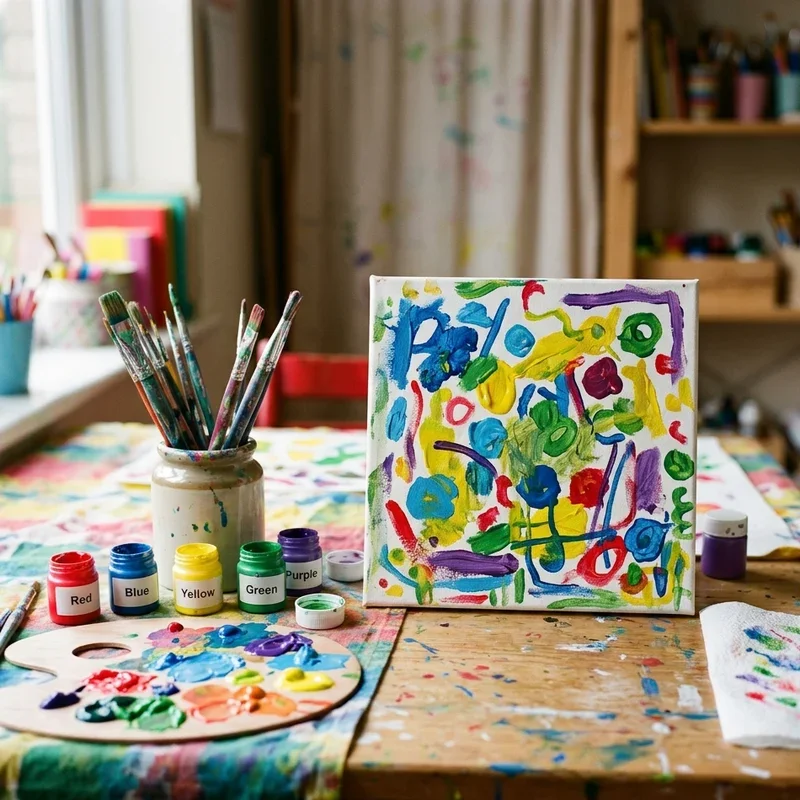
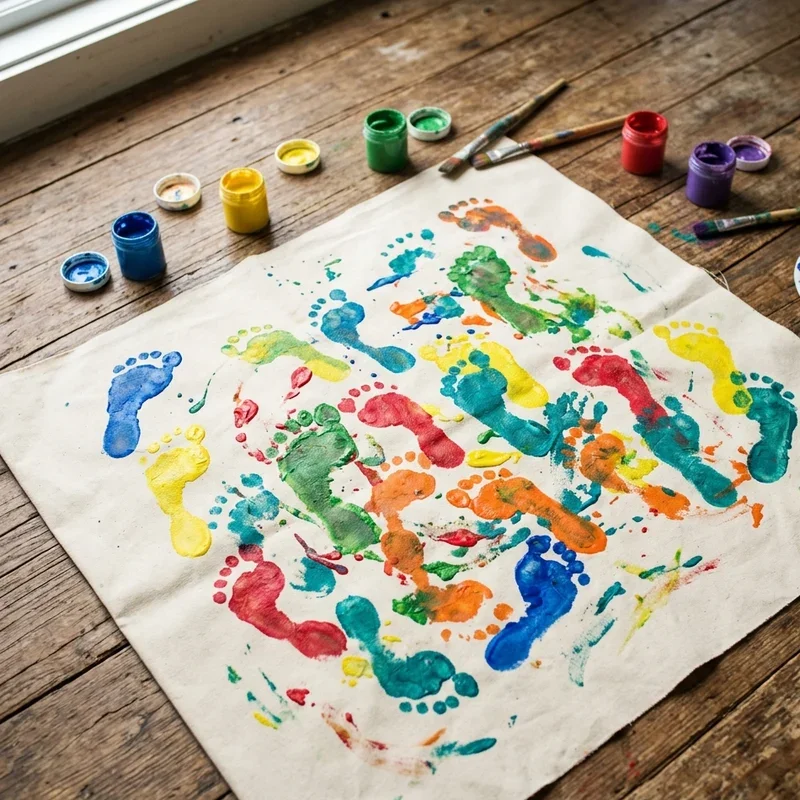
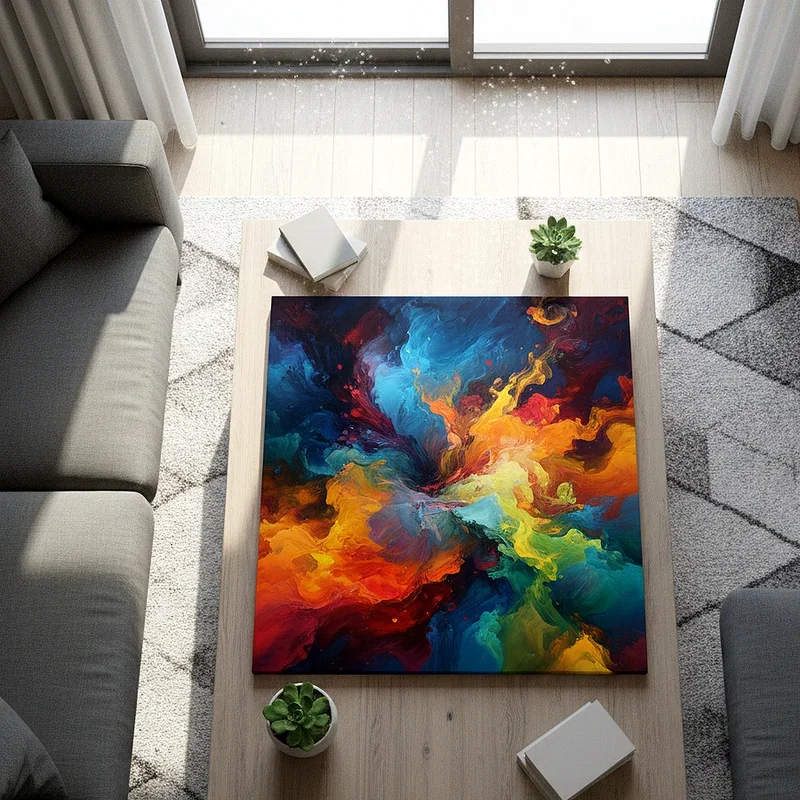
Abstract painting offers you the ultimate freedom to express emotions without the constraints of realistic representation. Think of your canvas as a playground where colors dance and collide in magnificent chaos. You can splash vibrant reds against cool blues, creating tension and harmony simultaneously. This style encourages you to abandon perfectionism and embrace beautiful unpredictability. Start by selecting three to five colors that resonate with your current mood. Apply them freely using techniques such as dripping, splattering, or bold brush strokes. The beauty of abstract work lies in its subjective nature, meaning there are no wrong answers here. Allow yourself to get messy because vulnerability often produces striking results.
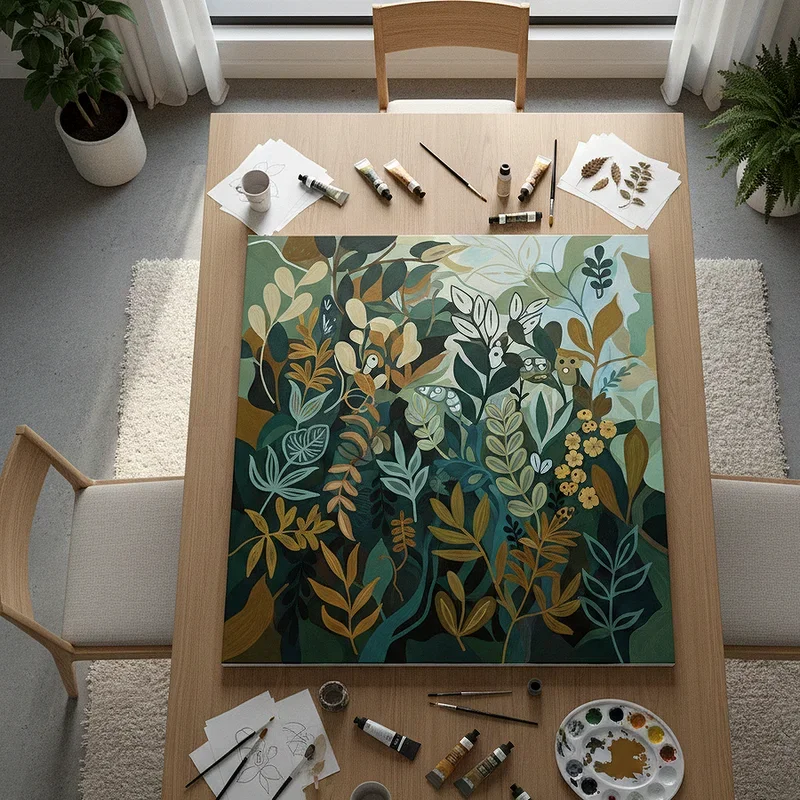
2. Nature-Inspired Botanical Art
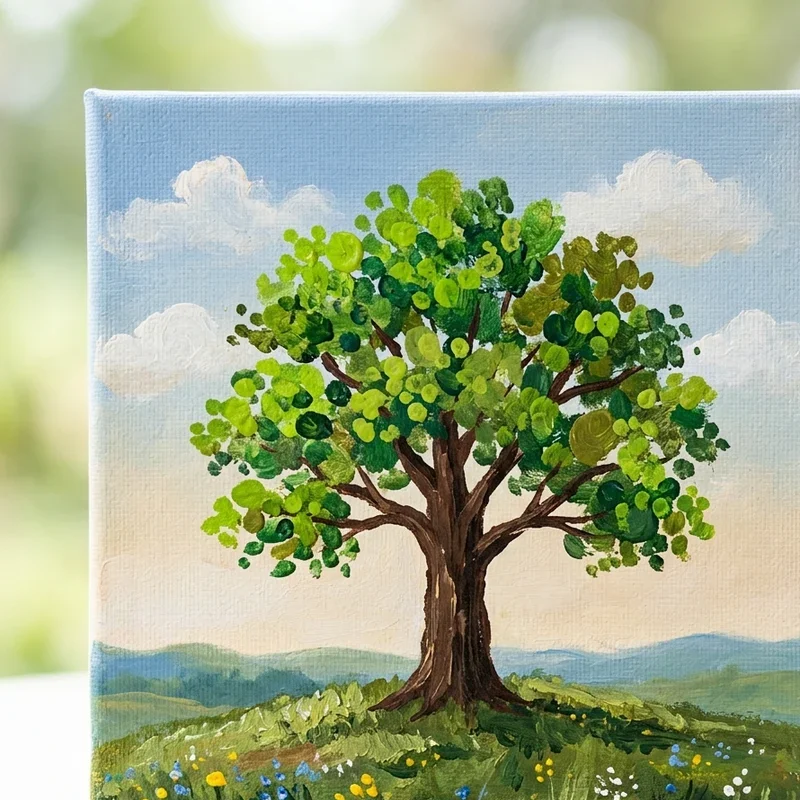
Botanical painting connects you directly with the natural world and its infinite beauty surrounding us every day. Flowers, leaves, and plant structures offer incredible subjects with their intricate details and organic flowing shapes. You can approach botanical art with scientific precision or interpret nature through a whimsical lens. Consider visiting a local garden or observing houseplants to find your perfect subject. Pay close attention to delicate veins running through leaves and subtle color gradations within petals. Watercolors work exceptionally well for botanical subjects because they capture that translucent quality beautifully. Botanical art teaches patience and observation skills that will improve all your future artistic endeavors significantly.
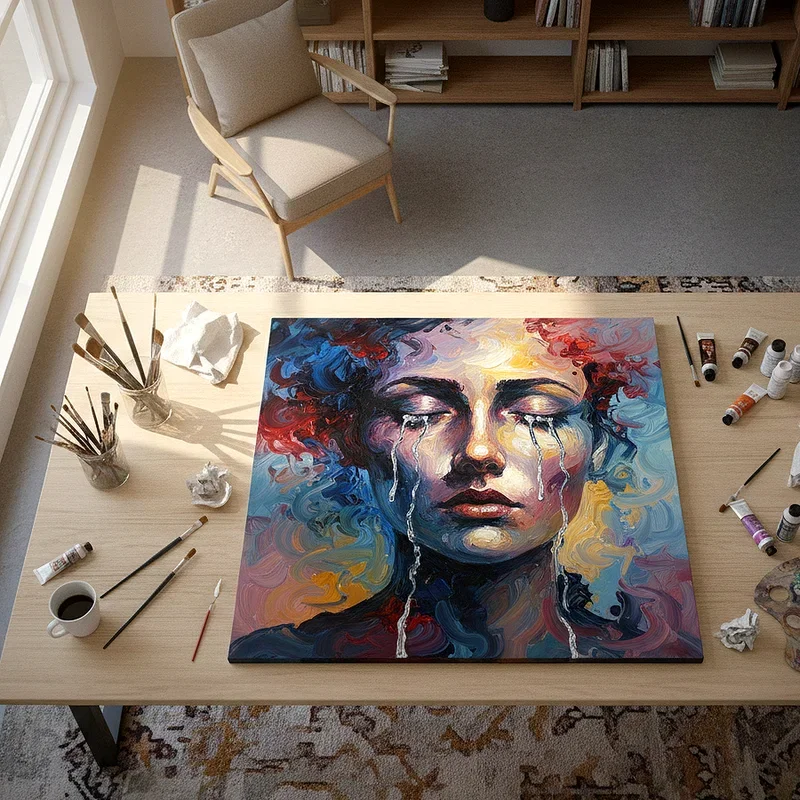
3. Emotional Portrait Painting
Portraits challenge you to capture more than just physical features because they reveal the soul hiding behind someone's eyes. Instead of focusing solely on accurate proportions, try expressing emotional essence through color choices. A melancholy mood might call for deep blues, while joy could explode in warm yellows. You can paint yourself, loved ones, or strangers whose faces tell compelling stories. Consider distorting features intentionally to emphasize particular emotions or psychological states. Expressionist artists like Edvard Munch mastered this technique of revealing inner turmoil through external distortion. Your portrait does not need to look exactly like a photograph because cameras already do that job perfectly.
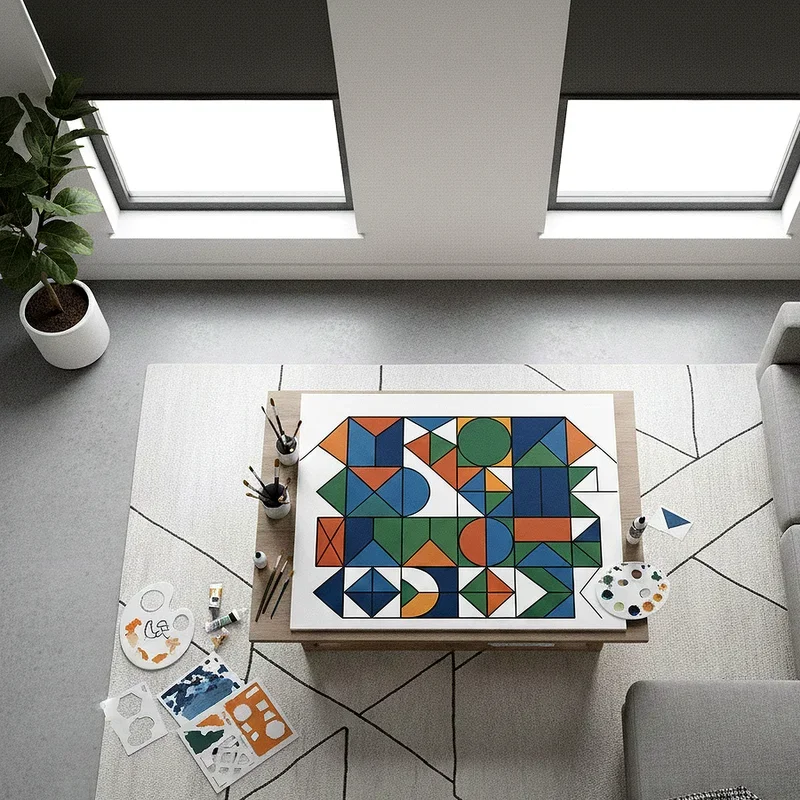
4. Geometric Pattern Designs
Geometric patterns tap into the mathematical beauty underlying all creation throughout our entire universe. These designs range from simple repeating shapes to complex tessellations that mesmerize viewers with precision. You might draw inspiration from Islamic tile work, Art Deco architecture, or contemporary digital art. Start with basic shapes like circles and triangles before combining them into intricate arrangements. The precision required for geometric work develops your steady hand and attention to detail over time. Consider using tape to create clean edges or embrace a freehand approach for organic variations. Color choices become especially impactful because they can create optical illusions and depth perception tricks effortlessly.
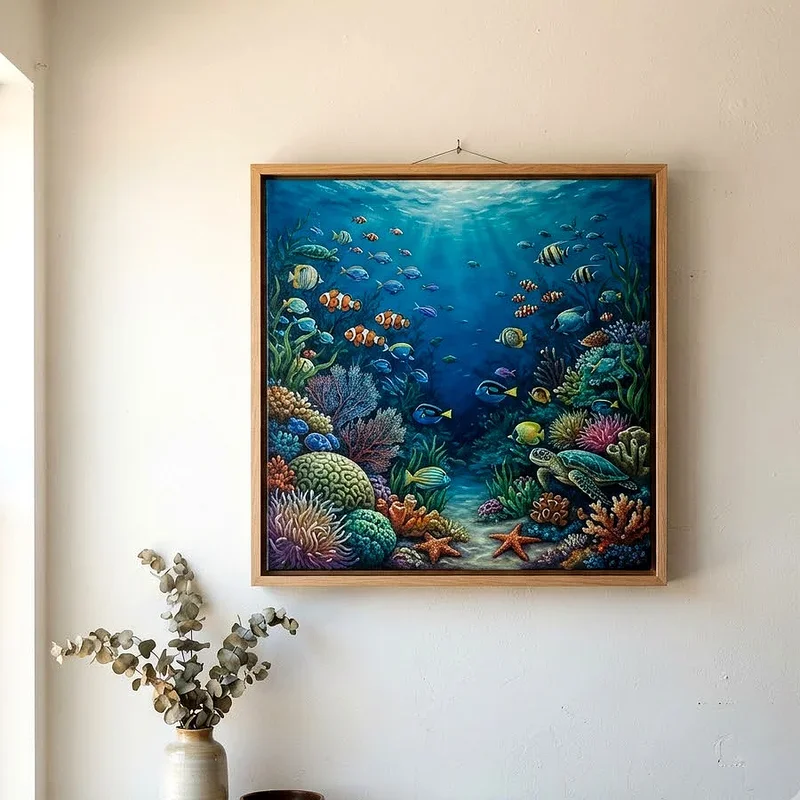
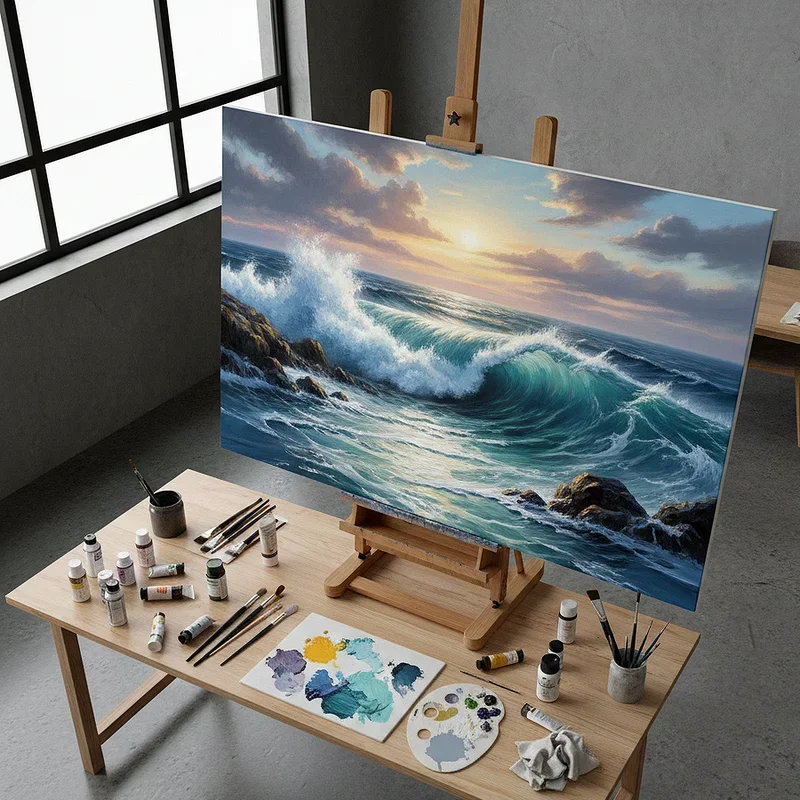
5. Ocean Wave Seascapes
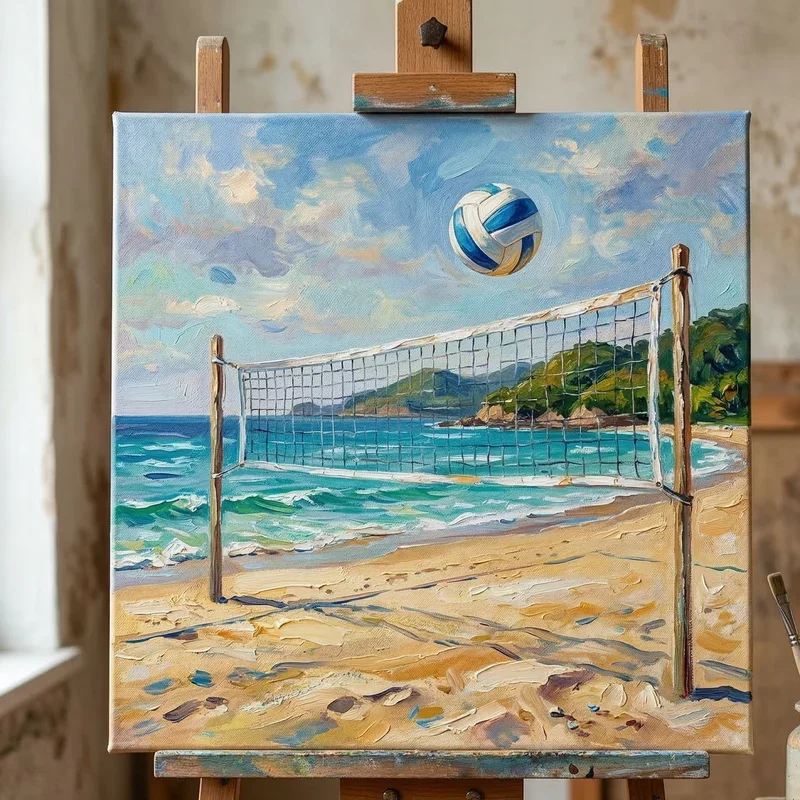
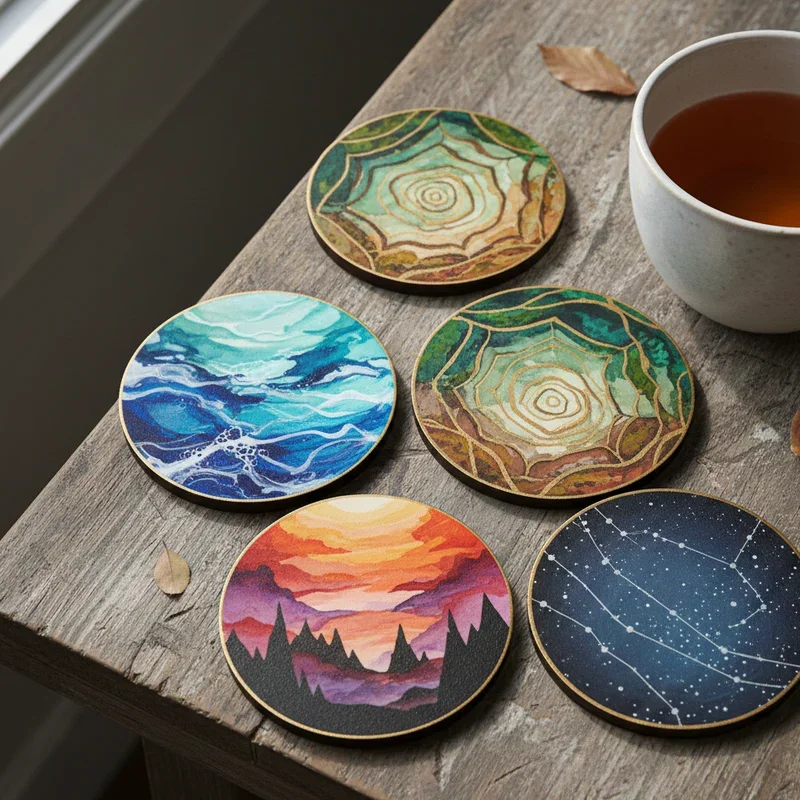
The ocean holds endless fascination with its constantly changing moods and mesmerizing rhythmic movements. Painting waves challenges you to capture motion frozen in a single moment while suggesting continuous flow. Study how light penetrates translucent wave crests and how foam patterns form across breaking surf. You can approach seascapes realistically or impressionistically depending on your preferred style. The color palette of the ocean extends far beyond simple blue, including greens, grays, and purples. Pay attention to the reflective quality of water and how it mirrors the sky above. Texture becomes crucial when depicting foam, spray, and smooth surfaces of swelling waves ready to break.
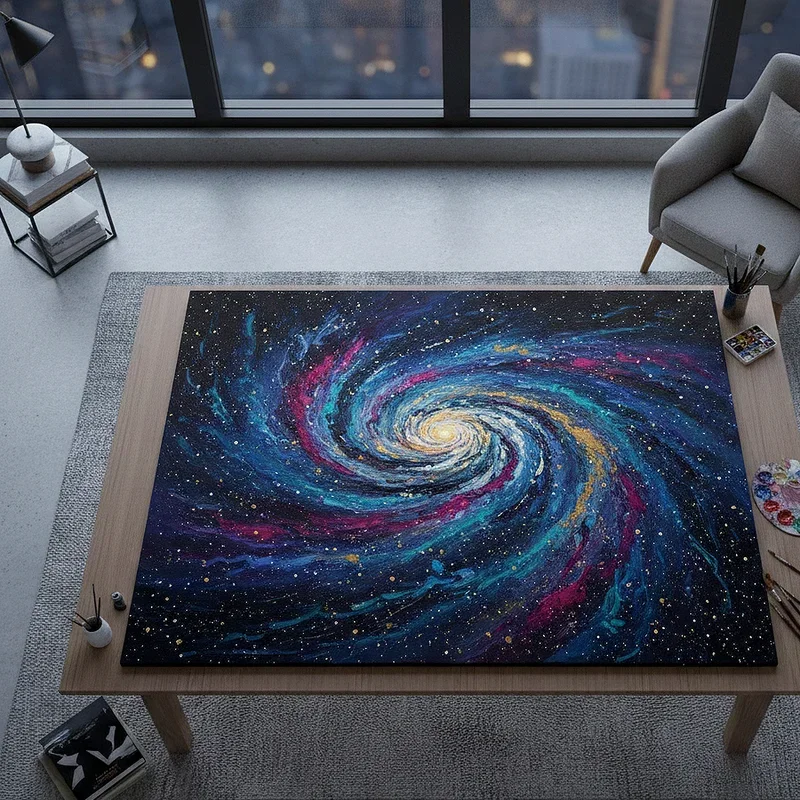
6. Night Sky and Galaxy Themes
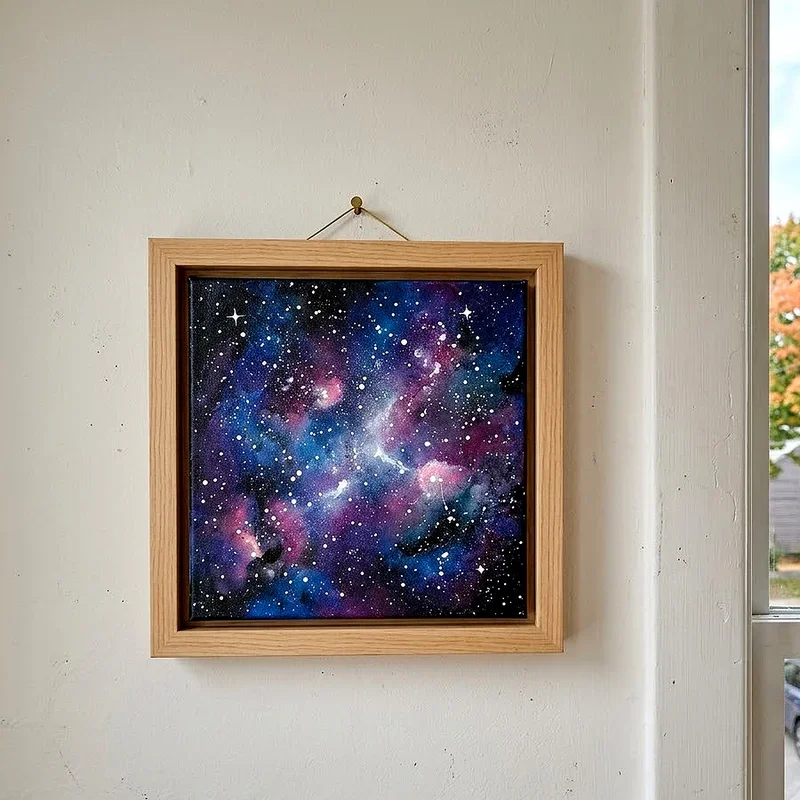
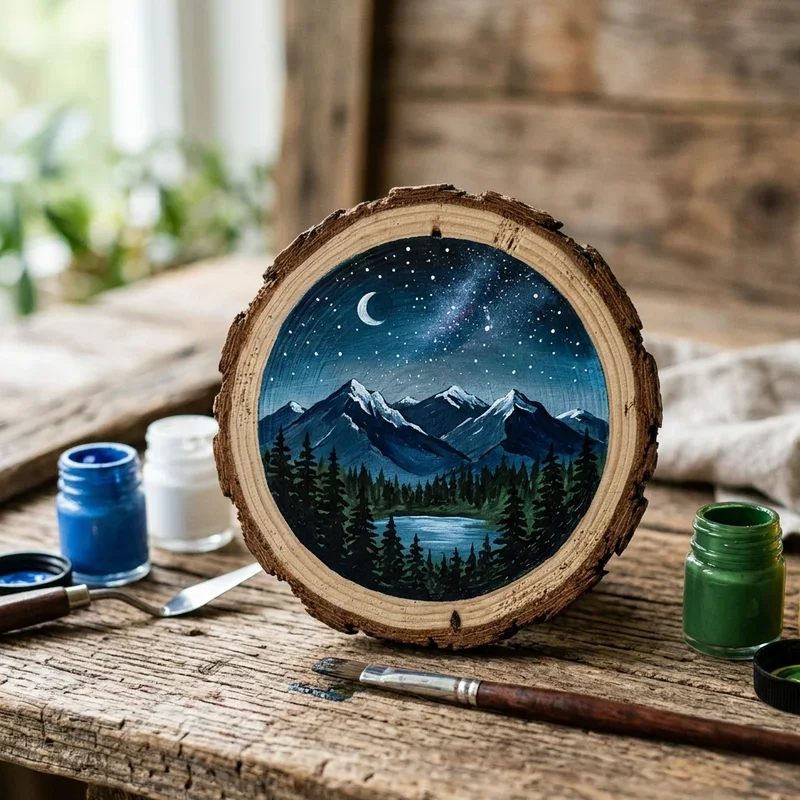
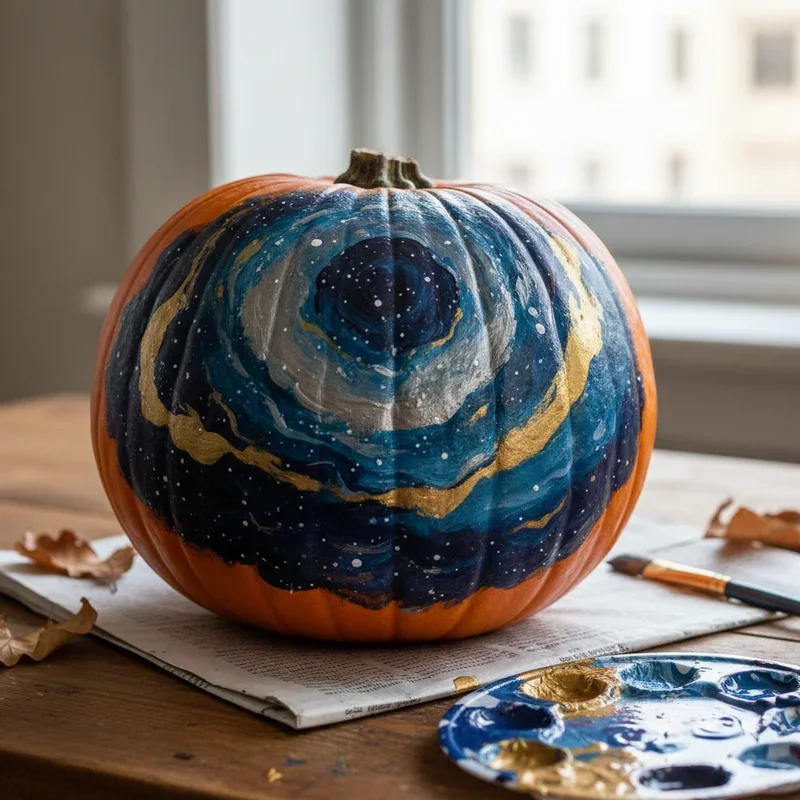
Galaxy paintings invite you to explore the cosmic vastness extending infinitely beyond our small earthly concerns. These celestial subjects allow incredible creative freedom because nobody can claim your interpretation is incorrect. Start with a dark background and gradually build layers of stars, nebulae, and swirling cosmic dust. Sponges, toothbrushes, and spray techniques create realistic star field effects scattered naturally across darkness. Bold purples, deep blues, and touches of pink capture the ethereal glow of distant nebulae effectively. You can include planets and moons or create entirely imaginary celestial landscapes. Galaxy art combines accessibility with stunning visual impact that impresses viewers consistently every single time.
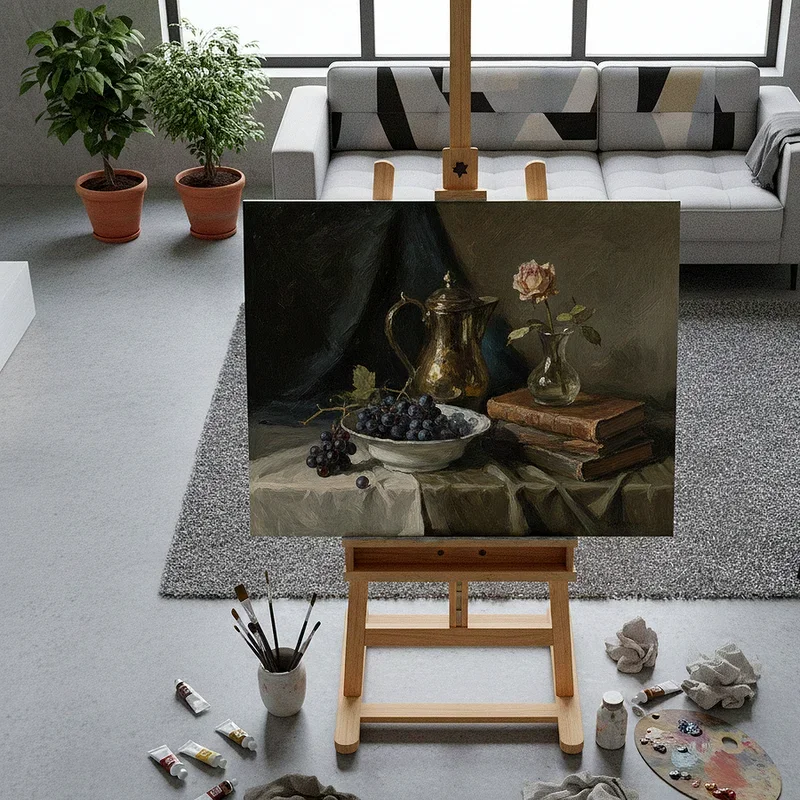
7. Vintage Still Life Compositions
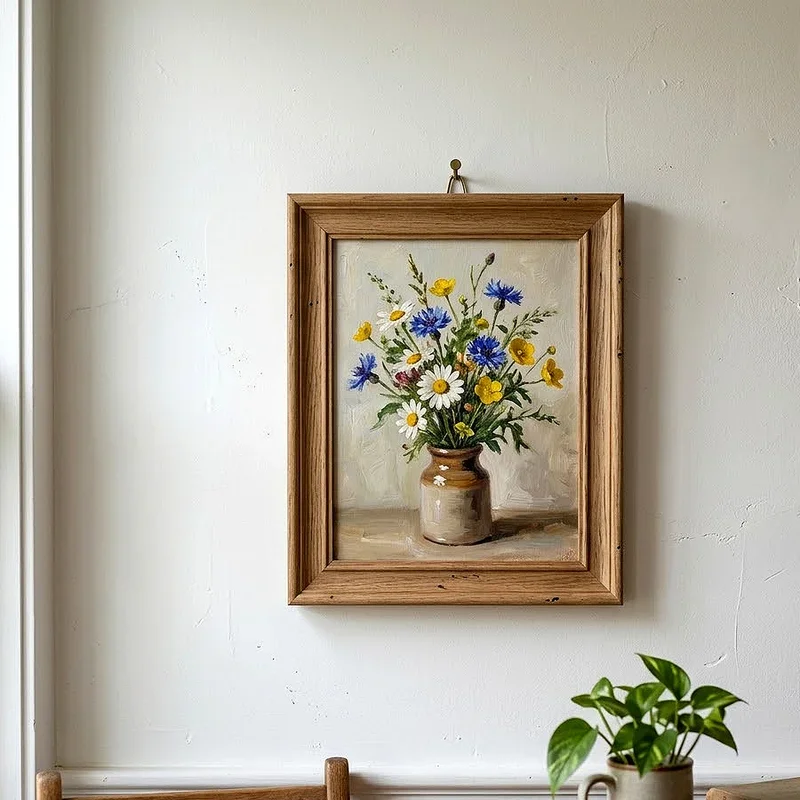
Still life painting has challenged artists for centuries, developing observational skills and understanding of light fundamentals. Arrange objects with personal significance such as antique books, fruit, flowers, or meaningful keepsakes together. Consider the composition carefully, thinking about how objects relate spatially and visually within your arrangement. Lighting becomes your most powerful tool, creating drama through shadows and highlights across surfaces. Vintage objects carry a nostalgic quality that adds emotional depth and storytelling potential naturally. Study old masters like Caravaggio to understand how they used chiaroscuro for dimensional effects. The patience required for still life rewards you with improved technical skills transferable to all subjects.
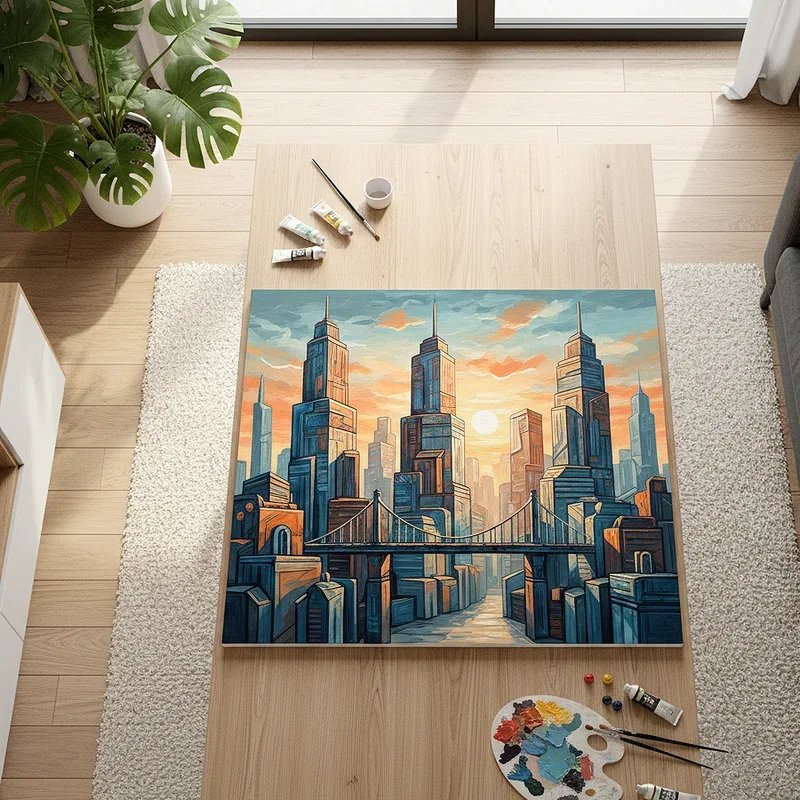
8. Urban Landscape Cityscapes
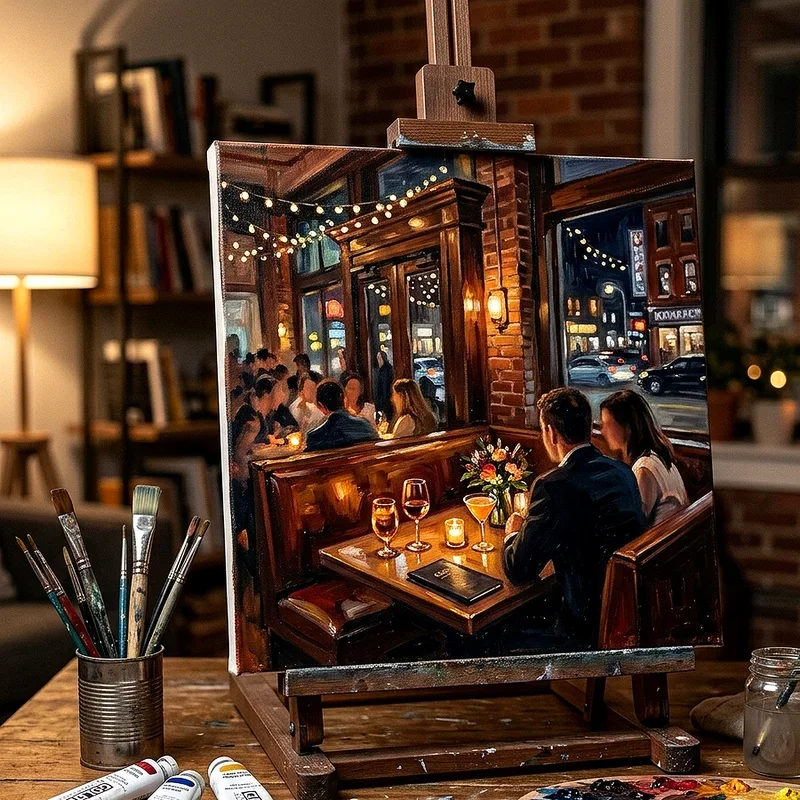
Cities pulse with energy, architecture, and human stories waiting to be captured on your canvas skillfully. Urban landscapes offer endless subject matter from towering skyscrapers to intimate street corners filled with character. Consider painting at different times because morning light creates dramatically different moods than nightscapes. Perspective becomes essential as buildings recede into the distance following vanishing point principles precisely. You can approach urban subjects with photorealistic detail or impressionistic looseness depending on your vision. Include human figures and vehicles to add life and scale to your compositions naturally. Reflections on wet streets and glass windows add complexity and visual interest to urban scenes beautifully.
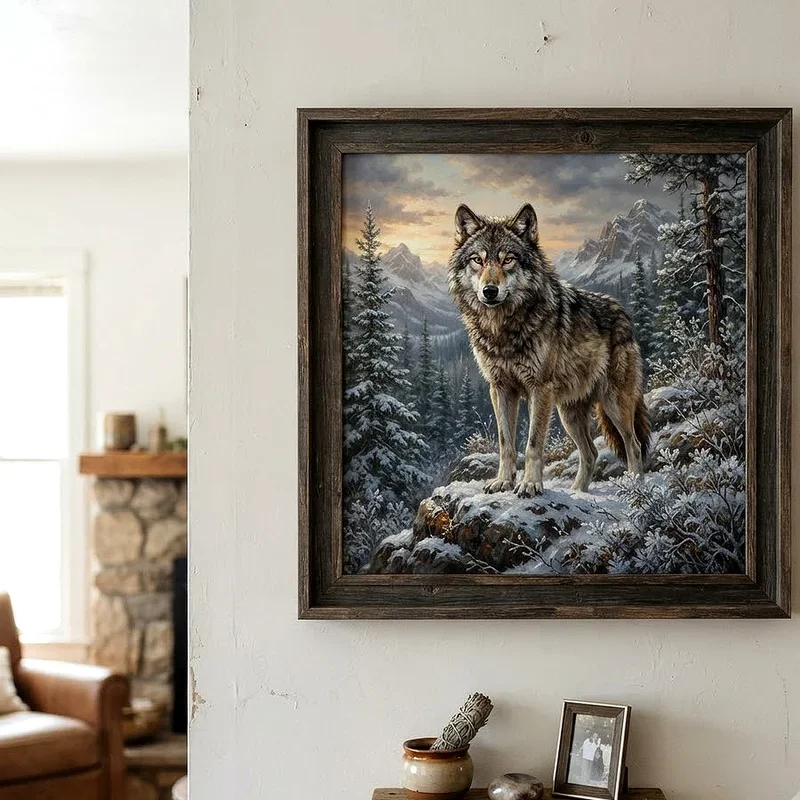
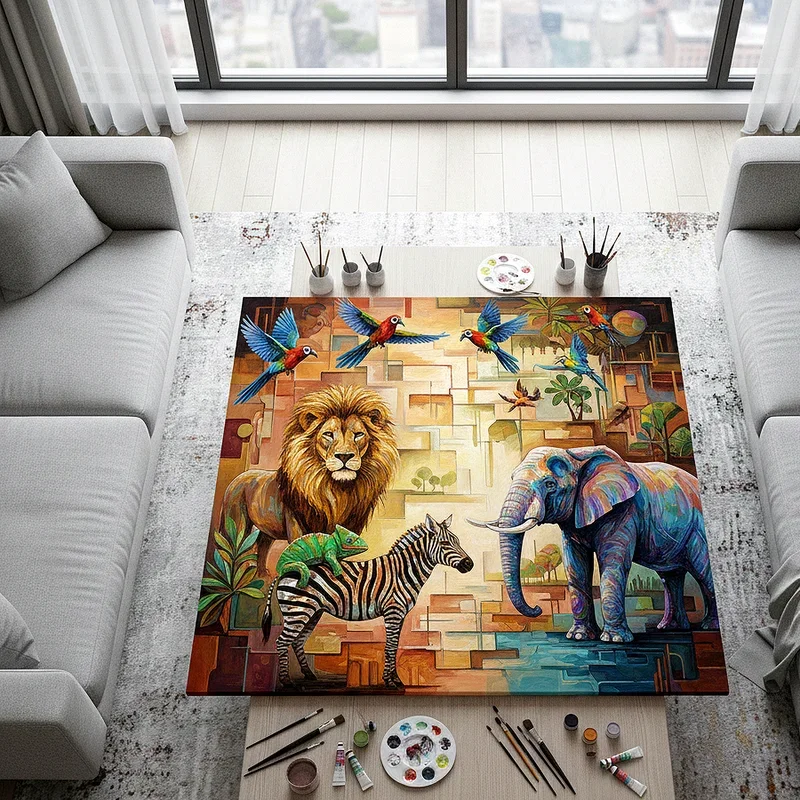
9. Animal Kingdom Wildlife Art
Animals captivate us with their grace, power, and wild spirit they embody so perfectly in natural settings. Wildlife painting challenges you to capture not just physical accuracy but essential character of each creature. Study animal anatomy to understand how muscles move beneath fur, feathers, or scales. Reference photographs extensively because most wildlife will not sit patiently while you paint them. Consider the animal's natural habitat and incorporate environmental elements that tell complete stories. Eyes become particularly important as they convey intelligence, emotion, and connection with viewers directly. Texture techniques become crucial for rendering convincing fur, feathers, and scales that appear realistic.
10. Surrealist Dream Imagery
Surrealism invites you to unlock your subconscious mind and paint impossible landscapes of dreams freely. This movement pioneered by Dali and Magritte combined realistic techniques with fantastical impossible subjects. Allow yourself to juxtapose unrelated objects in unexpected ways, creating visual puzzles entirely. Keep a dream journal and mine it for imagery that your sleeping mind conjures mysteriously. Melting clocks, floating objects, and impossible architecture belong in surrealist painting without needing explanation. The key lies in painting impossible subjects with convincing realistic technique, making unreal seem tangible. Surrealist painting gives you permission to break every rule and follow your weirdest creative impulses completely.
11. Minimalist Single Object Focus
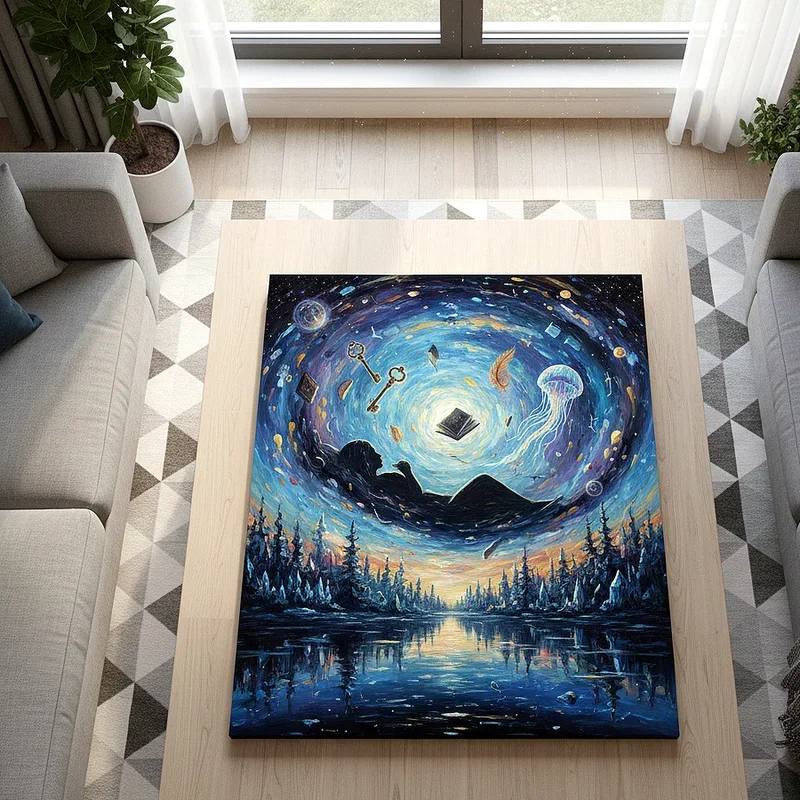
Sometimes the most powerful artistic statements come from the simplest subjects rendered with intense focus. Minimalist painting strips away everything unnecessary to concentrate entirely on one perfectly observed object alone. This approach teaches you to see deeply, discovering infinite complexity within apparent simplicity around you. Choose an object that intrigues you, perhaps a single piece of fruit or everyday item. Spend time really looking before touching paint to canvas, noticing details you normally overlook. Consider negative space carefully because what you leave empty becomes as important as what you paint. Limited color palettes strengthen minimalist work by eliminating distractions and emphasizing form relationships clearly.
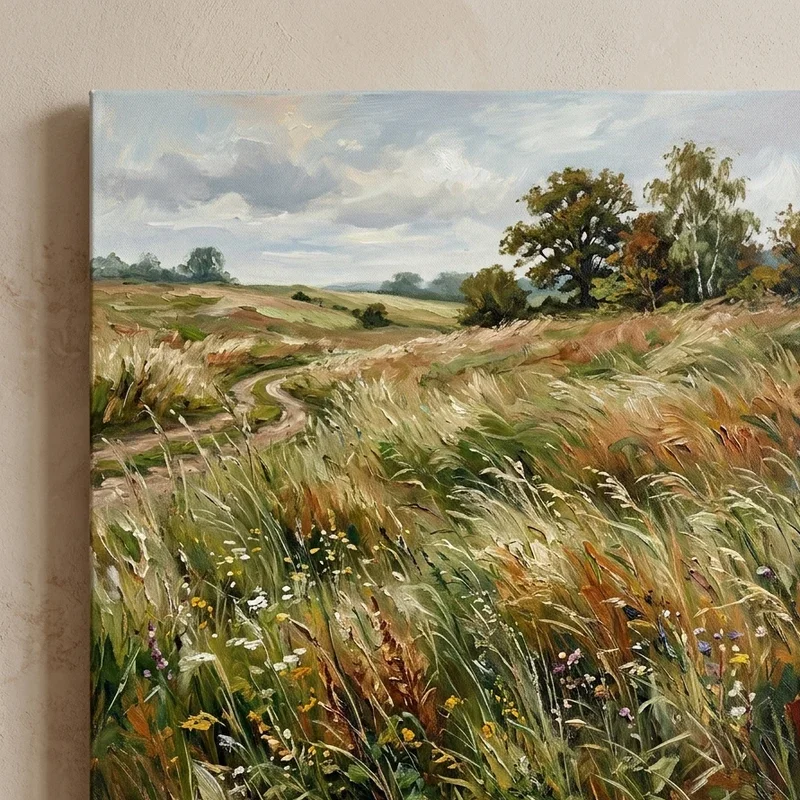
12. Seasonal Landscape Transformations
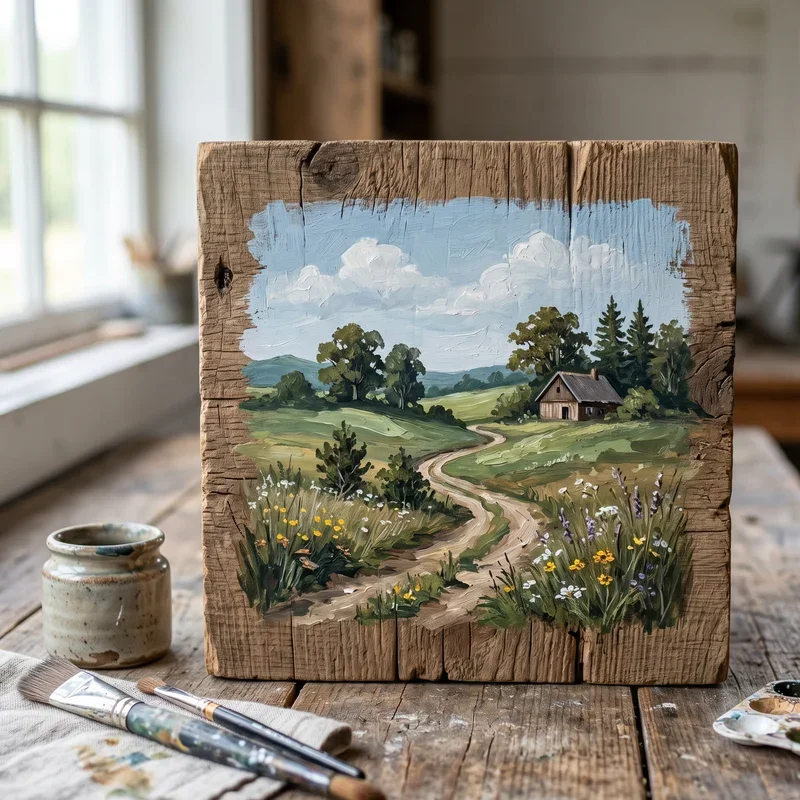
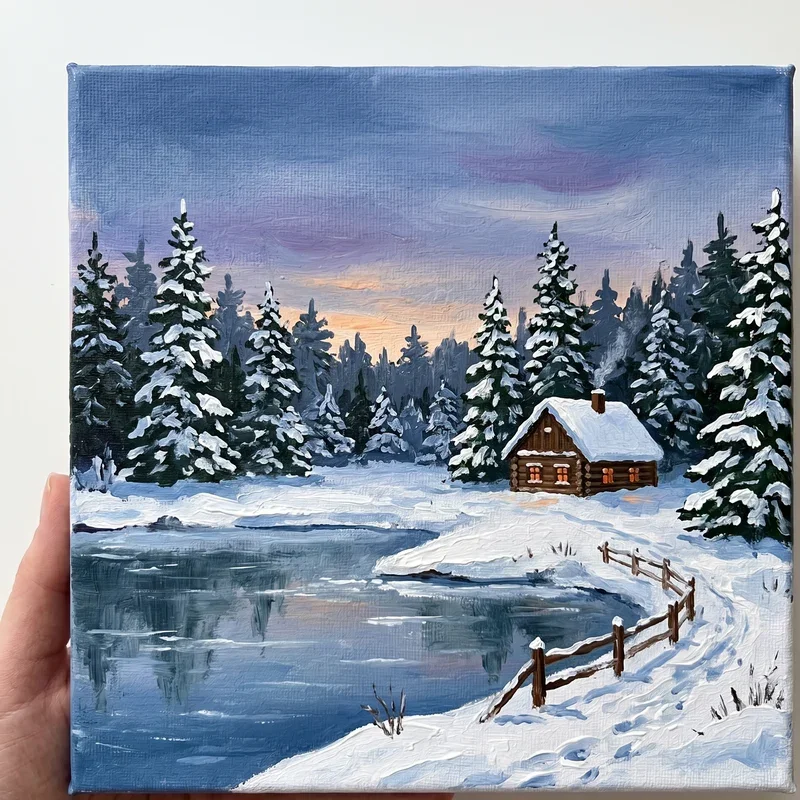
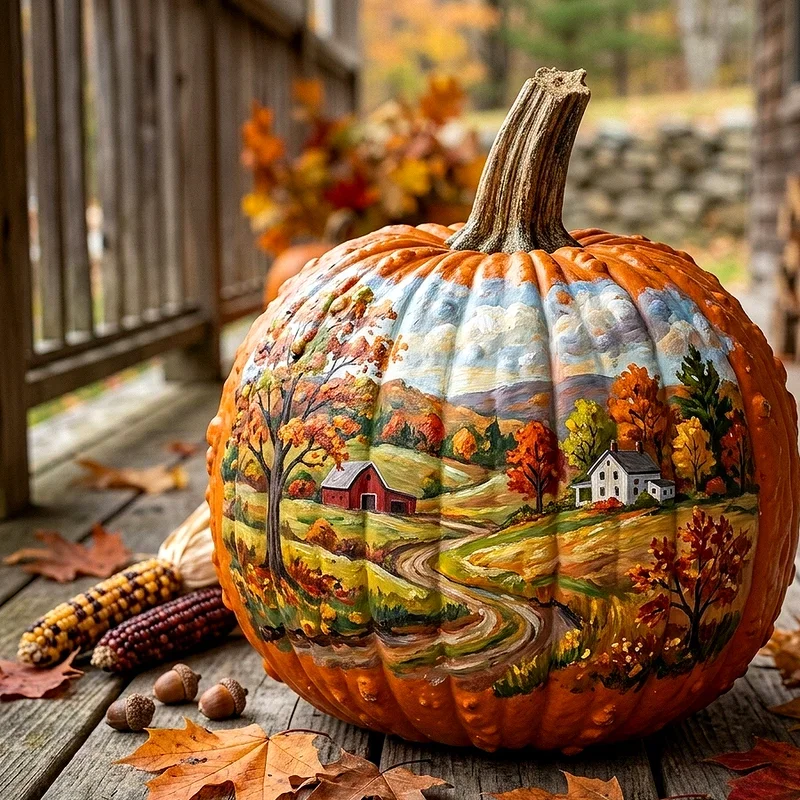
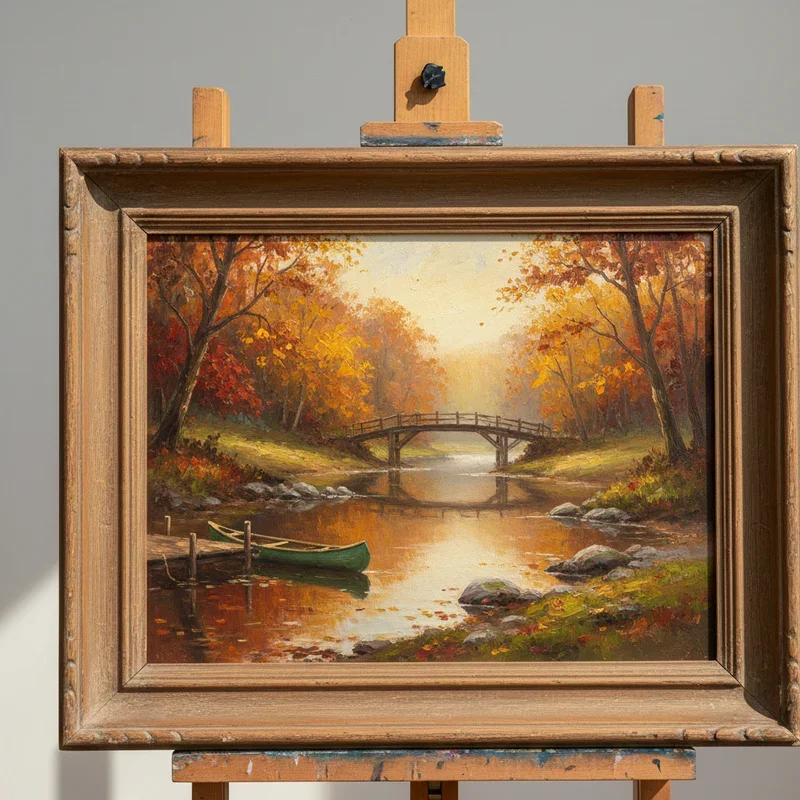
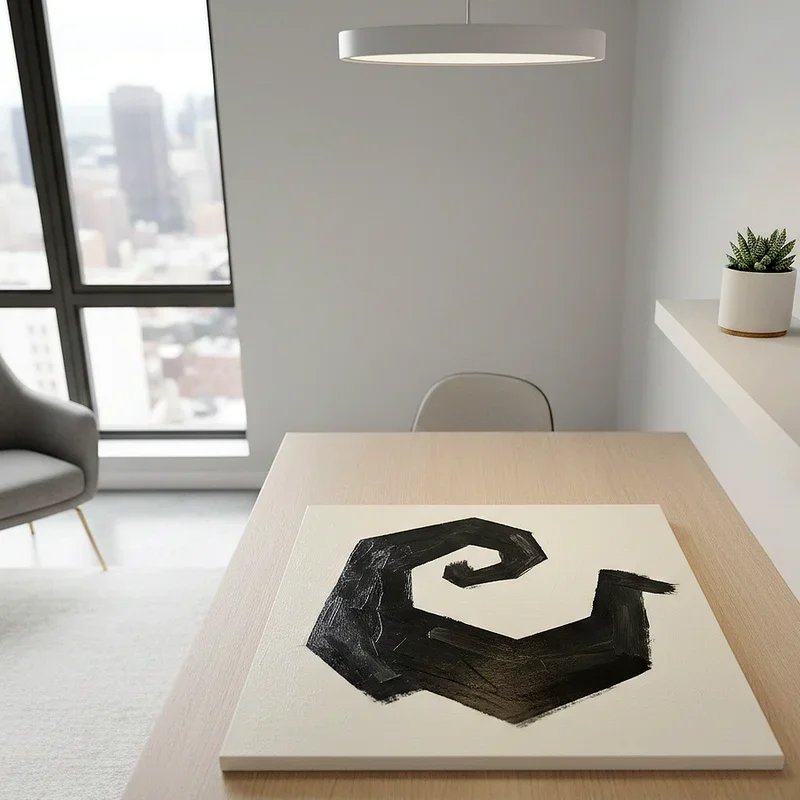
Each season transforms the landscape dramatically, offering four distinct personalities of the same location yearly. Spring brings delicate blossoms and fresh greens emerging from winter's bare branches with hopeful energy. Summer saturates the world with deep rich colors and golden light that makes everything glow. Autumn explodes in fiery oranges, reds, and yellows as nature prepares for rest. Winter strips the landscape to essential forms, revealing structure through stark beautiful simplicity. Consider painting the same location across all four seasons to understand how light changes. This exercise develops your color mixing skills as you match subtle variations each season brings naturally.
13. Cultural Heritage and Folk Art
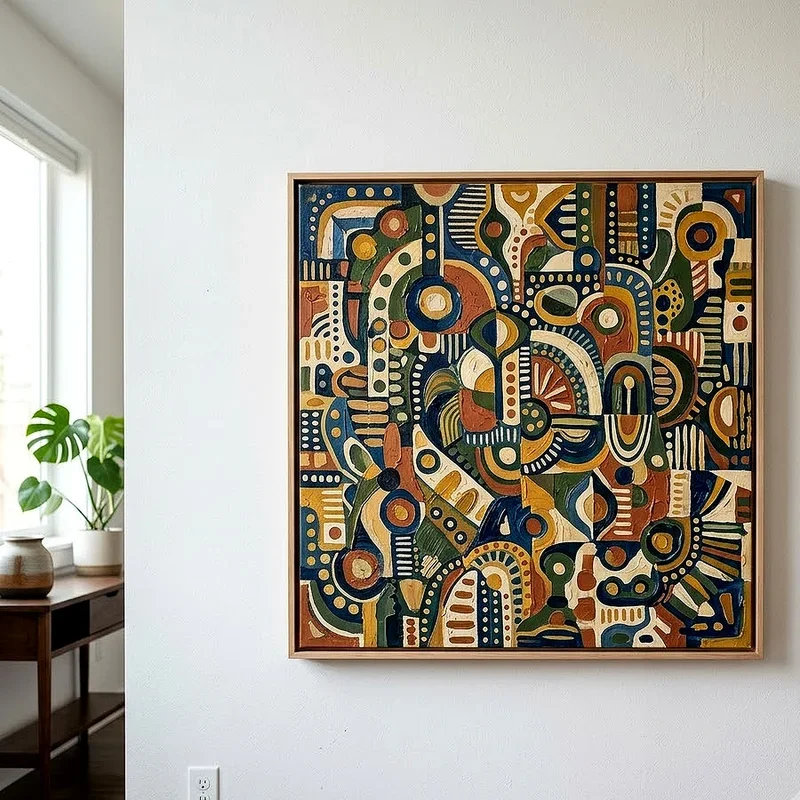
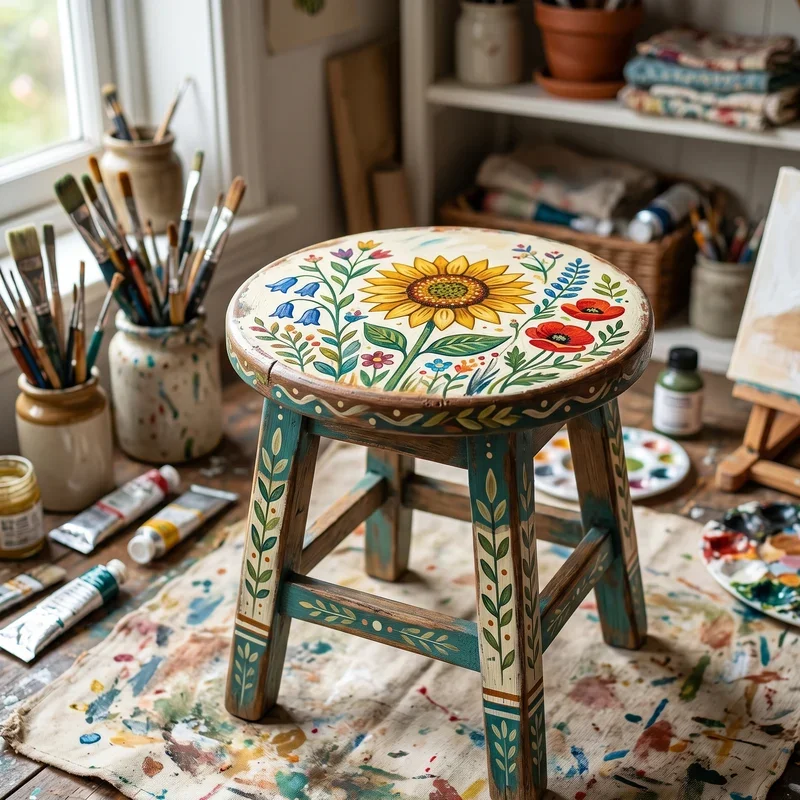
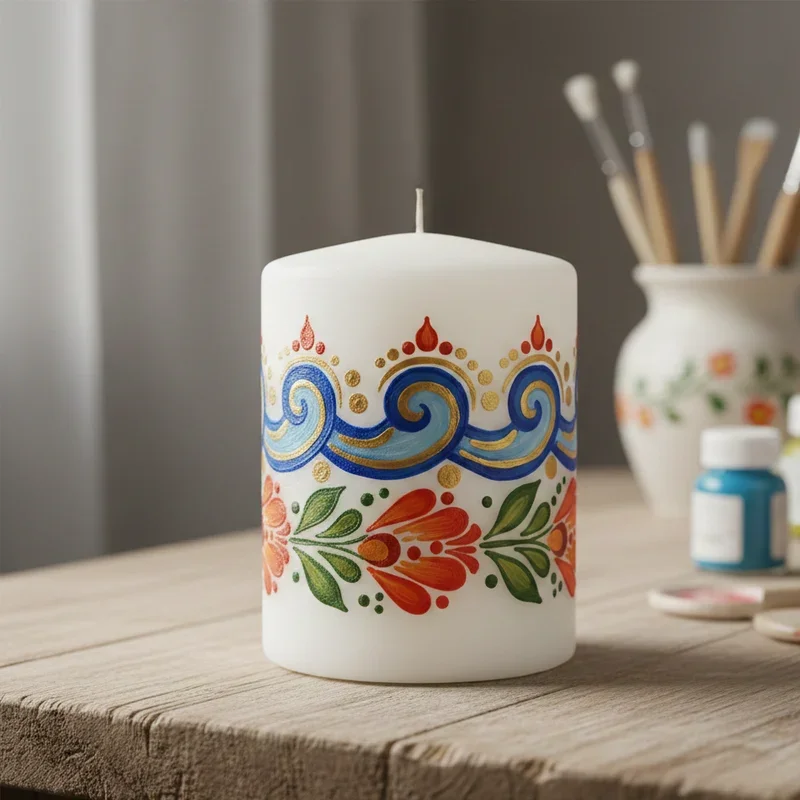
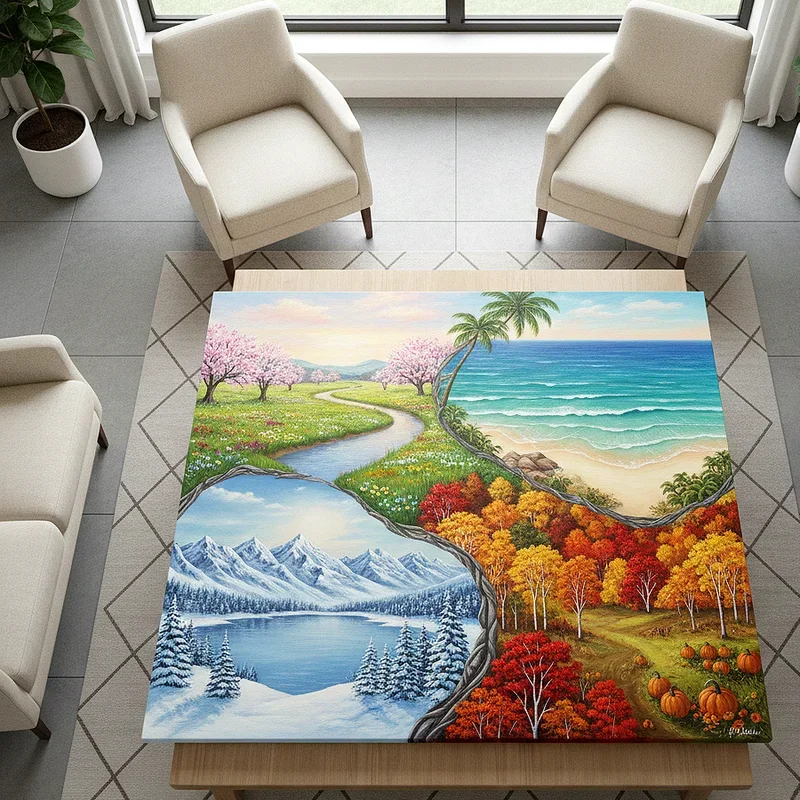
Folk art traditions from around the world offer rich visual languages developed over generations beautifully. These styles often feature bold colors, symbolic imagery, and decorative patterns carrying deep significance. Research folk art traditions of your own heritage or explore styles from cultures that fascinate you. Mexican papel picado, Scandinavian rosemaling, and Indian madhubani each offer unique aesthetic approaches. Folk art often prioritizes symbolic meaning and decorative beauty over realistic representation directly. Incorporating cultural elements connects you to artistic lineages stretching back through centuries of history. Be respectful when drawing from other cultures by researching context and significance thoroughly first.
14. Mixed Media Texture Experiments
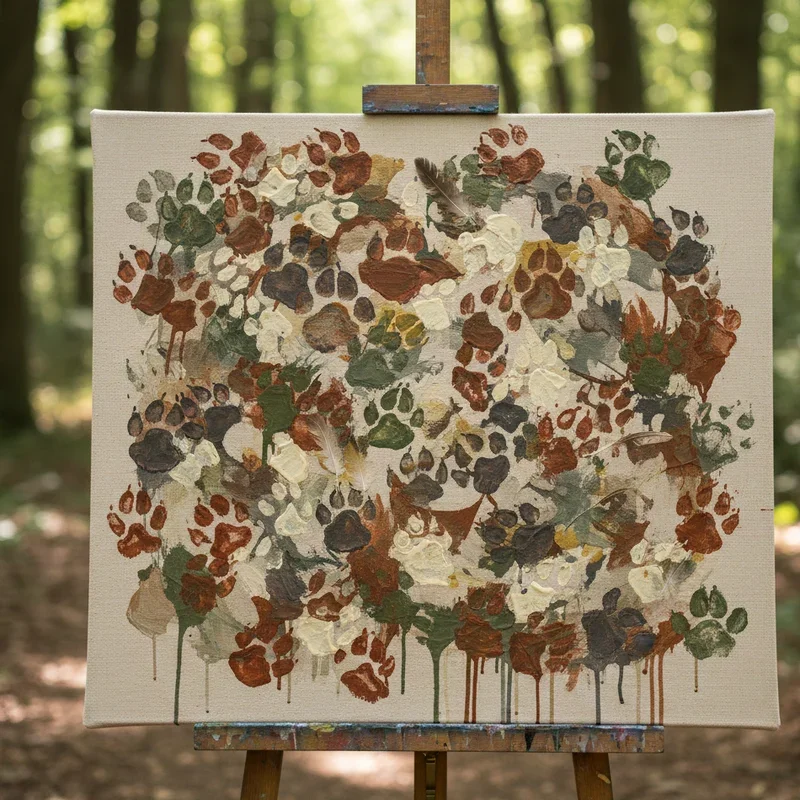
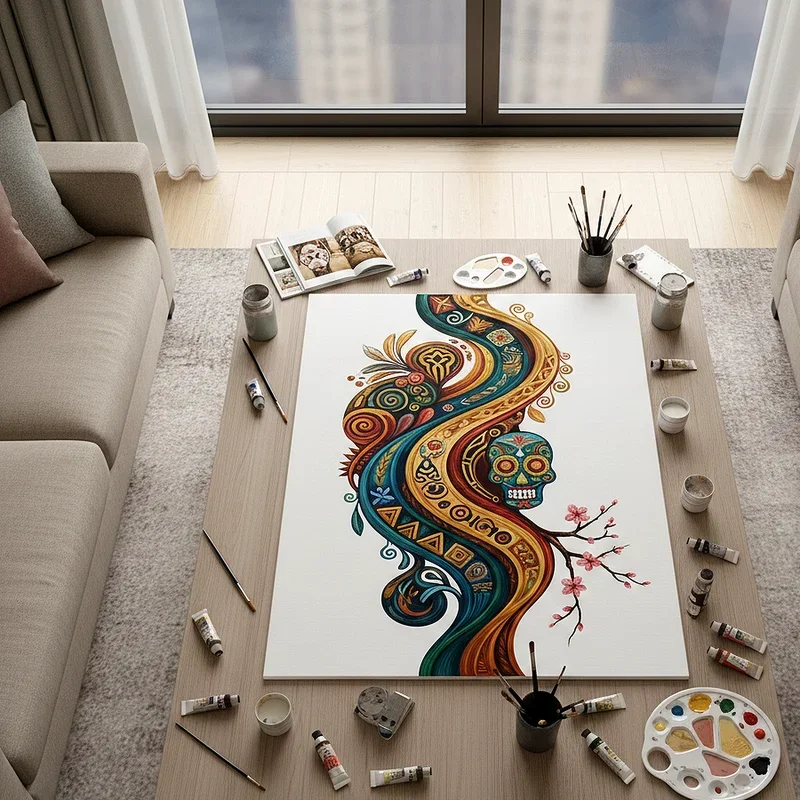
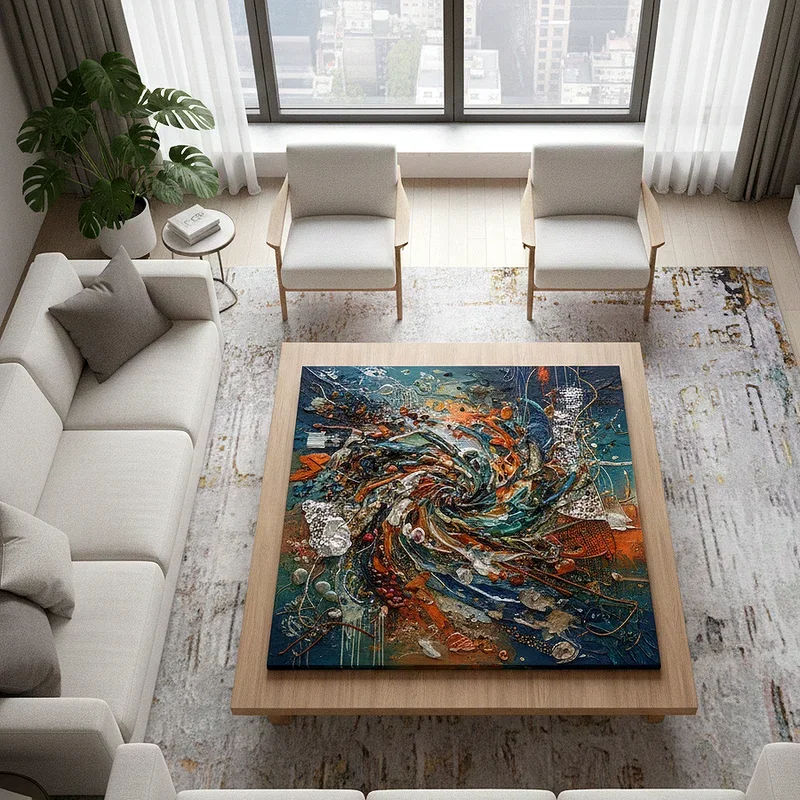
Why limit yourself to paint alone when countless materials can create rich textural surfaces experimentally? Mixed media painting incorporates collage elements, found objects, and various materials into compositions successfully. Newspaper, fabric, sand, and leaves can become integral parts of your artwork naturally. These textural elements add physical dimension that traditional paint alone cannot achieve. Consider how different materials interact with paint and what symbolic meanings their inclusion might carry. Gel mediums and modeling paste allow you to build thick sculptural surfaces before applying color. The tactile quality of mixed media work invites viewers to imagine touching the surface themselves.
15. Personal Memory and Nostalgia Pieces
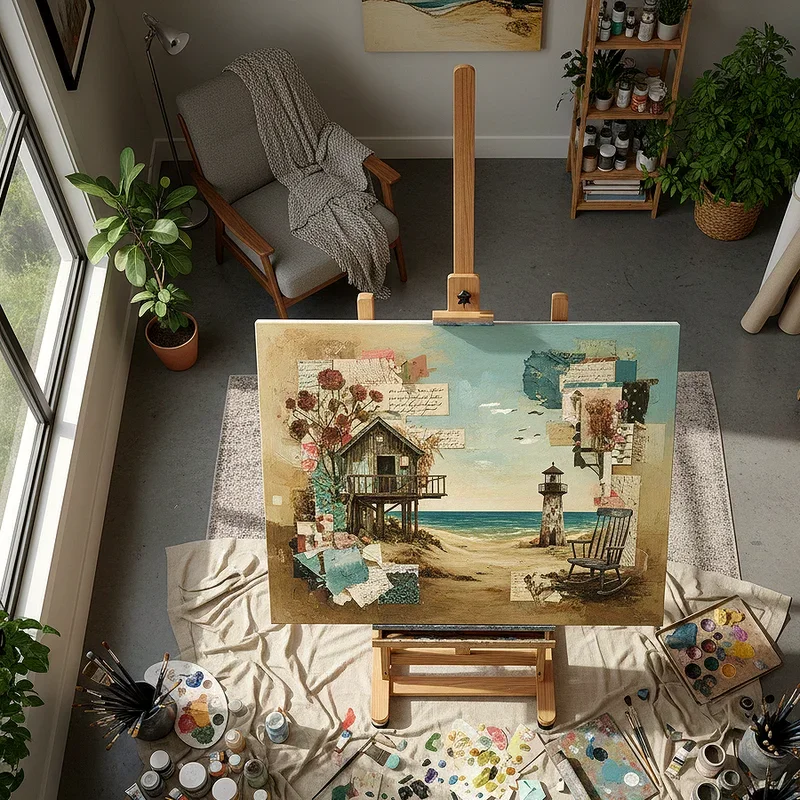
Your most powerful artistic material might be memories and experiences that shaped who you are. Painting from personal history transforms private moments into universal themes that resonate emotionally. Consider childhood memories, significant places, family traditions, or pivotal life moments remaining vivid today. You might work from old photographs or rely entirely on memory's imperfect but emotionally true reconstructions. The slightly hazy quality of remembered imagery can become a stylistic choice in your work. Include symbolic objects carrying personal significance even if others might not understand their meaning. These paintings often reveal themselves gradually as viewers sense emotional weight behind visual choices.
Conclusion
These fifteen painting ideas represent just the beginning of your endless creative possibilities waiting to be explored. Each concept offers a doorway into new techniques, perspectives, and ways of seeing the world differently. Remember that the goal is not perfection but rather the joy of creation and continuous growth. Start with whichever idea excites you most and give yourself permission to experiment freely. Your unique artistic voice will develop naturally as you practice and push beyond your comfort zone regularly.
Read next: 15 Simple Painting Ideas for Creative Beginners
Frequently Asked Questions
Q1. What painting medium works best for beginners starting their artistic journey?
A: Acrylics are ideal for beginners because they dry quickly and clean up easily.
Q2. How can I overcome creative block when feeling completely uninspired to paint?
A: Try changing your environment, studying other artists, or starting with random marks.
Q3. Do I need expensive supplies to create beautiful paintings at home?
A: Quality matters more than price, but student-grade supplies work perfectly fine initially.
Q4. How long should I practice painting before expecting to see real improvement?
A: Consistent daily practice for three to six months typically shows noticeable improvement.
Q5. Can I combine multiple painting ideas from this list into one artwork?
A: Absolutely, mixing concepts often creates the most unique and interesting artistic results.
Stay up to date with our latest ideas!