15 Neon Painting Ideas to Brighten Your Artwork
Discover 15 vibrant neon painting ideas that transform ordinary artwork into luminous masterpieces with bold colors and electric energy.
Have you ever walked past a storefront at night and felt mesmerized by those glowing neon signs that seem to pulse with life? That same electric energy can transform your artwork into something truly spectacular. Neon painting brings an explosion of vibrant colors that command attention and create unforgettable visual experiences. Whether you're a seasoned artist looking to experiment with new techniques or a beginner eager to dive into bold creative expressions, neon colors offer endless possibilities for creating artwork that literally lights up any space. These luminous hues work like visual magnets, drawing viewers into your creative world with their intense pigmentation and fluorescent glow. From abstract compositions to realistic portraits enhanced with neon accents, this versatile medium allows you to push boundaries and explore new dimensions in your artistic journey.
1. Understanding Neon Colors in Art
Neon colors revolutionize traditional painting by introducing fluorescent pigments that appear to glow even under normal lighting conditions. These ultra-bright hues contain special chemical compounds that absorb ultraviolet light and emit visible light, creating that signature luminous effect. When you work with neon paints, you're essentially harnessing physics to make your artwork pop off the canvas. The most popular neon shades include electric pink, lime green, bright orange, vibrant yellow, and shocking blue. Artists appreciate neon colors because they create instant visual impact and emotional responses that traditional colors simply cannot achieve. Think of neon paints as the espresso shot of your color palette, delivering concentrated energy and excitement. These pigments work beautifully on dark backgrounds where their brightness creates maximum contrast and drama.
2. Abstract Geometric Neon Patterns
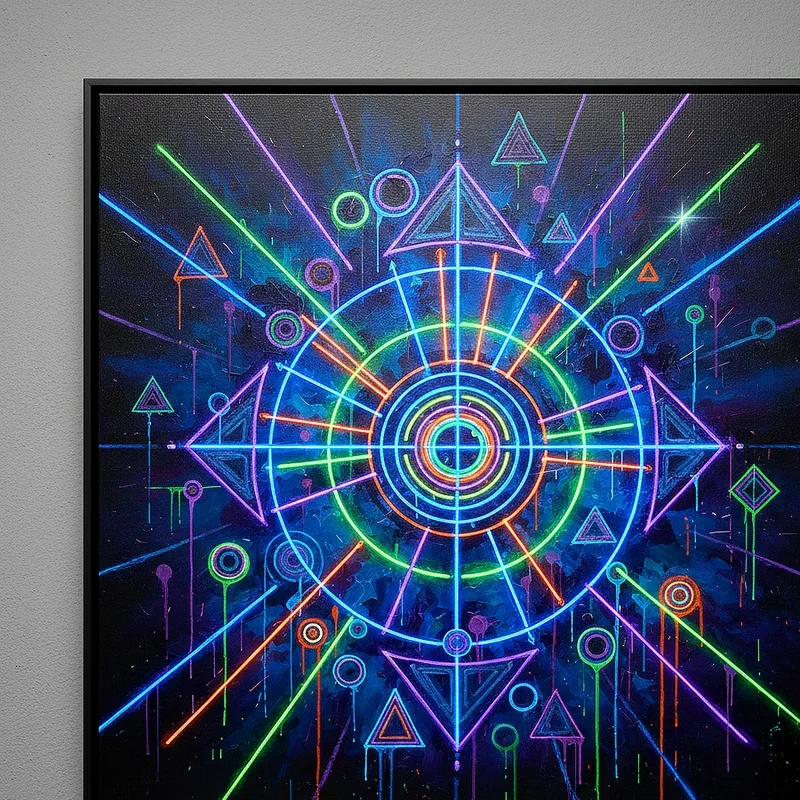
Geometric shapes become electrifying when painted with neon colors, transforming simple forms into dynamic visual experiences. Start by sketching basic shapes like triangles, circles, squares, and hexagons across your canvas, then fill them with contrasting neon hues. The key lies in creating rhythm through repetition while maintaining enough variety to keep the composition interesting. Layer transparent neon washes over opaque sections to build depth and dimension within your geometric framework. This technique works exceptionally well for modern interior decoration, offering bold statements that energize living spaces. Consider using painter's tape to achieve crisp, clean edges that make your neon shapes appear professionally polished. The interplay between sharp geometric boundaries and glowing neon fills creates tension that captivates viewers and invites closer inspection of your artwork.
3. Neon Sunset and Sunrise Landscapes
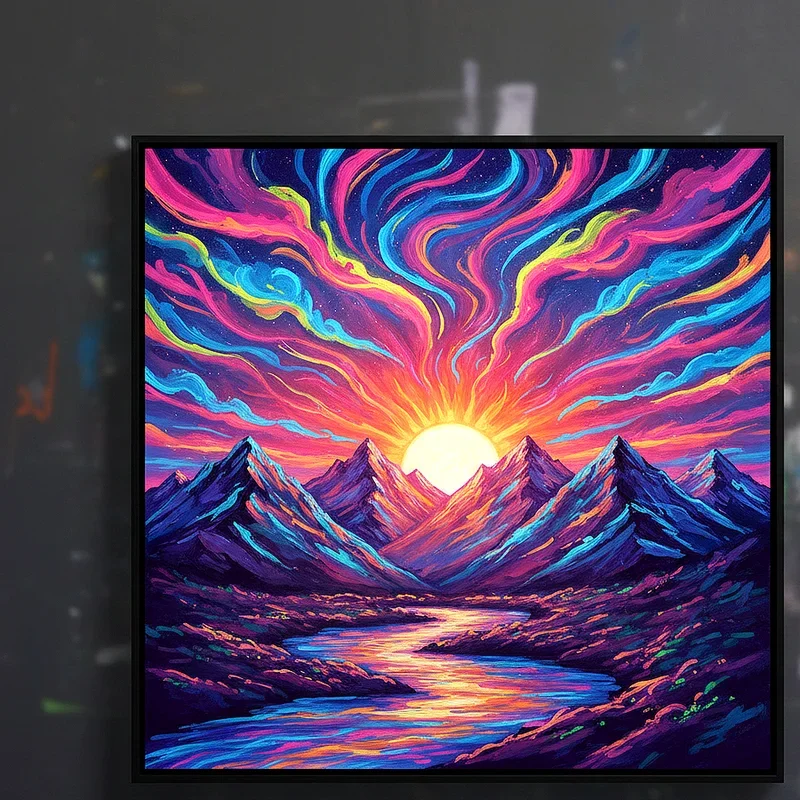
Natural phenomena like sunsets gain supernatural beauty when reimagined through neon color palettes that push reality into dreamlike territory. Replace traditional oranges and purples with electric pink, lime green, and bright yellow gradients that blend seamlessly across the horizon. Your sky becomes a canvas for experimental color transitions that challenge conventional landscape expectations while maintaining recognizable compositional elements. Add silhouetted foreground elements like trees, mountains, or buildings to ground your fantastical color choices in familiar forms. The contrast between dark silhouettes and glowing neon skies creates dramatic focal points that guide the viewer's eye through your composition. This approach transforms everyday scenes into extraordinary visions that feel both familiar and otherworldly. Think of your landscape as a stage where neon colors perform a spectacular light show that nature herself might envy.
4. Glowing City Nightscapes
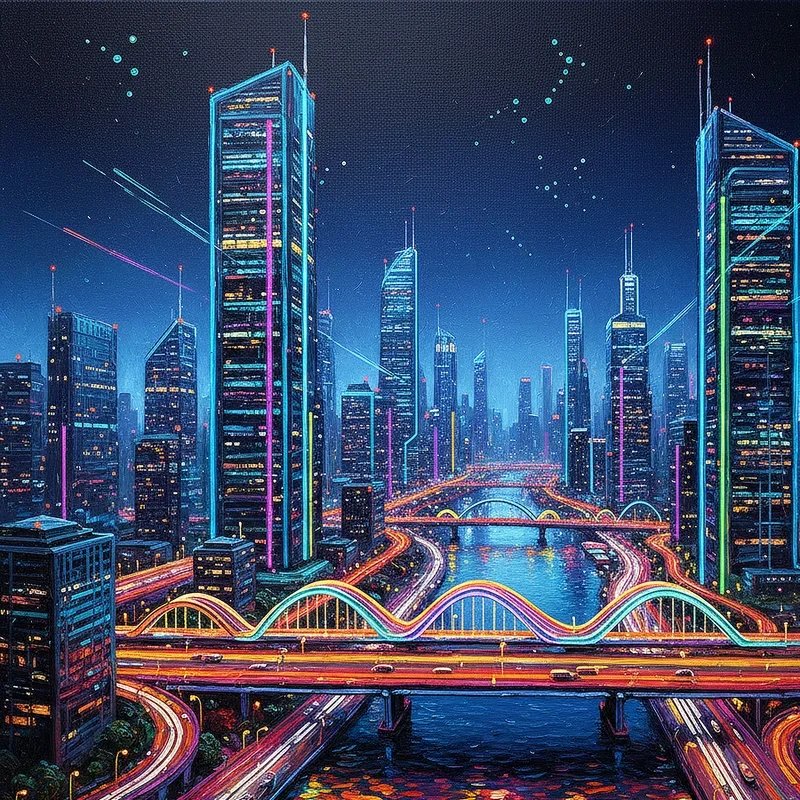
Urban environments at night provide perfect subjects for neon painting techniques that capture the electric pulse of modern cities. Paint towering skyscrapers with windows that glow in neon yellows and blues, creating patterns that suggest life and activity within. Add neon signs, traffic lights, and street lamps using small brushes to build intricate details that reward close examination. The reflections of these lights on wet pavement or building facades multiply your neon elements throughout the composition. Consider incorporating actual blacklight-reactive paints that genuinely glow under UV light for gallery presentations that truly dazzle audiences. Your cityscape becomes a celebration of artificial light and human energy concentrated in architectural forms. This style captures the excitement and possibility that urban environments represent, especially when darkness falls and neon illumination transforms the metropolitan landscape.
5. Neon Portrait Accents
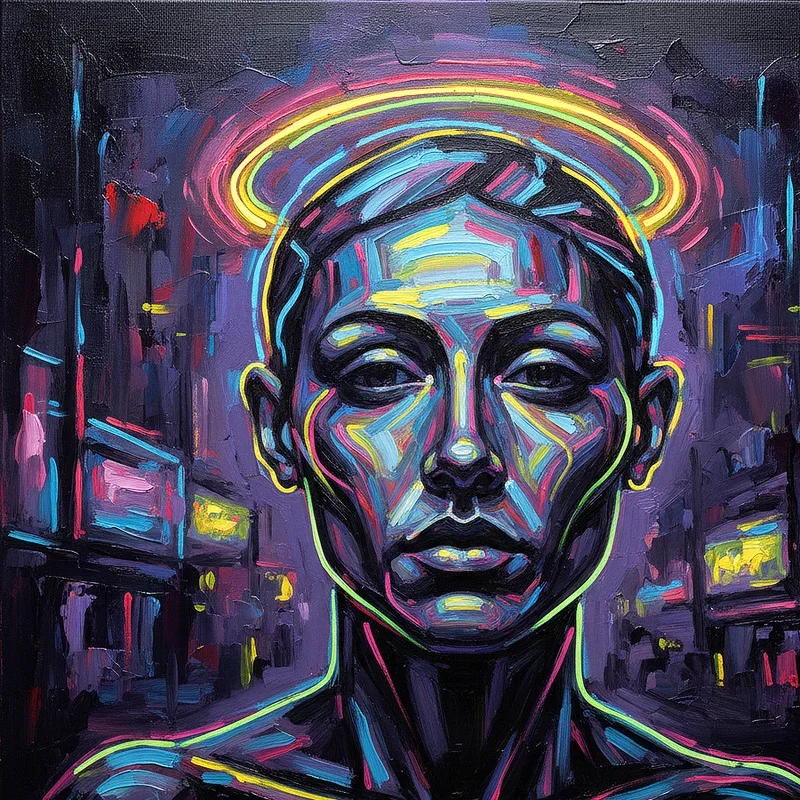
Traditional portraiture gains contemporary edge when you strategically incorporate neon highlights that emphasize facial features and create mood. Rather than painting entire portraits in neon, use these vibrant colors as accents on hair, eyes, lips, or background elements surrounding your subject. Apply neon pink or blue highlights along cheekbones and nose bridges to create dimension while maintaining realistic skin tones elsewhere. This selective approach lets you experiment with bold colors without overwhelming the portrait's emotional connection and recognizable likeness. Consider painting dramatic neon halos or auras around your subjects to suggest energy, emotion, or spiritual qualities. The juxtaposition of realistic rendering and fantastical neon elements creates visual tension that makes portraits memorable and Instagram-worthy. Your subjects transform into icons that bridge the gap between traditional portrait painting and contemporary pop art sensibilities.
6. Electric Nature Scenes
Nature paintings explode with new life when you replace natural greens and browns with electric neon alternatives that reimagine forests and gardens. Paint leaves in lime green and bright yellow, creating foliage that seems to pulse with photosynthetic energy magnified beyond natural limits. Add neon flowers that glow like beacons against darker backgrounds, drawing pollinators and viewers alike to their vibrant beauty. This approach transforms familiar natural subjects into alien landscapes that feel both recognizable and fantastical. Consider painting mushrooms, ferns, and mosses in unexpected neon purples and blues to create otherworldly forest floors. The technique works especially well for fantasy illustrations or science fiction environments where artists enjoy creative freedom. Your nature scenes become portals to imaginary worlds where evolution took a more colorful path and bioluminescence became the dominant survival strategy.
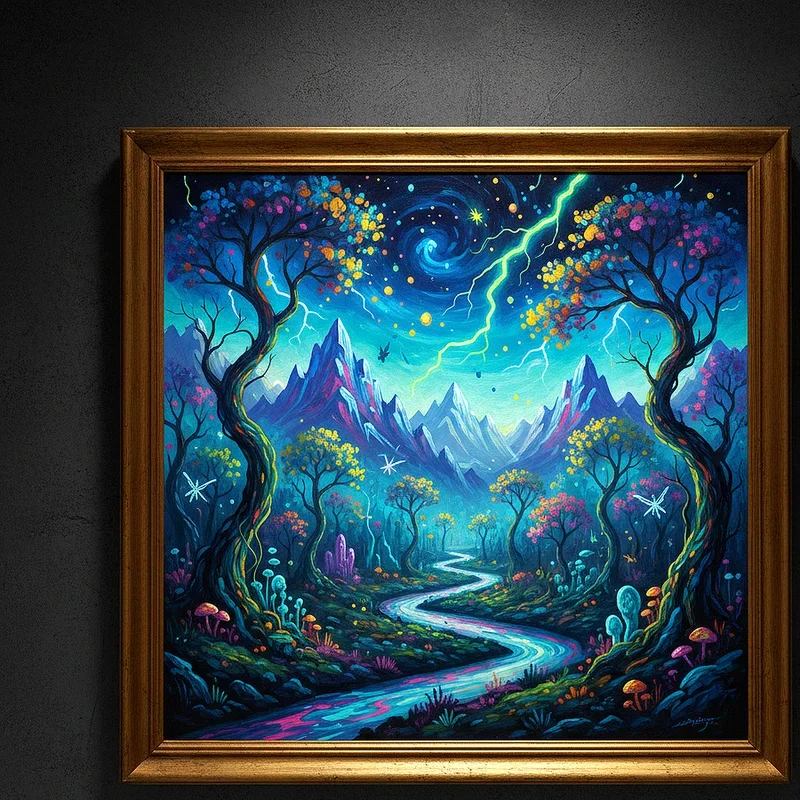
7. Psychedelic Neon Swirls
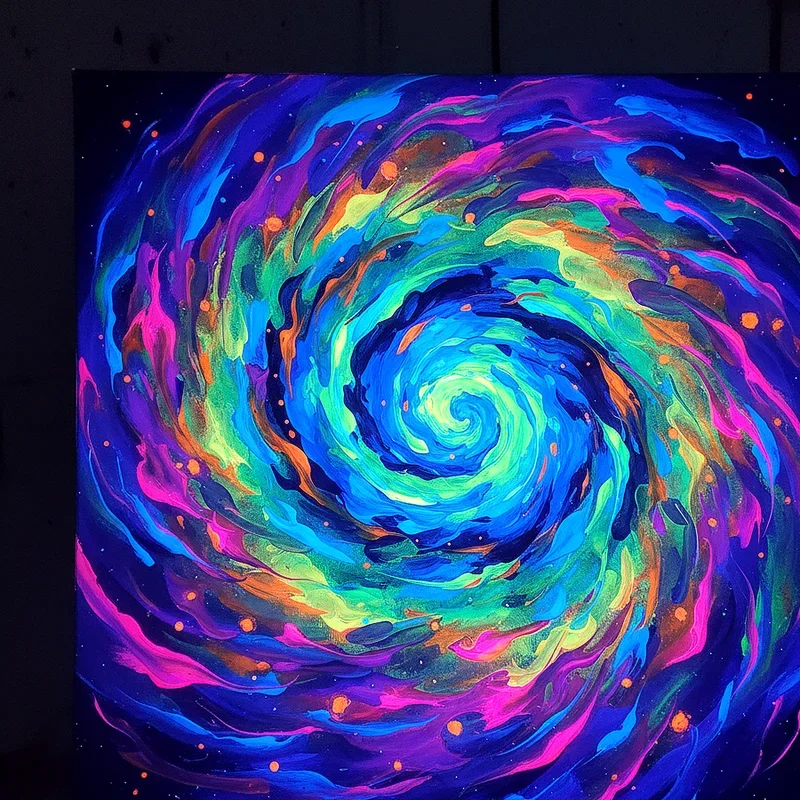
Fluid, flowing patterns in neon colors create mesmerizing artworks that capture the free-spirited energy of psychedelic art movements. Use pouring techniques, palette knives, or large brushes to create sweeping curves and spirals that dance across your canvas. Let different neon colors blend at their edges, creating transition zones that shimmer with multiple hues simultaneously. This style encourages spontaneity and embraces happy accidents that occur when liquid paints interact unpredictably. Add fine details with smaller brushes once your base layers dry, incorporating dots, lines, and geometric elements that enhance the overall composition. The resulting artwork feels alive with movement and energy, inviting viewers to follow swirling paths through your colorful creation. Think of each swirl as a visual melody that contributes to the overall symphony of your psychedelic composition.
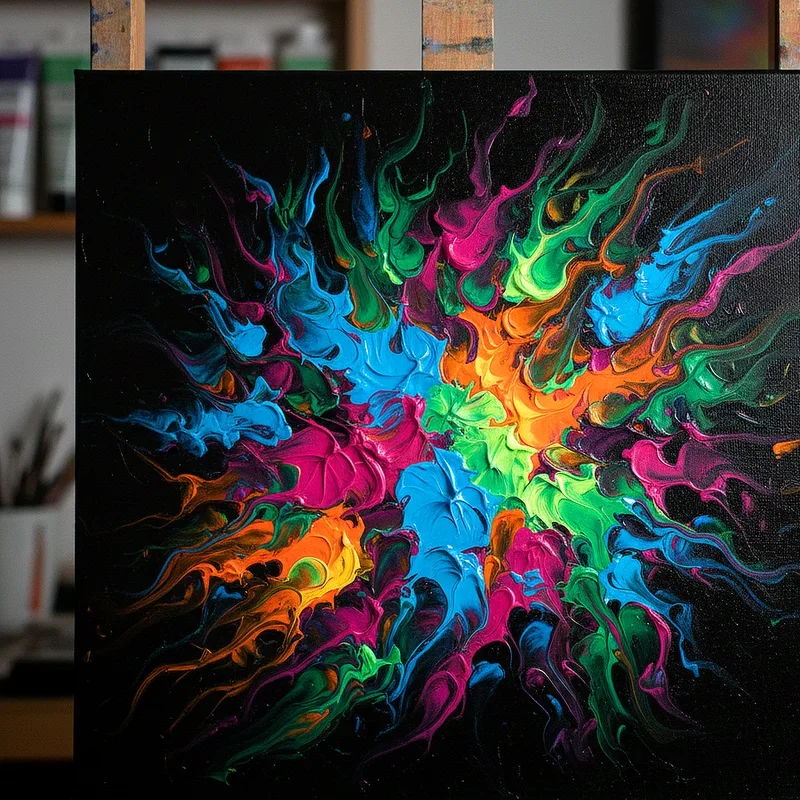
8. Neon Galaxy and Space Themes
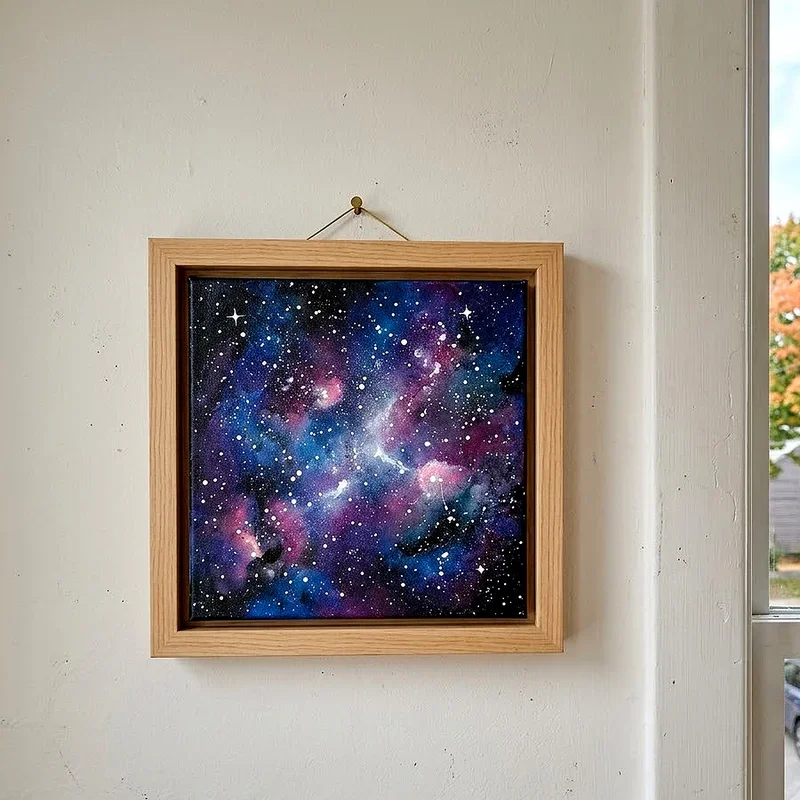
Cosmic subjects gain extra otherworldly appeal when painted with neon colors that suggest alien suns and distant nebulae. Begin with deep black or dark blue backgrounds that represent the void of space, then build your celestial objects with layers of neon pigments. Splatter techniques create convincing star fields when you flick neon white or yellow paint across your canvas using old toothbrushes. Paint spiraling galaxies with neon pink and purple arms that seem to rotate through space-time itself. Add planets with neon atmospheric glows that suggest exotic chemical compositions unlike anything in our solar system. This subject matter naturally accommodates wild color choices since viewers have limited real-world references for deep space phenomena. Your galaxy paintings become windows into imaginary universes where the laws of physics produce spectacular light shows across cosmic distances.
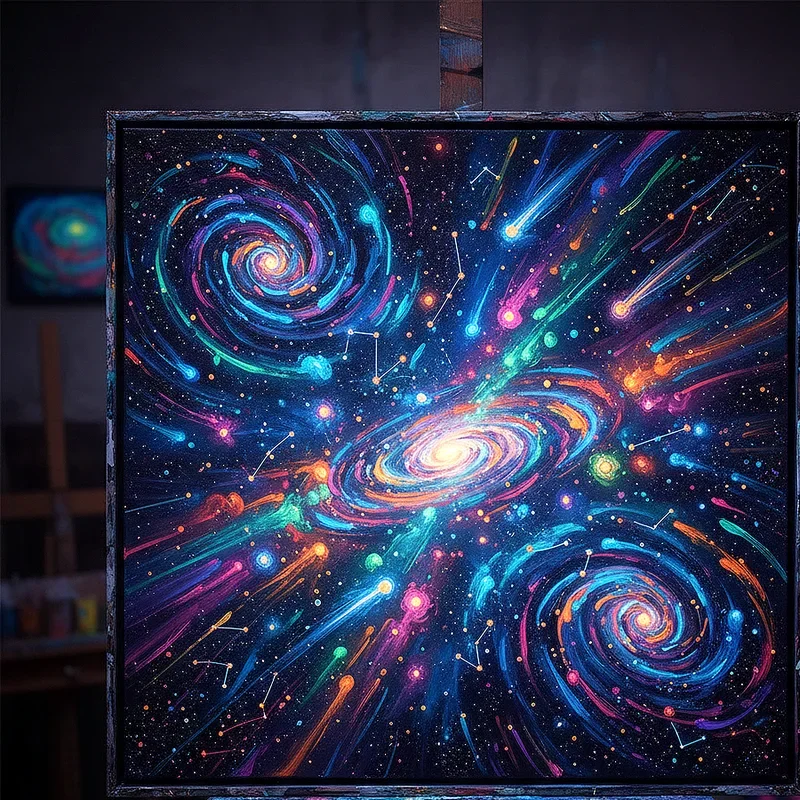
9. Fluorescent Street Art Style
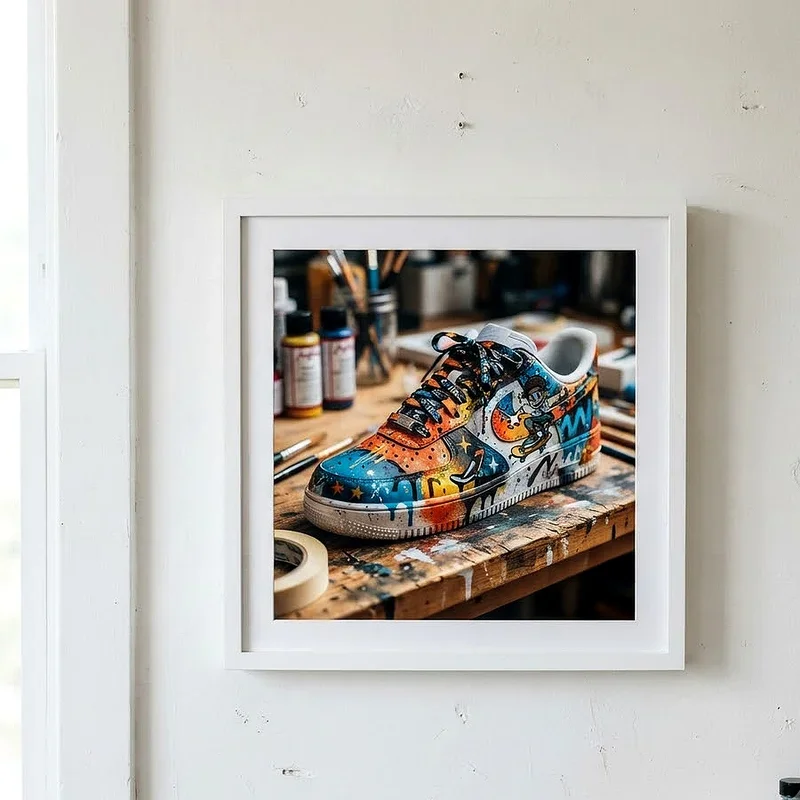
Street art aesthetics translate beautifully to canvas when you embrace bold neon colors and graphic design elements from urban culture. Create compositions featuring stylized text, characters, and symbols rendered in electric hues that reference spray paint and graffiti traditions. Use stencils to achieve clean, repeatable shapes that layer over each other, building complex compositions from simple elements. Add drips and splatters intentionally to suggest the spontaneous energy of street art while maintaining overall control of your design. This style works particularly well for making statements about contemporary culture, music, or social issues through visually arresting imagery. Consider incorporating found textures by painting over newspaper, cardboard, or other materials that add authenticity to your street-inspired aesthetic. Your artwork captures the rebellious spirit and democratic accessibility that make street art such a vital contemporary art movement.
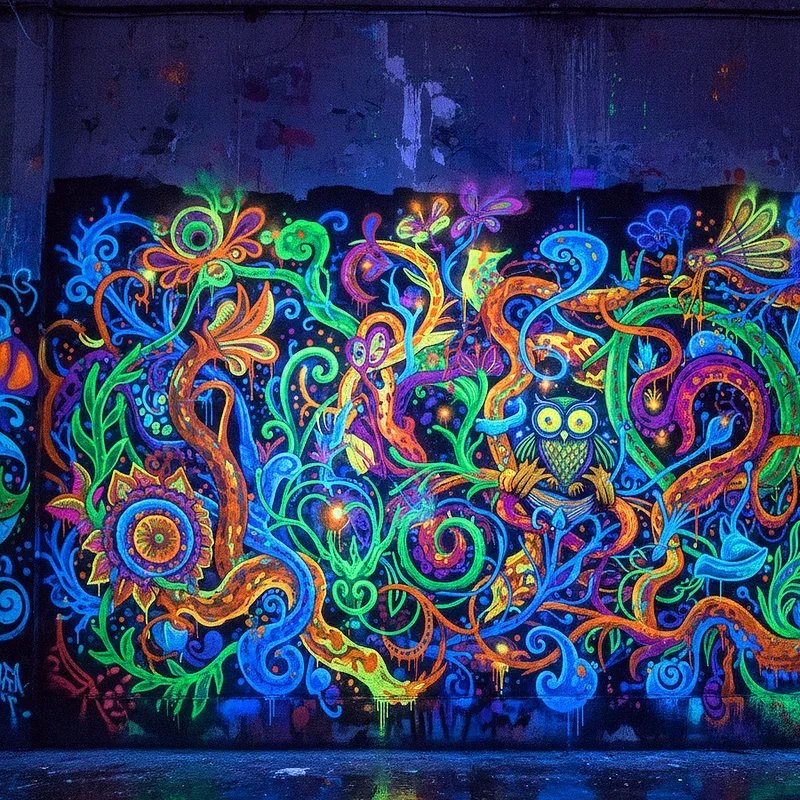
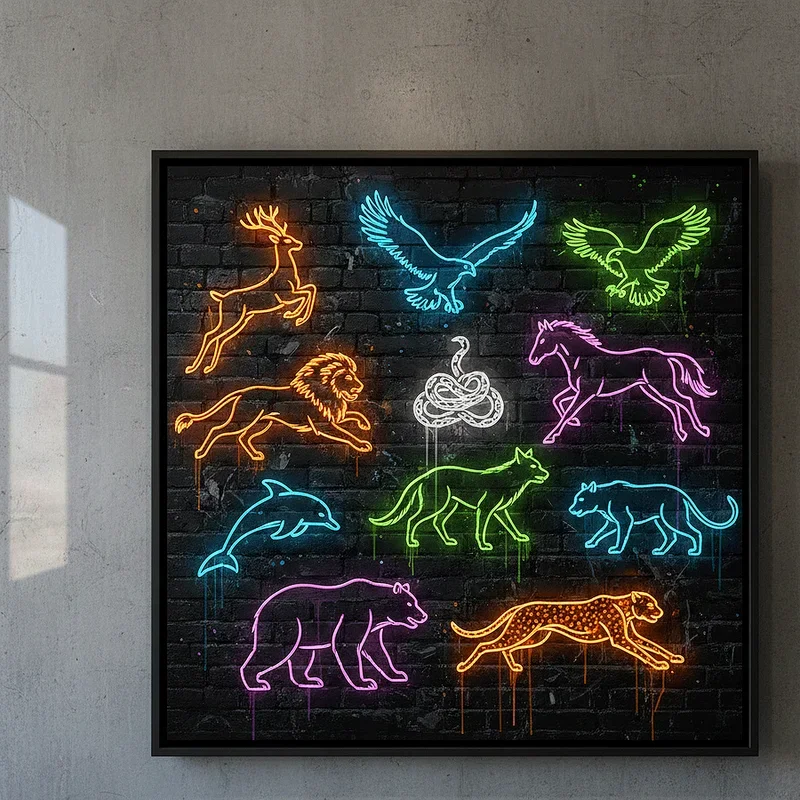
10. Neon Animal Silhouettes
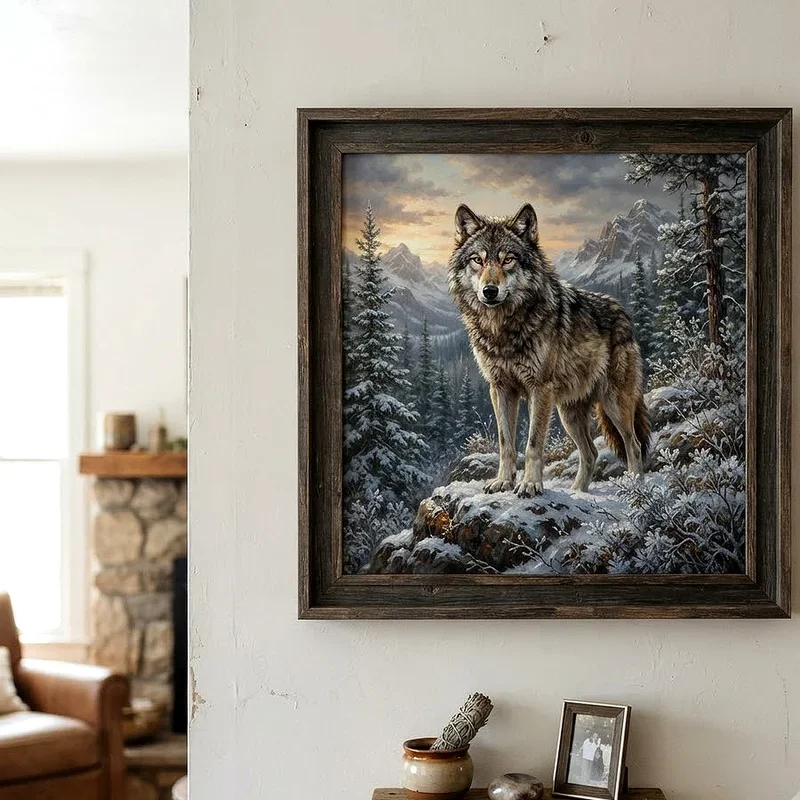
Animal subjects gain graphic impact when rendered as solid silhouettes filled with vibrant neon colors or patterns against contrasting backgrounds. Choose animals with distinctive shapes like deer, elephants, wolves, or birds that remain recognizable even when simplified to basic forms. Fill these silhouettes with neon gradients, geometric patterns, or abstract designs that transform realistic creatures into decorative art objects. This approach combines the universal appeal of animal imagery with the contemporary energy of neon color palettes. Consider painting multiple animals in different neon colors to create series that work together as coordinated decoration. The simplified forms make this technique accessible to artists at any skill level while producing professional-looking results. Your animal silhouettes become icons that celebrate both natural beauty and human creativity through bold color choices and simplified compositions.
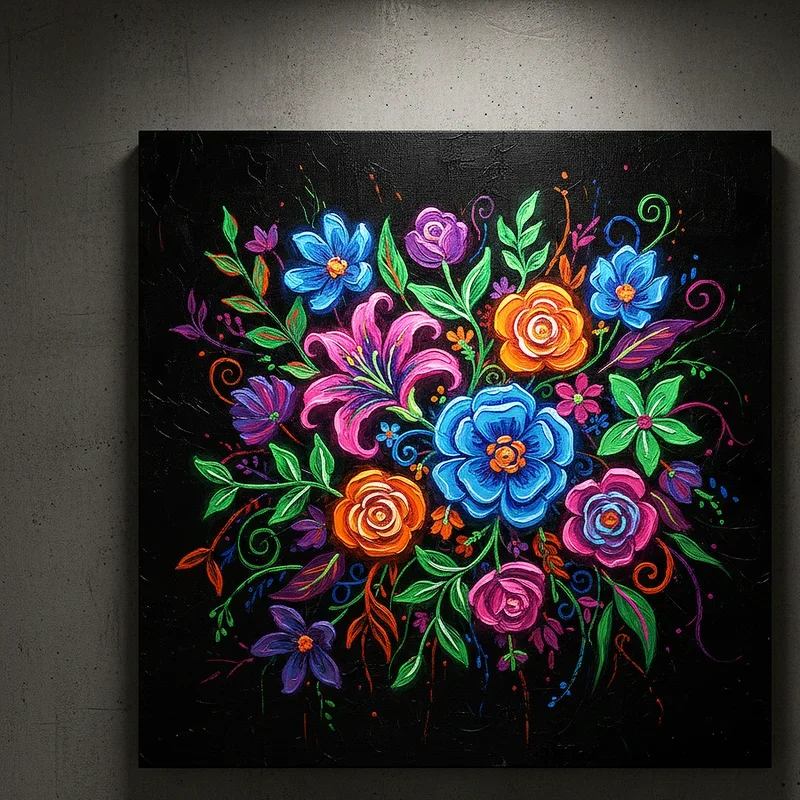
11. Vibrant Neon Florals
Flower paintings bloom with new intensity when traditional botanical colors give way to shocking neon alternatives that reimagine natural beauty. Paint roses in electric pink, sunflowers in lime green, or orchids in neon purple to create bouquets that could never exist in nature. This approach maintains the organic curves and petal structures of real flowers while liberating you from realistic color constraints. Add neon highlights and shadows using complementary neon colors to build dimension within each flower's form. Consider painting neon florals against black backgrounds where their brightness achieves maximum visual impact and creates dramatic presentations. The technique works beautifully for modern interior decoration where homeowners want nature-inspired art with contemporary edge. Your floral paintings become celebrations of color itself, using familiar natural forms as vehicles for pure chromatic expression and visual joy.
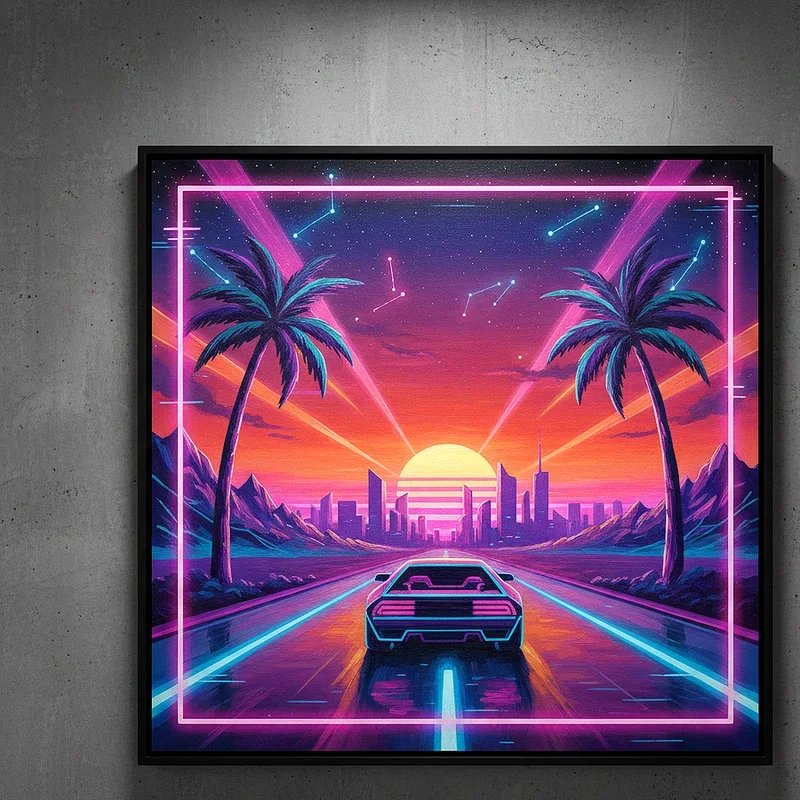
12. Retro Wave Aesthetic Paintings
The retrowave movement combines nostalgic elements from the past with futuristic neon color schemes that feel simultaneously vintage and contemporary. Paint sun-soaked horizons with horizontal neon stripes in pink, purple, and blue that reference digital sunsets from early computer graphics. Add geometric grids that recede toward vanishing points, creating perspective illusions enhanced by neon color gradations. Incorporate palm trees, sports cars, or geometric shapes that reference popular culture from previous decades. This aesthetic captures the optimistic futurism that characterized certain historical periods when people imagined tomorrow in bright, bold colors. Use airbrush techniques or careful blending to achieve the smooth gradients that define this style's polished appearance. Your retrowave paintings become portals to imaginary pasts and futures where neon lights illuminate endless possibilities and perpetual summers.
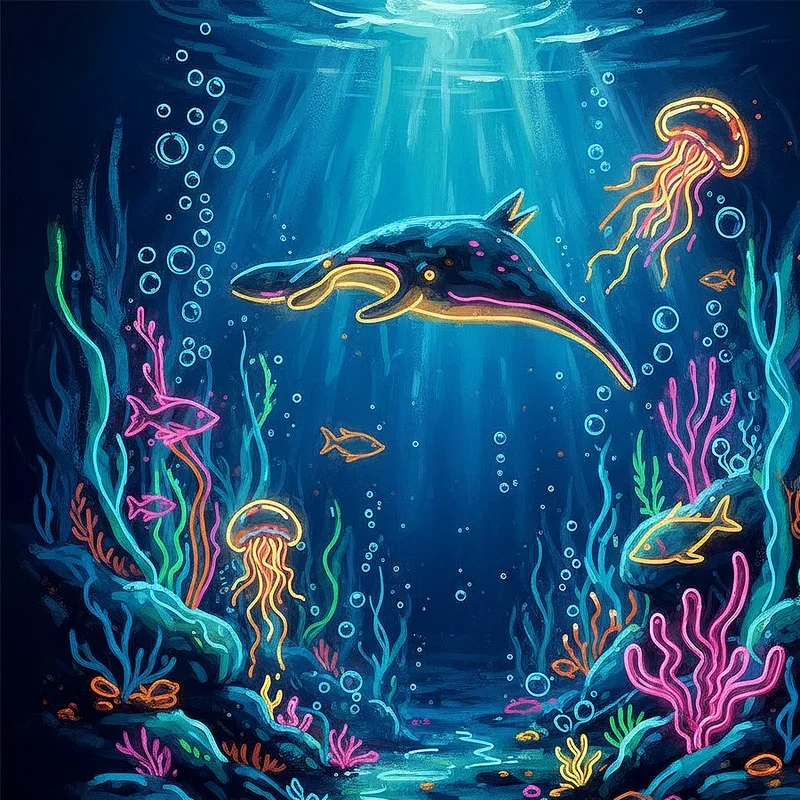
13. Neon Underwater Scenes
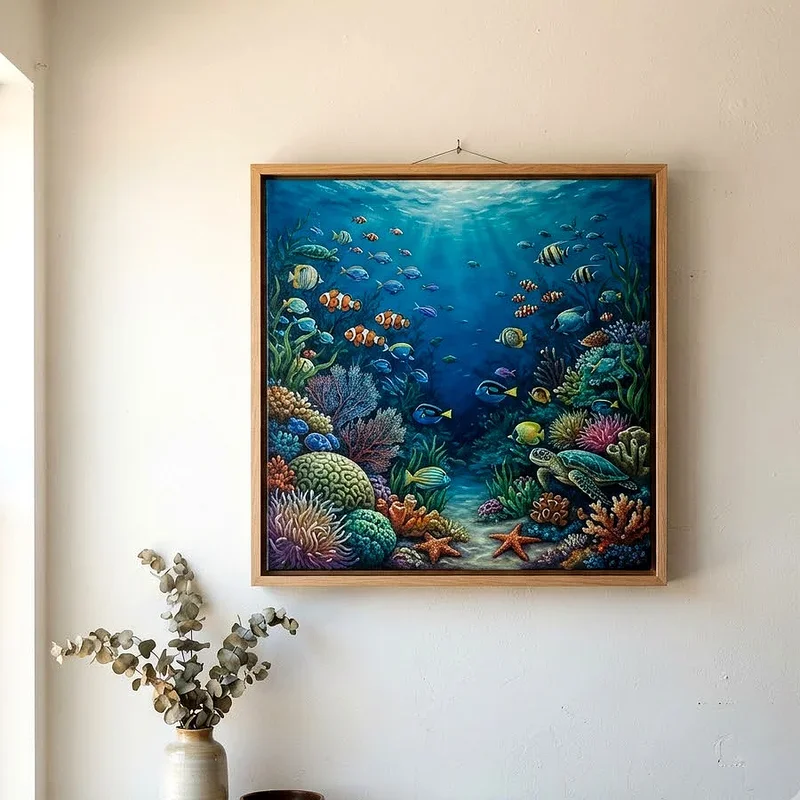
Ocean environments gain fantasy appeal when painted with neon colors that suggest bioluminescent creatures and alien marine ecosystems. Paint coral reefs in electric pink and lime green, creating underwater gardens that glow with impossible vitality. Add neon jellyfish trailing luminous tentacles, fish with fluorescent scales, and sea plants that emit their own light. This subject naturally accommodates surreal color choices since many real deep-sea creatures actually produce bioluminescence for communication and hunting. Use fluid brushwork that captures the flowing movement of water and drifting sea life suspended in liquid environments. Consider adding neon highlights to bubbles and water ripples to suggest light refraction through mysterious depths. Your underwater scenes transport viewers to imaginary oceans where evolution produced more colorful and luminous creatures than any aquarium could contain.
14. Abstract Neon Drip Technique
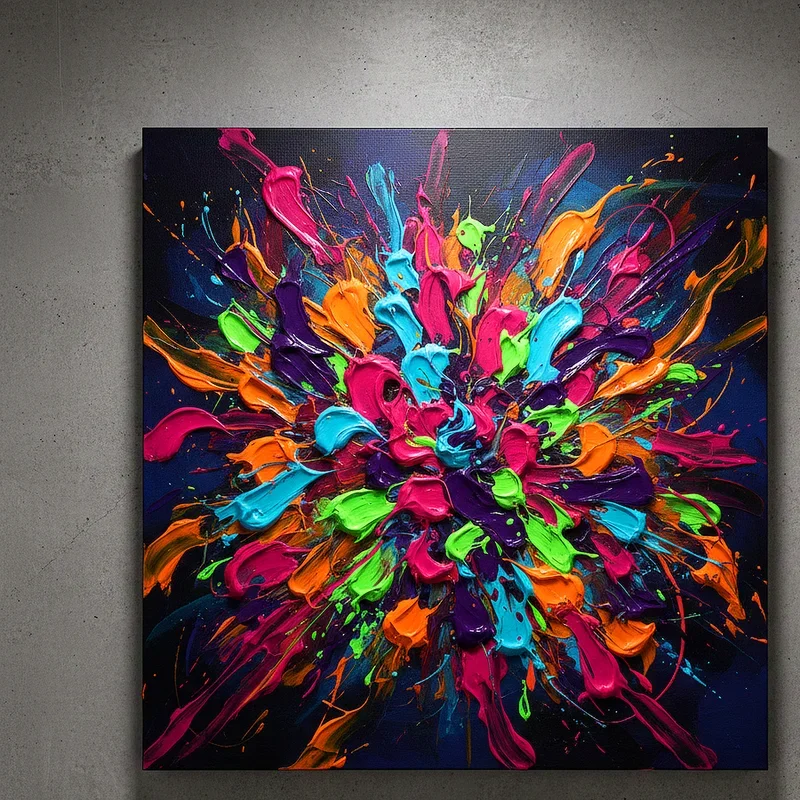
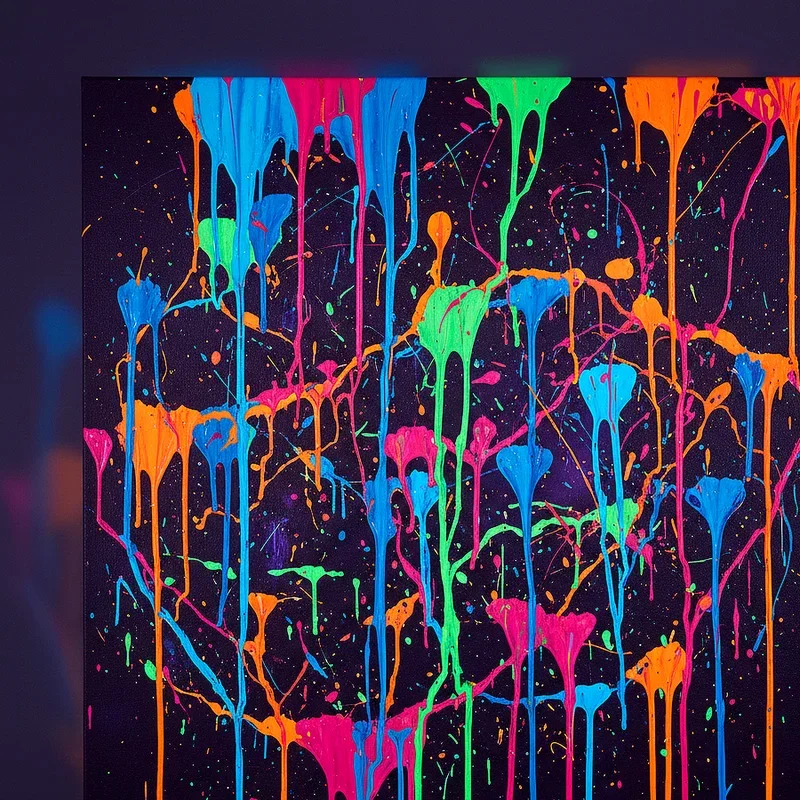
Drip painting methods gain new energy when executed with neon colors that flow and blend into electric compositions. Allow diluted neon paints to cascade down vertical canvases, creating organic streams and rivulets that record gravity's influence on liquid pigment. Rotate your canvas to direct drips in different directions, building layers that create depth through overlapping transparent and opaque passages. This technique embraces spontaneity while offering opportunities for control through paint viscosity, canvas angle, and color placement decisions. Add splatters, pours, and controlled marks with brushes or other tools to enhance the overall composition. The resulting artwork captures energy and movement frozen in time like colorful waterfalls permanently suspended mid-flow. Your drip paintings become records of process itself, showing viewers the beautiful accidents and intentional gestures that combined to create the final composition.
15. Mixed Media Neon Collage
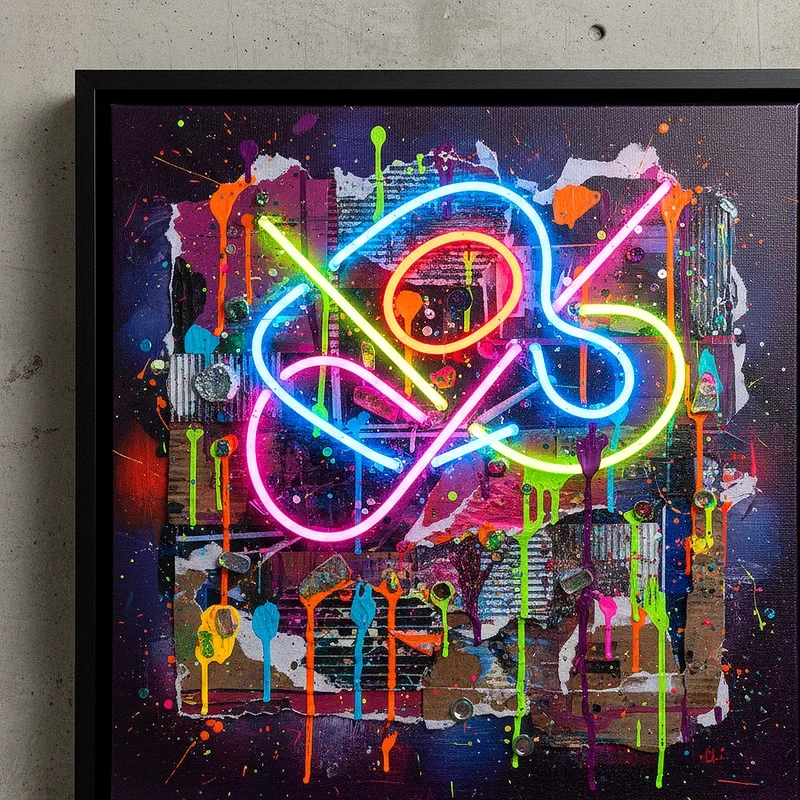
Combining neon paints with other materials creates textured artworks that engage multiple senses and reward close examination. Start by collaging papers, fabrics, found objects, or photographs onto your surface, then enhance these elements with neon paint applications. The contrast between physical texture and flat painted areas adds dimensional interest that purely painted works cannot achieve. Use neon colors to unify disparate collage elements or to create deliberate clashes that generate visual tension and excitement. Consider incorporating reflective materials like foil or metallic papers that interact with neon pigments in interesting ways. This approach opens infinite creative possibilities since any material can potentially become part of your mixed media exploration. Your collages become archaeological layers where different materials and techniques combine to tell complex visual stories enhanced by neon color's electric energy.
Conclusion
Neon painting opens exciting creative possibilities that push your artwork beyond conventional color boundaries into realms of pure visual energy. These fifteen ideas provide starting points for exploration, but your imagination remains the ultimate limit when working with these electric hues. Remember that neon colors work best when balanced with darker values and neutral tones that let the bright pigments truly shine. Experiment fearlessly with different subjects, techniques, and color combinations until you discover your unique neon painting voice. Whether you create abstract compositions or enhance realistic subjects with fluorescent accents, neon colors inject contemporary energy into any artistic style. Start with one technique that excites you most, gather your supplies, and begin your glowing creative journey today.
Read next: 15 Easy Acrylic Painting Ideas You’ll Love
Frequently Asked Questions
Q1. What type of paint works best for creating neon effects?
A: Acrylic fluorescent paints provide the brightest neon effects and work on most surfaces effectively.
Q2. Do neon paintings require special lighting to glow?
A: Neon paints appear bright in normal light but glow spectacularly under blacklight or UV lighting.
Q3. Can I mix neon colors with regular paints?
A: Yes, mixing neon with regular paints creates custom tones but reduces the fluorescent intensity somewhat.
Q4. What surfaces work best for neon painting projects?
A: Canvas, wood panels, paper, and primed surfaces all work well with neon acrylic or spray paints.
Q5. How do I preserve neon paintings from fading over time?
A: Apply UV-protective varnish and display artwork away from direct sunlight to maintain color vibrancy longer.
Stay up to date with our latest ideas!