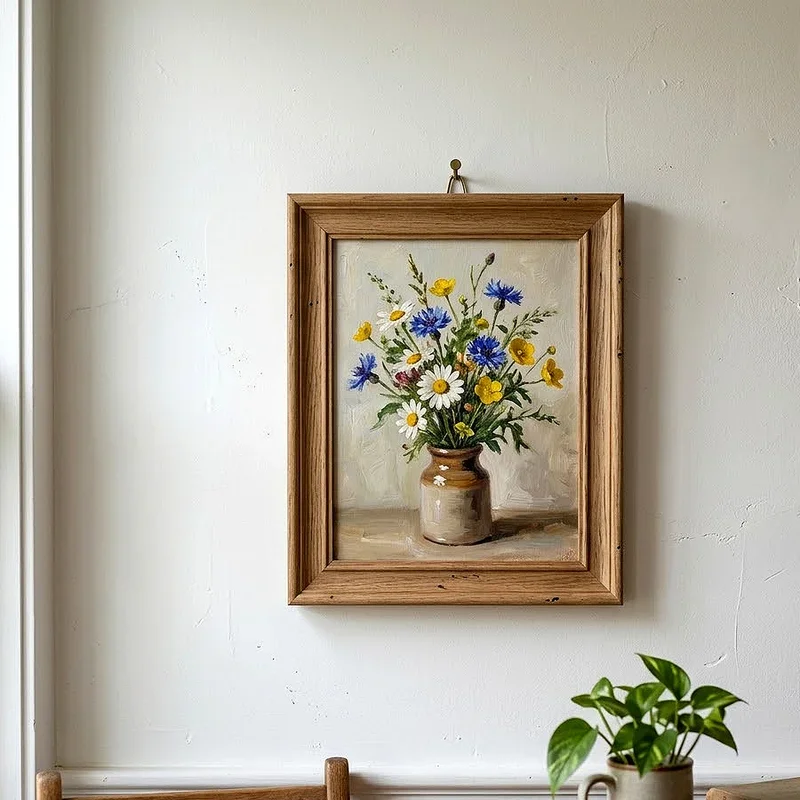
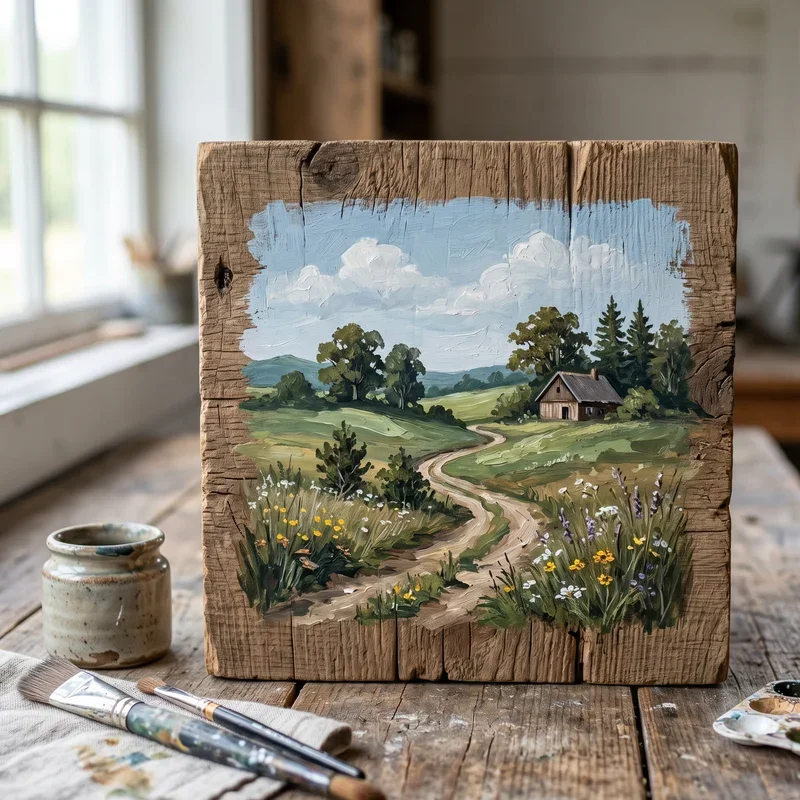
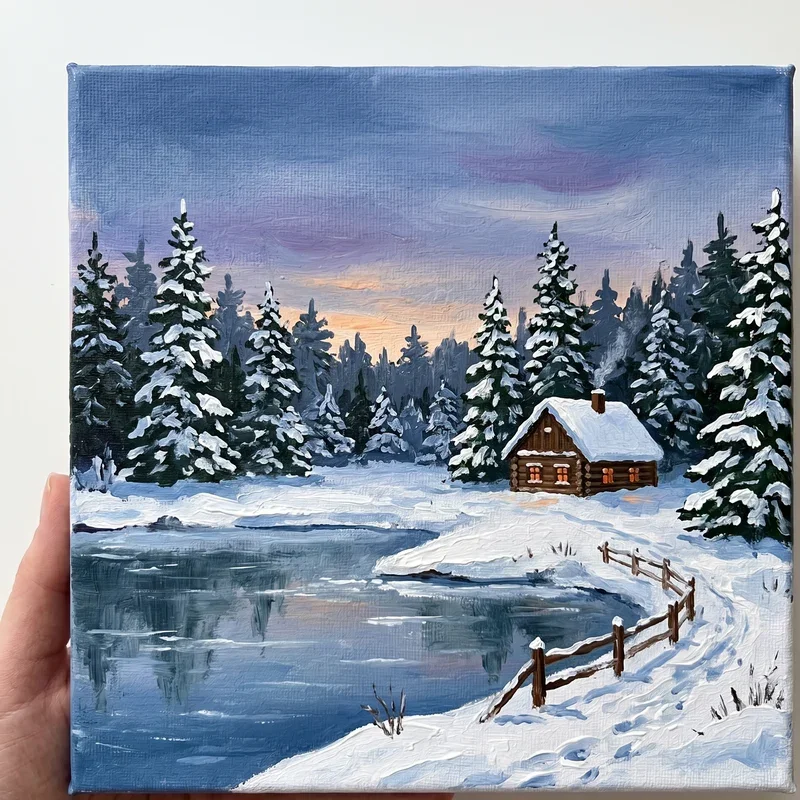
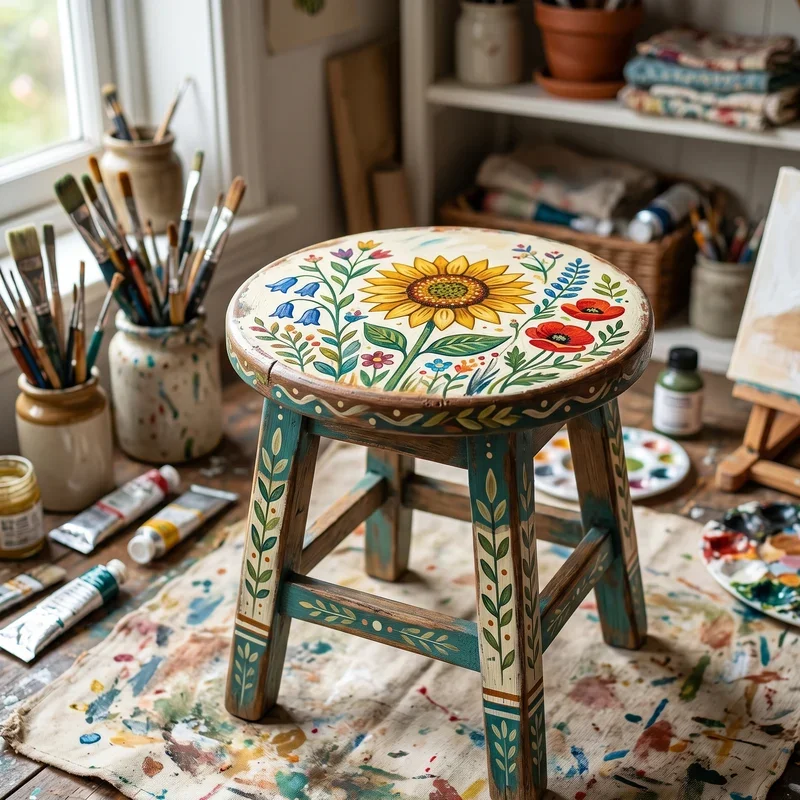
Transform plain vases into stunning art pieces with these 15 creative vase painting ideas that elevate your home decor instantly.
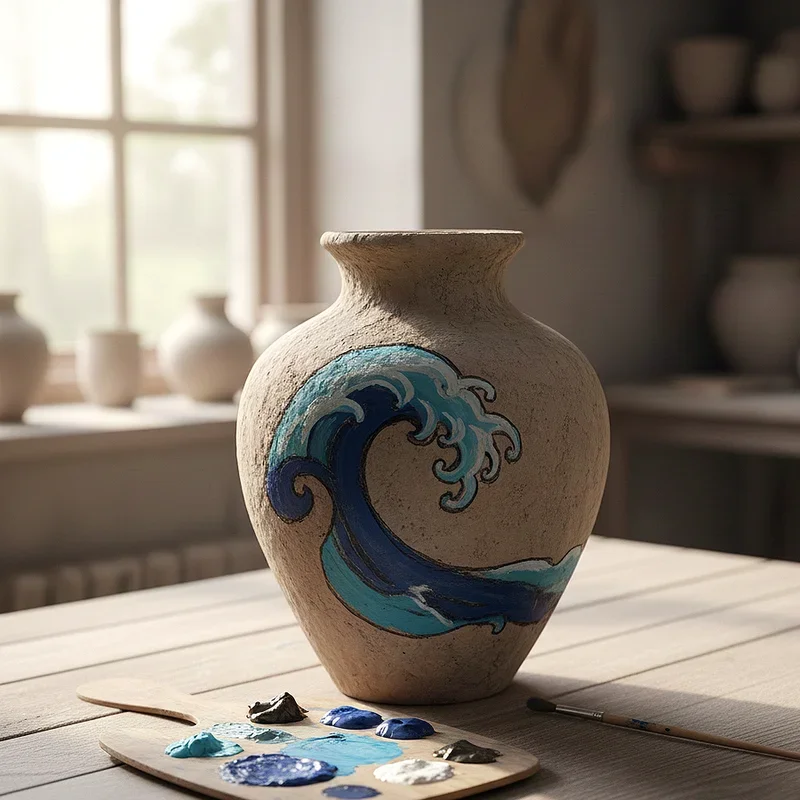
Have you ever looked at a plain glass or ceramic vase and thought it needed something more? You are not alone in feeling that way. Transforming ordinary vases into extraordinary decorative pieces has become one of the most satisfying DIY projects for home enthusiasts everywhere. Whether you picked up a thrift store find or have old vases collecting dust in your cupboard, painting them opens up a world of creative possibilities. This guide walks you through fifteen inspiring vase painting ideas that will breathe new life into your living spaces. From minimalist designs to bold artistic statements, these techniques require no professional skills, just your imagination and willingness to experiment. Get ready to discover how simple brushstrokes can turn forgotten vessels into conversation-starting centerpieces that reflect your unique personality and style preferences.
1. Abstract Brushstroke Designs
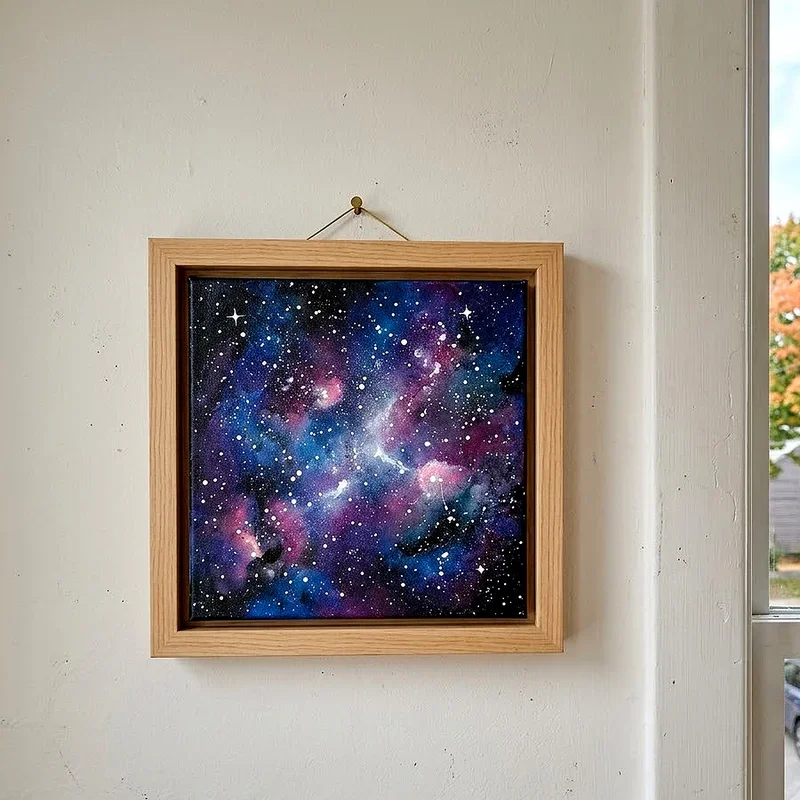
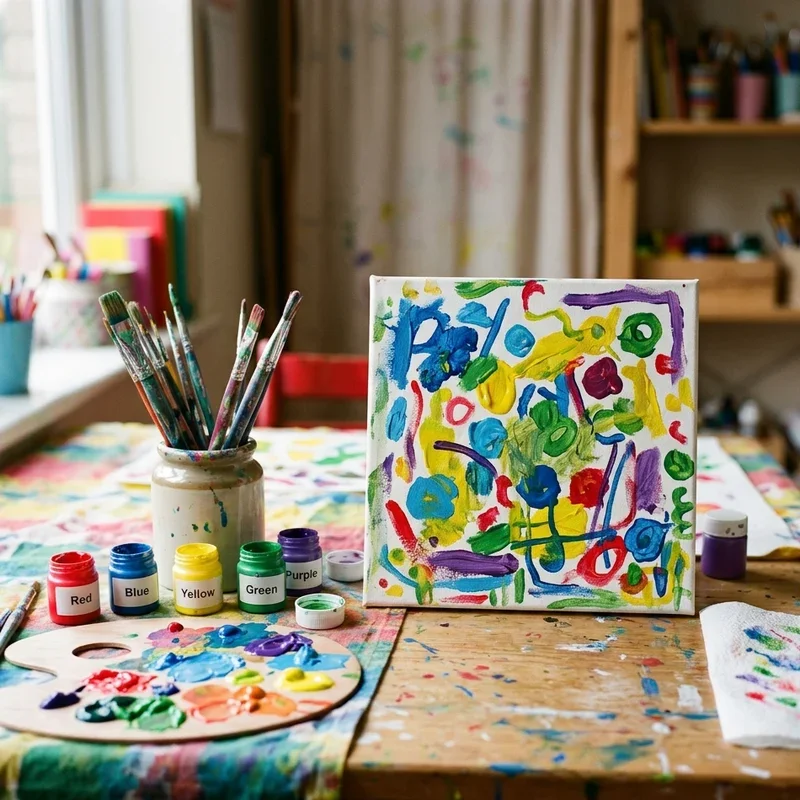
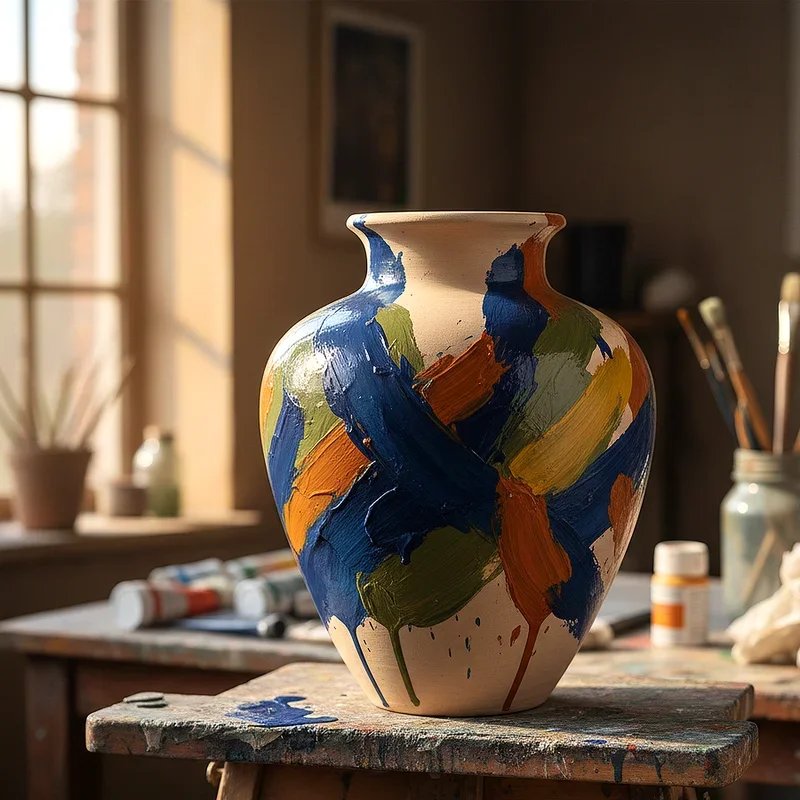
Abstract brushstroke designs offer the perfect starting point for anyone feeling intimidated by vase painting because there are absolutely no rules to follow. You simply grab your favorite colors, load up your brush, and let your hand move freely across the surface without worrying about perfection. The beauty of abstract art lies in its unpredictability and the emotions it evokes through seemingly random movements. Think of your vase as a tiny canvas where every stroke tells a story only you understand. You can layer different colors, vary your brush pressure, and create movement that draws the eye around the entire vessel. This technique works wonderfully with acrylic paints on both glass and ceramic surfaces, and the results always look intentional even when completely spontaneous.
2. Minimalist Line Art Patterns
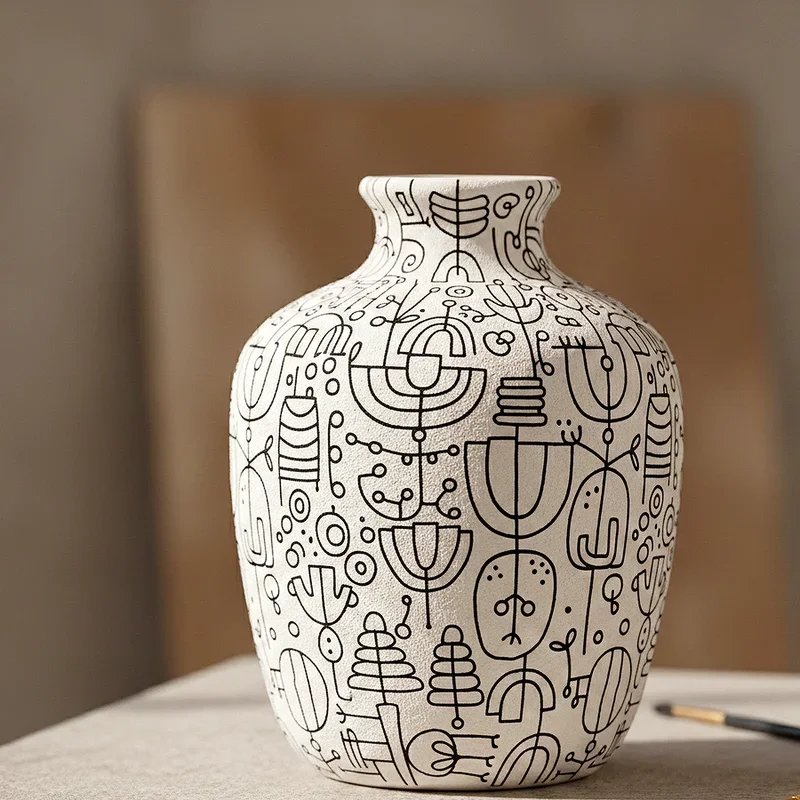
Minimalist line art has taken the design world by storm, and applying this trend to vases creates sophisticated pieces that complement any modern interior. Using a thin brush or paint pen, you draw simple continuous lines that form faces, figures, or organic shapes with elegant simplicity. The key here involves embracing imperfection because slightly wobbly lines add character and authenticity to your work. Black lines on white vases create classic contrast, while gold or copper lines on dark surfaces bring warmth and luxury. This style proves that less truly becomes more when executed with intention and confidence. You do not need artistic training to achieve stunning results because minimalist design celebrates simplicity over complexity, making it accessible to everyone willing to try.
3. Ombre and Gradient Effects
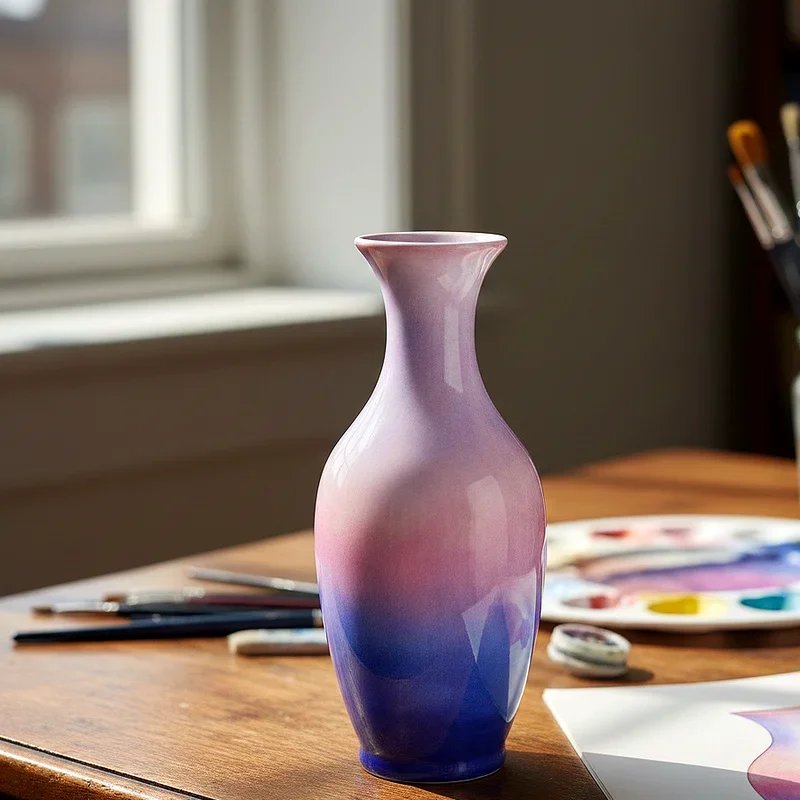
Creating ombre and gradient effects on vases transforms them into mesmerizing focal points that seem to glow from within. This technique involves blending one color into another seamlessly, mimicking the way sunset skies transition through multiple hues. You start by applying your lighter shade at the top and gradually introducing darker tones as you move downward, blending where colors meet. Spray paints work excellently for smooth transitions, while brushwork creates a more handcrafted appearance with visible texture. The secret lies in working quickly before paint dries and using a damp brush or sponge to soften harsh lines between colors. Ombre vases look particularly stunning when grouped together in complementary color families, creating visual harmony that anchors any shelf or tabletop arrangement beautifully.
4. Terrazzo Inspired Speckled Look
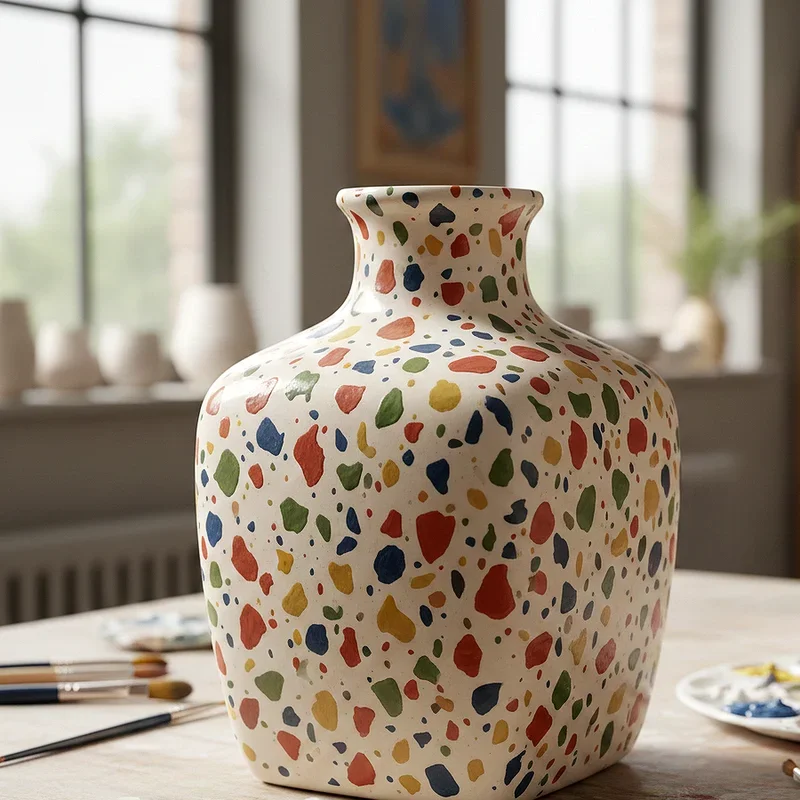
Terrazzo patterns have made a massive comeback in interior design, and recreating this speckled aesthetic on vases adds instant contemporary appeal to your decor. You achieve this look by flicking paint from a loaded brush onto your base-coated vase, creating random specks and spots reminiscent of classic Italian flooring. Mix various colors and sizes of speckles to build depth and visual interest across the surface. Some crafters prefer using a toothbrush for finer spatters, while others embrace larger paint drops for bolder statements. The terrazzo technique forgives mistakes beautifully because the random nature means nothing looks out of place. Neutral backgrounds with colorful specks suit most spaces, but experimenting with unexpected color combinations can yield surprisingly sophisticated results that become true conversation starters.
5. Botanical and Floral Motifs
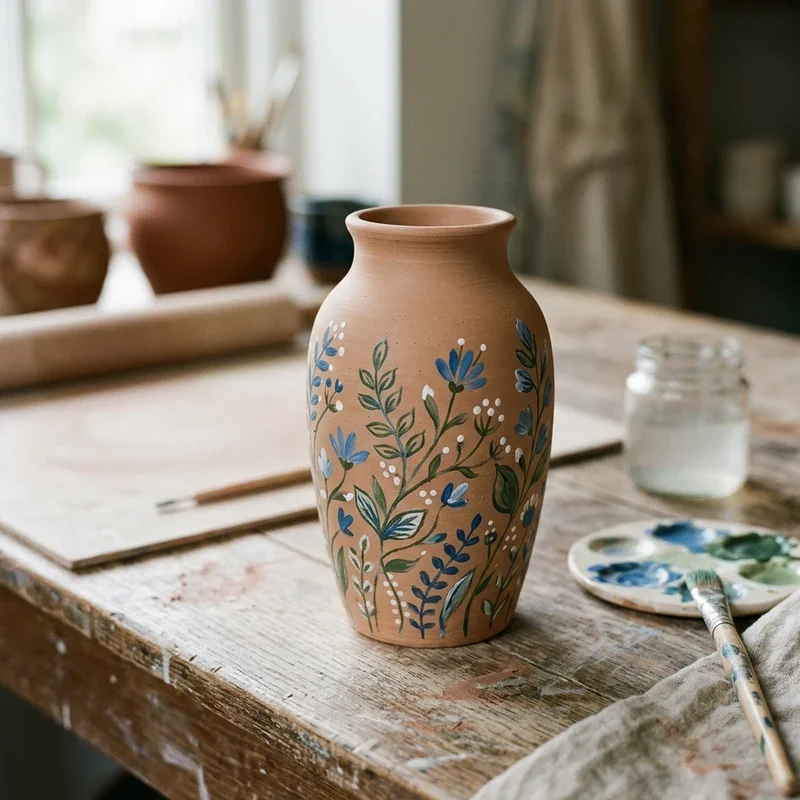
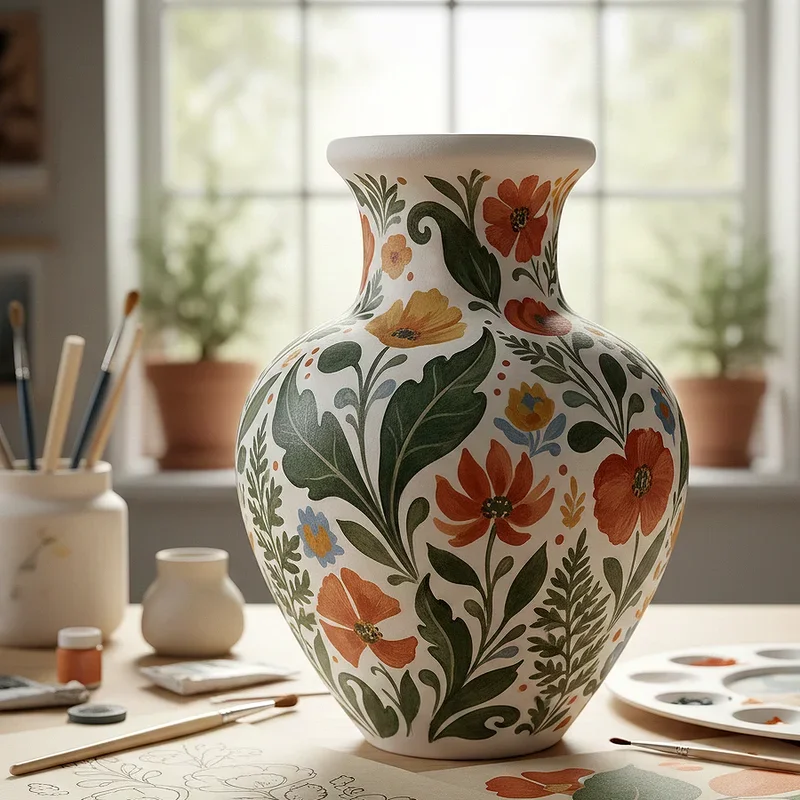
Botanical and floral motifs bring the beauty of nature indoors, making vases feel like natural extensions of the gardens they might hold. You can paint anything from delicate wildflowers to bold tropical leaves, depending on your skill level and the atmosphere you want to create. Beginners often start with simple leaf shapes and work toward more complex blooms as confidence grows. Using reference photos from nature helps capture authentic details that make designs feel alive and organic. Green foliage on white ceramics creates fresh Scandinavian vibes, while colorful florals on dark backgrounds channel more dramatic maximalist energy. These designs pair perfectly with fresh or dried flower arrangements, creating layered botanical displays that celebrate plant life both inside and outside the vessel simultaneously.
6. Geometric Shape Combinations
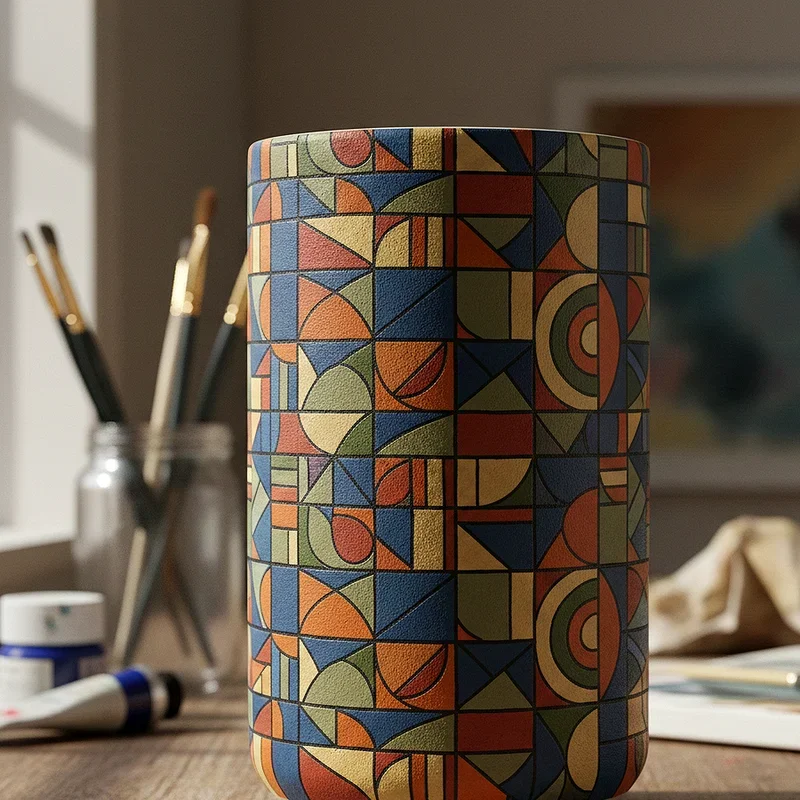
Geometric patterns appeal to those who love precision and clean aesthetics that make bold visual statements without overwhelming a space. Triangles, circles, hexagons, and lines combine in endless configurations to create designs ranging from Art Deco elegance to mid-century modern charm. Masking tape becomes your best friend here, helping create crisp edges between colors and shapes with minimal effort. You plan your pattern beforehand, apply tape sections, paint exposed areas, and peel away to reveal perfectly defined geometric artwork. Contrasting colors heighten the graphic impact, while tone-on-tone approaches create subtler sophistication. This technique rewards patience and planning, producing results that look professionally designed despite being entirely handmade in your own creative space.
7. Marble Effect Technique
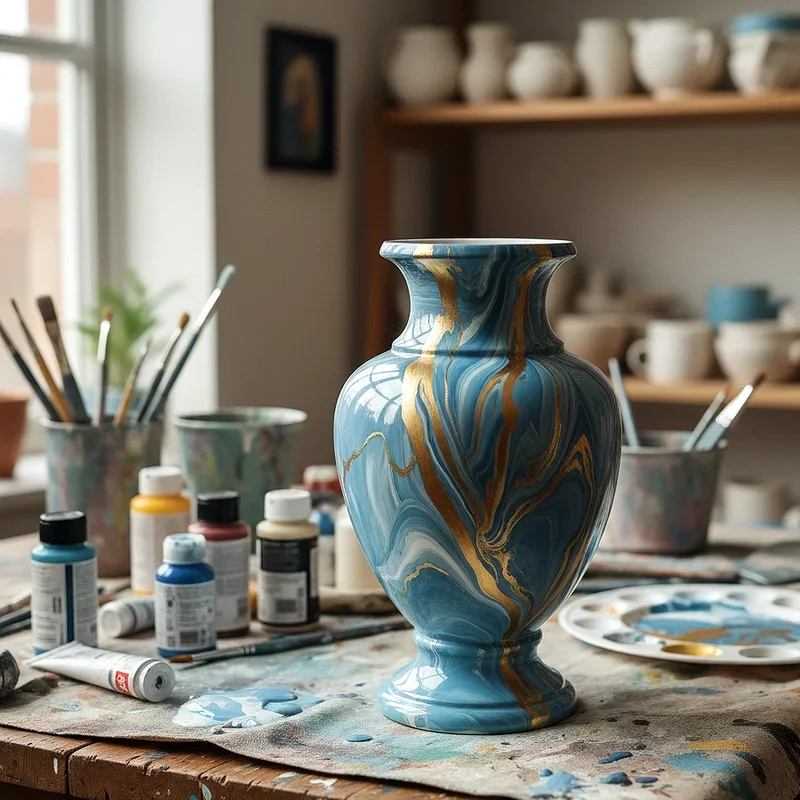
Marble effect painting creates luxurious looking vases that mimic expensive natural stone at a fraction of the cost. This technique involves floating acrylic paints on water, swirling them gently, then dipping your vase to transfer the organic patterns onto its surface. The results vary beautifully every time because you cannot fully control how paint moves through water. White and gray combinations produce classic Carrara marble aesthetics, while adding gold veins elevates pieces to gallery-worthy status. You can also achieve similar effects using nail polish for smaller vases, though acrylics work better for larger pieces. Marble finish vases suit formal spaces wonderfully but also add unexpected elegance to casual rooms seeking a touch of refinement and sophistication.
8. Boho Mandala Patterns
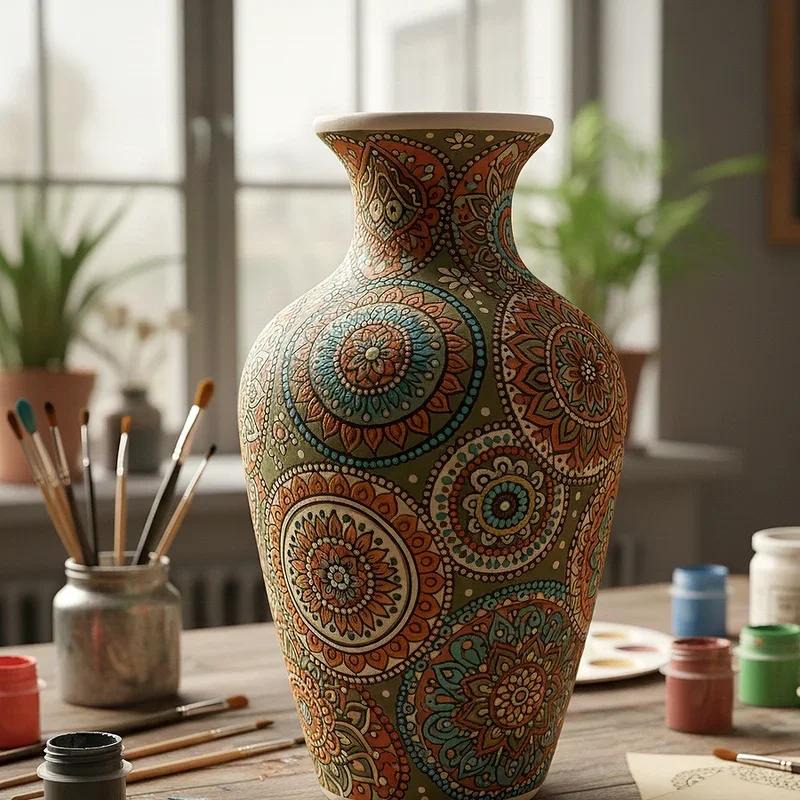
Boho mandala patterns transform ordinary vases into meditative art pieces that radiate positive energy throughout your living spaces. These intricate circular designs originate from spiritual traditions but have evolved into popular decorative motifs beloved by free spirits everywhere. You build mandalas from the center outward, adding layers of petals, dots, and geometric elements that repeat symmetrically around the circle. Dotting tools, available inexpensively online, make creating uniform dots effortlessly achievable for beginners. The repetitive nature of mandala painting feels surprisingly relaxing, almost like a creative meditation session. Rich jewel tones on dark backgrounds create dramatic bohemian statements, while pastels on white produce softer romantic aesthetics that work beautifully in bedrooms and peaceful retreat spaces.
9. Color Block Modern Style
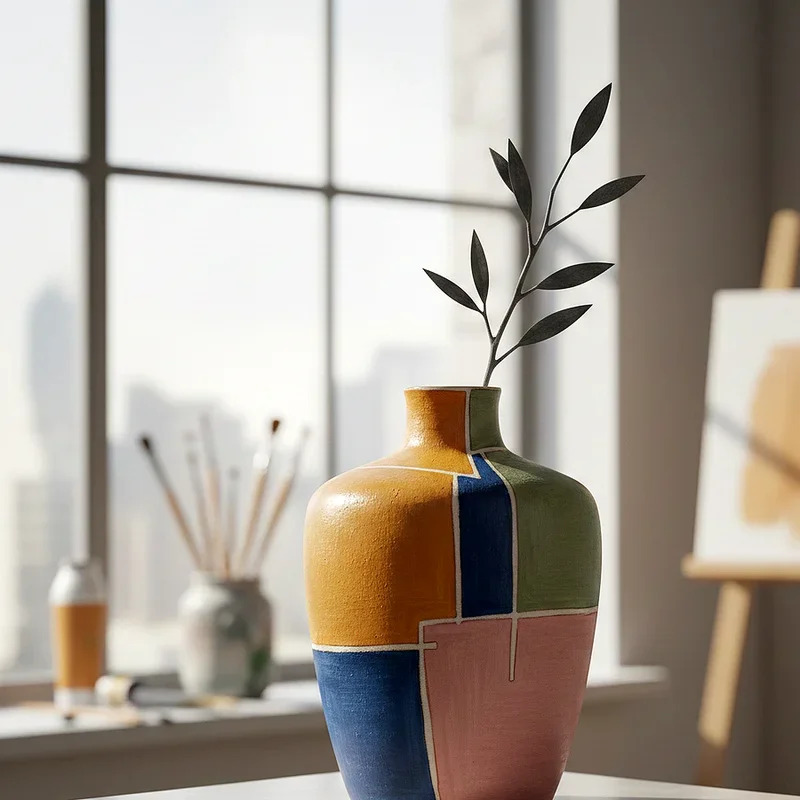
Color blocking divides your vase into distinct sections of solid colors, creating bold graphic impact through simplicity and strategic color placement. This technique celebrates color relationships, using complementary, analogous, or triadic color schemes to generate visual excitement and harmony. You might paint the top half one shade and the bottom another, or create multiple horizontal bands in varying widths. Diagonal divisions add dynamic energy, while curved separations soften the graphic quality. Masking tape ensures clean transitions between blocks, though slightly imperfect edges can add charming handmade character. Color blocked vases work as standalone statements or grouped collections where individual pieces share common hues that tie them together as a cohesive decorative family.
10. Vintage Distressed Finish
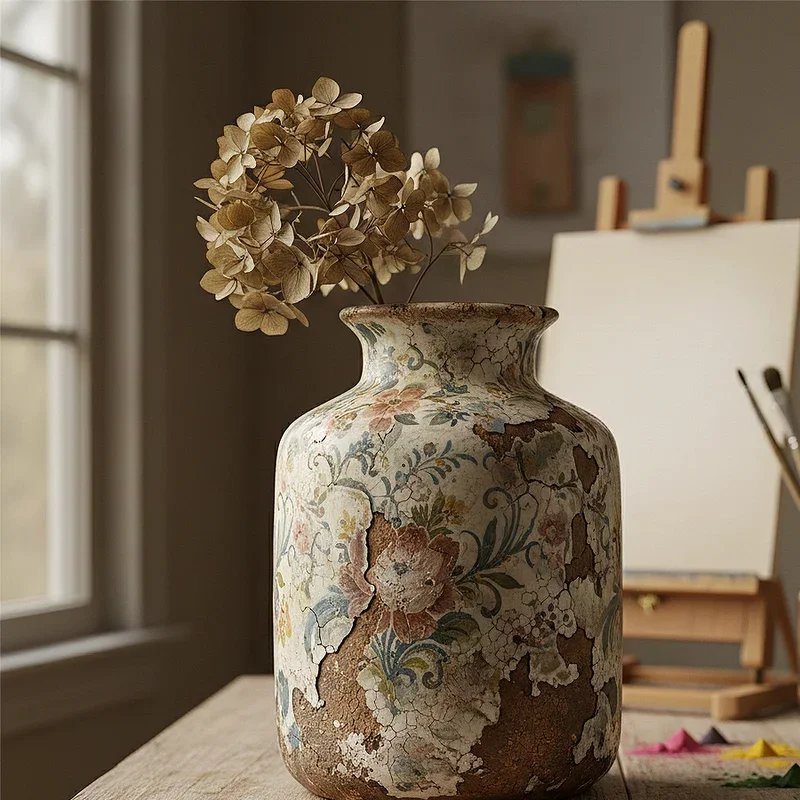
Vintage distressed finishes give new vases the appearance of treasured antiques discovered at estate sales or European flea markets. You create this effect by painting your vase, letting it dry, then strategically sanding or scraping areas where natural wear would occur over decades of use. Edges, raised details, and handling areas receive the most distressing to mimic authentic aging patterns realistically. Layering multiple paint colors beneath your topcoat reveals glimpses of previous lives when sanded, adding depth and historical narrative. Chalk paints work particularly well for this technique because they sand easily and absorb antiquing waxes beautifully. Distressed vases suit farmhouse, cottage, and shabby chic interiors perfectly, bringing warmth and nostalgic charm to spaces craving character and soulful design elements.
11. Metallic Accent Highlights
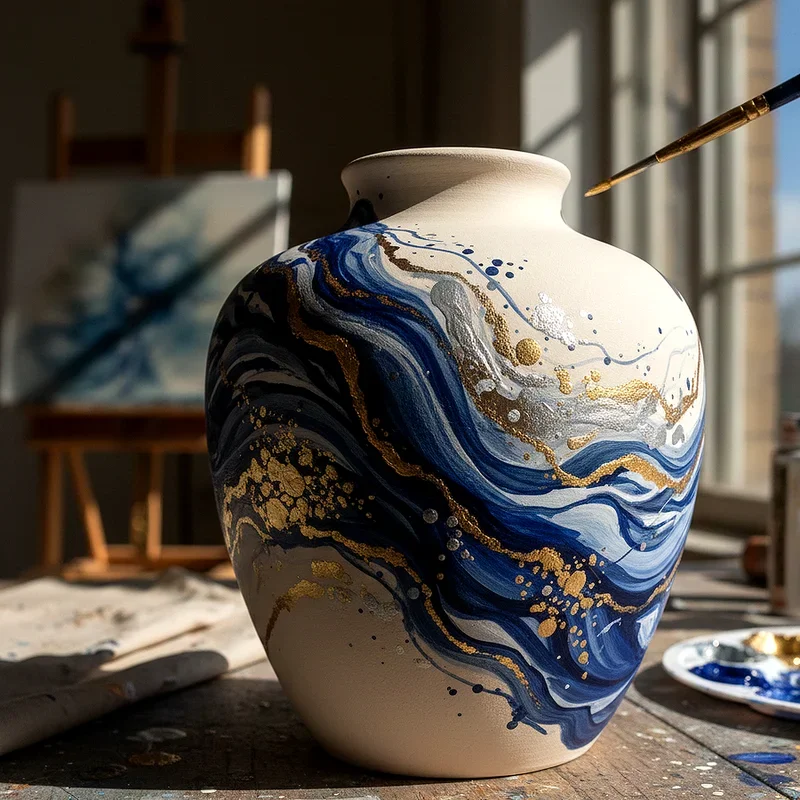
Metallic accent highlights add glamorous touches that catch light and create sophisticated sparkle without overwhelming your design. Rather than painting entire vases metallic, strategic accent placement creates more elegant results that feel intentional and refined. You might add gold leaf details to hand-painted botanicals, bronze drips cascading from rims, or copper geometric shapes floating on neutral backgrounds. Metallic paints, gilding pens, and actual metal leaf each produce different effects worth exploring. Gold works wonderfully with navy and emerald, silver complements cool grays and whites, while copper pairs beautifully with blush tones and terracotta. These shimmering accents transform simple painted vases into luxurious decorative objects that photograph beautifully and impress guests with their apparent sophistication.
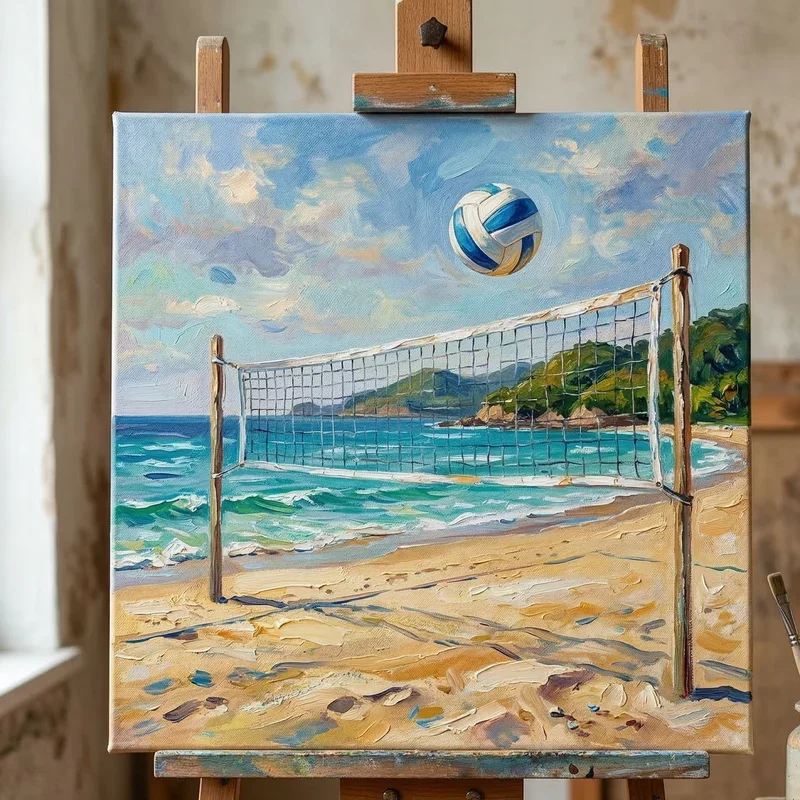
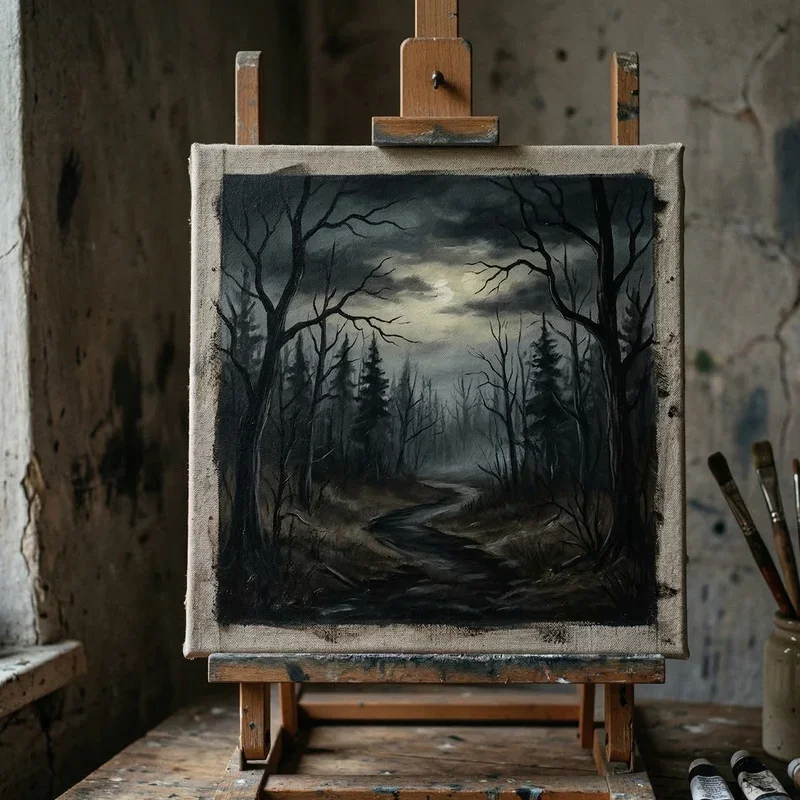
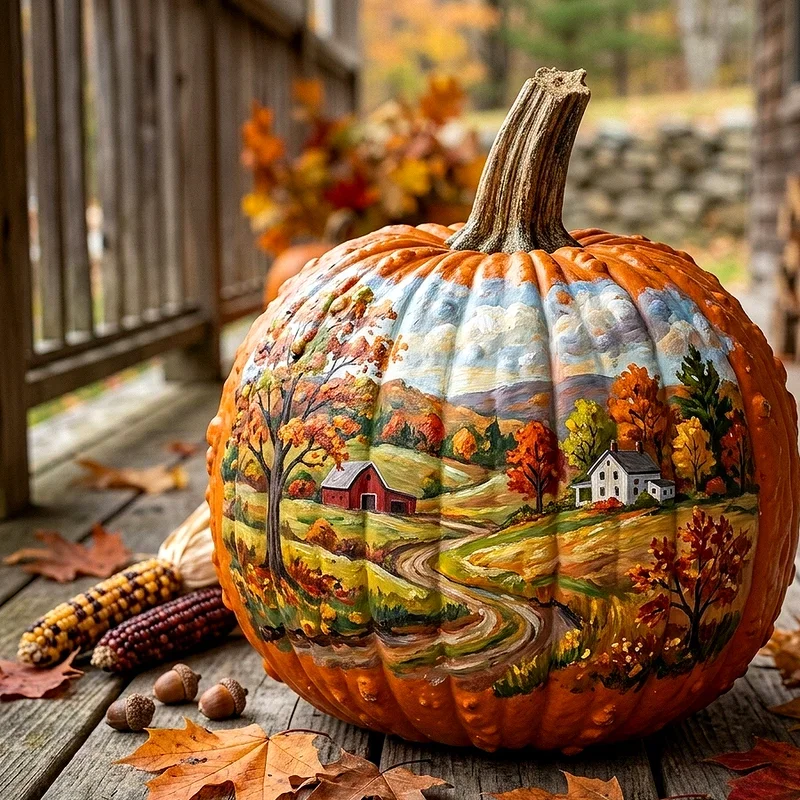
12. Nature Inspired Landscape Scenes
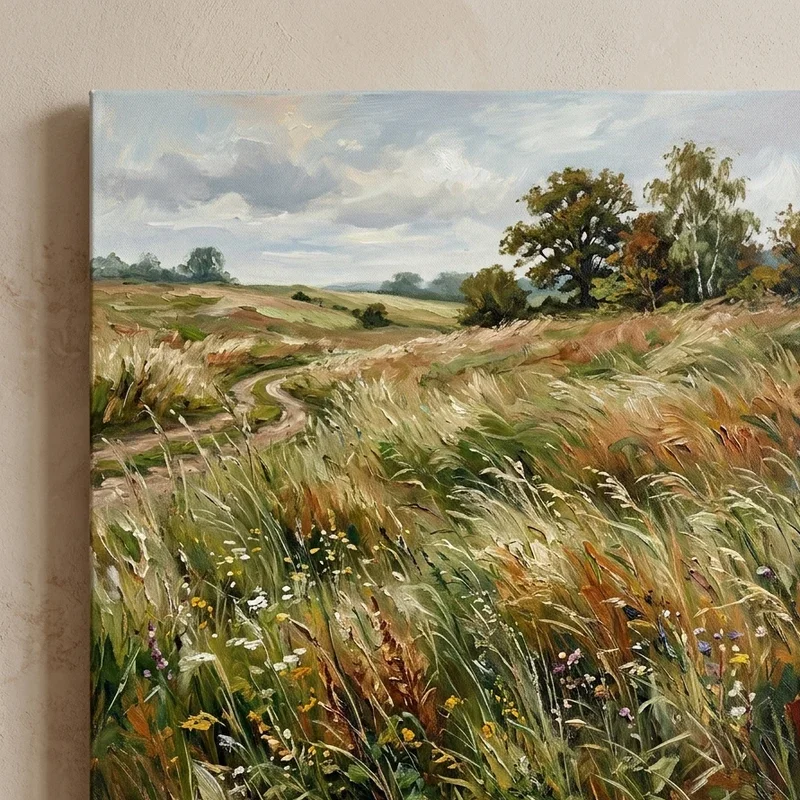
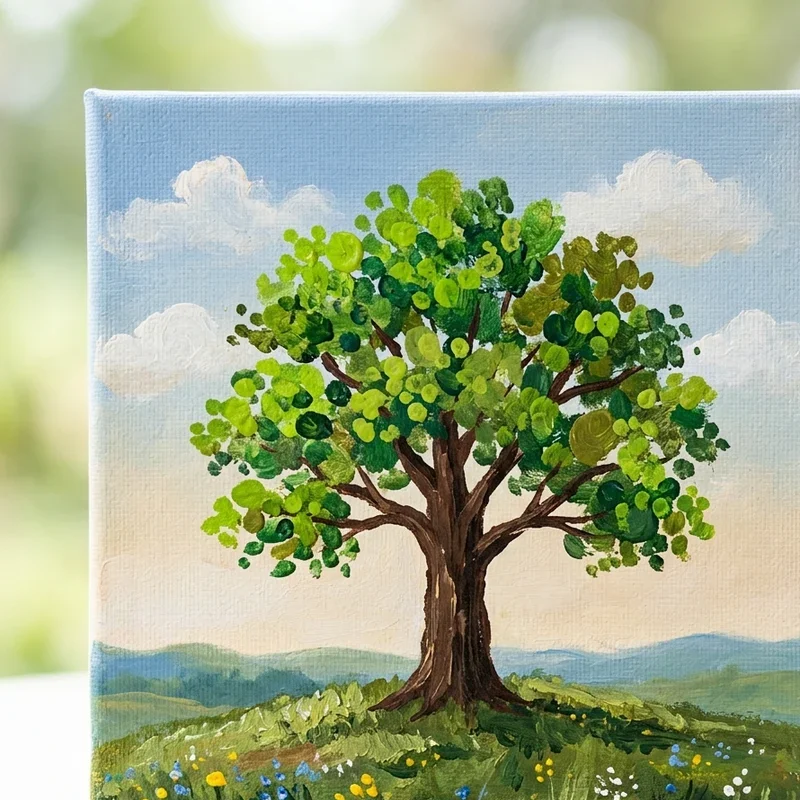
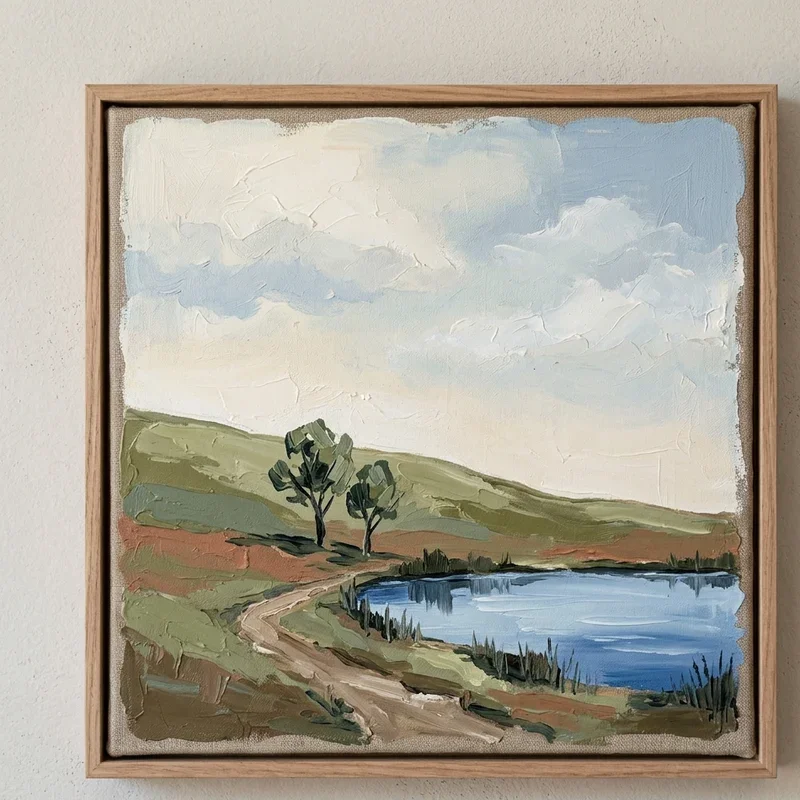
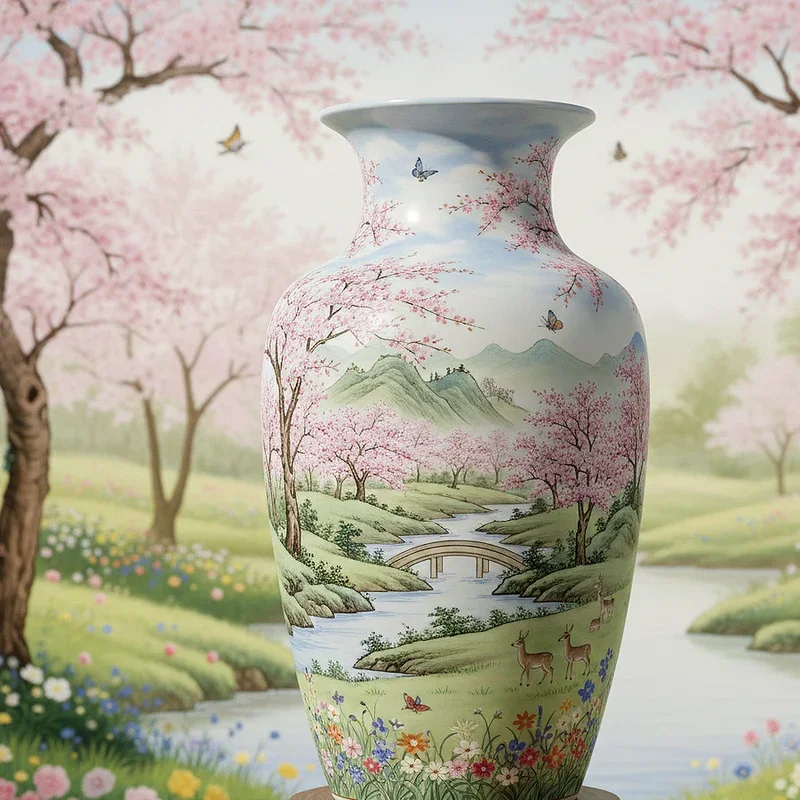
Nature inspired landscape scenes turn vases into miniature windows overlooking imaginary worlds filled with mountains, forests, oceans, or deserts. You paint these scenes wrapping around the vessel, creating panoramic views that invite viewers to explore the imagery from every angle. Beginners might start with simple silhouette landscapes where tree lines or mountain ranges appear as dark shapes against colorful sunset skies. More advanced painters can add details, depth, and atmospheric perspective that create truly immersive scenes. These landscape vases become storytelling pieces, perhaps depicting favorite vacation memories or dream destinations waiting to be explored. They work especially well in spaces where actual views are limited, bringing the outside world indoors through artistic interpretation.
13. Polka Dot Playful Designs
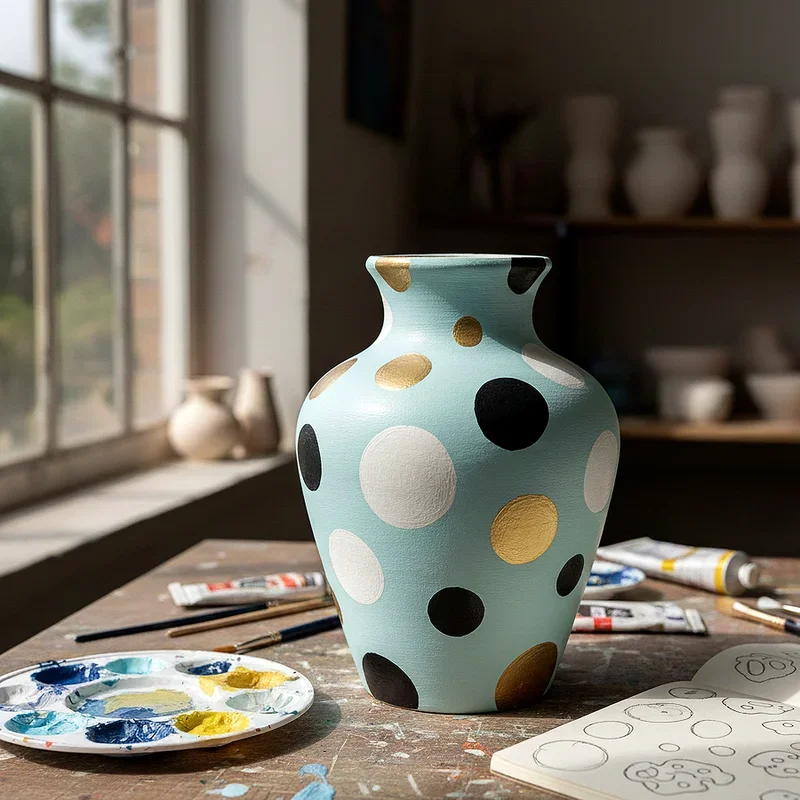
Polka dot designs bring instant cheerfulness and playful energy to any space, making them perfect for kitchens, nurseries, and casual living areas. You create dots using round sponges, pencil erasers, or specialized dotting tools, depending on the size and uniformity desired. Regularly spaced dots create orderly patterns, while randomly scattered placements feel more organic and whimsical. Color choices dramatically affect the mood, with primary colors feeling bold and energetic while pastels create gentler, softer impressions. You can vary dot sizes within single designs, cluster them in certain areas, or create gradient effects by transitioning colors across the pattern. Polka dot vases never go out of style because their simple joyfulness transcends trends and appeals across all ages and aesthetic preferences universally.
14. Textured Three Dimensional Paint
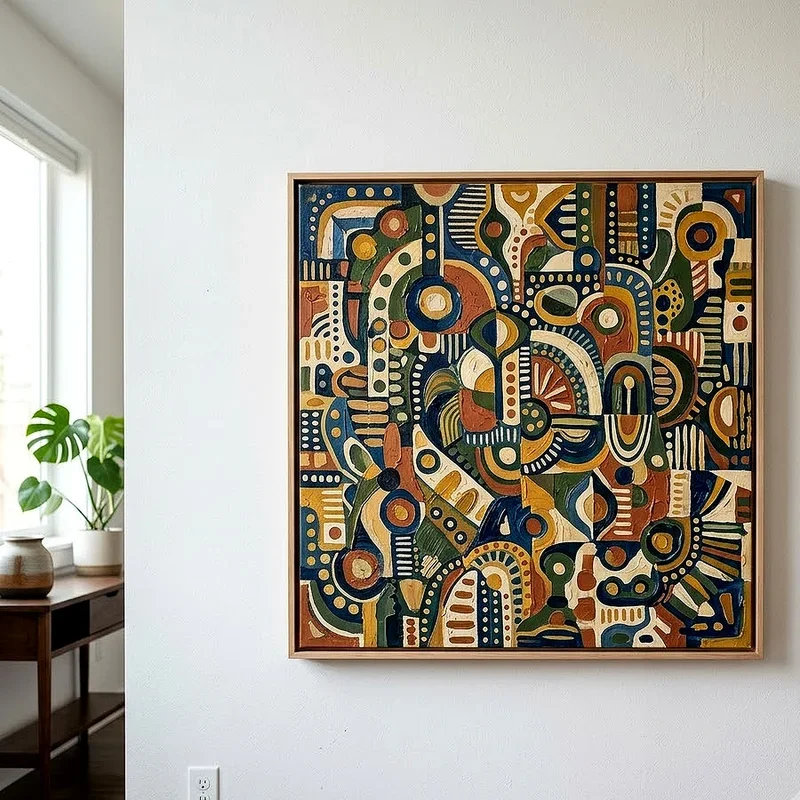
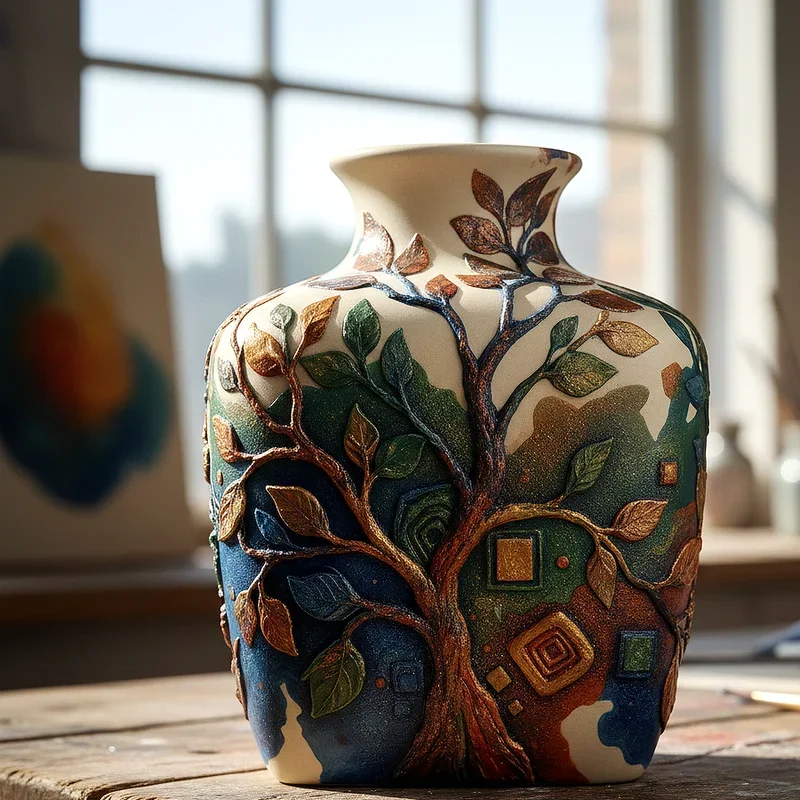
Textured three dimensional paint techniques add tactile interest that makes vases irresistible to touch and visually captivating from every viewing angle. You create texture using thick acrylic mediums, joint compound, or specialized texture pastes applied with palette knives, brushes, or even fingers. Building up layers creates depth while carving into wet texture reveals underlying colors for additional complexity. Raised dots, sweeping curves, and organic sculptural elements transform flat surfaces into miniature relief artworks. Once dried, you paint over texture with solid colors, dry brush contrasting shades across raised areas, or leave natural white texture against colored backgrounds. These tactile vases demand attention and engage multiple senses, making them particularly impactful as standalone decorative statements.
15. Personalized Monogram Creations
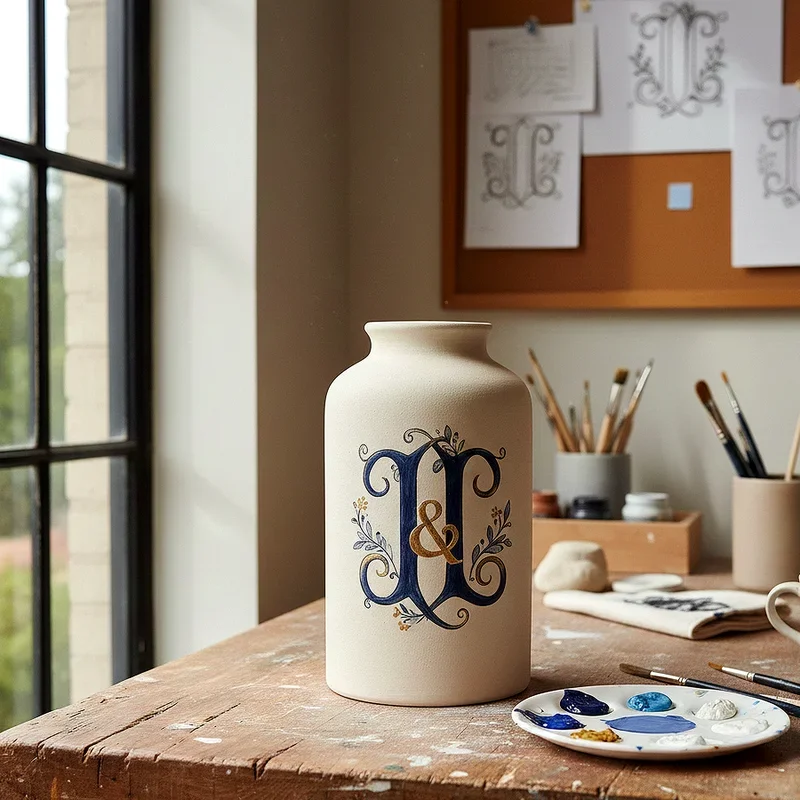
Personalized monogram creations transform vases into meaningful gifts and intentional decor pieces that celebrate individual identity and special relationships. You paint initials, names, or significant dates onto vases using hand lettering, stencils, or decal transfers depending on your calligraphy confidence. Surrounding monograms with decorative frames, florals, or geometric patterns elevates simple letters into complete artistic compositions. These personalized pieces make thoughtful wedding gifts, housewarming presents, or nursery decor celebrating new arrivals. Creating matching sets for family members or friends builds connections through shared design elements while honoring individual identities. Monogrammed vases also work wonderfully for organizing spaces, labeling whose flowers belong where, or adding personal touches to guest rooms that make visitors feel specially welcomed and considered.
Conclusion
Transforming ordinary vases into stunning decorative pieces requires nothing more than imagination, basic supplies, and willingness to experiment without fear of imperfection. These fifteen painting ideas merely scratch the surface of possibilities waiting for your creative exploration. Start with techniques that excite you most, then gradually expand your skills by trying new approaches as confidence grows. Remember that every handmade piece carries unique value because it reflects your personal vision and creative energy. Your painted vases will become meaningful objects that spark joy daily while showcasing artistic abilities you might not have known existed. Gather your supplies, choose your first project, and discover the satisfaction of creating beautiful home decor with your own hands.
Read next: 15 Easy Painting Ideas Anyone Can Try at Home
Frequently Asked Questions
Q1. What type of paint works best for painting glass vases?
A: Acrylic enamel paints or specially formulated glass paints adhere best and resist chipping.
Q2. Do I need to seal my painted vases after completing them?
A: Yes, applying clear sealant protects your artwork and extends its lifespan significantly.
Q3. Can I wash painted vases with water after they are finished?
A: Hand wash gently with damp cloth only; avoid submerging or using dishwashers entirely.
Q4. How long should I wait between paint coats when layering colors?
A: Allow each coat to dry completely, typically one to two hours minimum.
Q5. What surfaces can I paint besides glass and ceramic vases?
A: Metal, terracotta, plastic, and wooden vases all accept paint with proper surface preparation.
Stay up to date with our latest ideas!