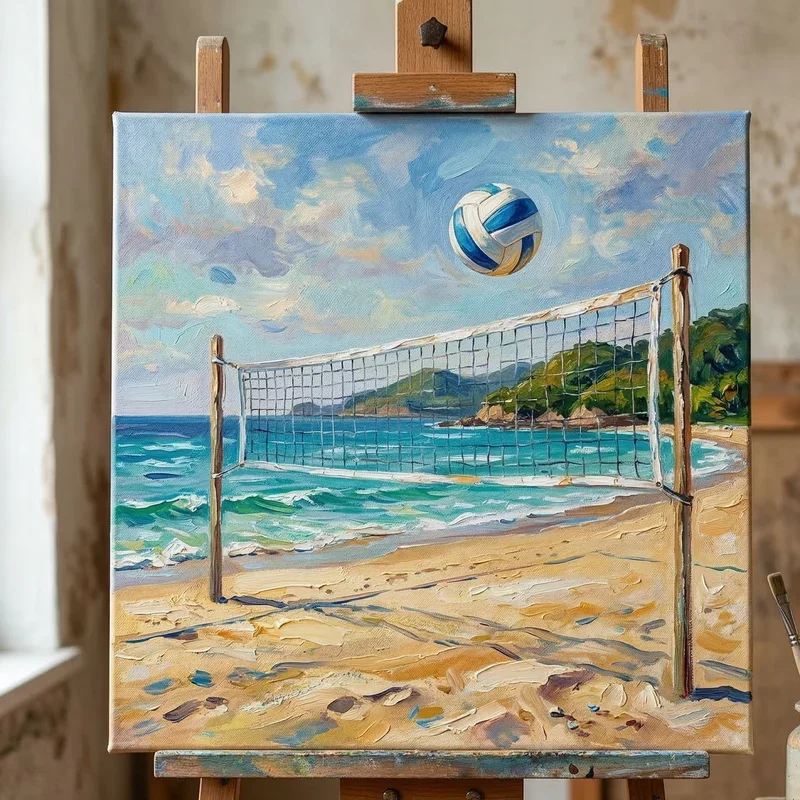
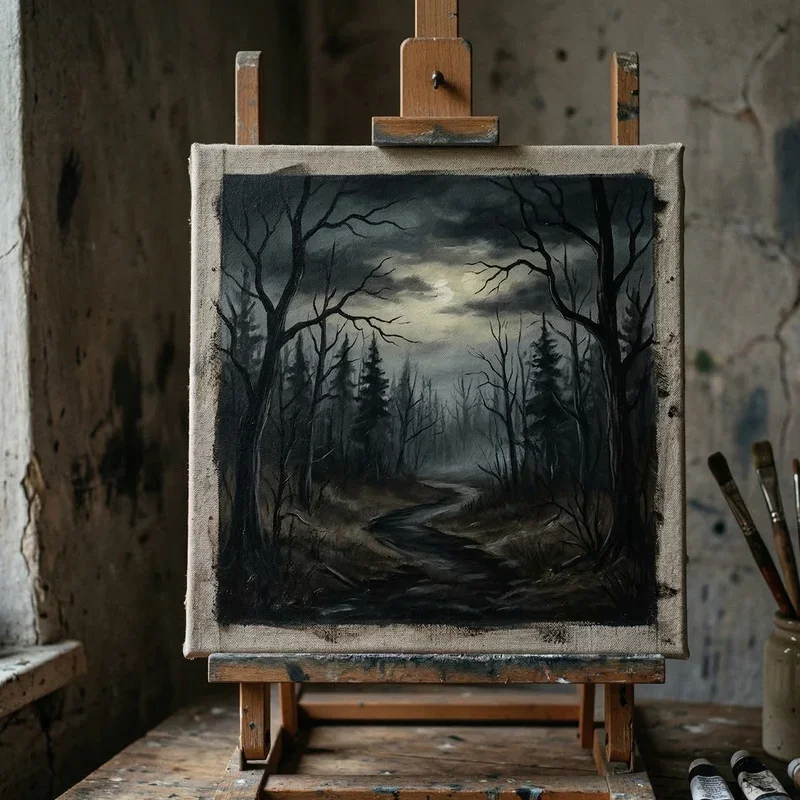
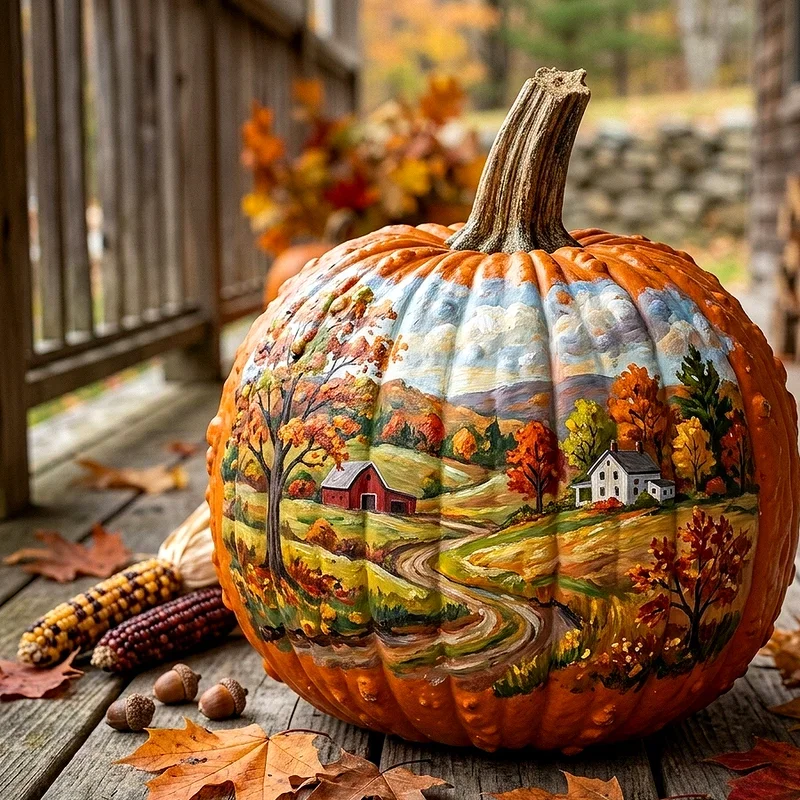
15 Water Painting Ideas for Stunning Artistic Creations
Discover 15 inspiring water painting ideas to create breathtaking artwork. From beginners to experts, unlock your watercolor potential today.
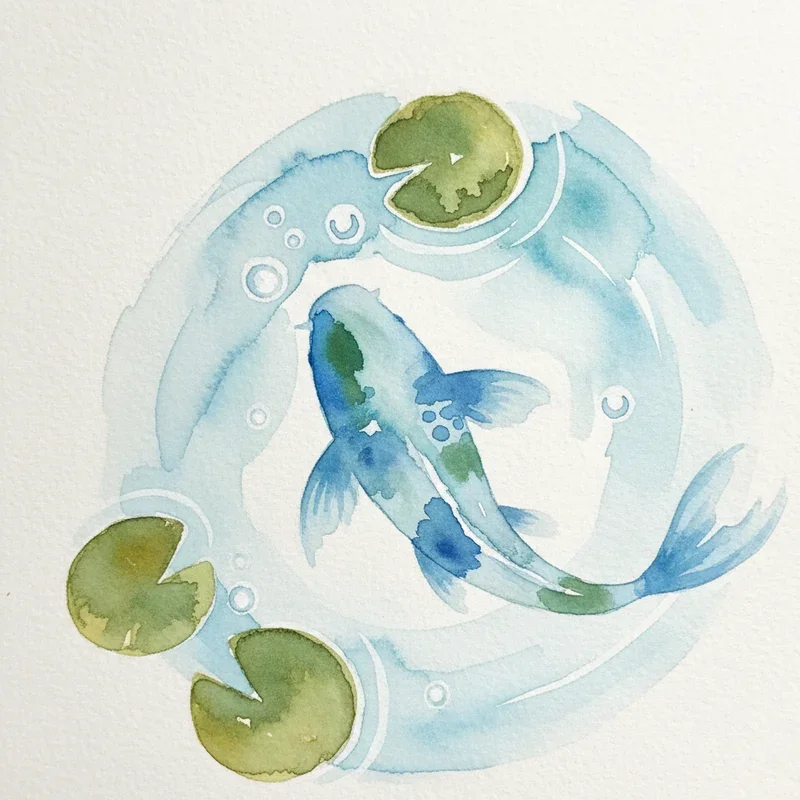
Have you ever watched watercolors dance across paper, creating magical patterns you never quite intended? That's the beautiful unpredictability of water painting! Whether you're a complete beginner picking up a brush for the first time or an experienced artist looking to breathe fresh life into your practice, water painting offers endless possibilities for creative expression. Think of watercolors as liquid poetry: they flow, blend, and surprise you at every turn. Unlike other mediums that demand rigid control, water painting invites you to collaborate with the paint itself, letting happy accidents become your greatest masterpieces. The transparency and luminosity of watercolors create effects that no other medium can quite replicate. You're working with light itself, building layers of translucent color that seem to glow from within. But here's the thing: many people feel intimidated by watercolors precisely because they're so fluid and spontaneous. How do you control something that seems to have a mind of its own? The secret lies in understanding the medium's unique properties and embracing both planning and serendipity. In this comprehensive guide, we'll explore 15 captivating water painting ideas that'll transform your artistic journey. From dreamy landscapes to abstract explorations, these techniques will help you harness water's inherent magic while developing your personal style. Ready to dive into the wonderful world of watercolor? Let's make some waves!
1. Wet-on-Wet Technique for Dreamy Skies
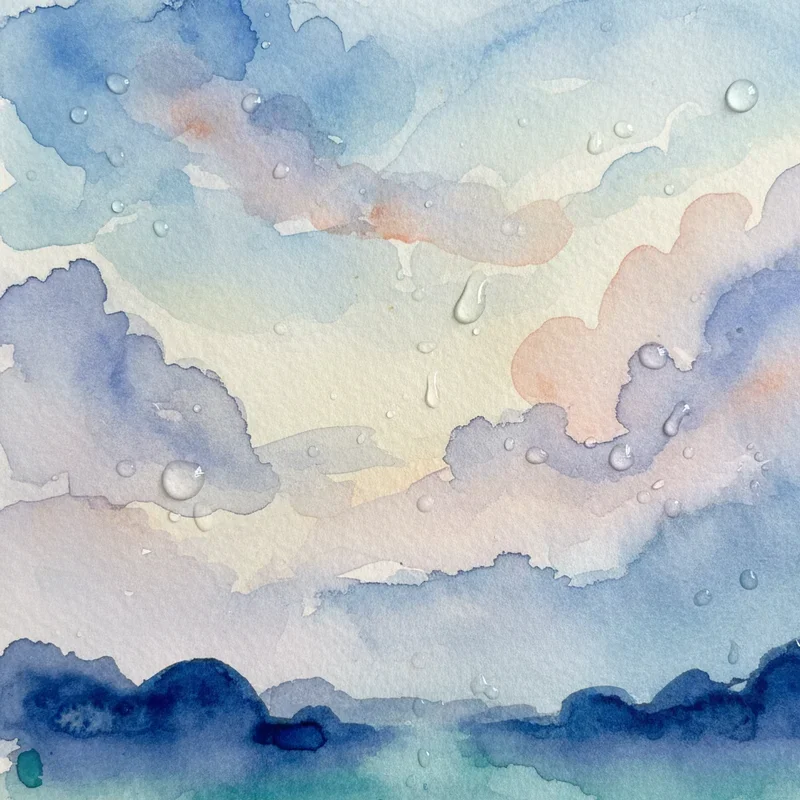
The wet-on-wet technique creates those ethereal, cloud-like effects that make viewers wonder how you achieved such softness. You'll start by thoroughly wetting your paper with clean water, then dropping pigment onto the damp surface and watching it bloom and spread organically. This method is perfect for painting atmospheric skies, misty mornings, or any subject requiring soft transitions without hard edges. The key lies in understanding water control: too much creates uncontrolled floods, while too little prevents proper blending. Practice by painting simple sunset gradients, allowing warm oranges to meld seamlessly into cool purples. As the paper begins drying, you'll notice the paint settles differently, creating natural texture variations. This technique teaches patience since rushing the process destroys the magic entirely!
2. Botanical Illustrations with Fine Details
Botanical watercolor illustration combines scientific accuracy with artistic beauty, making it perfect for detail-oriented painters who love nature. Start with light pencil sketches of your chosen plant, then build colors gradually through multiple transparent layers. You'll use a fine-tipped brush for delicate veins, stems, and leaf edges, working from light to dark values methodically. This approach requires patience but rewards you with stunning, lifelike representations of flowers, leaves, and natural specimens. Study real plants or high-quality photographs to understand how light interacts with petals and foliage. The transparent nature of watercolors brilliantly captures the translucency found in actual plant structures. Try painting herbs, wildflowers, or tropical leaves to develop your observational and technical skills simultaneously.
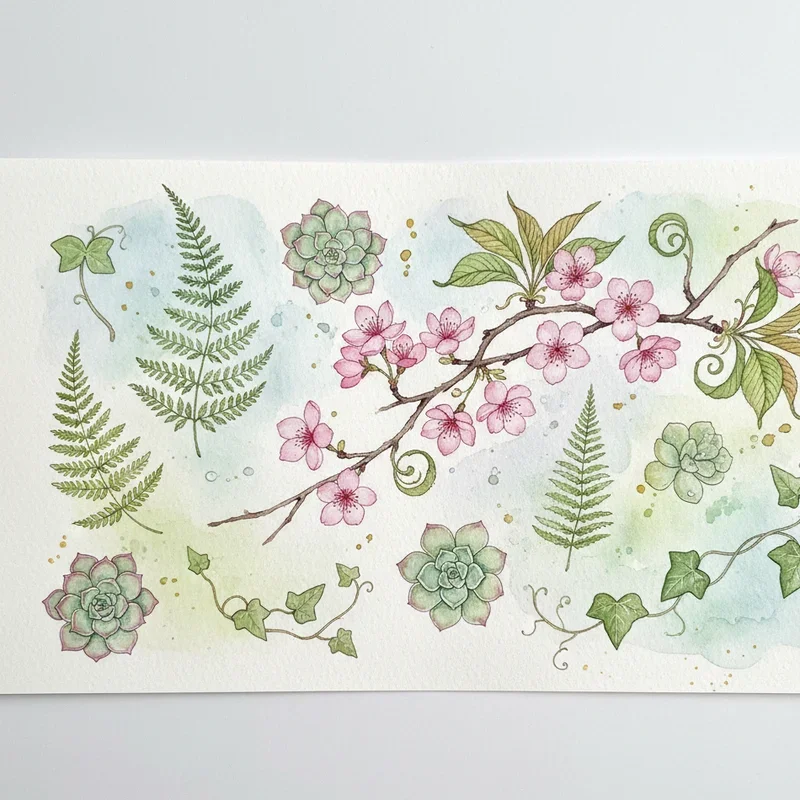
3. Abstract Color Bleeding Effects
Abstract watercolor painting frees you from representational constraints, letting colors interact spontaneously to create unexpected visual poetry. Load your brush heavily with pigment, then introduce it to wet paper and watch different colors collide, merge, and create organic boundaries naturally. Tilt your paper in various directions to guide the flow without completely controlling it, embracing unpredictability as part of your creative process. This technique works wonderfully for emotional expression since you're responding intuitively rather than planning every stroke meticulously. Try using complementary colors that create vibrant contrast where they meet, or analogous colors for harmonious blending. The resulting pieces often resemble natural phenomena like fire, water, or geological formations, proving that chaos contains its own inherent beauty!
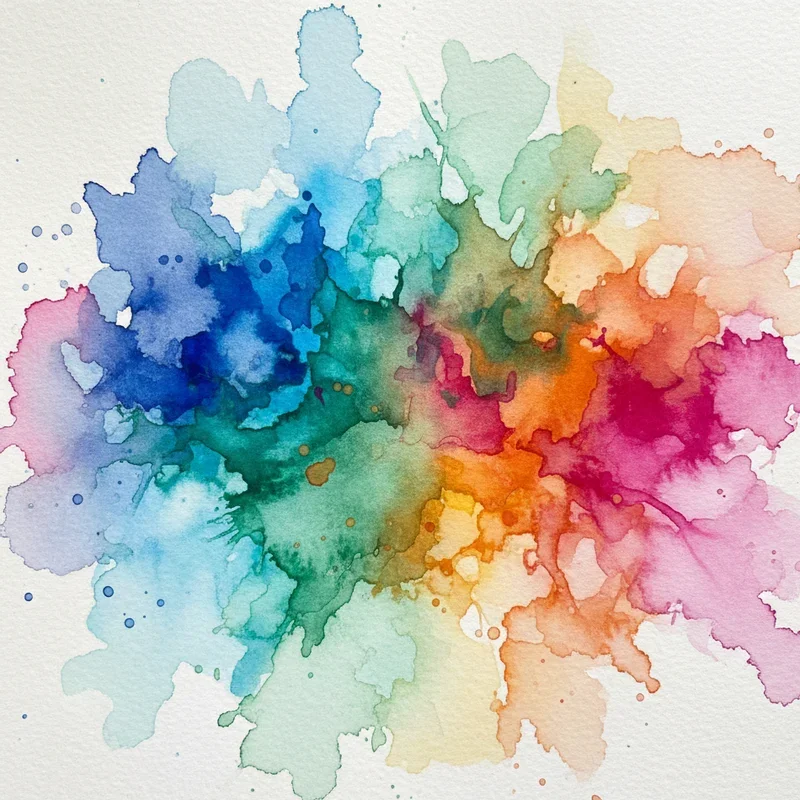
4. Monochromatic Landscape Studies
Working with a single color teaches you invaluable lessons about value, contrast, and composition without the complication of color theory. Choose one pigment and create an entire landscape using only various dilutions to achieve different tones and depths. You'll discover how much expression comes from tonal variation alone, training your eye to see values rather than just hues. This exercise particularly benefits beginners who feel overwhelmed by color mixing and matching decisions during painting sessions. Try painting rolling hills, mountain ranges, or seascapes using just Payne's gray, sepia, or indigo for dramatically different moods. The simplicity forces you to focus on composition, perspective, and atmospheric effects that create depth and interest. These studies often possess a timeless, contemplative quality that colorful pieces sometimes lack entirely!
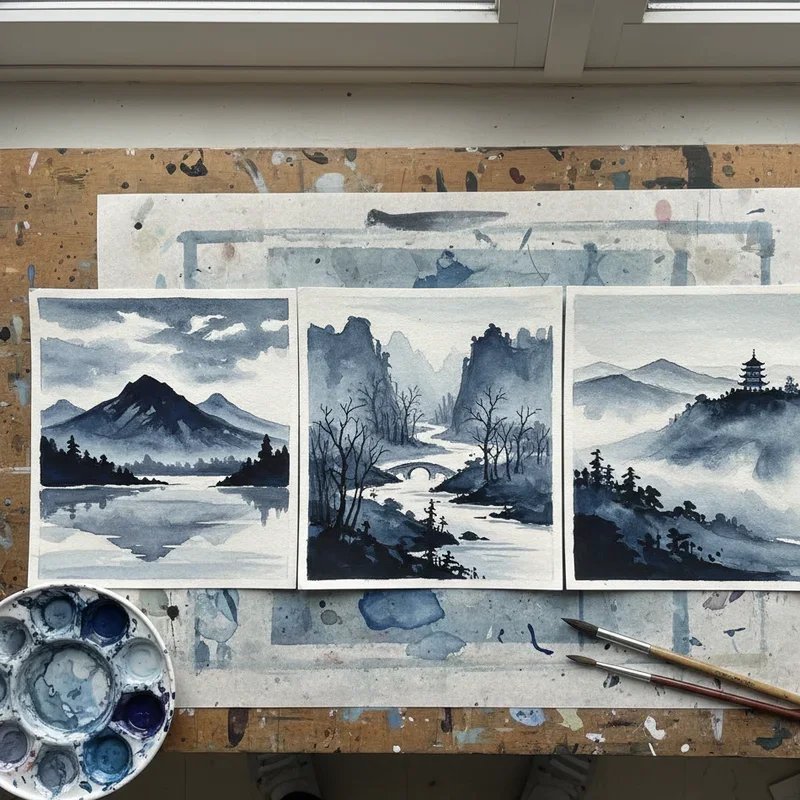
5. Negative Space Watercolor Florals
Negative painting involves painting around your subject rather than painting the subject itself, creating stunning results through clever use of reserved white space. You'll define flower petals, leaves, and stems by darkening the background areas surrounding them, making light shapes emerge from darkness. This counterintuitive approach challenges your brain to think differently about composition and positive-negative relationships in artwork. Start with simple flower shapes, gradually adding darker washes to background areas while carefully preserving your main subjects. Each successive layer makes your flowers "pop" more prominently from the picture plane through increasing contrast. The technique creates depth and dimension that flat painting cannot achieve, transforming simple subjects into sophisticated, professional-looking artwork that impresses everyone who sees it!
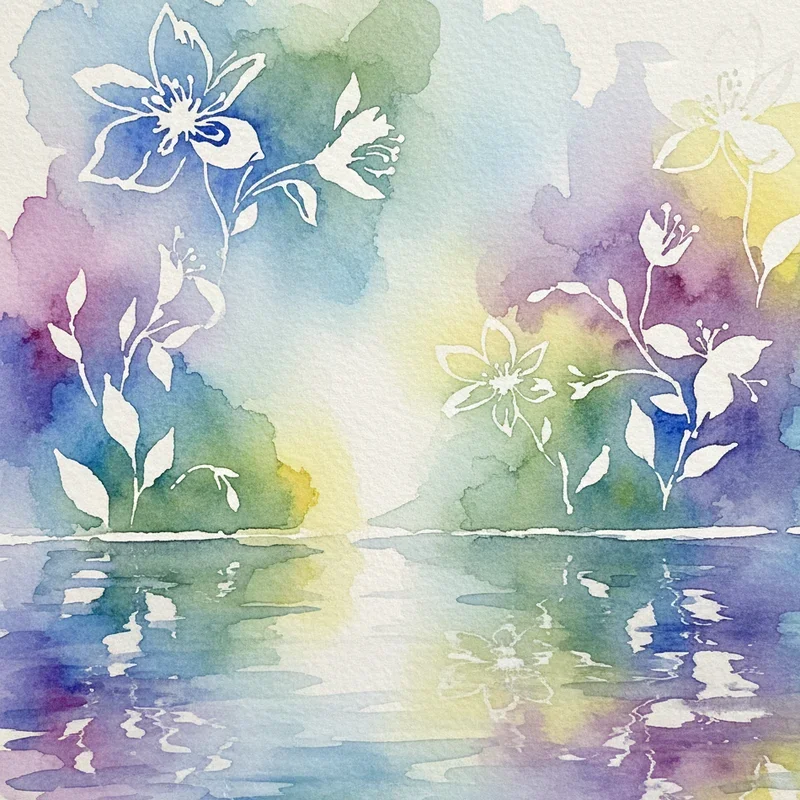
6. Layered Transparent Washes
Building colors through multiple transparent layers creates richness and luminosity that single-layer painting simply cannot achieve regardless of pigment intensity. You'll apply light washes, allowing each to dry completely before adding the next, gradually building depth and complexity. This glazing technique lets underlying colors shine through upper layers, creating optical color mixing that produces vibrant, jewel-like effects. Plan your layers from light to dark, warm to cool, or however your composition demands for maximum visual impact. The process teaches patience and color theory simultaneously since you'll see firsthand how colors interact when layered. Try painting a simple apple or orange using this method, starting with pale yellow undertones and building toward rich reds. The three-dimensional quality achieved through careful layering will astonish you completely!
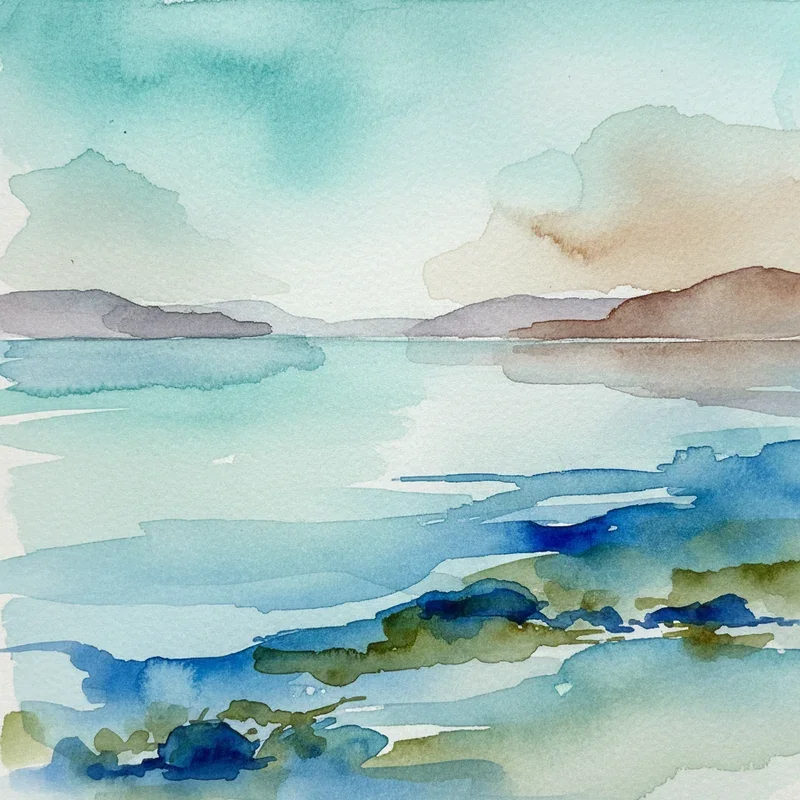
7. Salt Texture Experimental Art
Sprinkling salt onto wet watercolor creates magical crystalline textures as the salt absorbs pigment, leaving beautiful organic patterns impossible to achieve otherwise. You'll apply your paint, then immediately sprinkle coarse salt onto wet areas and watch fascinating transformations occur during drying. Different salt types produce varying effects: table salt creates fine textures while kosher salt makes larger, more dramatic patterns. This technique works wonderfully for suggesting stone, snow, starry skies, or adding visual interest to otherwise flat color areas. The unpredictability means you never quite know what you'll get, making each piece unique and exciting. Experiment on scrap paper first to understand timing, since salt applied to nearly-dry paint produces minimal effects. These happy accidents often become focal points in your finished artwork unexpectedly!
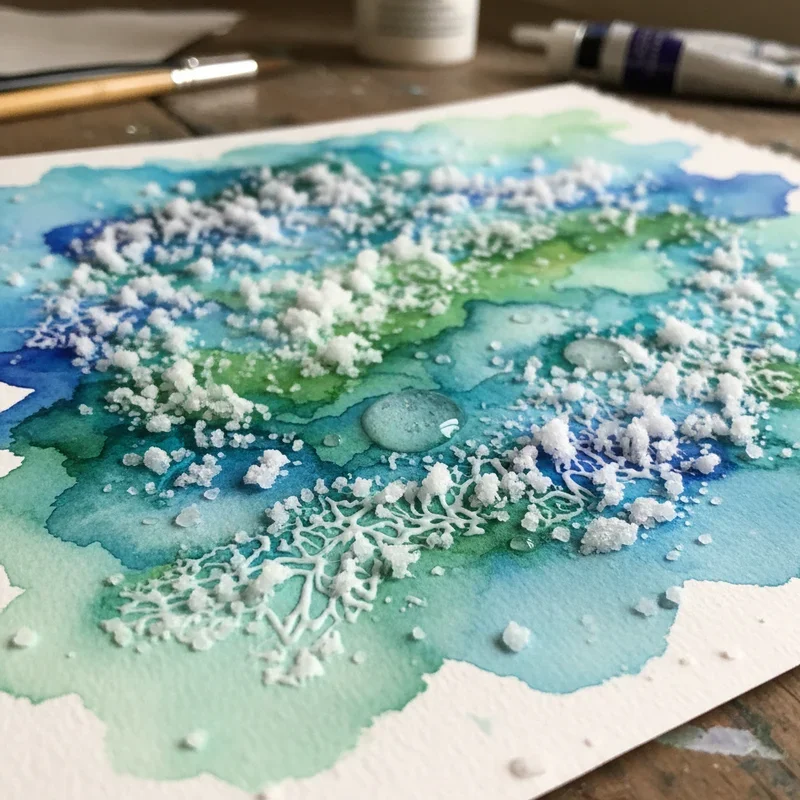
8. Masking Fluid for Precise Highlights
Masking fluid allows you to preserve pure white paper or light colors while painting freely around protected areas without worrying about mistakes. Apply the rubbery liquid with an old brush to areas you want to keep light, let it dry completely, then paint over it confidently. Once your painting dries, simply rub off the mask to reveal pristine white paper underneath, creating crisp highlights and fine details. This technique proves invaluable for painting subjects with bright highlights like water sparkles, sunlit leaves, or architectural details requiring precision. The mask lets you work loosely on surrounding areas without tedious careful brushwork around tiny light spots constantly. Remember to clean brushes immediately after applying mask since dried fluid permanently ruins bristles. The dramatic contrast between preserved whites and surrounding darks adds professional polish to any watercolor painting!
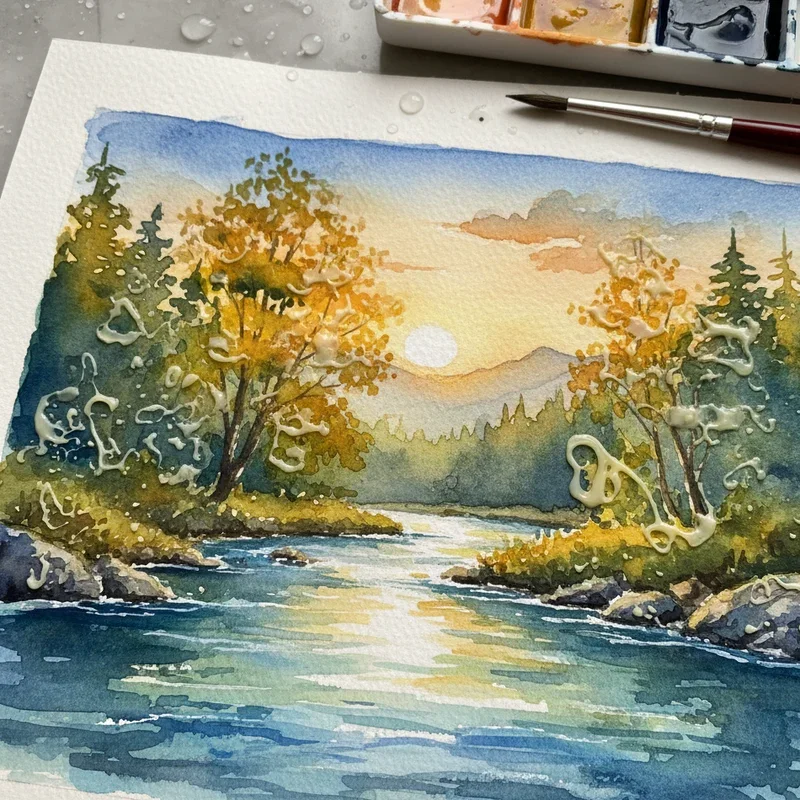
9. Urban Sketching with Watercolor Washes
Urban sketching combines quick line drawings with loose watercolor washes, capturing the energy and atmosphere of cityscapes and street scenes perfectly. You'll create gesture drawings using waterproof ink or pencil, then add spontaneous color washes to suggest light, shadow, and mood. This style values freshness and immediacy over perfection, making it ideal for working outdoors where conditions constantly change and time is limited. The combination of line and color creates visual interest while the loose approach captures the bustling energy of urban environments. Start with simple subjects like a single building, cafe scene, or street corner before attempting complex panoramas. The practice improves both drawing and painting skills while training your eye to capture essential information quickly and efficiently!
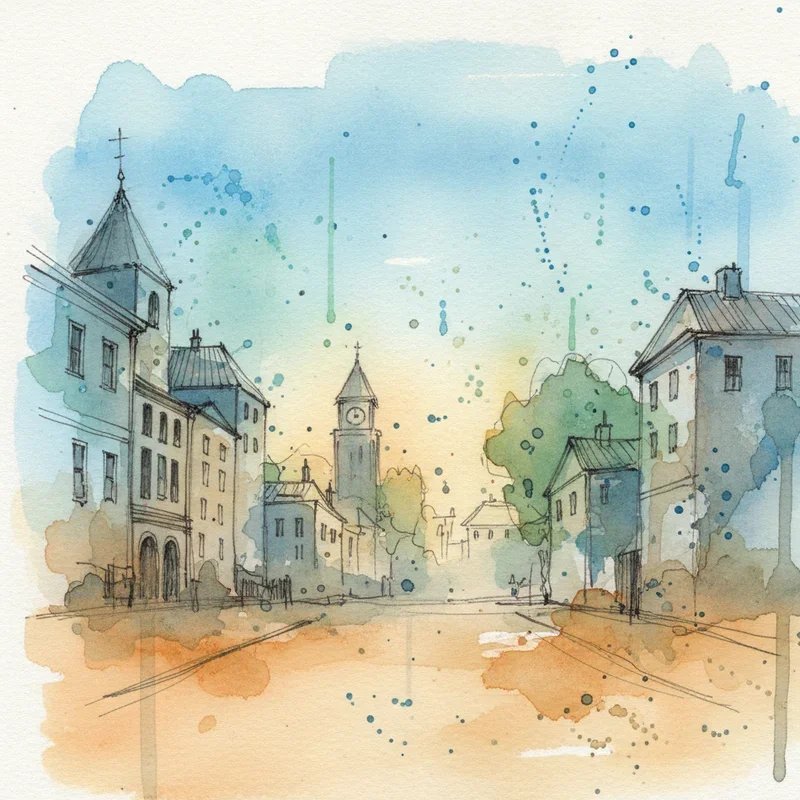
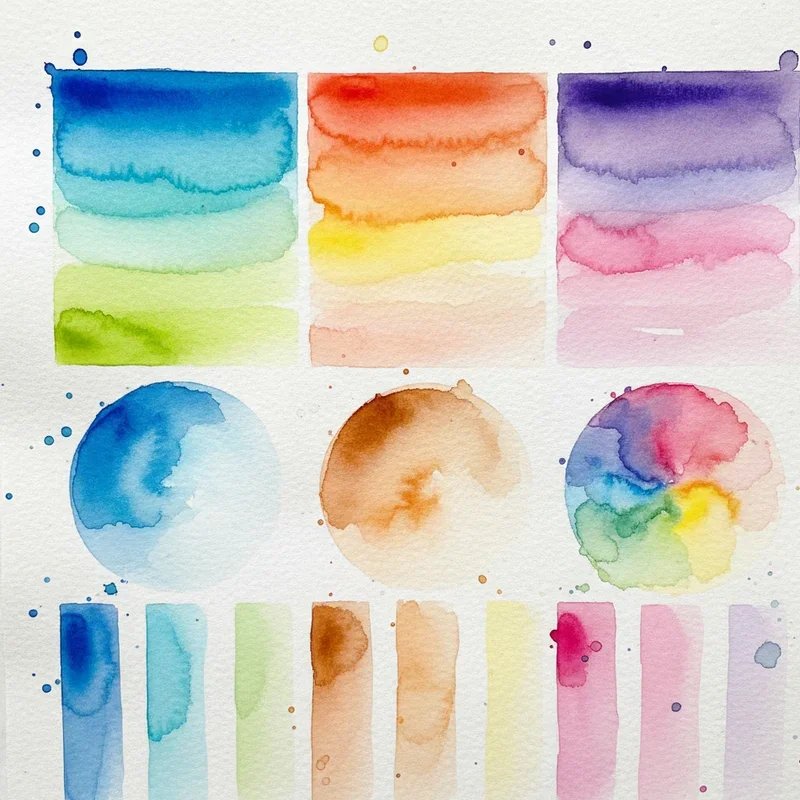
10. Gradient Color Blending Exercises
Mastering smooth color gradients builds fundamental watercolor skills that enhance every painting you create, regardless of style or subject matter. You'll practice transitioning seamlessly from one color to another or from intense pigment to clear water, achieving even, streak-free blends. These exercises develop your understanding of water-to-pigment ratios, brush loading, and timing that separates amateur work from professional results. Try creating rainbow gradients, sunset color transitions, or single-color value scales from light to dark systematically. The controlled practice reveals how your specific paints behave, since different pigments have varying flow characteristics and staining properties. These gradient strips make beautiful abstract artworks themselves or serve as valuable reference tools for future projects. Consistent practice transforms this challenging skill into second nature over time!
11. Splash and Drip Action Painting
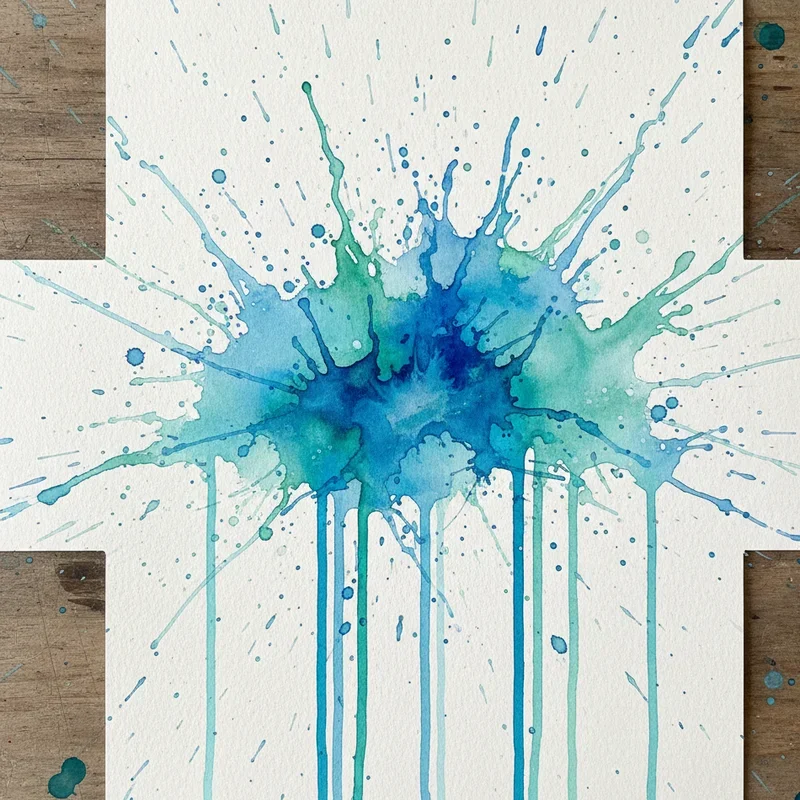
Action painting embraces spontaneity and movement, creating dynamic, energetic artworks through splashing, dripping, and flicking paint across paper surfaces. You'll load your brush heavily with diluted paint, then tap, flick, or let gravity pull pigment onto your support in controlled chaos. This technique channels creative energy physically, making the painting process itself become performance and meditation simultaneously. The resulting spatters and drips add excitement, movement, and unpredictability to abstract compositions or background textures in representational work. Try protecting certain areas with paper masks before splattering if you want controlled randomness within specific boundaries. Different tools create different effects: toothbrushes make fine mists while large brushes create bold splashes. This liberating approach reminds us that perfection isn't always the goal in creative expression!
12. Watercolor Portraits with Loose Style
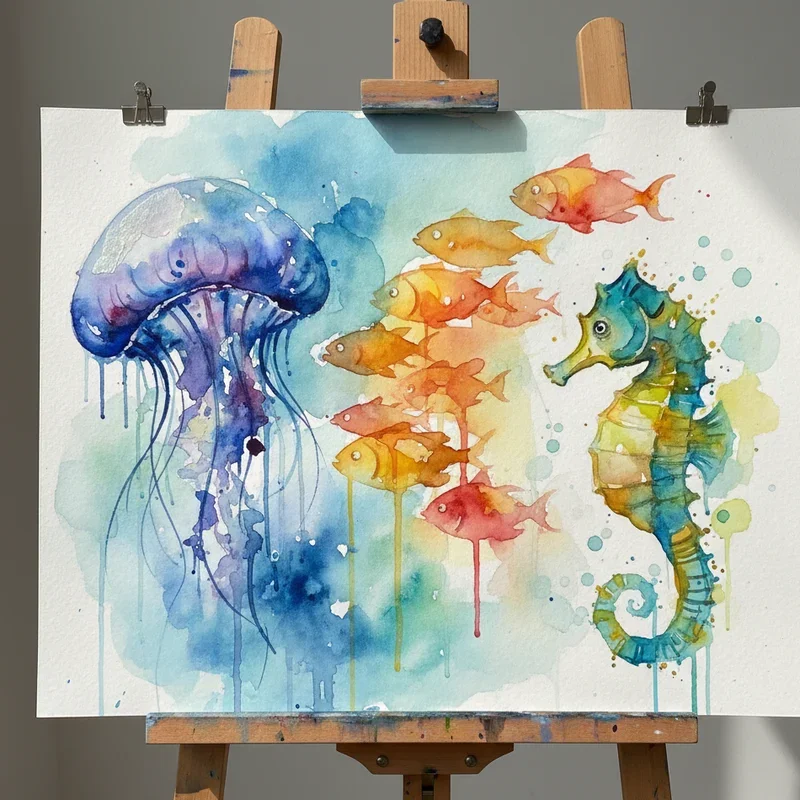
Loose watercolor portraiture captures personality and essence without fussy photorealistic details, creating fresh, contemporary portrait work that feels alive and spontaneous. You'll focus on capturing likeness through careful observation of proportions and key features while allowing colors to blend and edges to soften naturally. This approach requires confidence since hesitant, overworked paintings lose the luminosity and freshness that makes watercolor portraits special. Start with strong value studies in monochrome before attempting full-color portraits to build confidence in placing features accurately. Let some edges blur into background washes while keeping focal areas like eyes sharper for effective contrast and visual interest. The transparent quality of watercolors beautifully suggests skin's translucency when properly handled. These expressive portraits capture mood and character more effectively than rigid, photo-copied likenesses ever could!
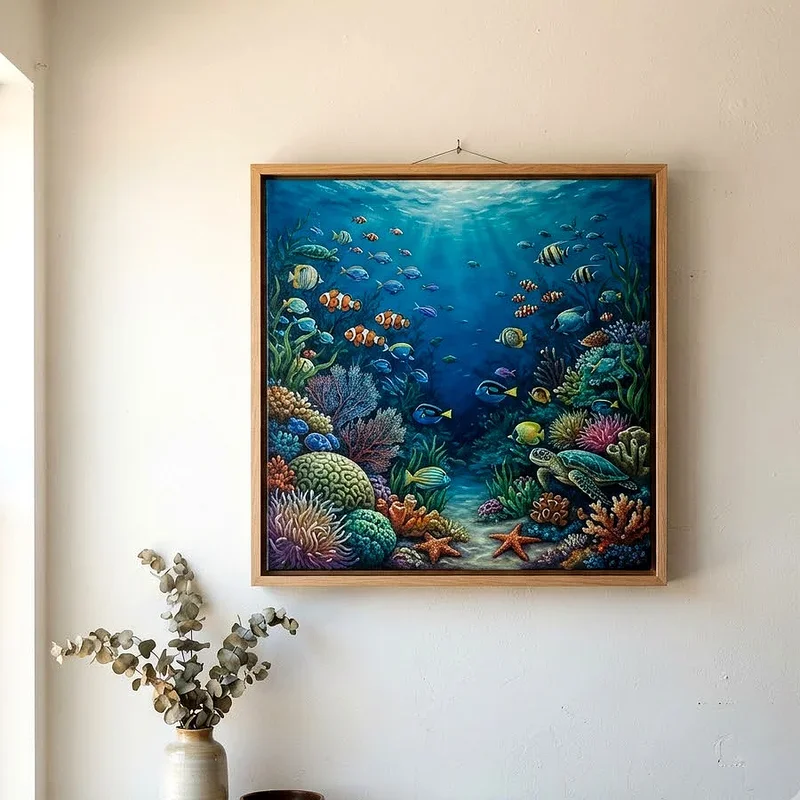
13. Ocean and Water Reflections
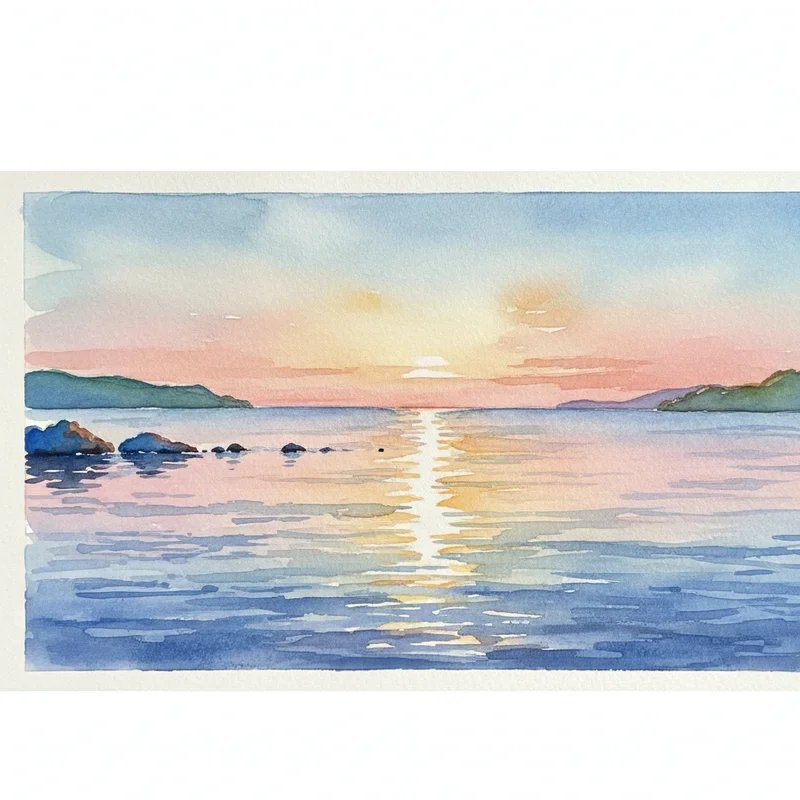
Painting water requires understanding how light interacts with moving surfaces, creating reflections, transparency, and the illusion of depth simultaneously. You'll observe how colors reflect and distort in water, how waves create patterns, and how light penetrates shallow areas differently than deep. Start with still water reflections in lakes or ponds before attempting crashing waves or flowing streams that require more advanced techniques. Use horizontal strokes to suggest water's surface plane, varying colors and values to create depth and movement suggestions. The wet-on-wet technique works brilliantly for soft, diffused underwater areas while drybrush suggests foam and texture effectively. Negative painting helps create the appearance of light dancing on water surfaces magically. Mastering water subjects opens endless painting possibilities since water appears in countless landscape and seascape compositions!
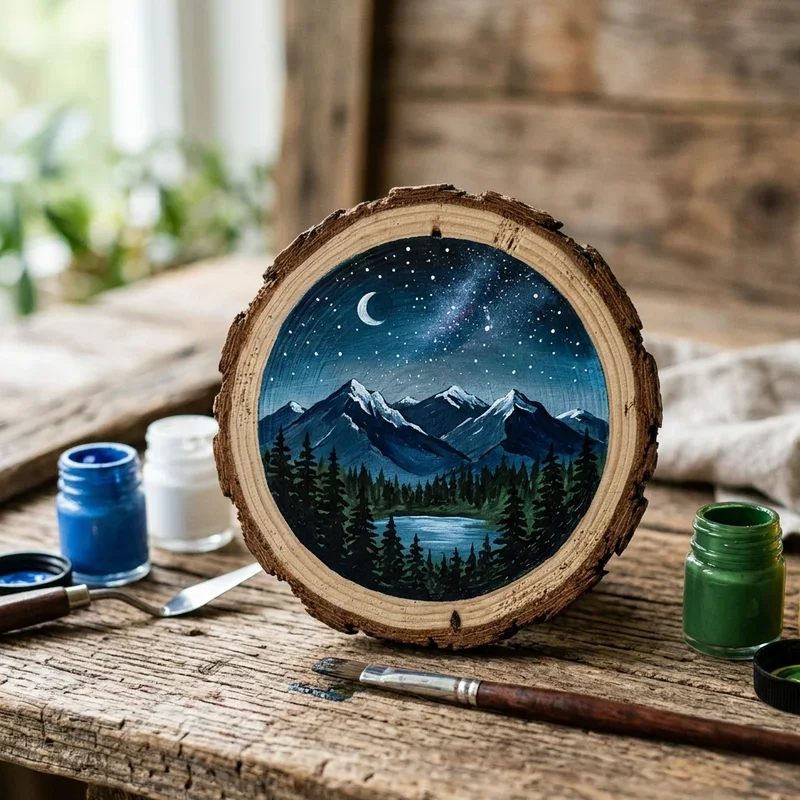
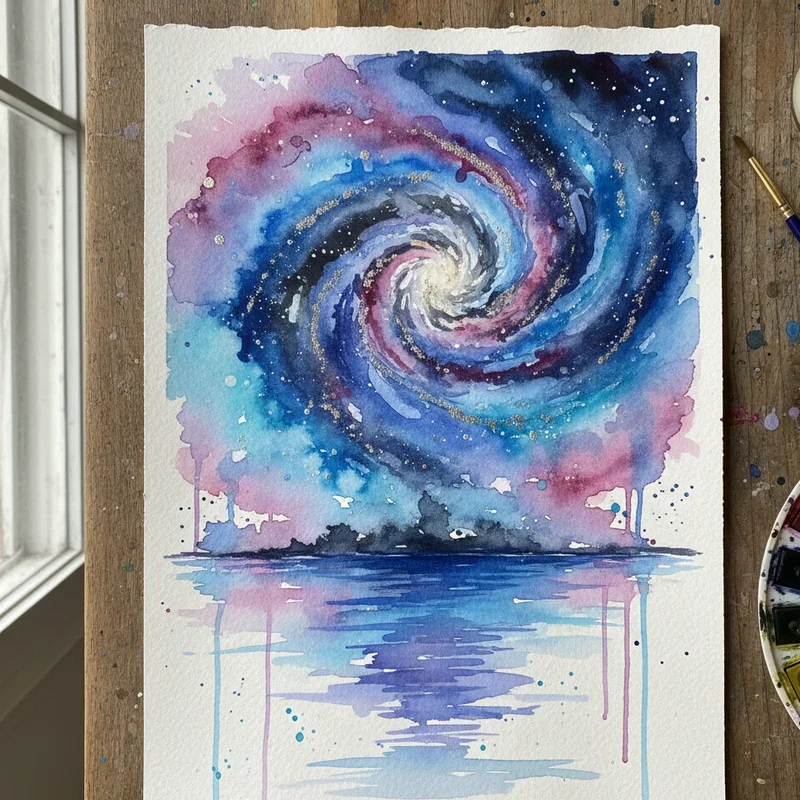
14. Galaxy and Celestial Watercolors
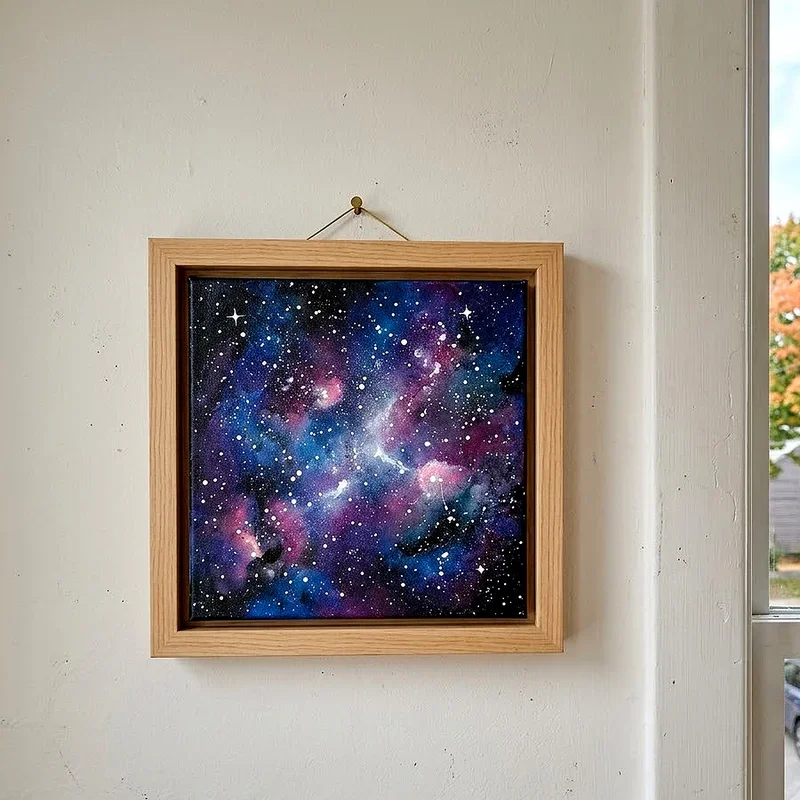
Painting cosmic scenes lets you combine multiple techniques while creating artwork that feels magical and otherworldly through dramatic color and mysterious depth. You'll create dark backgrounds using concentrated pigments, then add stars, planets, and nebulas through various textural techniques like salt, splatter, and lifting. The wet-on-wet approach creates those beautiful, soft color transitions found in nebula clouds and aurora effects perfectly. Masking fluid preserves bright stars and highlights in dark space backgrounds effectively, while metallic or interference paints add shimmer and dimension. Try using unconventional colors like purples, teals, and magentas for alien, fantastical space scenes that transcend realistic astronomical representation. These paintings appeal broadly since everyone finds cosmic imagery fascinating regardless of artistic knowledge or experience. The forgiving nature of abstract space scenes makes them perfect for practicing new techniques without pressure!
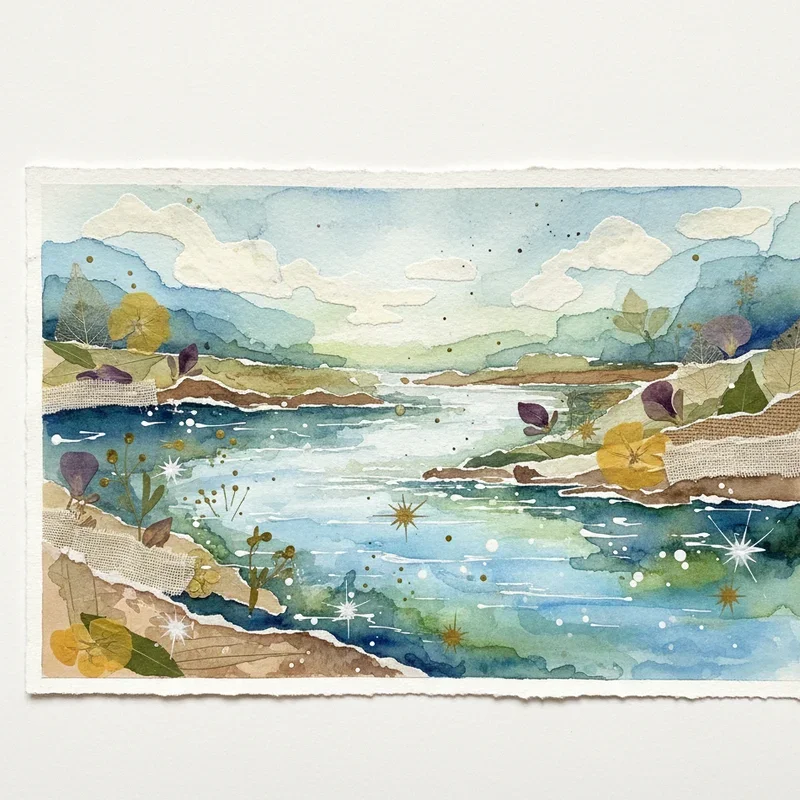
15. Mixed Media Watercolor Collage
Combining watercolors with other materials expands creative possibilities exponentially, creating richly layered artworks that transcend single-medium limitations beautifully. You'll integrate papers, fabrics, found objects, or other paints with your watercolors to create texture, contrast, and visual complexity. The transparent watercolors can glaze over collaged elements, unifying disparate materials into cohesive compositions that tell stories and create depth. Try adding pen and ink details, colored pencil accents, or gold leaf highlights to enhance watercolor paintings strategically. Collaged papers can provide interesting grounds for watercolor application, with the papers' textures and patterns showing through transparent washes. This experimental approach encourages play and discovery while pushing beyond traditional watercolor boundaries confidently. Mixed media pieces often possess unique character and dimension that purely painted works lack entirely!
Conclusion
Water painting offers endless creative possibilities that continue revealing themselves the more you practice and experiment. These 15 ideas provide starting points, but your unique artistic voice will emerge through consistent practice and fearless exploration. Remember that watercolors reward both planning and spontaneity, control and surrender. Don't fear mistakes since they often lead to your most exciting discoveries. Now grab your brushes and let the water guide your creative journey forward into uncharted artistic territories!
Read next: 15 Watercolor Painting Ideas for Beginners to Try
Frequently Asked Questions
Q1: What paper weight works best for watercolor painting?
Use 140 lb or heavier watercolor paper to prevent buckling; lighter papers warp excessively when wet.
Q2: Can I use regular brushes for watercolor painting?
While possible, dedicated watercolor brushes hold more water and pigment, giving superior control and better results.
Q3: How do I fix watercolor mistakes?
Lift wet paint with clean, damp brush or sponge; dried paint lifts partially with wet brush and gentle scrubbing.
Q4: Should beginners use student or professional grade watercolors?
Student grade works fine for learning; upgrade to professional paints once you understand color mixing and techniques.
Q5: How long does watercolor paper take to dry completely?
Drying time varies by water amount and humidity, typically 5-30 minutes depending on thickness and environmental conditions.
Stay up to date with our latest ideas!