15 Small Drawing Ideas to Practice Daily Sketching
Discover 15 simple small drawing ideas perfect for daily sketching practice. Build your artistic skills with easy, fun ideas you can draw anywhere.
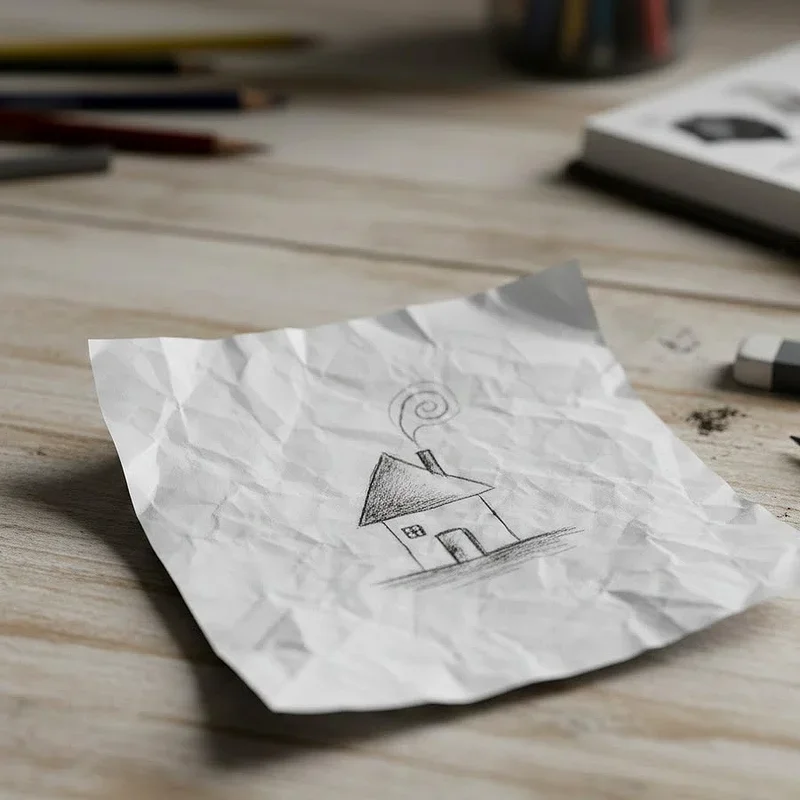
Have you ever stared at a blank page, wondering what to draw? Daily sketching transforms your artistic abilities, but finding inspiration can feel overwhelming. Think of small drawing ideas as your artistic warm-up exercises, similar to how musicians practice scales. These bite-sized creative challenges help you develop muscle memory, improve hand-eye coordination, and sharpen observation skills without pressure. Whether you're a beginner or experienced artist, small drawings offer perfect opportunities for consistent practice. You don't need expensive materials or hours of free time. Just a few minutes each day with simple subjects dramatically improves your confidence and technical abilities. Ready to discover drawing ideas that fit seamlessly into your busy schedule? Let's explore fifteen engaging subjects that keep your creativity flowing every single day.
1. Coffee Cups and Mugs
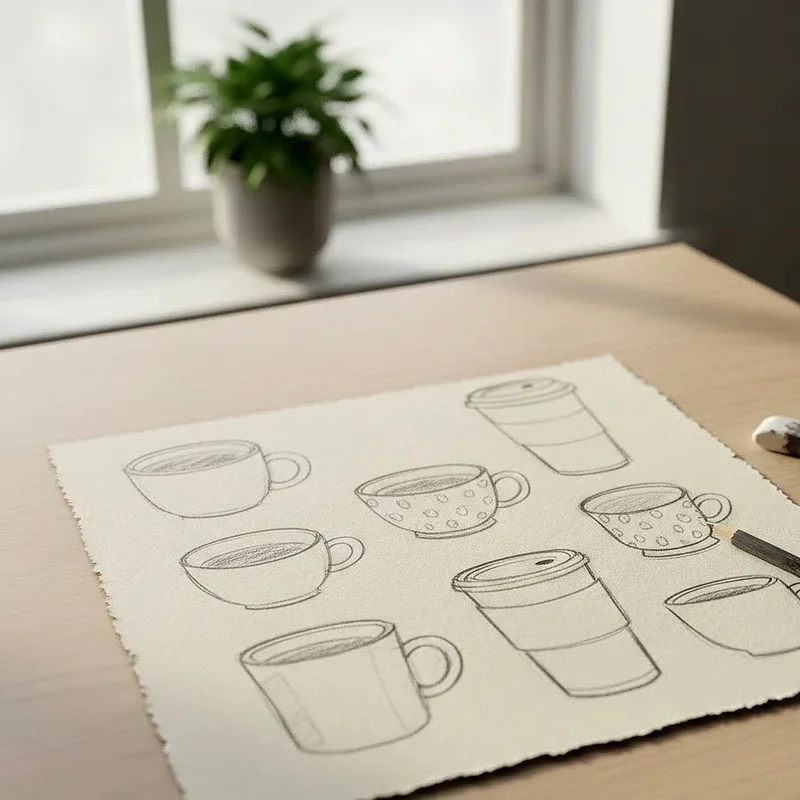
Coffee cups make excellent drawing subjects because they're everywhere and offer fascinating variations in shape and pattern. You can sketch your morning mug from different angles, capturing the handle's curve, the rim's ellipse, or steam rising from hot liquid. These everyday objects teach you about perspective, shading, and how light interacts with curved surfaces. Try drawing the same mug multiple times, each focusing on different details like ceramic texture or surface reflections. Adding elements like coffee stains or decorative patterns increases complexity gradually. This subject becomes more interesting when you observe how the mug looks from above, the side, or three-quarter view, helping you understand dimensional drawing fundamentals that apply to countless other objects in your artistic journey.
2. House Plants and Succulents
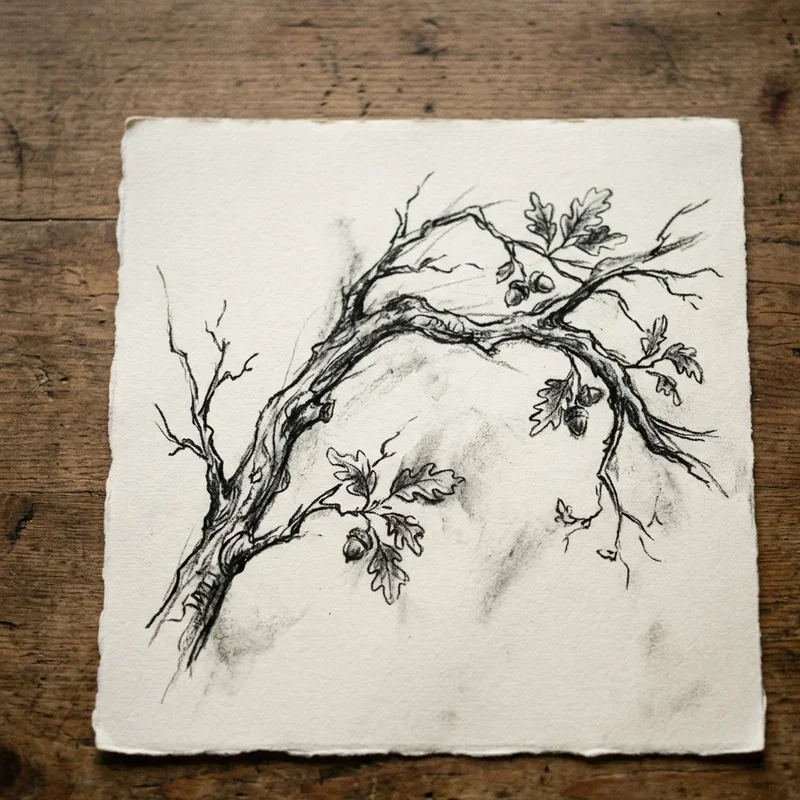
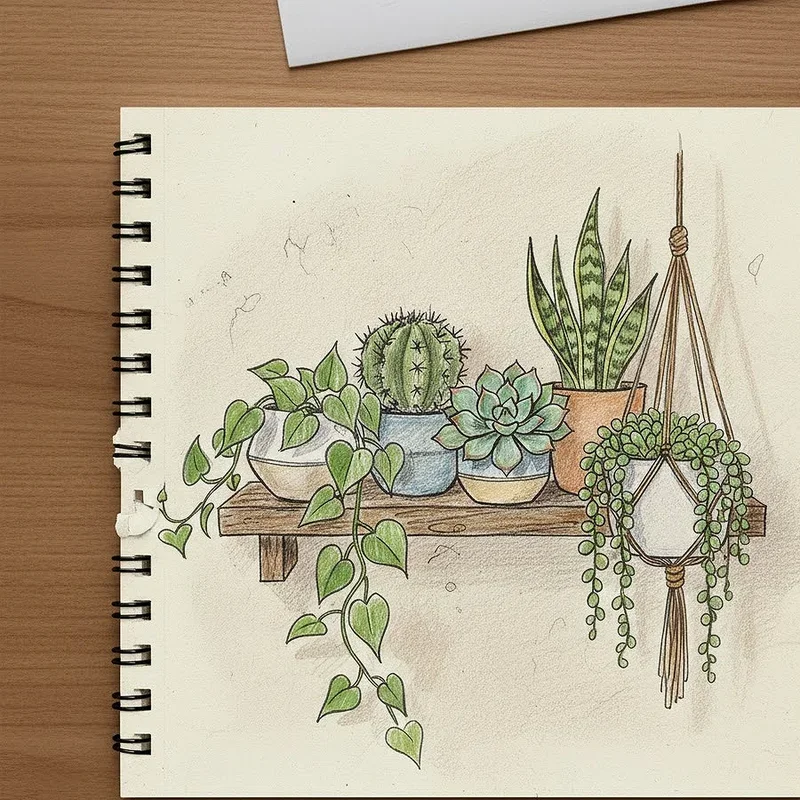
Plants provide organic shapes that challenge your ability to capture natural forms and textures in your sketchbook effectively. Succulents work particularly well for beginners because their geometric patterns and thick leaves create clear, defined shapes easier to render than complex foliage. You'll practice drawing curves, overlapping forms, and subtle variations that make each leaf unique while developing patience for detailed work. Observing how light falls on waxy succulent surfaces teaches you about highlights and shadows on three-dimensional objects. House plants like pothos introduce you to pattern repetition and how leaves grow from stems in predictable yet varied arrangements. Drawing plants regularly helps you notice small differences between similar leaves and trains your eye to see subtle variations and natural symmetry.
3. Everyday Objects from Your Desk
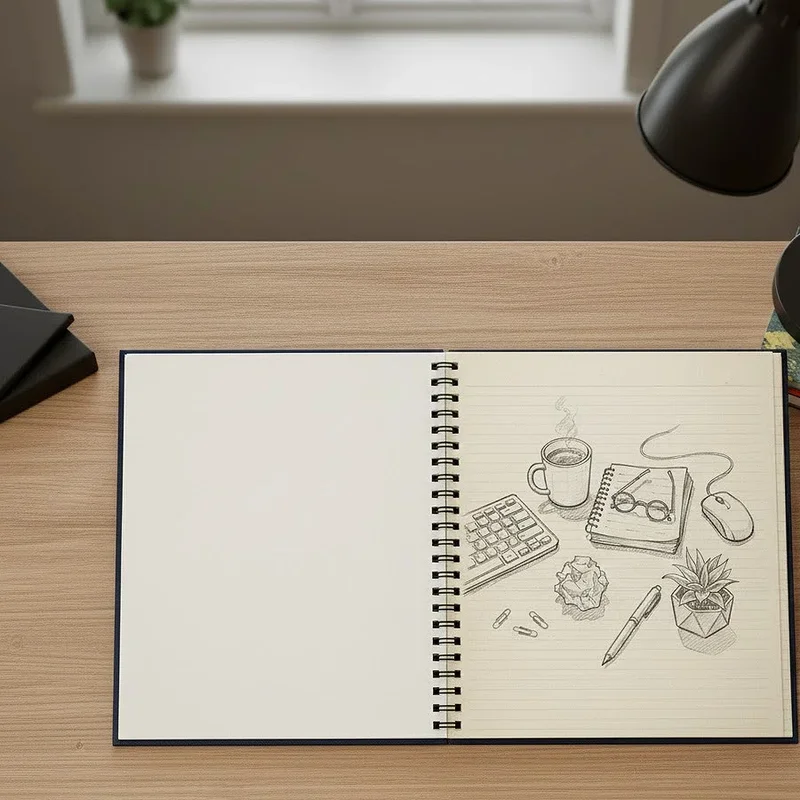
Your desk holds a treasure trove of drawing subjects that help you practice rendering manufactured objects with clean lines and precise proportions. Staplers, tape dispensers, pens, and scissors each present unique challenges in capturing mechanical forms and material textures effectively. These objects teach you how to draw straight lines, smooth curves, and how different materials like metal, plastic, and rubber appear in sketches. You'll learn to observe how light reflects differently off shiny metal scissors compared to matte plastic pen barrels distinctly. Drawing these familiar items helps you understand construction and assembly, seeing how different parts connect and function together seamlessly. The repetitive practice improves your ability to measure proportions accurately and replicate what you see rather than what you think you see.
4. Simple Fruits and Vegetables
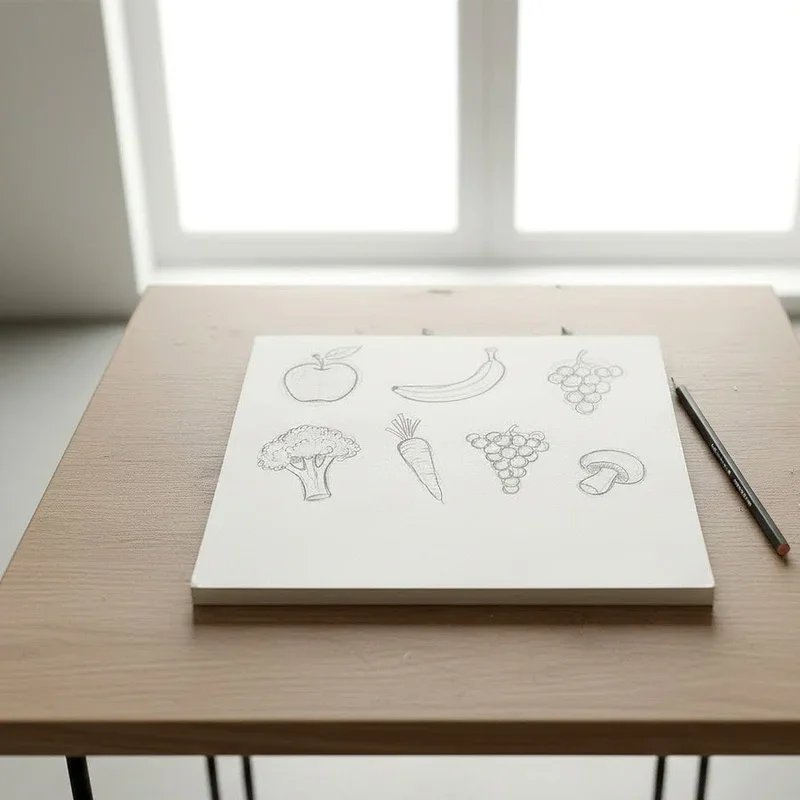
Fruits and vegetables offer perfect organic subjects that teach you about form, texture, and natural variations in shape. An apple challenges you to capture its rounded form and subtle color gradations, while a banana teaches you about curved forms and how peels create interesting shadows. These subjects help you practice shading techniques that create the illusion of volume on a flat page convincingly. The dimpled texture of an orange, smooth surface of a tomato, or bumpy skin of a lemon each require different approaches to rendering surface quality effectively. Drawing produce regularly improves your understanding of how light wraps around curved surfaces and where to place highlights for maximum realism. You can arrange multiple fruits together to practice composition and spatial relationships or explore fascinating internal structures.
5. Basic Geometric Shapes
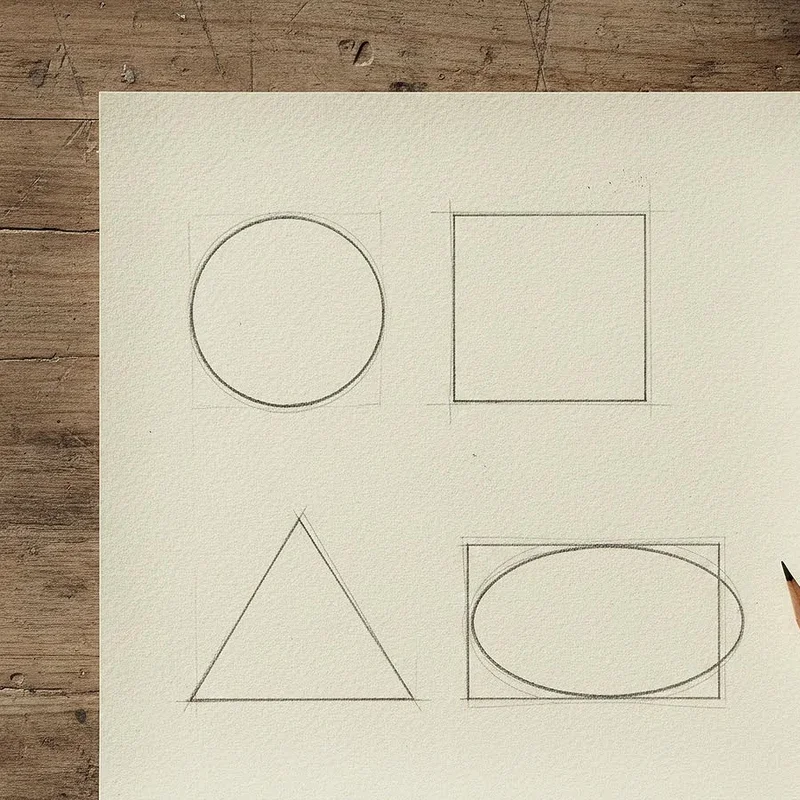
Geometric shapes form the foundation of all complex drawings, making them essential practice subjects for artists at any skill level today. Cubes, spheres, cylinders, cones, and pyramids teach you fundamental principles of perspective, shading, and three-dimensional representation on two-dimensional surfaces effectively. Drawing a simple cube helps you understand vanishing points and how parallel lines appear to converge in space naturally. Shading a sphere teaches you about gradual value transitions and where to place core shadows and reflected light strategically. These exercises might seem basic, but they're the building blocks you'll use to construct more complicated subjects later successfully. Professional artists regularly return to these foundational forms to maintain their skills and warm up before more complex projects confidently.
6. Your Favorite Shoes
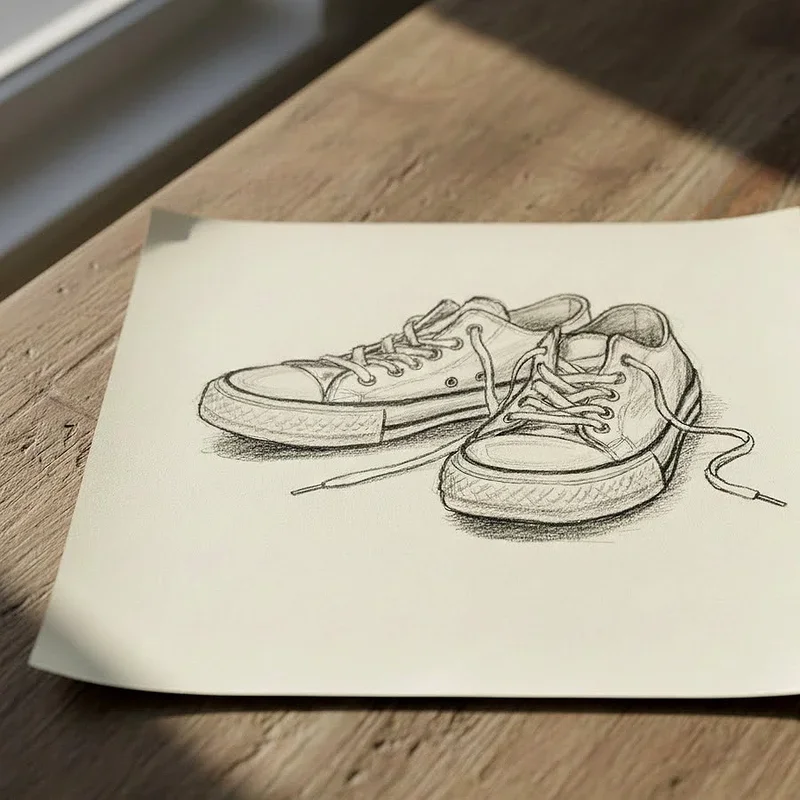
Shoes present wonderful challenges in drawing complex forms with multiple materials, textures, and structural elements working together harmoniously. Sneakers feature laces, eyelets, stitching, and various surface textures that require careful observation and patience to render accurately today. Drawing footwear teaches you about perspective as shoes angle away from your viewpoint and about how fabric, leather, and rubber each reflect light differently indeed. The curves and contours of shoes help you practice drawing three-dimensional forms that aren't perfectly geometric, bridging the gap between simple shapes and organic subjects naturally. You can draw your shoes from different angles: from above looking down, from the side, or even from behind, each perspective offering new challenges. Worn shoes with creases add extra visual interest and authenticity.
7. Hand Gestures and Poses
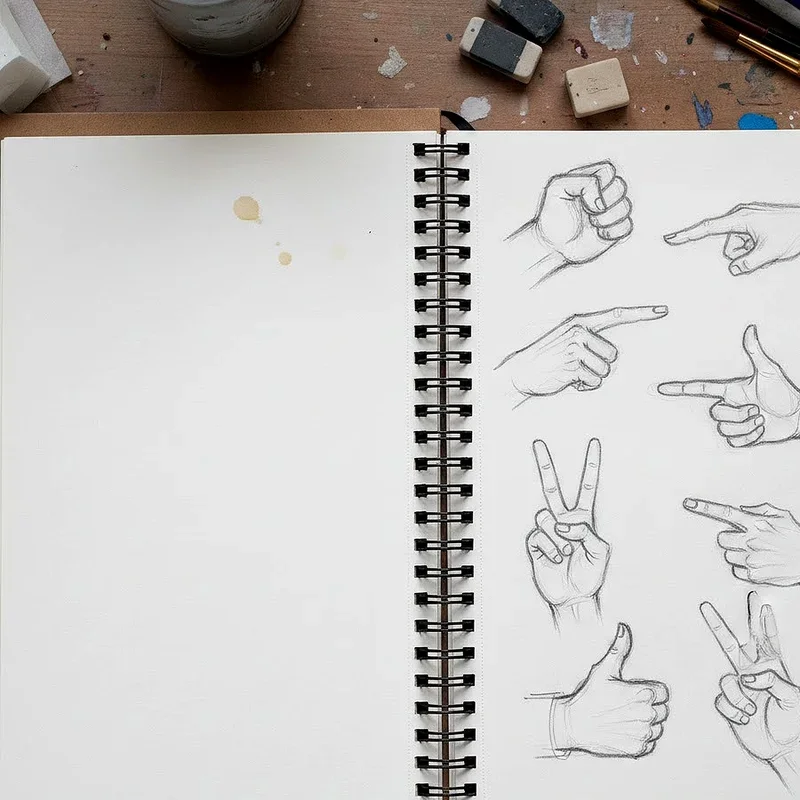
Your own hands provide an always-available model for practicing human anatomy, gesture, and expression without needing reference photos or live models conveniently. Drawing hands challenges you to capture complex joints, proportions, and the way fingers curve and overlap in natural positions accurately. You can practice different gestures like pointing, grasping, relaxing, or forming specific shapes, each teaching you about how tendons, bones, and skin work together functionally. Hands express emotion and action, making them valuable subjects for adding life to your drawings beyond just technical accuracy effectively. The challenge of drawing hands from various angles helps you understand three-dimensional structure and foreshortening principles. Regular hand drawing practice directly improves your figure drawing abilities since hands are notoriously difficult for many artists to master.
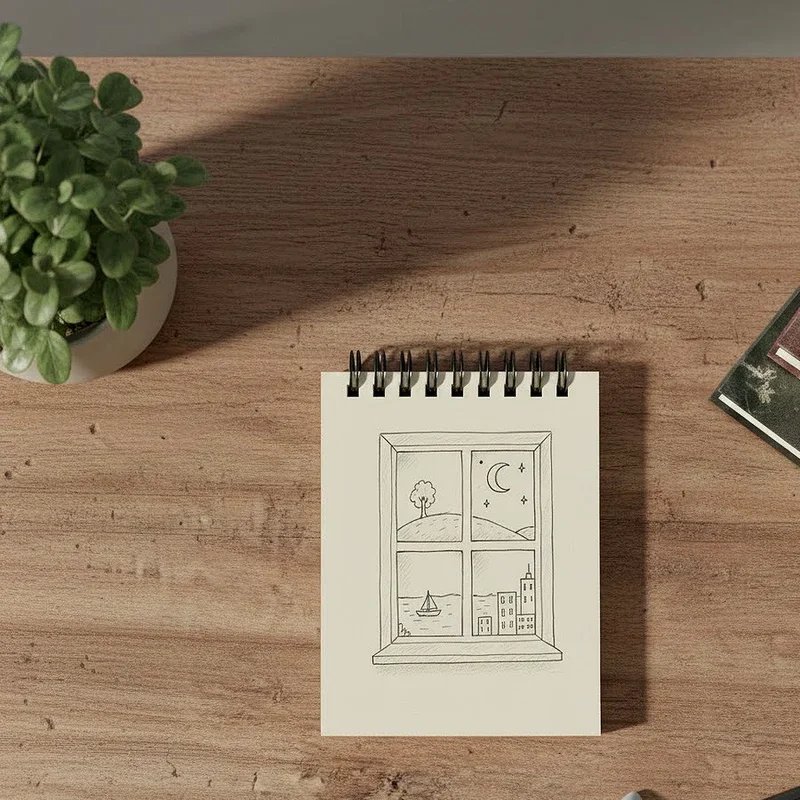
8. Window Views and Scenes
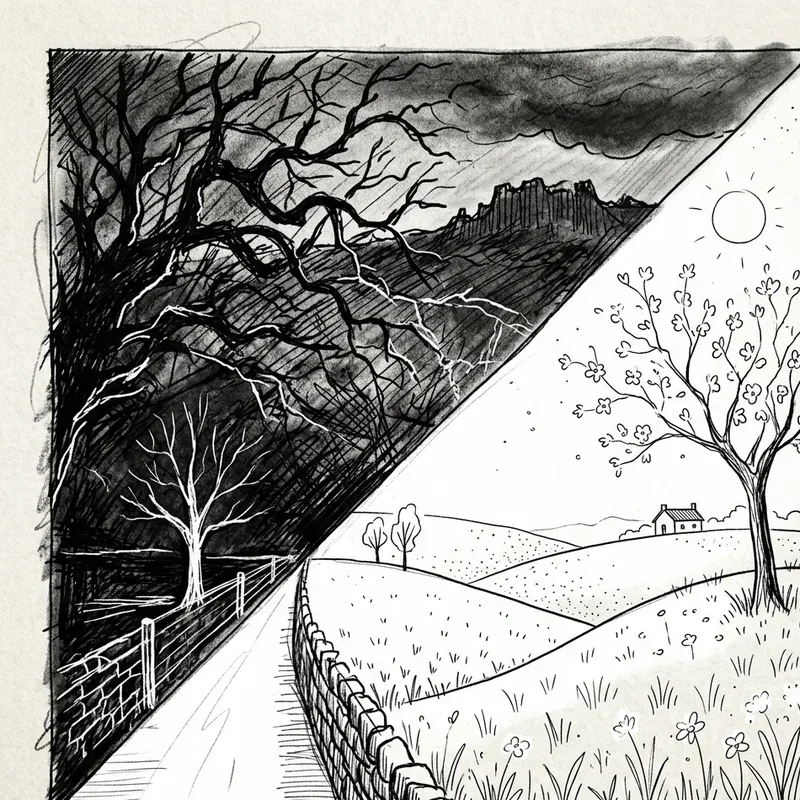
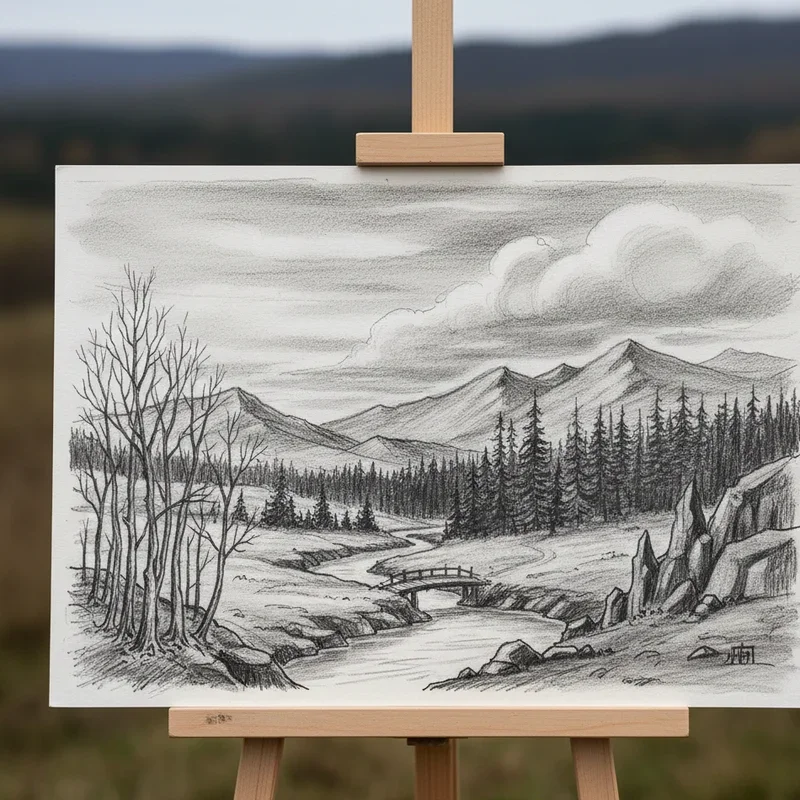
The view from your window offers an ever-changing subject that teaches you about composition, depth, and atmospheric perspective in real-world settings naturally. You can sketch the same scene at different times of day, observing how changing light transforms shadows, colors, and mood dramatically throughout hours. Window views help you practice creating depth by drawing foreground, middle-ground, and background elements that recede into space convincingly today. The window frame itself provides natural compositional boundaries that help you learn about framing and what to include or exclude thoughtfully. Urban windows might show buildings and streets, while rural views offer trees and natural landscapes, each presenting unique challenges. Drawing outdoor scenes from inside teaches you about simplifying complex information and suggesting distance through lighter values.
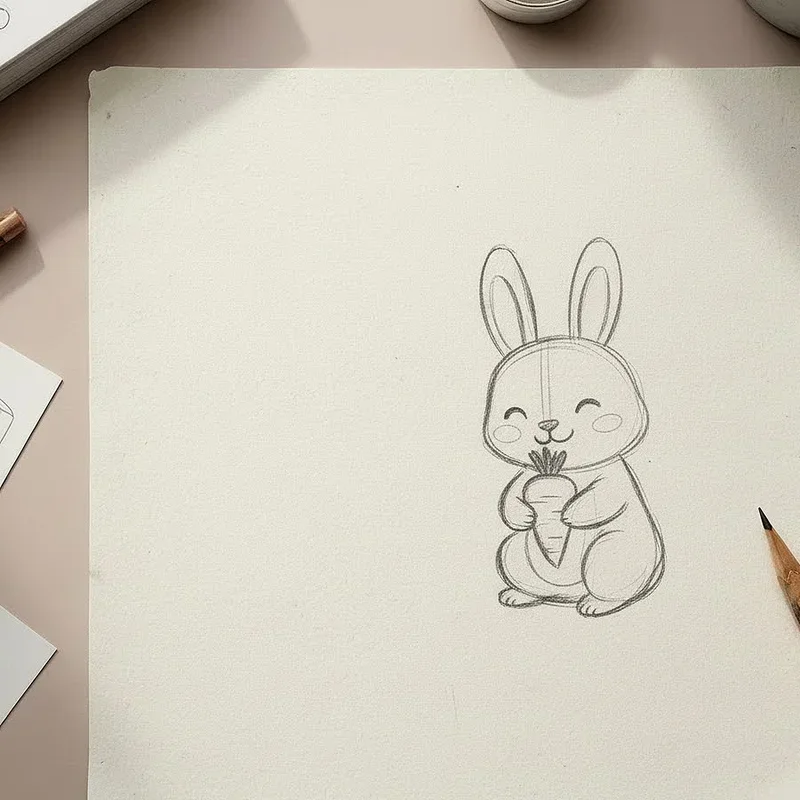
9. Cute Animals in Simple Poses
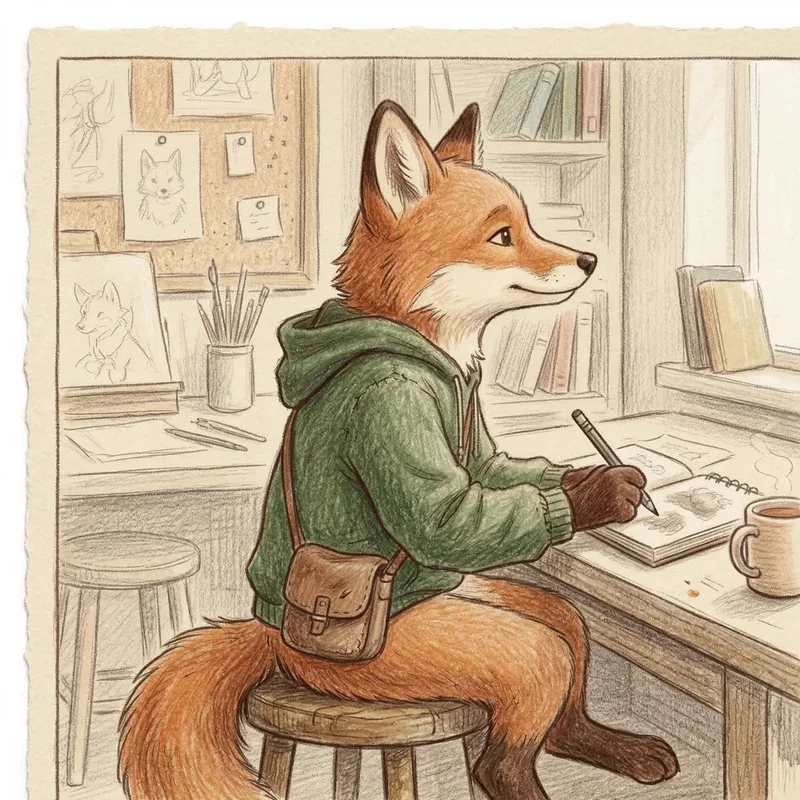
Simple animal sketches help you practice capturing personality and movement without getting overwhelmed by complex anatomy or detailed fur textures unnecessarily. Start with basic animals like cats curled up sleeping, dogs sitting, or birds perched on branches, focusing on overall shapes and proportions rather than perfect realism initially. Animals teach you about organic forms, gesture drawing, and how living creatures balance and hold themselves differently than static objects naturally. You can work from photos initially, choosing images with clear lighting and simple backgrounds that don't distract from the main subject effectively. Drawing animals regularly improves your ability to see basic shapes within complex forms, like seeing circles and ovals that form a cat's body structure. This skill transfers to all other subjects wonderfully.
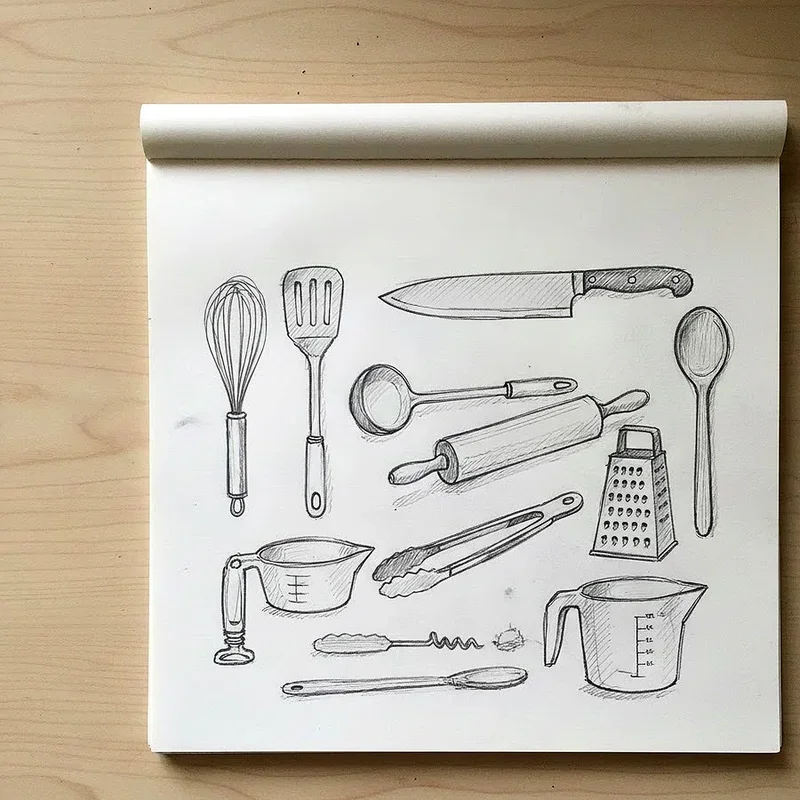
10. Kitchen Utensils and Tools
Kitchen tools offer excellent practice for drawing functional objects with interesting shapes, materials, and reflective surfaces that challenge your technical skills effectively. Spoons, forks, knives, whisks, and spatulas each present unique forms and surface qualities from smooth metal to textured handles distinctly. Drawing cutlery teaches you about ellipses, as you observe how circular forms appear at different angles and distances accurately. The reflective quality of metal utensils helps you understand how to suggest shine and reflection without overworking your drawings unnecessarily. Wooden spoons and plastic spatulas introduce different textures and how various materials absorb rather than reflect light naturally. These everyday objects are perfect for quick sketching sessions because they're always accessible and you can arrange them in different compositions to practice still life fundamentals.
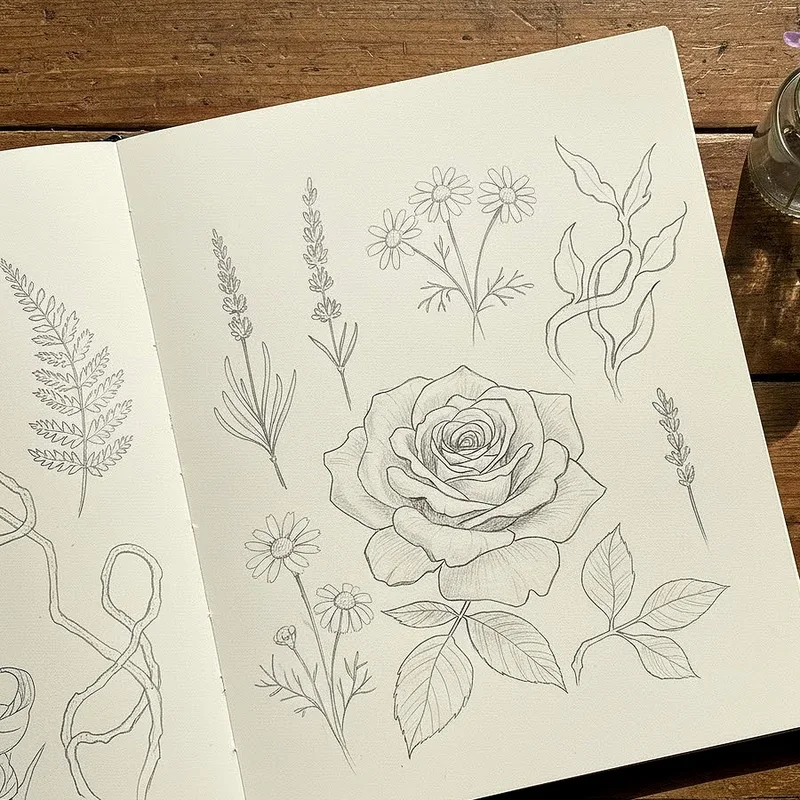
11. Flowers and Botanical Elements
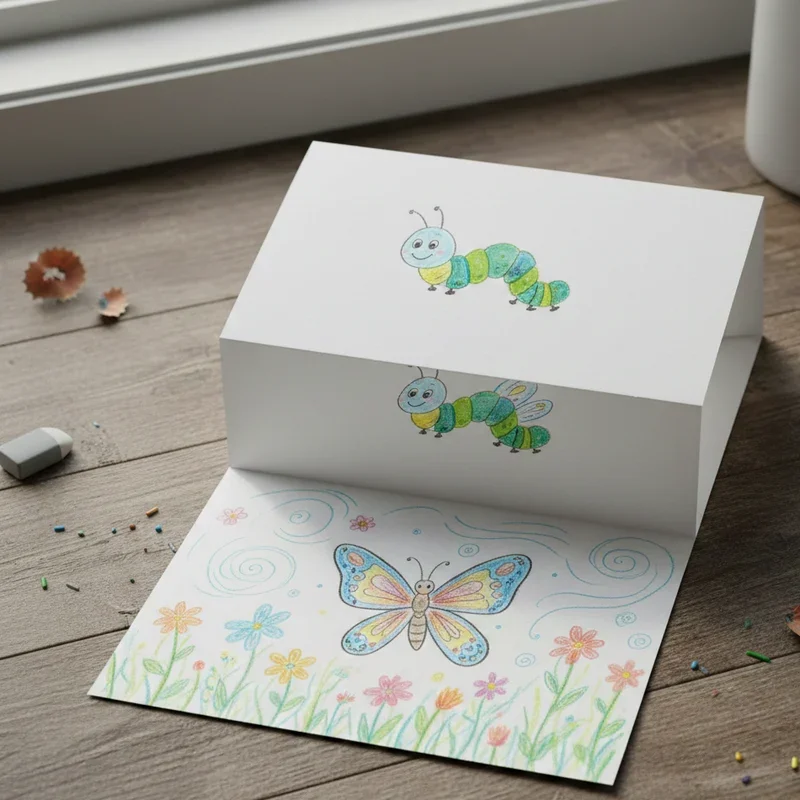
Flowers provide beautiful organic subjects that teach you about natural patterns, delicate forms, and how petals overlap and spiral around central cores naturally. Simple flowers like daisies offer clear petal arrangements perfect for beginners, while roses present more complex challenges with their layered, spiraling petals beautifully. Drawing flowers helps you practice observation skills as you notice how each petal differs slightly from others and how stems curve naturally today. You'll learn to render soft, delicate textures and the way light passes through thin petals differently than it reflects off leaves effectively. Botanical drawing encourages accuracy and attention to detail while allowing creative interpretation in suggesting texture and depth artistically. Individual flower parts add interesting details that make your drawings feel complete and scientifically accurate indeed.
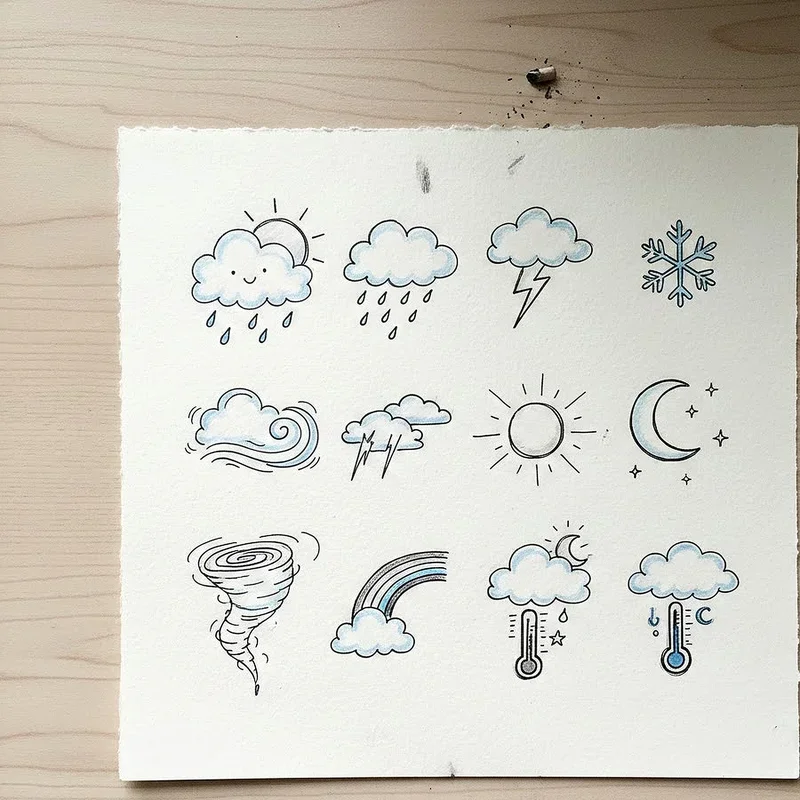
12. Weather Icons and Clouds
Weather elements like clouds, raindrops, lightning bolts, and snowflakes make fun, simple subjects that help you practice shading, texture, and symbolic representation effectively. Clouds teach you about soft edges, gradient shading, and how to create volume in forms that don't have hard boundaries or defined shapes clearly. You can practice different cloud types from fluffy cumulus to wispy cirrus, each requiring different techniques for suggesting their unique character and atmosphere naturally. Drawing rain involves practicing parallel lines and creating patterns that suggest movement and density without becoming repetitive or boring unnecessarily. Weather icons are forgiving subjects because they allow stylization and interpretation rather than requiring photographic accuracy, making them perfect for building confidence. These drawings work wonderfully for filling sketchbook pages quickly and combining into larger compositions.
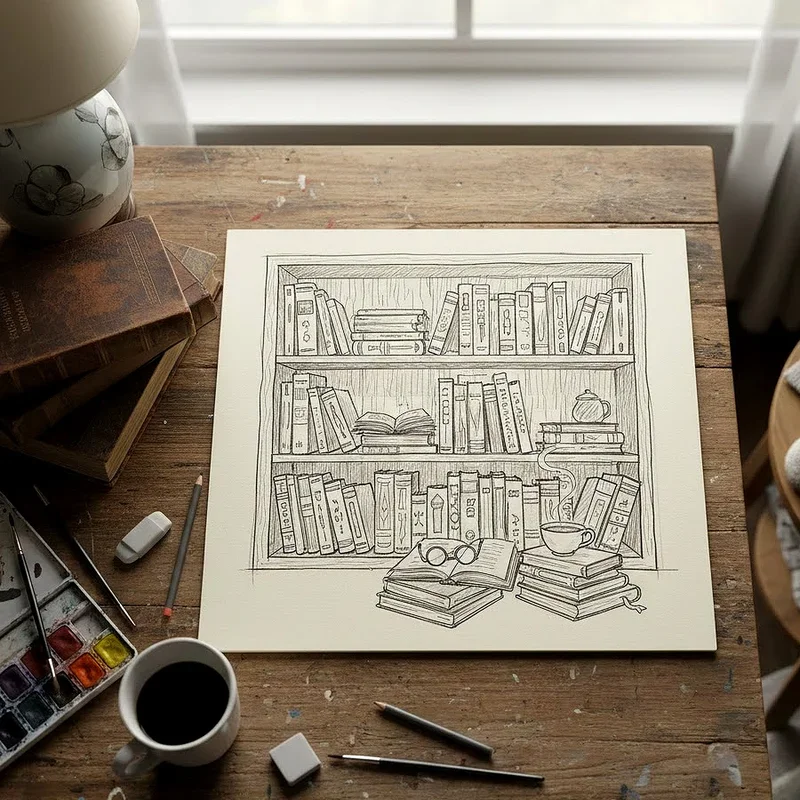
13. Books and Reading Materials
Books offer rectangular forms that teach perspective fundamentals while their varied covers, spines, and pages provide texture and detail practice opportunities. Drawing a single book helps you understand how parallel edges converge toward vanishing points and how thickness creates additional planes to consider carefully. Open books present interesting challenges with curved pages, visible text, and how the spine creates a valley between facing pages naturally. You can practice drawing stacked books to understand weight, balance, and how objects interact when placed together effectively. Book covers provide opportunities to practice lettering, patterns, and decorative elements without committing to a full illustration project. The worn edges and dog-eared corners add character and storytelling elements to your sketches. Drawing books regularly improves your ability to render rectangular objects in perspective.
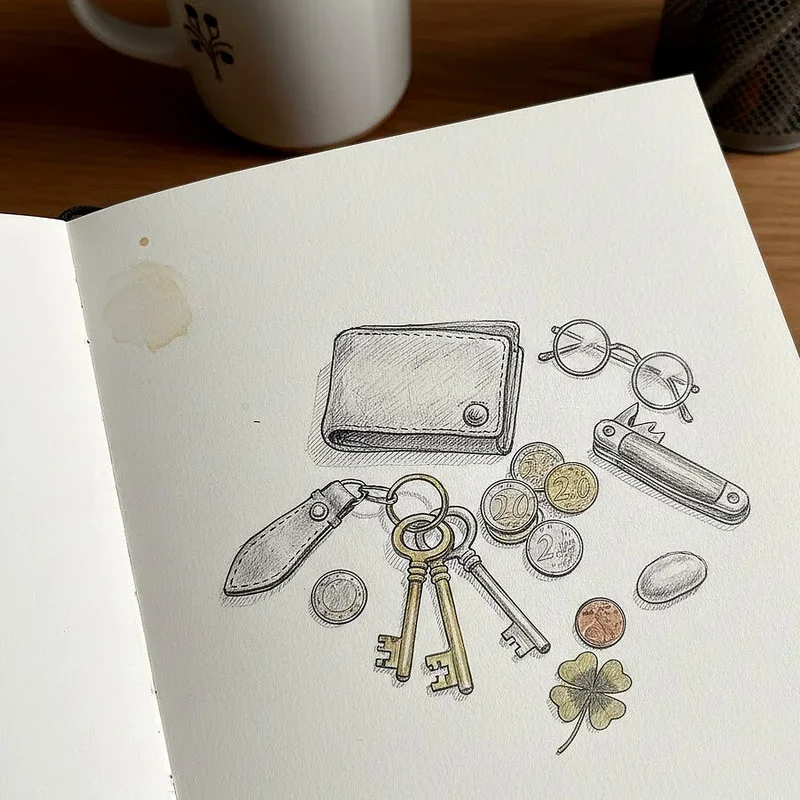
14. Keys, Coins, and Pocket Items
Small pocket items make excellent subjects for detailed observational drawing that improves your ability to render fine details and metallic surfaces accurately today. Keys feature interesting shapes with cuts, grooves, and decorative heads that challenge you to capture small-scale precision and mechanical accuracy effectively. Drawing coins teaches you about perfect circles, shallow relief details, and how to suggest three-dimensional information on nearly flat objects convincingly. These small subjects work perfectly for short practice sessions and help you develop patience for detailed work without requiring large time commitments unnecessarily. The metallic surfaces of keys and coins help you practice suggesting shine, reflection, and the way light creates bright highlights on polished metal distinctly. You can arrange multiple pocket items together to practice composition and spatial relationships wonderfully.
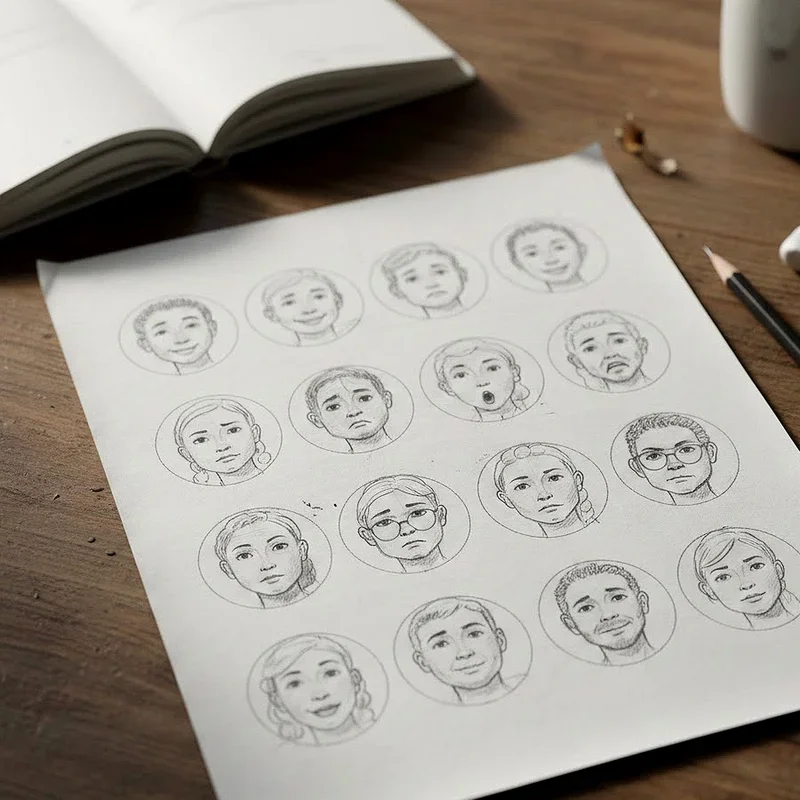
15. Self-Portraits in Different Expressions
Self-portraits provide endless practice opportunities for understanding facial proportions, expressions, and how features work together to create recognizable likenesses and emotional communication effectively. Using a mirror or phone camera, you can explore different expressions from happy to sad, surprised to thoughtful, each teaching you how facial muscles shift features in unique ways naturally. Drawing your own face repeatedly helps you learn standard facial proportions and where features typically align, knowledge that transfers to drawing any face successfully. You'll practice capturing subtle details like how eyes narrow when smiling or how eyebrows lift during surprise accurately. Self-portraits challenge you to be objective about what you actually see rather than drawing what you think a face should look like. The regular practice builds confidence in portrait drawing remarkably.
Conclusion
Daily sketching transforms your artistic journey through consistent practice with accessible subjects that fit into any schedule. These fifteen small drawing ideas provide endless variations and challenges that grow with your developing skills. Remember that progress comes from regular practice rather than perfection in every sketch. Your sketchbook becomes a personal record of improvement, experimentation, and creative exploration. Start with subjects that interest you most, then gradually expand your comfort zone. Embrace mistakes as learning opportunities and celebrate small victories along the way.
Read next: 15 Easy Drawing Ideas Anyone Can Sketch Today
Frequently Asked Questions
Q1: How long should I spend on each daily sketch?
A: Aim for 15 to 30 minutes per sketch, but even 5 minutes counts as valuable practice.
Q2: Do I need expensive materials to practice daily sketching?
A: No, a basic pencil and paper are sufficient for developing fundamental drawing skills effectively.
Q3: Should I draw the same subject repeatedly or vary subjects daily?
A: Both approaches work well; repetition builds specific skills while variety develops broader observational abilities.
Q4: How do I stay motivated when my sketches don't look good?
A: Focus on progress over perfection and remember that every sketch teaches you something valuable.
Q5: Can digital drawing replace traditional pencil and paper sketching?
A: Digital tools work great, but traditional materials often feel more immediate and accessible for daily practice.
Stay up to date with our latest ideas!