15 Whiteboard Drawing Ideas for Fun and Creativity
Discover 15 creative whiteboard drawing ideas to spark imagination, enhance visual communication, and make learning more engaging and fun for everyone.
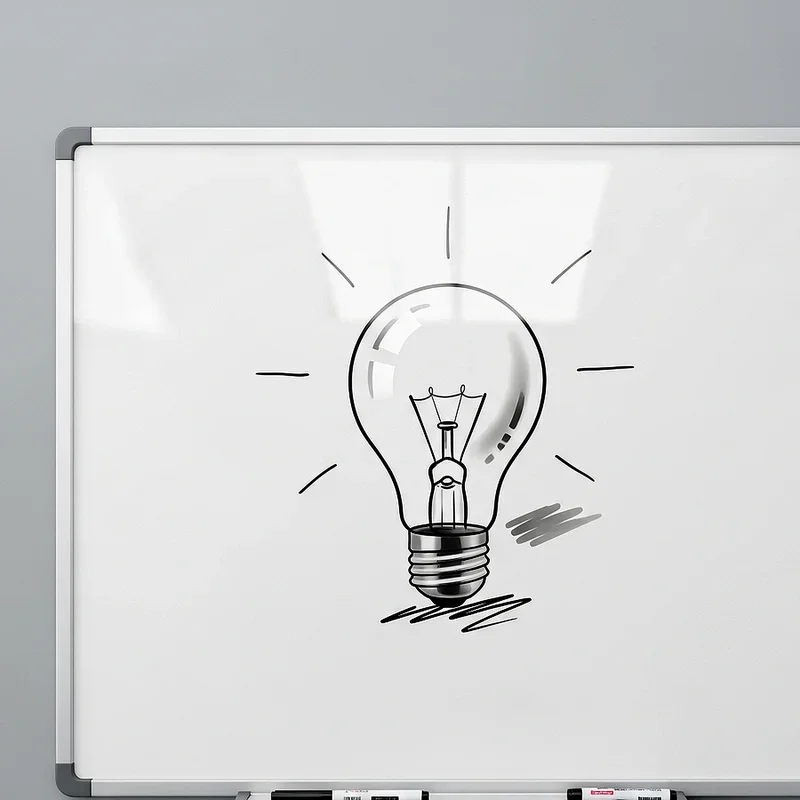
Have you ever stared at a blank whiteboard, marker in hand, wondering what creative magic you could bring to life on that pristine surface? Whiteboards aren't just for boring meeting notes or mathematical equations anymore. They've become canvases for creativity, tools for visual storytelling, and gateways to collaborative fun. Whether you're a teacher looking to jazz up your classroom, a parent seeking engaging activities for kids, or someone who simply loves to doodle, whiteboard drawing opens up endless possibilities. The beauty of whiteboard art lies in its temporary nature, giving you the freedom to experiment without fear of making permanent mistakes. Ready to transform that blank slate into something extraordinary? Let's explore fifteen exciting whiteboard drawing ideas that will unleash your inner artist and make every surface an opportunity for creative expression.
1. Mind Maps and Brainstorming Visuals
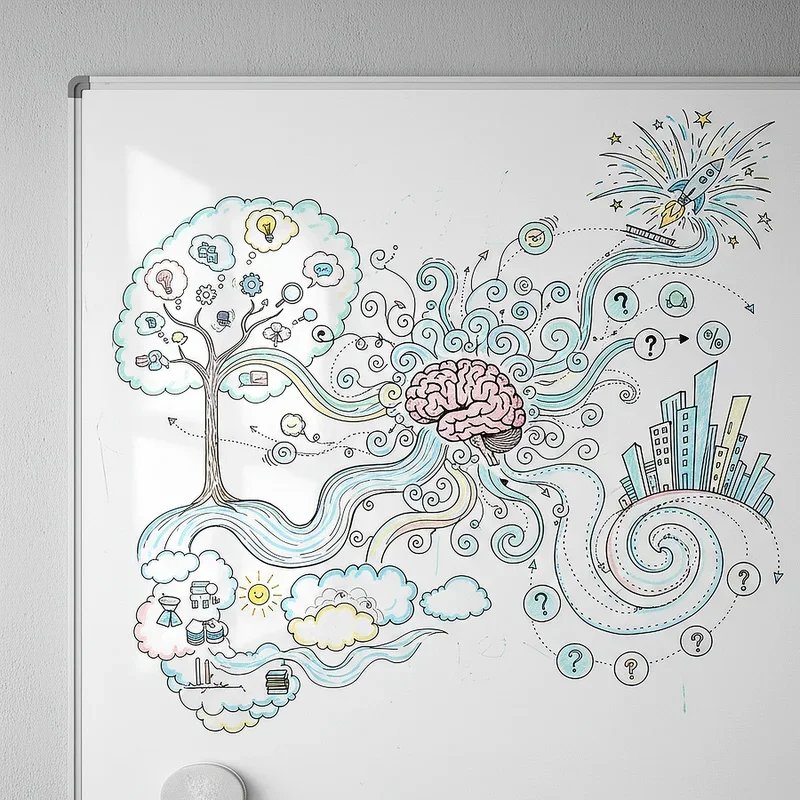
Transform your thoughts into visual masterpieces by creating colorful mind maps that branch out like trees of ideas. Start with a central concept in the middle of your whiteboard and let your creativity flow outward with connecting branches, each representing different aspects or related ideas. Use different colors for various branches to make information pop and create visual hierarchies that make complex ideas easier to understand. Add small doodles, icons, or symbols to represent concepts instead of just using words, making your mind map more engaging and memorable. This technique works brilliantly for project planning, studying, or even organizing your weekly meal prep ideas in a fun, visual way.
2. Comic Strip Stories
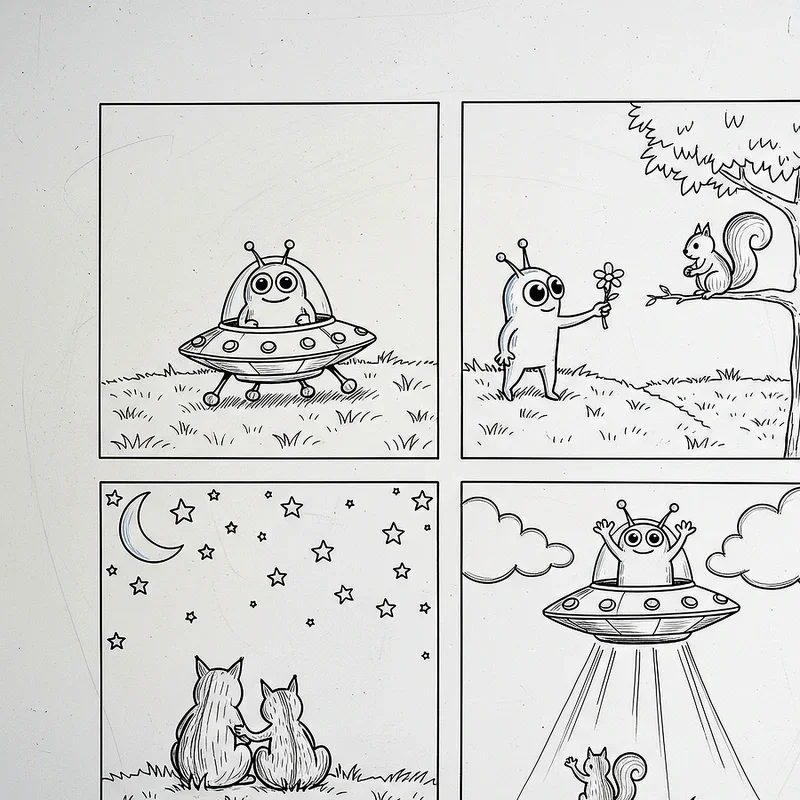
Who says you need to be a professional cartoonist to create entertaining comic strips on your whiteboard? Divide your board into panels and craft simple stick figure adventures that tell stories, explain concepts, or just make people laugh. Start with basic shapes for characters and add speech bubbles to bring them to life with dialogue and thoughts. You can create ongoing series featuring the same characters, developing their personalities over time and building anticipation for the next installment. Use this technique in classrooms to explain historical events, in offices to lighten the mood during breaks, or at home to create family stories that everyone contributes to. The beauty lies not in perfection but in the storytelling itself, making it accessible to artists of all skill levels.
3. Collaborative Doodle Chains
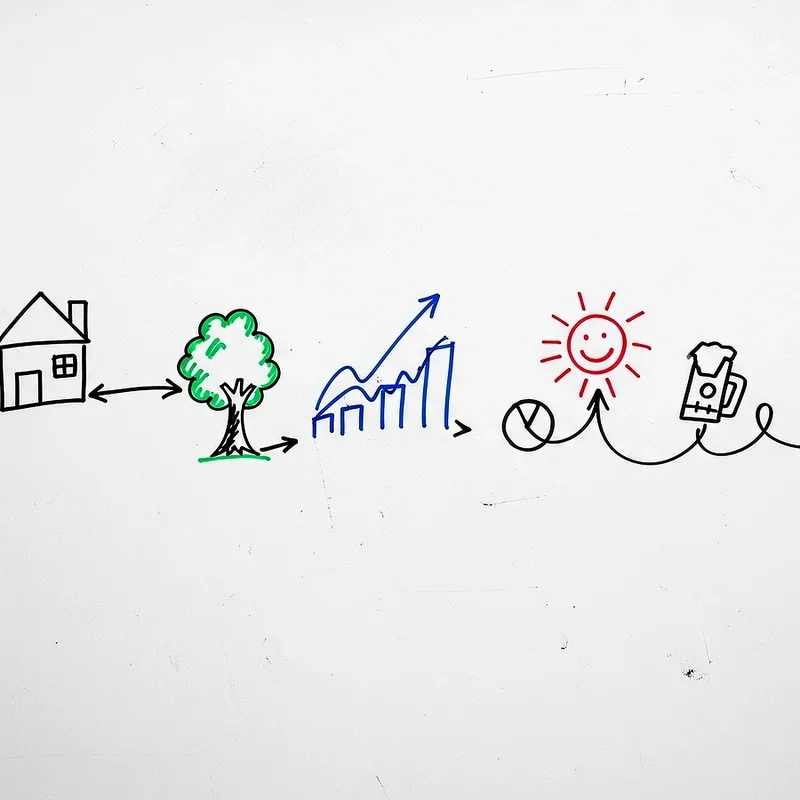
Turn your whiteboard into a community canvas where everyone adds their creative touch to build something amazing together. Start with a simple shape or line, then invite others to add their own elements, creating an evolving masterpiece that nobody could have predicted. This activity breaks down creative barriers and encourages people to think on their feet, responding to what others have drawn before them. Set themes like underwater worlds, space adventures, or fantasy landscapes to guide the collaborative effort while still allowing individual creativity to shine. Watch as a simple circle transforms into a hot air balloon, then becomes part of a larger festival scene as each person adds their unique contribution. It's like a visual conversation where everyone gets to speak through their drawings.
4. Educational Diagrams and Infographics
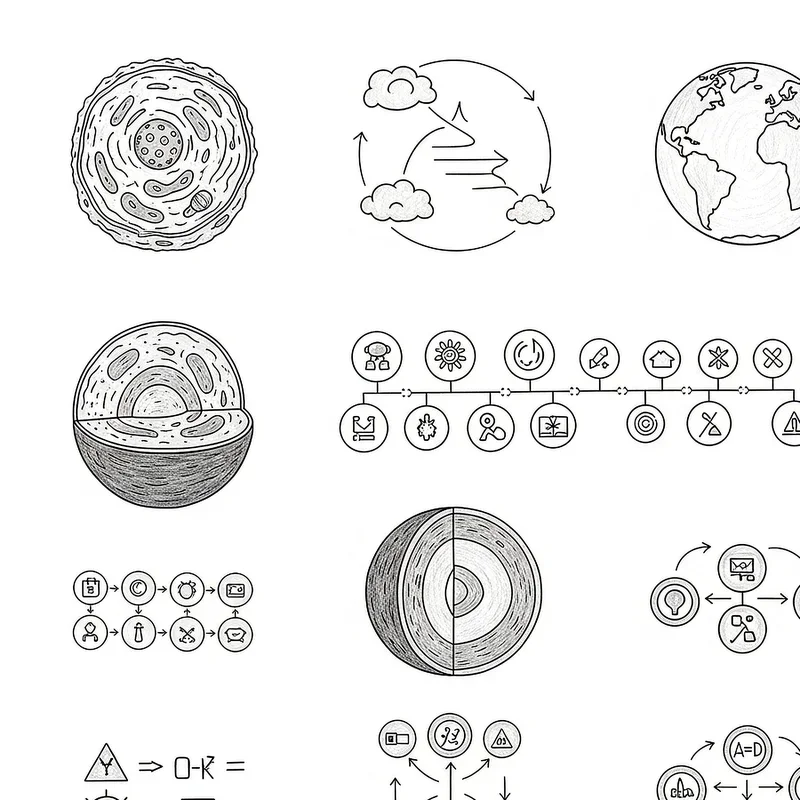
Make learning stick by transforming dry information into visually appealing diagrams that tell stories through shapes, arrows, and clever layouts. Whether you're explaining the water cycle, breaking down a complex business process, or teaching grammar rules, visual representations help information sink in faster than text alone. Use different shapes to categorize information, arrows to show relationships and flow, and color coding to group related concepts together. Add percentages as pie charts, timelines as horizontal paths, or hierarchies as pyramids to make data come alive on your whiteboard. Students and colleagues will find themselves actually enjoying the learning process when information is presented in these digestible, visual formats that engage both sides of the brain simultaneously.
5. Motivational Quote Art
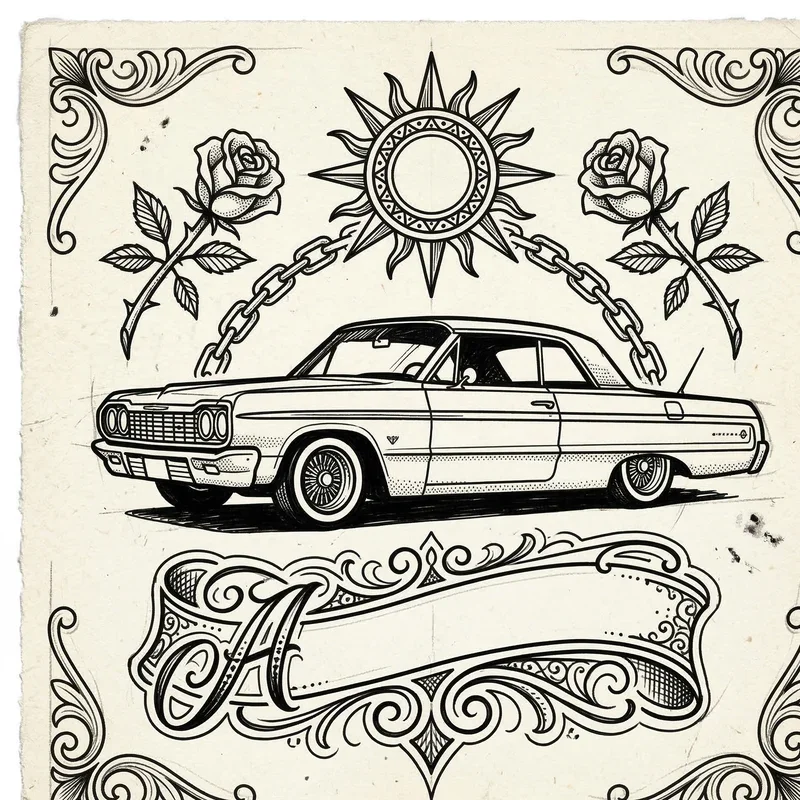
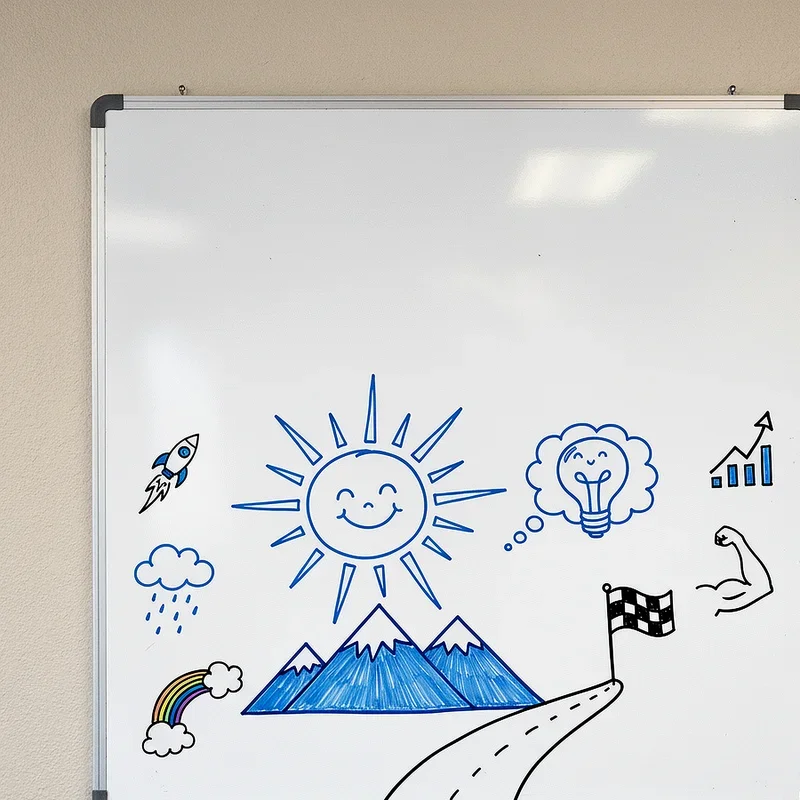
Transform inspiring words into visual masterpieces by combining beautiful lettering with decorative elements that amplify the message's impact. Choose quotes that resonate with your audience and experiment with different lettering styles, from bold block letters to flowing cursive scripts. Surround your quotes with relevant doodles like stars for dreams, mountains for challenges, or hearts for love related messages. Play with size variations, making key words larger to create emphasis and visual interest that draws the eye naturally through the message. This practice not only brightens up any space but also provides daily inspiration while helping you develop your hand lettering skills. Your whiteboard becomes a source of positivity that people look forward to seeing updated regularly.
6. Seasonal and Holiday Themes
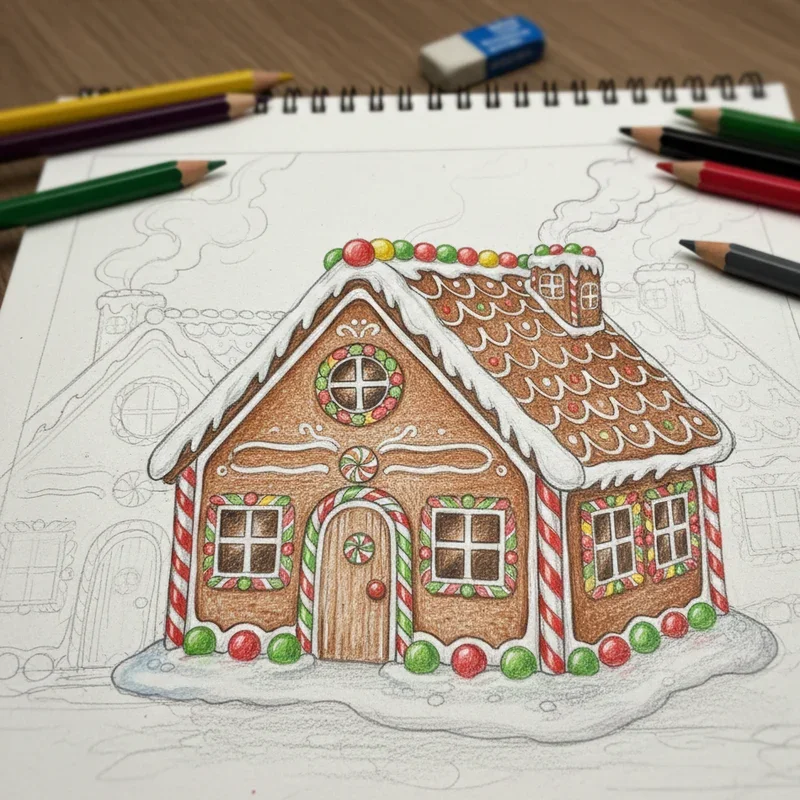
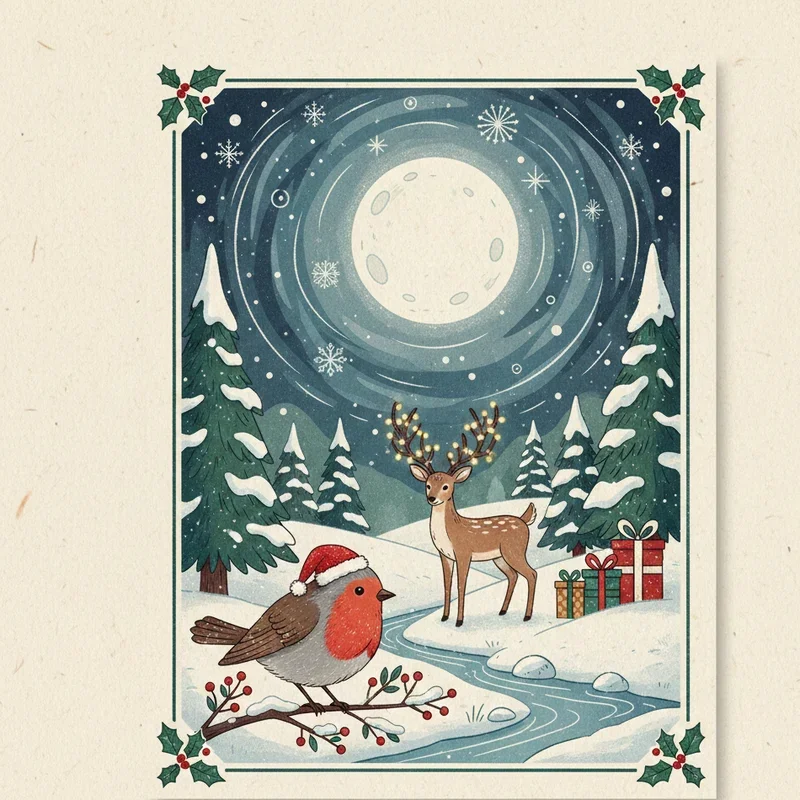
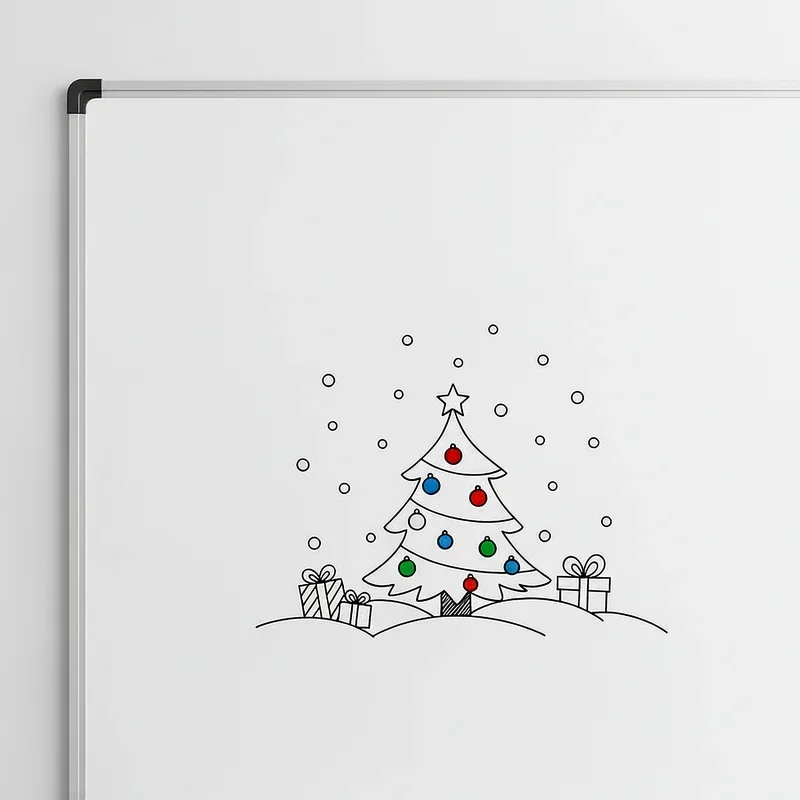
Celebrate the changing seasons and upcoming holidays by transforming your whiteboard into a festive display that brings joy to any environment. Draw falling leaves and pumpkins for autumn, snowflakes and cozy fireplaces for winter, blooming flowers for spring, or beach scenes for summer. Create countdown calendars for special occasions, adding a new decorative element each day as the event approaches. Include interactive elements like spaces where people can write what they're thankful for during Thanksgiving or their New Year's resolutions. These seasonal drawings create a sense of community and shared celebration while giving you regular opportunities to refresh your artistic skills. Plus, they make fantastic photo backdrops for capturing memories throughout the year.
7. Interactive Games and Puzzles
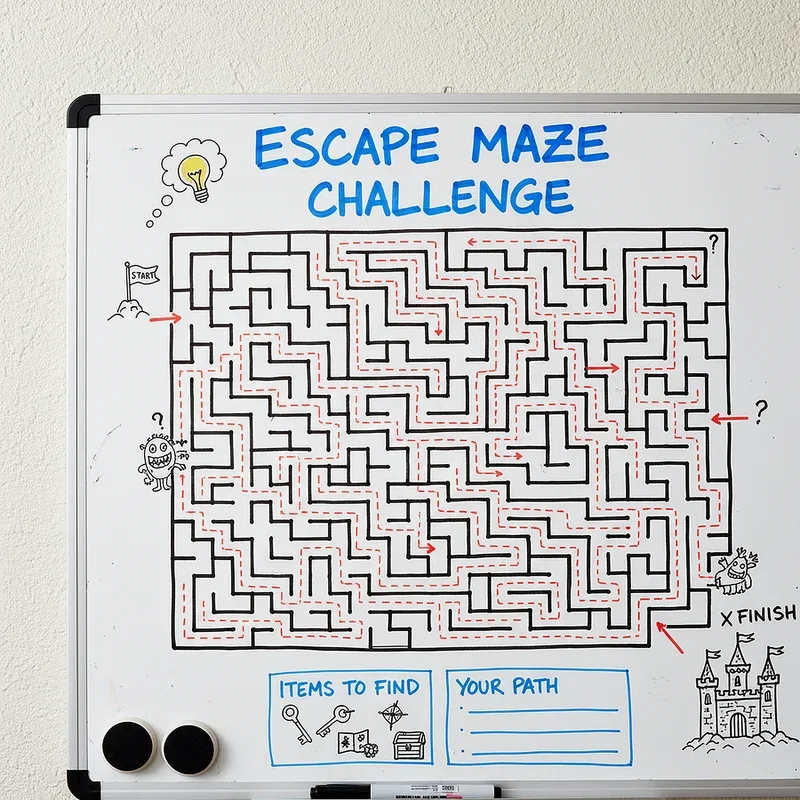
Turn your whiteboard into an entertainment hub by creating games that challenge minds and bring people together for some friendly competition. Design word searches with vocabulary related to current lessons or projects, create hangman games with industry terms, or draw mazes that lead to hidden treasures. Set up ongoing tournaments with scoreboards for games like tic tac toe or dots and boxes, updating winners daily to build excitement. Create visual riddles where people guess what you're drawing as you add clues gradually throughout the day. These interactive elements transform passive viewers into active participants, making your whiteboard a destination rather than just decoration. Everyone loves a good brain teaser, and your whiteboard becomes the go to spot for mental breaks.
8. Portrait Practice Sessions
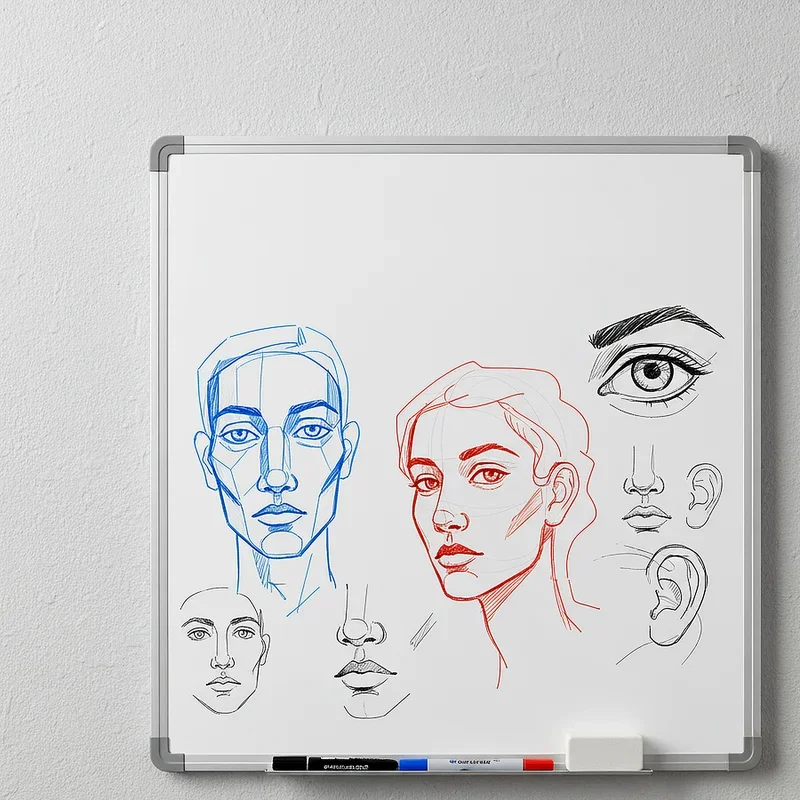
Sharpen your observation skills and artistic abilities by using your whiteboard as a portrait studio where you can practice capturing faces and expressions. Start with basic oval shapes and guidelines for placing features, then gradually add details like hairstyles, accessories, and facial expressions. Try drawing colleagues, family members, or even celebrities from memory, focusing on capturing their unique characteristics rather than perfect likeness. Create a gallery wall effect by drawing multiple small portraits in different styles, from realistic to cartoonish to abstract interpretations. This practice helps develop your understanding of proportions and facial features while providing entertainment for viewers who enjoy guessing who each portrait represents. Don't worry about perfection because the erasable nature of whiteboards makes them perfect for experimentation.
9. Optical Illusions and 3D Effects
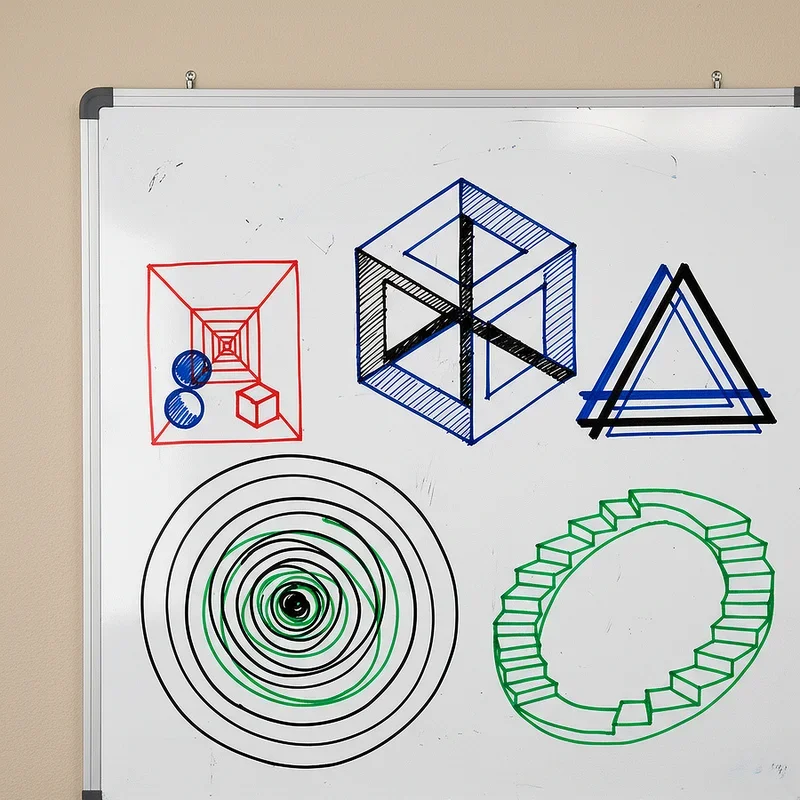
Blow minds and challenge perceptions by creating optical illusions that make flat surfaces appear three dimensional or play tricks on the eye. Draw impossible objects like Penrose triangles, create depth with perspective lines that make corridors seem to extend into the board, or design patterns that appear to move when viewed. Practice shading techniques to make spheres look like they're popping out of the board or holes that seem to sink into it. These drawings become conversation starters as people stop to figure out how the illusion works and often attempt to recreate it themselves. The process of creating these effects teaches valuable lessons about light, shadow, and perspective that improve overall drawing skills. Your whiteboard becomes a portal to impossible worlds that captivate and inspire curiosity.
10. Nature Scenes and Landscapes
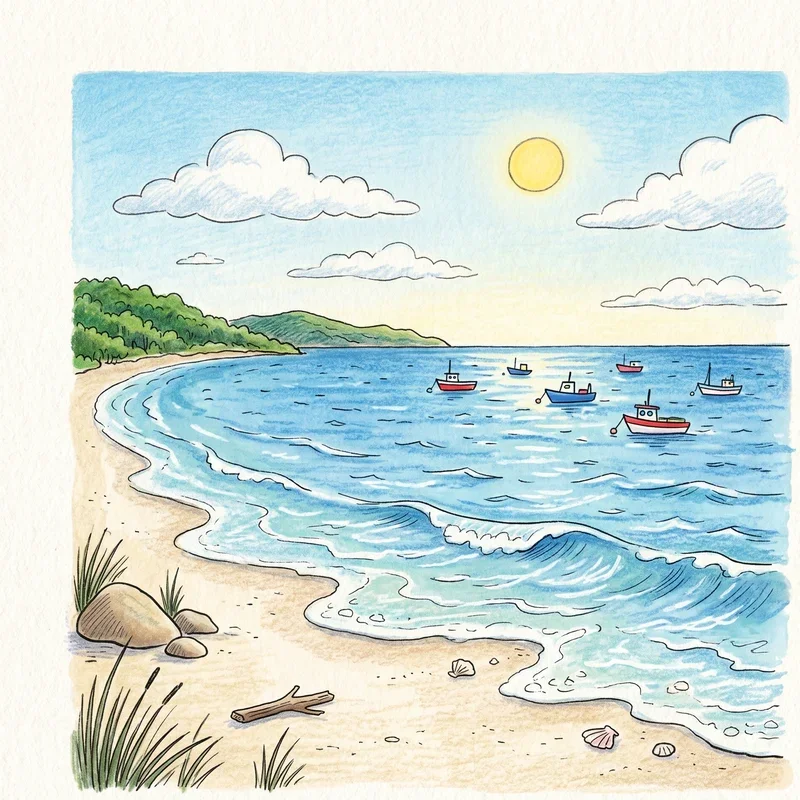
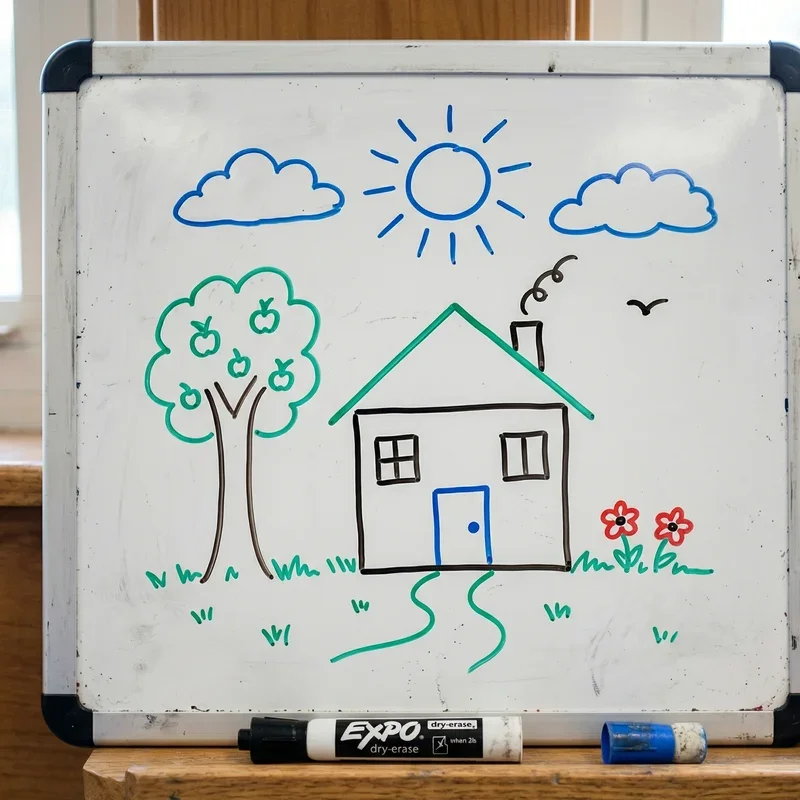
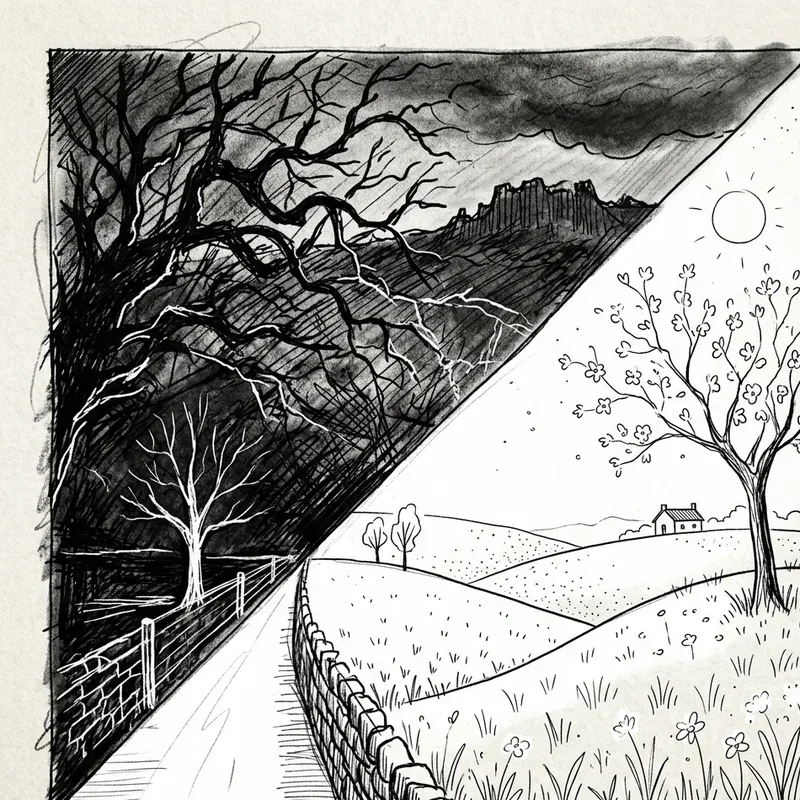
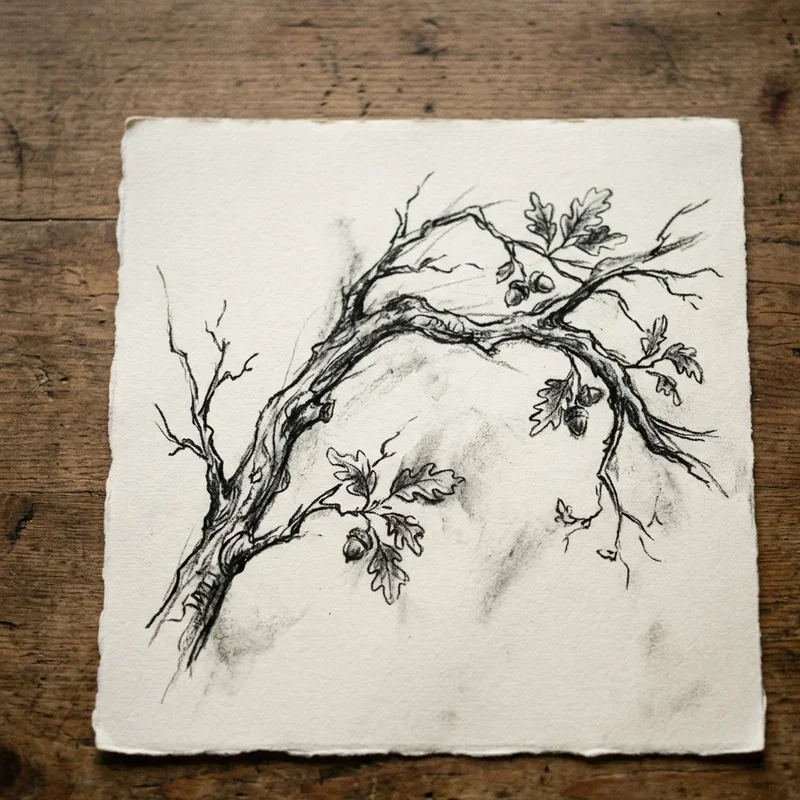
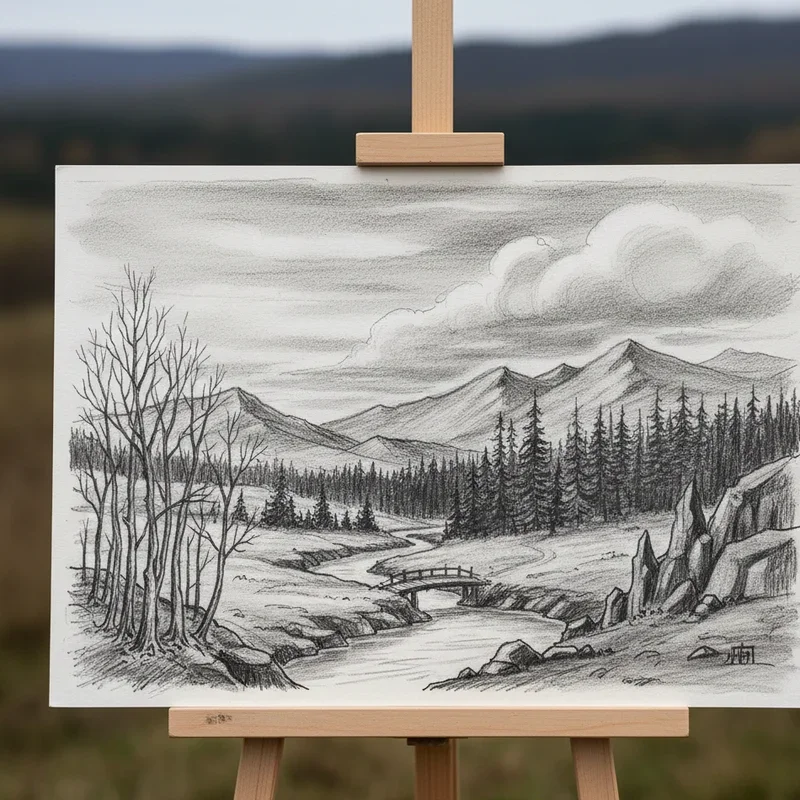
Escape into tranquil natural worlds by creating detailed landscapes that transport viewers to peaceful forests, serene beaches, or majestic mountain ranges. Start with simple horizon lines and basic shapes for landforms, then layer in details like trees, clouds, and wildlife to bring your scenes to life. Experiment with different times of day by adjusting your shading and color choices to create sunrise, sunset, or moonlit scenes. Add weather elements like rain, snow, or wind effects using simple line techniques that suggest movement and atmosphere. These nature drawings provide a calming influence in busy environments and offer a momentary mental vacation for stressed viewers. Plus, landscape drawing teaches fundamental artistic concepts like composition, depth, and texture that enhance all your future artistic endeavors.
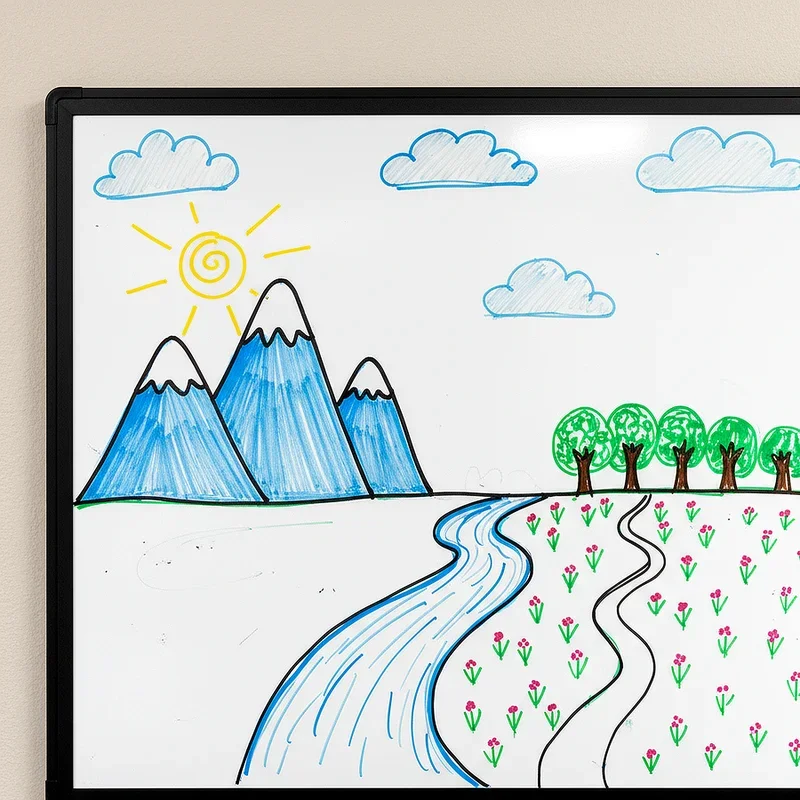
11. Cartoon Character Tutorials
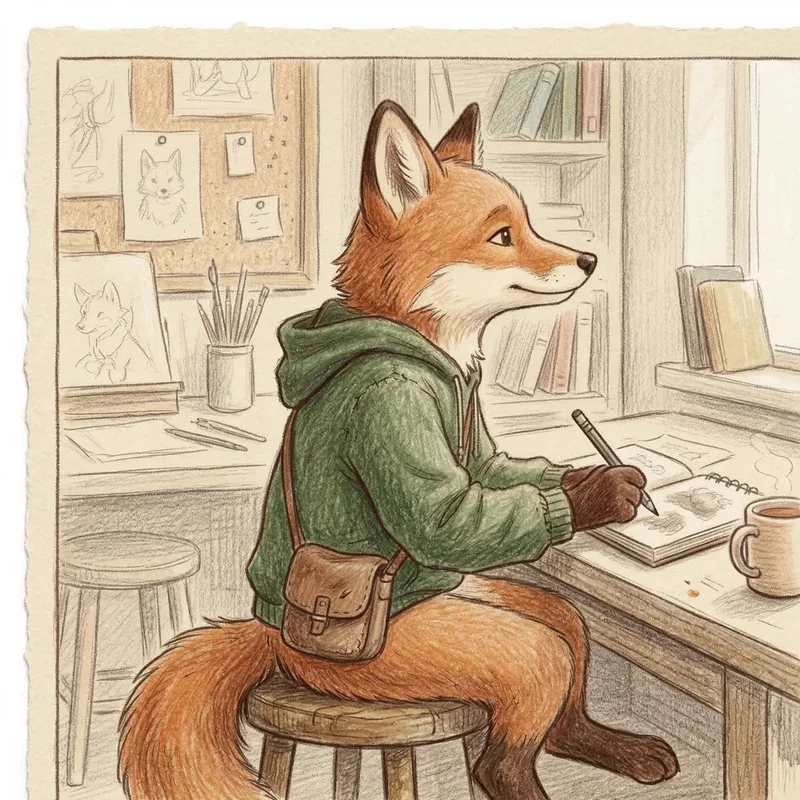
Share the joy of drawing by creating step by step tutorials that teach others how to draw popular cartoon characters or design their own unique creations. Break down complex characters into simple shapes, showing the progression from basic circles and rectangles to fully formed personalities. Number each step clearly and include helpful tips about proportions, expressions, and adding personality through small details. Create a cast of original characters for your workspace or classroom, giving them names and backstories that evolve over time. This approach makes drawing feel achievable for beginners while providing entertainment for experienced artists who enjoy seeing different interpretation styles. Your whiteboard becomes an art school where everyone can learn at their own pace and contribute their own character ideas.
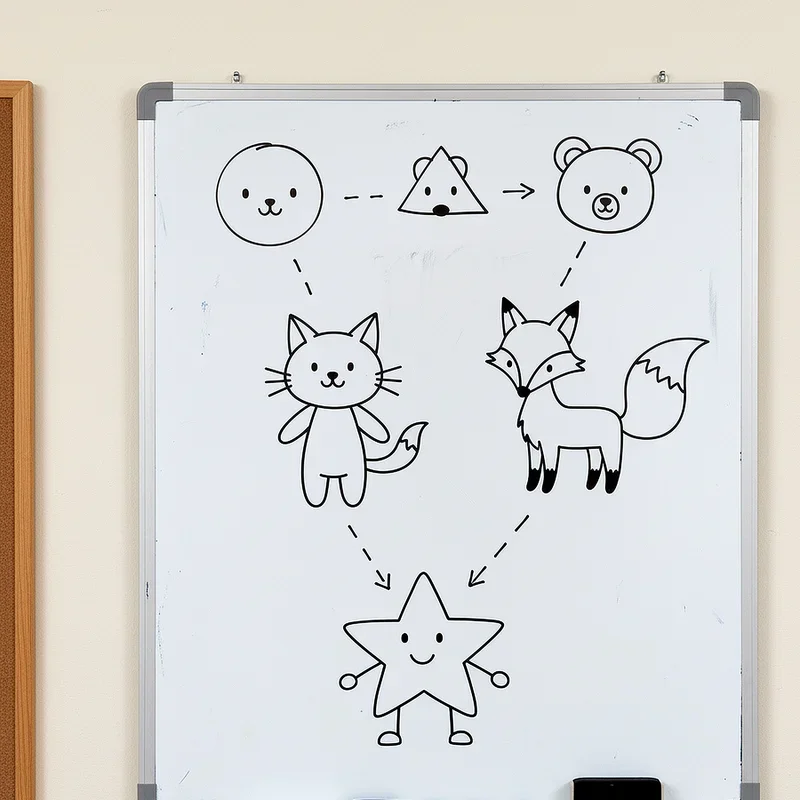
12. Abstract Pattern Designs
Let your creativity flow freely by filling your whiteboard with mesmerizing abstract patterns that don't need to represent anything specific but simply exist as visual pleasure. Create zentangle inspired designs with repetitive patterns, geometric tessellations that fit together like puzzles, or flowing organic shapes that dance across the surface. Use patterns to fill in larger shapes, creating intricate mandalas or decorative borders that frame other content on your board. These meditative drawing sessions help reduce stress while producing visually stunning results that transform blank spaces into artistic statements. The repetitive nature of pattern creation becomes almost therapeutic, providing a creative outlet that doesn't require advanced artistic skills but still produces impressive results. Your whiteboard becomes a zen garden of visual patterns.
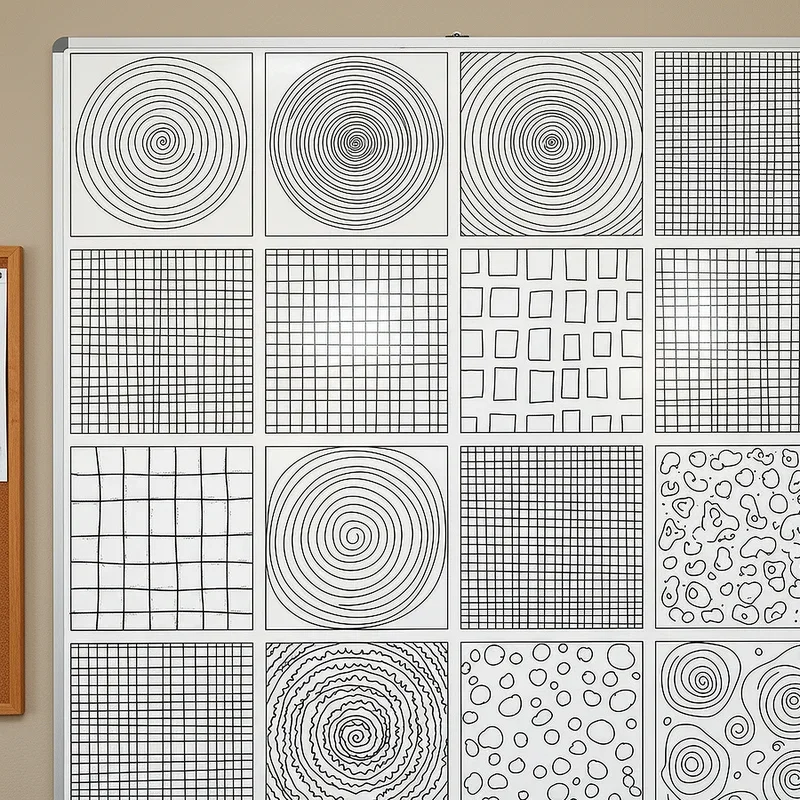
13. Timeline Visualizations
Make history come alive or track project progress by creating dynamic timelines that turn dates and events into visual journeys across your whiteboard. Design creative formats like winding roads, flowing rivers, or growing trees where each branch represents a different period or milestone. Add illustrations for major events, making abstract concepts concrete through visual representation that helps viewers understand cause and effect relationships. Use color coding to distinguish between different types of events or different project streams running simultaneously. These visual timelines make complex chronologies easier to understand and remember, whether you're teaching historical events, planning future projects, or celebrating company achievements. Your whiteboard becomes a time machine that makes temporal relationships clear and engaging for all viewers.
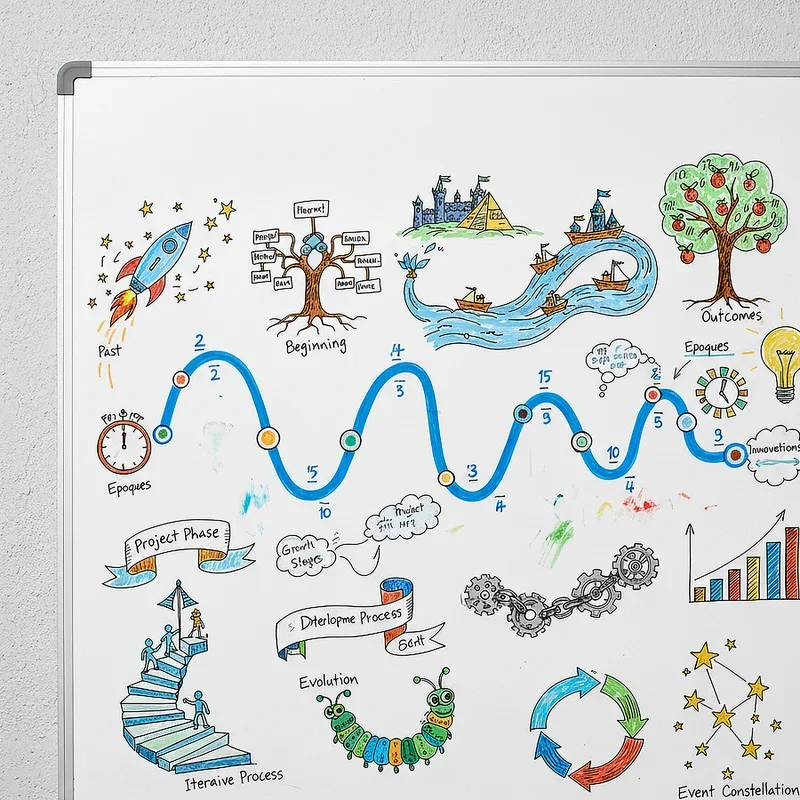
14. Emoji Story Sequences
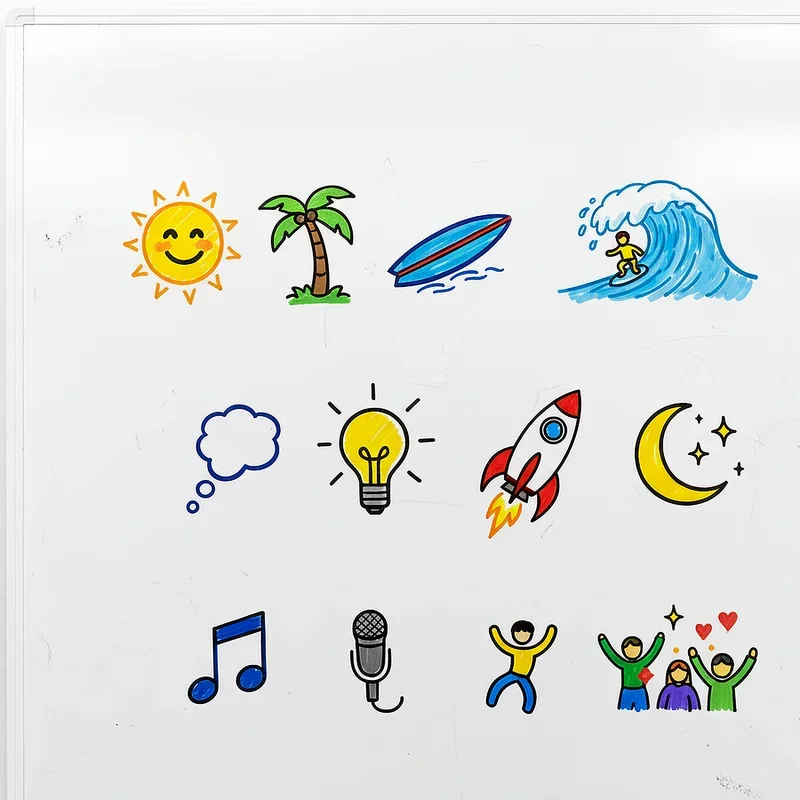
Tap into the universal language of emojis by creating stories told entirely through these expressive little symbols that everyone understands regardless of language barriers. Draw sequences of emojis that narrate daily events, express emotions, or create puzzles where viewers guess the movie, book, or song being represented. Challenge yourself to convey complex ideas using only these simple symbols, discovering creative combinations that surprise and delight viewers. Create emoji based games where people decode messages or add their own emoji responses to continue the story. This modern form of visual communication resonates especially well with younger audiences while providing fun challenges for all ages. Your whiteboard becomes a bridge between generations, using symbols everyone recognizes to tell stories everyone can enjoy.
15. Whiteboard Animation Frames
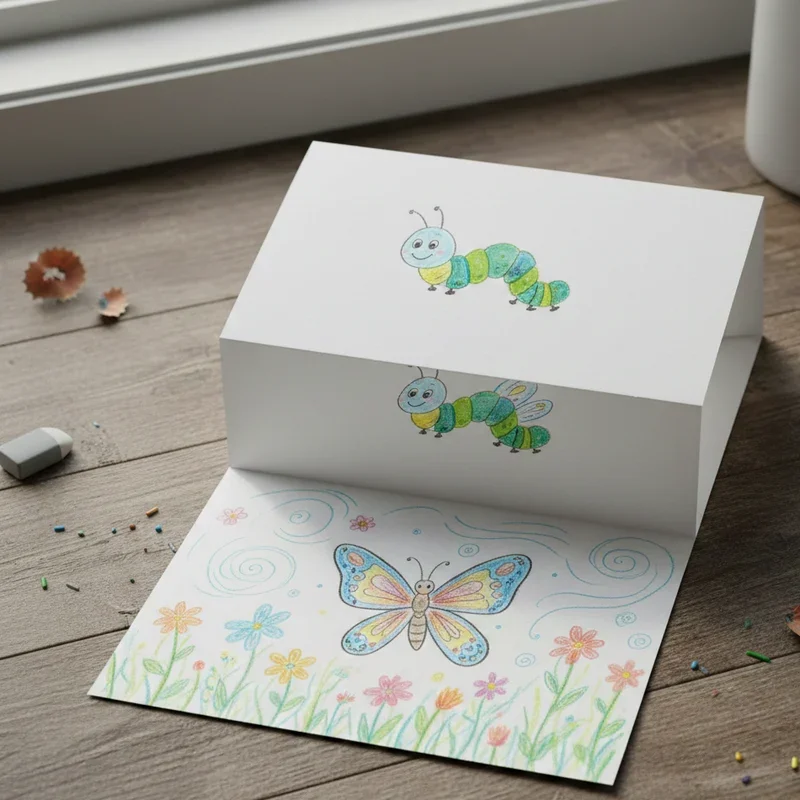
Bring static drawings to life by creating animation sequences that tell stories through progressive frames, just like flip books but on a larger scale. Draw key frames of simple animations, numbering them so viewers can follow the sequence and imagine the movement between frames. Create before and after scenarios, transformation sequences, or cause and effect illustrations that show progression over time. Take photos of each stage to create actual animations later, turning your whiteboard into a production studio for digital content. This technique works brilliantly for explaining processes, showing growth, or simply entertaining viewers with creative storytelling that unfolds gradually. Your whiteboard becomes a cinema screen where stories come to life through sequential art that engages imagination.
Conclusion
Whiteboards offer endless possibilities for creative expression, transforming blank surfaces into windows of imagination that inspire, educate, and entertain. These fifteen ideas represent just the beginning of what you can achieve when you pick up those colorful markers and let creativity guide your hand. Whether you're teaching, brainstorming, or simply having fun, whiteboard art brings people together through shared visual experiences. So grab those markers, embrace the temporary nature of whiteboard art, and start creating. Remember, every masterpiece starts with a single line.
Read next: 15 Drawing Ideas for Kids That Are Easy and Fun
Frequently Asked Questions
Q1: What markers work best for whiteboard drawing?
A: Use quality dry erase markers with fine and broad tips for versatility.
Q2: How can I improve my whiteboard drawing skills?
A: Practice basic shapes daily and gradually add more complex details over time.
Q3: Can children safely participate in whiteboard drawing activities?
A: Yes, with non toxic markers and proper supervision for younger children always.
Q4: How do I remove stubborn marks from whiteboards?
A: Try isopropyl alcohol or specialized whiteboard cleaners for tough stains effectively.
Q5: What's the best way to preserve whiteboard drawings?
A: Take photos before erasing or use clear protective sheets for temporary preservation.
Stay up to date with our latest ideas!