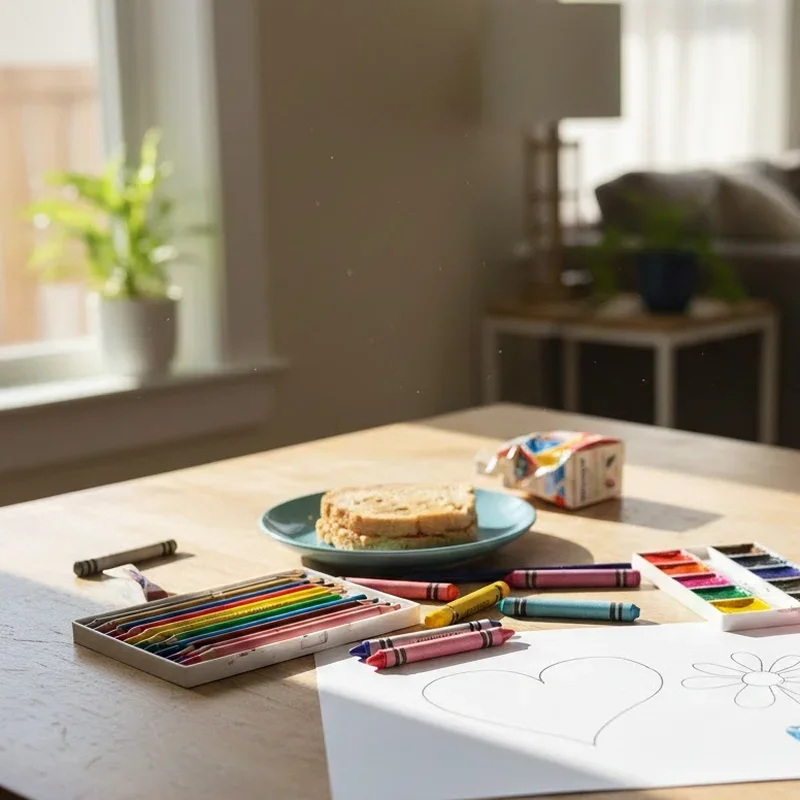
Discover 15 heart drawing ideas for all skill levels. From simple sketches to intricate designs, unlock your creativity today.
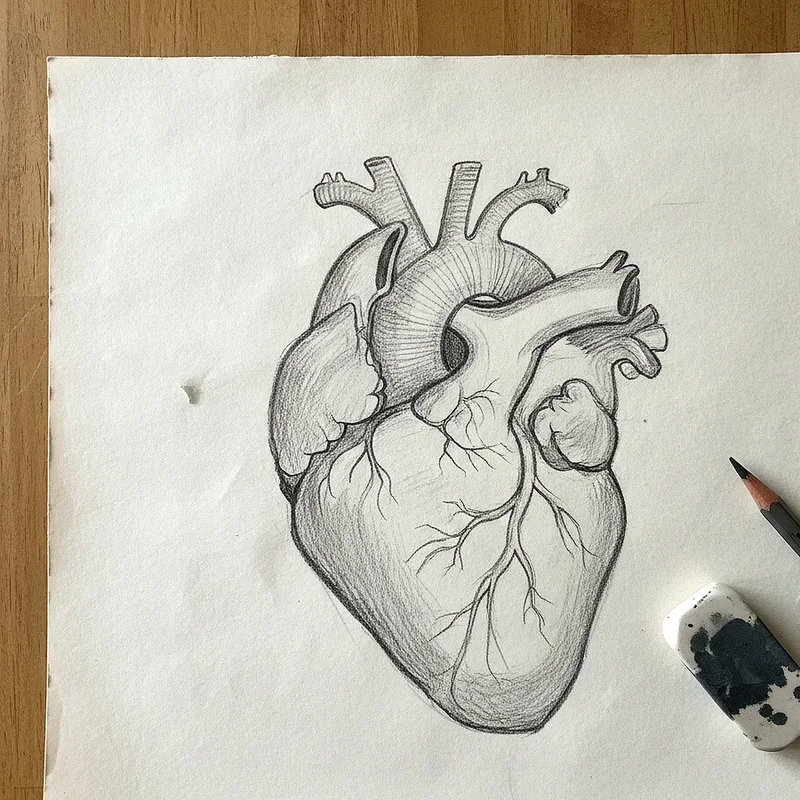
Drawing hearts might seem like the simplest thing in the world, but have you ever stopped to consider just how many creative directions you can take this universal symbol of love? Whether you picked up a pencil yesterday or you have been sketching for years, heart drawings offer endless possibilities for artistic expression. They serve as the perfect warm-up exercise, a thoughtful gift idea, or even the foundation for more complex artwork. In this guide, we will explore fifteen unique heart drawing ideas that cater to every skill level. You will discover techniques that range from beginner-friendly to artistically challenging, and each one promises to add something special to your creative toolkit. So grab your favorite drawing supplies and let us dive into the wonderful world of heart art together.
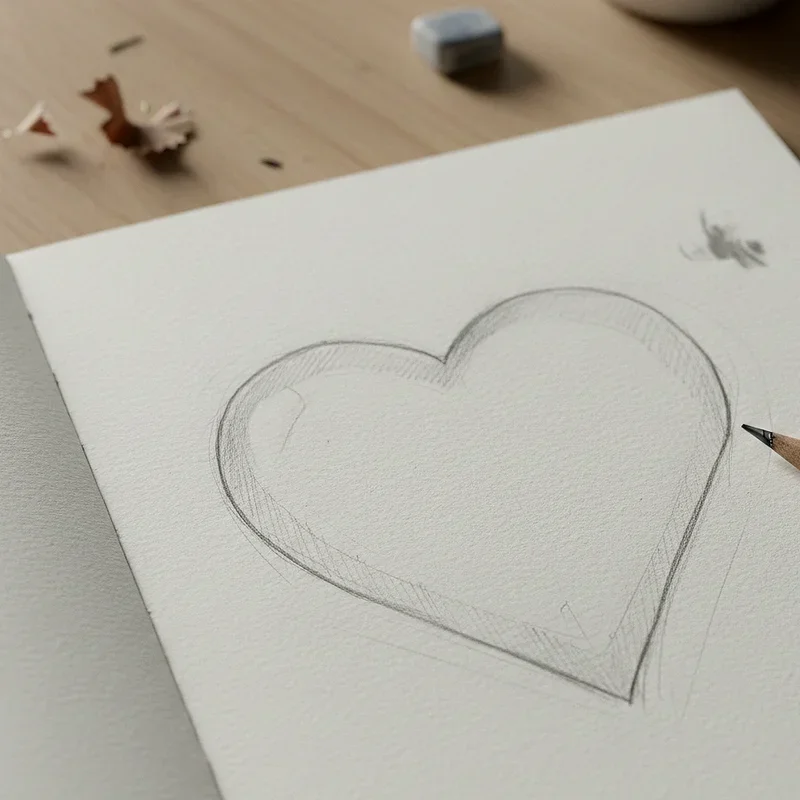
1. The Classic Symmetrical Heart
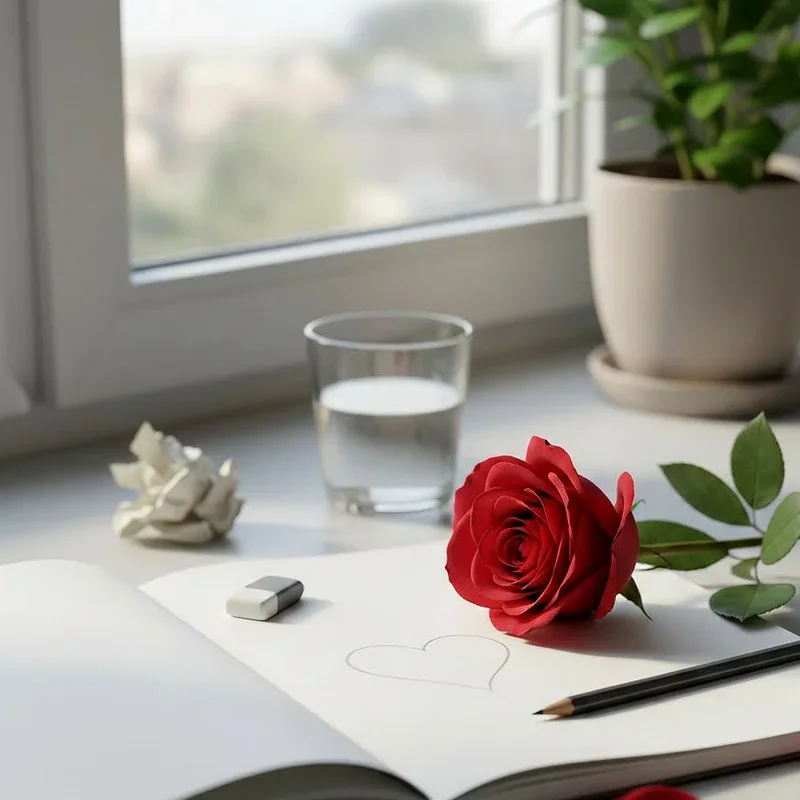
Every artist needs to master the classic symmetrical heart before branching out into more complex designs. This timeless shape forms the foundation of countless creative projects and greeting cards around the world. Start by drawing two identical curves that meet at a point at the bottom and form two rounded bumps at the top. The trick lies in maintaining perfect balance between both sides, which teaches you valuable lessons about proportion and symmetry. Practice this basic shape repeatedly until your hand remembers the motion naturally. You can add dimension by including simple shading along one edge or creating a highlight area to suggest a three-dimensional form. This fundamental heart serves as your artistic building block for everything that follows.
2. Anatomical Heart Drawing
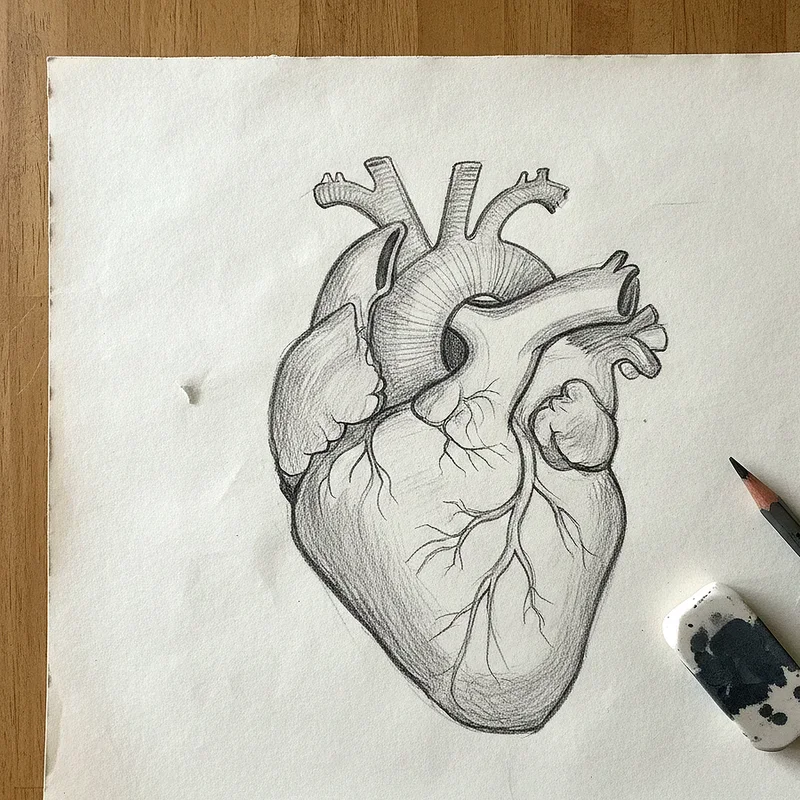
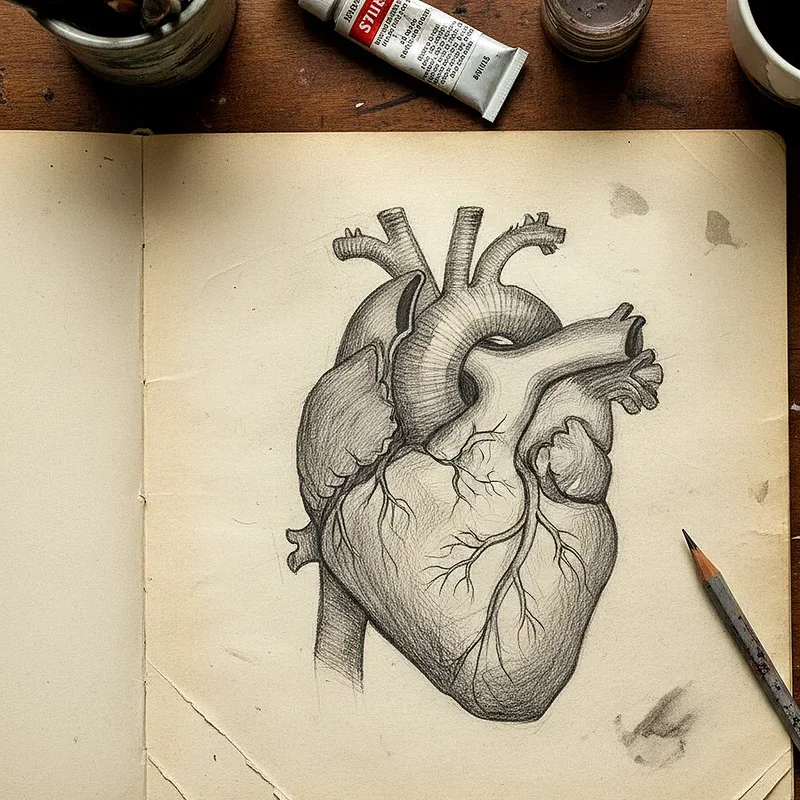
Ready to challenge yourself with something more realistic? The anatomical heart drawing takes you beyond symbolic representation into the fascinating world of biological accuracy. This design showcases the actual human heart with its chambers, valves, arteries, and veins all visible in stunning detail. Begin by studying reference images to understand the basic structure and positioning of each element. Sketch the main body shape first, then gradually add the major blood vessels extending from the top. Pay attention to the subtle curves and textures that make this organ so visually interesting. While this project requires more patience and observation skills, the result creates a striking piece that bridges science and art beautifully together.
3. Heart with Wings Design
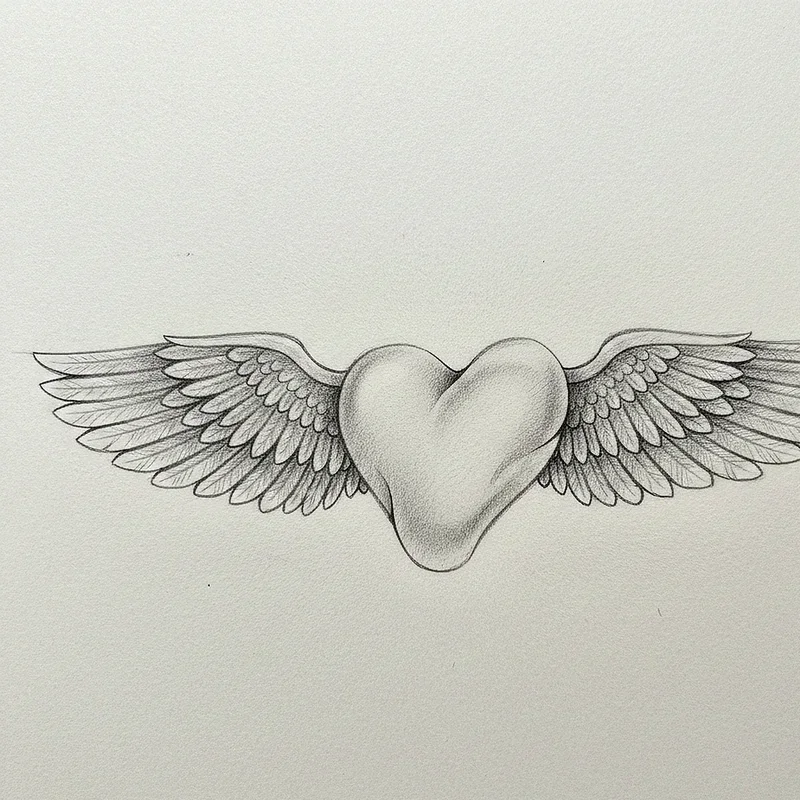
Nothing captures the feeling of love taking flight quite like a heart with wings illustration. This romantic design combines the universal heart symbol with feathered or stylized wings extending gracefully from either side. You can approach this concept in numerous ways depending on your artistic preferences and skill level. Beginners might start with simple curved wing shapes featuring basic feather suggestions along the edges. More advanced artists can create elaborate angel wings with individually detailed feathers layered in realistic patterns. Consider the emotional tone you want to convey through your wing style because delicate feathers suggest gentle love while bold wings indicate passionate emotion. This versatile design works wonderfully for tattoo concepts, Valentine cards, or personal journal decorations.
4. Floral Heart Wreath
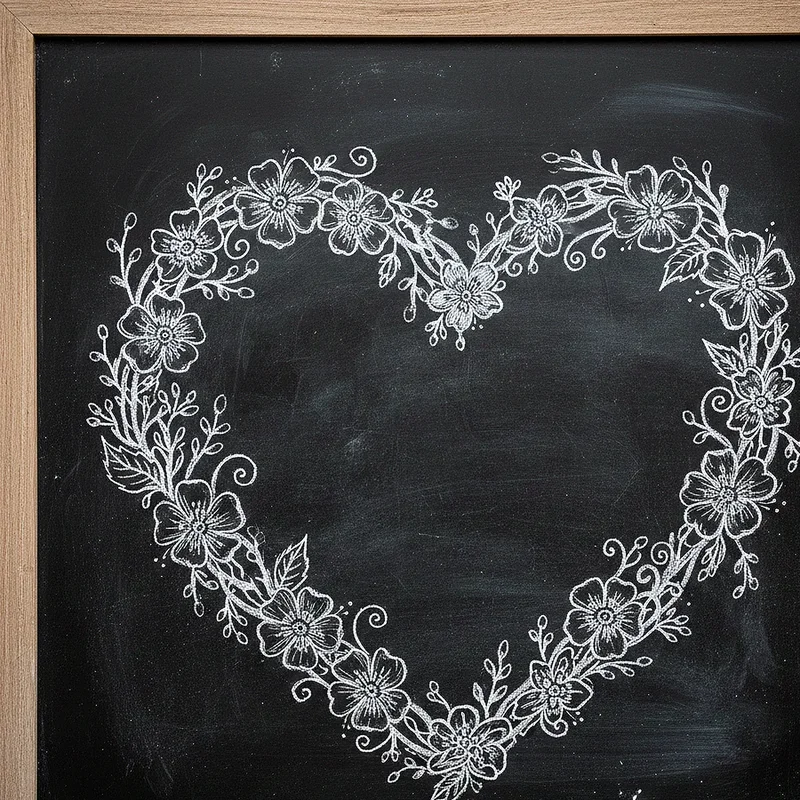
Transform your heart into a blooming garden by creating a beautiful floral heart wreath design. This concept arranges flowers, leaves, and botanical elements in a heart-shaped formation that celebrates nature and love simultaneously. Start by lightly sketching your heart outline as a guide, then begin filling it with your chosen flora. Roses represent classic romance while wildflowers offer a more rustic and free-spirited feeling. Mix different flower sizes and shapes to create visual interest and prevent your wreath from looking monotonous. Add curving vines, small leaves, and tiny buds to fill any gaps between larger blooms. The organic imperfections in this design actually enhance its charm because nature itself never produces perfectly uniform patterns.
5. Geometric Heart Patterns
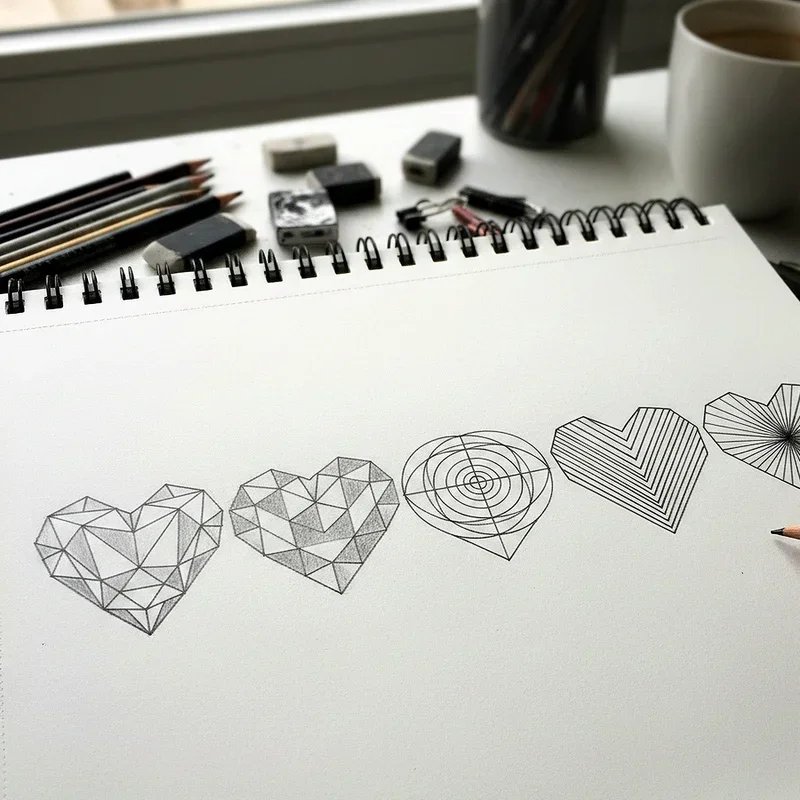
Geometric hearts offer a modern and contemporary twist on the traditional symbol that appeals to mathematically minded artists. These designs break down the heart shape into triangles, polygons, or other angular forms that create a crystalline or faceted appearance. Think of it like transforming a smooth heart into a brilliant gemstone with multiple flat surfaces catching the light. You can approach this style through low-poly techniques that use larger triangular sections or intricate tessellations with tiny repeating shapes. Using different shades within each geometric section adds incredible depth and dimension to your finished piece. This style works exceptionally well for digital art projects, modern logo designs, or minimalist home decor pieces.
6. Heart Lock and Key
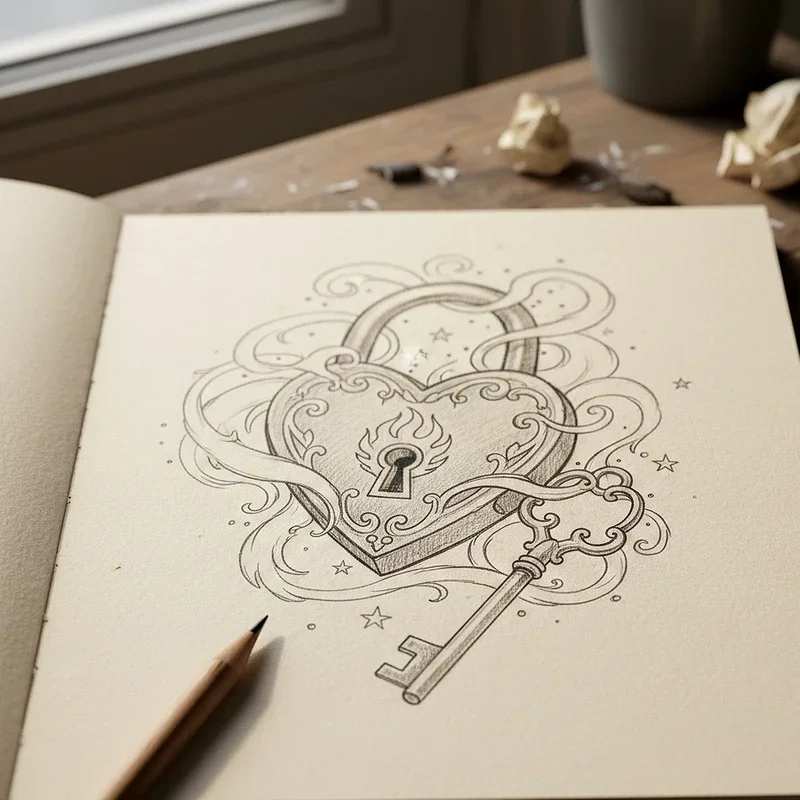
The heart lock and key design tells a romantic story through visual symbolism that resonates across cultures and generations. This concept typically features an ornate padlock shaped like a heart paired with a decorative vintage key. The metaphor speaks to themes of trust, vulnerability, and the power someone special holds over your emotions. When drawing the lock, focus on adding antique details like keyholes, rivets, and decorative scrollwork along the edges. The accompanying key benefits from elaborate bow designs and intricate shaft patterns that match the lock aesthetically. Position these elements together or separately depending on the narrative you want your artwork to convey to viewers who encounter it.
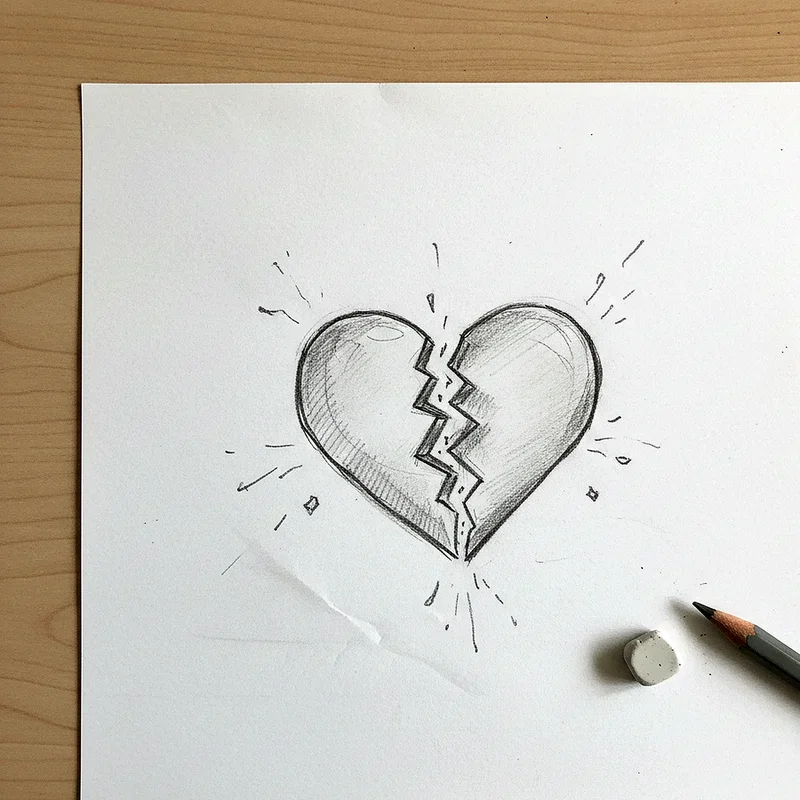
7. Broken Heart Illustration
Sometimes art helps us process difficult emotions, and the broken heart illustration provides that cathartic outlet beautifully. This design takes the familiar heart shape and depicts it cracked, shattered, or splitting apart at the center. The visual simplicity of this concept allows beginners to create meaningful artwork while giving advanced artists room for elaborate interpretations. You might show clean geometric breaks or jagged lightning-bolt fractures depending on the emotional intensity you want to express. Consider adding additional elements like bandages attempting repair, pieces falling away, or cracks filled with gold inspired by the Japanese kintsugi tradition. This design reminds us that acknowledging heartbreak through art can become part of our healing journey.
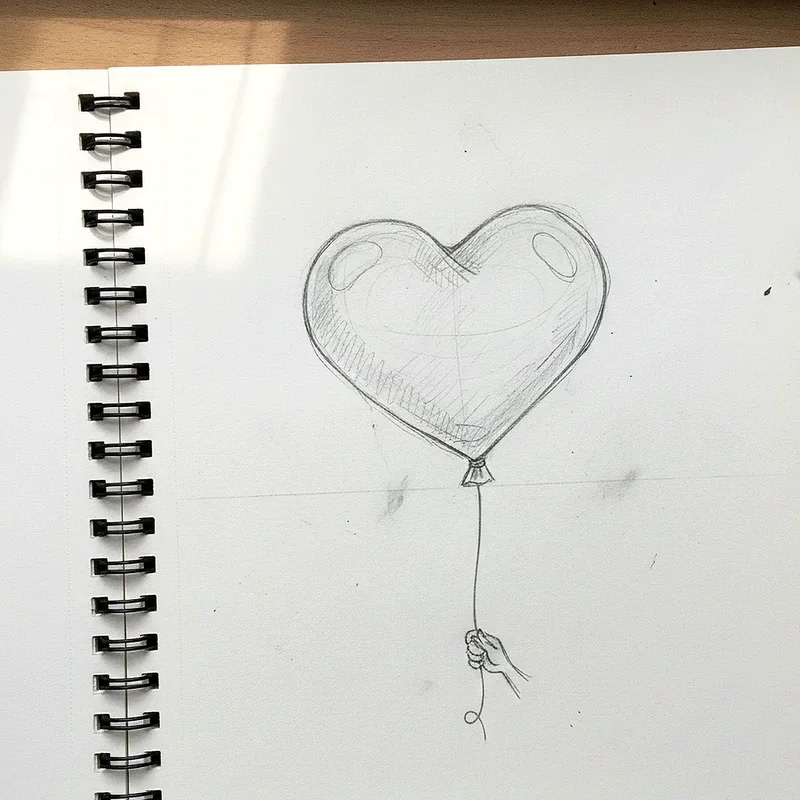
8. Heart Balloon Sketch
Capture the joy and celebration of special occasions with a whimsical heart balloon sketch that floats off your page. This cheerful design features one or multiple heart-shaped balloons attached to strings that drift upward or get held by invisible hands. The simplicity of this concept makes it perfect for beginners while still offering creative opportunities for more experienced artists. Add shine highlights to suggest the reflective surface of mylar balloons or use gentle shading for a softer matte appearance. Consider creating a whole bouquet of heart balloons in various sizes ascending together toward the sky. You can anchor your composition with a small figure holding the strings or let the balloons float freely.
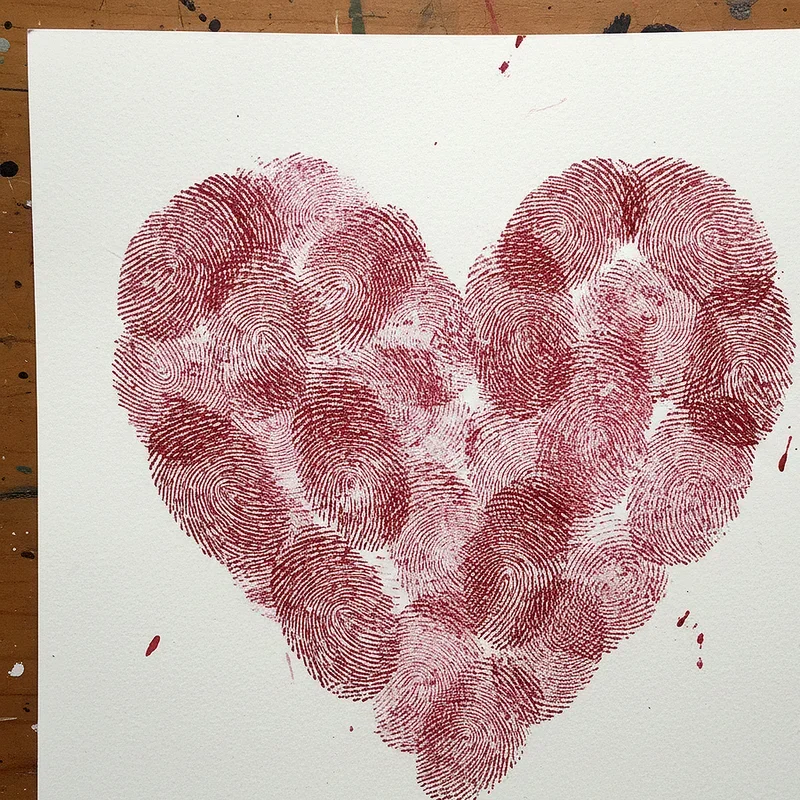
9. Heart Made of Fingerprints
Create deeply personal artwork by designing a heart composed entirely of fingerprint impressions that celebrates human connection. This tactile concept uses the unique patterns found in actual fingerprints arranged together to form the heart shape. You can create this using real ink prints from yourself and loved ones or carefully draw fingerprint patterns freehand for a similar effect. The swirling lines and whorls of fingerprints add incredible texture and visual interest to what might otherwise be a simple outline. This design carries profound meaning because fingerprints represent individual identity while the heart symbolizes the bonds connecting us together. Perfect for family projects, wedding guest books, or meaningful gifts celebrating relationships that matter most.
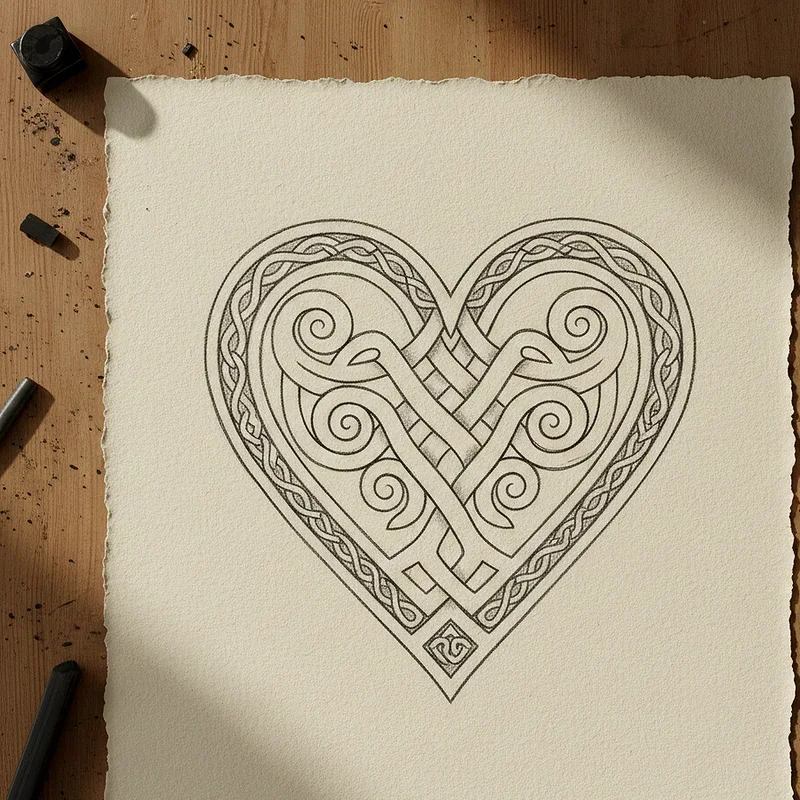
10. Celtic Knot Heart
Delve into ancient artistic traditions by crafting a Celtic knot heart that weaves endless paths of interconnected lines. Celtic knotwork originated centuries ago and features intricate patterns with no beginning or end, symbolizing eternity and the continuous cycle of life. Applying this technique to a heart shape creates stunning artwork that honors heritage while expressing timeless love. Begin by understanding basic over-under weaving patterns before attempting the full heart design. Map out your knot pathways lightly in pencil first because these designs require careful planning to maintain proper flow. The meditative process of drawing each intertwining strand offers its own reward beyond the beautiful finished piece you create.
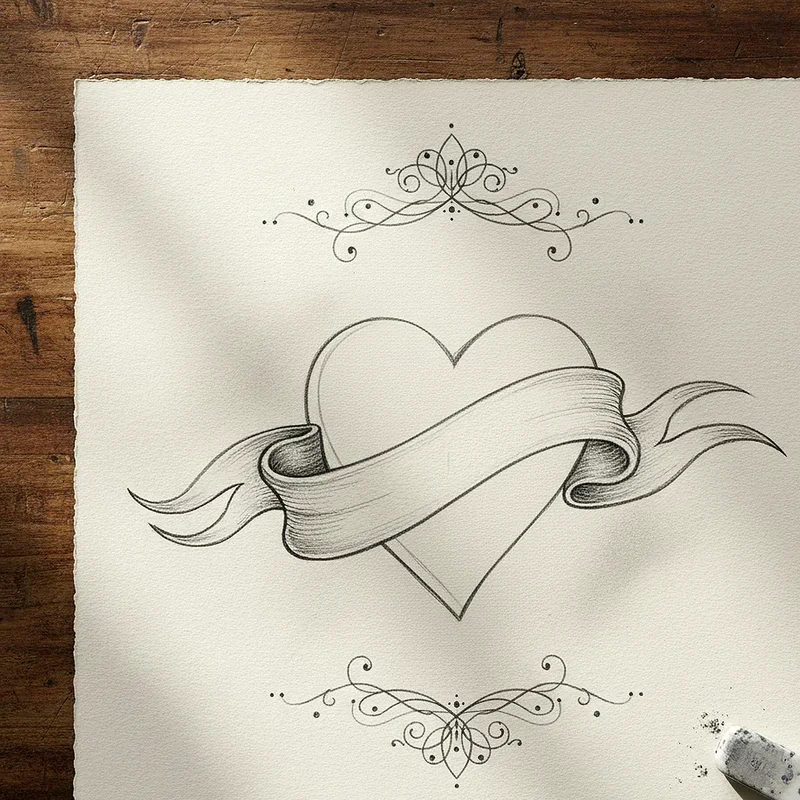
11. Heart with Banner and Text
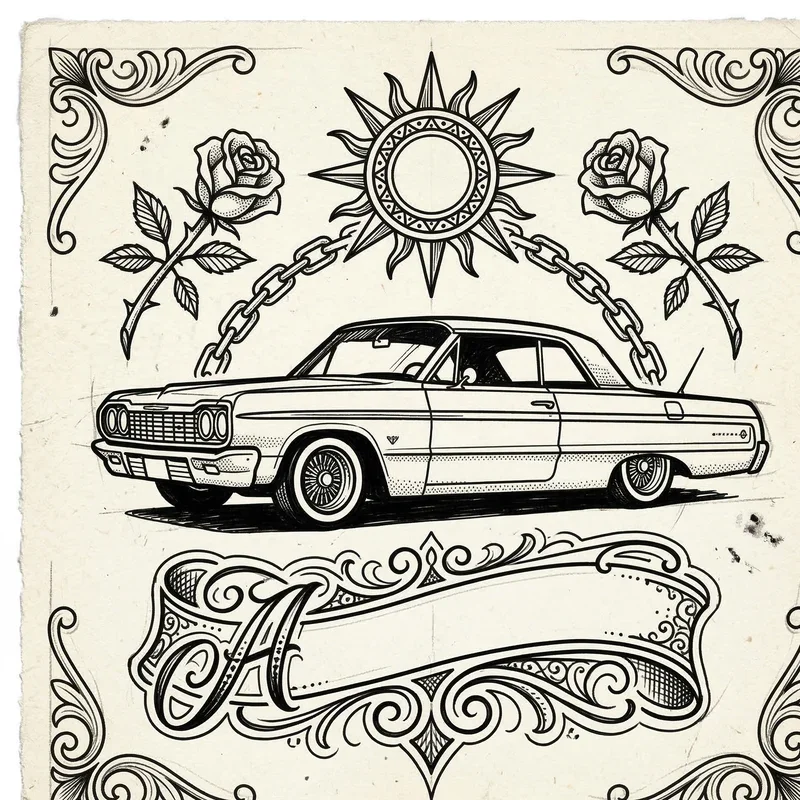
Combine visual art with meaningful words by creating a heart featuring a flowing banner wrapped around or across its surface. This classic tattoo-inspired design allows you to personalize your artwork with names, dates, or short phrases that hold special significance. The banner element typically curves gracefully around the heart, sometimes appearing to wind behind and emerge on the other side. Practice drawing smooth ribbon-like shapes that maintain consistent width throughout their curves before adding your chosen text. Select lettering styles that complement your overall design aesthetic whether you prefer elegant scripts or bold block letters. This versatile concept works wonderfully for commemorating relationships, honoring loved ones, or expressing personal mantras and beliefs.
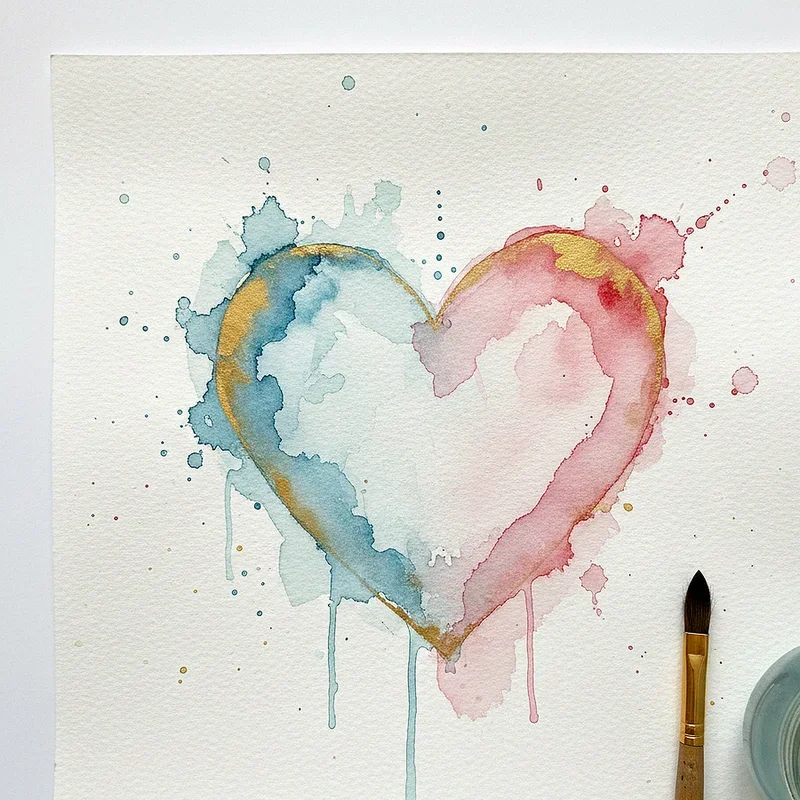
12. Watercolor Wash Heart
Even if you primarily work in pencil or pen, exploring a watercolor wash heart opens exciting new possibilities for your artistic expression. This technique creates soft, dreamy hearts with beautiful color gradients and organic edges that feel alive on paper. Begin with a light pencil outline of your heart shape, then apply water and pigment using wet-on-wet or wet-on-dry techniques. Allow colors to blend naturally at their boundaries rather than trying to control every drop because happy accidents often produce the most stunning results. The transparent nature of watercolor lets underlying layers show through, creating depth impossible to achieve with opaque media. You can outline your finished wash with fine pen lines for a mixed-media look.
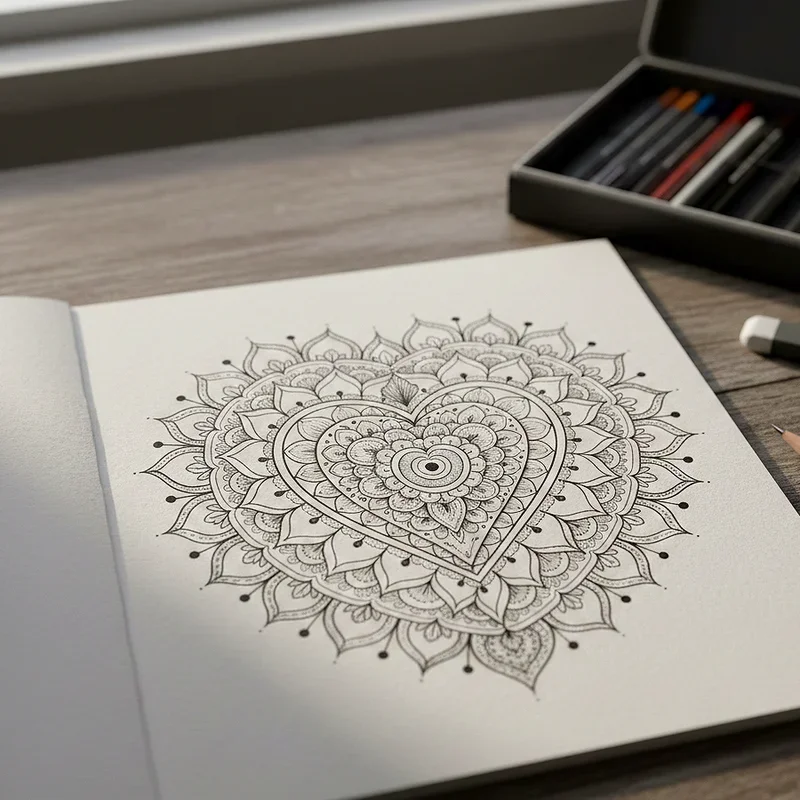
13. Heart Mandala Design
Merge the meditative practice of mandala creation with the emotional symbolism of hearts by designing an intricate heart mandala. This concept fills a heart outline with symmetrical patterns radiating from the center outward in increasingly detailed layers. Start from the middle and work your way toward the edges, adding petals, dots, curves, and geometric shapes that repeat around the central axis. The repetitive nature of mandala drawing promotes relaxation and focus while producing incredibly beautiful detailed artwork. Take your time with each section because rushing through destroys the therapeutic benefits this art form offers practitioners worldwide. Use fine-tipped pens for crisp lines or colored pencils to bring vibrant life to your mandala heart.
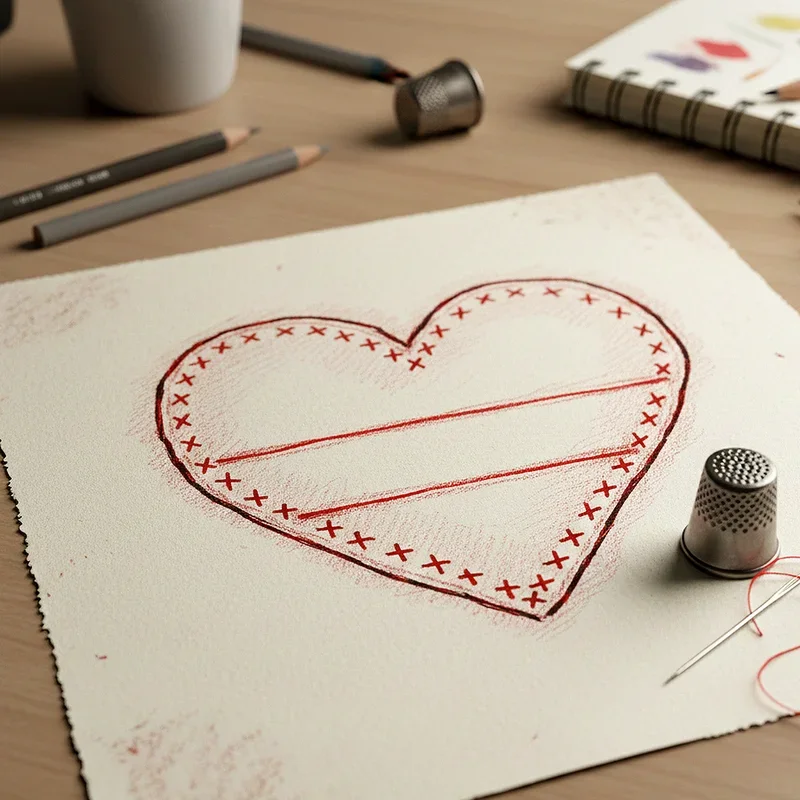
14. Stitched or Sewn Heart
Create the illusion of fabric and thread by drawing a stitched or sewn heart that appears soft and handcrafted on paper. This charming design mimics the appearance of embroidered or quilted hearts complete with visible stitching around edges and decorative details. Draw your heart shape with slightly rounded imperfect edges suggesting stuffed fabric rather than hard surfaces. Add dashed lines representing running stitches, crosses for cross-stitch effects, or decorative embroidery patterns across the surface. Small buttons, patches, or fabric textures enhance the handmade aesthetic this design celebrates so effectively. This style evokes warmth, nostalgia, and the loving care associated with handcrafted gifts passed down through generations of creative makers.
15. Heart Tree Silhouette
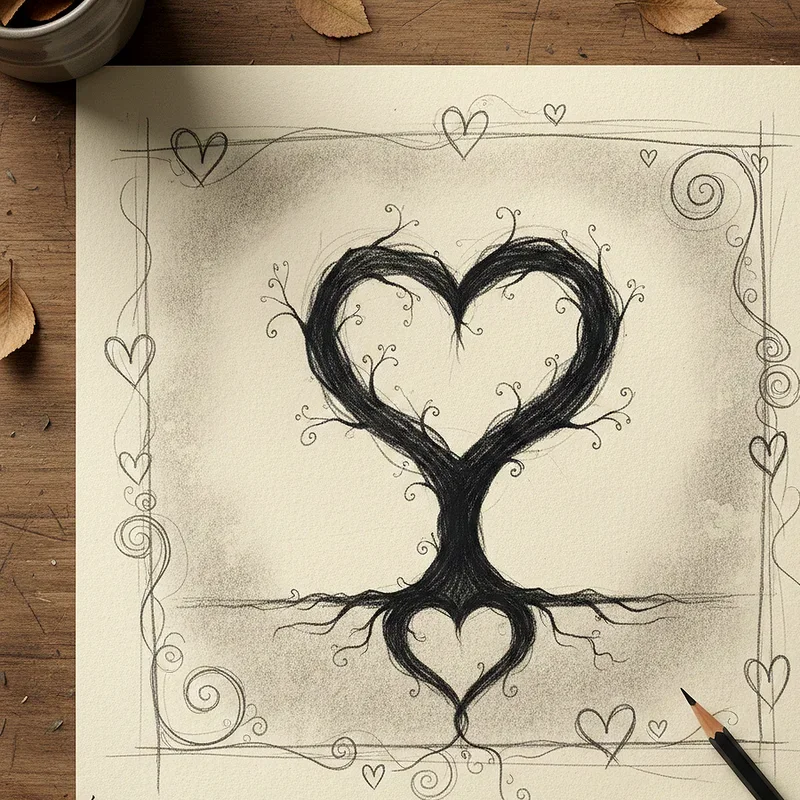
Combine nature imagery with romantic symbolism by creating a heart tree silhouette that grows love from its branches. This poetic design typically features a tree whose branches or overall canopy forms a heart shape against the sky. You might draw two separate trees with intertwining branches creating the heart together, symbolizing two individuals growing toward each other. Alternatively, a single tree can have its foliage naturally shaped into a heart outline through careful artistic license. The silhouette style keeps this design simple enough for beginners while allowing advanced artists to add intricate branch details. Consider adding elements like swings, birds, or carved initials to personalize your heart tree further.
Conclusion
Hearts represent so much more than a simple shape we learned to draw as children during countless classroom activities. They carry emotional weight, cultural significance, and endless creative potential waiting for artists like you to explore and express. Whether you gravitate toward the timeless elegance of classic designs or prefer pushing boundaries with anatomical accuracy and geometric experimentation, these fifteen ideas provide starting points for your artistic journey. Remember that every master artist began as a beginner who simply refused to stop practicing and learning new techniques. Pick up your pencil today, choose the heart design that speaks to your current mood or skill level, and start creating something beautiful that only you can bring into existence.
Read next: 15 Cute Drawing Ideas That Will Melt Your Heart
Frequently Asked Questions
Q1. What supplies do I need to start drawing hearts?
A: Basic pencils, erasers, paper, and optional colored pencils or pens work perfectly fine.
Q2. How can I make my heart drawings look more symmetrical?
A: Practice folding paper, use guidelines, or trace half and flip for perfect symmetry.
Q3. Which heart design works best for complete beginners?
A: The classic symmetrical heart and heart balloon designs offer the easiest starting points.
Q4. Can I combine multiple heart ideas into one drawing?
A: Absolutely, mixing elements like wings with florals creates unique personalized artwork beautifully.
Q5. How long does it take to master drawing hearts well?
A: Regular practice for a few weeks noticeably improves your heart drawing skills significantly.
Stay up to date with our latest ideas!