15 Butterfly Drawing Ideas to Spark Creative Art
Discover 15 stunning butterfly drawing ideas that inspire creativity. From simple sketches to detailed designs, unlock your artistic potential today.
Have you ever watched a butterfly dance through the air and wished you could capture that magic on paper? Butterflies represent transformation, beauty, and freedom, making them perfect subjects for artists of all skill levels. Whether you're a beginner picking up a pencil for the first time or an experienced artist seeking fresh inspiration, butterfly drawings offer endless creative possibilities. The delicate symmetry of their wings, the vibrant patterns, and the graceful forms provide a wonderful canvas for artistic expression. In this article, we'll explore fifteen captivating butterfly drawing ideas that will ignite your imagination and help you develop your artistic skills. From realistic renderings to whimsical interpretations, these concepts will guide you through various techniques and styles.
1. Simple Monarch Butterfly Sketch
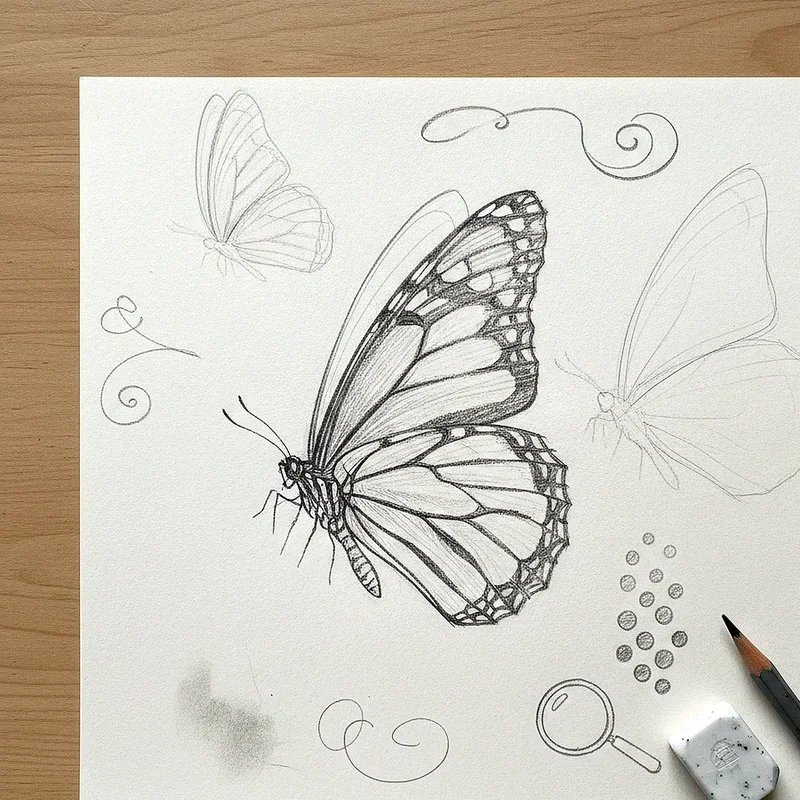
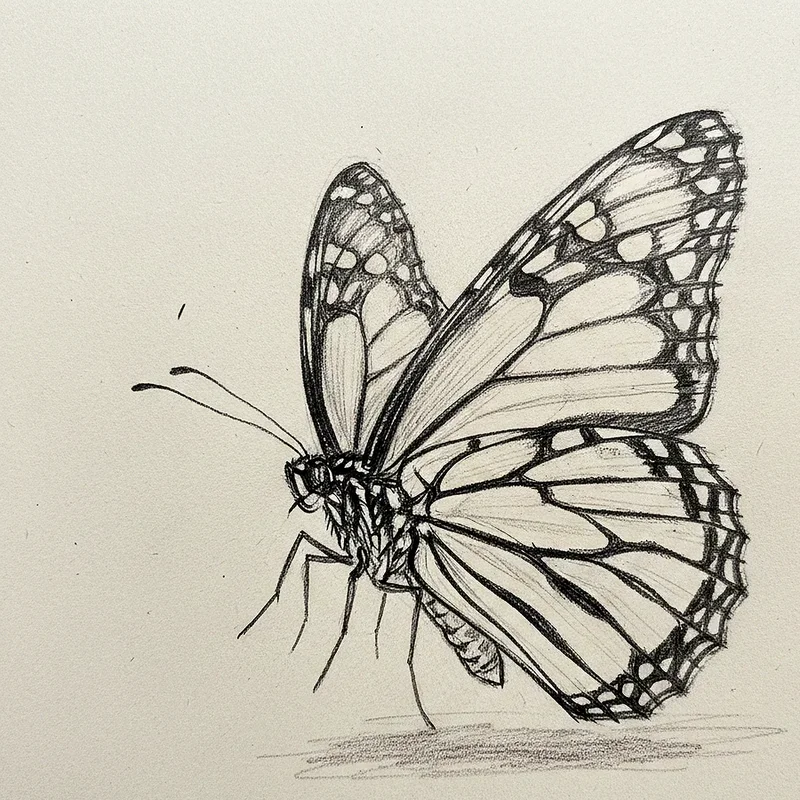
Starting with a classic Monarch butterfly sketch builds your foundational drawing skills beautifully. This iconic orange and black beauty offers clear patterns that help you understand wing structure and symmetry. Begin by lightly sketching the body as a vertical line, then add two triangular shapes for the upper wings and two smaller ones below. The Monarch's distinctive veining pattern creates natural guidelines that make your drawing more authentic and engaging. Focus on the characteristic black borders and white spots that make this species instantly recognizable. This approach teaches you proper proportions while allowing creative freedom with shading techniques. You'll discover how simple observation transforms basic shapes into something that truly captures the essence of nature's artistry.
2. Geometric Pattern Butterfly Design
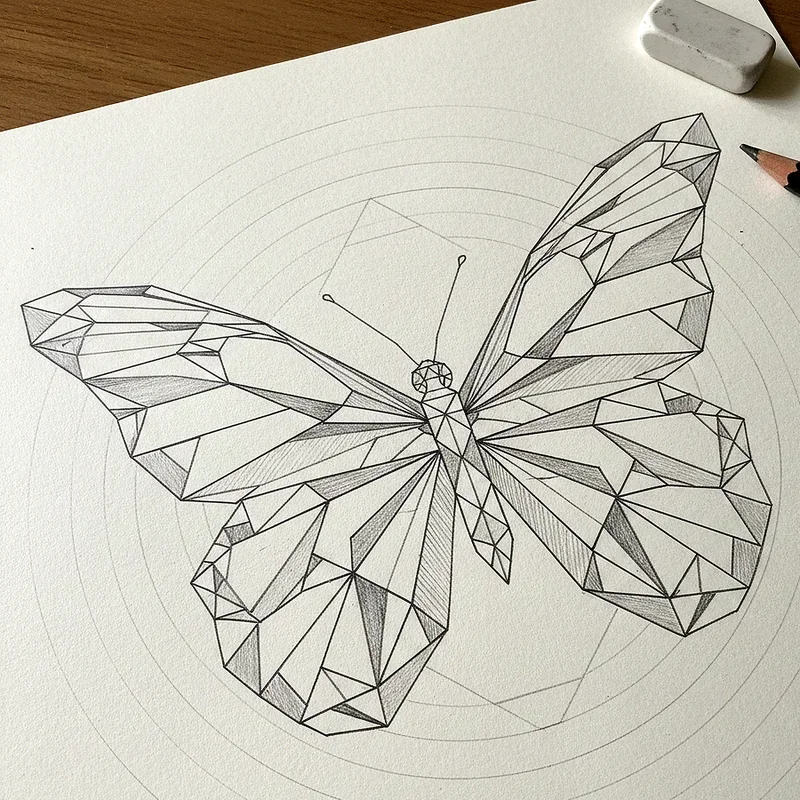
Geometric butterfly designs merge mathematical precision with organic beauty in fascinating ways. Transform traditional butterfly forms by incorporating triangles, hexagons, and diamond shapes within the wing structure. This modern approach creates striking visual interest while challenging your understanding of symmetry and balance. Start by outlining the basic butterfly shape, then divide the wings into geometric sections that flow naturally with the creature's anatomy. You can experiment with different pattern densities, creating intricate tessellations or bold, minimalist designs. This style works exceptionally well with markers, colored pencils, or digital media. The contrast between structured geometry and natural forms produces artwork that feels contemporary yet timeless, appealing to both traditional art lovers and modern design enthusiasts.
3. Watercolor Wash Butterfly
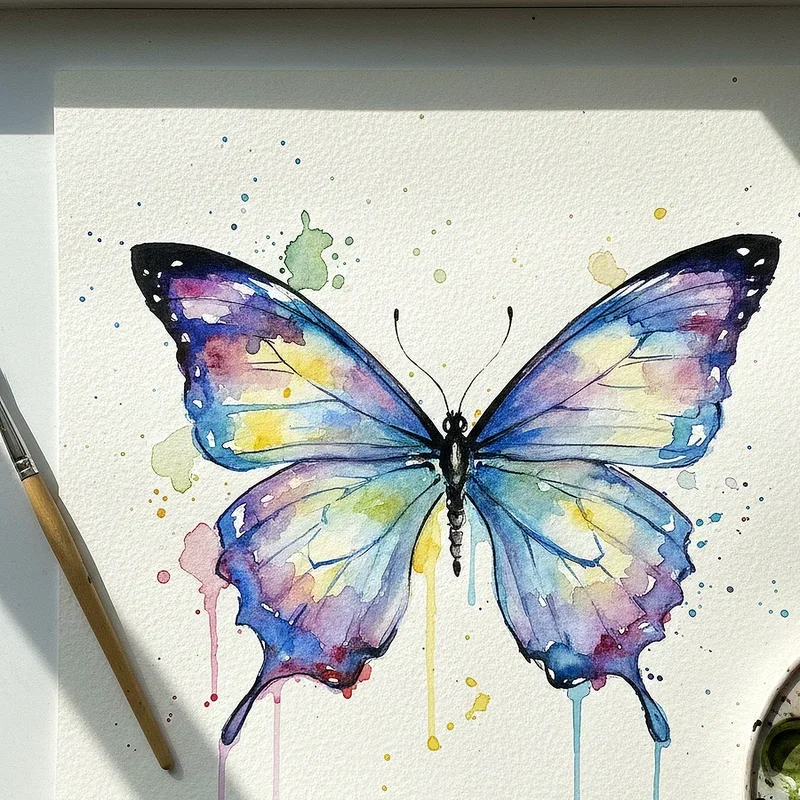
Watercolor techniques bring ethereal, dreamy qualities to butterfly illustrations that capture their delicate nature perfectly. Begin with a light pencil sketch, then apply wet-on-wet techniques to create soft, blended colors across the wings. Let colors bleed into each other naturally, mimicking the gentle gradients found in real butterfly wings. This method teaches color theory while embracing the unpredictable beauty of watercolor media. Add details with a fine brush once the base layers dry completely. The transparency of watercolors allows you to build depth through layering, creating luminous effects that make your butterfly appear almost translucent. This approach encourages spontaneity and acceptance of happy accidents, essential qualities for developing your artistic confidence and personal style.
4. Butterfly with Floral Elements
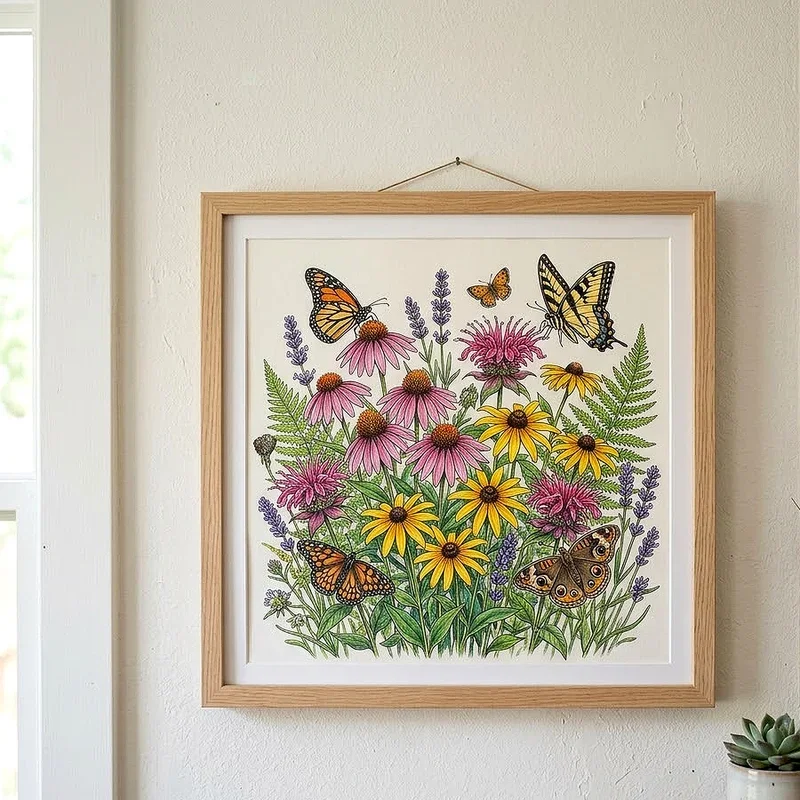
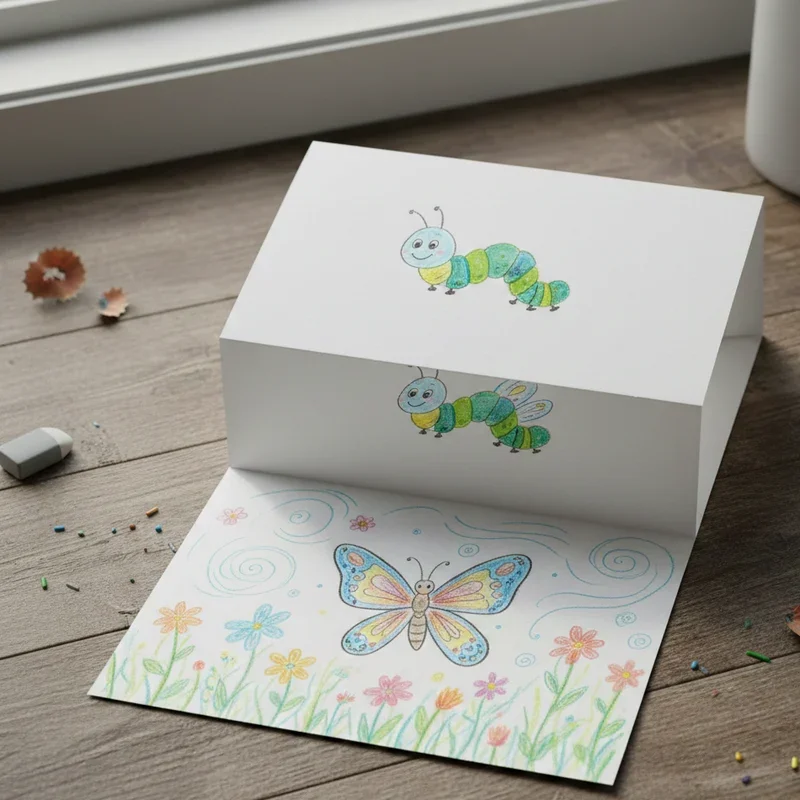
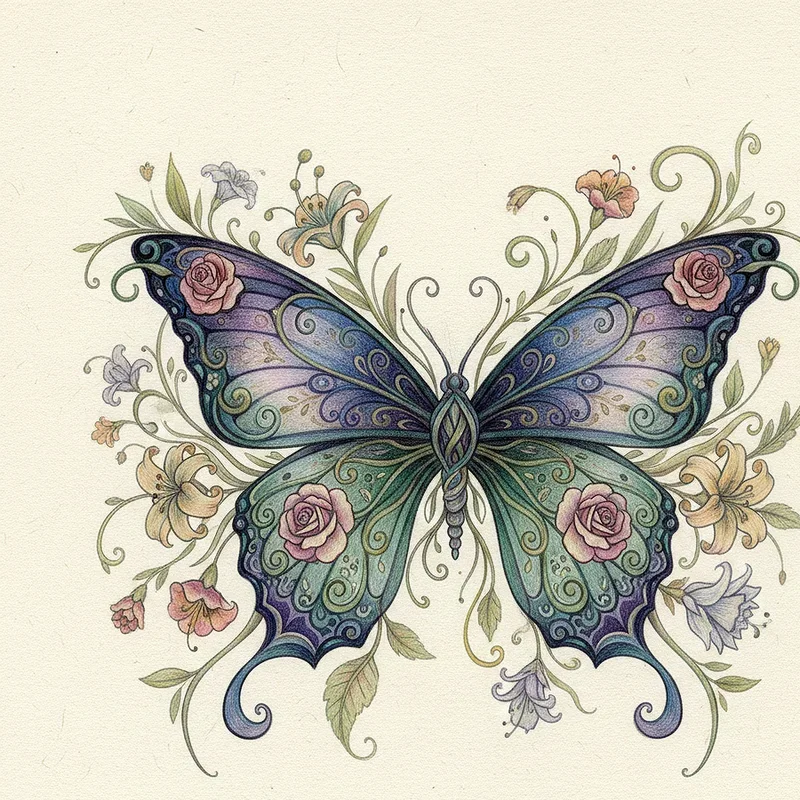
Combining butterflies with flowers creates compositions that celebrate nature's interconnected beauty and symbolic relationships. Position your butterfly landing on a bloom or hovering nearby, establishing a natural narrative within your artwork. Consider which flowers complement your butterfly species, perhaps matching colors or creating pleasing contrasts that draw the viewer's eye. This combination allows you to practice drawing different textures, from smooth wing surfaces to delicate petals and leaves. The floral elements provide context and depth, transforming a simple butterfly sketch into a complete scene. You'll develop skills in composition and balance while exploring how different elements interact visually. This idea works wonderfully across all media, from quick sketches to elaborate paintings.
5. Realistic Swallowtail Butterfly
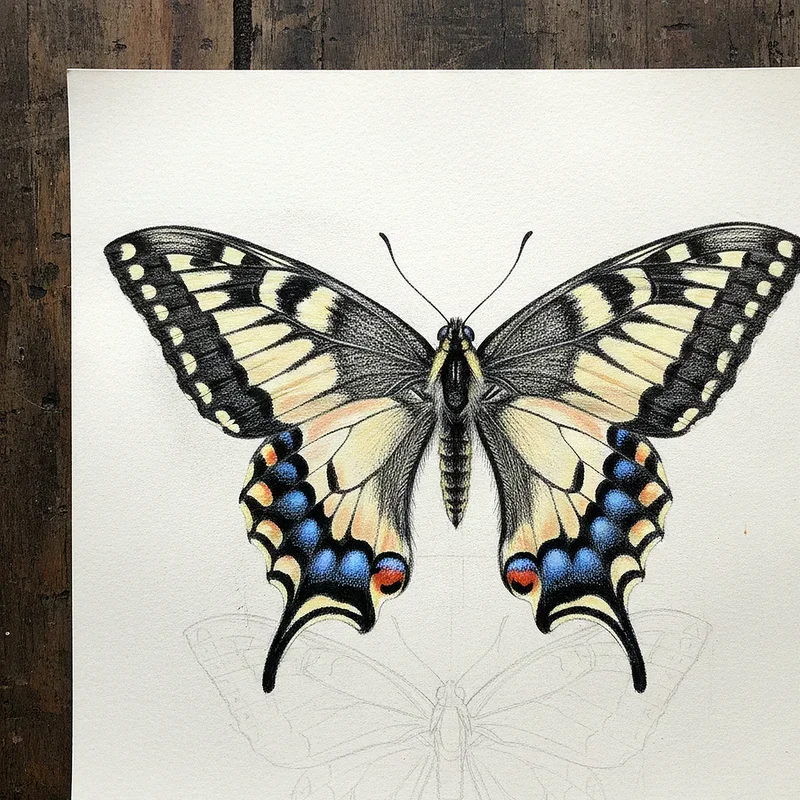
Creating a realistic Swallowtail butterfly challenges your observation skills and attention to intricate details magnificently. These elegant creatures feature distinctive tail-like extensions on their hindwings and complex color patterns that demand careful study. Begin by researching reference photos to understand the specific markings and proportions unique to Swallowtail species. Pay special attention to the subtle color variations, the delicate veining structure, and how light interacts with the wing surfaces. Use layering techniques with colored pencils or fine brushwork to achieve the realistic texture and depth. This detailed approach strengthens your technical abilities while teaching patience and precision. The resulting artwork showcases your growth as an artist and creates a stunning piece worthy of display.
6. Abstract Butterfly Composition
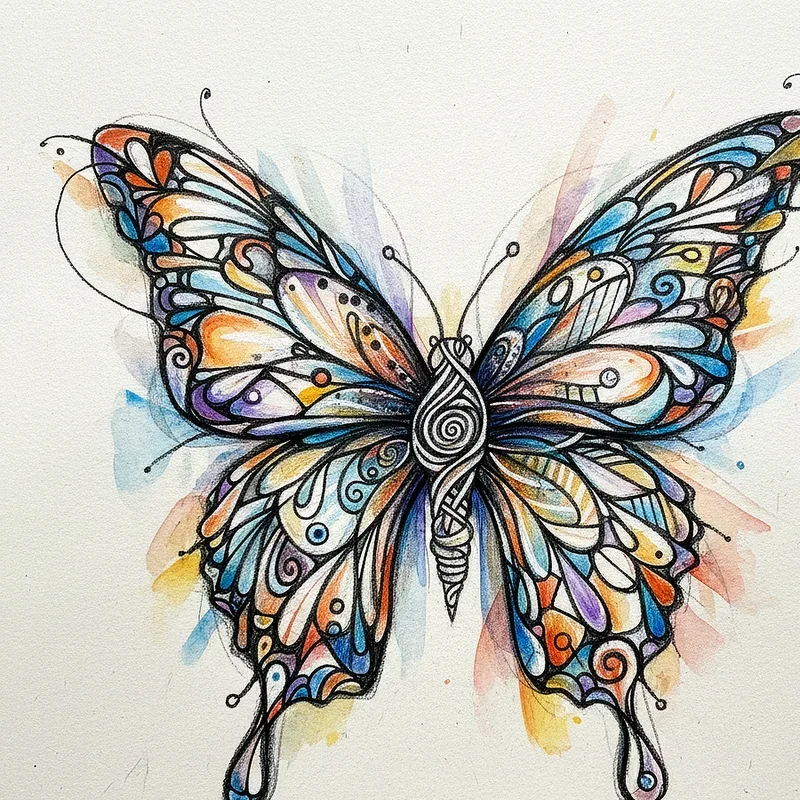
Abstract butterfly art liberates you from realistic constraints, allowing pure creative expression through color and form. Deconstruct the traditional butterfly shape into flowing lines, bold color blocks, or expressive brush strokes that suggest movement and energy. This style invites experimentation with unusual color combinations and dynamic compositions that evoke emotion rather than literal representation. You might fragment the wings into separate elements or exaggerate proportions for dramatic effect. Abstract approaches teach you to see beyond surface appearances and capture the essence or feeling of your subject. This freedom helps break through creative blocks and develops your unique artistic voice. The resulting pieces often surprise you with their power and originality, proving that art transcends literal interpretation.
7. Butterfly in Flight Sequence
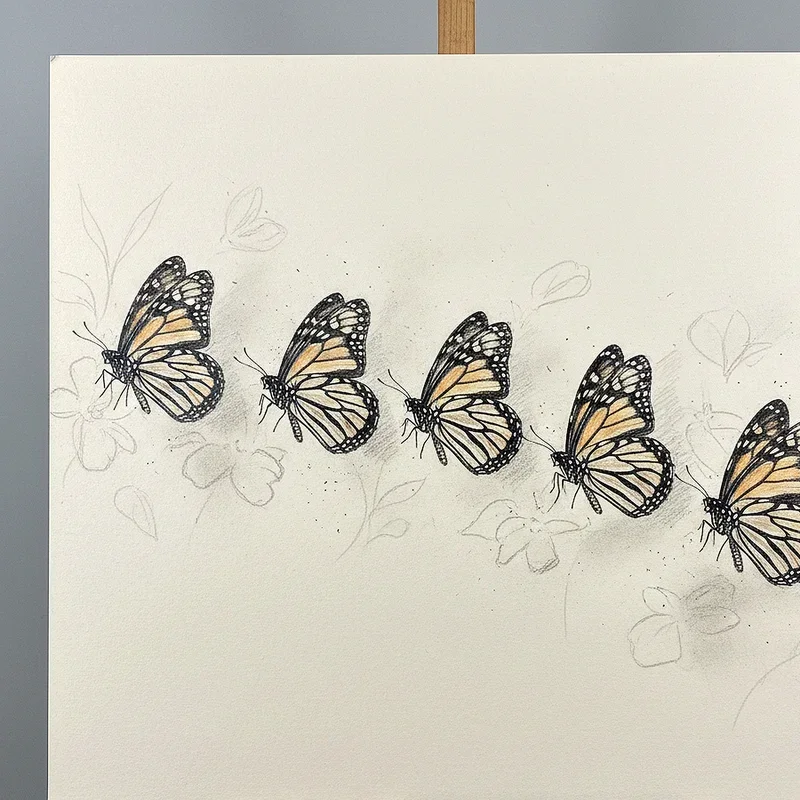
Capturing butterflies in flight sequences demonstrates movement and brings dynamic energy to your artwork effectively. Draw multiple positions showing the wing cycle from fully spread to closed, creating a sense of motion across your page. This approach requires understanding basic anatomy and how butterfly wings actually move through flight patterns. Study slow-motion videos or photo sequences to observe these graceful movements accurately. Arrange your butterflies in a flowing path that guides the viewer's eye through the composition naturally. You can use lighter sketches for background positions and more detailed rendering for the focal butterfly. This technique works beautifully in both realistic and stylized interpretations, teaching you about gesture drawing and sequential art principles.
8. Mandala Style Butterfly
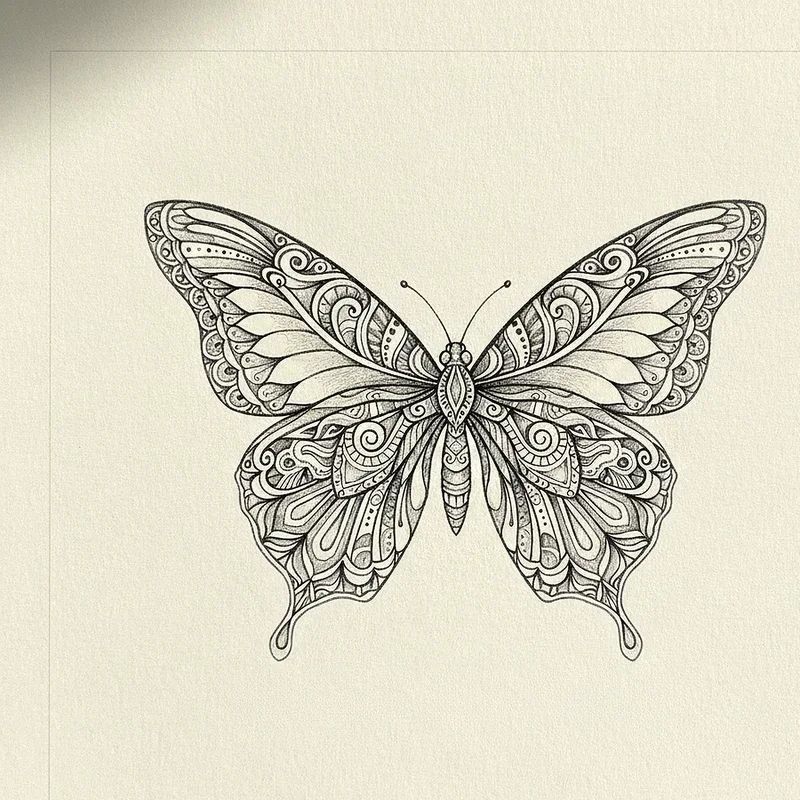
Mandala butterflies blend meditative art practices with natural beauty, creating intricate designs that soothe and inspire. Start from the center of your butterfly's body and work outward, creating symmetrical patterns that radiate across the wings. Incorporate traditional mandala elements like lotus petals, geometric shapes, and repeating motifs that flow harmoniously with the butterfly form. This style encourages mindfulness and concentration as you carefully craft each detailed section with purpose and intention. The repetitive nature of mandala creation can be wonderfully therapeutic while producing stunning visual results. Use fine-tip pens, markers, or pencils to achieve the precision this style demands. Your finished mandala butterfly becomes both an artistic achievement and a meditative journey captured on paper.
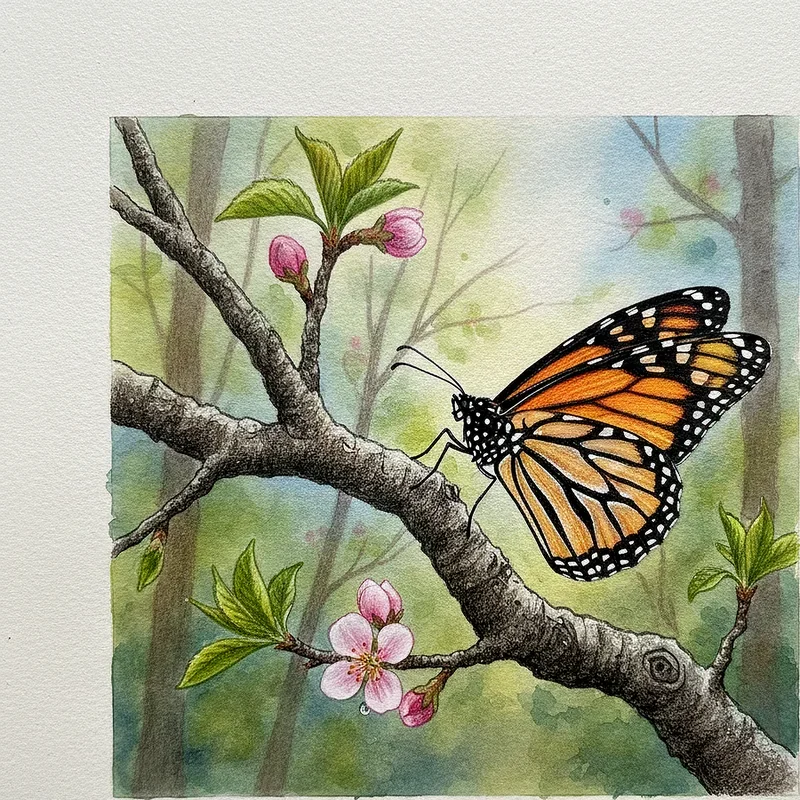
9. Butterfly on Branch Setting
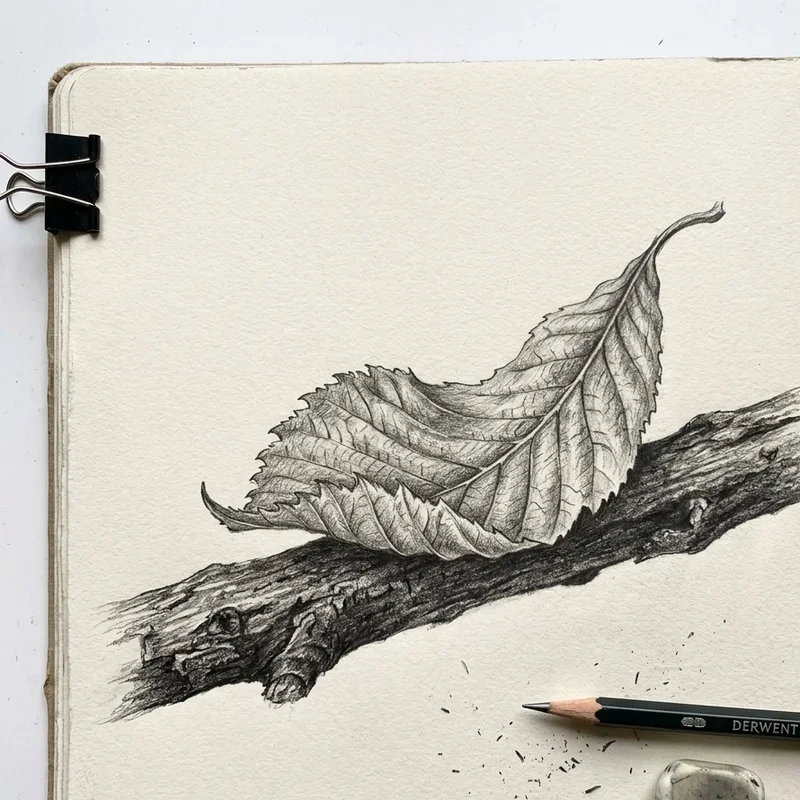
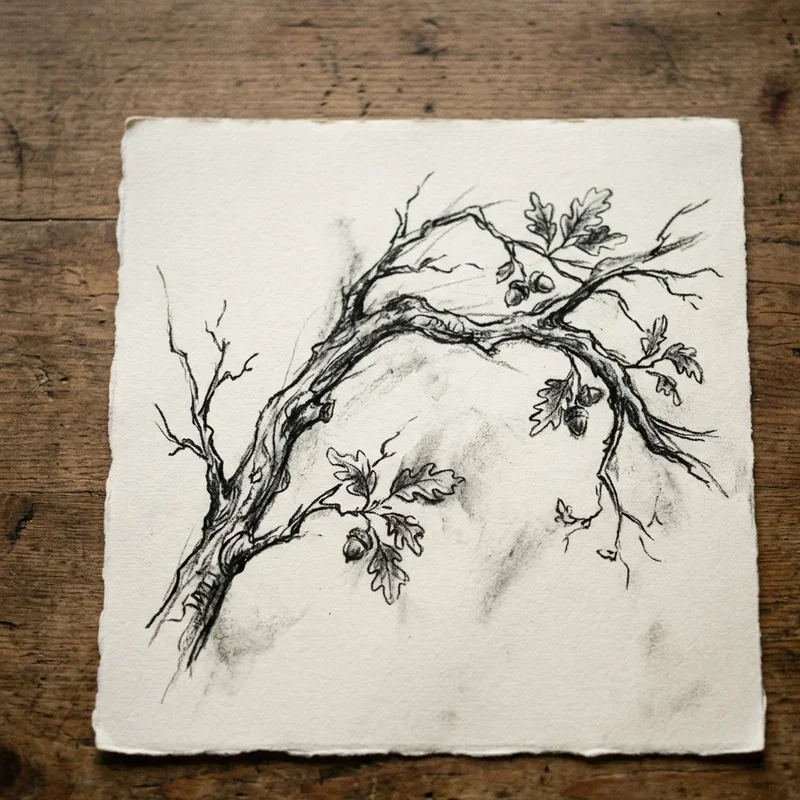
Placing your butterfly on a branch creates a natural habitat scene that tells a complete environmental story. Include textured bark, small leaves, or delicate twigs that provide context and anchoring for your primary subject. This setting allows you to explore different drawing techniques within one composition, from smooth wings to rough bark textures. Consider the perspective and how the butterfly's placement affects the overall balance and focal point of your piece. Adding subtle background elements like soft foliage or distant flowers enhances depth without overwhelming your main subject. This approach teaches compositional skills while creating artwork that feels grounded and realistic. The interaction between butterfly and branch suggests a moment frozen in time.
10. Negative Space Butterfly Art
Negative space techniques create striking butterfly silhouettes that challenge traditional drawing approaches and viewer perception. Instead of drawing the butterfly itself, you define its shape by filling in the surrounding space with patterns, colors, or textures. This reversal teaches you to see shapes differently and understand how positive and negative spaces interact dynamically. The butterfly emerges from the background like magic, creating visual intrigue and sophistication. You might fill the negative space with intricate patterns, solid colors, or gradients that make the butterfly form pop dramatically. This technique works exceptionally well in black and white or with bold color contrasts. The resulting artwork demonstrates advanced compositional thinking and creates memorable, eye-catching pieces.
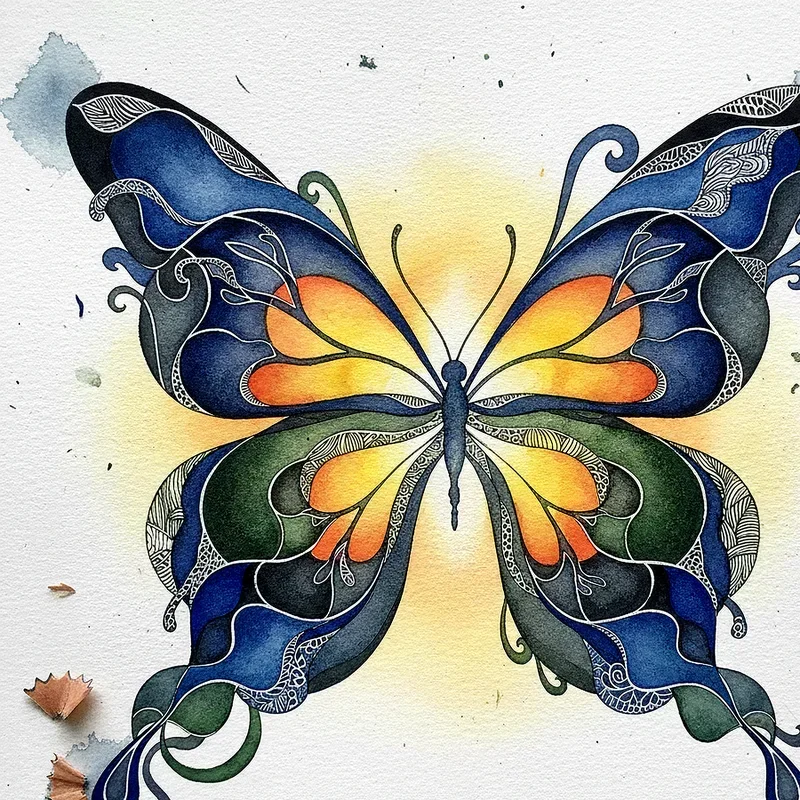
11. Symmetrical Wing Pattern Study
Focusing on symmetrical wing patterns develops your understanding of balance, proportion, and natural design principles beautifully. Butterflies possess near-perfect bilateral symmetry, making them ideal subjects for studying this fundamental art concept. Draw one wing in careful detail, then replicate it precisely on the opposite side, ensuring matching patterns and proportions. This exercise strengthens your observation skills and hand-eye coordination while teaching the importance of accuracy. You can explore various pattern types, from simple spots to complex designs inspired by real butterfly species. Use a light table or tracing paper initially if needed, gradually building confidence to draw symmetrically freehand. These studies become beautiful finished pieces while serving as valuable practice for technical drawing skills.
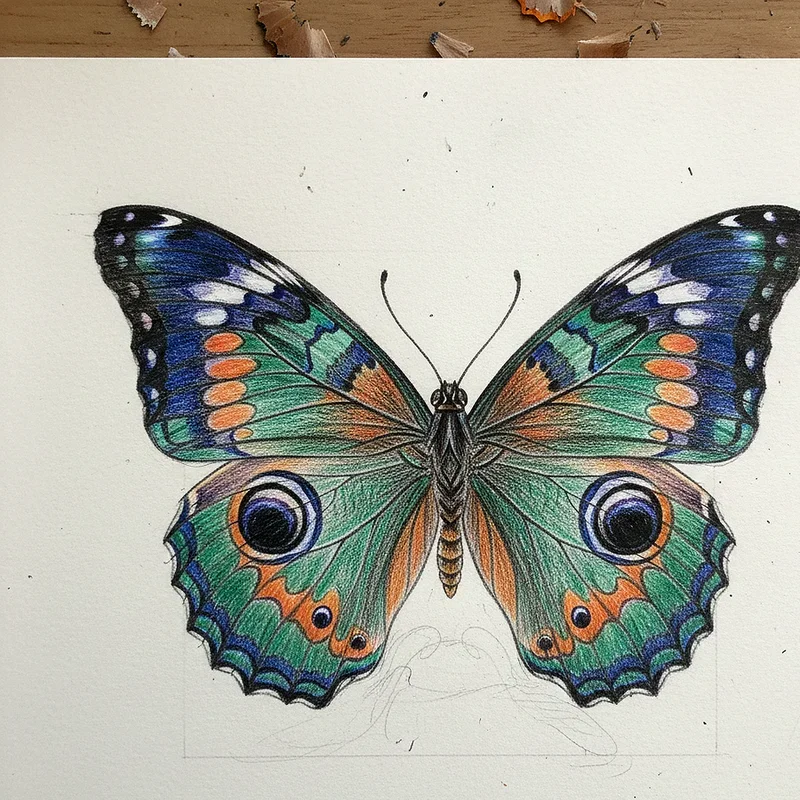
12. Butterfly with Shadow Effects
Adding shadows transforms flat butterfly drawings into three-dimensional artwork that appears to lift off the page. Study how light interacts with butterfly wings, creating shadows beneath the body and along folded wing edges. Position your imaginary light source consistently throughout the piece, ensuring all shadows fall in the correct direction logically. Use gradual shading techniques to build depth, darkening areas where wings overlap or curve away from light. Consider adding a cast shadow beneath the butterfly if it's positioned on a surface naturally. This dimensional approach teaches essential shading principles applicable to all drawing subjects. The subtle addition of shadows dramatically increases the realism and professional quality of your butterfly artwork.
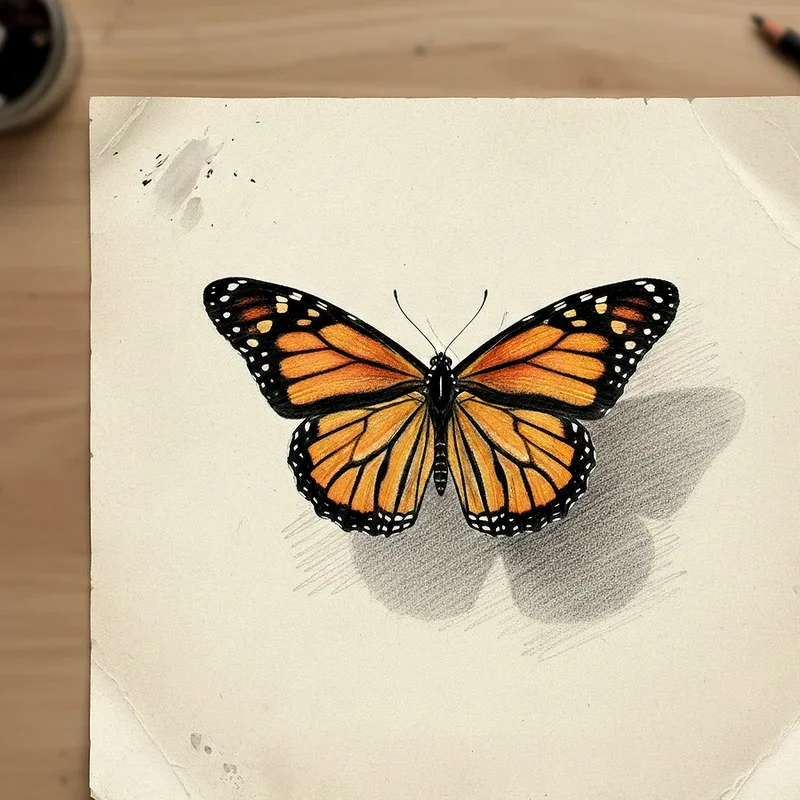
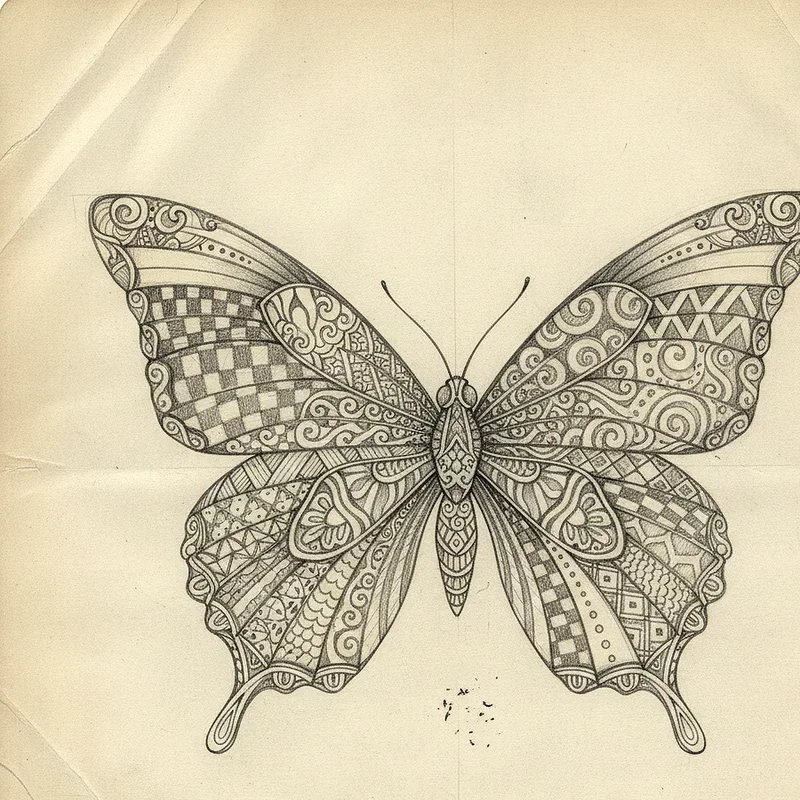
13. Zentangle Decorated Butterfly
Zentangle patterns fill butterfly wings with mesmerizing, intricate designs that showcase patience and creativity wonderfully. Divide the wings into sections, then fill each area with different zentangle patterns like swirls, scales, or geometric repetitions. This meditative drawing method reduces stress while producing detailed, impressive results that captivate viewers. No artistic experience is necessary since zentangle embraces the philosophy that anyone can create beautiful patterns through simple, repetitive strokes. Use fine-tip pens to achieve the detailed line work this style requires. The combination of structured patterns within organic butterfly shapes creates fascinating visual contrast. Your finished zentangle butterfly becomes a testament to mindfulness and the beauty found in patient, deliberate mark-making.
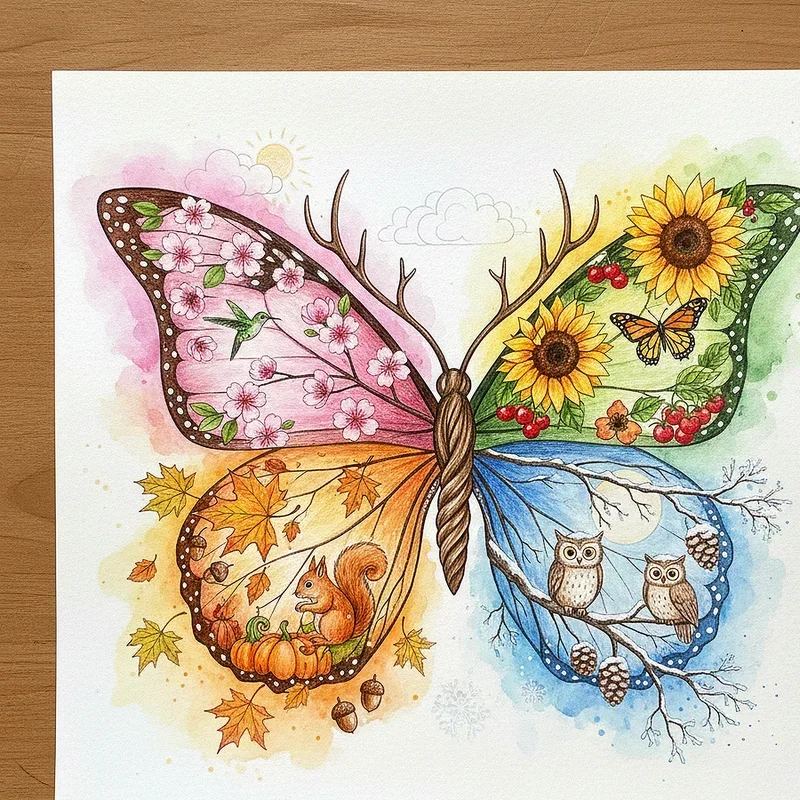
14. Seasonal Themed Butterfly
Seasonal butterflies incorporate colors, patterns, and elements that reflect specific times of year beautifully. Create a spring butterfly with pastel pinks and fresh greens, or design an autumn version featuring rich oranges, reds, and golden yellows. Add seasonal details like cherry blossoms for spring, falling leaves for autumn, or snowflakes for winter butterflies. This creative approach allows you to explore color psychology and how specific palettes evoke particular feelings and memories. You might incorporate seasonal symbols within the wing patterns themselves, creating layered meaning in your artwork. These themed butterflies make wonderful greeting cards, seasonal decorations, or series pieces that showcase your versatility. The concept encourages you to think creatively about how traditional subjects can be reimagined.
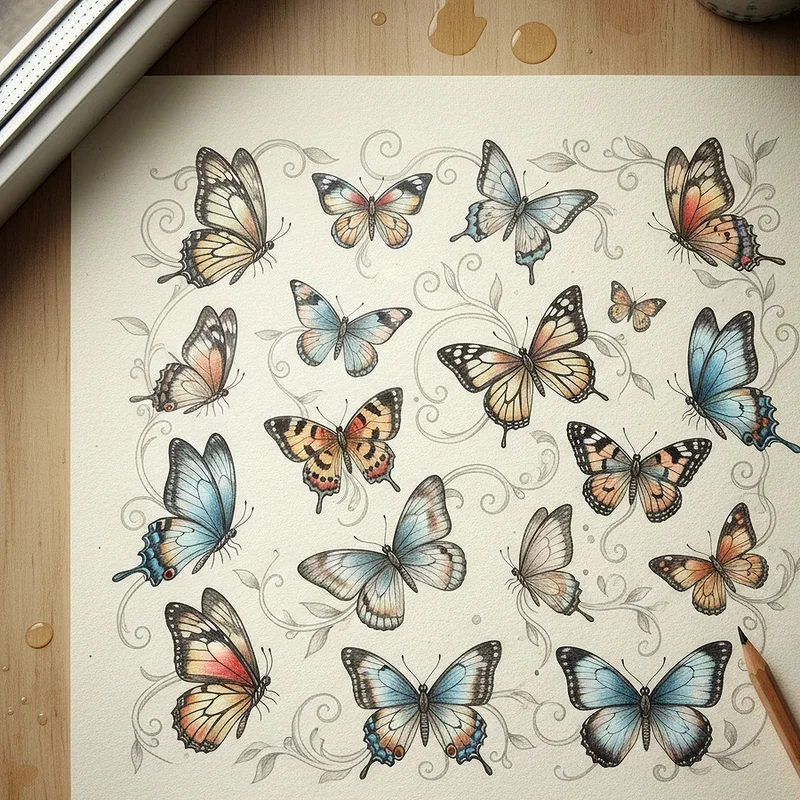
15. Multiple Butterflies Composition
Creating compositions with multiple butterflies teaches advanced arrangement skills and visual storytelling through repeated elements. Vary the sizes, positions, and angles of your butterflies to create dynamic movement and depth throughout your piece. Some butterflies can be detailed focal points while others fade into softer background elements, establishing clear visual hierarchy. Consider how the butterflies interact, perhaps following a flight path or clustering around a central element naturally. This approach allows experimentation with overlapping forms and how to maintain clarity when elements intersect. You can work monochromatically or introduce various species for colorful diversity. Multiple butterfly compositions create impressive, gallery-worthy pieces that demonstrate your mastery of complex artistic principles.
Conclusion
Butterfly drawings offer endless opportunities for artistic growth, creative expression, and technical skill development that benefit artists at every level. From simple sketches to complex compositions, these fifteen ideas provide pathways to explore different styles, techniques, and approaches. Remember that every artist develops at their own pace, and the joy lies in the creative journey itself. Experiment freely with these concepts, combining elements or adapting them to match your personal style. Keep practicing regularly, observing real butterflies when possible, and don't fear making mistakes along the way. Your unique perspective transforms each drawing into something special and entirely your own creation.
Read next: 15 Drawing Ideas for Kids That Are Easy and Fun
Frequently Asked Questions
Q1: What materials work best for butterfly drawings?
A: Pencils, colored pencils, markers, watercolors, and pens all create beautiful butterfly art effectively.
Q2: How do I achieve symmetry in butterfly drawings?
A: Use guidelines, fold techniques, or light tables to ensure both wings mirror each other accurately.
Q3: Can beginners create realistic butterfly drawings?
A: Yes, start with simple species and gradually add details as your skills improve over time.
Q4: What's the easiest butterfly species to draw first?
A: Monarch butterflies offer clear patterns and recognizable features perfect for beginning artists to practice.
Q5: How long does it take to complete a butterfly drawing?
A: Simple sketches take minutes while detailed, realistic drawings may require several hours to complete properly.
Stay up to date with our latest ideas!