15 Wolf Painting Ideas for Stunning Wildlife Artwork
Discover 15 wolf painting ideas that capture the wild beauty of these majestic creatures. Perfect inspiration for stunning wildlife artwork.
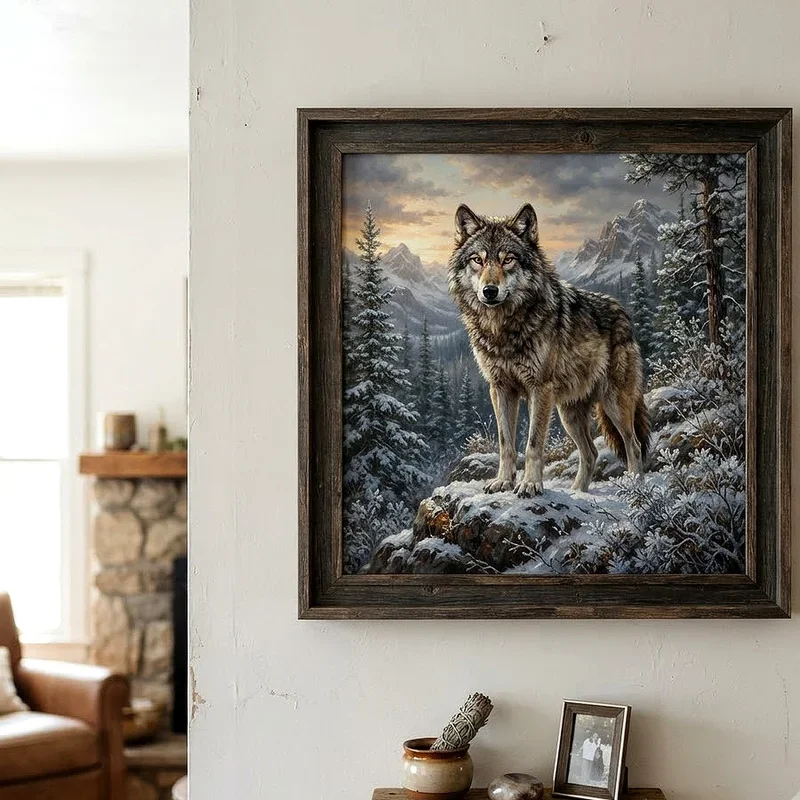
Wolves have captivated artists for centuries with their raw beauty, fierce loyalty, and untamed spirit. Whether you are a seasoned painter or just picking up a brush for the first time, wolf paintings offer endless creative possibilities that push your artistic boundaries. From moonlit silhouettes to watercolor portraits, these magnificent creatures translate beautifully onto canvas. You do not need to be a wildlife expert to create something truly special. All you need is a spark of inspiration and a willingness to experiment. In this guide, you will find 15 wolf painting ideas designed to ignite your imagination and help you produce artwork that feels alive with energy and emotion.
1. Howling Wolf Under a Full Moon
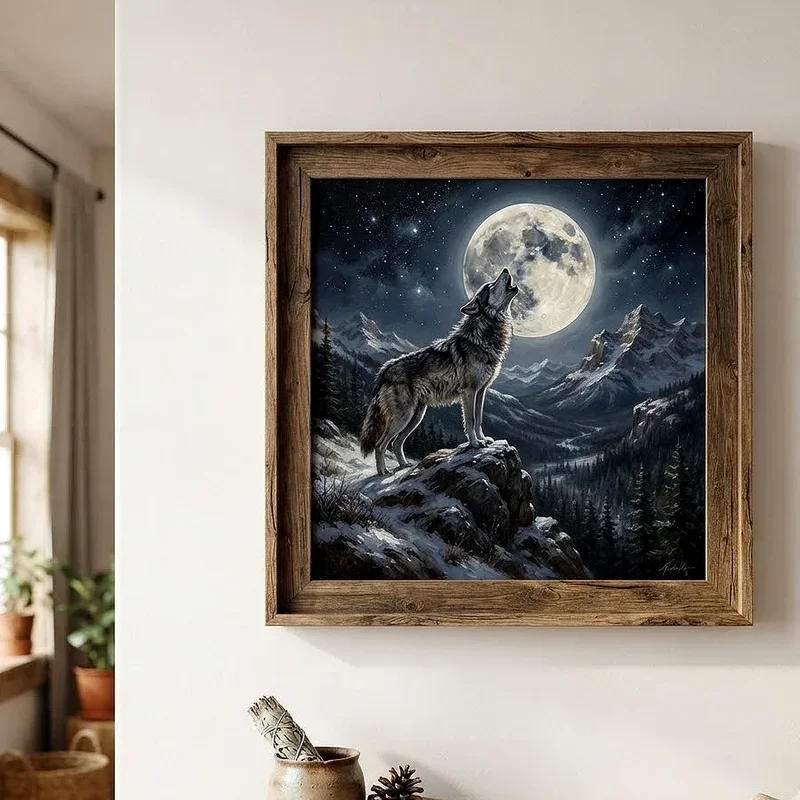
Nothing screams wild freedom quite like a wolf howling beneath a glowing full moon. This classic composition works beautifully because it pairs dramatic lighting with a powerful pose that instantly grabs attention. Start by painting a deep indigo or midnight blue background, then layer in your moon using soft whites and pale yellows. Position your wolf on a rocky outcrop or hilltop to create a striking silhouette effect. You can keep the wolf entirely dark or add subtle fur details along the edges where moonlight catches the coat. Play with cool tones and atmospheric haze to build depth behind your subject. This idea suits acrylic, oil, or even digital painting equally well, making it a fantastic starting point for any skill level.
2. Watercolor Wolf Portrait
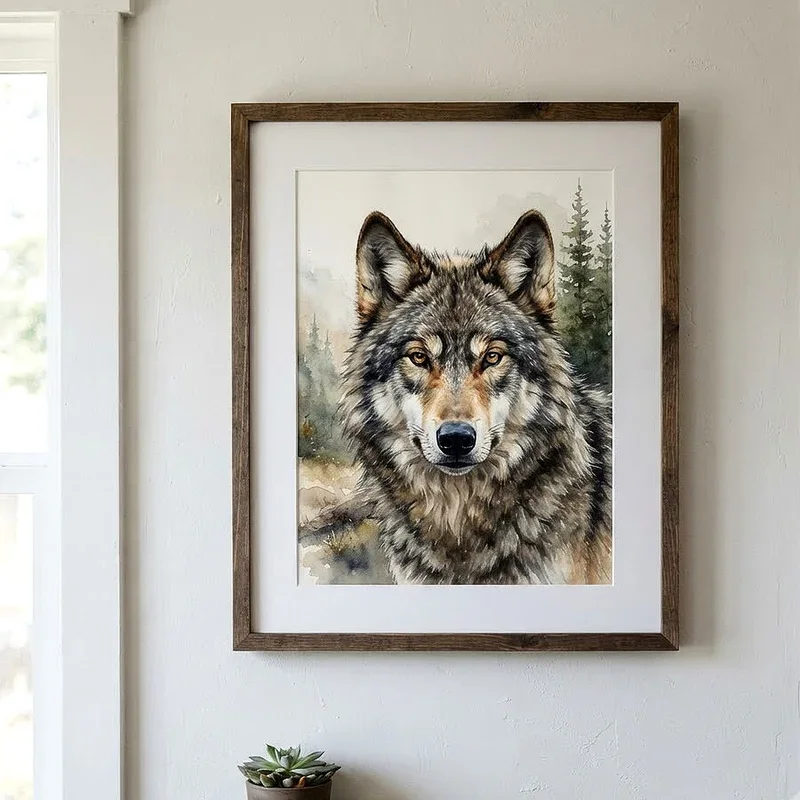
Watercolor brings a dreamy, almost ethereal quality to wolf paintings that other mediums struggle to replicate. The way pigments bleed and blend on wet paper mimics the soft texture of wolf fur perfectly. Begin with a light pencil sketch of the wolf's head, then apply washes from light to dark, letting each layer dry before adding the next. Focus on the areas around the eyes and muzzle where detail matters most, and let the edges of the painting dissolve into loose, unpredictable washes. This technique creates a beautiful contrast between controlled detail and free-flowing color. Think of it like letting the wolf emerge from a mist of paint. Watercolor wolf portraits make gorgeous gifts and look stunning in minimalist frames.
3. Wolf Pack Running Through Snow
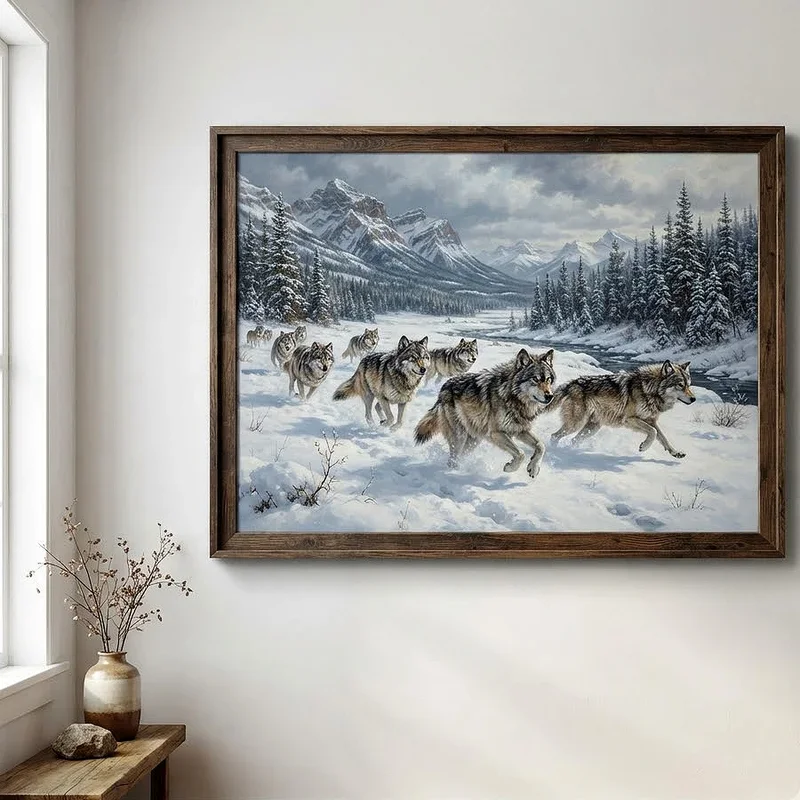
Capturing movement in a painting is like bottling lightning, and a wolf pack sprinting through fresh snow gives you the perfect opportunity to try. This idea challenges you to convey speed, energy, and coordination among multiple subjects. Use a cool palette dominated by whites, silvers, and slate blues for the snowy landscape, then bring warmth into the wolves through tawny browns and deep grays. Stagger the wolves at different distances to create depth, and kick up snow particles around their paws to suggest motion. Pay attention to how each wolf carries its body differently during a run. Some lean forward aggressively while others lope with relaxed confidence. The contrast between the cold environment and warm-blooded animals creates visual tension that keeps viewers engaged.
4. Abstract Geometric Wolf
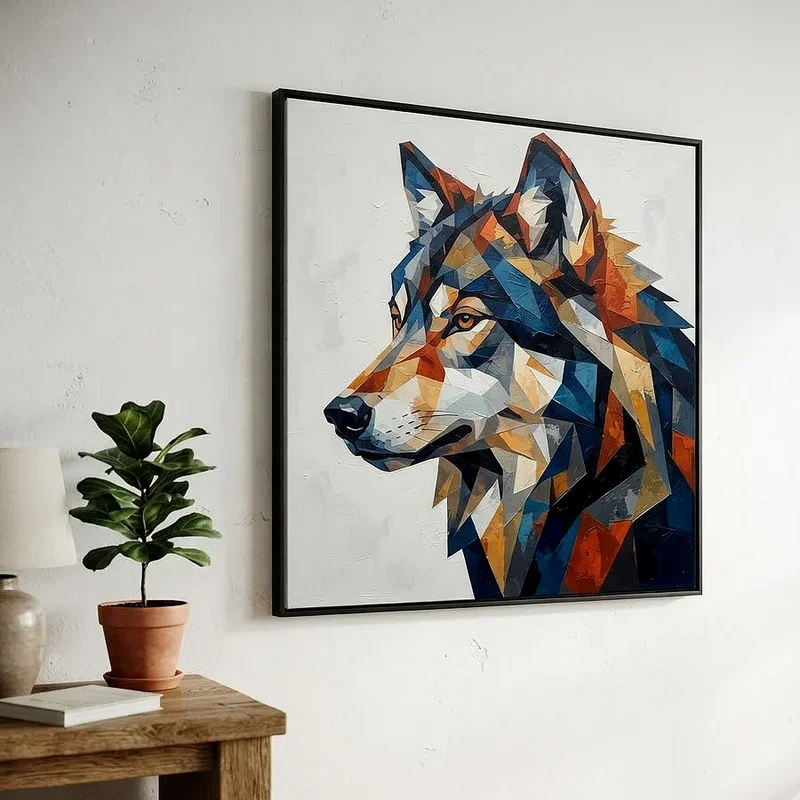
Who says wolf paintings have to look realistic? An abstract geometric approach breaks the wolf's form into triangles, polygons, and sharp angles that feel modern and bold. This style works particularly well for artists who enjoy clean lines and vibrant color palettes. Start by sketching a basic wolf outline, then divide the shape into geometric sections. Fill each section with a different shade or contrasting color to create a mosaic-like effect that pops off the canvas. You can stick with natural tones for a sophisticated feel or go wild with neon greens, electric blues, and fiery oranges. Geometric wolf art translates wonderfully to poster prints and wall decor, and it appeals to audiences who appreciate contemporary design over traditional wildlife painting.
5. Wolf Eyes Close-Up
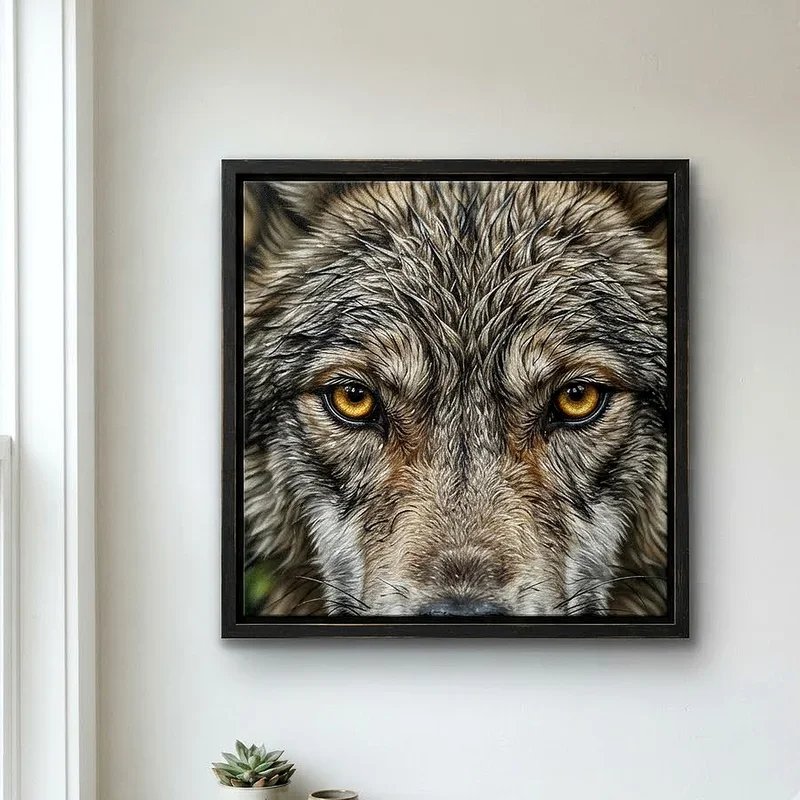
Have you ever locked eyes with a wolf in a photograph and felt something stir deep inside you? Those piercing amber or icy blue eyes hold an intensity that demands a painting all their own. A close-up study of wolf eyes strips away everything except raw emotion and connection. Fill your entire canvas with just the eye area, capturing every fleck of gold, ring of dark pigment, and reflection of light in the iris. Surrounding fur becomes a frame of textured grays and browns that fades toward the edges. This idea forces you to practice fine detail work and color mixing at a level that dramatically improves your overall painting skills. The finished piece becomes an intimate window into the soul of a wild predator.
6. Wolf in Autumn Forest
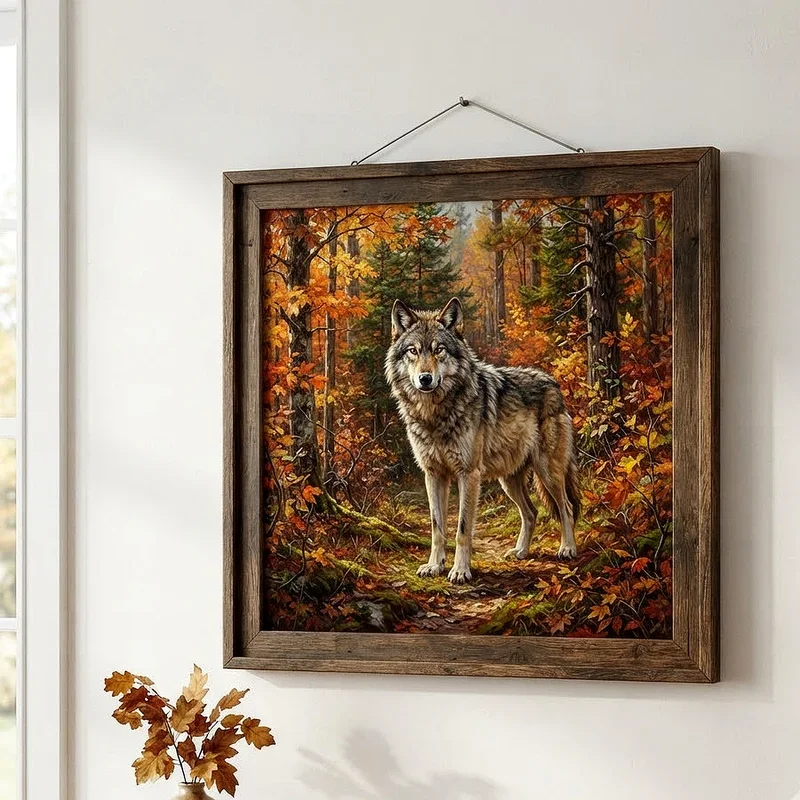
Imagine a gray wolf stepping cautiously through a forest blanketed in fallen leaves of crimson, amber, and burnt orange. This seasonal setting creates a rich, warm color story that contrasts beautifully with the wolf's cool-toned coat. Paint the forest floor thick with leaves and scatter a few drifting down through filtered sunlight for added atmosphere. Position your wolf mid-stride among birch or oak trees, using dappled light to highlight patches of fur and create interesting shadow patterns across the body. The autumn palette naturally guides the viewer's eye across the composition and prevents the wolf from blending into its surroundings. This idea is perfect for artists who love landscape painting and want to integrate wildlife into a broader environmental narrative.
7. Mother Wolf With Pups
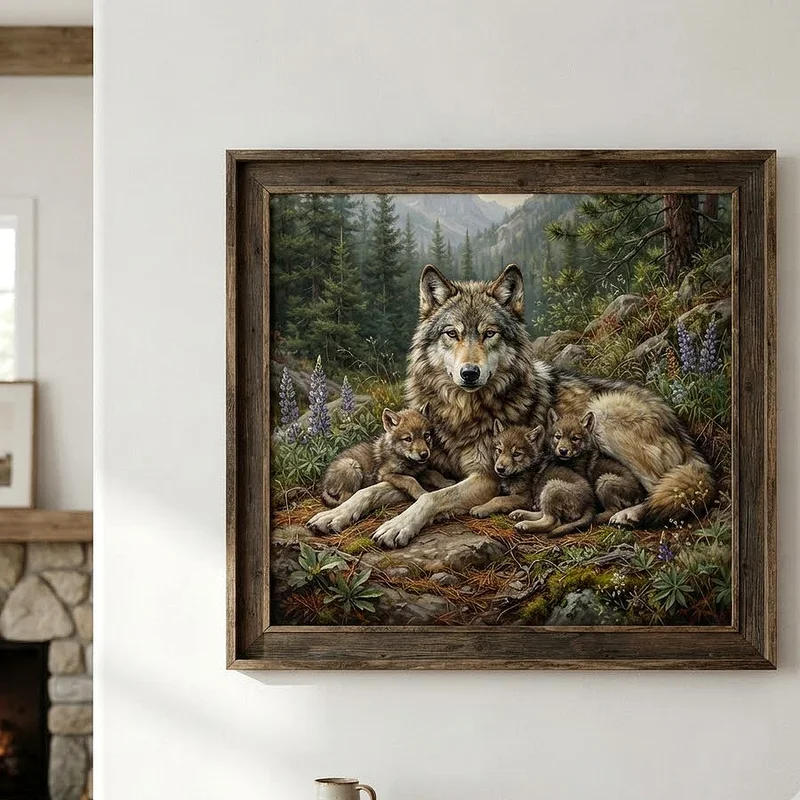
Few subjects in wildlife art tug at the heartstrings quite like a mother wolf caring for her young pups. This idea lets you explore themes of tenderness, protection, and family bonds that resonate with almost every viewer. Paint the mother lying down or sitting watchfully while two or three small pups tumble around her, nursing or playfully nipping at each other. Soften your brushstrokes compared to more dramatic wolf scenes to convey gentleness and warmth. Choose a den-like background with earthy tones, soft shadows, and perhaps a hint of sunlight filtering in from an opening. Getting the proportions right between the large mother and tiny pups takes practice, but the emotional payoff makes every revision worth the effort you invest.
8. Lone Wolf on a Mountain Ridge
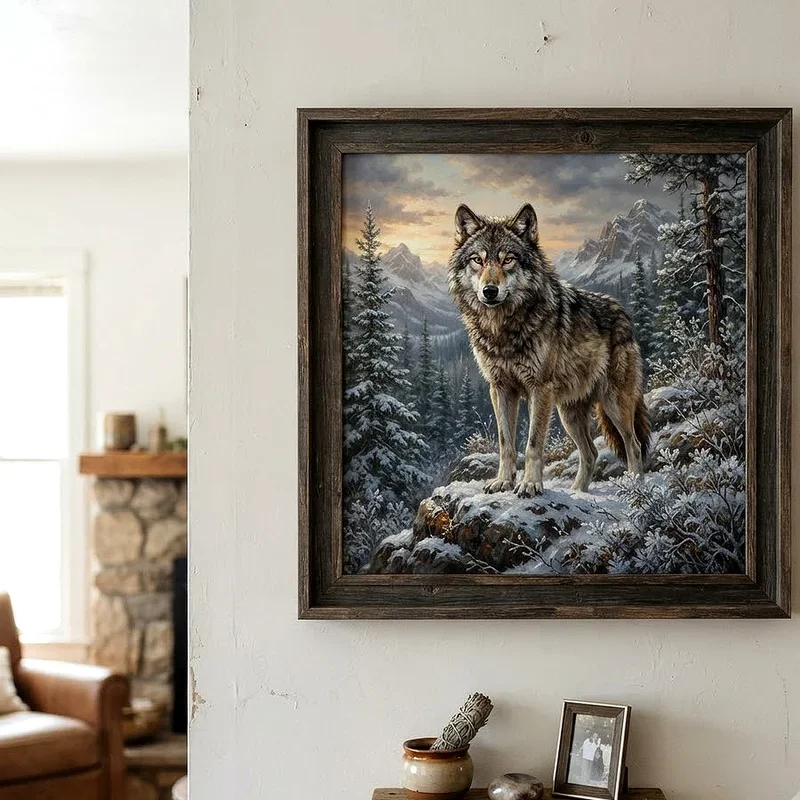
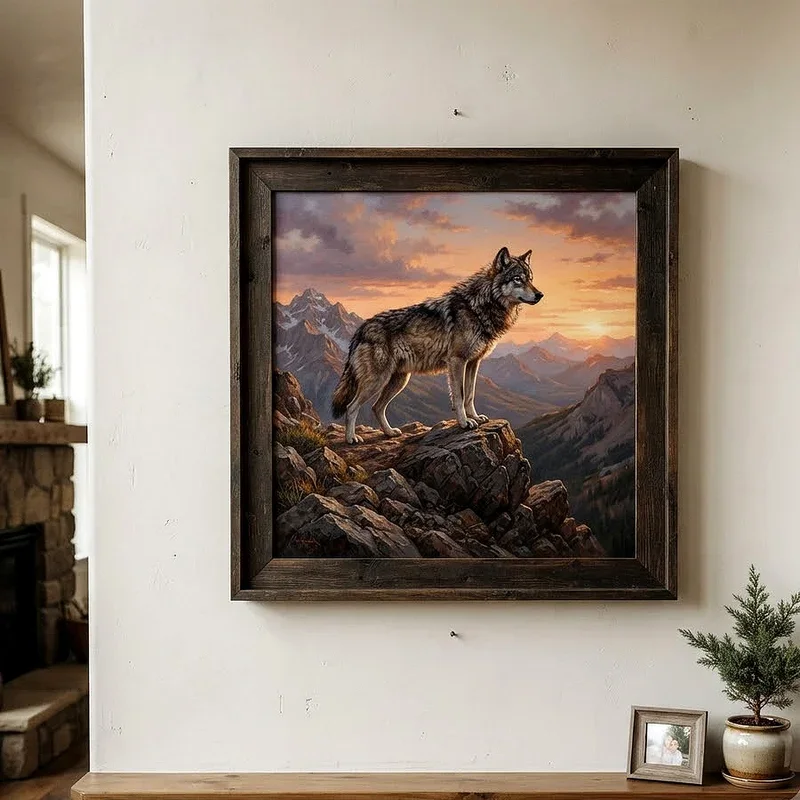
The lone wolf archetype carries powerful symbolism of independence, resilience, and quiet strength that artists have explored for generations. Place a single wolf standing proudly on a rocky mountain ridge with vast wilderness stretching out behind it. Use atmospheric perspective to push distant mountains into hazy blues and purples while keeping your wolf sharp and detailed in the foreground. The sky offers enormous creative freedom here. You could paint a stormy sky full of dramatic clouds, a peaceful sunrise washing everything in gold, or even a star-filled night sky. This composition naturally creates a strong focal point because the wolf stands alone against the expanse. It reminds viewers that solitude is not loneliness but rather a form of strength and self-reliance.
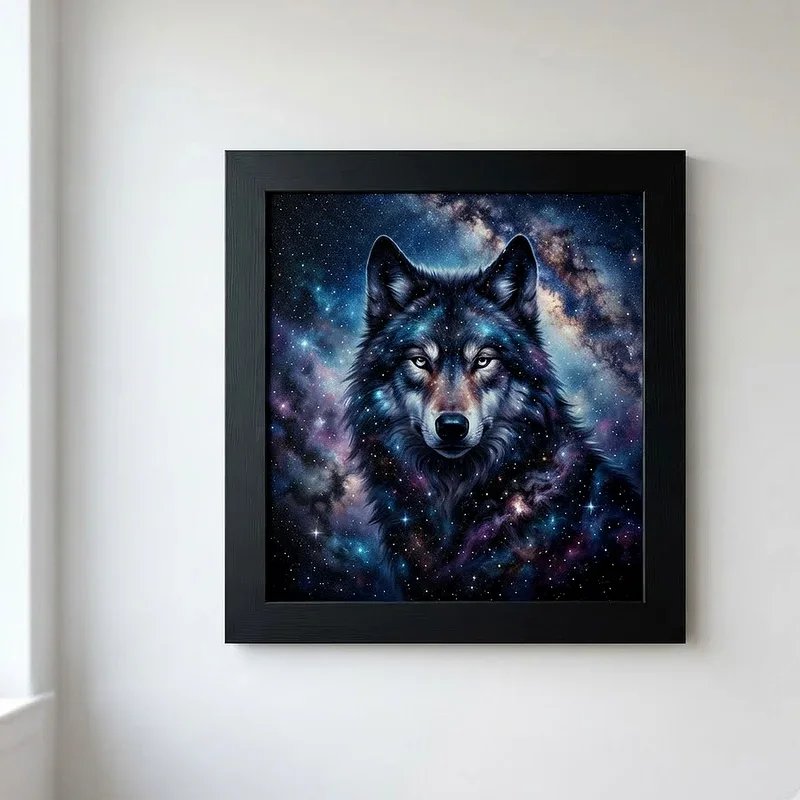
9. Wolf Spirit Animal in Galaxy Theme
Blending wildlife with cosmic imagery has surged in popularity, and wolves pair with galaxy themes like they were made for each other. Paint a wolf's head or full body filled with swirling nebulas, star clusters, and deep space colors instead of traditional fur. Use rich purples, electric blues, hot pinks, and speckled white stars throughout the wolf's form. Set the creature against a dark background or let the galaxy patterns spill outward beyond the wolf's outline for a more fluid composition. This idea appeals to anyone drawn to spiritual or mystical aesthetics and makes for incredible statement pieces in any room. Acrylic or digital painting handles the vivid color saturation best, though adventurous watercolor artists can achieve stunning results with careful layering.
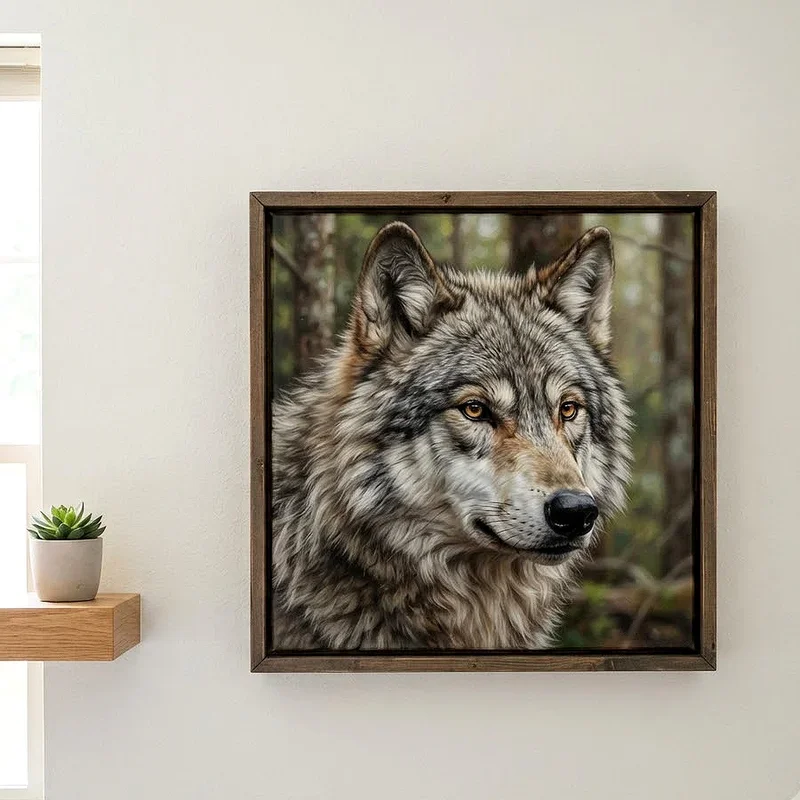
10. Realistic Wolf Head Study
Sometimes the most rewarding challenge is simply trying to capture a wolf exactly as it appears in nature. A realistic head study demands patience, observation, and a deep understanding of fur texture, bone structure, and subtle color variation. Work from a high-quality reference photo and take your time building layers of color from dark undertones to highlighted guard hairs. Pay close attention to the transition zones where different fur colors meet, such as the cheek ruff blending into the darker forehead. Use a fine-tipped brush for individual whiskers and the delicate hairs inside the ears. Realistic studies might not feel as creatively exciting as abstract approaches, but they build foundational skills that strengthen every painting you tackle afterward. Treat this as your artistic pushup routine.
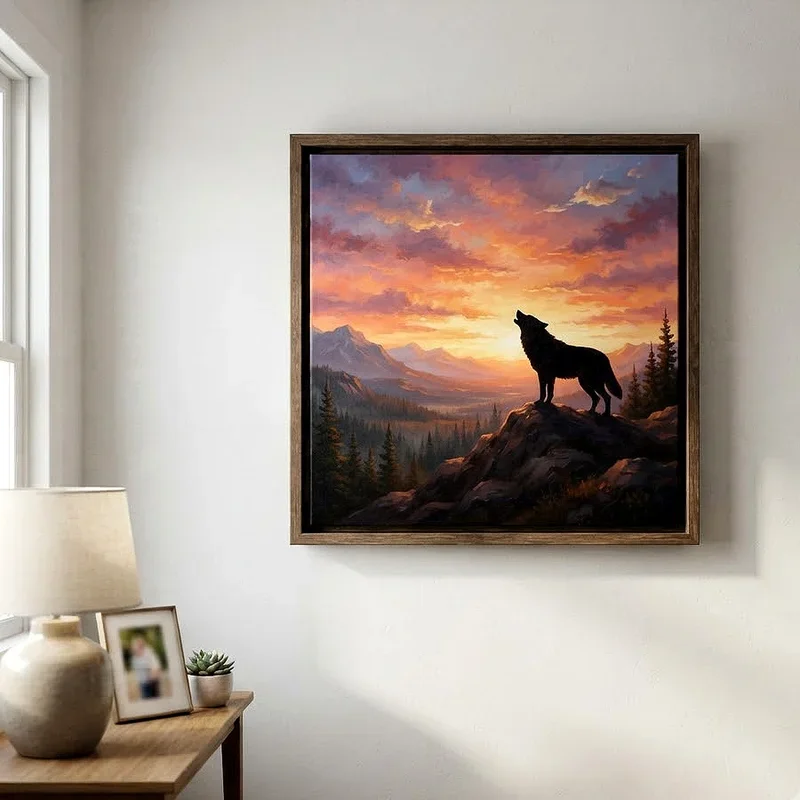
11. Wolf Silhouette at Sunset
Silhouette paintings strip away complexity and let shape and color do all the heavy lifting for you. Paint a vivid sunset sky using horizontal bands of orange, pink, magenta, and deep purple, then place a solid black wolf silhouette in the foreground. The beauty of this approach lies in its simplicity and accessibility. You do not need advanced fur-rendering skills to create something breathtaking. Focus instead on getting the wolf's pose right because the outline tells the entire story. A walking wolf reads differently than a sitting or howling one. Add a few silhouetted trees or grass along the horizon line to ground the scene. This idea works wonderfully for beginners who want a finished piece they can feel genuinely proud of.
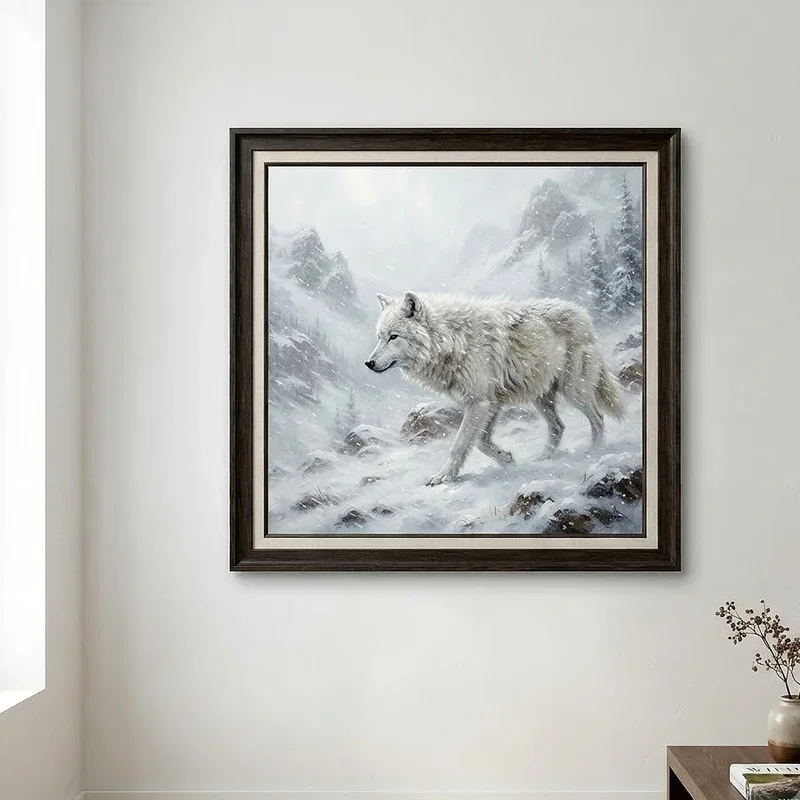
12. Arctic White Wolf in a Blizzard
An arctic wolf disappearing into a swirling blizzard creates a painting full of mystery and atmosphere that challenges your ability to work with a limited palette. The trick here is painting a white animal against a white environment without losing the subject entirely. Use subtle shifts in temperature, mixing cool blue-whites for shadows and warm cream-whites for highlights on the fur. Let the blizzard obscure parts of the wolf's body so that legs and tail fade into the storm while the face remains the sharpest element. Texture becomes your best friend in this painting. Drag a dry brush across the canvas to simulate wind-blown snow and use palette knife strokes for ice-crusted fur. The result feels raw, powerful, and hauntingly beautiful.
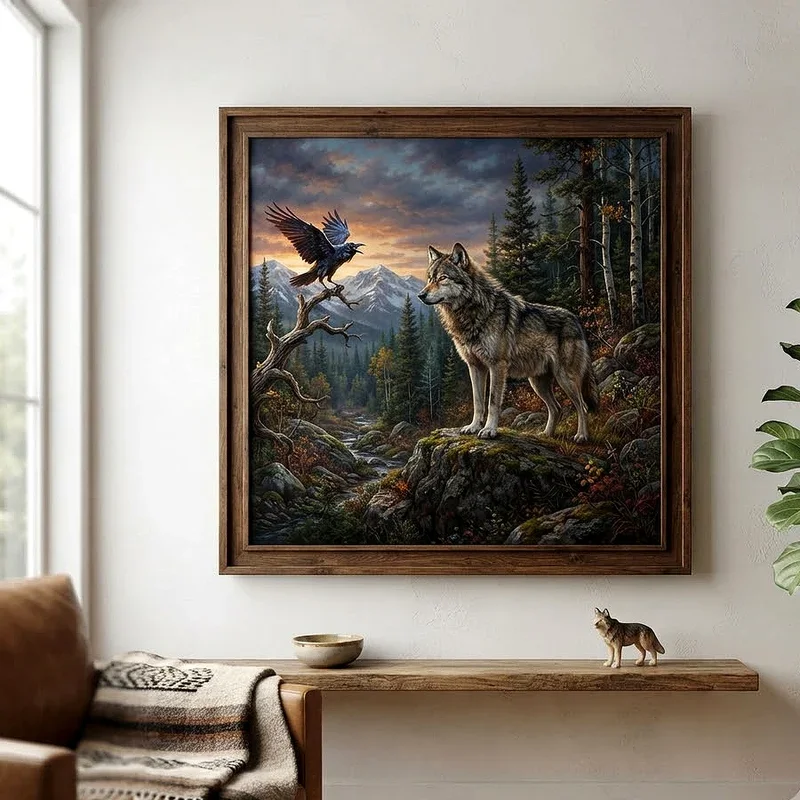
13. Wolf and Raven Folklore Scene
Across many cultures, wolves and ravens share a deep mythological connection as companions, tricksters, and guides between worlds. Paint a wolf walking through a misty forest with a raven perched on a nearby branch or flying just overhead. Use muted, desaturated colors to create a folklore atmosphere that feels timeless and slightly otherworldly. Cool grays, mossy greens, and soft lavender mists work perfectly for building this mysterious mood. The interaction between the two animals tells a story without any words. Perhaps the raven watches the wolf with knowing intelligence, or the wolf glances upward as if listening to a message only it can hear. This narrative quality elevates your painting from a simple wildlife portrait to genuine storytelling art.
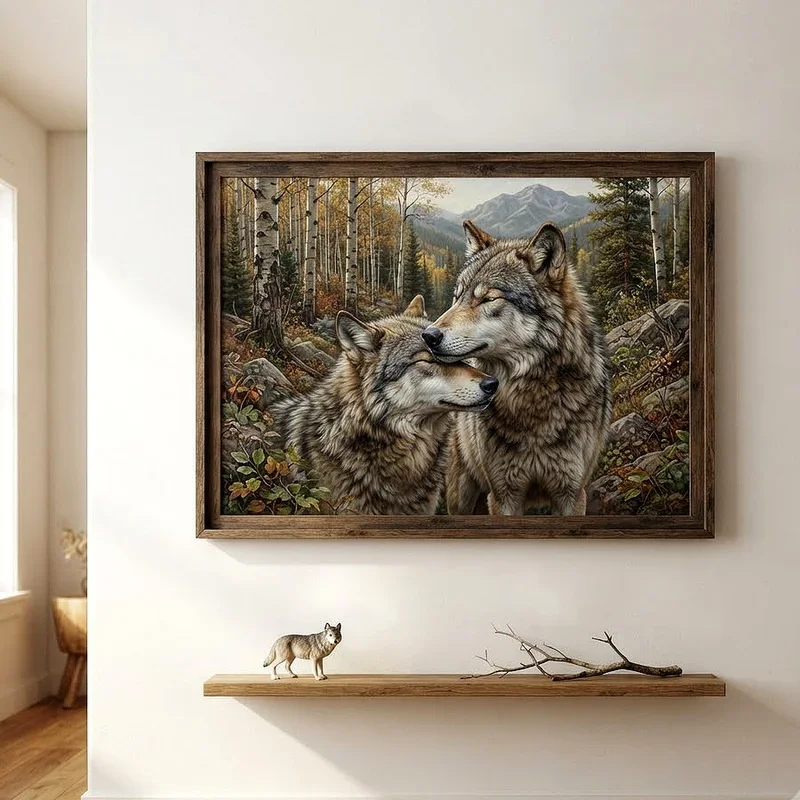
14. Pair of Wolves Nuzzling
Wolves mate for life, and watching two wolves press their faces together in a gentle nuzzle radiates an affection that translates powerfully onto canvas. This idea focuses on connection and intimacy rather than wildness or drama. Position the two wolves facing each other with their noses touching or their heads resting side by side. Use soft lighting, perhaps a warm golden hour glow, to wrap the scene in tenderness. Blend the fur where their bodies overlap to emphasize closeness and unity. Keep the background simple and slightly blurred so nothing competes with the emotional center of the composition. This painting makes a meaningful gift for couples, animal lovers, or anyone who appreciates the quieter, more affectionate side of these often-misunderstood creatures.
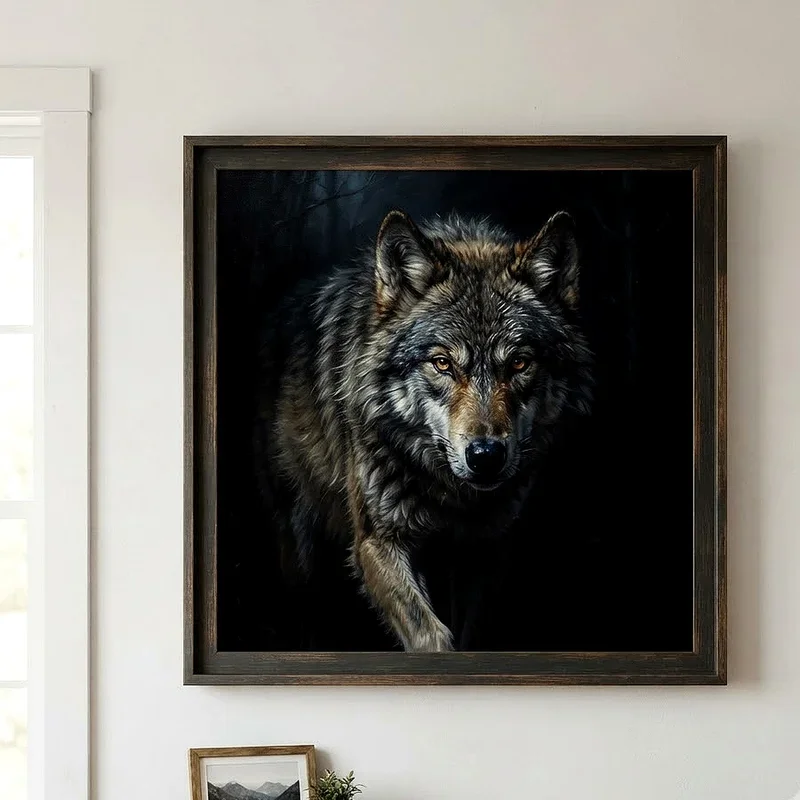
15. Wolf Emerging From Darkness
End your creative journey with a painting that feels like pure drama. A wolf emerging from complete darkness, with only its face and shoulders catching the light, creates an image of controlled power and quiet menace. Paint the background solid black or near-black, then gradually introduce light across the wolf's features. Focus your brightest highlights on the bridge of the nose, the brow ridge, and the tips of the ears. Let the eyes glow with reflected light to anchor the viewer's attention. This chiaroscuro approach, borrowed from the old masters, proves that sometimes what you leave in shadow matters more than what you reveal. The simplicity of the dark background also means you can pour all your energy into perfecting the wolf's expression and fur detail.
Conclusion
Wolves offer an incredible range of creative possibilities that stretch from hyperrealistic studies to dreamy abstractions and everything in between. Each of these fifteen ideas invites you to explore different techniques, moods, and storytelling approaches while celebrating one of nature's most captivating animals. Do not worry about achieving perfection with your first attempt. Every brushstroke teaches you something valuable, and the beauty of art lies in the journey as much as the finished piece. Pick the idea that excites you most, gather your supplies, and let the wild spirit of the wolf guide your hand across the canvas.
Read next: 15 Furry Drawing Ideas for Creative Character Art
Frequently Asked Questions
Q1. What is the best paint medium for wolf paintings?
A: Acrylics work best for beginners because they dry quickly and layer easily.
Q2. How do I paint realistic wolf fur texture?
A: Use thin, layered brushstrokes following the natural direction of fur growth patterns.
Q3. Can beginners attempt a realistic wolf painting?
A: Yes, start with simpler compositions like silhouettes and gradually build your skills.
Q4. What colors do I need for painting a gray wolf?
A: Mix burnt umber, raw sienna, ivory black, and titanium white for realistic tones.
Q5. How long does a detailed wolf painting usually take?
A: A detailed realistic wolf painting typically requires between ten and thirty hours.
Stay up to date with our latest ideas!