Discover colorful paintings for modern interiors. Explore abstract, floral, ocean-inspired, and textured canvas art, plus sizing and styling tips from Wonder Artwork.

Colorful paintings introduce personality, contrast, and visual depth into contemporary interiors.
Abstract, floral, ocean-inspired, and textured artwork offer different ways to decorate with color.
Blue and green can complement neutral interiors, while pink, orange, and yellow create stronger visual accents.
Artwork above a sofa often looks balanced when its width is approximately 60–75% of the sofa's width.
Horizontal paintings suit wide walls, vertical artwork adds emphasis to narrow spaces, and textured canvases create depth.
Wonder Artwork offers hand-painted colorful canvas art in different sizes and framing options on selected designs.
Introduction: Why Colorful Paintings Make a Difference
An empty wall can make an otherwise well-furnished room feel unfinished. Colorful paintings provide a practical way to introduce personality, connect furniture and accessories, and establish a focal point without replacing existing decor.
The right painting can transform a neutral living room, add character to a bedroom, or create a more inviting dining area. A composition featuring blue and gold may complement cream upholstery, while expressive pink, orange, and yellow brushstrokes can bring energy to a contemporary space.
Choosing colorful wall art involves more than selecting attractive colors. Scale, composition, texture, lighting, and the room's existing palette all influence how a painting looks once installed.
Wonder Artwork offers colorful abstract paintings, textured canvases, floral compositions, and ocean-inspired artwork for different interior styles. Explore Wonder Artwork for inspiration, then use the guidance below to select artwork that suits your space.
1. What Are Colorful Paintings?
Colorful paintings use color as a defining element of their composition. They include abstract art, floral paintings, landscapes, ocean scenes, figurative artwork, and expressive textured canvases.
Different styles create different effects.
Abstract colorful paintings
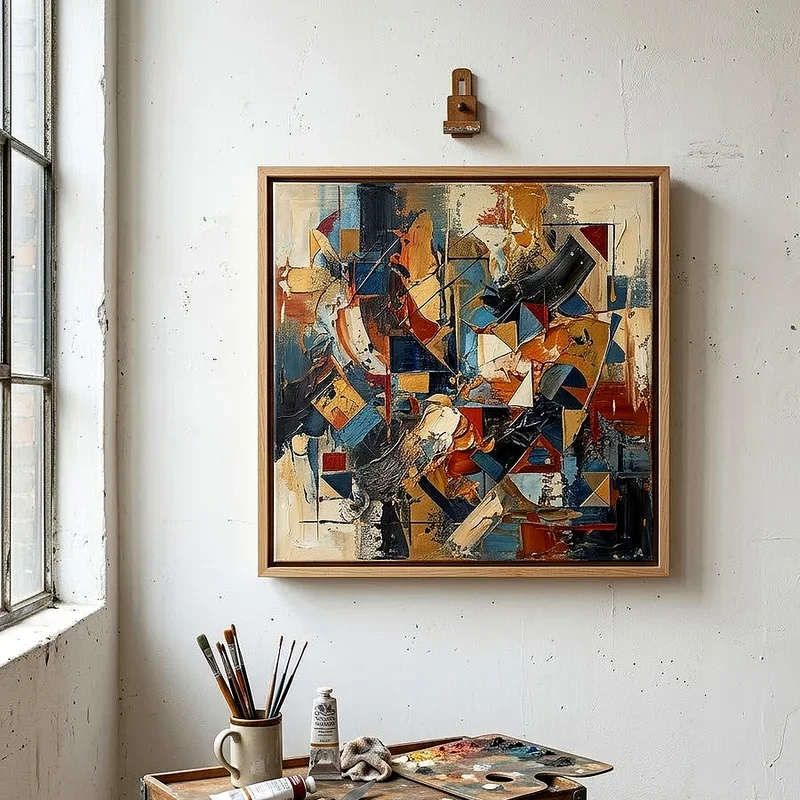
Abstract paintings use shapes, brushstrokes, color fields, and texture rather than relying on a recognizable subject. They suit contemporary interiors because the artwork can introduce color without requiring the furniture or accessories to follow a particular theme.
Colorful floral paintings
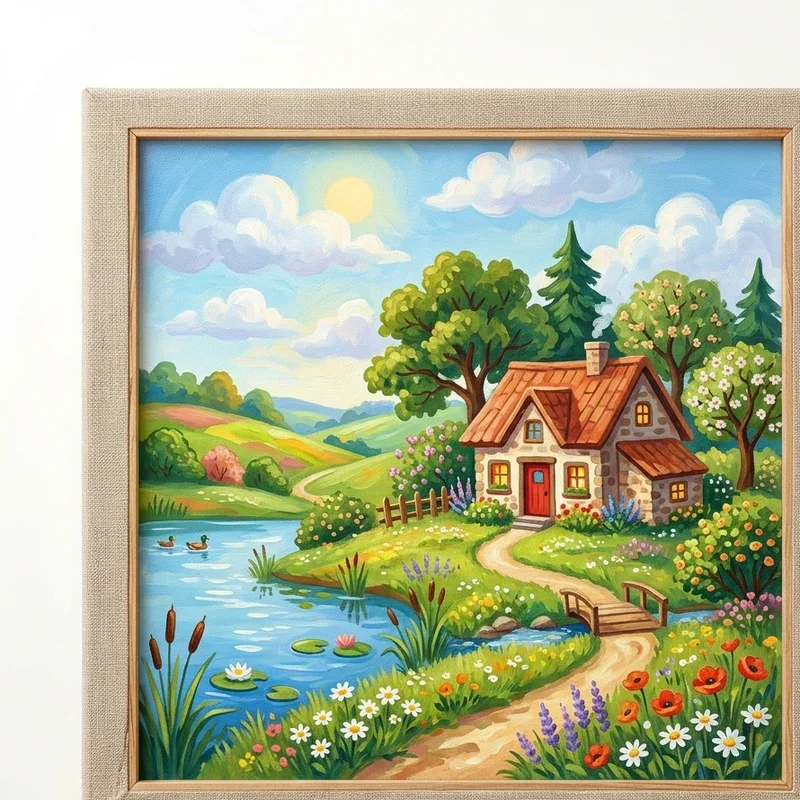
Floral artwork introduces organic forms and nature-inspired color combinations. Pink blossoms, green foliage, and contrasting backgrounds can soften rooms with simple furniture and clean architectural lines.
Ocean and landscape paintings
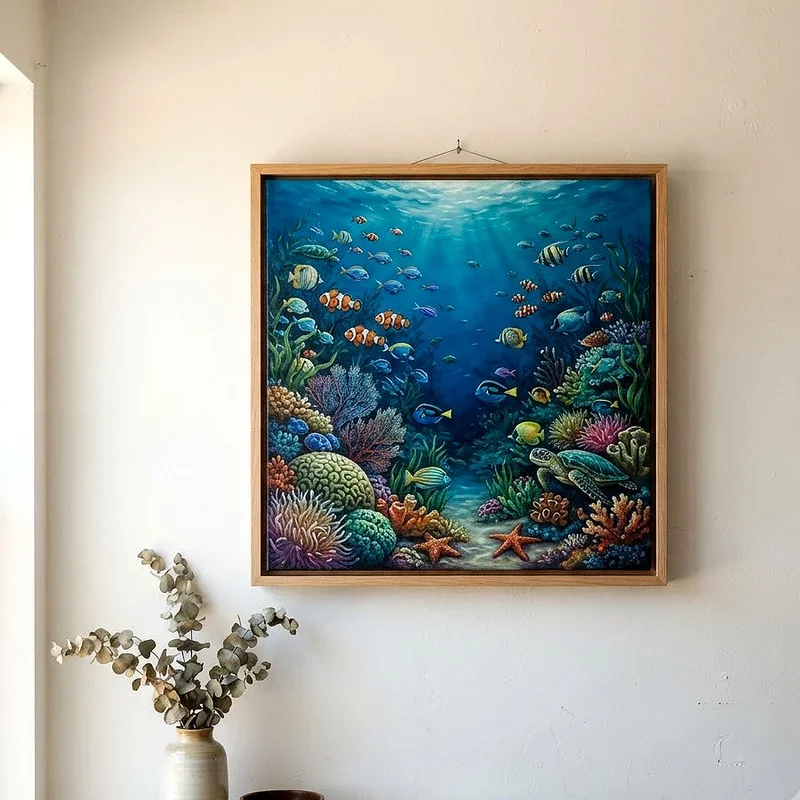
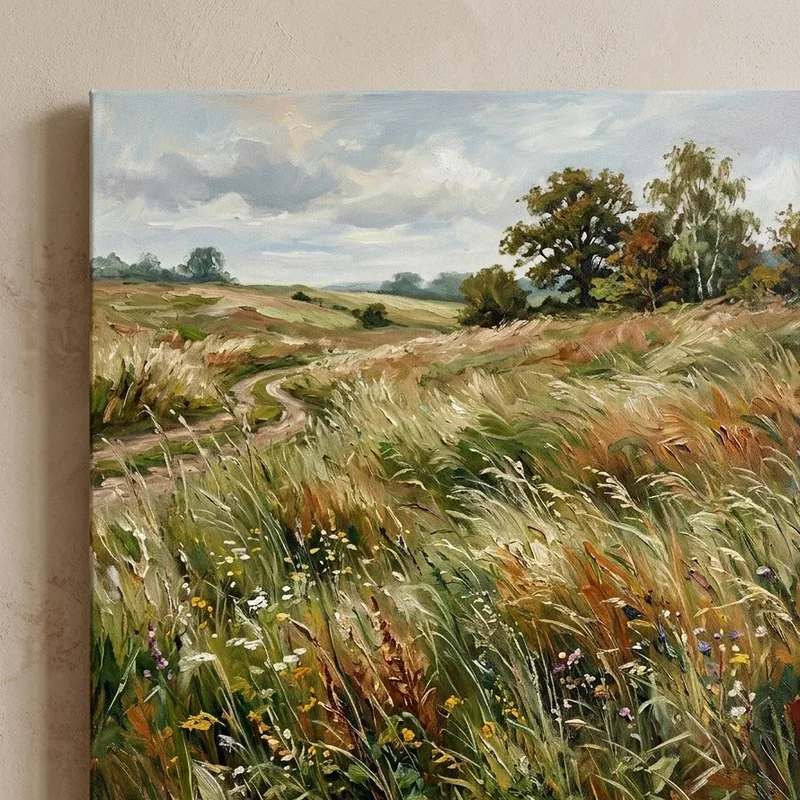
Ocean-inspired paintings often combine blue, turquoise, green, and lighter neutral shades. Landscape compositions can introduce several colors while maintaining a recognizable visual structure.
Textured colorful canvas art
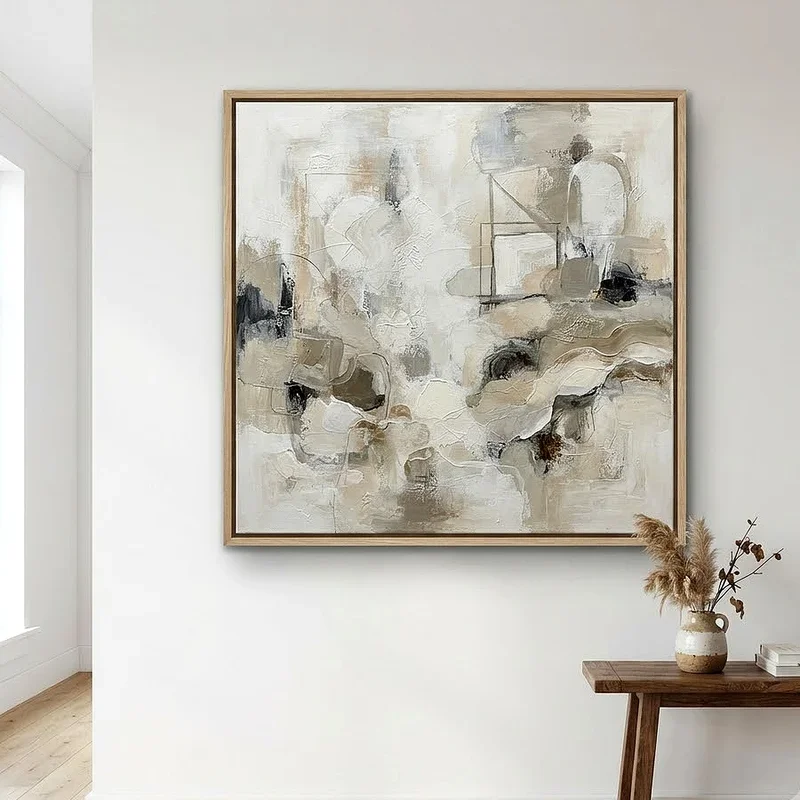
Textured paintings use layered marks and raised-looking surfaces to create visual depth. Light and shadow can change the appearance of these surfaces throughout the day, making texture an important consideration alongside color.
2. How to Choose the Right Color Palette
The most successful colorful paintings relate to the room without matching every accessory exactly.
Blue and green for balanced interiors
Blue and green artwork can complement white walls, beige sofas, pale wood, and neutral textiles. Ocean-inspired compositions are useful when a room needs color but should retain a relatively restrained overall appearance.

Pink, orange, and yellow for stronger accents
Warm colors can create a more energetic focal point. They work particularly well against cream, gray, charcoal, and other relatively neutral backgrounds.
If a painting already contains several saturated colors, keep large furniture pieces and nearby decorations simple. One or two repeated accent colors are often sufficient.
Multicolor artwork for eclectic rooms
Multicolor paintings can connect different shades already present in cushions, rugs, curtains, and decorative objects.
Choose two or three dominant colors from the painting and repeat them selectively. Exact matching is unnecessary; related undertones and balanced contrast usually produce a more natural result.
Neutral colors still matter
Cream, beige, gray, and brown can provide visual breathing room within a colorful composition. Paintings that combine bright accents with quieter areas may be easier to style than compositions where every section competes for attention.
3. Three Colorful Paintings From Wonder Artwork
Wonder Artwork offers several approaches to colorful wall decor. The following examples illustrate how different compositions can suit different walls and decorating preferences.
Colorful Abstract Textured Painting Canvas #AT093

The AT093 design combines expressive abstract marks with a layered palette of cream, blue, gold, and earthy tones. The composition introduces color while maintaining enough neutral space to work with restrained furniture.
Where it works well:
Living rooms with cream or beige upholstery.
Entryways that need a distinctive focal point.
Contemporary interiors with wood and dark metal accents.
Rooms where texture is as important as color.
The product listing includes multiple sizes, with options ranging from smaller canvases to large statement formats. Rolled canvas and several frame finishes are also listed, subject to the selected configuration.
For a balanced arrangement, repeat one of the painting's accent colors in a cushion, vase, or decorative object rather than introducing several competing colors.
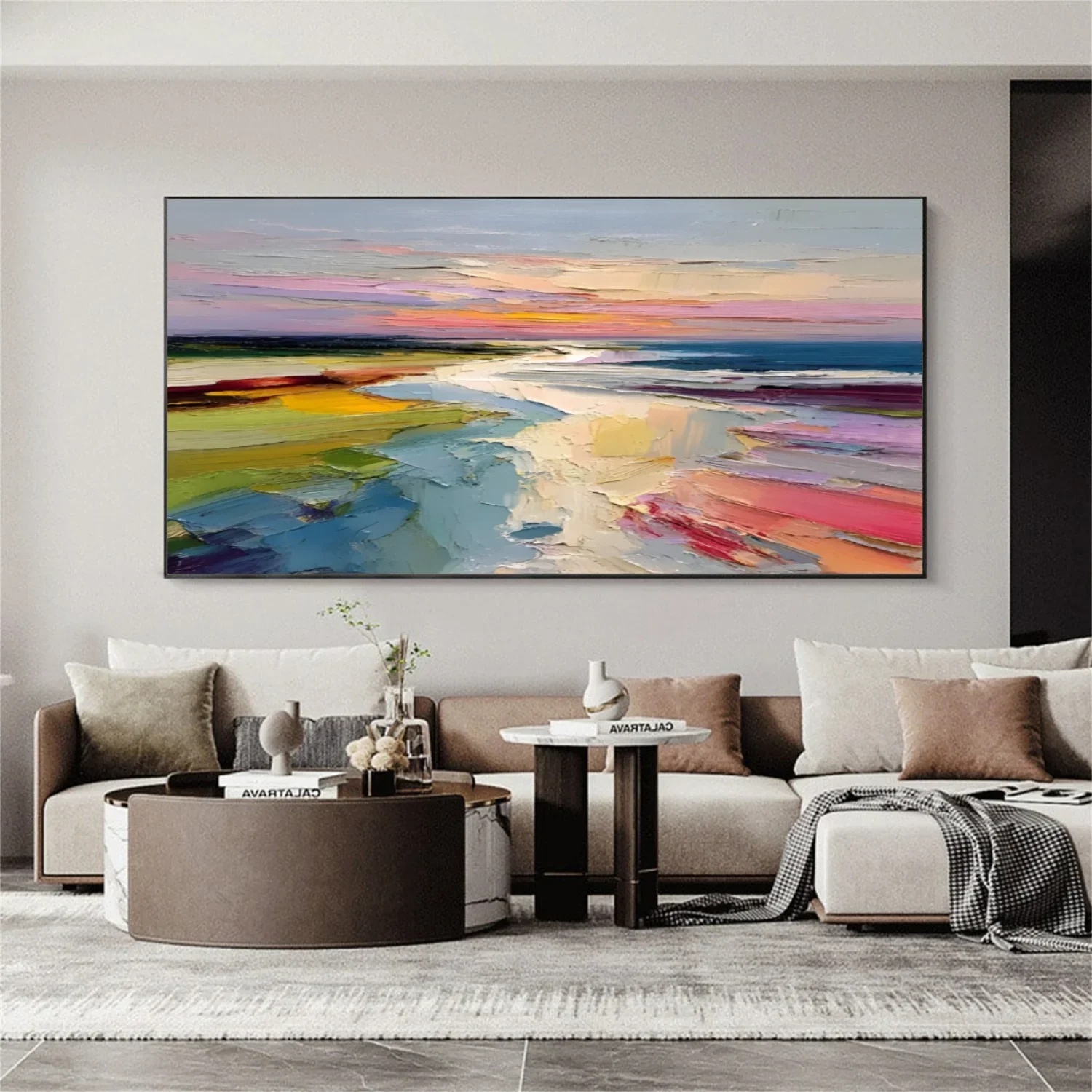
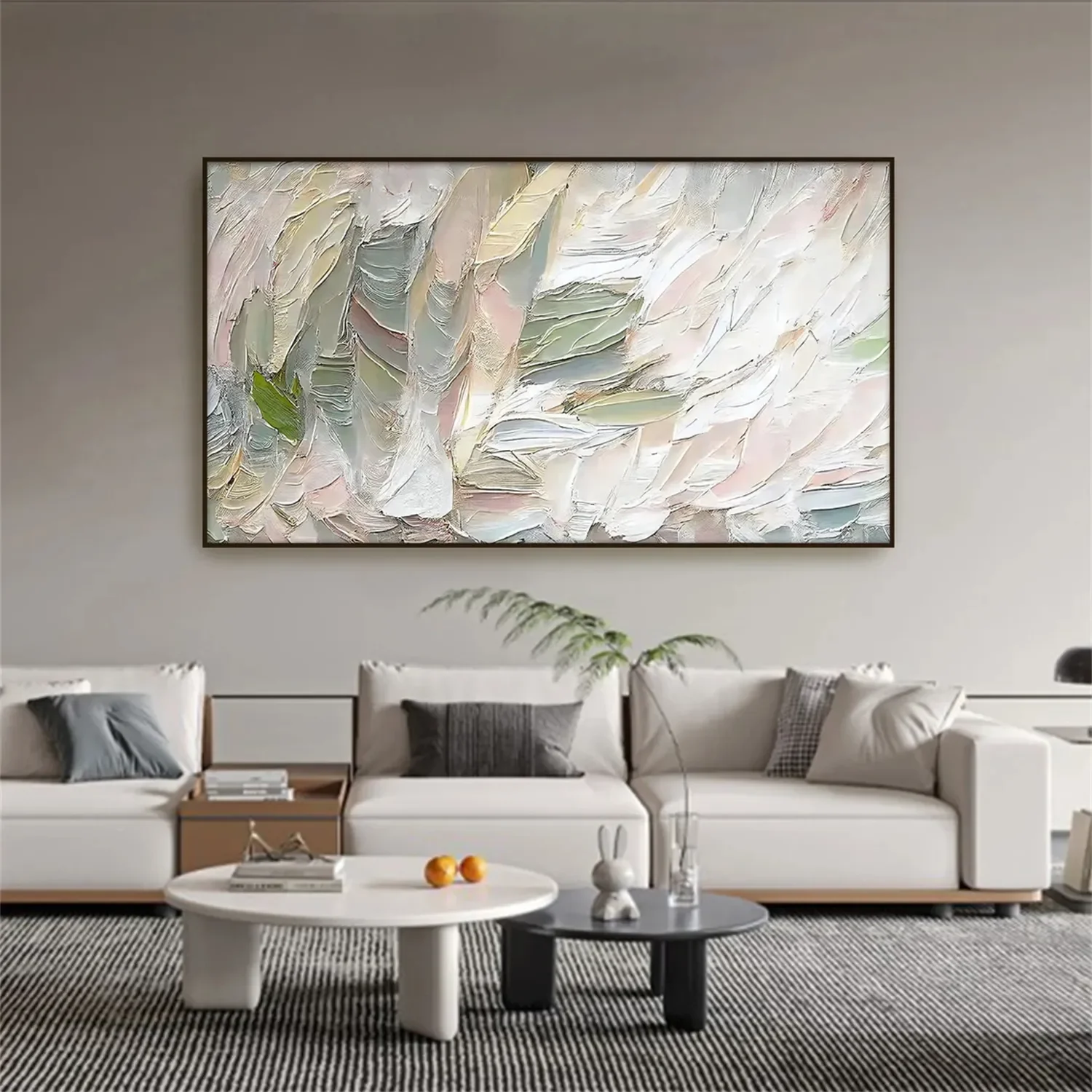
Colorful Ocean and Sky Abstract Textured Wall Art #OS134

The OS134 painting combines a broad horizontal composition with colorful, layered marks inspired by ocean and sky imagery. Pink, blue, green, yellow, and cream create movement across the canvas.
The horizontal format makes this style particularly suitable for walls above sofas, sideboards, and dining tables.
Styling suggestions:
Choose a wide format for an uninterrupted wall above a sofa.
Pair the artwork with neutral upholstery to emphasize the colors.
Repeat a blue or pink accent in nearby accessories.
Consider a frame that complements the room's existing finishes.
The product listing includes horizontal sizes from smaller formats to options as wide as 100 inches, subject to availability. Measure the wall and furniture before selecting a size.
Colorful Abstract Textured Painting Canvas #AT007

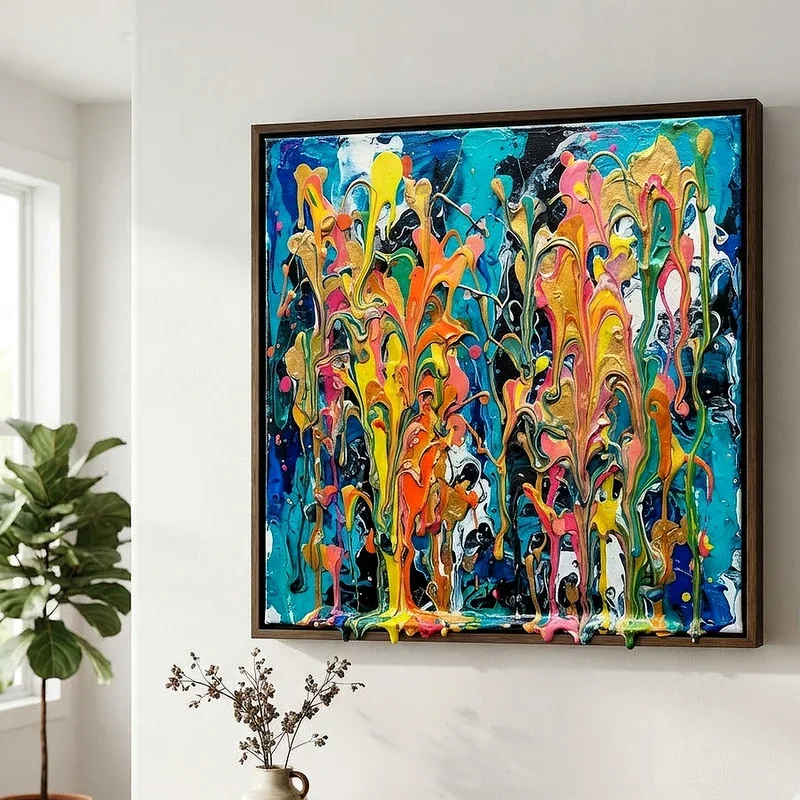
The AT007 design uses layered, expressive brushwork and a lighter multicolor palette. Its pale background allows coral, orange, yellow, blue, and other accent shades to stand out without making the entire composition appear dark.
This style can work well in contemporary apartments, creative workspaces, and living rooms with simple furniture.
How to style it:
Use a neutral wall to preserve contrast.
Pair it with white, cream, or pale gray furniture.
Choose a frame finish that complements nearby wood or metal details.
Keep other wall decorations limited if the painting is intended to be the focal point.
The product listing offers multiple dimensions and presentation choices. Confirm the current specifications and available options before purchasing.
Together, these three designs illustrate three approaches to colorful wall art: earthy abstract texture, expansive ocean-inspired color, and lighter expressive brushwork.
4. How to Choose Colorful Paintings for Different Rooms
Living room
A large colorful painting can anchor the seating area and connect the sofa with cushions, rugs, and decorative objects.
Horizontal artwork often suits wide sofas, while a large vertical painting can work on a narrow wall or beside a seating arrangement. For open-plan interiors, use the painting to establish a visual focal point without overcrowding the surrounding space.
Bedroom
Bedrooms often benefit from colors that complement bedding and create a cohesive appearance. Blue, sage green, muted pink, and warm cream can introduce color without overwhelming the room.
Position the artwork in relation to the headboard and measure the available wall space before choosing the final dimensions.
Dining room
Warm colors and expressive abstract paintings can create a focal point above a dining table or sideboard. Choose a composition that relates to the table's proportions and does not interfere with lighting fixtures.
Home office
Colorful artwork can personalize a workspace and introduce a distinctive background for video calls. Abstract paintings are particularly useful when you want color without a clearly defined subject.
Entryway and hallway
Vertical paintings suit narrow walls, while horizontal artwork can complement a console table. A strong focal point can make an entryway feel more considered without requiring additional furniture.
5. How Big Should Colorful Wall Art Be?
Artwork should relate to the furniture and available wall space.
A useful starting guideline is to choose a painting approximately 60–75% of the width of the sofa beneath it. This is a flexible design recommendation rather than a strict rule.
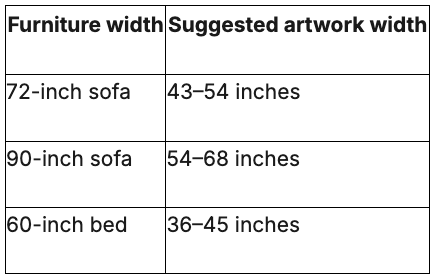
The ideal dimensions also depend on ceiling height, the painting's visual weight, and the surrounding architecture.
Before ordering:
Measure the furniture and wall.
Use painter's tape to visualize the proposed dimensions.
Check the artwork's orientation.
Confirm whether listed dimensions include the frame.
Leave enough space around the artwork so it does not feel crowded.
Single painting or a two-piece set?
A single canvas creates a unified focal point and is often easier to position.
A coordinated two-piece set can distribute color across a wide wall. Measure the total width of both panels and the gap between them before choosing the arrangement.
6. Textured Canvas vs. Smooth Abstract Art
Colorful paintings vary in surface as well as palette.
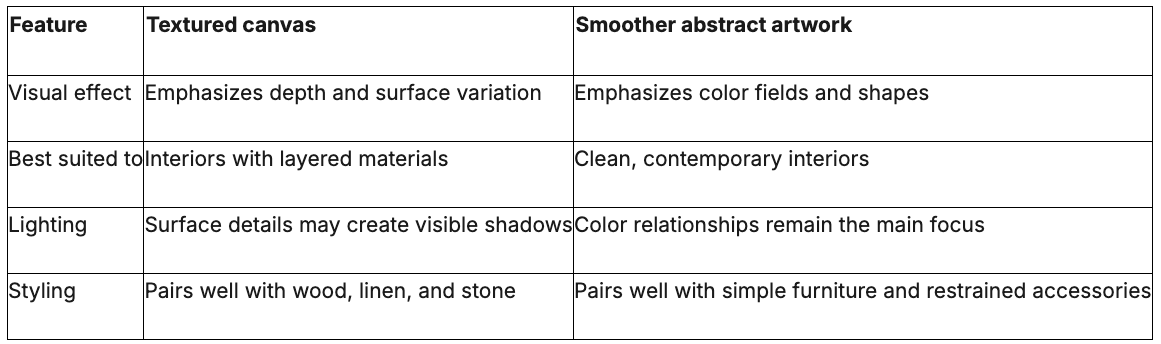
Neither approach is universally better. Choose textured artwork when the room needs additional surface interest. Choose a smoother composition when the room already contains substantial visual detail.
7. Why Choose Wonder Artwork for Colorful Paintings?
Wonder Artwork offers a range of colorful canvas paintings, including abstract, floral, ocean-inspired, and textured designs. Different orientations and available sizes make it possible to compare artwork for compact walls, large living rooms, and other spaces.
Selected paintings are made to order and hand-painted. Product listings describe canvas and framing options, including rolled canvas and black, white, silver, wood, or gold frames where available.
Wonder Artwork also describes a finished-artwork preview process for eligible orders. Customers can review the completed painting before shipment and discuss adjustments according to the applicable product process.
For buyers selecting artwork for a specific wall, these options can help clarify the relationship between color, size, and presentation before the order is dispatched.
Always check the current product listing for dimensions, materials, production estimates, shipping details, and return conditions.
8. Common Mistakes to Avoid
Choosing color without considering scale
A painting may have the right colors but still appear too small above a large sofa. Measure the wall and furniture before selecting the artwork.
Matching every accessory
Repeating every color in the painting can make a room feel overly coordinated. Choose one or two accents and allow other materials to provide contrast.
Ignoring lighting
Daylight and artificial lighting can change how colors appear. Consider the room's lighting when selecting artwork, particularly when the painting contains subtle shades or pronounced texture.
Overcrowding the wall
A large colorful painting often needs surrounding space to remain visually effective. Avoid placing too many competing decorations around the main focal point.
9. Find Colorful Paintings for Your Home

The right colorful painting should complement the room's dimensions, furniture, and existing palette while adding a distinctive visual element.
Explore the Colorful Painting collection at Wonder Artwork to discover expressive abstract compositions, textured canvases, floral artwork, and ocean-inspired designs.
Compare the available sizes and orientations, then consider whether the room needs a subtle accent, a wide horizontal focal point, or a more expressive multicolor composition.
A carefully chosen painting can connect the different elements of an interior and make an ordinary wall feel intentional, personal, and complete.
Frequently Asked Questions
What are the best colorful paintings for a living room?
Abstract, floral, and ocean-inspired paintings can all work well. Choose artwork that complements the sofa, wall dimensions, and existing color palette.
What size painting should go above a sofa?
A useful starting point is approximately 60–75% of the sofa's width. Measure the available wall space before choosing the final dimensions.
How do I choose colorful wall art for a neutral room?
Identify one or two accent colors that complement the furniture. Blue, green, coral, yellow, and multicolor abstract artwork can all work with neutral walls.
Are colorful paintings suitable for minimalist interiors?
Yes. One carefully selected painting can provide contrast and personality while allowing the rest of the room to remain uncluttered.
Should wall art match the furniture?
Exact matching is unnecessary. Related undertones or one shared accent color can create cohesion, while deliberate contrast can make the artwork stand out.
Is textured canvas better than smooth abstract art?
Neither is universally better. Textured canvas emphasizes surface variation, while smoother abstract artwork emphasizes color and composition. Choose according to the room's style.
Can colorful paintings work in small apartments?
Yes. A well-proportioned painting adds visual interest without taking up floor space. Measure the wall and consider one clear focal point rather than several unrelated pieces.
Are horizontal or vertical paintings better?
Horizontal artwork often suits sofas and wide walls. Vertical artwork can emphasize height and work well on narrow walls. Choose according to the available space.
What should I check before buying colorful paintings online?
Review the dimensions, materials, available framing options, production estimates, shipping arrangements, and return conditions. Confirm customization and preview procedures where applicable.
Are colorful paintings good housewarming gifts?
Yes. Consider the recipient's preferred colors, interior style, and available wall space. A versatile abstract or nature-inspired composition can suit many contemporary homes.
Stay up to date with our latest ideas!