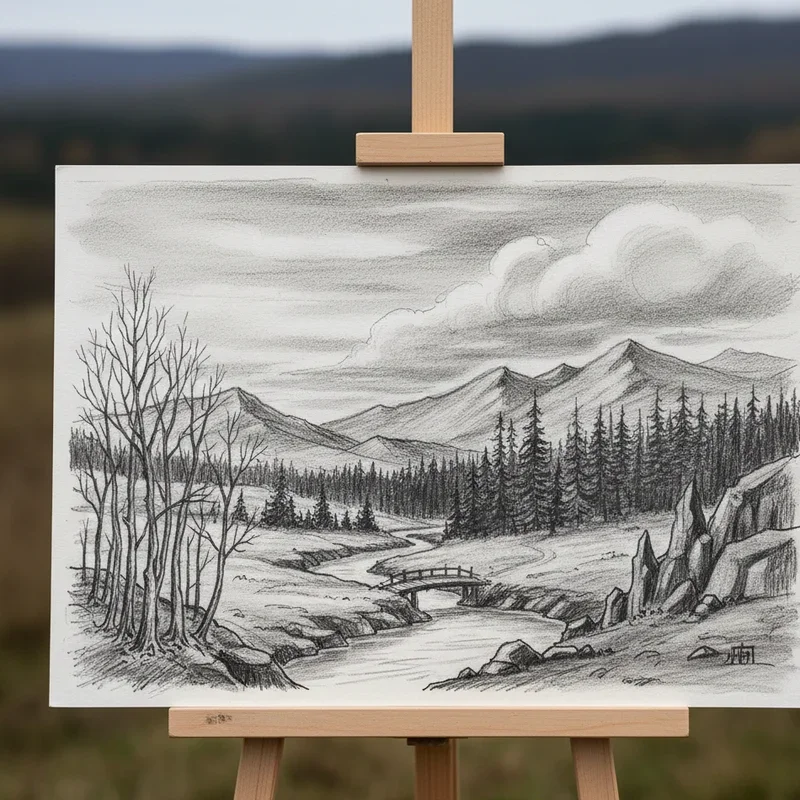
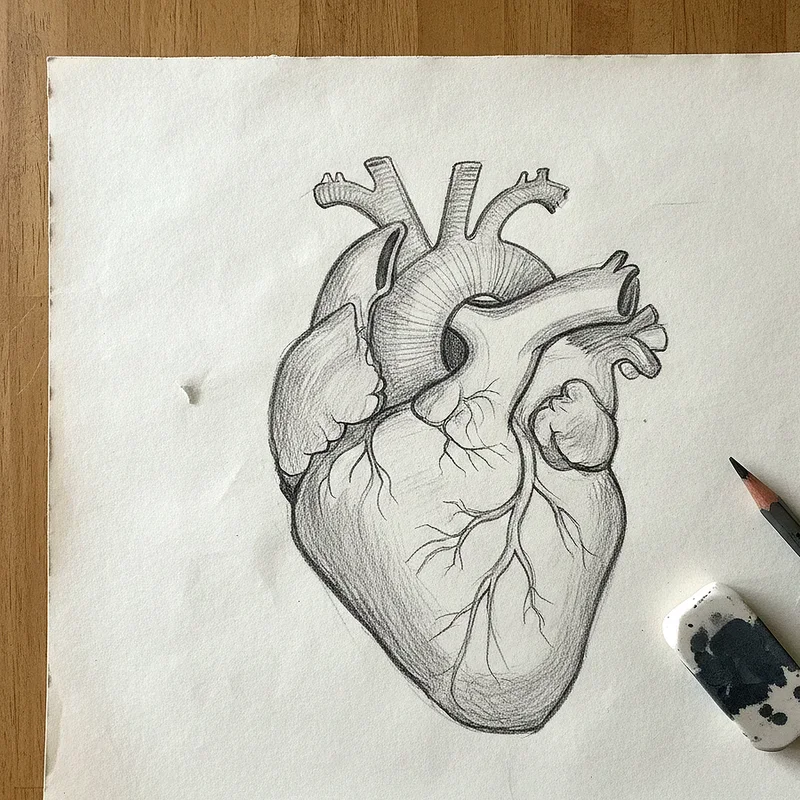
Learn how to add detail to a drawing step by step with practical techniques. Discover tips for texture, shading, and creating depth.
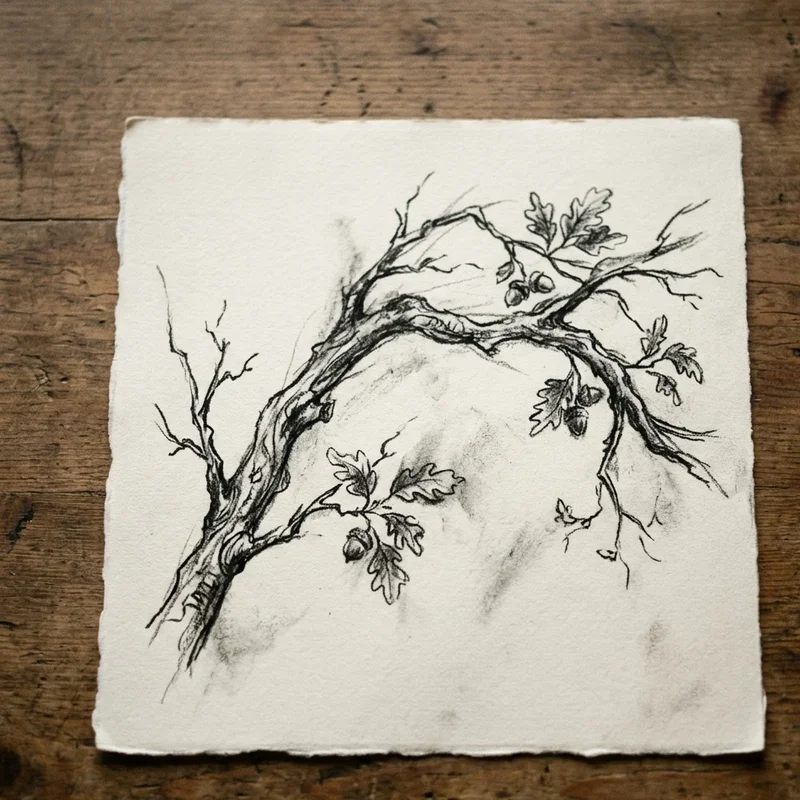
You've sketched out your basic shapes, the composition looks decent, and the proportions are finally behaving themselves. But something's missing, isn't it? That drawing sitting in front of you feels flat, lifeless, like it's just going through the motions rather than truly coming alive on the page.
Here's the thing about drawing. The magic doesn't happen in those initial sketch lines. It emerges when you start layering in the details that transform simple shapes into believable, captivating imagery. That transition from basic outline to finished artwork is where most artists either level up or get stuck in frustration.
Adding detail might seem intimidating, especially when you're staring at professional artwork wondering how on earth they achieved such intricate results. But here's a secret that experienced artists know well. It's not about talent or natural gifts. It's about process, patience, and understanding the systematic approach that makes complex detail achievable.
Understanding how to add detail to a drawing step by step changes everything about your artistic development. This comprehensive guide breaks down the entire process into manageable stages that build upon each other, giving you the roadmap to transform any basic sketch into something truly impressive.
Ready to breathe life into your artwork? Let's dive in.
Understanding the Foundation
Before adding any detail, you need to ensure your underlying structure is solid enough to support what's coming.
Why Structure Matters First
Think of your initial sketch as the skeleton of your drawing. Just like you wouldn't decorate a house before building the frame, you shouldn't jump into details before establishing strong foundational shapes. A wonky structure underneath will make even the most beautiful details look off somehow. Take time to check proportions, relationships between elements, and overall composition before moving forward. Erasing and adjusting at this stage is far easier than trying to fix things after you've invested hours in detailed rendering. This foundation becomes invisible later, but it quietly supports everything visible above it.
Evaluating Your Sketch
Step back from your work and squint your eyes slightly. This trick helps you see the big picture rather than getting lost in lines. Ask yourself whether the main shapes read clearly from a distance. Check if the composition draws the eye where you want it. Look for any glaring proportion issues that will haunt you later. Getting honest feedback at this stage, even from your own critical eye, saves tremendous frustration down the road. Consider taking a photo of your sketch to see it with fresh perspective on a screen.
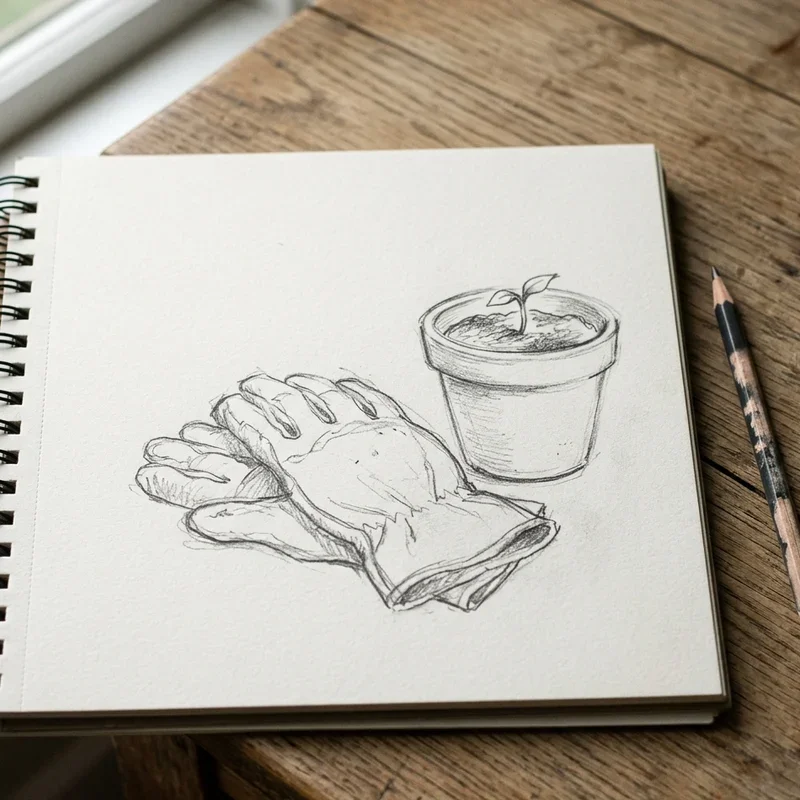
How to Add Detail to a Drawing Step by Step: Planning Your Approach
Strategic planning prevents overwhelm and ensures cohesive results throughout your artwork.
Identifying Detail Priorities
Not all areas of your drawing deserve equal attention, and that's actually a good thing. Determine your focal point, where you want viewers' eyes to land first and linger longest. This area receives your most intricate, careful detail work. Supporting areas get progressively less detail as they move further from the focal point. This hierarchy creates visual interest and prevents that overworked, busy look that happens when everything competes for attention. Think of it like a conversation where one voice speaks clearly while others provide background murmur.
Creating a Mental Roadmap
Before pencil touches paper again, visualize the finished result you're working toward. What textures will you include? Where will highlights and shadows fall? Which areas need the most attention? This mental planning doesn't need to be rigid, but having direction prevents aimless noodling that leads nowhere productive. Some artists make small thumbnail sketches planning their detail approach. Others simply take a few minutes to imagine the finished piece before continuing work.
Building Up Value Gradually
Value, the range from light to dark, creates the foundation for convincing detail throughout your drawing.
Establishing the Value Range
Start by identifying your darkest darks and lightest lights. These anchor points establish the full range you'll work within. Many beginning artists work in the middle gray range exclusively, which creates flat, muddy drawings lacking punch and drama. Push your darks darker than feels comfortable initially. Preserve your whites intentionally rather than covering everything with graphite. This full value range creates the contrast that makes details pop and gives drawings dimensional, realistic qualities that grab viewers' attention immediately.
Layering Values Systematically
Build values gradually through multiple light passes rather than pressing hard immediately. This layered approach gives you control and allows corrections along the way. Start with the lightest values as your first pass across the entire drawing. Add middle values next, developing the three-dimensional form of your subject. Finally, punch in your darkest accents where needed most. This patient building process creates smooth gradations and prevents the patchy, uneven look that comes from working too aggressively too soon.
How to Add Detail to a Drawing Step by Step: Texture Techniques
Texture transforms generic shapes into specific, believable materials that viewers can almost feel.
Understanding Different Textures
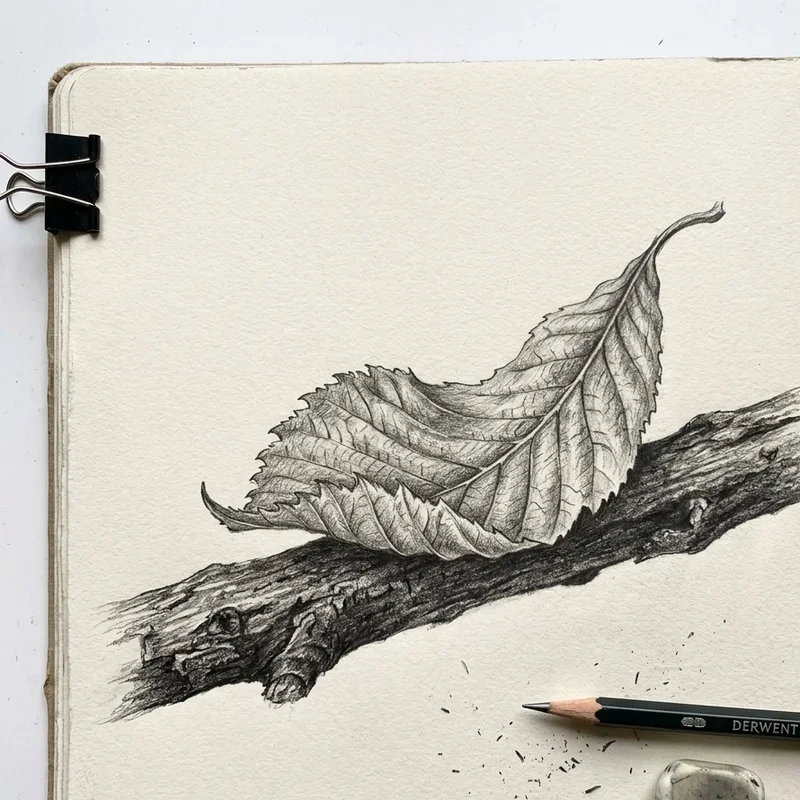
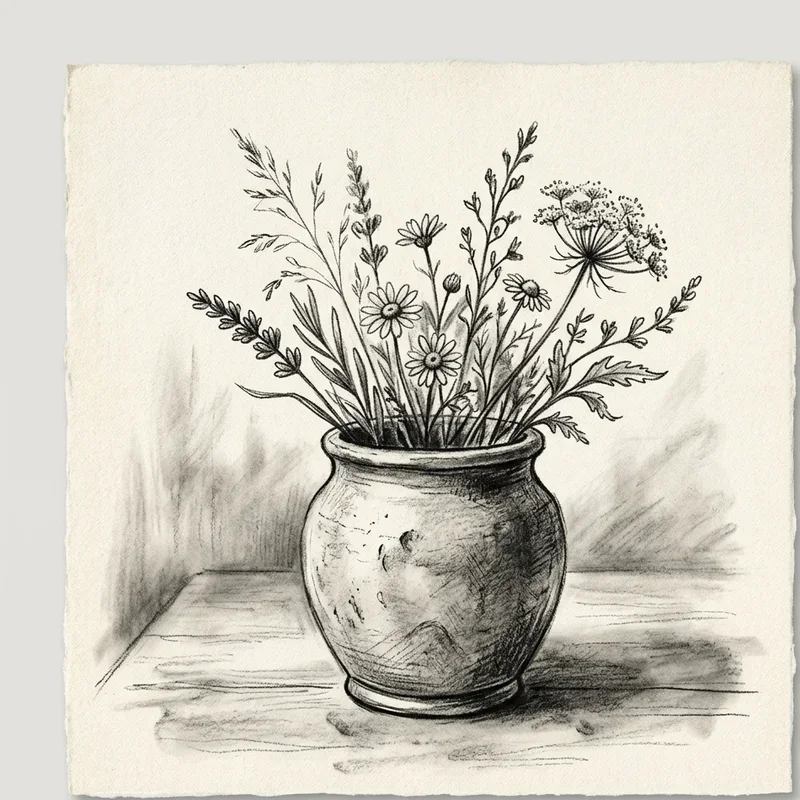
Every surface has unique visual characteristics that require different rendering approaches. Smooth surfaces show clear, clean gradations and crisp reflections. Rough surfaces break up light in irregular patterns with lots of value variation. Soft surfaces like fabric create gentle folds and subtle shadows. Hard surfaces like metal produce sharp highlights and defined edges. Study reference materials closely, observing how light interacts with different textures. This observation directly informs the marks you'll make to recreate those textures convincingly on paper.
Mark-Making Strategies
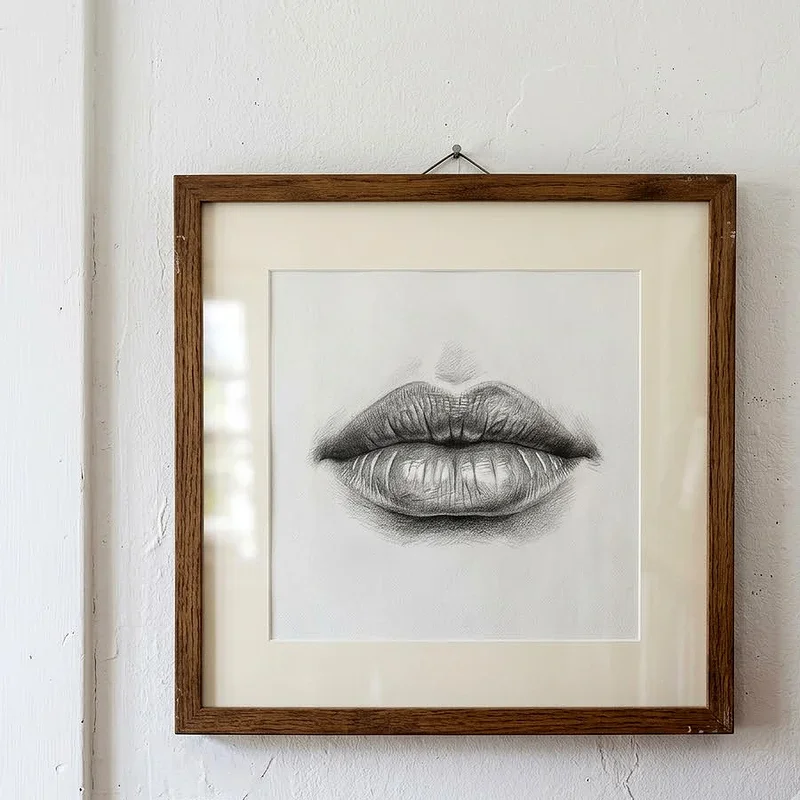
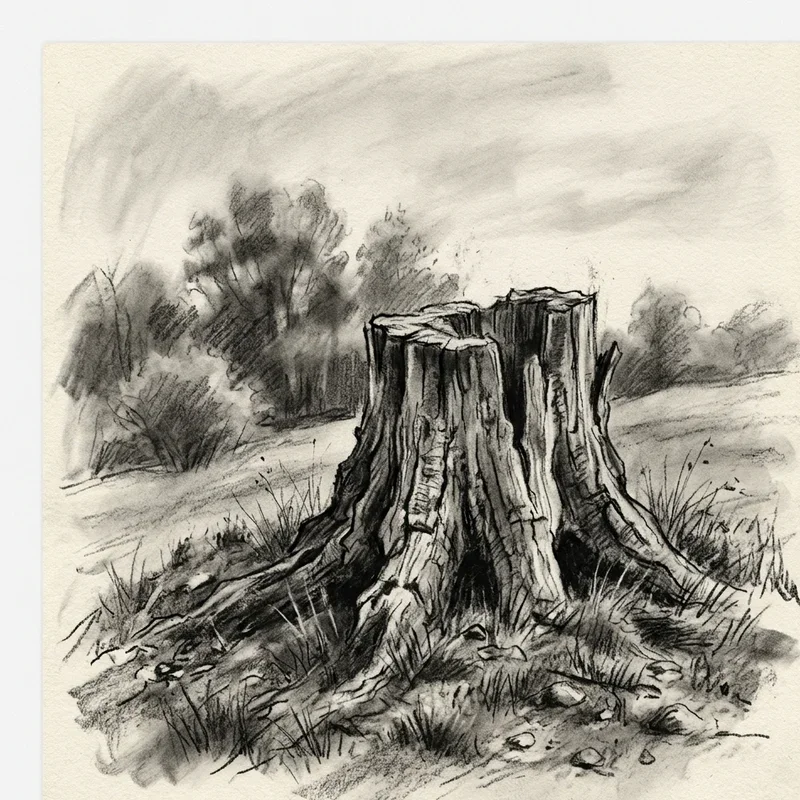
Your pencil strokes themselves communicate texture before shading even enters the picture. Parallel hatching lines suggest smoothness and direction. Cross-hatching creates density and shadow depth. Random, varied marks indicate rough, organic surfaces. Circular motions work well for soft, fuzzy textures like fur or clouds. Short, choppy strokes convey rough bark or stone. Long, flowing lines suggest smooth hair or draped fabric. Matching your mark-making technique to your subject's actual texture creates authentic, believable results that feel right to viewers.
Creating Convincing Material Qualities
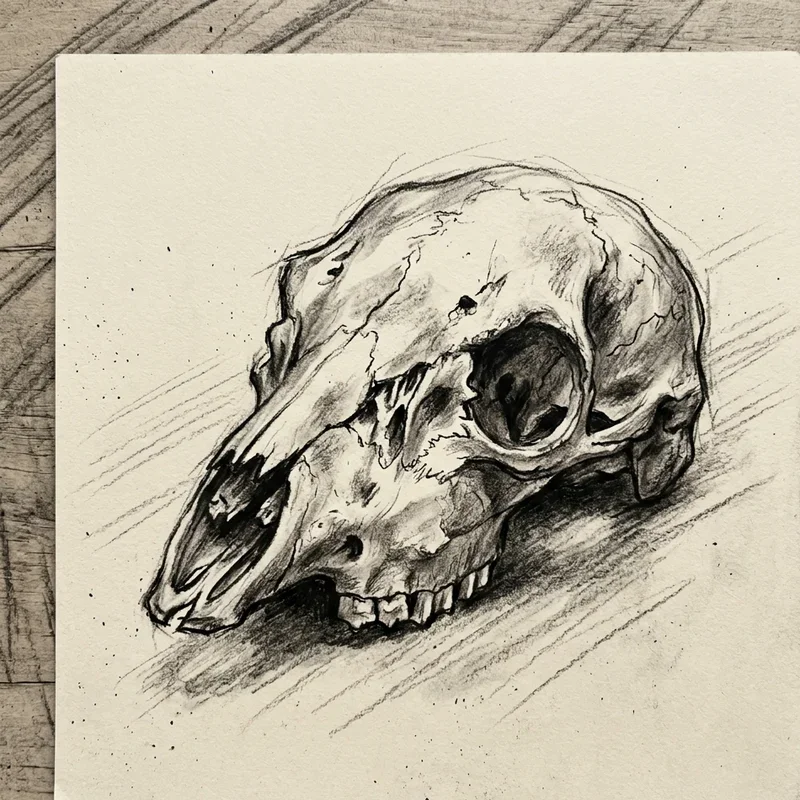
Beyond basic texture, materials have specific light behaviors that make them recognizable. Metal reflects its surroundings and shows high-contrast highlights. Glass transmits, reflects, and refracts light simultaneously. Skin has subtle translucency and varied undertones. Fabric absorbs light softly and creates predictable fold patterns. Wood shows grain direction and growth ring patterns. Each material requires observation and intentional rendering choices. Study real-world examples of materials you're drawing, noticing exactly how light interacts with them under various conditions.
Adding Fine Details
The smallest details often make the biggest impact on finished artwork's professional appearance.
Working From Large to Small
Always progress from bigger shapes to smaller details, not the reverse. Establish major forms first, then subdivide into secondary forms, then tertiary details, and finally the tiniest accents. This hierarchical approach ensures everything relates properly to everything else. Jumping straight to fine details without establishing larger structures creates disconnected, floating elements that don't integrate into the whole composition. Patience with this progression yields far better results than rushing to the fun detail work prematurely.
Knowing When Enough Is Enough
Here's where many artists struggle. Adding detail has a point of diminishing returns where more becomes worse rather than better. Overworked drawings lose freshness and spontaneity. Details start competing with each other rather than supporting the whole. Step back regularly to evaluate whether additional detail improves or clutters your composition. Trust your instincts when something feels complete, even if you could technically add more. Some of the most powerful drawings leave certain areas suggestive rather than fully rendered.
Edge Quality and Variation
How you handle edges dramatically affects detail perception and overall drawing quality.
Understanding Edge Types
Edges exist on a spectrum from razor-sharp to completely lost. Hard edges grab attention and suggest importance. Soft edges recede and create atmospheric depth. Lost edges, where two values merge seamlessly, create unity and prevent that cutout look. Varying your edges throughout a drawing creates visual interest and guides viewer attention naturally. Beginners often draw every edge with equal sharpness, which flattens compositions and fights against depth creation. Master artists use edge variation deliberately and strategically.
Strategic Edge Placement
Position your sharpest, most defined edges at focal points where you want maximum attention. Soften edges as elements recede into background or shadow areas. Allow edges to disappear where forms turn away from light or overlap. This variation mimics how human vision actually works, with sharp focus in limited areas surrounded by softer peripheral vision. Viewers subconsciously respond to edge variation, their eyes naturally drawn to sharpest edges. Use this knowledge to guide attention through your composition intentionally.
Creating Depth and Dimension
Flat drawings become three-dimensional through careful attention to spatial relationships and atmospheric effects.
Overlapping Elements
Overlapping remains one of the simplest yet most effective depth-creation techniques available. When one object partially covers another, viewers immediately understand their spatial relationship. Use overlapping deliberately throughout your compositions, even subtly with slight edge overlaps. This technique works regardless of your shading abilities. Even simple line drawings gain depth through thoughtful overlap arrangement. Look for opportunities to layer elements in your compositions rather than placing everything side by side.
Atmospheric Perspective
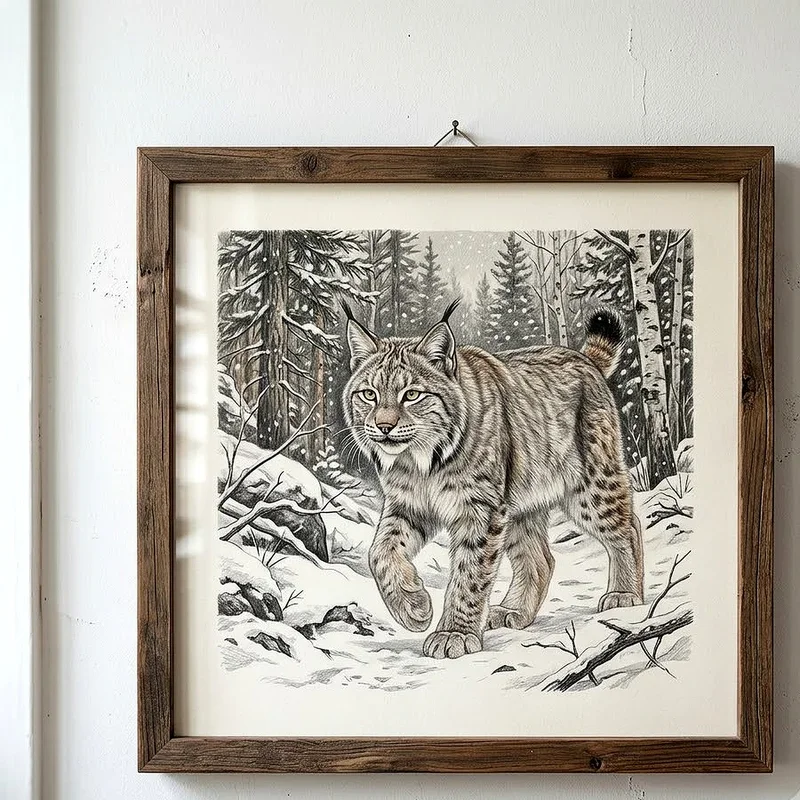
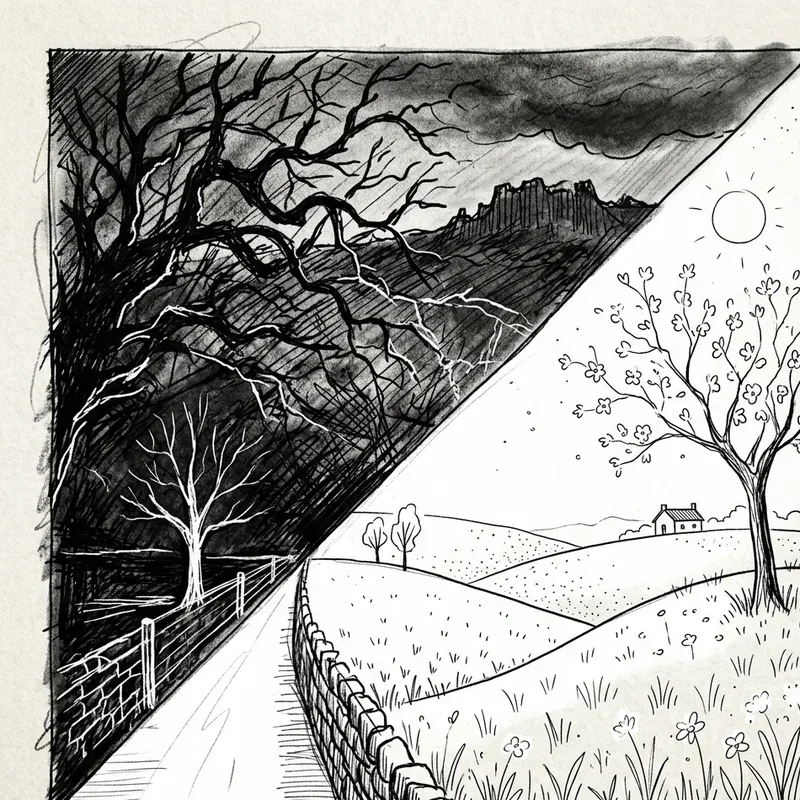
Objects further away appear lighter, lower contrast, and less detailed than nearer objects. Recreating this natural phenomenon adds tremendous depth to drawings. Render foreground elements with full value range, sharp details, and clear edges. Push backgrounds lighter, softer, and less detailed progressively with distance. This atmospheric approach creates the illusion of space extending beyond the picture plane. Even indoor scenes benefit from subtle atmospheric effects between foreground and background elements.
Refining and Finishing
The final stages polish your drawing from good to genuinely impressive through careful refinement.
Assessing Your Progress
Before calling anything finished, evaluate your work systematically. Does the focal point read clearly and demand attention? Do values span the full range from white to black? Does edge variation guide the eye appropriately? Are textures convincing and consistent? Does the composition hold together as a unified whole? Consider photographing your work and viewing it flipped horizontally. This fresh perspective reveals issues your familiar eyes might overlook. Make notes about what needs adjustment before proceeding.
Final Touches and Adjustments
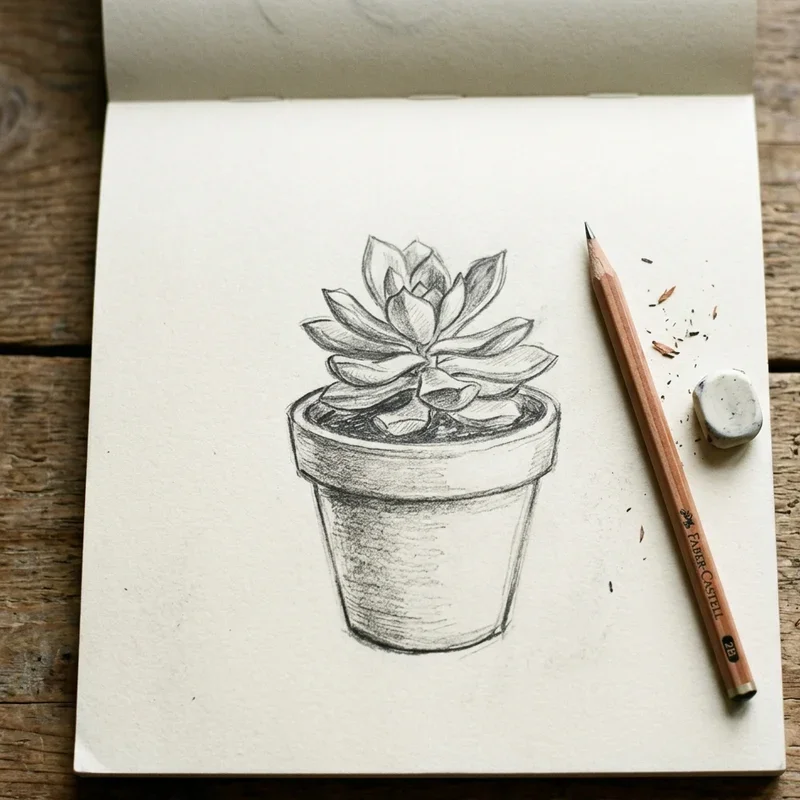
Strengthen your darkest darks if they've faded through working. Clean up any smudges or stray marks in light areas. Sharpen crucial edges that may have softened during rendering. Add final accent details at the focal point that make everything pop. Consider whether any areas feel overworked and might benefit from softening. Sign your work proudly when it reaches completion. These finishing touches might seem minor, but they elevate drawings from almost-done to truly finished, professional-quality artwork.
Common Mistakes to Avoid
Learning what not to do saves tremendous time and frustration throughout your artistic development.
Rushing the Process
Impatience sabotages more drawings than lack of talent ever could. Rushing leads to sloppy fundamentals that no amount of detail can save. Take time at each stage before moving forward. Allow yourself breaks to return with fresh eyes. Remember that professional artists spend hours, sometimes days, on pieces that might seem quick. What appears effortless usually results from patient, methodical process applied consistently over time. Slow down and trust that thoroughness produces better results than speed.
Ignoring Reference Materials
Working entirely from imagination often produces generic, unconvincing results. Real-world reference provides specific details your imagination might never generate. Study photographs, observe actual objects, and reference other artists' work for inspiration. This isn't cheating. It's how professionals work. Reference keeps your details accurate and believable while teaching you things you'll remember for future projects. Build a reference library of images, objects, and resources to support your ongoing artistic development.
Conclusion
Mastering how to add detail to a drawing step by step transforms your artistic capabilities from amateur sketches to professional-quality artwork that captures viewers' attention. The process requires patience, systematic layering of values and textures, strategic planning of focal points, and careful attention to edge quality and depth creation. Remember that impressive detail emerges from methodical process rather than magical talent, meaning anyone willing to practice these techniques can achieve remarkable results. Your drawings deserve the time investment that thoughtful detailing requires.
Read next: 15 Drawing Ideas to Spark Your Imagination
Frequently Asked Questions
1.How long should I spend adding detail to a drawing?
Time varies based on complexity, but rushing always produces worse results than patient, methodical layering.
2.Should I add detail everywhere in my drawing equally?
No, concentrate most detail at focal points while keeping other areas simpler to create hierarchy.
3.What pencils work best for adding fine details?
Harder pencils like H or 2H create crisp fine details while softer B pencils handle broader areas.
4.How do I know when my drawing has enough detail?
Stop when additional marks no longer improve the overall composition or start creating visual clutter.
5.Can I add detail to digital drawings using these same techniques?
Yes, these fundamental principles apply regardless of whether you work traditionally or digitally.
Stay up to date with our latest ideas!