How to Be Creative in Art: Tips for Beginners
Discover how to be creative in art with tips for beginners. Learn practical ways to spark imagination and grow your artistic skills.
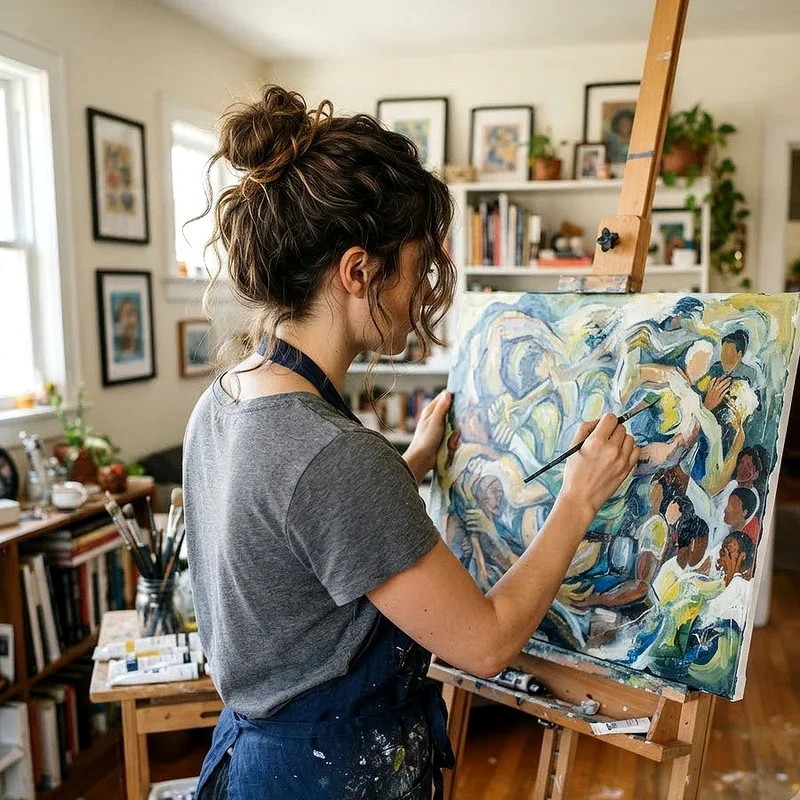
So you want to make art, but every time you sit down with a blank canvas or a fresh sketchbook, your mind goes completely empty. Sound familiar? Well, you are definitely not alone in that struggle. Millions of people around the world feel the exact same creative block, and it can be incredibly frustrating. The good news is that creativity is not some magical gift reserved for a lucky few. It is actually a skill you can develop, nurture, and sharpen over time. Whether you have been doodling on napkins your whole life or you have never picked up a paintbrush, this guide on how to be creative in art: tips for beginners is going to help you find your footing.
Why Creativity Matters More Than Talent in Art
Here is the thing that most people get wrong about art. They think you need to be born with some extraordinary talent to create anything worthwhile. That could not be further from the truth. Creativity is the real engine behind every great piece of art, and it is something that grows stronger the more you use it. Think of it like a muscle. If you never exercise it, it gets weak and sluggish. But when you start working it regularly, it becomes powerful and responsive. Some of the most celebrated artists in history were not child prodigies. They were curious people who kept experimenting, kept failing, and kept pushing forward. Pablo Picasso once said that every child is an artist and the problem is how to remain one once you grow up. That little nugget of wisdom tells you everything you need to know. Creativity is already inside you. You just need to learn how to let it out without overthinking every single stroke.
How to Be Creative in Art: Tips for Beginners Starting from Scratch
Start with What You Love
One of the biggest mistakes beginners make is trying to create art that impresses other people instead of art that genuinely excites them. If you love animals, draw animals. If sunsets make your heart sing, paint sunsets. Starting with subjects you are passionate about makes the whole process feel less like homework and more like play. When you are genuinely interested in what you are creating, your brain naturally comes up with more imaginative ideas. You stop worrying about perfection and start focusing on expression, which is where real creativity lives. Do not let anyone tell you that your favorite subject matter is too simple or too childish. Art is personal, and the most authentic work always comes from a place of genuine love and curiosity. So grab whatever medium feels right and start exploring the things that make you feel alive.
Embrace the Mess and Let Go of Perfection
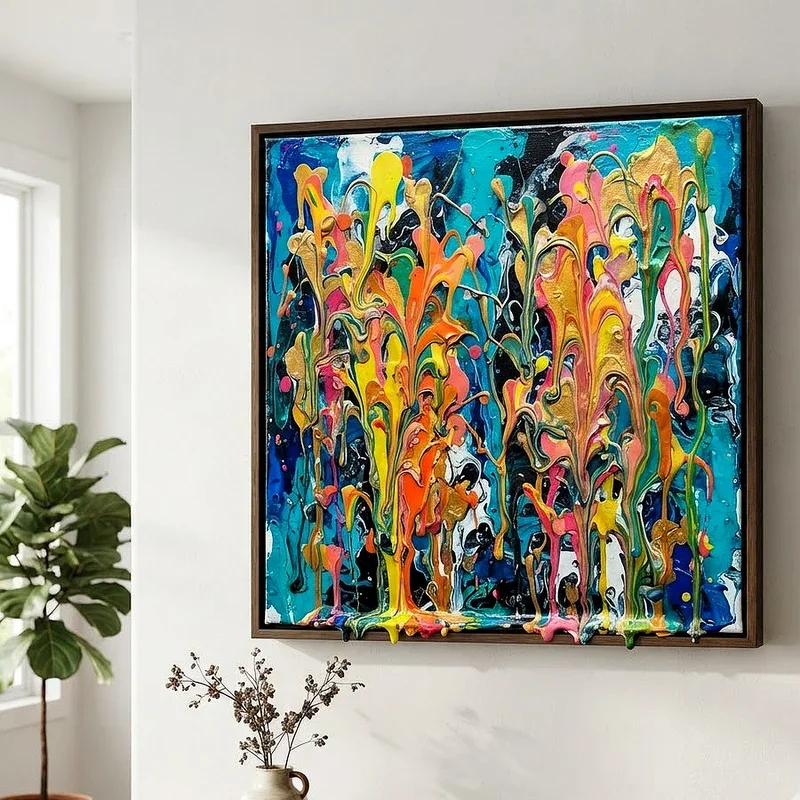
Perfectionism is the number one creativity killer, hands down. When you are so focused on making everything look flawless, you end up second guessing every decision and freezing up entirely. Here is a little secret that experienced artists know well. Some of the best creative breakthroughs happen when things go sideways. That accidental paint splatter might become the most interesting part of your composition. That crooked line might add character and charm that a straight one never could. Give yourself permission to make ugly art. Seriously, let it be messy, let it be weird, let it be imperfect. The goal at this stage is not to produce a masterpiece. The goal is to explore, experiment, and discover what happens when you stop trying to control every outcome. You will be surprised at how much more creative you become when you take the pressure off yourself.
Build a Daily Creative Habit
Waiting for inspiration to strike is like waiting for lightning to hit the same spot twice. It might happen eventually, but you could be waiting a very long time. The most creative artists in the world do not sit around hoping for a flash of brilliance. They show up and do the work every single day, whether they feel inspired or not. Building a daily creative habit does not mean you need to spend hours in a studio. Even fifteen minutes of sketching, doodling, or color mixing can keep your creative engine running smoothly. The key is consistency. When you make art a regular part of your routine, your brain starts generating ideas on autopilot. You begin seeing potential artwork everywhere you look, from the pattern on your coffee cup to the way shadows fall across your kitchen floor. That daily practice is what separates hobbyists from truly creative artists.
Study Other Artists Without Copying Them
Looking at other people's art is one of the fastest ways to spark your own creativity, but there is a fine line between studying and copying. When you admire another artist's work, try to understand why it resonates with you. Is it the color palette? The composition? The emotional tone? Once you identify what draws you in, you can incorporate those principles into your own work without directly imitating anyone. Visit museums, browse online galleries, flip through art books, and follow artists on social media whose work makes you stop scrolling. Exposure to diverse styles and techniques feeds your creative subconscious, and over time, all those influences blend together into something uniquely yours. Think of it like cooking. You taste a hundred different dishes before you develop your own recipes. The same principle applies to art. Absorb everything, then let it marinate until your own creative voice emerges.
Experiment with Different Mediums and Tools
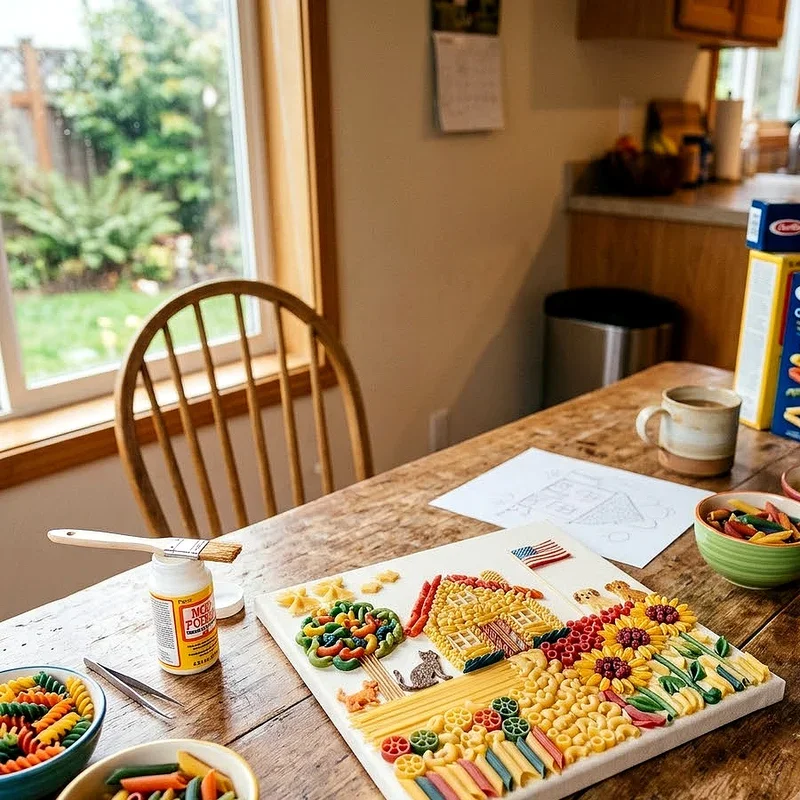
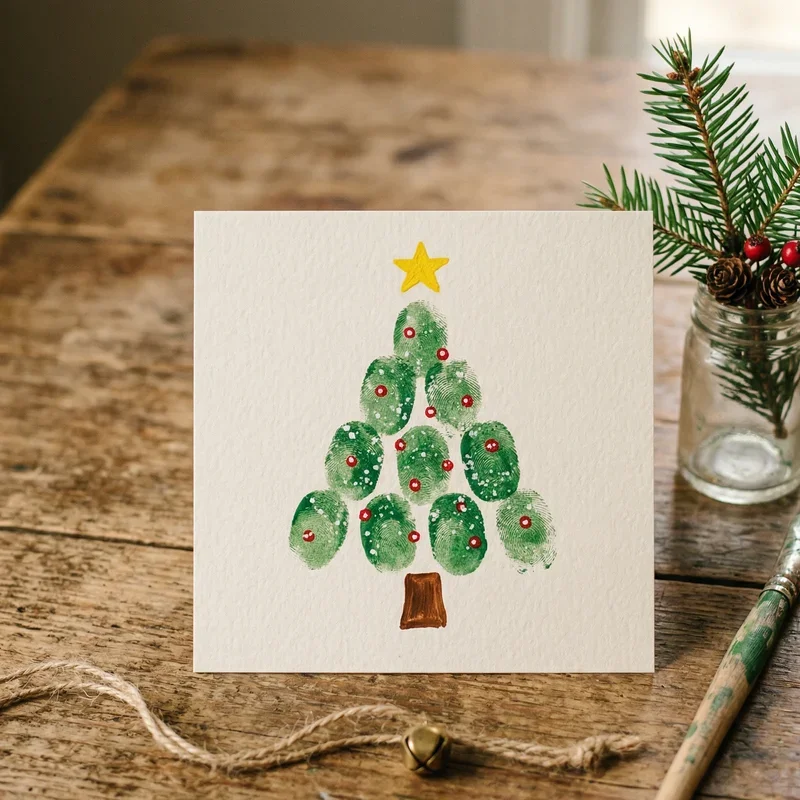
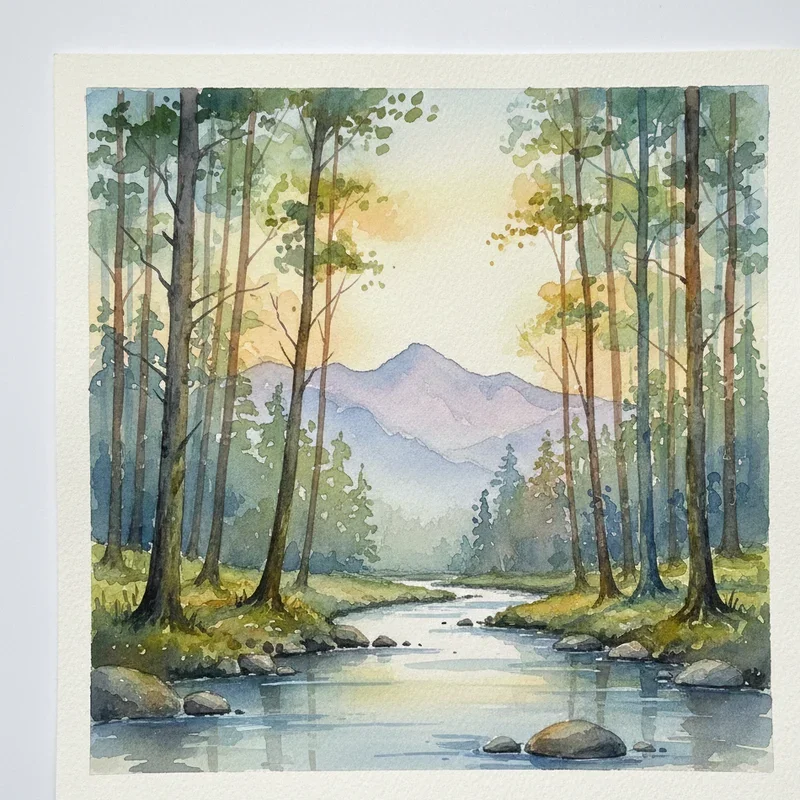
If you have only ever used pencils, try watercolors. If you have been painting with acrylics, give digital art a shot. Switching up your tools and mediums is like taking a different route to work. You see things from a fresh perspective, and that novelty sparks new ideas. Many beginners make the mistake of sticking with one medium because it feels safe and familiar. But comfort zones are where creativity goes to take a nap. Pushing yourself to try unfamiliar materials forces your brain to problem solve in new ways, and that problem solving is essentially what creativity is all about. You do not need expensive supplies either. Grab some cheap pastels from a dollar store, make collages from old magazines, or try finger painting like you did when you were five. The point is not to master every medium. The point is to keep your creative mind agile and open to new possibilities.
Mindset Shifts That Boost Artistic Creativity
Stop Comparing Yourself to Others
Social media has made it way too easy to compare your beginner work to someone else's polished masterpiece. That comparison game is a trap, and it will drain your creative energy faster than anything else. Remember, you are seeing someone's highlight reel, not their behind the scenes struggles. Every amazing artist you admire has a drawer full of terrible sketches and failed experiments. They just do not post those on Instagram. Instead of measuring your work against others, measure it against your own previous efforts. Are you improving? Are you trying new things? Are you enjoying the process? If the answer to any of those questions is yes, you are on the right track. Creativity thrives when you focus on your own journey rather than looking over your shoulder at everyone else's.
Welcome Mistakes as Creative Teachers
Every mistake you make in art is basically a lesson wrapped in frustration. When something does not turn out the way you planned, your first instinct might be to crumple it up and start over. But hold on a second. Before you toss that piece, take a closer look. What went wrong? More importantly, what went unexpectedly right? Some of the most iconic artistic techniques were discovered by accident. Happy accidents are a real thing, and they happen all the time when you are willing to pay attention. Start keeping a journal of your artistic experiments, including the ones that flopped. Over time, you will notice patterns in your creative process that help you understand how your mind works. That self awareness is incredibly valuable and will make you a more intentional and innovative artist in the long run.
Create for Yourself First
In a world obsessed with likes, shares, and followers, it is tempting to create art specifically for an audience. But when you start making decisions based on what you think other people want to see, you lose touch with your own creative instincts. The most compelling art comes from artists who create primarily for themselves. They make work that satisfies their own curiosity, explores their own emotions, and reflects their own unique perspective on the world. When you create for yourself first, your art becomes more honest and more interesting. People can sense authenticity, and ironically, the art you make without worrying about public opinion often ends up being the art that resonates most deeply with others. So stop trying to guess what the algorithm wants and start making what your heart tells you to make.
Practical Exercises to Spark Your Creativity
Getting creative does not always require grand gestures or elaborate projects. Sometimes the simplest exercises produce the most surprising results. Here are a few activities you can try right now to get your creative gears turning.
Try blind contour drawing, where you sketch a subject without looking at your paper. This forces you to focus on observation rather than outcome. Set a timer for five minutes and create as many thumbnail sketches as possible on a single theme. Speed eliminates overthinking and reveals your raw creative instincts. Pick a color you never use and build an entire piece around it. Constraints like this push you out of comfortable patterns and into uncharted creative territory. Recreate a photograph using an art style that is completely different from the original. Turn a realistic landscape into an abstract composition or transform a portrait into a cartoon. Take a walk with a sketchbook and draw the first three things that catch your eye, no matter how mundane they seem. A fire hydrant, a cracked sidewalk, and a pile of leaves can become fascinating subjects when you really look at them.
These exercises are not about producing gallery worthy art. They are about training your brain to think creatively under different conditions, which is exactly what learning how to be creative in art: tips for beginners is all about.
Finding Your Unique Artistic Voice
Discovering your artistic voice is not something that happens overnight. It is a gradual process that unfolds as you experiment, fail, learn, and grow. Your voice is the combination of your personal experiences, your aesthetic preferences, your technical skills, and your emotional responses to the world around you. Nobody else has your exact combination of those ingredients, which means nobody else can make art exactly like yours. That is a beautiful thing, and it is worth embracing even when your work feels rough or unfinished. Keep creating, keep exploring, and keep paying attention to what excites you. Over time, certain themes, colors, techniques, and subjects will keep showing up in your work. Those recurring elements are the building blocks of your unique voice. Trust the process and be patient with yourself. Every piece you create, whether you love it or hate it, brings you one step closer to understanding who you are as an artist.
How to Stay Motivated When Creativity Feels Stuck
Creative blocks happen to everyone, from absolute beginners to seasoned professionals. When you hit a wall, the worst thing you can do is force yourself to push through with sheer willpower. Instead, try changing your environment. Go outside, visit a new place, listen to music you have never heard before. Sometimes your brain just needs a different kind of input to start generating fresh ideas again. Another helpful strategy is to lower the stakes. Instead of working on a big project, make something small and temporary. Draw on a napkin, paint on cardboard, or make a tiny sculpture out of tin foil. When the pressure is off, creativity tends to come back on its own. And if all else fails, just take a break. Rest is not the enemy of creativity. It is actually one of its most powerful allies. Your subconscious mind keeps working on creative problems even when you are not actively thinking about them, so give it some space to do its thing.
Conclusion
Learning how to be creative in art: tips for beginners really comes down to showing up, staying curious, and giving yourself permission to experiment without fear. Creativity is not a destination you arrive at but a journey you keep walking every single day. Embrace the messy parts, celebrate the small wins, and never stop exploring new ideas. The world needs your unique perspective, so pick up that brush, pencil, or stylus and start creating something only you can make.
Read next: How Do You Produce a Tone in Art? Simple Guide
Frequently Asked Questions
Q1. Do I need natural talent to be creative in art?
A: No, creativity is a skill anyone can develop through consistent practice and curiosity.
Q2. What is the best art medium for complete beginners?
A: Pencil sketching and watercolors are affordable, forgiving, and great for learning foundational skills.
Q3. How long does it take to develop a unique artistic style?
A: Most artists develop a recognizable style after several months of regular experimentation and practice.
Q4. Can I learn to be creative by copying other artists?
A: Studying others helps build skills, but true creativity comes from adding your own perspective.
Q5. What should I do when I feel completely stuck creatively?
A: Change your environment, try a new medium, or simply rest and let inspiration return naturally.
Stay up to date with our latest ideas!