15 Art Classroom Door Ideas to Inspire Students Daily
Explore 15 art classroom door ideas to inspire students daily with creative displays that welcome young artists into every lesson.
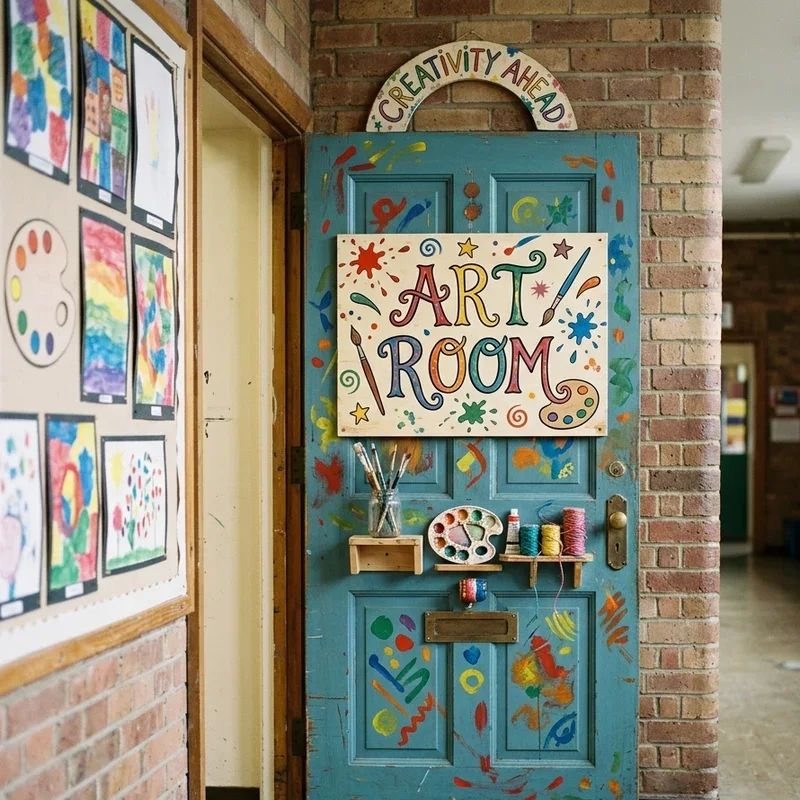
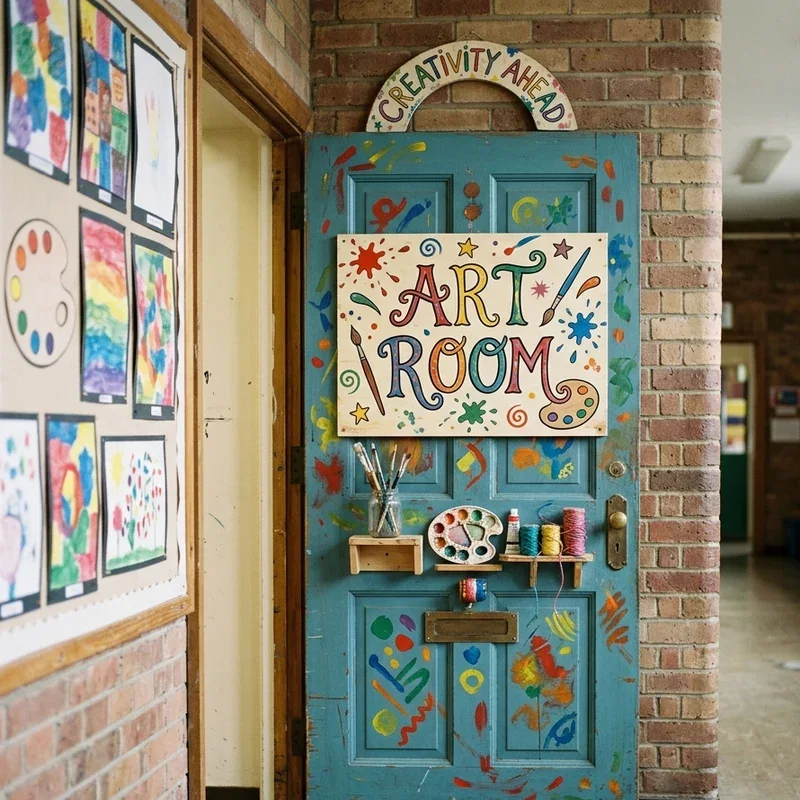
Art classroom doors serve as the very first creative experience students encounter before they even step inside your room, making that rectangular surface the most underutilized canvas in your entire teaching arsenal if you leave it plain and uninspired. Have you ever noticed how students physically perk up when they spot an unexpectedly creative door display while walking down an otherwise monotonous school hallway? That instant mood shift happens before any lesson begins. Think of your classroom door as the opening credits of your daily art show, setting the creative tone and building anticipation for everything waiting inside. These fifteen door ideas transform your entrance into daily inspiration every student absorbs.
1. Giant Paint Palette Welcome Display
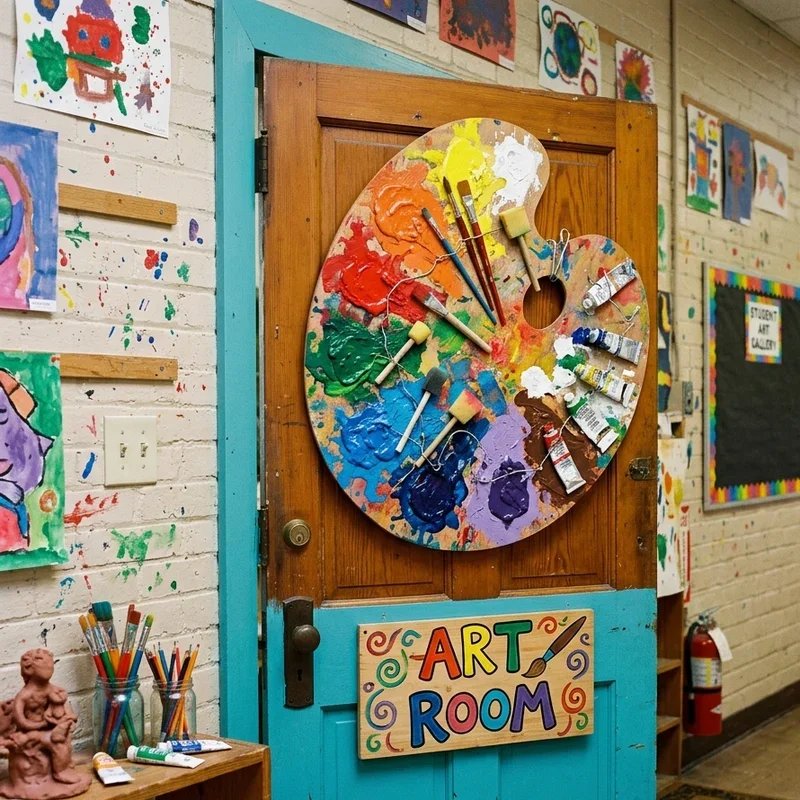
A giant paint palette welcome display covers the entire door surface with a large painter's palette shape cut from brown bulletin board paper, topped with oversized paint blob circles in every primary and secondary color alongside a massive paintbrush extending across the door handle, creating an instantly recognizable art room entrance that signals creativity from fifty feet down the hallway. Giant palette doors work like hanging a neon sign above your classroom that screams creativity lives here without using a single word, the universal art symbol communicating your room's identity to every student, parent, and visitor passing through the corridor. Write each student's name inside a different paint blob creating personal belonging. Change blob colors seasonally keeping the display fresh while maintaining the recognizable palette framework throughout the entire school year.
2. Famous Artist Portrait Gallery Door
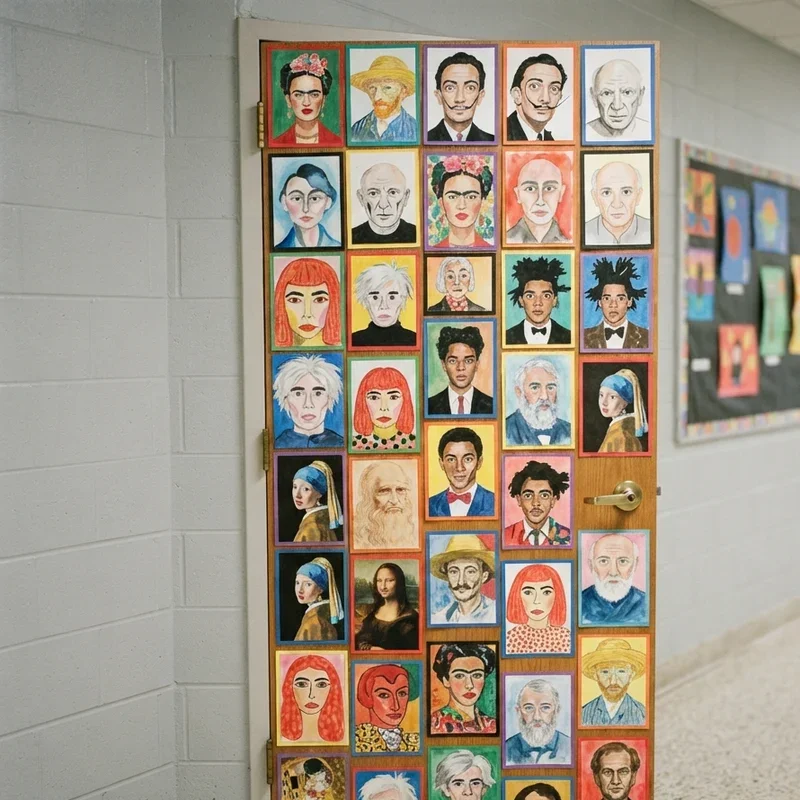
A famous artist portrait gallery door displays printed or student-drawn portraits of iconic artists including Frida Kahlo, Vincent van Gogh, Pablo Picasso, Georgia O'Keeffe, and Jean-Michel Basquiat alongside brief biographical quotes and their most recognizable artwork thumbnails, creating a rotating museum entrance that introduces art history passively every time students enter class. Portrait gallery doors work like stationing an invisible museum docent beside your entrance who silently teaches art history to every person walking past, the repeated daily exposure planting artist names and faces into student memory without formal instruction. Rotate featured artists monthly aligning with current curriculum units. Include diverse artists representing various cultures, time periods, genders, and artistic movements ensuring every student sees themselves potentially reflected in the creative lineage displayed proudly on your door.
3. Interactive Color Wheel Spinning Door
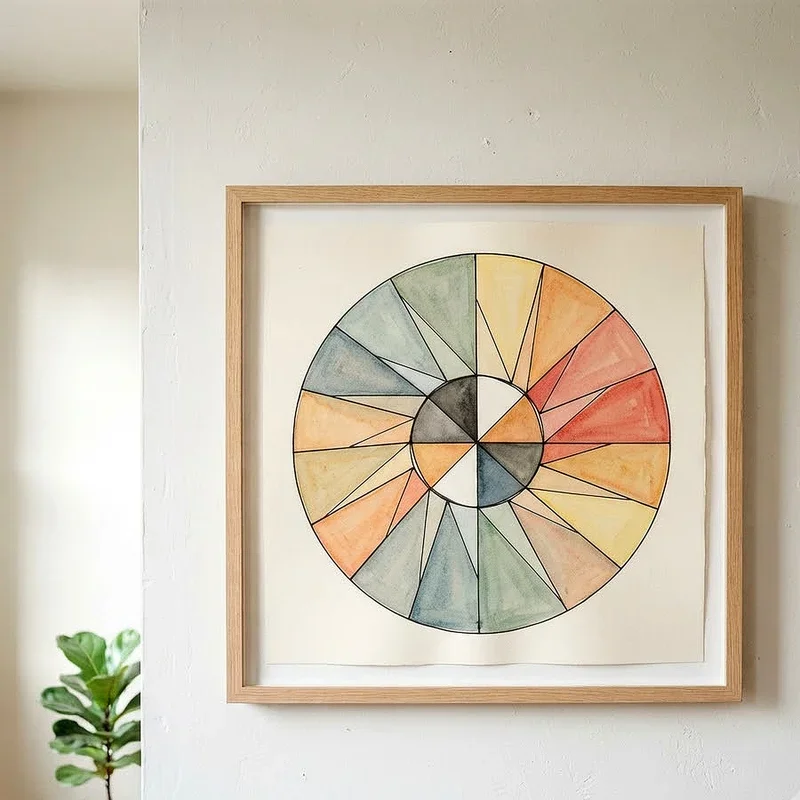
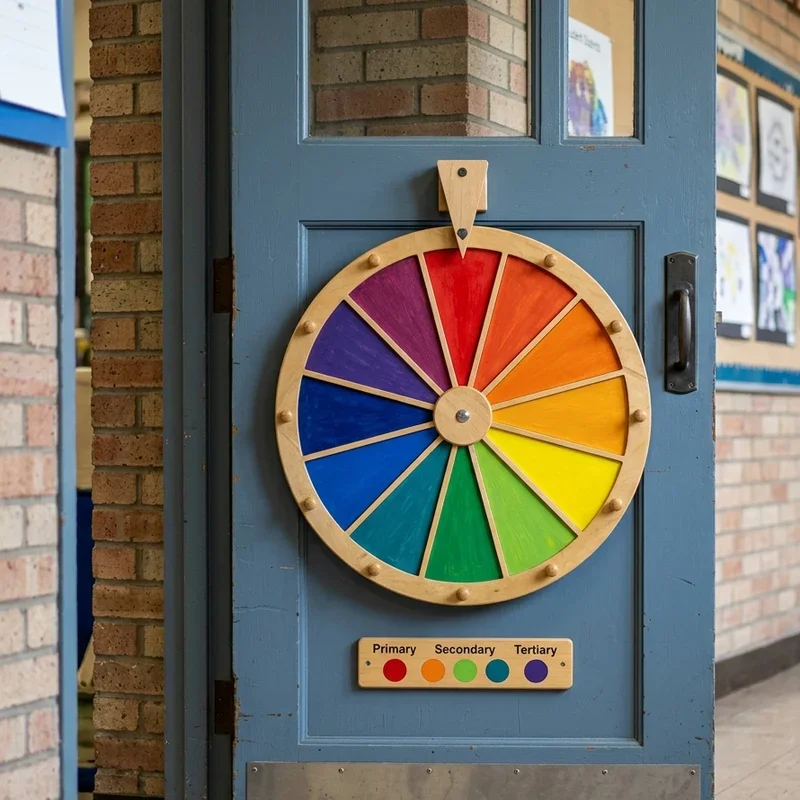
An interactive color wheel spinning door mounts a large circular color wheel made from layered cardboard that students physically spin before entering class, landing on a color that becomes their warm-up challenge for that session, creating an engaging daily ritual that transforms a static display into a participatory game students genuinely anticipate. Spinning color wheels work like installing a creative slot machine beside your door where every spin delivers a different artistic challenge, the randomized color assignment removing decision paralysis while adding playful unpredictability to every class beginning throughout the semester. Attach the wheel using a central brad fastener allowing smooth rotation. Write creative prompts around the wheel's edge corresponding to each color section, such as "draw something this color" or "name three artists who used this color famously."
4. Collaborative Student Mural Door Project
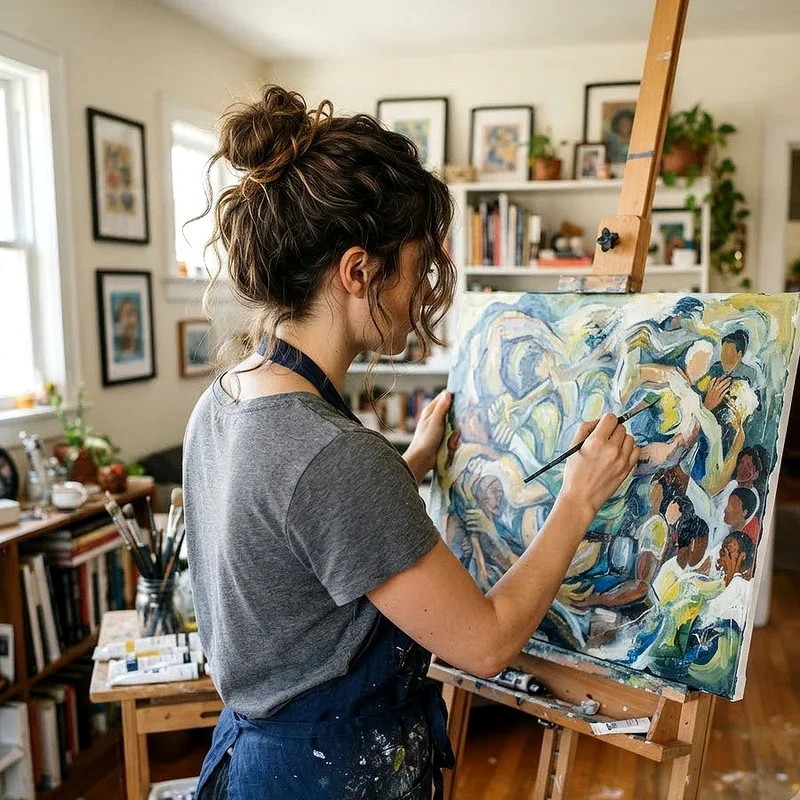
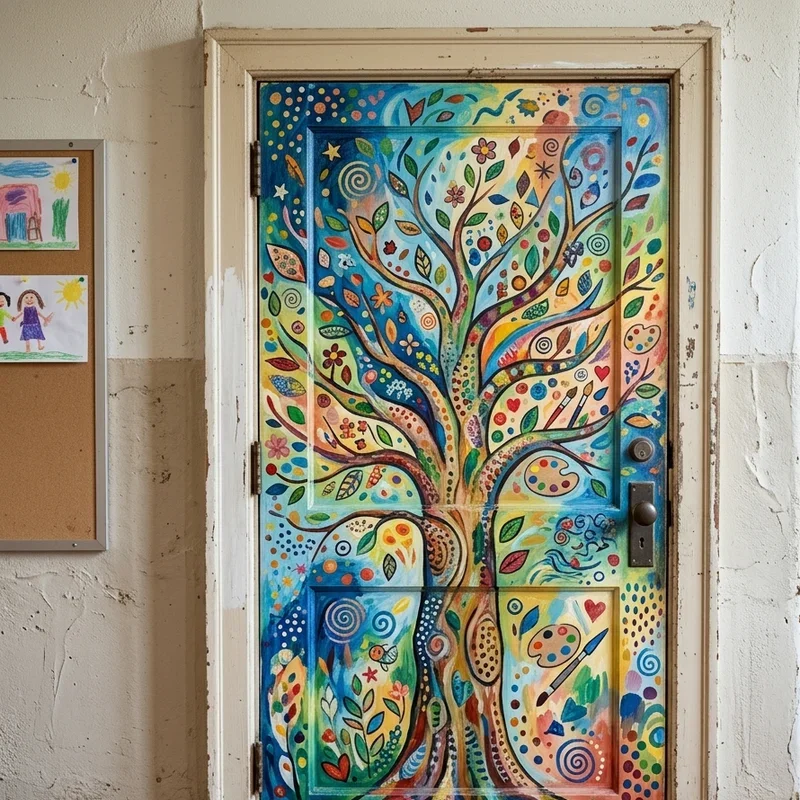
A collaborative student mural door project assigns every student a small section of the door surface to paint, draw, or collage their individual contribution to a larger unified theme, assembling individual pieces into a collective artwork that demonstrates collaboration while giving every participant visible ownership of the shared classroom entrance. Collaborative murals work like assembling a creative jigsaw puzzle where every student contributes one essential piece, the completed door proving visually that individual creativity strengthens rather than diminishes when combined purposefully with the creative expressions of an entire classroom community working together. Choose unifying themes like "our creative city" or "the garden of imagination" providing enough structure for coherence while leaving individual sections open for personal interpretation. Photograph the completed mural before seasonal changes preserving the collaborative achievement permanently.
5. Art Supply Themed Entrance Display
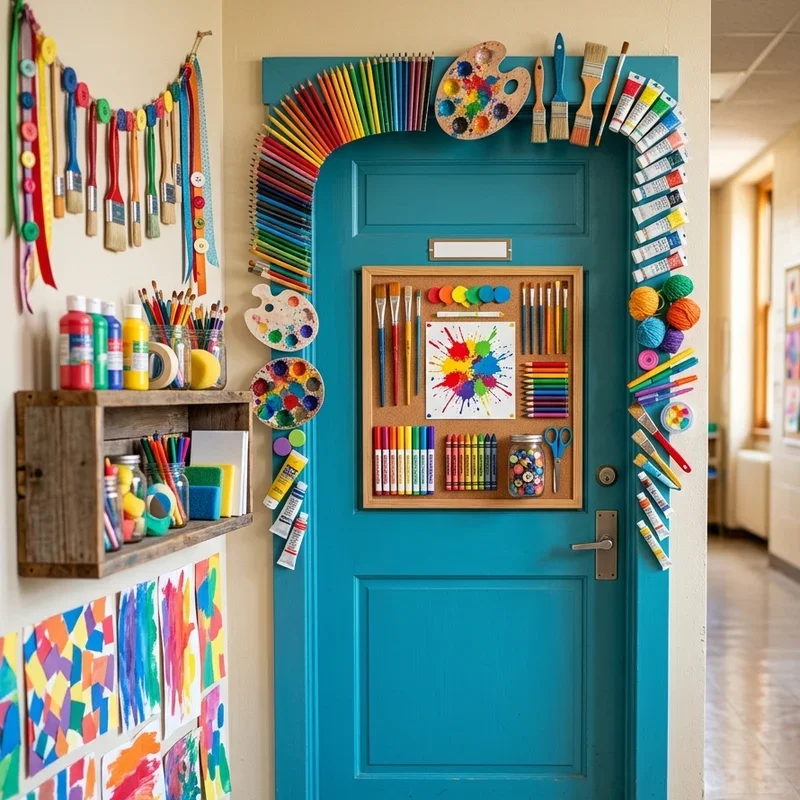
An art supply themed entrance display decorates the door using oversized paper cutouts of paintbrushes, pencils, scissors, rulers, paint tubes, and erasers arranged in a dynamic cascading composition that celebrates the tools of artistic creation while doubling as a visual inventory reminding students what materials await inside the creative workspace. Art supply doors work like creating a giant advertisement for the creative possibilities hiding behind the door, every oversized tool silhouette promising students that today's lesson involves getting their hands on something exciting and making something that did not exist when they woke up this morning. Cut supplies from brightly colored cardstock creating bold, graphic representations. Add humorous speech bubbles to each tool, like a pencil saying "I'm ready to sketch your ideas" creating personality that makes students smile upon every arrival.
6. Seasonal Masterpiece Recreation Door
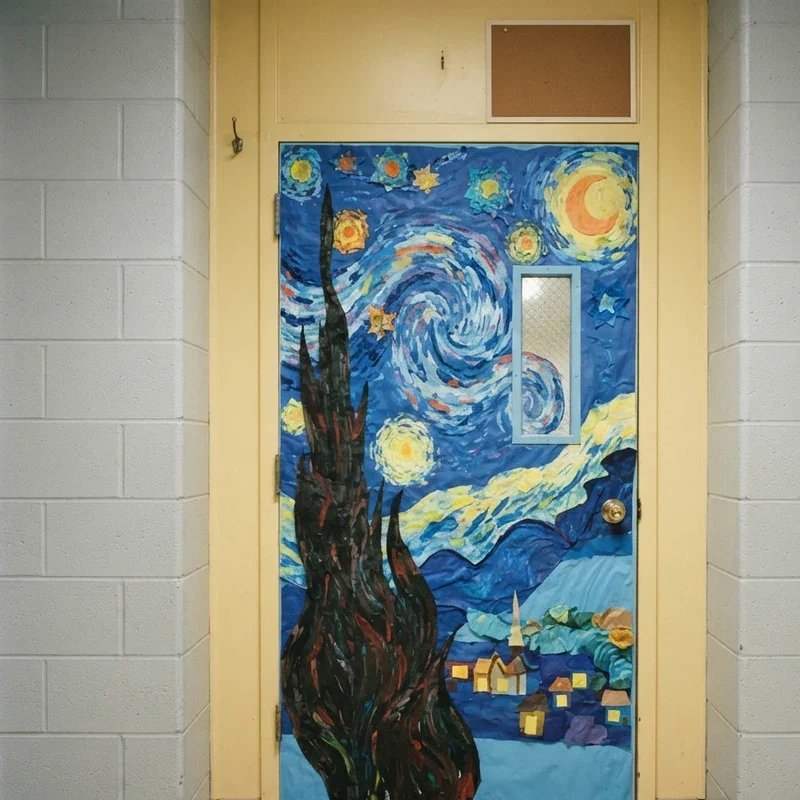
A seasonal masterpiece recreation door replicates a famous artwork adapted with seasonal modifications four times per year, transforming Starry Night into a snowy winter scene, The Great Wave into a spring blossom wave, Monet's garden into a summer paradise, and Munch's Scream into a Halloween-themed autumn version visitors photograph enthusiastically. Seasonal masterpiece doors work like hiring a world-famous artist to redecorate your entrance quarterly except you adapt their most recognizable work into seasonal celebrations that make art history accessible through familiar holiday contexts students immediately understand and appreciate visually. Select universally recognizable artworks ensuring the seasonal adaptation remains identifiable to viewers. Involve student volunteers in creating each seasonal version, teaching them about the original artwork's composition, color palette, and technique while they help recreate and adapt it collaboratively.
7. Motivational Art Quote Typography Door
A motivational art quote typography door covers the entrance with beautifully hand-lettered or printed inspirational quotes about creativity from famous artists, designers, musicians, and writers, creating a rotating gallery of encouraging words that students read unconsciously every single day, gradually building an internal creative confidence vocabulary they carry permanently. Quote typography doors work like programming a daily motivational broadcast that transmits encouragement directly into student brains through their eyes, the repeated exposure to creative affirmations slowly rewiring self-doubt into genuine artistic confidence over weeks and months of consistent passive reading. Mix typography styles creating visual variety that maintains reading interest across multiple quotes. Choose quotes addressing common student fears like perfectionism, comparison, and creative block, selecting words that directly counteract the specific anxieties your particular student population most frequently expresses.
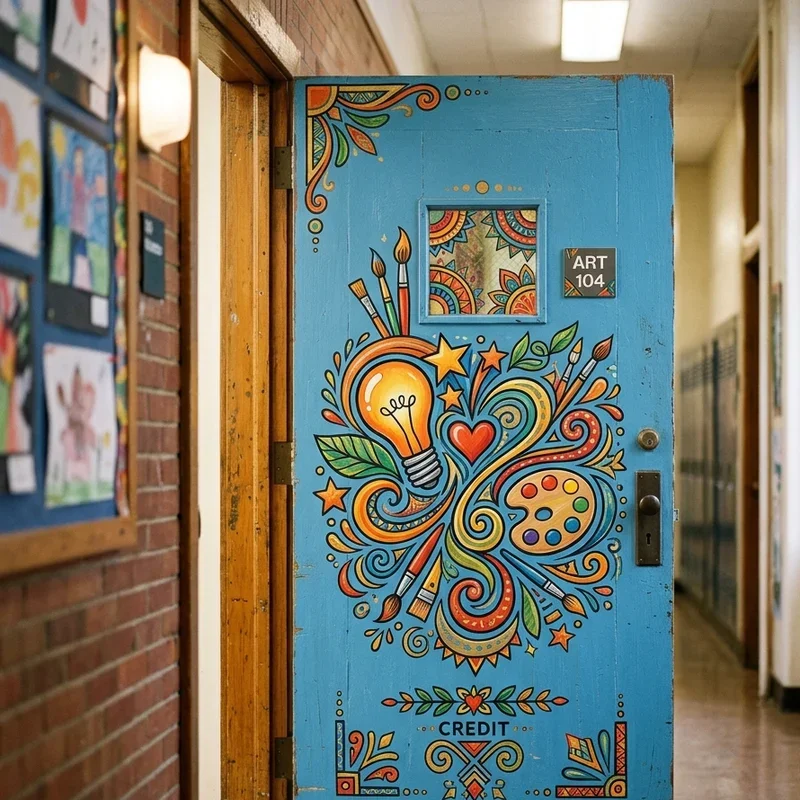
8. 3D Paper Sculpture Door Installation
A 3D paper sculpture door installation builds dimensional artwork extending outward from the door surface using folded, curled, layered, and sculpted paper techniques that create shadows, depth, and physical texture transforming a flat rectangle into a legitimate art installation that genuinely impresses every person walking through the corridor. 3D paper doors work like proving to passing students and colleagues that your classroom takes creativity seriously enough to break the two-dimensional rules every other door in the building obediently follows, the physical dimension communicating artistic ambition before anyone steps inside. Use cardstock and construction paper in graduated color families creating depth through color layering. Build dimensional flowers, butterflies, geometric shapes, or abstract sculptural forms that protrude at least five centimeters from the door surface catching hallway light and creating natural shadow patterns.
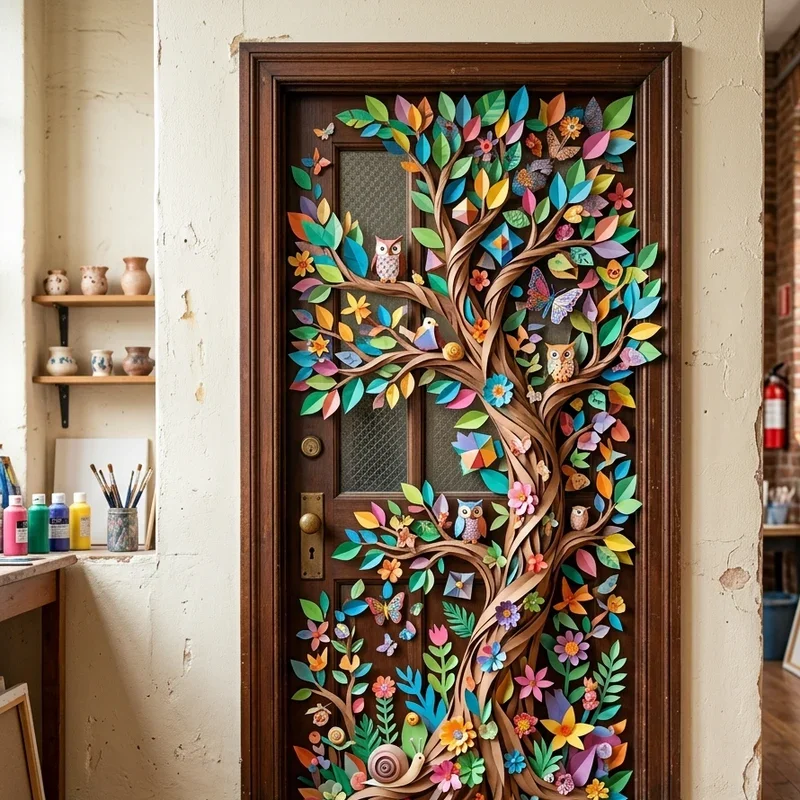
9. Art History Timeline Door Display
An art history timeline door display creates a vertical or horizontal chronological journey through major art movements from cave paintings through contemporary art, using small representative artwork images, movement names, approximate dates, and brief descriptions that transform the door into an educational reference students absorb incrementally through daily visual exposure. Timeline doors work like installing a miniature art history museum exhibition on your entrance that teaches thousands of years of creative evolution in the thirty seconds students spend waiting for the door to open every single class period throughout the academic year. Arrange movements chronologically from top to bottom using connecting arrows showing progression. Include at least one representative artwork image per movement providing visual anchors that students associate with period names and characteristics through repeated passive exposure during arrival.
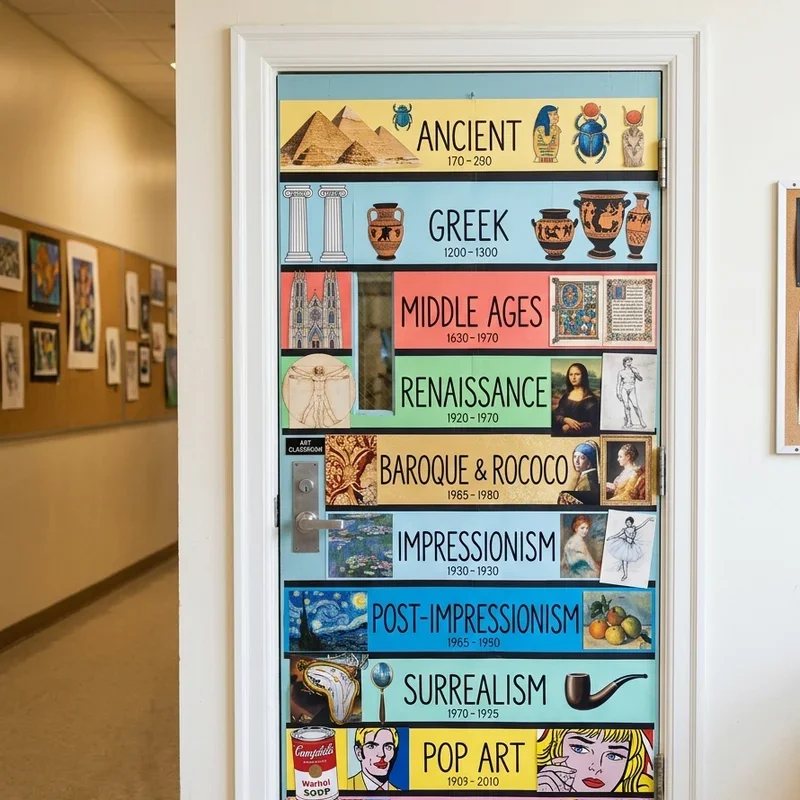
10. Optical Illusion Door Design
An optical illusion door design paints or prints a large-scale visual illusion directly onto the door surface, creating impossible staircases, trick perspective tunnels, ambiguous figure-ground reversals, or anamorphic images that stop students mid-stride in the hallway as their brains struggle to reconcile what their eyes report seeing. Optical illusion doors work like installing a visual puzzle that challenges every brain walking past it, the cognitive disruption generating curiosity about perception, perspective, and the artistic techniques that manipulate how humans process visual information scientifically. Choose illusions connecting to current curriculum topics like perspective drawing or color theory. Change the illusion design quarterly maintaining surprise and preventing the habituation that reduces visual impact once students fully decode any single illusion's mechanism through repeated daily exposure.
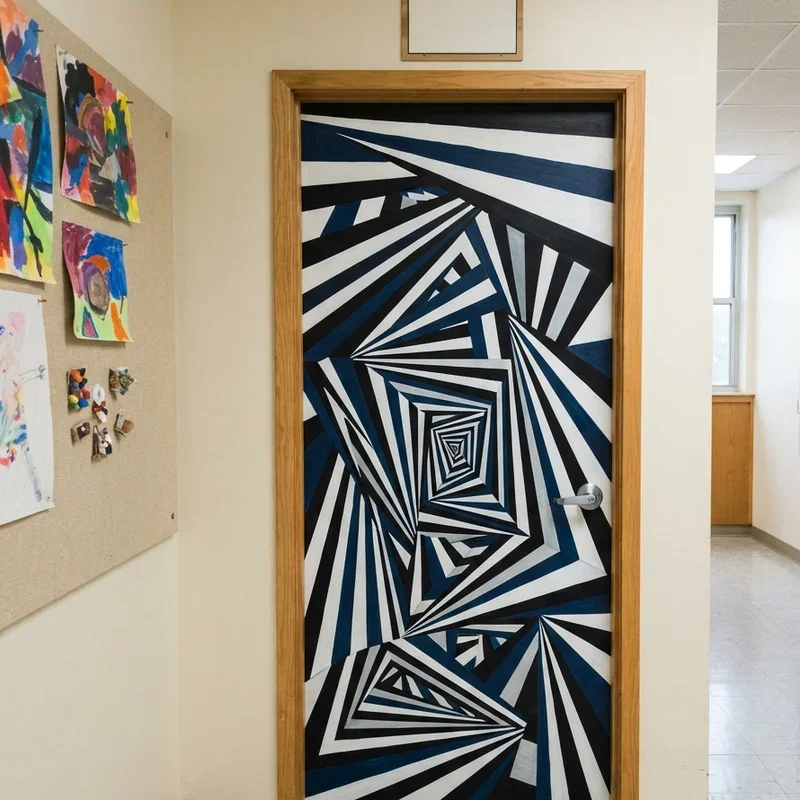
11. Student Spotlight Gallery Door Rotation
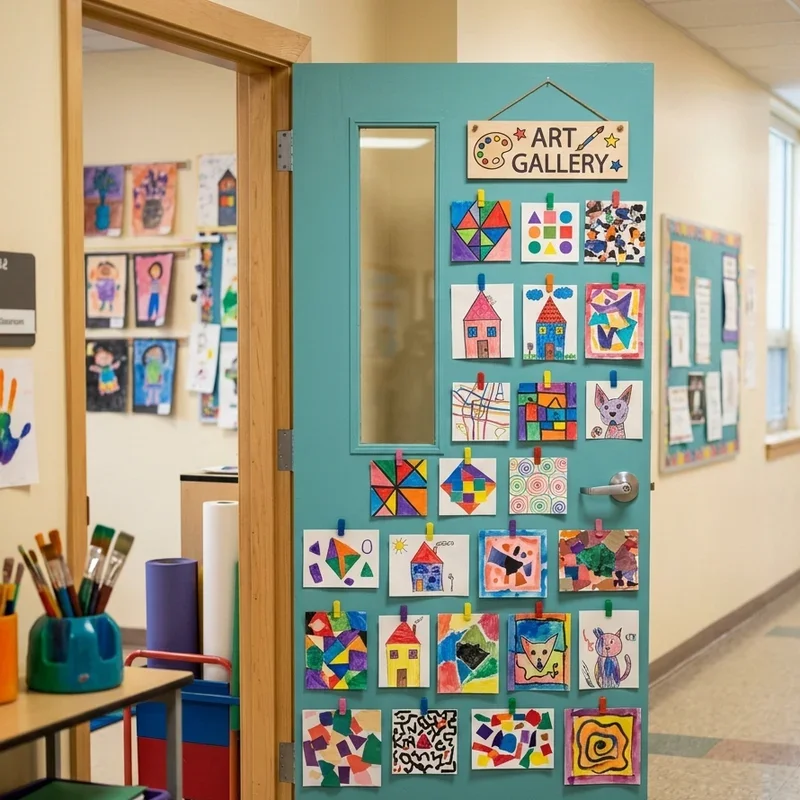
A student spotlight gallery door rotation dedicates the entire door surface to displaying one featured student's artwork each week, including their artist statement, creative process photographs, and a brief biography, creating a prestigious exhibition opportunity that rotates through every class member ensuring universal recognition throughout the academic year. Spotlight doors work like promoting a different student to featured gallery artist every Monday morning, the public recognition building creative confidence while the rotating schedule ensures every single student experiences the pride of seeing their personal artwork displayed prominently for the entire school community to admire. Photograph each weekly display preserving the recognition permanently. Create a consistent display template featuring the student's name, grade, medium used, and personal artist statement, maintaining professional presentation quality that communicates genuine respect for every featured student's creative work regardless of skill level.
12. Art Vocabulary Word Wall Door
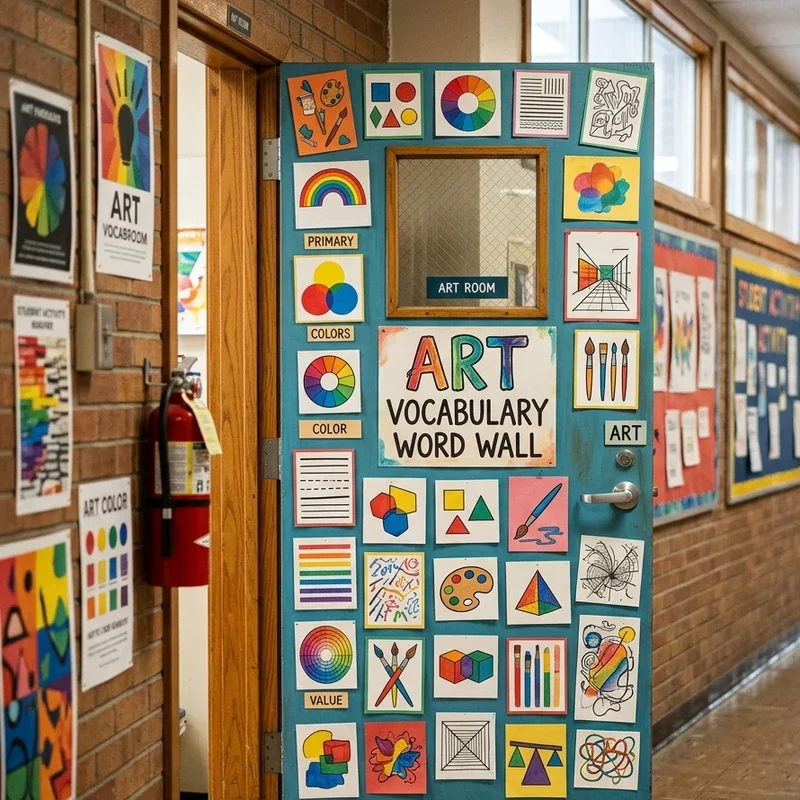
An art vocabulary word wall door covers the entrance with key art terminology including words like composition, contrast, texture, perspective, value, and saturation, each displayed with a small visual example demonstrating the concept, creating a passive learning resource students reference daily without conscious study effort throughout the entire school year. Vocabulary doors work like building a creative dictionary that students walk through physically, the daily exposure to technical terminology gradually building the professional art language they need to discuss, critique, and describe their own work and the work of others with genuine specificity and confidence. Group vocabulary by category using color coding that connects related terms visually. Add new vocabulary words as curriculum introduces them, growing the door display progressively throughout the year while maintaining previously taught terms for continuous reinforcement and reference access.
13. Elements of Art Interactive Door
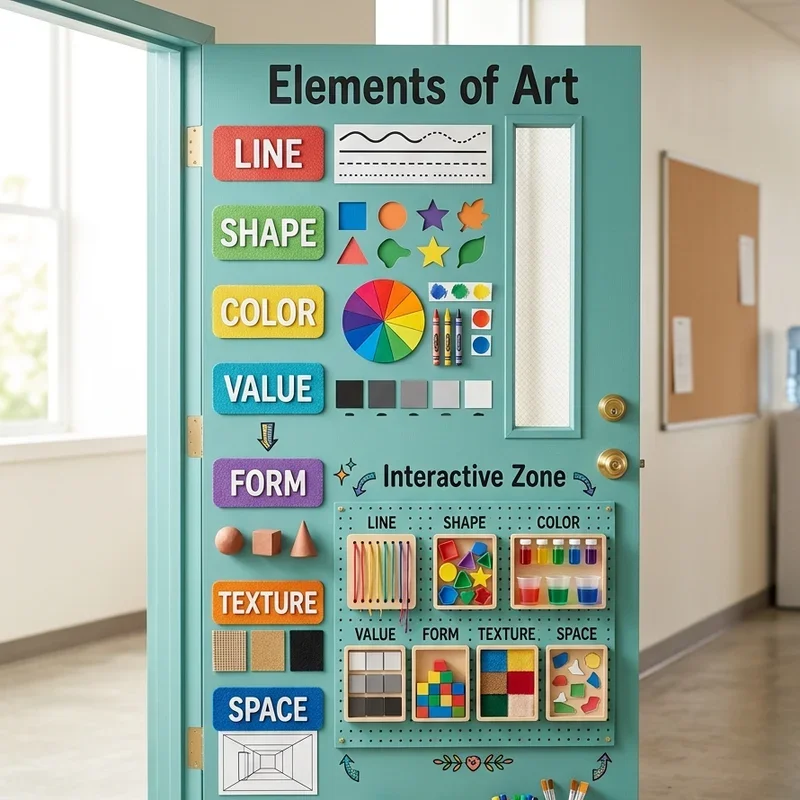
An elements of art interactive door dedicates sections to each fundamental art element including line, shape, form, color, value, texture, and space, providing visual examples, brief definitions, and small interactive components like texture swatches students touch or color wheels they reference while entering and exiting class daily. Interactive element doors work like installing a hands-on art textbook beside your entrance that students physically engage with rather than passively ignore, the tactile interaction reinforcing foundational concepts through multiple sensory channels simultaneously rather than visual-only exposure that static displays provide. Attach actual texture samples including sandpaper, fabric, foil, and corrugated cardboard demonstrating the texture element. Include a small mirror in the space section reflecting viewers and demonstrating spatial awareness, adding clever interactive surprise that makes students pause and engage with the display thoughtfully.
14. Museum Entrance Replica Door Design
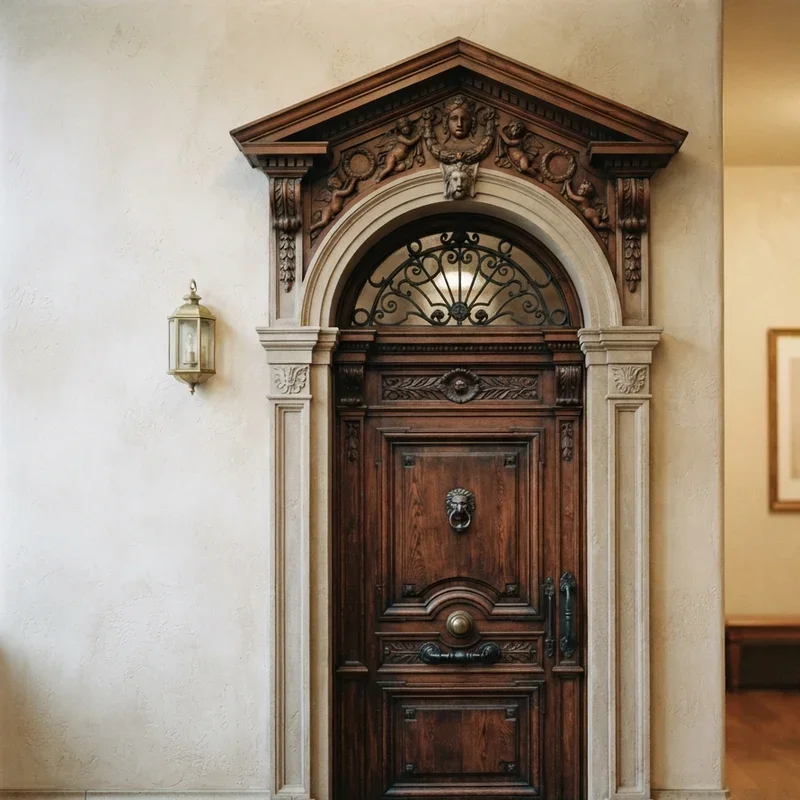
A museum entrance replica door design transforms your classroom door into a convincing recreation of a famous museum facade including architectural columns, a grand entrance archway, exhibition title banners, and admission signage declaring "free entry to all creative minds," giving students the daily experience of entering a prestigious cultural institution rather than an ordinary school classroom. Museum entrance doors work like psychologically upgrading your classroom from a school room to a world-class gallery in students' minds, the environmental messaging communicating that the creative work happening inside these walls deserves the same respect and seriousness that professional art institutions demand from their visitors. Build faux columns from rolled poster board painted in stone gray tones. Add a changeable exhibition title banner above the door announcing the current unit topic as though it were a featured museum exhibition attracting visitors.
15. Growth Mindset Creative Process Door
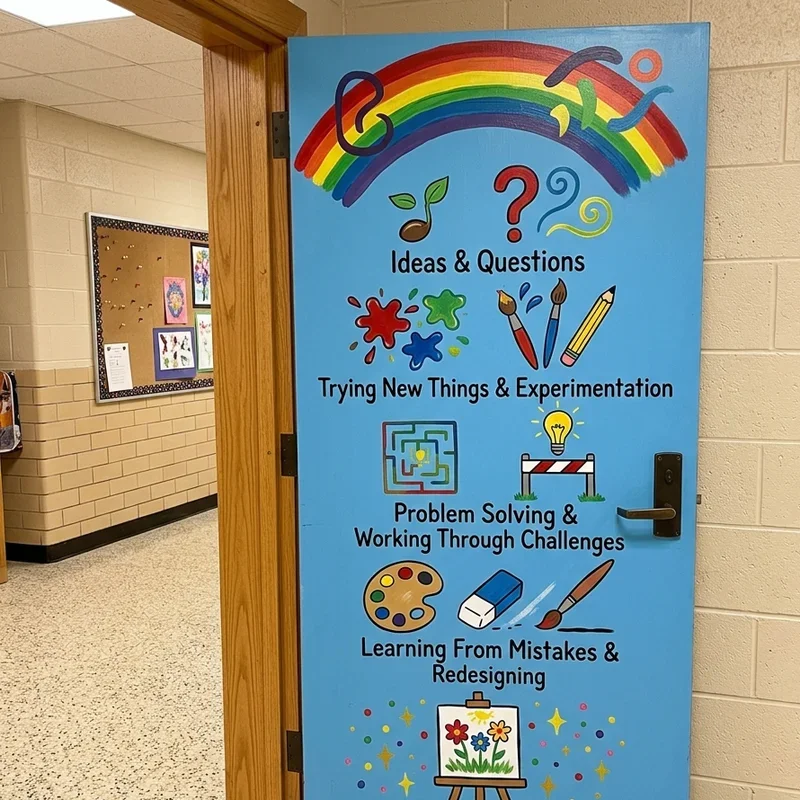
A growth mindset creative process door displays a visual journey through the creative process from initial messy brainstorming through frustrating middle stages to eventual breakthrough and completion, normalizing struggle as an essential part of artistic development while encouraging students to embrace imperfection as a necessary pathway toward genuine creative achievement. Growth mindset doors work like mapping the emotional rollercoaster every artist rides during creation, the visual roadmap reassuring students that feeling lost, frustrated, and uncertain during creative projects means they are following the exact path every successful artist travels rather than failing uniquely. Use a winding path graphic connecting labeled stages like "inspiration," "messy first attempt," "frustration valley," "breakthrough," and "pride." Include student-submitted quotes describing their own creative process experiences, adding authentic peer voices that validate the universal struggle every young artist encounters regularly.
Conclusion
Art classroom doors represent the most powerful untapped teaching surface in your entire school because students encounter them multiple times daily, absorbing visual messages passively through repeated exposure that gradually shapes their creative confidence, vocabulary, and artistic identity without requiring a single minute of formal instructional time. From interactive color wheels and 3D paper sculptures to student spotlight galleries and growth mindset process maps, these fifteen ideas prove that inspired classroom doors create inspired students before lessons even begin. Choose displays aligning with your teaching philosophy and current curriculum, because the best art classroom door teaches silently, welcomes warmly, and inspires constantly.
Read next: 15 Simple Art Ideas Perfect For Beginners
Frequently Asked Questions
Q1: How often should I change my art classroom door display throughout the school year?
A: Update displays monthly or quarterly keeping visual content fresh and aligned with current curriculum units.
Q2: What materials work best for durable classroom door displays that survive daily traffic?
A: Laminated cardstock, bulletin board paper, and clear contact film covering protect displays from daily wear.
Q3: Can I involve students in creating and maintaining the classroom door displays regularly?
A: Student involvement builds ownership and pride while reducing the individual teacher workload for display maintenance.
Q4: Do classroom door displays need administrator approval before installation at most schools?
A: Check school policies regarding hallway displays since most schools welcome creative doors meeting fire safety guidelines.
Q5: How do I make door displays accessible for students with visual impairments in my classes?
A: Include tactile elements, large high-contrast text, and 3D components that students experience through touch.
Stay up to date with our latest ideas!