15 Medieval Drawing Ideas to Inspire Your Sketchbook
Discover 15 medieval drawing ideas to fill your sketchbook with castles, knights, dragons, and more. Unlock your creativity today!
Have you ever flipped through your sketchbook and wished for something truly different to draw? The medieval era offers a treasure chest of visual inspiration that most artists completely overlook. From towering castles wrapped in morning fog to fearsome dragons guarding golden hoards, this period delivers endless creative fuel. You do not need a time machine to capture that old world charm on paper. Whether you are a beginner picking up a pencil for the first time or a seasoned artist hunting for fresh subjects, these 15 medieval drawing ideas will push your skills and ignite your imagination. Grab your sketchbook, sharpen your pencils, and let us journey back in time together.
1. A Grand Medieval Castle
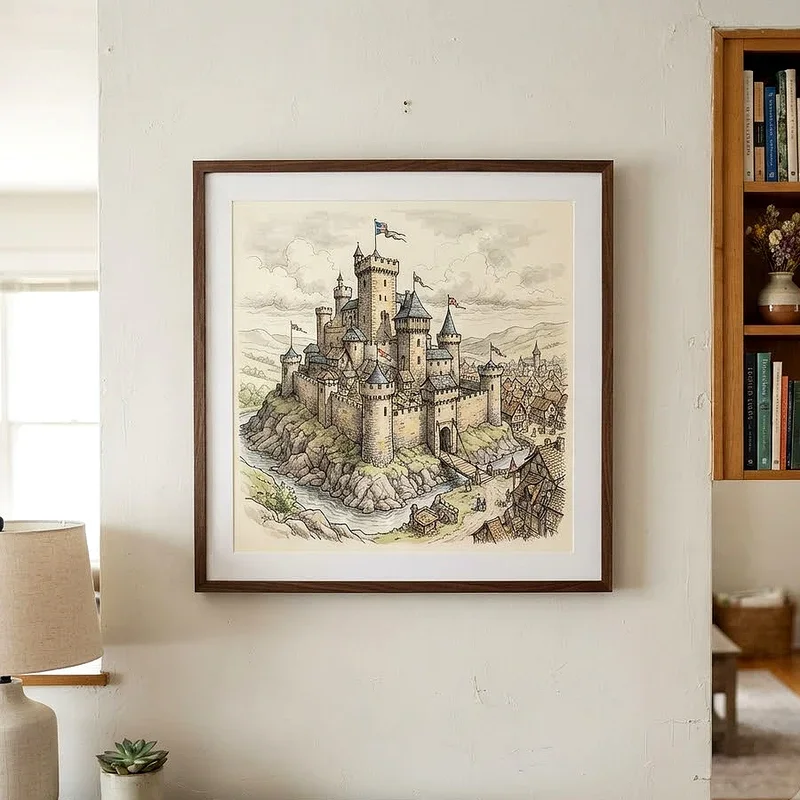
Nothing screams medieval quite like a massive stone castle perched on a hilltop. Think about those imposing towers, the drawbridge hanging over a murky moat, and the fluttering banners catching the wind. Start with the basic geometric shapes for the main structure, then layer in details like arrow slits, crenellations, and ivy creeping up the walls. You can set the mood by adding storm clouds rolling in behind the fortress or a peaceful sunset casting warm light across the stone. Play with perspective here because castles look incredible when drawn from a low angle, making them appear even more powerful and towering. This single subject can fill an entire sketchbook page with rich architectural detail and atmosphere.
2. A Knight in Full Armor
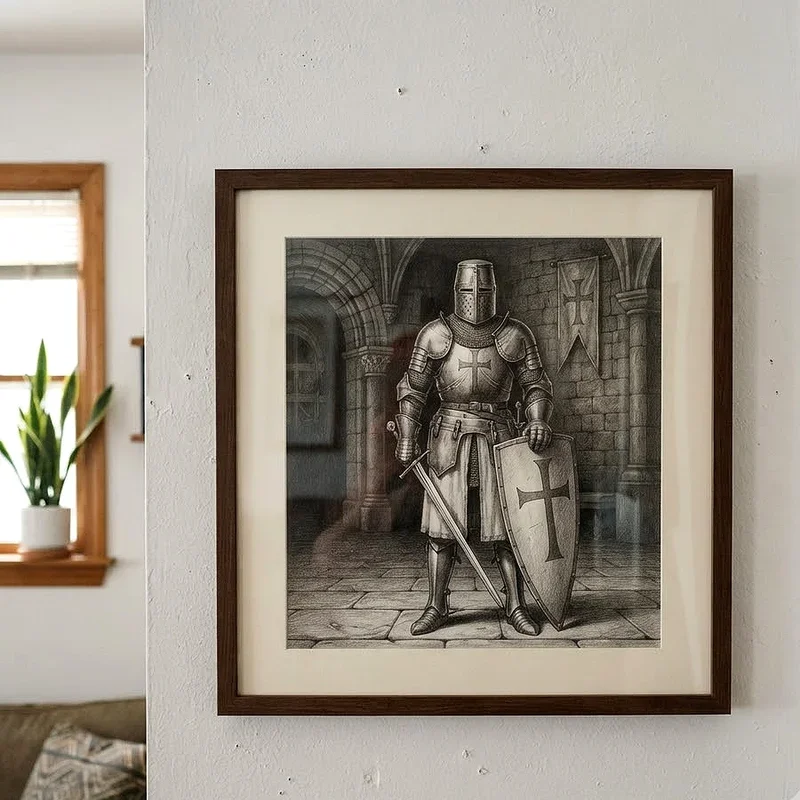
Drawing a knight is like assembling a puzzle made entirely of metal plates and chain mail. Every piece of armor has a purpose, from the helmet visor protecting the face to the greaves shielding the shins. Start by sketching the human form underneath, then build the armor on top like you are dressing a mannequin. Pay attention to how light bounces off polished steel and how shadows collect in the joints where plates overlap. You can pose your knight standing guard with a longsword planted in the ground or charging forward on horseback with a lance aimed at an invisible foe. The contrast between rigid metal and the flowing fabric of a tabard creates a visually satisfying composition every single time.
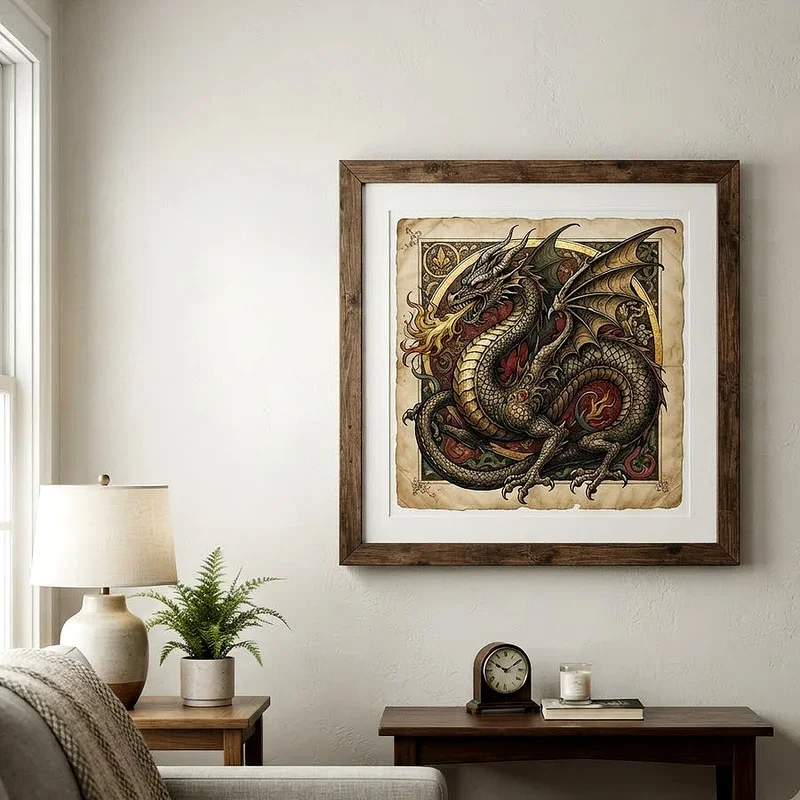
3. A Fearsome Dragon
Dragons are the rockstars of medieval mythology, and drawing one lets your imagination run completely wild. You get to decide everything about this creature, from the texture of its scales to the shape of its wings and the color of the fire it breathes. Study bat wings and lizard anatomy for reference, then exaggerate those proportions to create something truly monstrous. Think about what makes your dragon unique. Does it coil around a mountain peak or soar through thunderclouds? Adding environmental elements like scorched earth or terrified villagers fleeing below gives your drawing a narrative that pulls viewers into the scene. A well drawn dragon can become the crown jewel of any sketchbook you own.
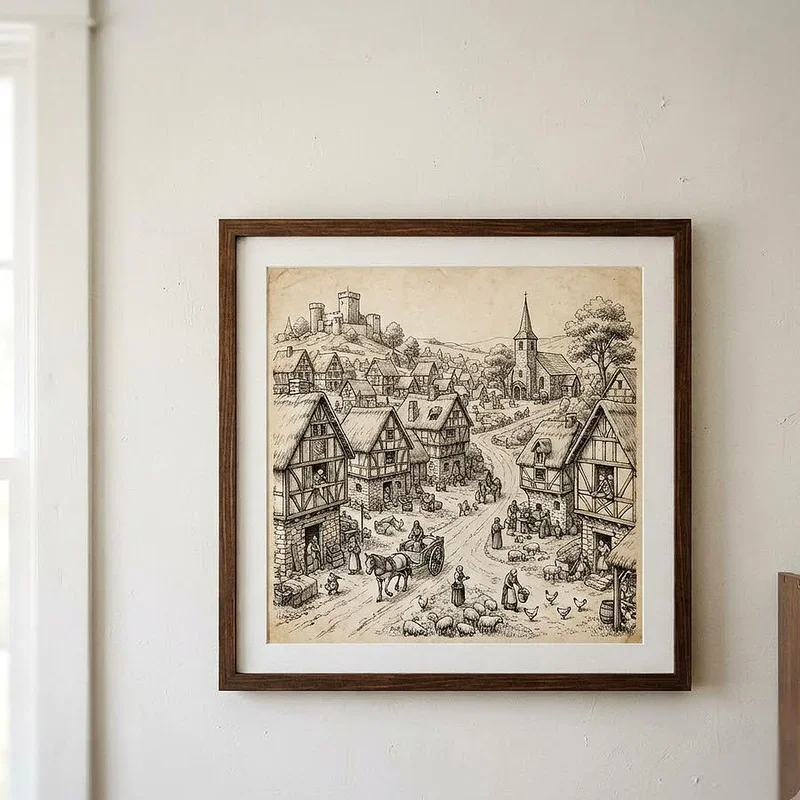
4. A Medieval Village Scene
A medieval village is a wonderful exercise in drawing multiple small elements that work together as one unified scene. Picture thatched roof cottages lining a muddy road, a stone well sitting at the center, and chickens pecking around wooden fences. Smoke curls from chimneys while a merchant pushes a cart loaded with barrels. The beauty of this subject lies in the storytelling potential packed into every corner. You can include a tavern with a swinging sign, a church steeple rising above the rooftops, or children playing near a stream at the village edge. This type of drawing sharpens your ability to handle depth, proportion, and the small details that bring an entire world to life on paper.
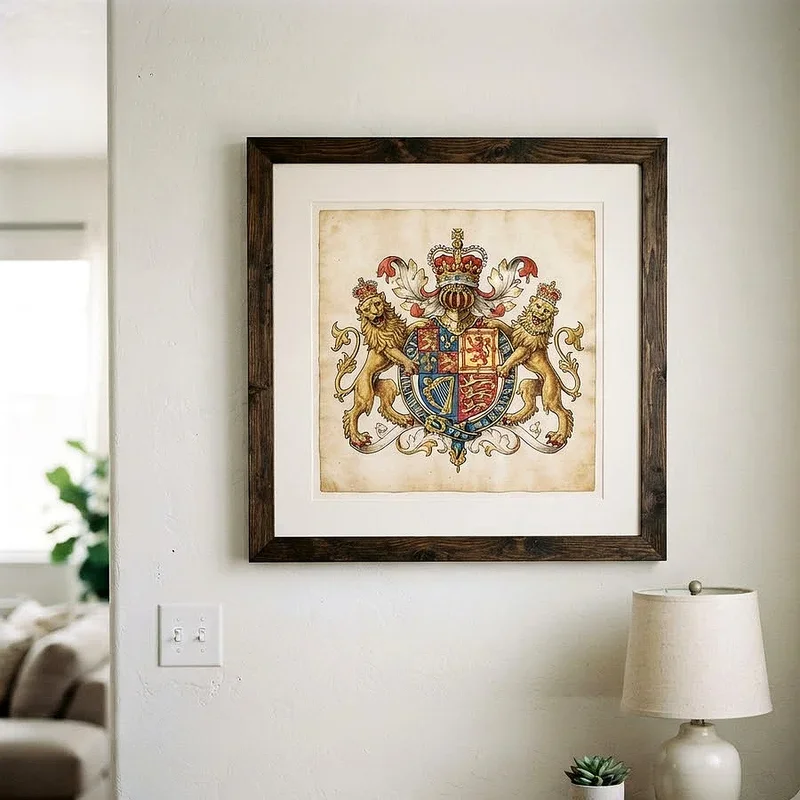
5. A Royal Coat of Arms
A coat of arms is a fantastic way to practice symmetry, pattern work, and symbolic imagery all in one drawing. Start with the shield shape as your foundation, then divide it into sections where you can place lions, eagles, crosses, or any heraldic symbols you choose. Add supporters on each side, perhaps a griffin on the left and a unicorn on the right, holding the shield in place. A banner scrolling beneath with a Latin motto ties the whole composition together beautifully. You can invent your own family crest or recreate a historical one for accuracy practice. The precision this subject demands will tighten your line work and teach you how to balance complex visual elements within a structured frame.
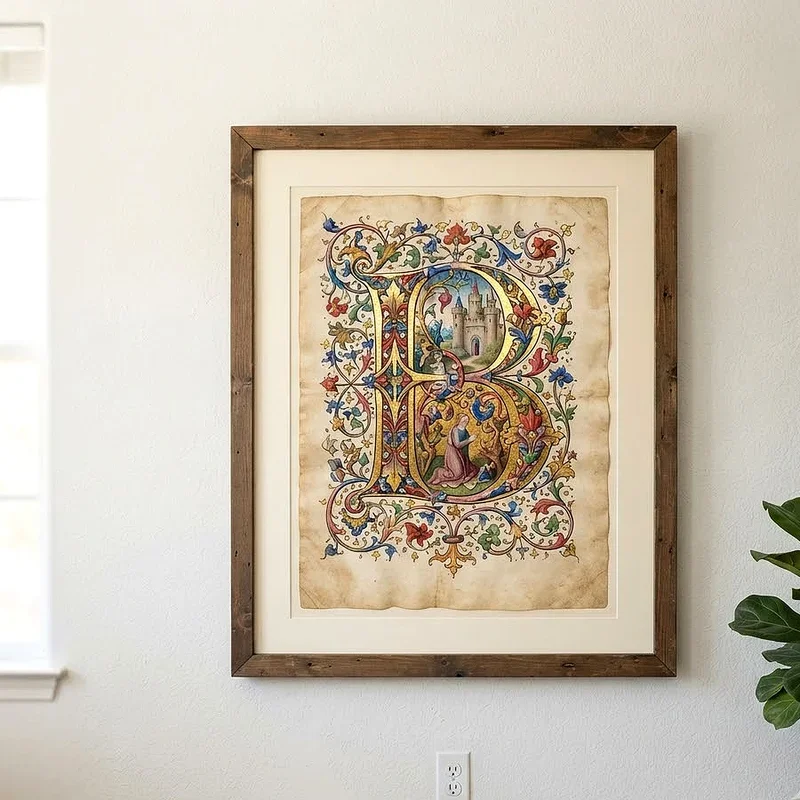
6. An Illuminated Manuscript Letter
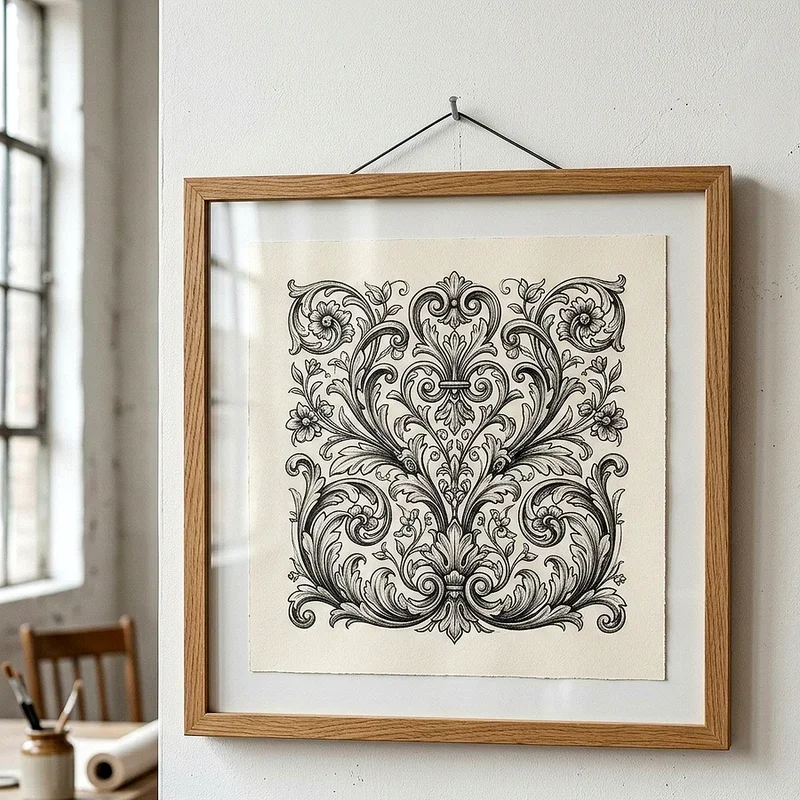
Illuminated letters are where calligraphy meets fine art, and they make absolutely stunning sketchbook pages. Medieval monks spent years perfecting these ornate capital letters that opened chapters of sacred texts. Choose a single letter, maybe your own initial, and transform it into a work of art surrounded by swirling vines, tiny flowers, gold leaf patterns, and miniature figures tucked into the curves. The interplay between the bold letterform and the delicate decorative elements creates a striking visual contrast that catches every eye. Use fine tipped pens for the intricate details and consider adding color with watercolors or colored pencils to mimic that authentic manuscript feel. This exercise trains your patience, precision, and decorative instincts simultaneously.
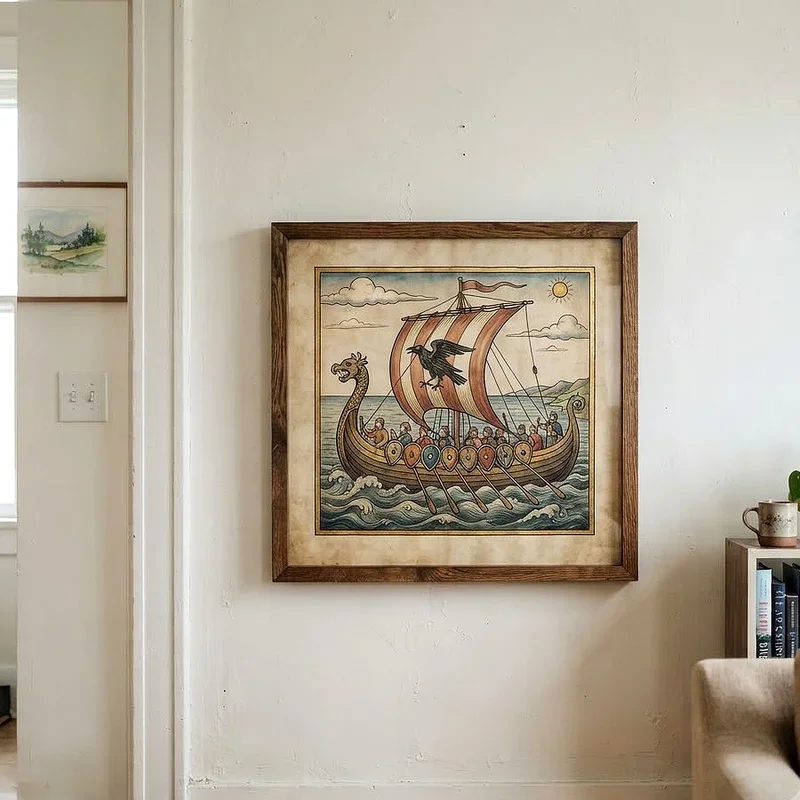
7. A Viking Longship
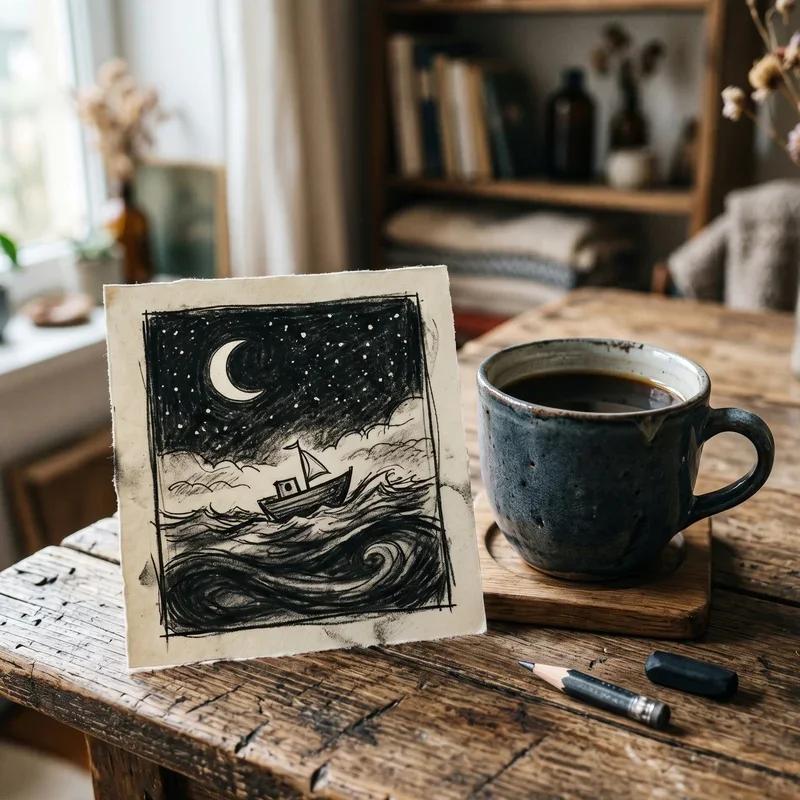
A Viking longship cutting through rough ocean waves makes for a dramatic and dynamic drawing that practically vibrates with energy. These vessels were engineering marvels with their sleek hulls, overlapping planks, and fearsome dragon head prows designed to intimidate enemies before battle even began. Sketch the curved body of the ship first, then add the tall mast with a square sail catching heavy wind. Line the sides with round shields painted in alternating colors and show oars dipping into churning water. Warriors standing at the bow scanning the horizon add a human element that grounds the whole scene. The combination of organic water movements and the structured lines of the ship creates a wonderful contrast for practicing different drawing techniques.
8. A Medieval Market Square
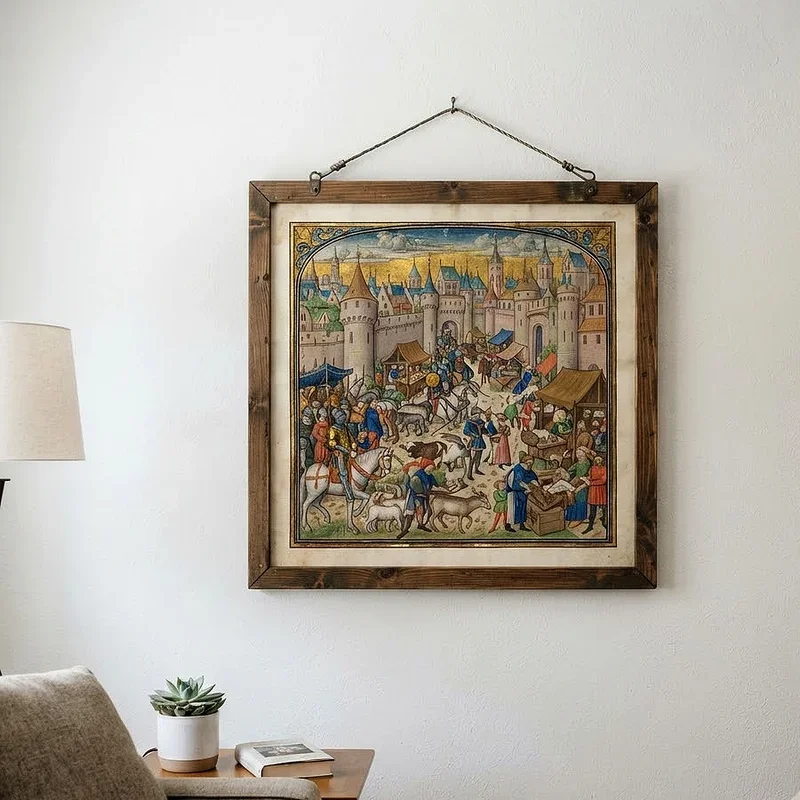
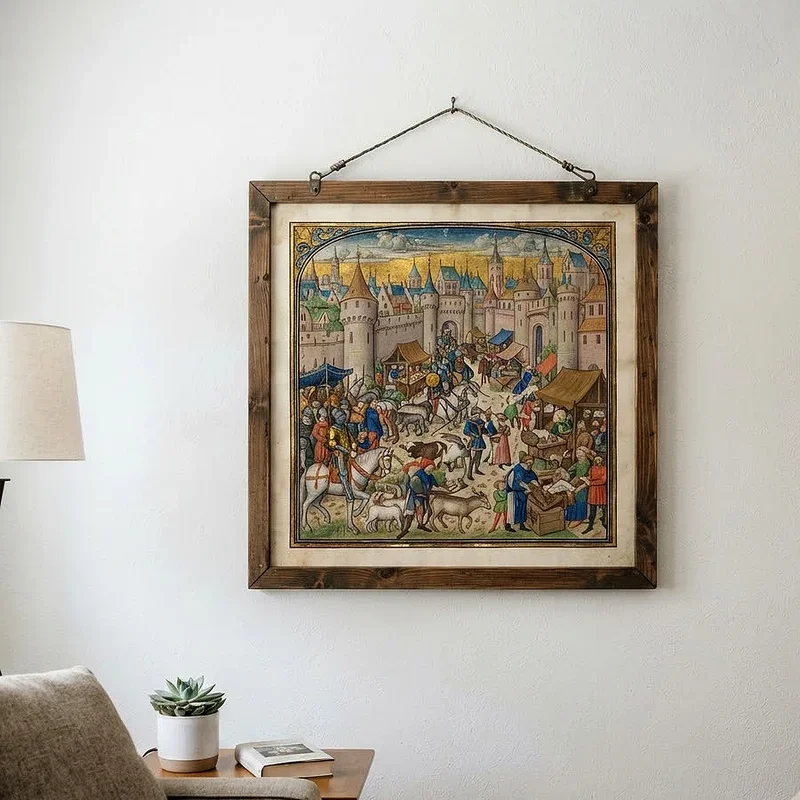
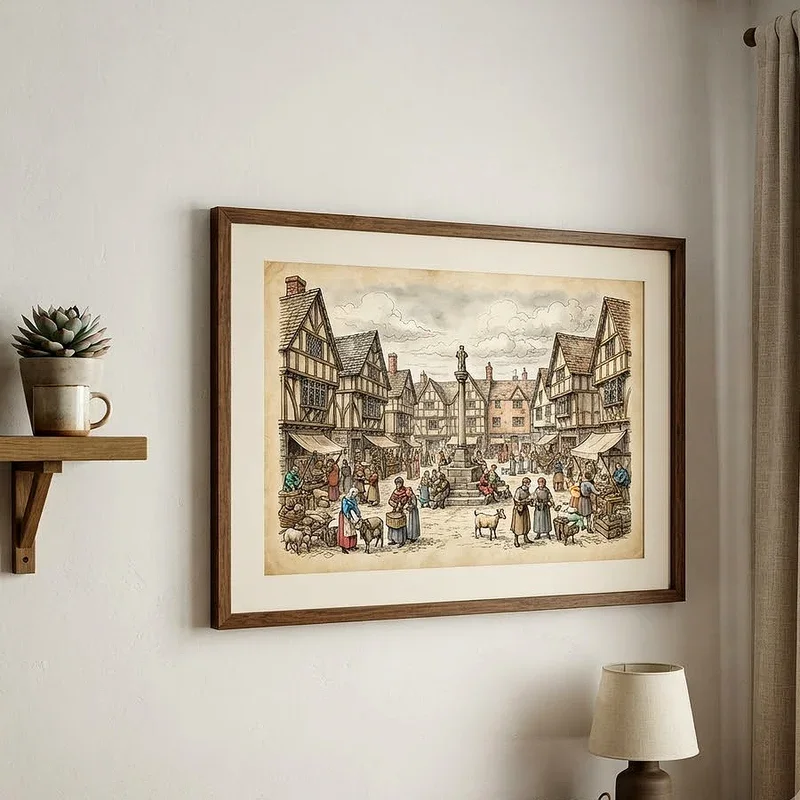
A bustling market square overflows with visual storytelling opportunities that will keep your pencil busy for hours. Imagine merchants hawking fabrics under colorful canopies, a butcher displaying hanging game, and a baker pulling fresh loaves from a stone oven. Crowd the scene with people from every social class because the market was the great equalizer where nobles rubbed shoulders with peasants. Add details like overflowing baskets of fruit, caged birds, stacked pottery, and a juggler entertaining passersby near the fountain. The challenge here is managing a busy composition without letting it become chaotic or overwhelming to the viewer. This drawing teaches you crowd dynamics, spatial arrangement, and the art of guiding the viewer through a dense scene naturally.
9. A Jousting Tournament
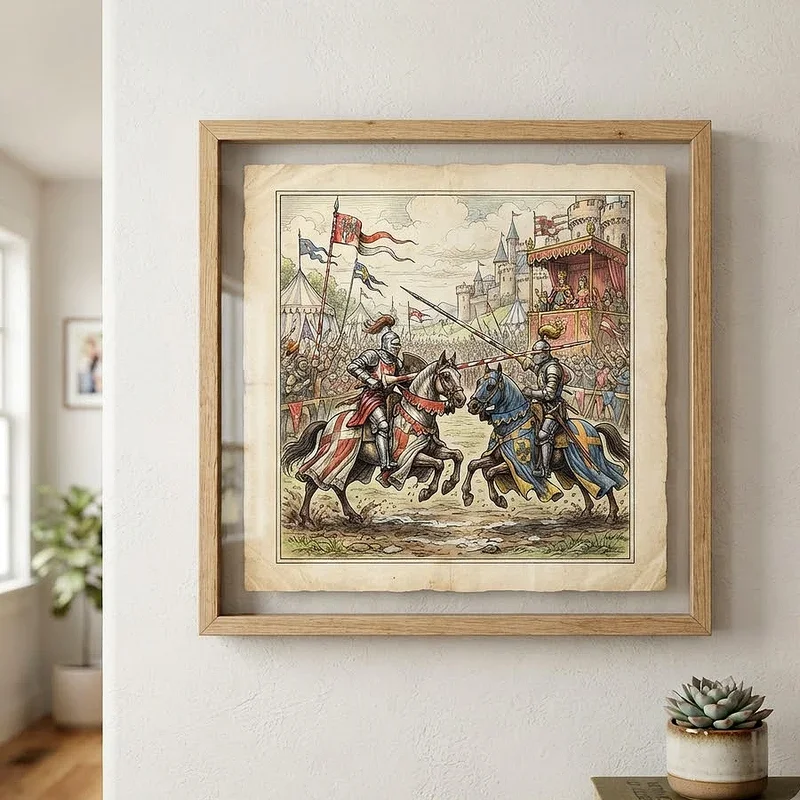
Few medieval events carry the excitement and spectacle of a jousting tournament, making it a thrilling subject to capture in your sketchbook. Two armored knights charge toward each other on powerful warhorses, lances leveled, with colored pennants streaming behind them in the wind. The grandstand behind them erupts with spectators waving scarves and cheering wildly for their champion. Draw the moment right before impact to maximize the tension and drama within the scene. Pay attention to the horses because their muscular bodies and flowing manes add incredible energy and movement to your composition. The contrast between the thundering action in the foreground and the excited crowd in the background creates depth that makes this drawing feel alive and vibrant.
10. A Mystical Forest with Ruins
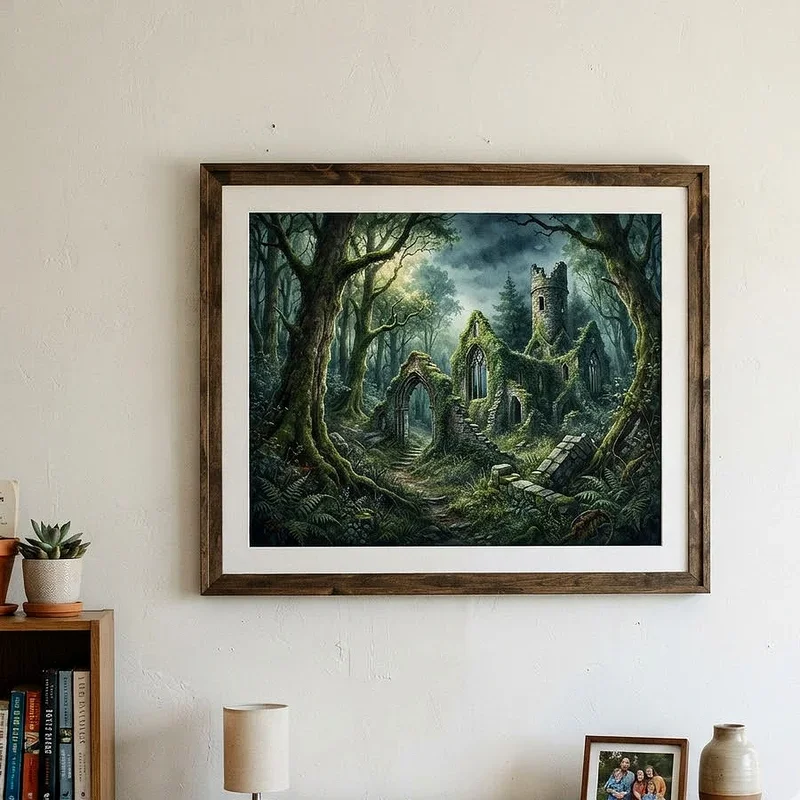
Combining a dark enchanted forest with crumbling stone ruins gives you a drawing dripping with mystery and atmosphere that viewers cannot ignore. Ancient columns wrapped in moss stand among twisted trees whose branches block most of the sunlight filtering through the canopy above. A forgotten stone archway leads to nowhere, and ferns push through cracks in a broken floor. Maybe a single shaft of light illuminates a weathered statue or a hidden spring reflecting the darkness around it. This subject lets you explore texture contrasts between rough bark, smooth stone, and soft vegetation all within one piece. The mood you create depends entirely on your shading choices, so experiment with deep shadows and subtle highlights to build maximum dramatic impact.
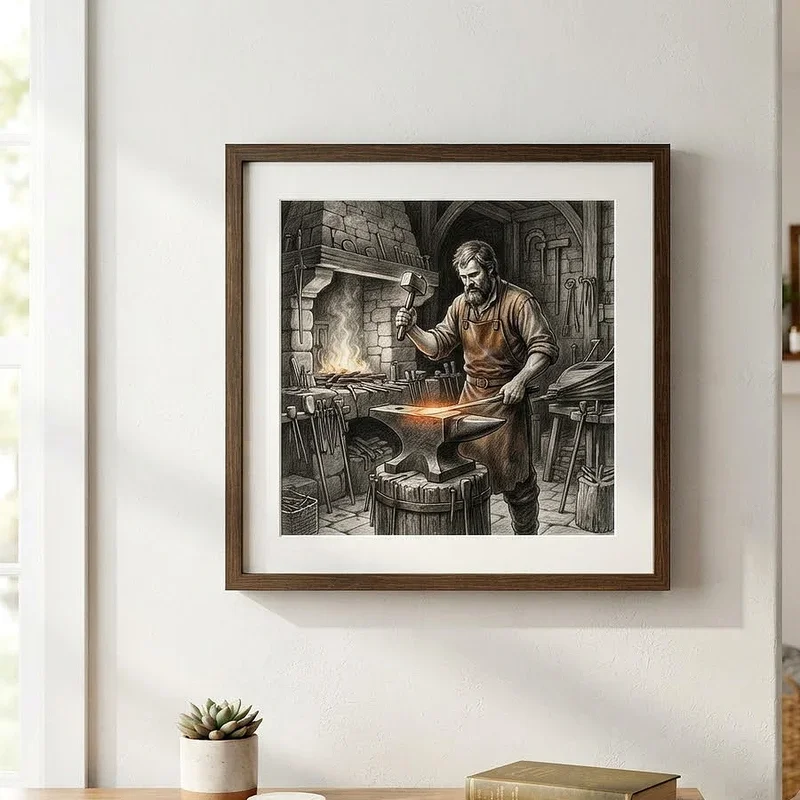
11. A Medieval Blacksmith at Work
The blacksmith was the heartbeat of every medieval community, and drawing one at work captures raw human effort and craft beautifully. Show the smith mid swing, bringing a heavy hammer down on glowing orange metal laid across an iron anvil. Sparks fly outward like tiny fireworks while the forge behind radiates intense heat that you can almost feel through the page. Fill the workshop with tools hanging on walls, horseshoes stacked nearby, and half finished swords cooling on racks. The interplay between the bright fire and the dark smoky interior creates a natural chiaroscuro effect that adds incredible depth. This subject also lets you practice drawing the human figure in motion, capturing the strain in muscles and the focused determination etched across the blacksmith's face.
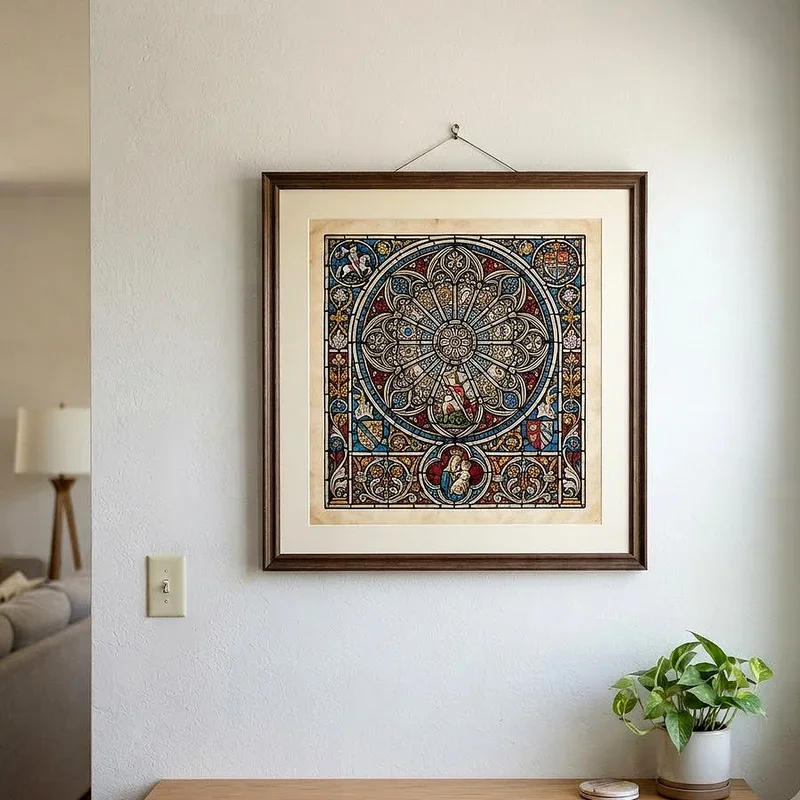
12. A Stained Glass Window Design
Stained glass windows turn light itself into art, and recreating one in your sketchbook is both meditative and rewarding. Medieval cathedrals used these glowing panels to tell biblical stories and celebrate saints through vivid color and bold outlines. Start by drawing the window frame, perhaps a pointed Gothic arch, then divide the interior into geometric sections separated by thick lead lines. Fill each section with figures, animals, or abstract patterns that flow together as a cohesive design. Even without color, the strong outlines and balanced composition make this subject visually striking on paper. When you do add color, use rich jewel tones like deep blues, fiery reds, and emerald greens to capture that luminous quality. This exercise sharpens your design sense beautifully.
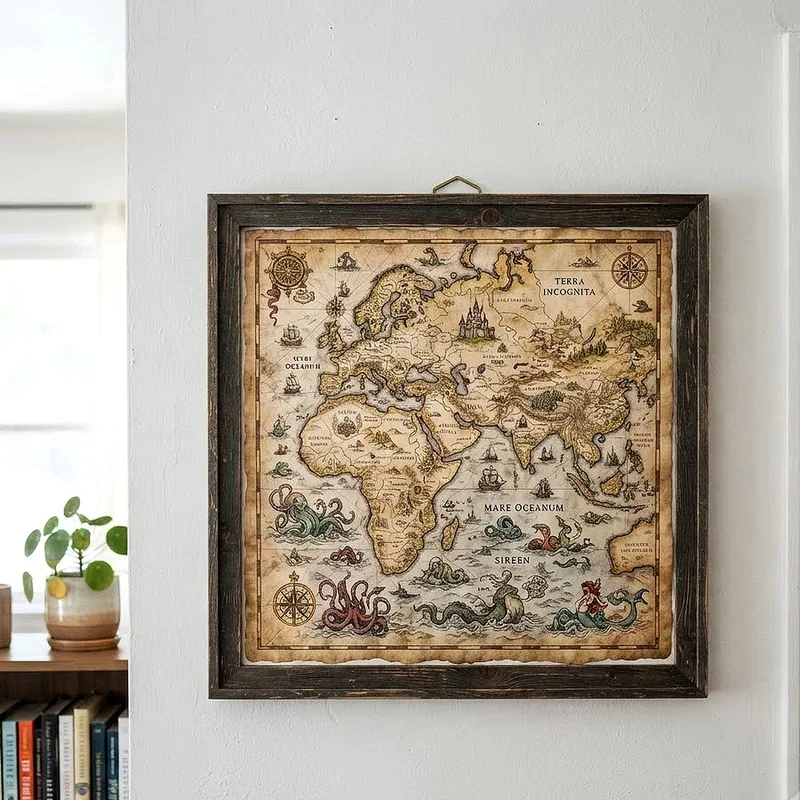
13. A Medieval Map with Sea Monsters
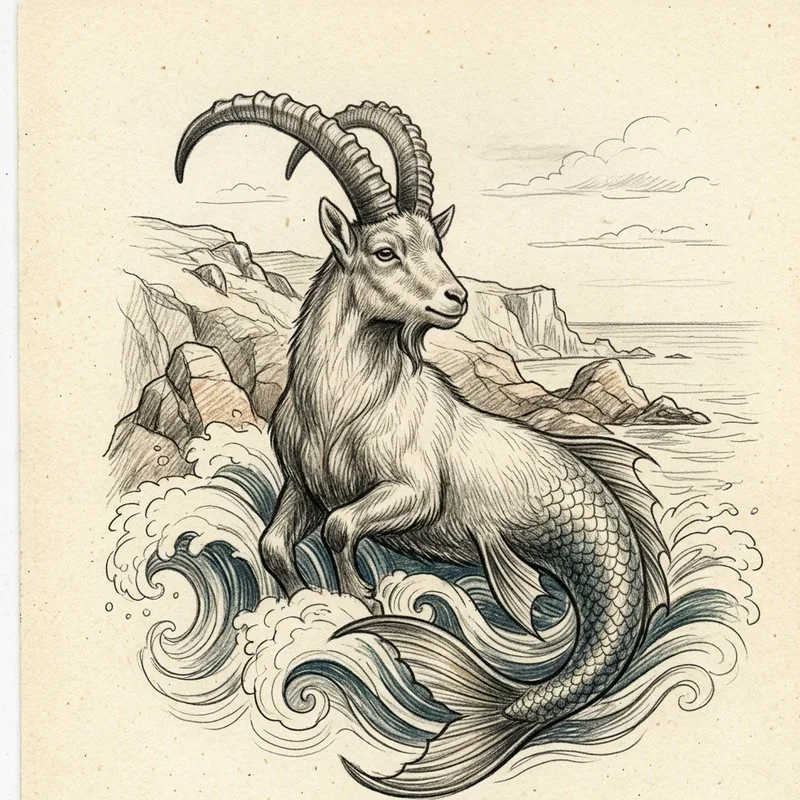
Old medieval maps are gorgeous works of art in their own right, blending geography with mythology and wild imagination in the most charming way possible. Draw a coastline with exaggerated proportions, label kingdoms with decorative script, and scatter compass roses across the parchment. The real fun begins when you populate the ocean with sea monsters, giant serpents coiling around ships, spouting whales, and tentacled creatures lurking in unexplored waters. Add a decorative cartouche in one corner with a fictitious title and date to complete the authentic look. Use crosshatching to indicate mountain ranges and tiny tree symbols for forests along the coast. This drawing combines cartography, typography, illustration, and creature design into one incredibly satisfying and endlessly detailed sketchbook spread.
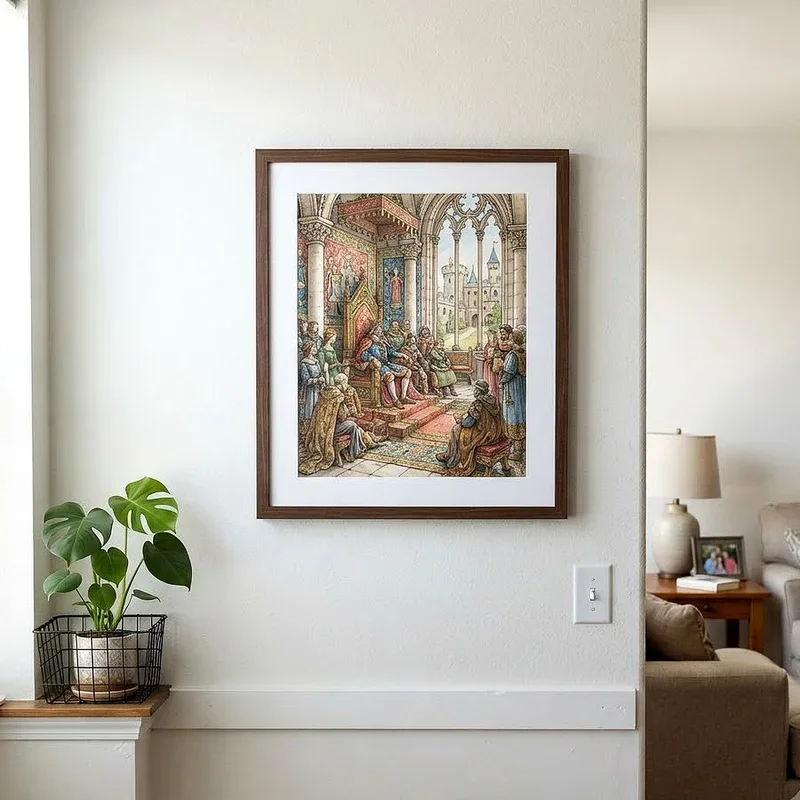
14. A Royal Throne Room
A throne room represents power, wealth, and authority, and capturing that grandeur on paper challenges you to think big about interior spaces. Place an ornate throne at the center, elevated on stone steps, with carved lions or eagles forming the armrests. Tall stone pillars line both sides creating a corridor effect that draws the eye directly to the seat of power. Hang heavy tapestries depicting battle victories from the walls and scatter candelabras throughout the space casting flickering light and long shadows across the polished floor. A red carpet rolls from the massive wooden doors all the way to the throne like a river of crimson. This subject pushes your perspective skills hard because getting the converging lines right makes the difference between a flat drawing and a truly immersive one.
15. A Medieval Battle Scene
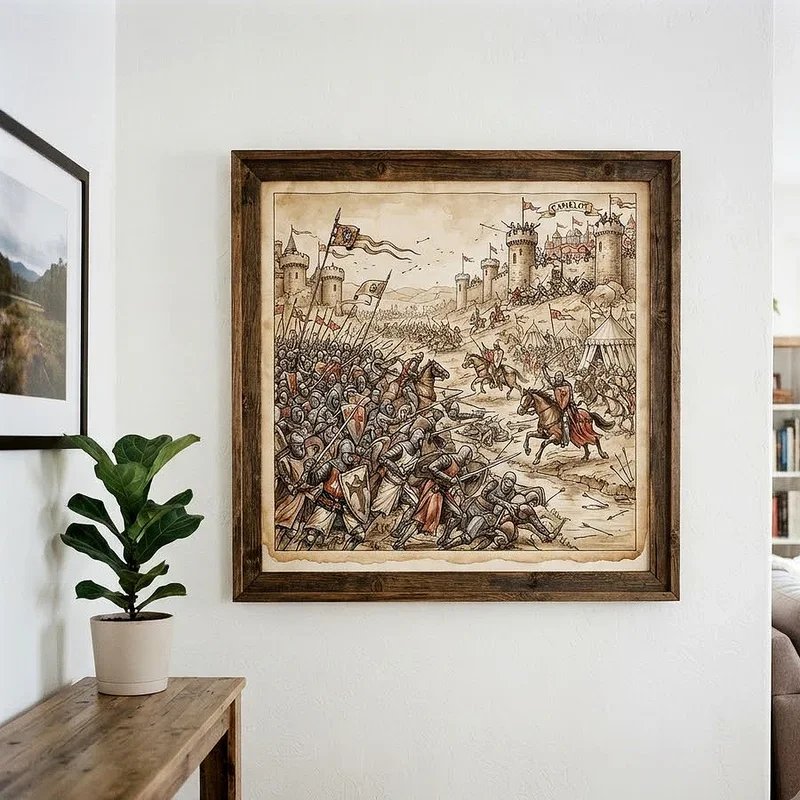
A medieval battle scene is the ultimate test of your drawing abilities because it combines everything you have practiced into one explosive composition. Armies clash with swords, axes, and shields while arrows arc overhead like deadly rain falling from the sky. Horses rear up amid the chaos while banners and flags whip in the smoky wind above the fray. Focus on a small group of warriors in the foreground with detailed armor and expressions, then suggest the larger army behind with looser, sketchier marks that fade into the dusty distance. This layering technique creates depth without requiring you to draw every single soldier in perfect detail. The energy, movement, and raw emotion packed into a battle scene make it one of the most rewarding and challenging medieval subjects you can tackle.
Conclusion
Medieval themes offer an incredible playground for artists looking to stretch their creative muscles and fill their sketchbooks with meaningful work. Each of these 15 ideas brings unique challenges, from mastering architectural perspective in castle drawings to capturing raw human emotion in battle scenes. You do not need to tackle them in order or complete them in one sitting. Let each idea simmer, experiment with different styles, and watch your skills grow with every page you fill. The medieval world is vast, rich, and endlessly inspiring. So pick up your pencil, choose your first subject, and start creating something that would make even the old masters proud of your effort.
Read next: 15 Drawing Ideas to Spark Your Imagination
Frequently Asked Questions
Q1. What pencils work best for medieval drawings?
A: Graphite pencils ranging from 2H to 6B give you the full tonal range needed.
Q2. Do I need to study history before drawing medieval subjects?
A: Basic research helps with accuracy, but your imagination matters more than perfect historical details.
Q3. Can beginners attempt these medieval drawing ideas successfully?
A: Absolutely, start with simpler subjects like castles and coats of arms before tackling battles.
Q4. Should I use references when drawing medieval scenes?
A: Yes, reference photos and historical illustrations greatly improve your accuracy and overall composition quality.
Q5. How long does a detailed medieval drawing typically take?
A: Depending on complexity, expect anywhere from two hours to several full drawing sessions.
Stay up to date with our latest ideas!